Historians claim that America exhibits all '10 signs of fascism.'
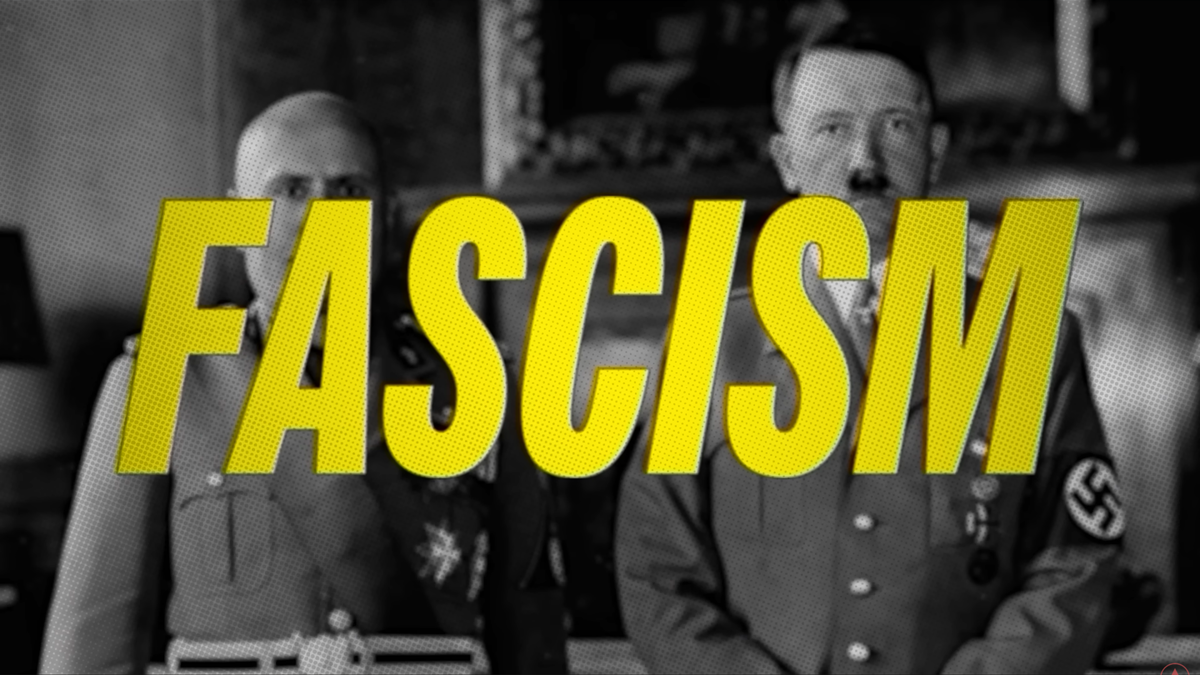
The word '
10 Signs of Fascism. America has all of them. - Rutger Bregman
https://rutgerbregman.substack.com/p/10-signs-of-fascism-america-has-all
You're Not Overreacting. This Is Actually Fascism. - YouTube
According to Bregman, there is no single, perfectly matching definition of fascism. Italian 'fascism' and German 'nazism' are not identical, but they can be recognized as belonging to the same political movement due to overlapping characteristics such as a glorified past, the worship of leaders, the dehumanization of enemies, and violence.
Bregman lists the following 10 signs of fascism currently seen in America:
◆1: The idealized past and national regeneration
The first is the narrative that 'the country was once great, but was destroyed by someone, and must be restored.' In the fascist movement, past nations are depicted as pure and strong, and the goal becomes returning to that state.
Bregman points out that Trump's slogan, 'Make America Great Again,' fits this structure. Trump has said that America has been 'betrayed by an internal enemy,' and Bregman says that the idea of breaking down the old order and rebuilding the country is close to the fascist idea of national regeneration.

◆2: Victim mentality and feelings of humiliation
The second is 'depicting a group that should inherently possess power as the one being attacked and having its power stolen.' Fascism creates narratives in which 'real Germans' or 'real Americans' are threatened by elites, globalists, or immigrants, and this sense of victimhood eventually leads to feelings of revenge. Bregman argues that what drives fascism is a feeling of humiliation—the feeling that 'we have been insulted and had our rightful place taken away'—and cites Trump's statement, 'I am your retribution,' as an example.

◆3: Drawing lines and dehumanization
The third is 'dividing people into 'us' and 'them,' and treating those outside as inferior.' In fascism, the line between allies and enemies is drawn based on ethnicity, religion, nationality, etc. Immigrants are not only called 'illegal immigrants' or 'foreigners,' but are sometimes likened to non-human things such as vermin or cockroaches. Trump called immigrants 'animals' and described them as polluting the blood of America.
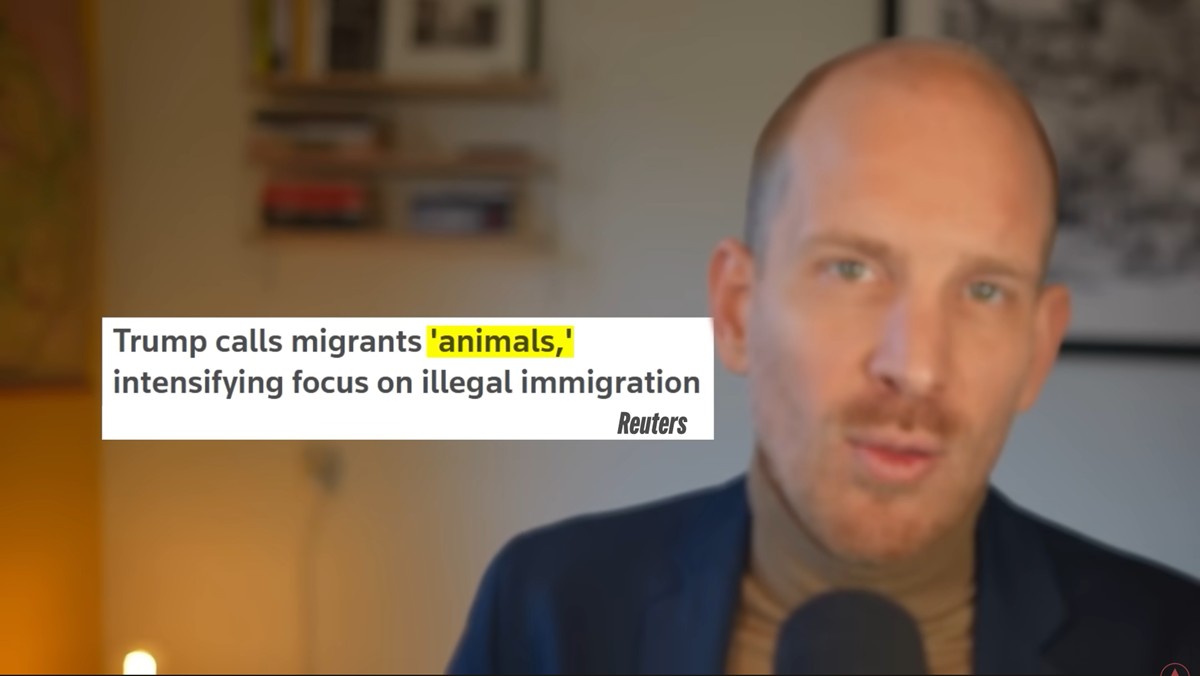
Bregman states, 'When language that treats people as less than human becomes widespread, it becomes easier to justify such treatment.'
◆4: Contempt for weakness
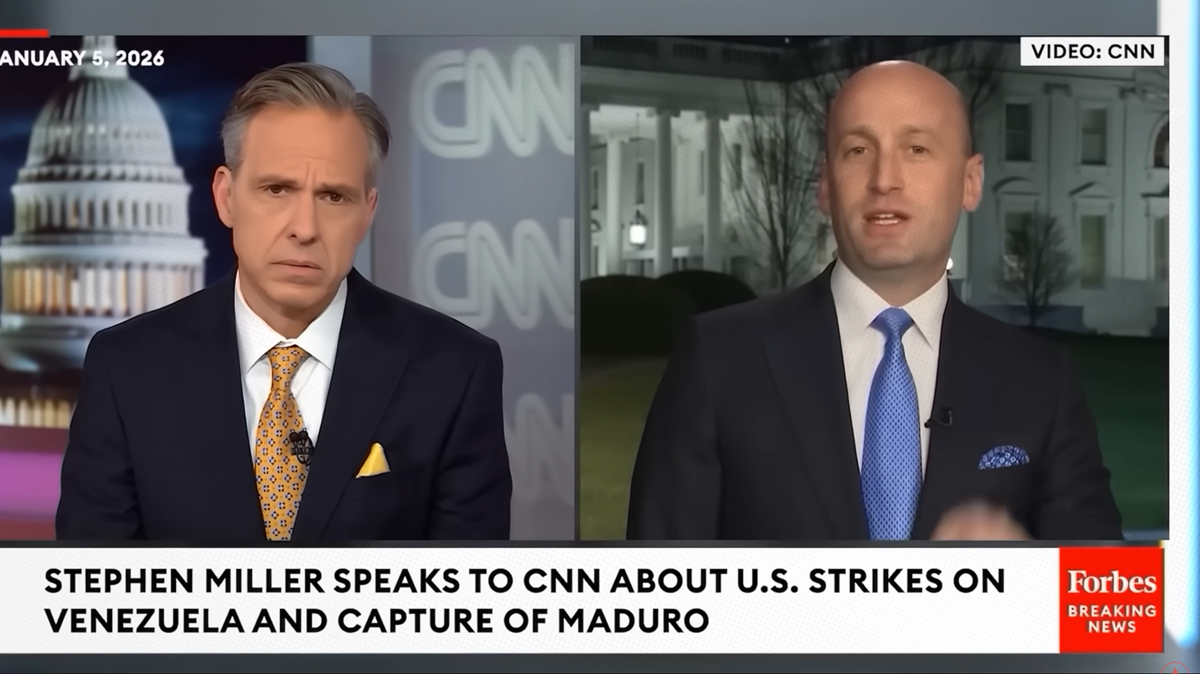
The fourth is 'absolutizing strength and treating compassion and compromise as weaknesses.' In fascism, society and politics are always viewed as struggles, and the idea that the strong should rule comes to the forefront. Furthermore, compassion is seen as softness or decadence, and it is said that a country has become weak because it has become too soft. Bregman cites as an example Stephen Miller, who was deeply involved in immigration policy and other issues in the Trump administration, telling CNN's Jake Tapper that 'the real world is ruled by strength, power, and authority, and these are the 'iron laws' since the beginning of the world.'
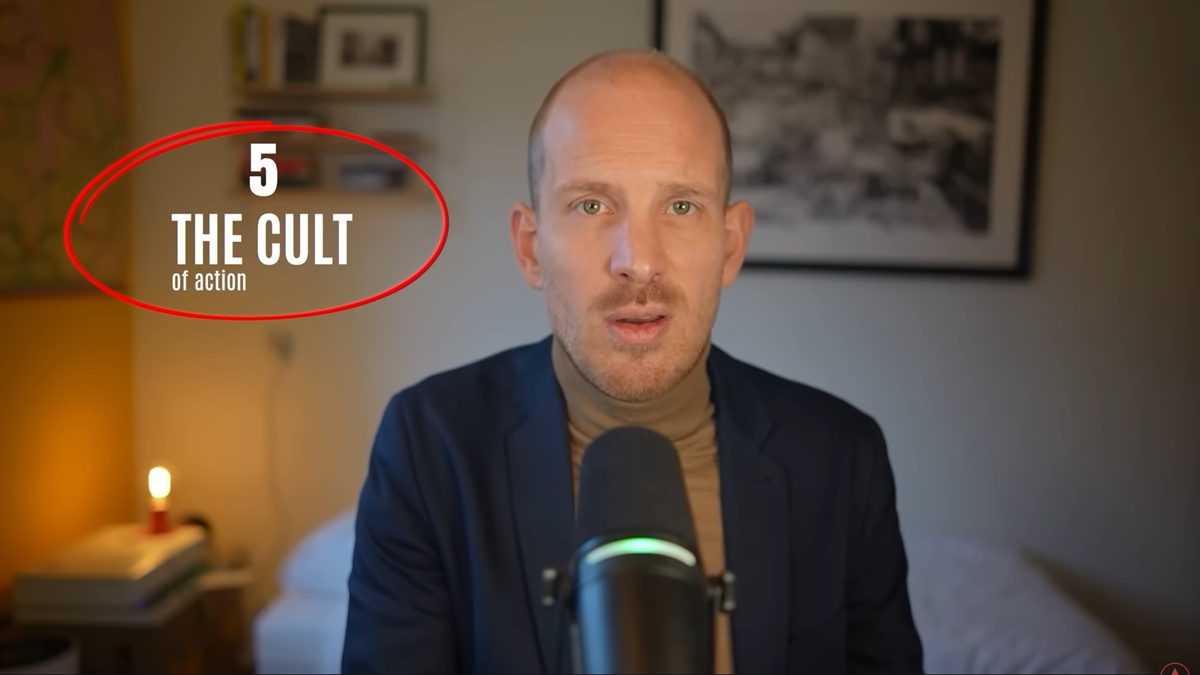
◆5: An attitude that values action over discussion
The fifth characteristic is 'an attitude that values immediate action over discussion and deliberation.' In fascism, thinking and debating are seen as weaknesses, and prolonged consideration is treated as stagnation. Democratic mechanisms such as committees, procedures, and compromises are attacked as slow and tedious, and instead, attitudes of 'just do it' and 'break through bureaucratic procedures' are praised. Bregman states that in fascism, a strong will is more important than negotiation.
◆6: Leaders as Saviors
The sixth point is 'treating leaders as 'beings who single-handedly embody the will of the people.'' In a democracy, leaders are constrained by laws and institutions and are accountable to the voters. However, in fascism, leaders are not merely public officials but are treated as beings who embody the will of the state.
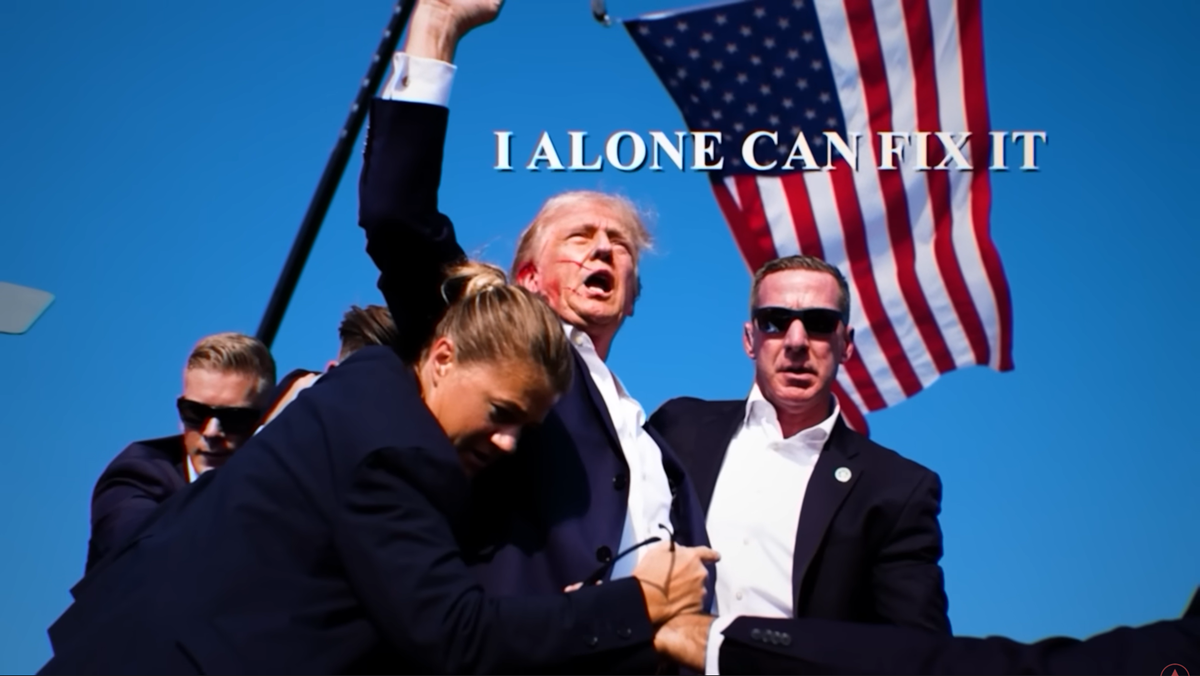
Bregman cites Trump's 'I alone can fix it' as an example, stating that 'a leader's personal grievances overlap with the nation's grievances, and the enemy of the leader becomes the enemy of the nation.' As a result, opposing the leader is treated as opposing the people themselves.
◆7: Systemic purification
The seventh point is 'prioritizing loyalty to the leader over expertise and independence.' In a fascist regime, a person's loyalty to the movement and its leader is valued more than their abilities or experience. As a result, the civil service, the military, and universities become targets for eliminating those who are not sufficiently loyal. Bregman states that mass layoffs, loyalty tests, and the dismantling of institutions that monitor power are not unexpected developments for fascism researchers.

◆8: Propaganda and attacks on the truth
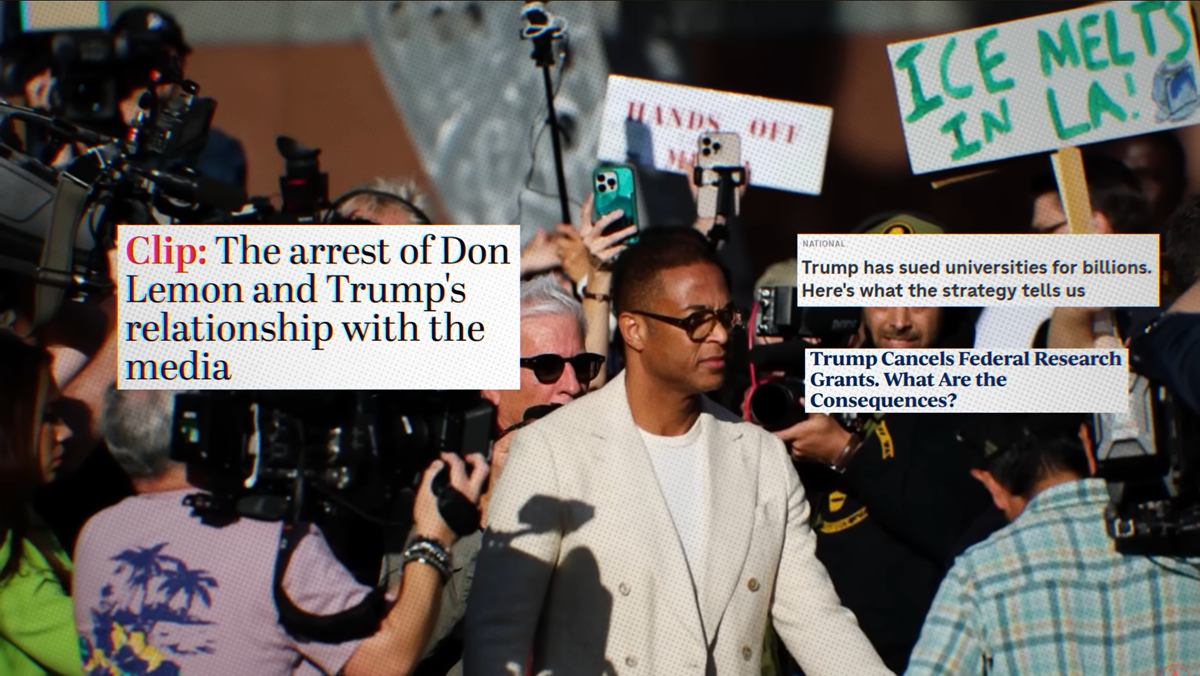
The eighth is 'making it difficult to discern what is true through a massive amount of lies and aggressive propaganda.' Under fascism, journalists are labeled 'enemies of the people,' funding for universities is cut, and scientists are silenced. Furthermore, those who can verify falsehoods are either discredited or eliminated. Bregman states that the goal is not merely to make people believe specific lies, but to exhaust people with a massive amount of information and lies, making them feel like they can never know the truth.
◆9: The connection between state power and large corporations
The ninth point is 'the growing closeness and ties between state power and large corporations.' Fascism sometimes involves collaborating with large capital in the process of gaining power. Mussolini's rise was supported by the industrial sector, and the German financial conglomerates behind Porsche, Volkswagen, and BMW were also deeply connected to the Nazi regime.
Furthermore, Bregman argues that the presence of tech moguls like Mark Zuckerberg and Elon Musk in the front row of Trump's inauguration was not ordinary lobbying or corruption, but rather a structural link between state power and capital.

◆10: Violence and Fear
The last of the ten points is 'violence and terror.' Historically, fascism was linked not only to ideology and speeches, but also to street violence. Mussolini had
As an example from the current situation in the United States, Bregman cites the U.S. Immigration and Customs Enforcement (ICE). He points out that federal officers in tactical gear drag people out of their homes at dawn, masked men detain students on the streets, and tear gas is used near cars with infants in them, stating that 'people, whether civilians or non-civilians, are being treated like enemies in an occupied territory.'
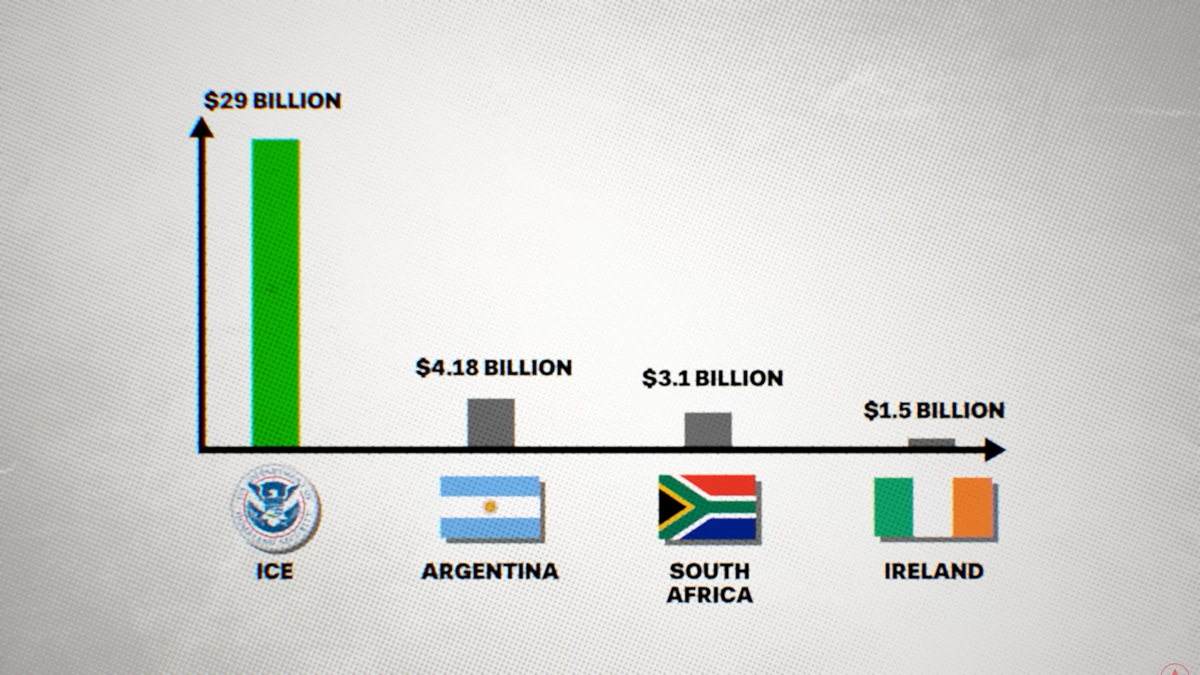
Furthermore, ICE's budget exceeds the military budgets of many countries around the world, and it is proceeding with the opening of new detention facilities and recruitment of personnel. Bregman has stated that the overt violence sends the message, 'You could be next.'
Bregman is not arguing that the word 'fascism' should be used as a political slogan. He says that what's important is not the word itself, but identifying the patterns of behavior that are compounded by a glorified past, dehumanization, propaganda, and violence.
Related Posts:





in Video, Posted by log1b_ok