AMD is set to acquire Taalas, a company that directly integrates AI model 'weights' into semiconductors, aiming to accelerate AI inference.
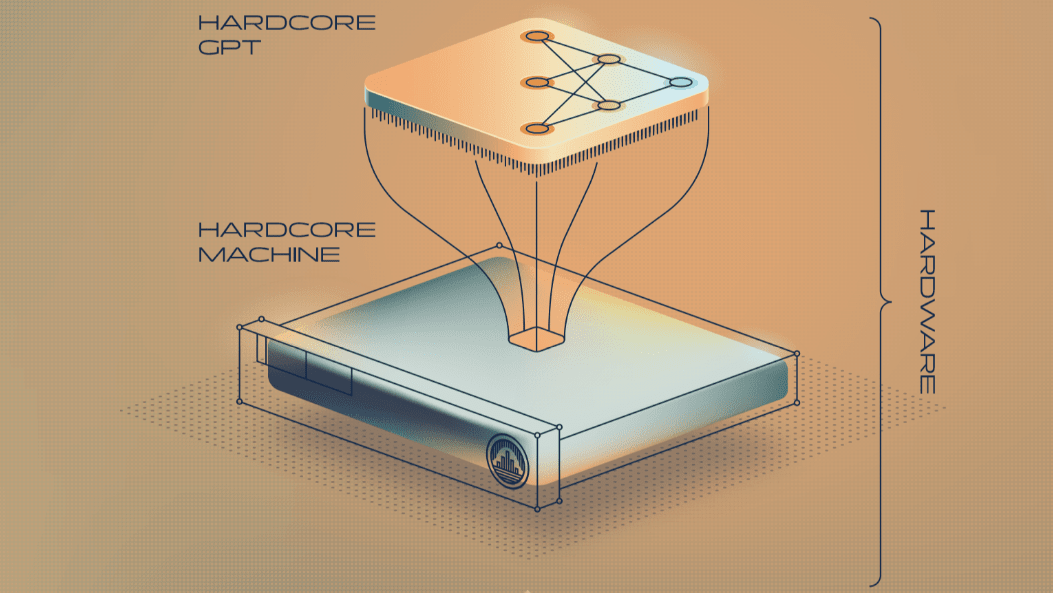
On August 6, 2026, AMD announced that it had signed a definitive agreement to acquire Taalas, a Canadian startup that develops semiconductors specializing in AI inference processing. Taalas has developed a technology that directly incorporates the structure of AI models and parameters called 'weights' into semiconductors, and AMD plans to incorporate Taalas's technology into the development of its AI accelerators.
AMD Acquires Taalas to Advance Compute Solutions for Rapidly Growing AI Inference Market :: Advanced Micro Devices, Inc. (AMD)
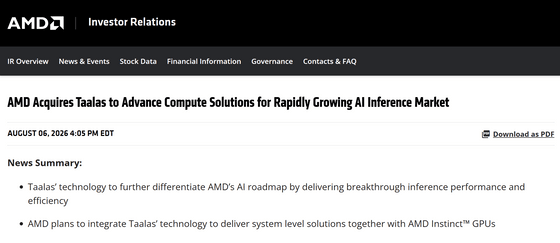
Generative AI requires significant computing resources not only for 'training' to create models, but also for 'inference' to generate answers from the completed models. Large-scale AI models, in particular, require repeated transfers of weights from memory to the processing unit, which significantly impacts processing speed and power consumption.
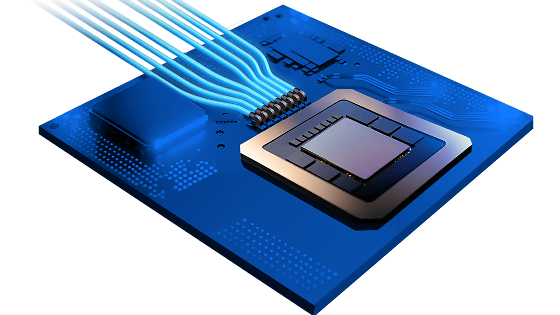
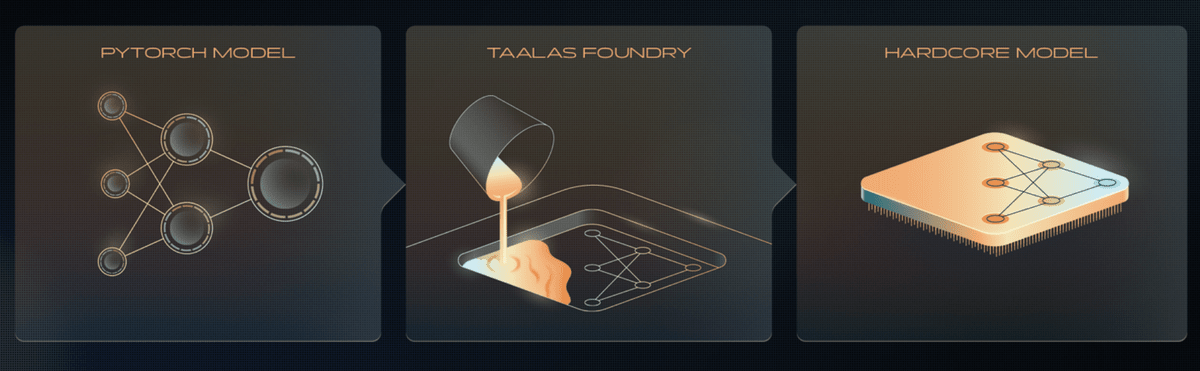
Taalas has developed a technology to convert AI models into dedicated semiconductors, which they call 'Hardcore Models.' By reducing the amount of data that needs to be read from memory, it is possible to speed up AI inference while lowering power consumption and hardware costs. According to Taalas, it takes about two months from receiving an AI model to converting it into dedicated silicon.
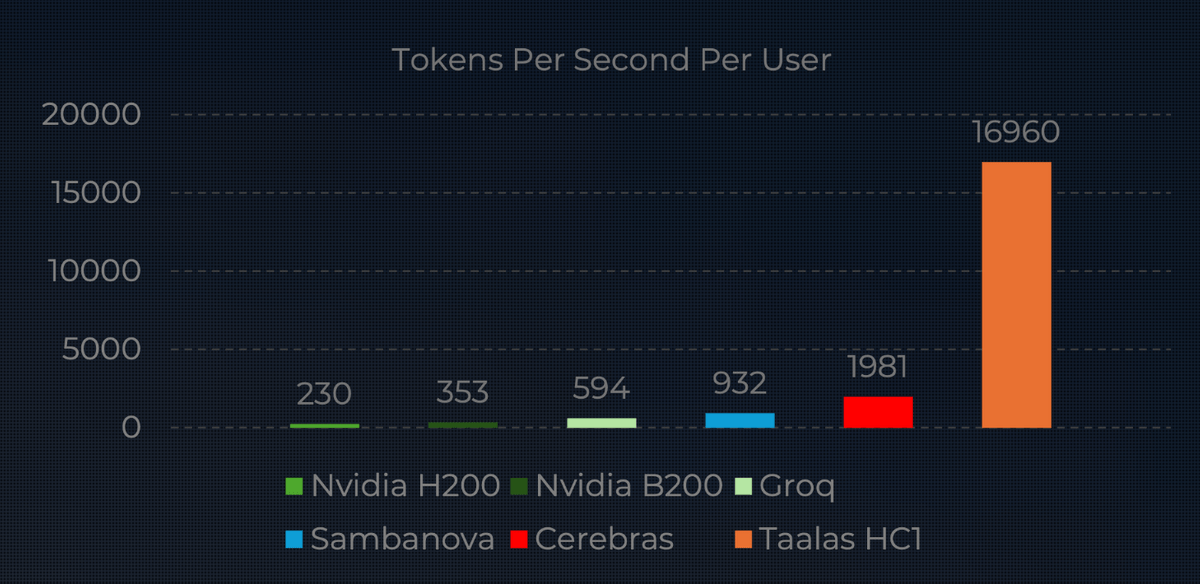
The first-generation 'HC1 Technology Demonstrator,' released in February 2026, incorporates Meta's AI model 'Llama 3.1 8B.' According to Taalas, HC1 can generate approximately 17,000 tokens per user per second, with hardware construction costs being 1/20th of conventional methods and power consumption being 1/10th.
While the method of embedding models into semiconductors has the limitation that it is difficult to easily switch to a different model, Taalas supports 'LoRA,' which allows for model adjustment using additional parameters. In the first generation, quantization using a combination of 3-bit and 6-bit parameters may result in lower quality compared to execution on a GPU, but the second generation will address this issue by adopting a standard 4-bit floating-point format.
AMD states that Taalas technology will complement its AI platform, which consists of AMD Instinct GPUs, AMD EPYC CPUs, and AMD ROCm AI software. AMD plans to incorporate Taalas technology into its accelerator development roadmap and develop system-level solutions that combine it with AMD Instinct GPUs.
Vamsi Boppana, Senior Vice President of Artificial Intelligence at AMD, explained that they are building a full-stack AI platform that allows them to select the most suitable computing means for a variety of AI workloads. He added that the acquisition will now need to be completed after fulfilling the usual closing conditions and obtaining regulatory approval.
Related Posts: