What is the technology that protects plants from dying in sub-zero temperatures by using ice?
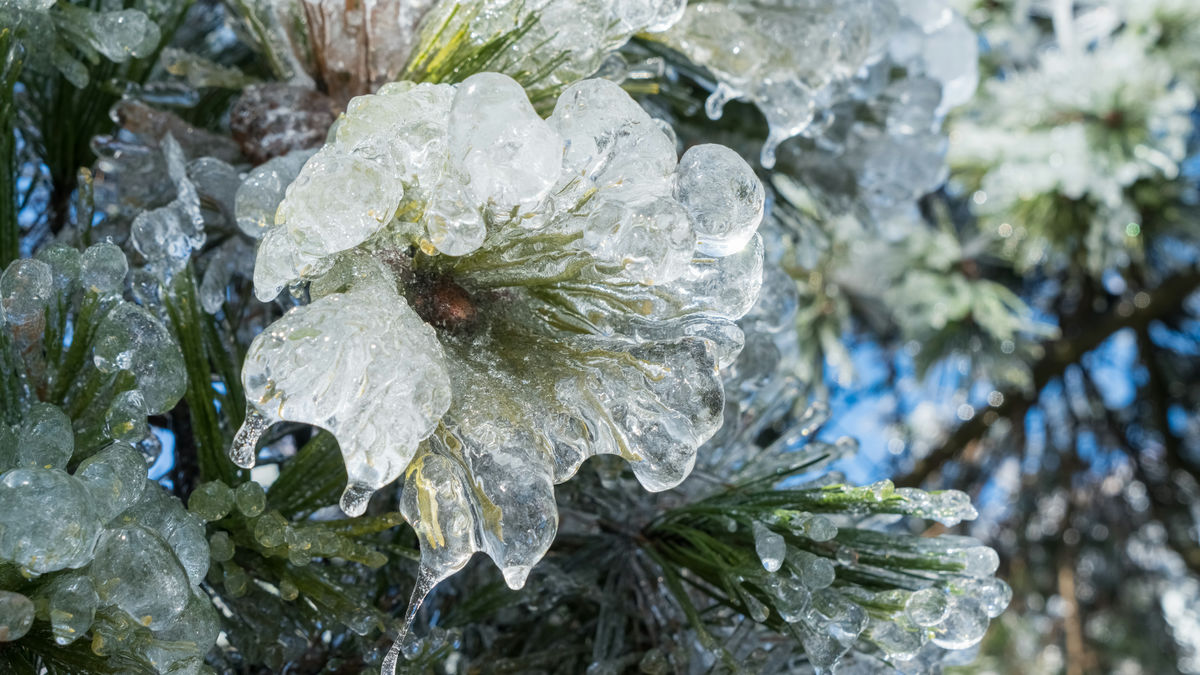
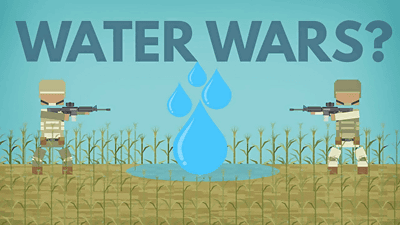
In orchards, a method is sometimes employed to protect flowers from the cold: 'covering plants with ice to prevent them from freezing.' The YouTube channel '
Why Freezing Things Keeps Them From Freezing - YouTube
In April 2026, sub-zero temperatures persisted in the western United States later than usual, causing significant damage to fruit blossoms in many orchards.
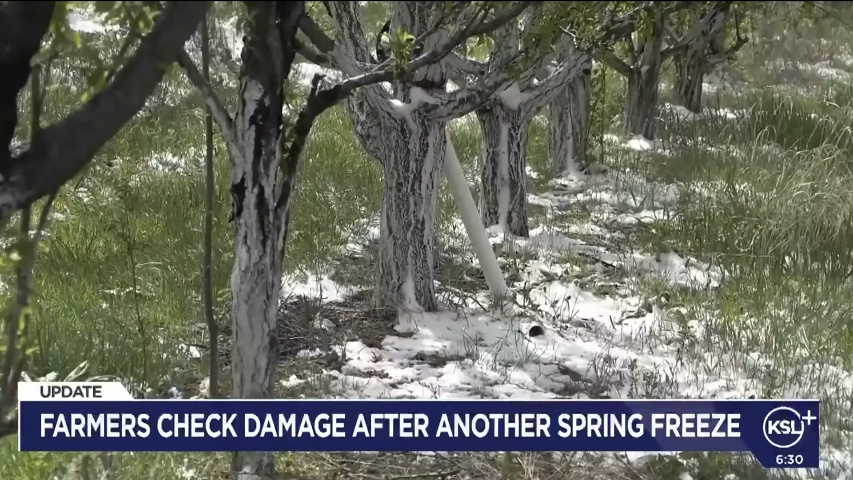
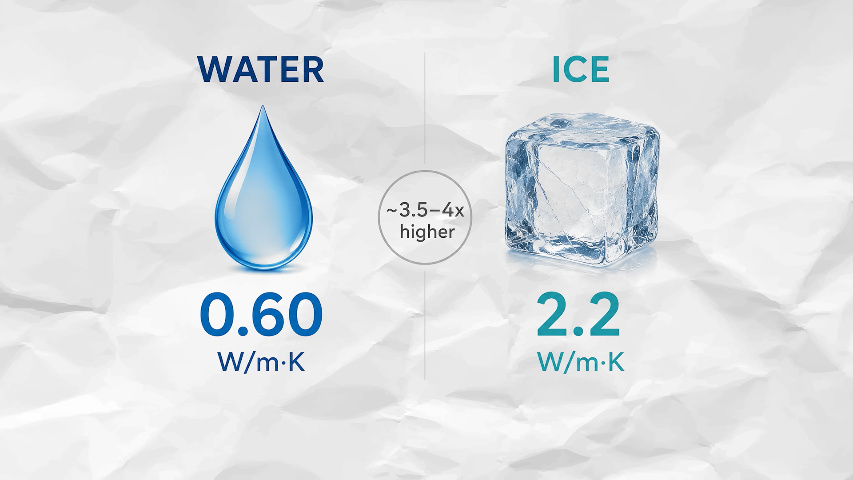
To prevent such situations, The Action Lab explains that a method of 'watering plants and covering them with ice to protect them' is actually being used. While it is commonly explained that 'ice protects plants because it acts as an insulator,' The Action Lab points out that this explanation is not accurate. Ice conducts heat better than liquid water, so its insulating effect alone cannot explain the situation.
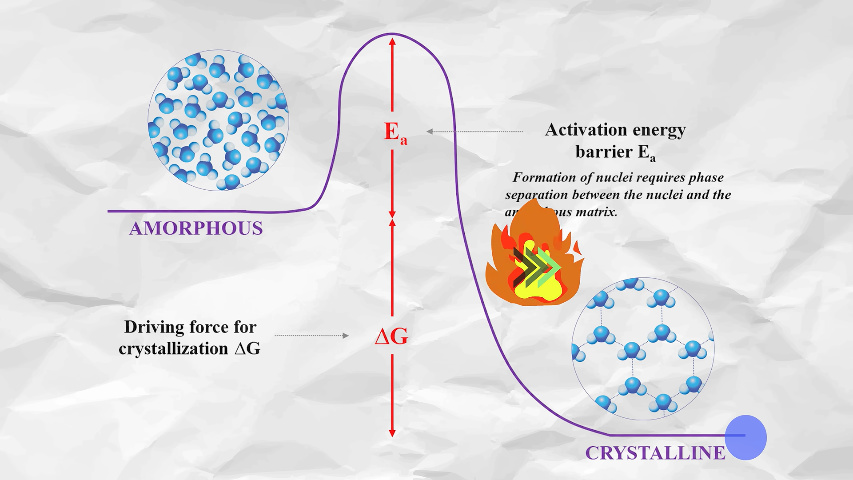
To demonstrate the method of protecting plants from freezing by freezing them, The Action Lab created 'supercooled water' from bottled water. Supercooled water is water that does not freeze even below 0°C, remaining liquid because it cools slowly with fewer impurities. The Action Lab explained that '0°C is not the temperature at which water always freezes, but rather the temperature at which it becomes possible for it to begin freezing.'
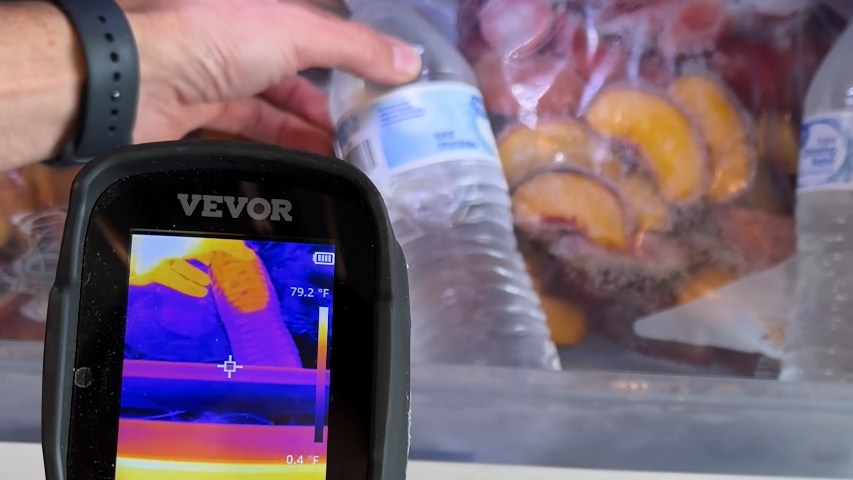
Water needs to undergo a process called '
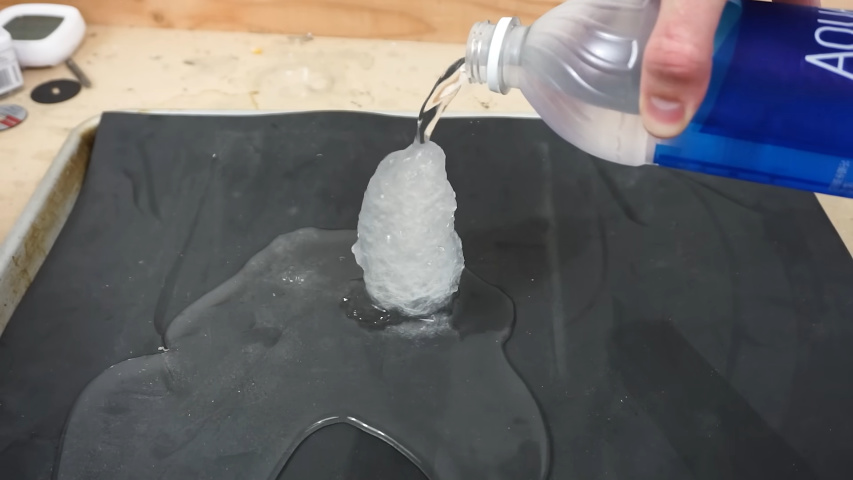
Another factor that makes ice crystals more likely to form is impact. In fact, if you lightly impact supercooled water, you can see the ice crystals grow rapidly and the entire contents freeze in an instant.
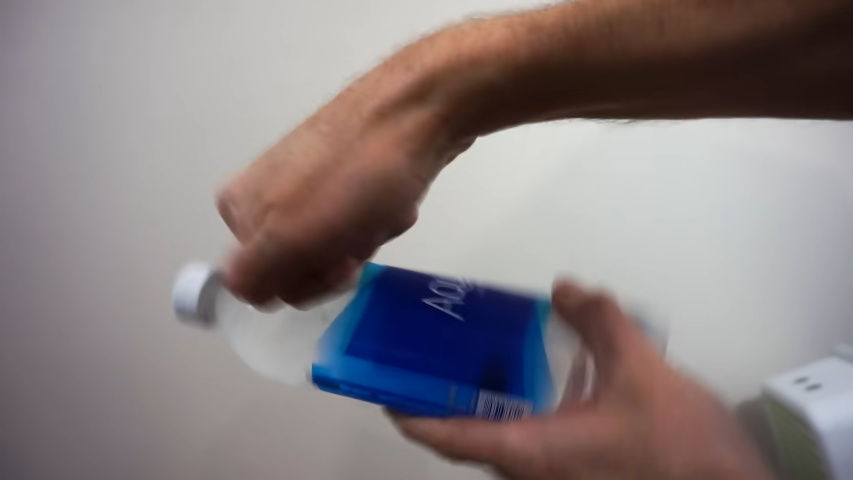
The most important point in this experiment, 'Supercooled water freezes in an instant,' is that 'water releases heat when it freezes.' When water changes from a liquid to a solid, it releases 'heat of solidification.' Therefore, when supercooled water begins to freeze, its temperature rises to about 0°C, and then it cools down again while releasing heat into its surroundings.
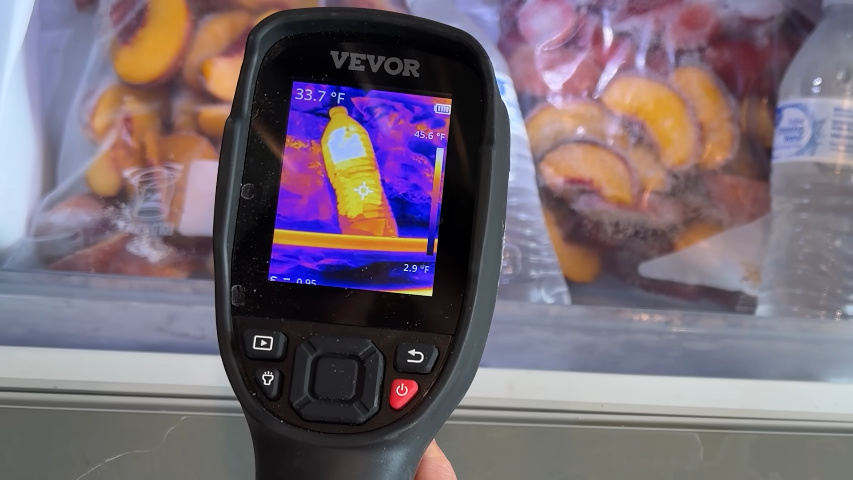
The video uses thermal imaging to film supercooled water, and then a shock is applied to a plastic bottle to capture the moment the water freezes rapidly. You can see the temperature of the water, which was cooled to about -7°C, rise to about 0°C the instant it freezes.
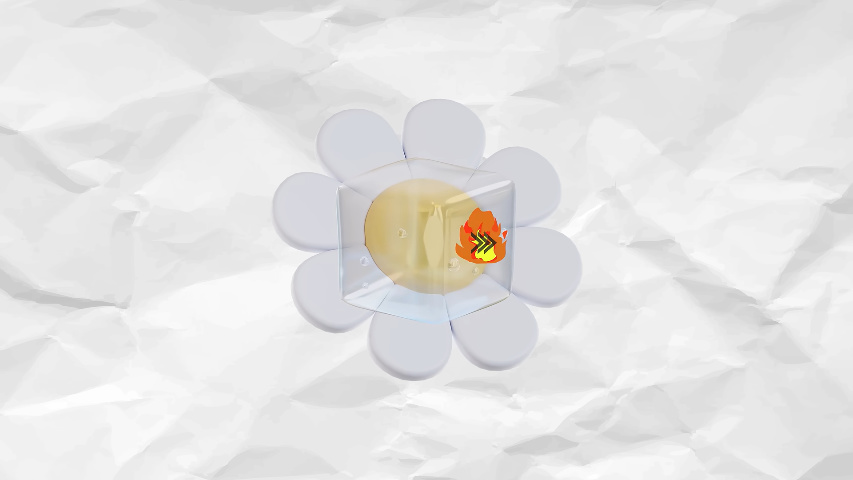
The property of water to release heat when it freezes is utilized in agriculture. Water sprayed on plants continuously releases heat as it freezes. Therefore, the plant's temperature is kept around 0°C while the water is turning into ice. In other words, by keeping the water sprayed on plants frozen, the plant's temperature is kept around 0°C, preventing the plant itself from freezing and damaging its cells by dropping below freezing point.
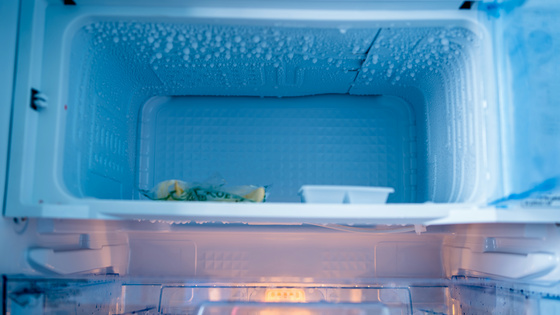
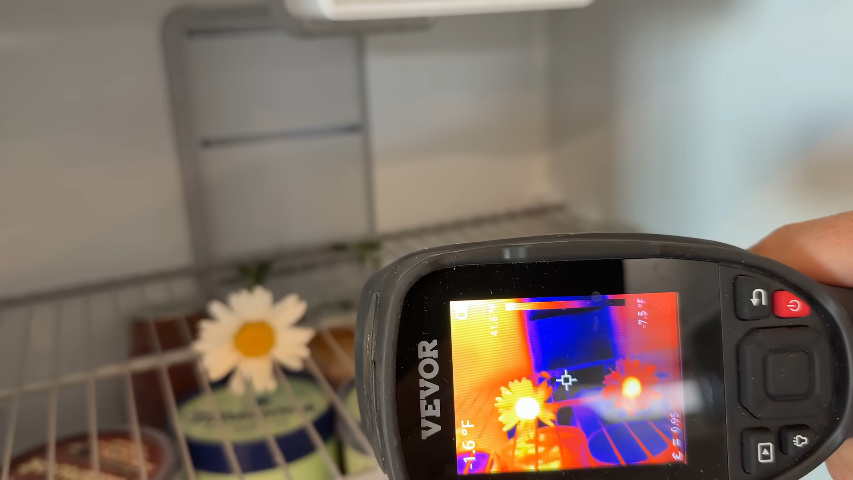
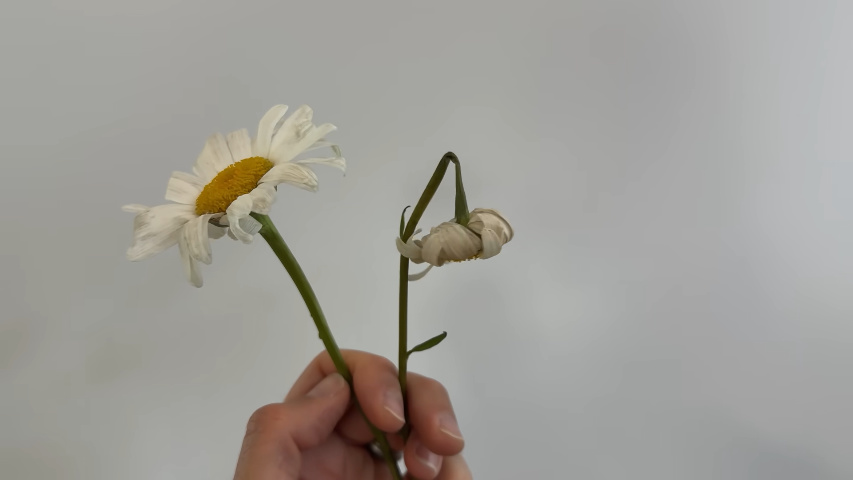
The video also includes an experiment where two identical flowers are prepared, one is sprayed with water and then placed in the freezer, while the other is placed in the freezer as is for comparison. In the image below, you can see that the flower on the left, which was sprayed with water, becomes hotter than the flower on the right.
After freezing and then thawing, the flowers that were watered remained covered in ice but did not wither after thawing. On the other hand, the flowers that were not watered suffered frost damage and withered.
However, it's important to note that this method isn't foolproof. If all the sprayed water freezes completely, no more heat will be released, causing the plants to drop below freezing. In dry regions, the evaporative cooling from the water can further cool the plants, potentially worsening frost damage. Therefore, the video explains that maintaining a state where the water remains frozen is crucial for frost protection through watering, and that experience is needed to determine the right timing and amount of watering.
Related Posts: