It has been discovered that the standard Windows 11 media player consumes 3.5 times more memory than previous versions, even after several updates.
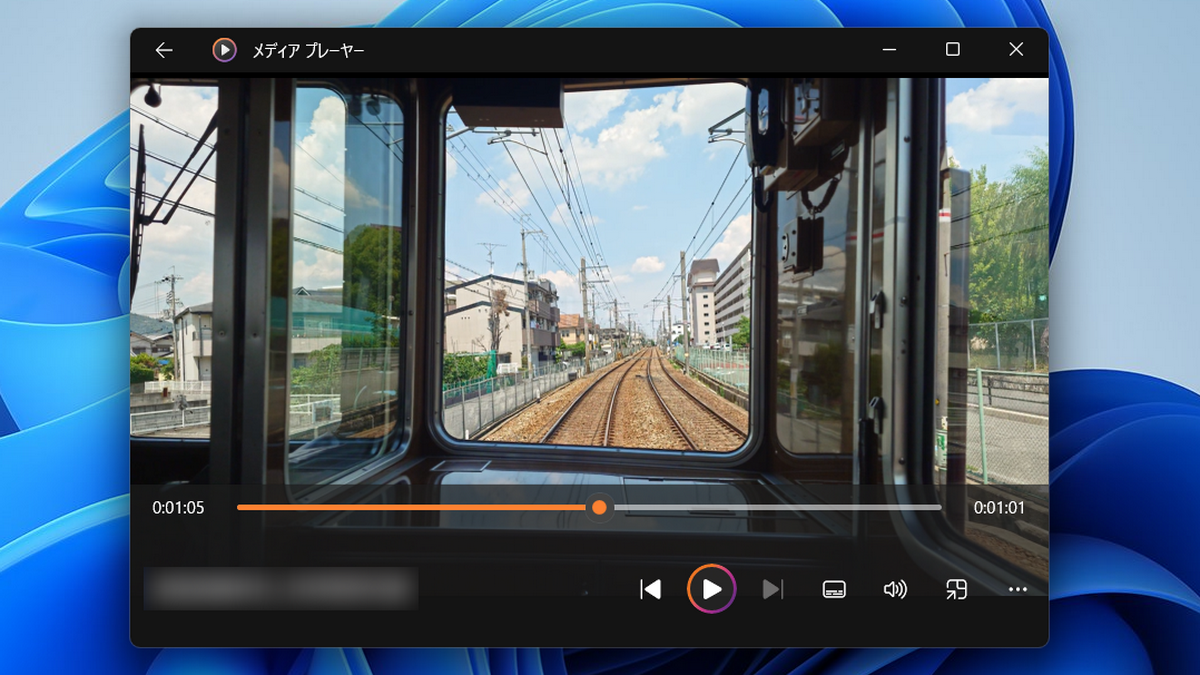
The Windows 11 Media Player is a standard application that handles music and video playback and media library management. While this Media Player is positioned as the standard application replacing the previous Windows Media Player Legacy, it has been reported that the Media Player uses more memory compared to the older version, 'Windows Media Player Legacy.'
Microsoft wants you on Windows 11's modern media player, but it uses 3.5 times more RAM and paywalls codecs.
Windows 11's New Media Player Uses 3.5x More RAM, Charges for Popular Video Codecs | Extremetech
https://www.extremetech.com/computing/windows-11s-new-media-player-uses-35x-more-ram-charges-for-popular-video
Microsoft released version 11.2605.14.0 of Media Player for Windows Insiders on June 12, 2026. This update adds features such as customizable subtitle display, a notification when the library is being indexed, and improved accuracy in identifying supported formats.
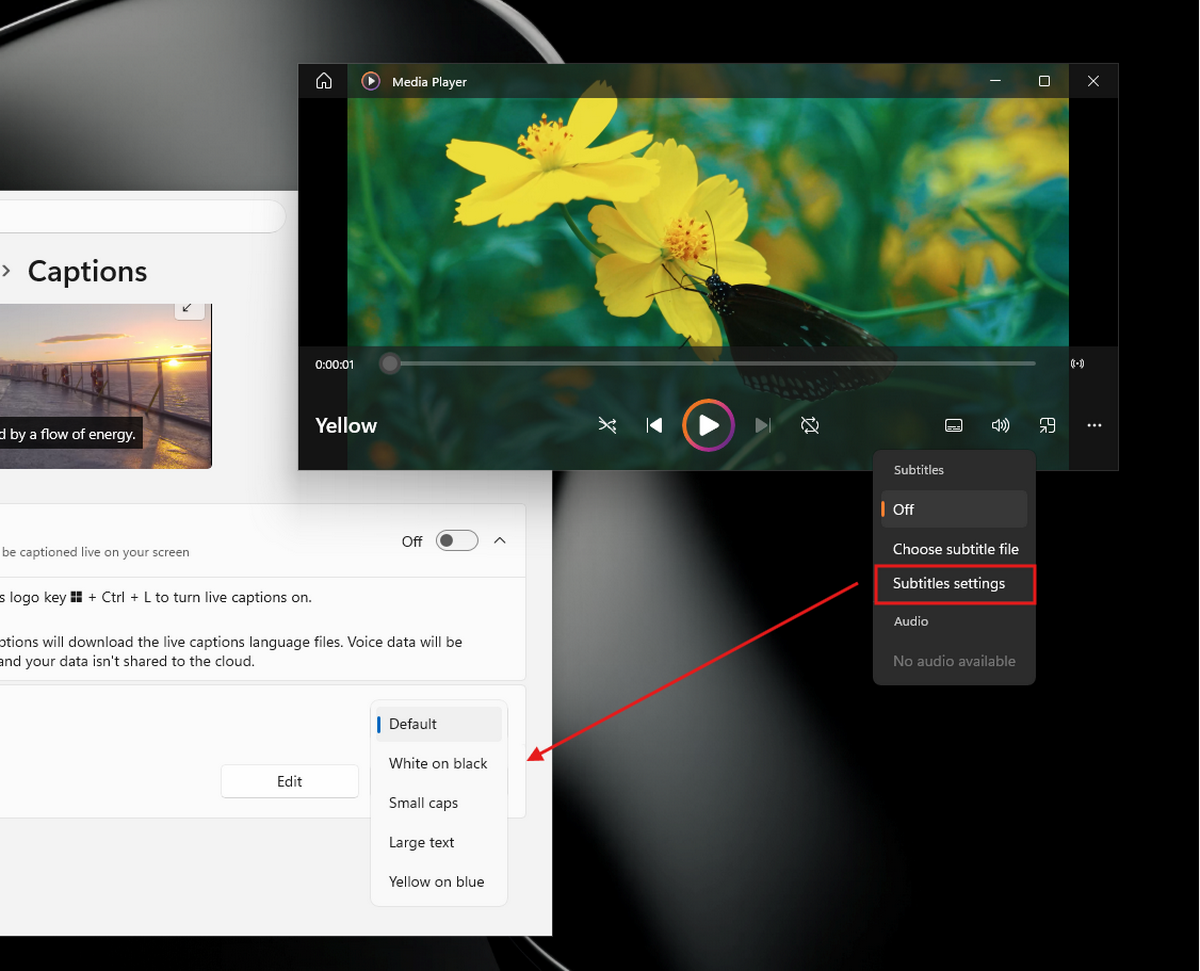
Regarding subtitles, the font size, color, and background color specified in Windows accessibility settings will now be reflected in the media player. A link to directly access related settings from within the app will also be provided, making it easier to adjust the readability of subtitles.
The playback queue now displays a banner indicating that the media library scan is in progress if it is not yet complete. This improvement makes it easier for users to understand the situation in situations where it was previously unclear why files were not being displayed.
The recognition of file formats has also been revised, aiming to mitigate the problem where even valid video files could sometimes cause playback errors. In addition, it is no longer possible to save playlists without names, and bugs that caused the app to crash when editing the playback queue, as well as display glitches, have been fixed.
However, a comparative test conducted by Windows Latest, a Windows-related news site, revealed that while Windows Media Player Legacy consumed only about 103MB of memory when idle and no content was playing, the current Media Player consumed approximately 377MB, roughly 3.5 times more.
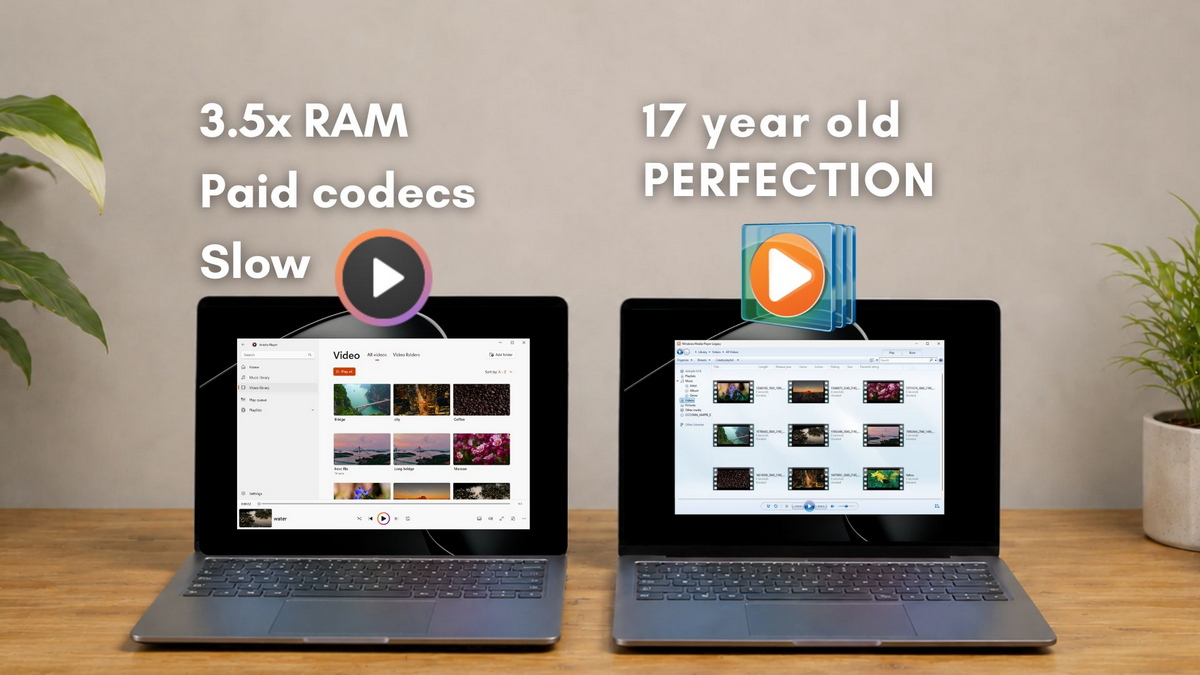
Furthermore, when opening local videos, it was reported that the media player took approximately 3 seconds from startup to playback, while Windows Media Player Legacy took about 2 seconds, and
Windows Latest also raises concerns about its handling of codecs. As of the time of writing, playing HEVC (H.265) format videos requires purchasing a paid
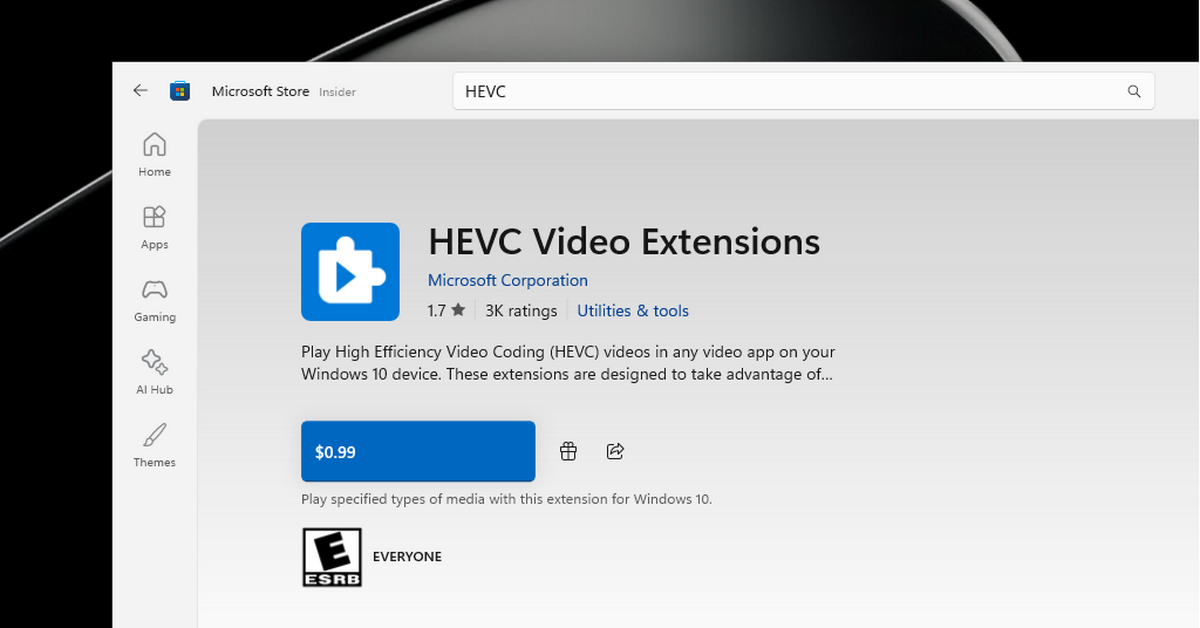
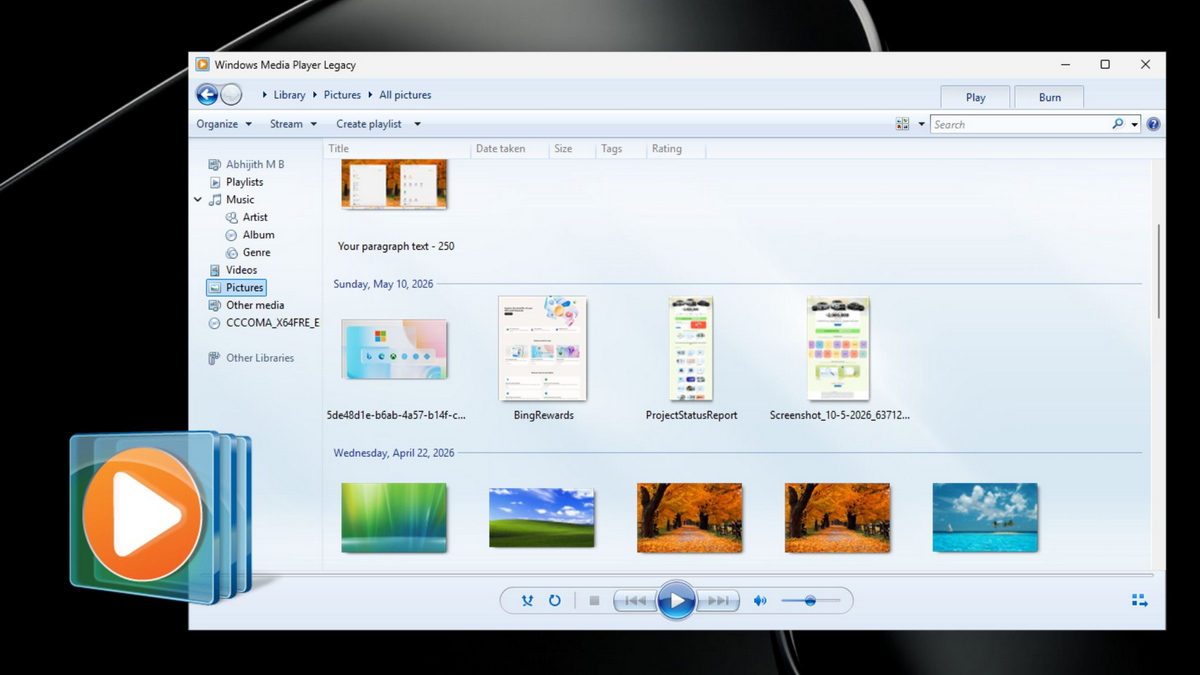
Windows Media Player Legacy itself is still available as an optional feature at the time of writing. Microsoft has stated that it is continuing to develop the media player, and the focus going forward will be on improvements to startup speed, memory usage, and support for a wider range of formats.
Related Posts:



in Software, Posted by log1i_yk