Polymarket is allegedly paying creators to produce fake videos claiming to have won bets.

Polymarket, a service that operates a 'prediction market' where people bet on real-world events, has been criticized by the Wall Street Journal for allegedly paying creators to produce fake videos.
They Looked Like They Were Getting Rich on Polymarket—but None of It Was Real - WSJ
Polymarket paid creators to stage fake winning bets on dummy sites: WSJ | The Block
https://www.theblock.co/post/405471/polymarket-paid-creators-to-stage-fake-winning-bets-on-dummy-sites-wsj
Polymarket Has Reportedly Been Paying Creators To Post Fake Betting Videos
https://www.engadget.com/2198495/wall-street-journal-polymarket-reportedly-paying-creators-to-post-fake-betting-videos/
The Wall Street Journal investigated 1,105 videos posted by 10 creators between December 2025 and mid-May 2026, and identified 778 of them as related to betting on Polymarket. These videos showed content such as 'winning bets and making money on Polymarket,' but the Wall Street Journal pointed out that 'all of them are fictional videos.'
The basis for this is the uncertainty of the information shown in the videos. For example, in a video showing a bet on whether President Trump would say 'McDonald's,' the creator is shown rejoicing after seeing footage of the president actually saying 'McDonald's,' but that footage was from two months prior. The Wall Street Journal analyzed that because the timing of the bet and the actual statement were different, the creator would have lost a lot of money if he had actually placed the bet.
Furthermore, some creators have reportedly shown themselves betting on a dummy site called Poiymarket instead of Polymarket, making it appear as if they had made a fortune on Polymarket. The Wall Street Journal claims to have confirmed that Poiymarket is an official testing environment for Polymarket.
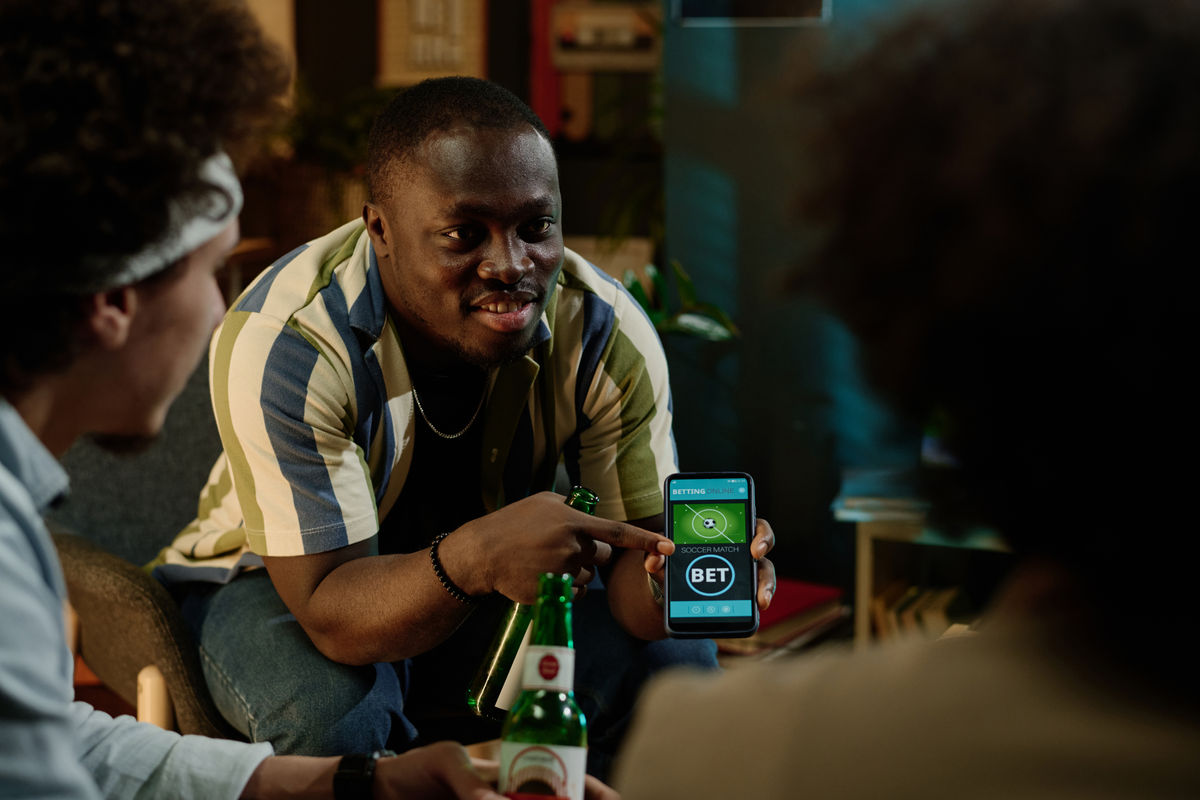
Some creators interviewed by the Wall Street Journal testified that they 'send their finished videos to Polymarket for review,' 'are asked to reshoot if the video isn't compelling enough or appears obviously fake,' and 'are instructed not to disclose that they receive payment from Polymarket.' The Wall Street Journal also stated that it confirmed that marketing contractors hired by Polymarket are reposting the creators' content.
While it's possible that creators are making fake videos and giving false testimonies in order to earn affiliate commissions, the Wall Street Journal has reported definitively that 'Polymarket is paying people to spread fake videos and attract users.'

Polymarket told the Wall Street Journal that it is 'committed to maintaining an accurate, fair, and transparent marketplace' and that it plans to conduct a comprehensive audit of its promotional content.
In the United States, as in Japan, there are regulations regarding 'stealth marketing,' and advertising content must honestly disclose that it is advertising. However, there are apparently some ambiguities regarding what is acceptable.
Related Posts:




in Web Service, Posted by log1p_kr