Starlink, a satellite internet service, has achieved over 12 million users in more than 160 countries and regions, and plans to increase its satellite fleet from 10,000 to 100,000, thereby increasing its bandwidth by more than 100 times.
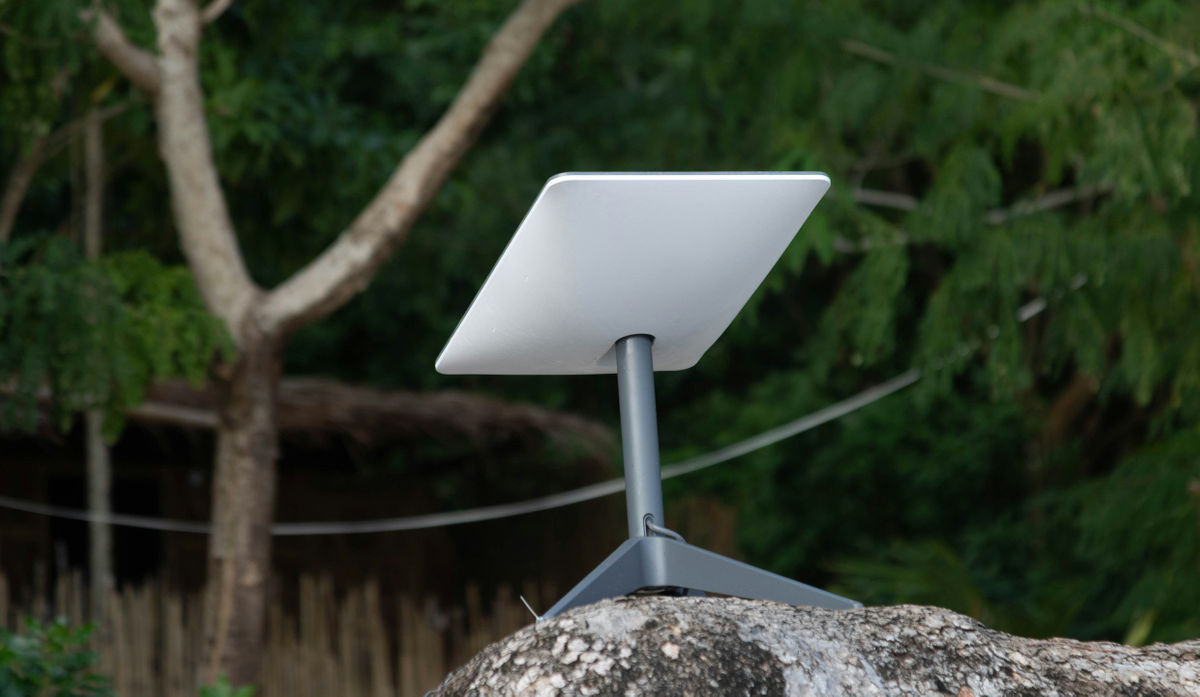
SpaceX, the space company, announced on its official Starlink satellite internet service account that the number of users has surpassed 12 million. SpaceX plans to significantly increase its satellite fleet in the future.
Starlink is connecting more than 12M active customers with high-speed internet across 160+ countries, territories and many other markets.
— Starlink (@Starlink) June 4, 2026
Thank you to all our customers around the world! 🛰️🌎❤️ → https://t.co/9VghjFeG1P pic.twitter.com/urpWSKXrFT
10 Times More: Elon Musk Aims for 100,000 Starlink Satellites | PCMag
https://www.pcmag.com/news/ten-times-more-elon-musk-aims-for-100000-starlink-satellites
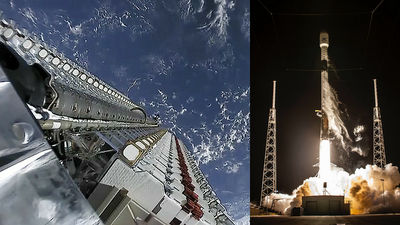
SpaceX has been granted permission to operate a total of 15,000 satellites for Starlink by 2031, and has launched 10,000 by October 2025. These satellites are the first and second generation versions, and the launch of the third generation is scheduled to begin soon.
The FCC has approved an additional 7,500 satellites for SpaceX, bringing the total to 15,000 operational by 2031 - GIGAZINE
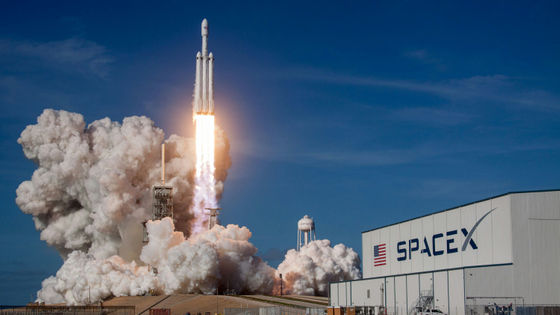
According to SpaceX CEO Elon Musk, the third-generation 'V3' satellites will have more than 10 times the bandwidth of the second generation. Musk stated, 'Because the number of launches will be more than 10 times that of the current generation, the bandwidth will increase by more than 100 times.'
Additionally, the launch altitude for the V3 satellite will change from the current 550km to around 350km. CEO Musk stated, 'Because light travels 300km per millisecond in space, the minimum round-trip delay will be reduced to less than 5ms. We can cut the delay in half.'
Starlink V3 satellites have >10X bandwidth of V2 and there'll be >10X launched, which means >100X more bandwidth.
— Elon Musk (@elonmusk) June 4, 2026
Also, altitude will be 350km vs 550km, so min latency can be cut in half.
Light travels 300km/ms in space, so physics round trip min latency drops to <5ms.
SpaceX is preparing for its initial public offering (IPO), and held a roadshow for investors in June 2026, just before the IPO. Speaking at the event, CEO Musk said, 'Our next-generation design incorporates three chips that far surpass the most advanced technologies. Lower satellite orbits will halve latency and provide 100 times the bandwidth of previous models. SpaceX is entering a major growth phase and will need more funding.'
Related Posts:


in Web Service, Posted by log1p_kr