Biohub, a research institute funded by Mark Zuckerberg, has released a free AI-powered model for predicting, designing, and discovering proteins.

As humanity seeks new treatments for diseases, methods for designing proteins from scratch are being employed. Biohub, a research organization that combines AI and biology to address disease, has released an AI model to assist in this process.
Biohub releases a world model of protein biology
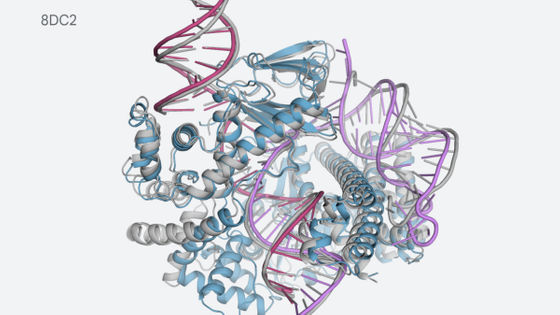
Biohub has developed a system for protein structure prediction, design, and discovery built around three core elements: 'ESMC,' 'ESMFold2,' and 'ESM Atlas.'
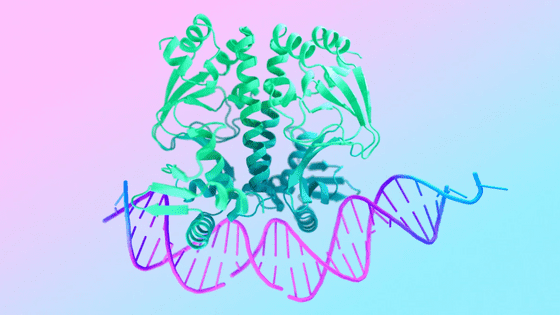
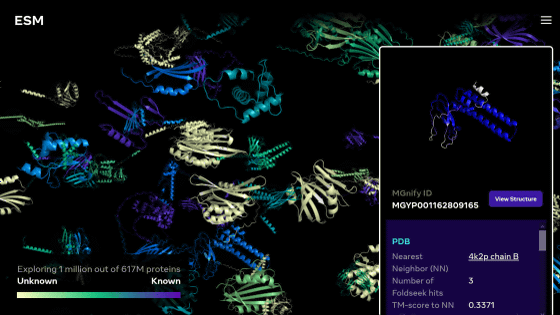
ESMC is a state-of-the-art protein representation language model trained on approximately 2.8 billion sequences collected from all living organisms. ESMFold2 is a design engine built to translate ESMC sequence representations into three-dimensional structures of biomolecular complexes, allowing it to predict protein structures most likely to exhibit high affinity for specific targets such as tumors. ESM Atlas makes ESMC representations explorable across 6.8 billion protein sequences and 1.1 billion predicted structures, revealing relationships that were not captured by existing databases.
All three of these are freely available to the global scientific community on the Biohub Platform .
Well-known protein prediction models include Google's ' AlphaFold 3. ' ESMFold2 demonstrated performance that surpassed or was comparable to AlphaFold 3 in predicting protein-protein interactions and antibody-antigen interactions.
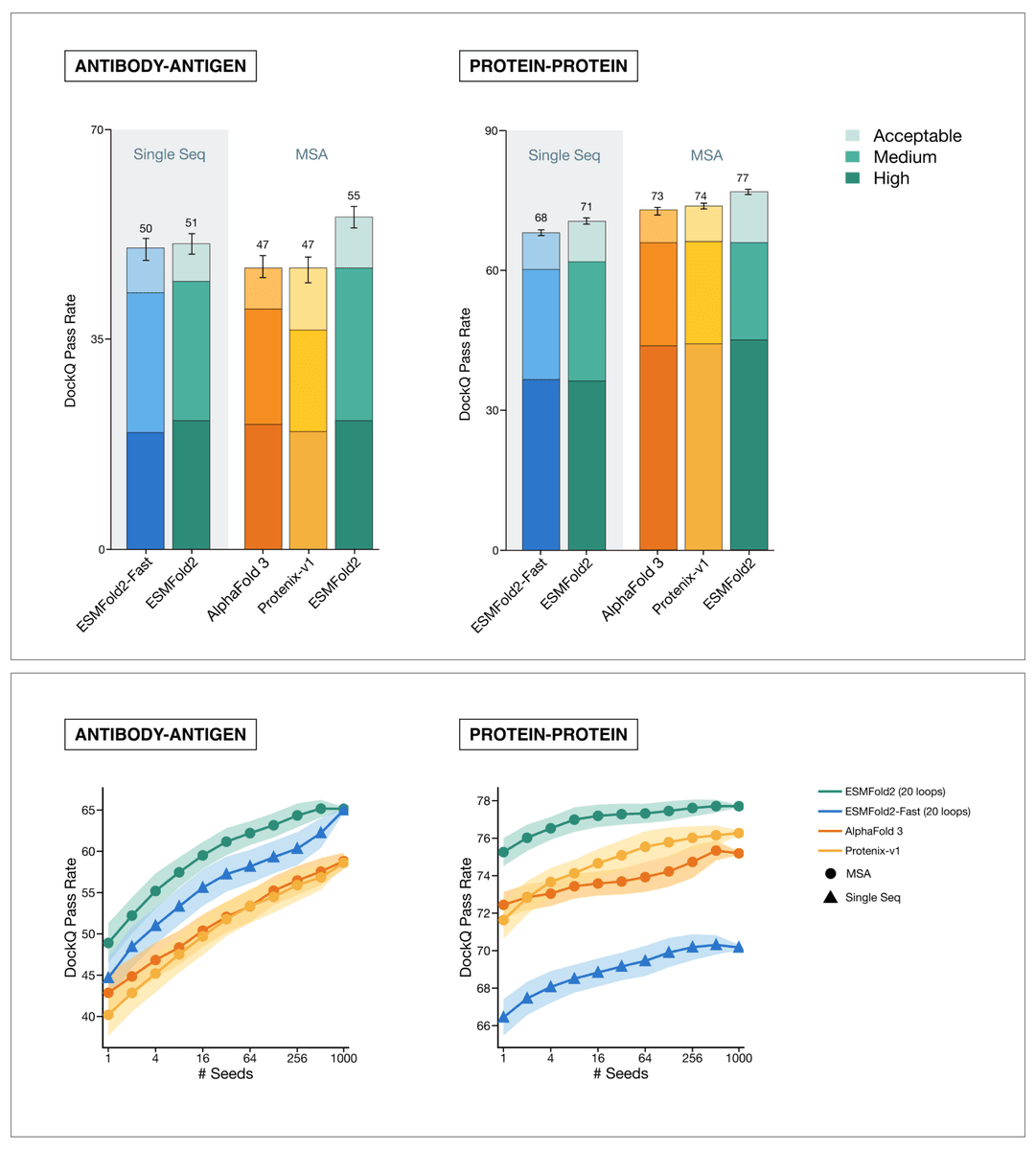
According to Biohub, antibody therapy, which involves administering proteins, is proving effective for diseases such as cancer and autoimmune diseases, where treatment options were previously limited. However, finding promising treatment candidates typically takes a long time, usually 3 to 4 years. ESMFold2 can perform much of the initial search computationally, allowing for the creation of experimental designs in just a few days.
Priscilla Chan, co-founder of Biohub, pediatrician, and wife of Meta CEO Mark Zuckerberg, said, 'By making these tools freely available, researchers around the world will be able to move faster towards effective treatments for individual patients.'
Related Posts: