Elon Musk lost his lawsuit against OpenAI CEO Sam Altman, citing 'it was too late to file the lawsuit.'
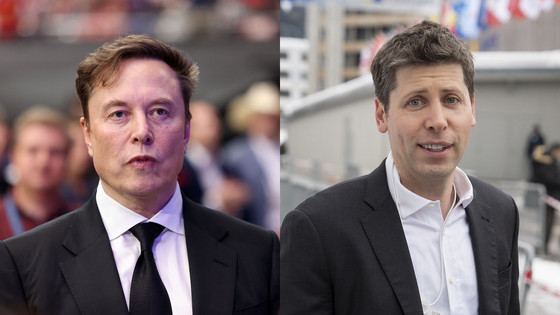
by Gage Skidmore / World Economic Forum
In a lawsuit filed by Elon Musk against OpenAI and its CEO Sam Altman, worth approximately $150 billion (about 23.2 trillion yen), a federal jury in Oakland, California, rejected Musk's claims. Musk has indicated he intends to appeal.
Jury Rejects Musk's Claims Against OpenAI - The New York Times
https://www.nytimes.com/live/2026/05/18/technology/openai-trial-verdict-altman-musk
Elon Musk took too long to sue OpenAI, jury unanimously agrees - Ars Technica
https://arstechnica.com/tech-policy/2026/05/elon-musk-loses-trial-accusing-sam-altman-openai-of-stealing-a-charity/
In this lawsuit, Musk claimed that OpenAI, which he helped establish as a non-profit organization in 2015, abandoned its original public benefit purpose by later establishing a for-profit division. Musk is said to have contributed $38 million (approximately 5.7 billion yen) to launch OpenAI, and he sued the company, claiming that its commercialization had transformed it into a structure that benefited CEO Sam Altman and President Greg Brockmann, among others.
Elon Musk accuses CEO Sam Altman of breaking his commitment to maintain OpenAI as a non-profit organization and demands $134 billion in damages - GIGAZINE
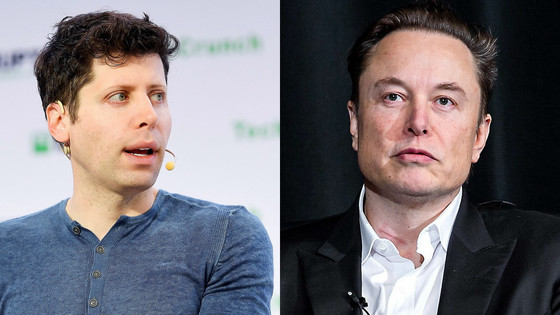
During the trial, evidence was also presented showing that Musk had attempted to integrate OpenAI into Tesla between 2017 and 2018. OpenAI countered that Musk had previously tried to move the company in a profit-oriented direction, yet later criticized OpenAI's commercialization.
However, after less than two hours of deliberation, the nine jurors unanimously determined that Musk had been aware of OpenAI's restructuring plan at least as of 2021, and that the three-year statute of limitations had expired.
Therefore, the jury determined that Altman and Brockmann were not responsible, and also found no involvement of Microsoft, an investor in OpenAI, in the fraudulent profit-making scheme alleged by Musk. Following the verdict, Microsoft issued a statement welcoming the finding that the claims were timely, saying that 'the facts and timeline were long and clear.'
In this trial, the jury's real decision wasn't whether OpenAI's commercialization was justified, but whether Musk's lawsuit came too late. The New York Times described Musk's argument itself as 'left on the table,' pointing out that the question of how far a non-profit organization can transform into a for-profit company remains a subject of debate.
Meanwhile, Musk criticized the judge and jury on X (formerly Twitter), saying they 'judged on calendar matters' rather than the essence of the case, and that setting a precedent for plundering charitable organizations would be destructive to America's culture of giving. He announced that he would appeal to the Ninth Circuit Court of Appeals.
Regarding the OpenAI case, the judge & jury never actually ruled on the merits of the case, just on a calendar technicality.
— Elon Musk (@elonmusk) May 18, 2026
There is no question to anyone following the case in detail that Altman & Brockman did in fact enrich themselves by stealing a charity. The only question…
Related Posts:


in Note, Posted by log1i_yk