GitHub has officially launched 'GitHub Stacked PRs,' enabling stacked pull requests, and will start with a private preview.
GitHub has announced ' GitHub Stacked PRs, ' a feature that officially supports a development methodology called 'stacked pull requests.'
GitHub Stacked PRs | GitHub Stacked PRs
Stacked PRs on @GitHub are now in private preview. Join the waitlist and learn more below https://t.co/e1Yw4id5RM https://t.co/ZmK2wm1tV8
— Jared Palmer (@jaredpalmer) April 13, 2026
When developers write code, even when implementing large features, it's common to develop step by step by accumulating small changes. When using GitHub for development, these changes are compiled into pull requests, which are then reviewed by the repository administrator before being merged. However, a problem arises when a large number of small changes accumulate, eventually resulting in a huge pull request, making it difficult for reviewers to grasp all the changes and interactions, thus increasing the difficulty of the review process.
That's where the 'stacked pull request' method comes in.
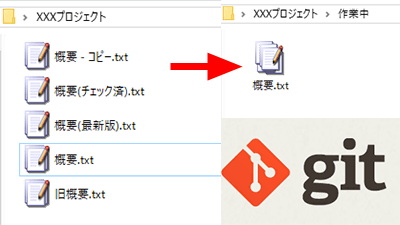
A stacked pull request system involves developers making pull requests whenever they make relatively small changes, and then developing the next step based on those pull requests. It's called 'stacked' because pull requests are piled on top of each other without waiting for reviews. This reduces the review burden because the code can be reviewed in small chunks.
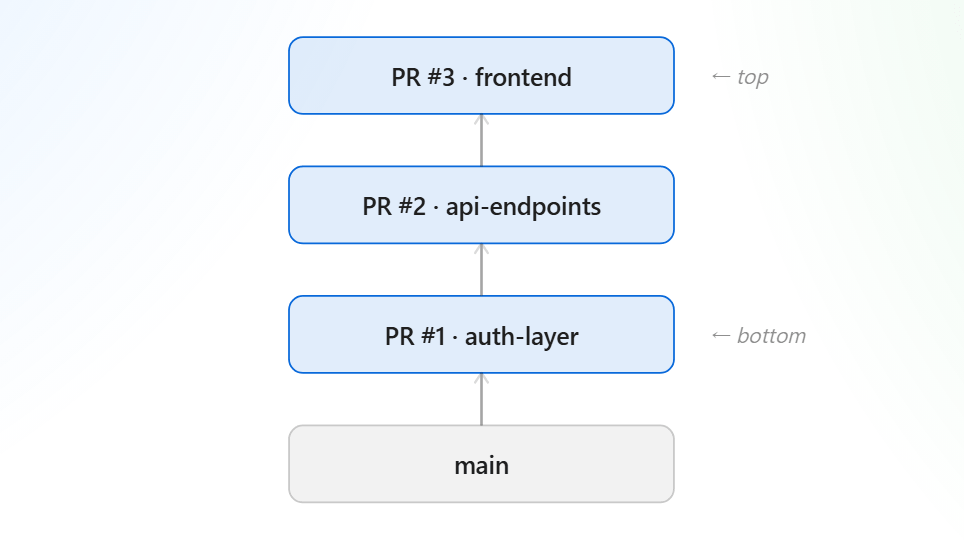
On the other hand, when modifications are made to the original pull request, a process called 'rebasing' is required, which involves modifying the entire stack from that point onward. Therefore, tools for stack-type pull requests, such as '
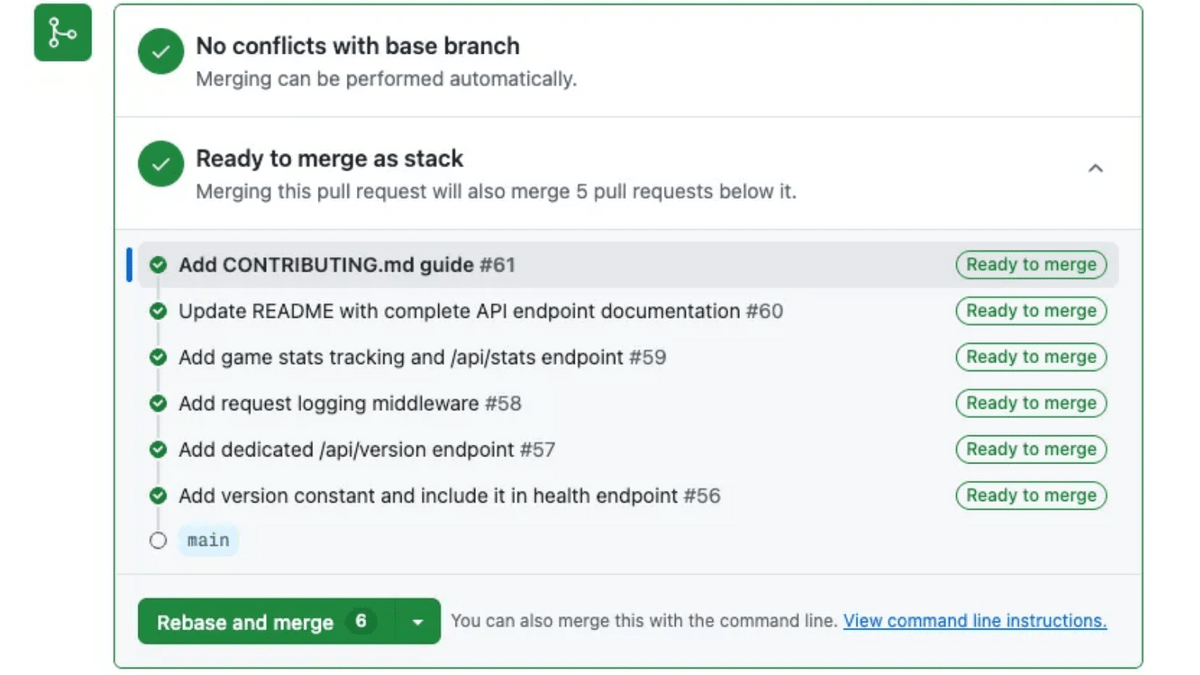
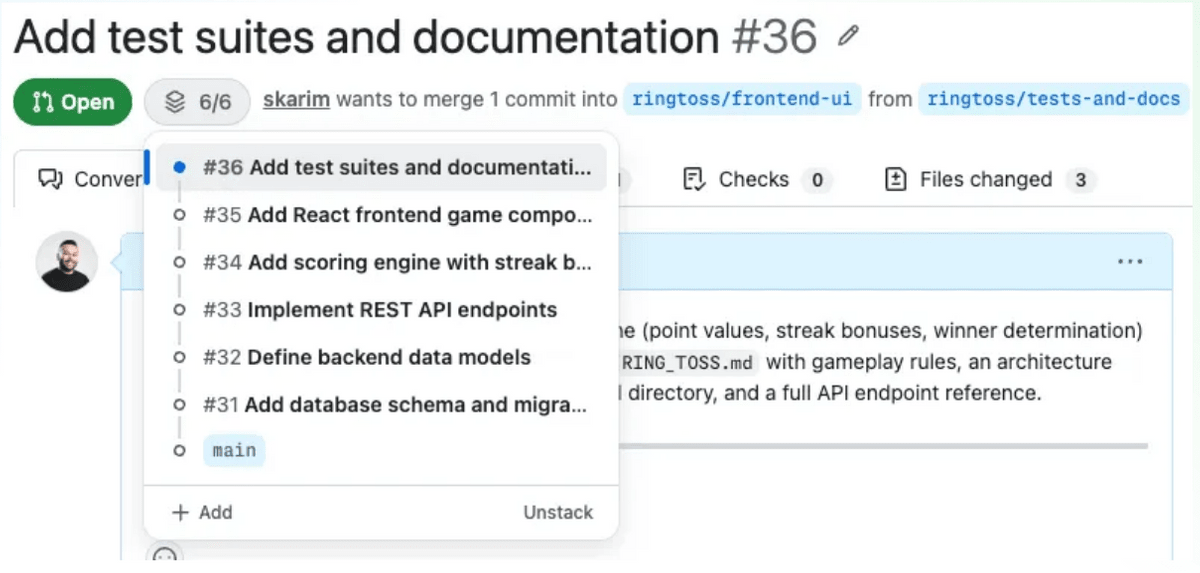
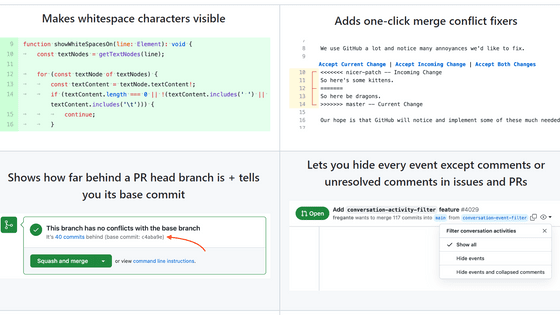
The newly introduced ' GitHub Stacked PRs ' is an official tool for stacked pull requests provided by GitHub. By integrating it into the GitHub core, a stack map is displayed on the GitHub pull request screen, showing 'where the pull request you are currently viewing is in the stack,' allowing you to see the overall status of the stack at a glance and easily view other pull requests within the stack.
Furthermore, it's now possible to merge multiple stacked pull requests with a single click. When lower-level pull requests are merged or modified, higher-level pull requests are automatically rebased.
Even if CI is configured for the repository, it will behave as if it were targeting the final merge destination. Branch protection rules will also be based on the final merge destination.
As of the time of writing, GitHub Stacked PRs are in private preview, and you need to register for the waitlist if you want to use them.
Related Posts:




in Web Service, Posted by log1d_ts