How did the richest man of the Gold Rush change the world?
During
The Gold Nugget That Changed America Forever - YouTube
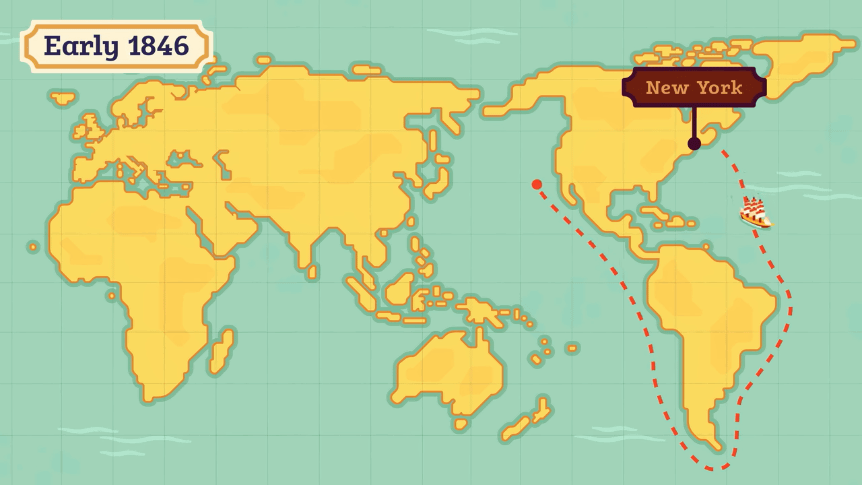
Brannan served as the highest-ranking Mormon (Church of Jesus Christ of Latter-day Saints) in New York until 1845. However, Mormon beliefs at the time clashed with American Protestant values, resulting in persecution through lynchings. Therefore, in early 1846, Brannan and over 200 other members emigrated by ship around the Americas, eventually arriving at Yerba Buena Harbor in San Francisco's financial district, with the goal of establishing a religious shrine. However, in early 1846, the U.S. military began a war on the west coast of North America, which was then Mexican territory. By the time Brannan's ship arrived, the area was occupied by U.S. Marines, making the construction of a religious shrine impossible.
After settling in Yerba Buena, Brannan is known for a variety of activities, including using a printing press to publish San Francisco's first newspaper, the California Star, and establishing California public schools and gristmills. Also, when Swiss immigrant
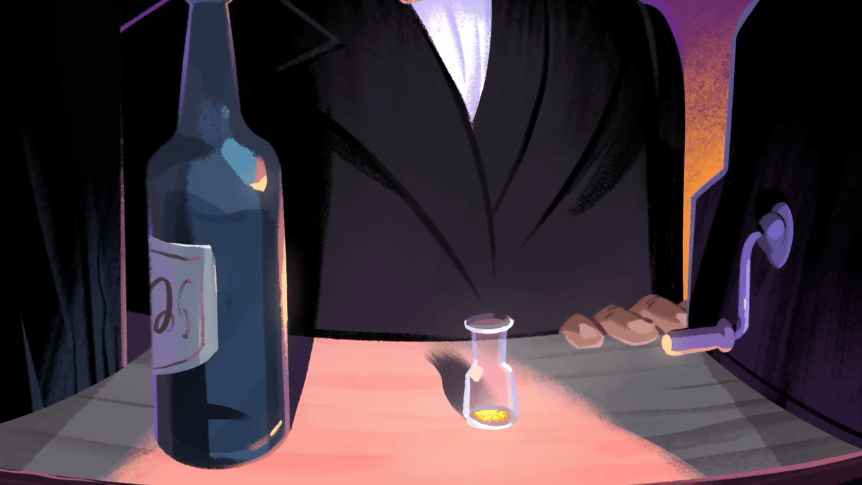
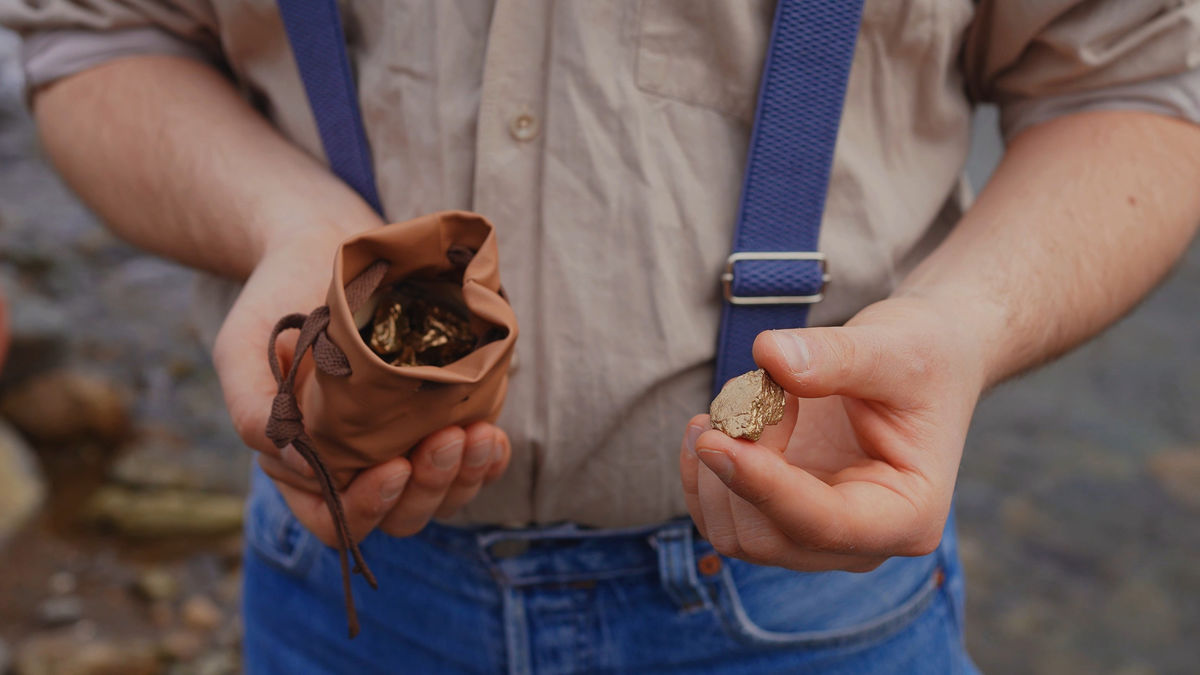
Sutter had instructed his workers to keep the discovery of gold at the sawmill a secret, but workers would sneak out and pan for it. Brannan also went out panning for gold, but he also ran around the streets of San Francisco shouting, 'There's gold in the river!' He then sold the tools needed for gold panning, such as picks and pots, at exorbitant prices in his general store. As a result, he is said to have made $4,000 a day in sales at a time when a cow cost $4. As Nightshift puts it, 'Other people mined for gold, but Brannan mined the incoming coal miners instead.'

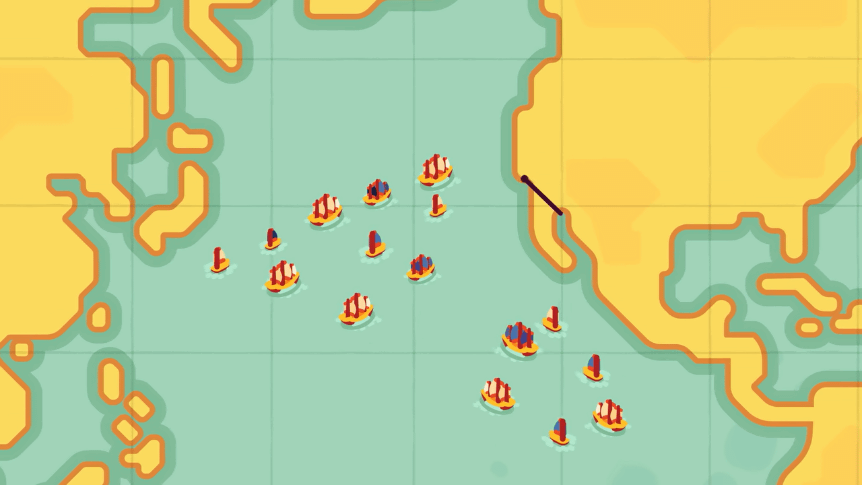
By the end of 1849, more than 100,000 people had arrived in California from countries on every continent, most passing through the area where Brannan had businesses. In about three years, by 1851, the area's population had grown from a few hundred to more than 50,000.
However, the region was hit by bitter winters and food shortages. Even doctors were said to be unable to treat people because they could earn more from mining gold than from medical expenses. Native Californians were assaulted for trespassing on their own mining areas. Foreign miners were not only subject to special taxes for mining, but non-white miners were also subject to robbery, persecution, and even murder. Furthermore, in 1851, the then-Governor of California officially stated in a legislative address that 'the war of annihilation between the races will continue until the Indians are extinct.' Organized violence also occurred, with the state paying for militia attacks on Native Americans.
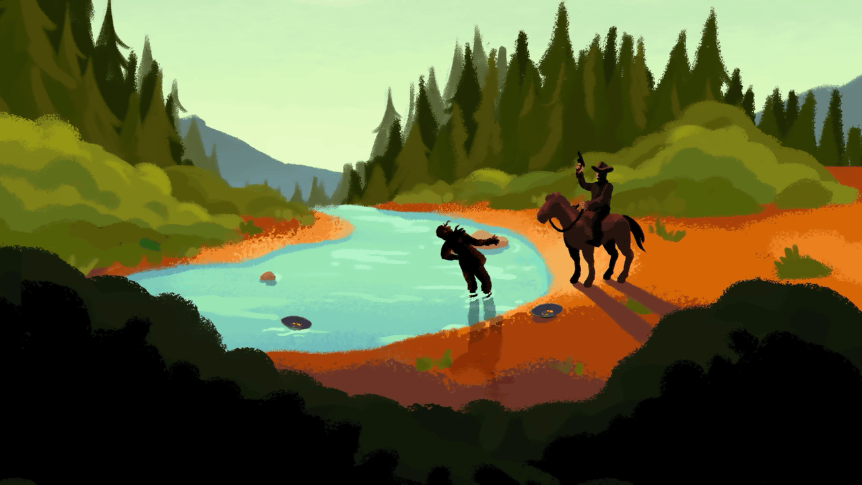
By 1855, just seven years after the region's gold rush began, the promise of gold had largely died down and many mining camps were abandoned. Gold was extracted industrially by blasting hills with high-pressure water guns, polluting rivers with sediment, decimating fish populations, and destroying orchards.
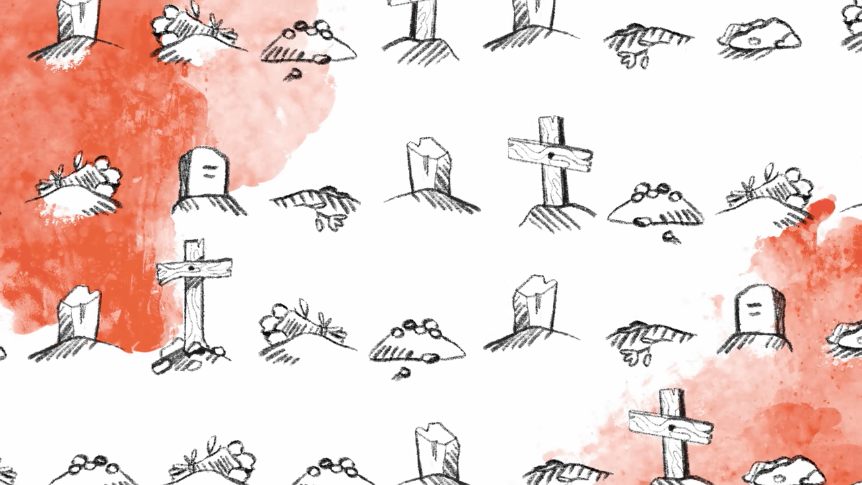
Meanwhile, California's economy continued to grow, and Brannan's fortunes and fame continued to grow. However, court records reveal that in the following years, Brannan became addicted to alcohol and engaged in frequent fights. He also made a series of bad investments, and when he died in 1889, he left each of his children just $2 and no money for a proper burial. Nightshift notes, 'Brannan understood that true fortune isn't in dreaming, but in selling dreams. His blueprint—moving fast, betting big, and innovating—is the same blueprint that would later build Hollywood and Silicon Valley in the region. But we mustn't forget that this region's prosperity was built on the backs of stolen land, exploitative labor, and mass murder.'
Related Posts:






in Video, Posted by log1e_dh