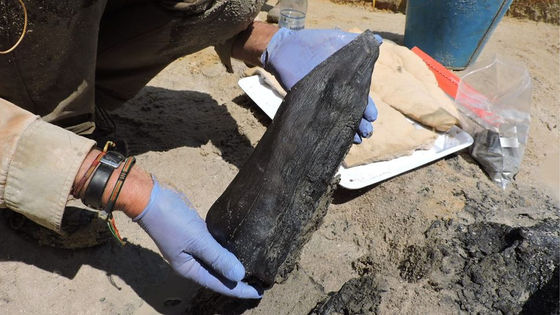
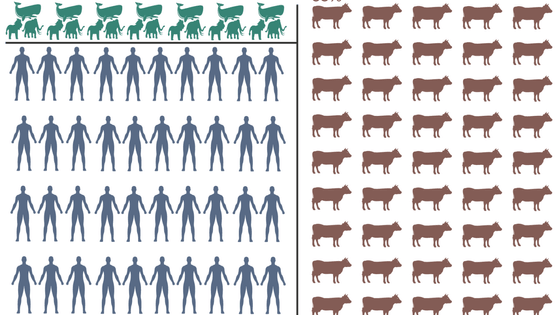
This is what happens when you pack the entire history of humanity into just one hour

Kurzgesagt, which explains various scientific topics through animation, has released a movie that explains the history of mankind over 200,000 years in about an hour.
Kurzgesagt begins its film about 200,000 years ago, when Homo sapiens is said to have been born. The film begins in the African continent, particularly in Eastern Africa, Morocco, and South Africa.

Our ancestors were already skilled hunters, wielding spears and fire, huddled under animal hides, and living in communities where they shared joy and death. Without maps or shoes, we regularly traveled long distances, transporting obsidian hundreds of kilometers to turn it into cutting tools. We also likely coexisted with other archaic human subspecies, such as Neanderthals.
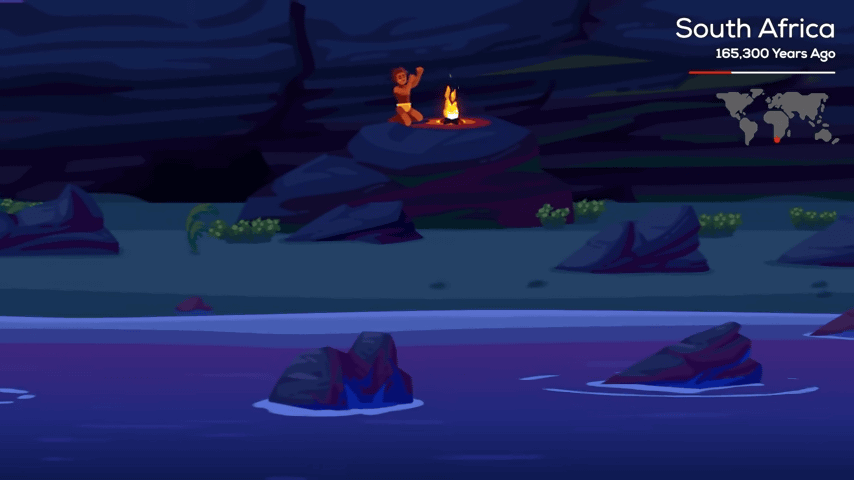
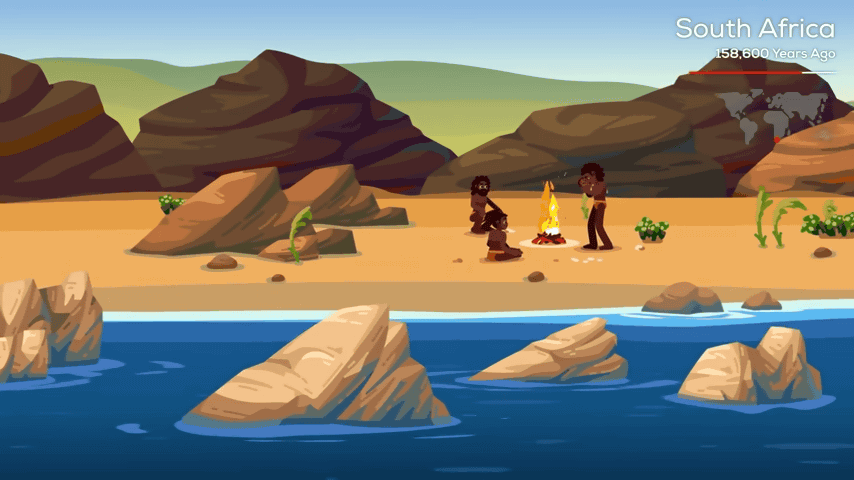
158,000 years ago in South Africa, people were already using marine resources, and evidence has been found that they consumed fish and shellfish.
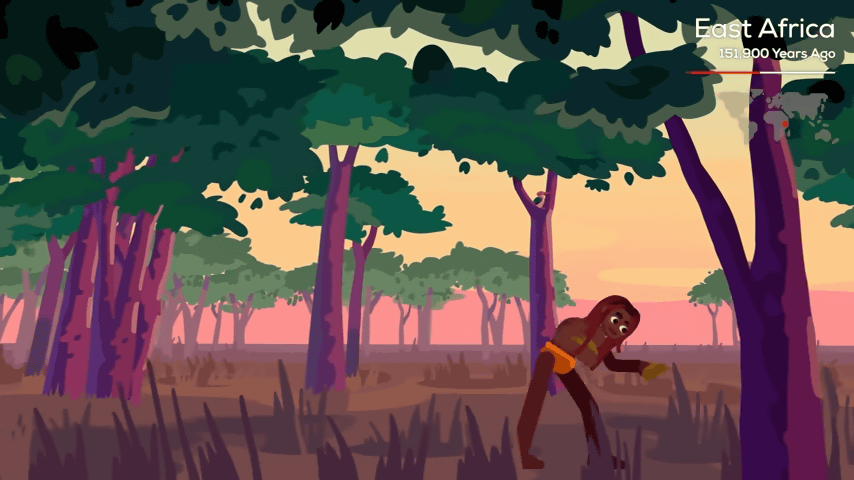
Evidence has been found of their habitat in the forests of East Africa dating back 151,900 years ago, where human ancestors were hunter-gatherers but still remained prey in the natural hierarchy.
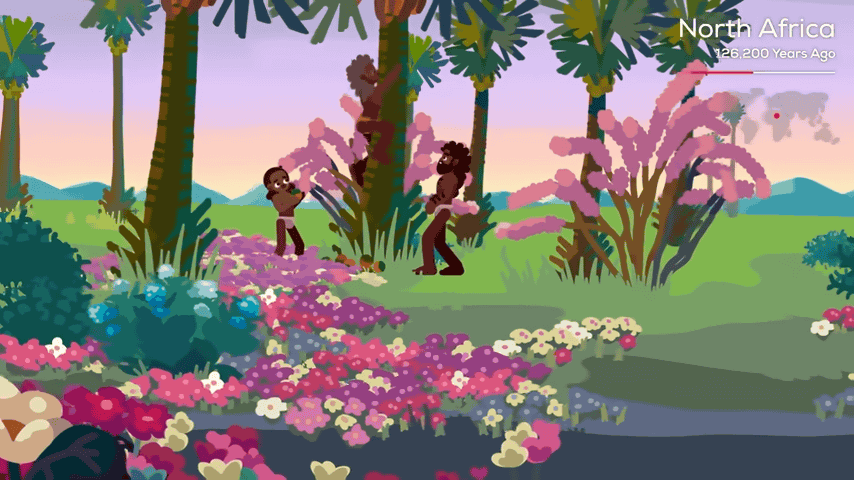
126,200 years ago in North Africa. There is evidence that humans reached the Mediterranean Sea and lived on the island of Crete, but it is unknown how they got from the African continent to Crete.
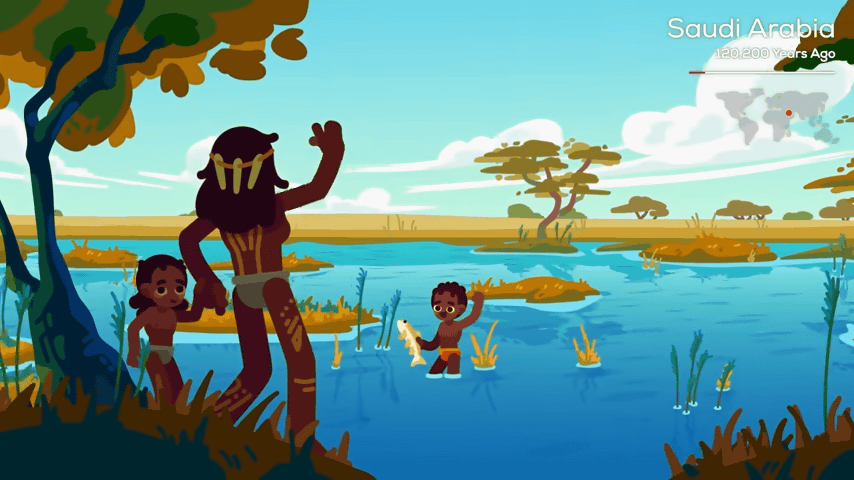
On the shores of an ancient lake in Saudi Arabia, human footprints have been found among many other animal tracks dating back 120,000 years. At the time, the entire Arabian Peninsula was covered in green grass and wetlands, ideal conditions for our hunter-gatherer ancestors. Seashells from this period have also been found, pierced with holes for threading onto ornaments and jewelry.
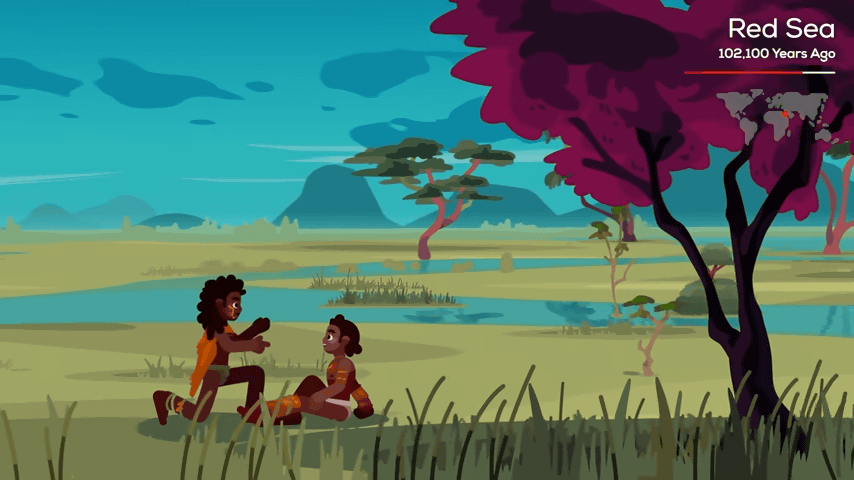
102,100 years ago, in the Red Sea. Homo sapiens gradually expanded their influence through repeated great migrations, but the Earth's climate changed again, accelerating the expansion of humans from Africa from a trickle to a large wave. Furthermore, because sea levels were much lower than they are today, it is believed that land bridges existed connecting the continents.
The earliest Homo sapiens burial site dates back to around 100,000 years ago and contained skeletons and numerous grave goods.
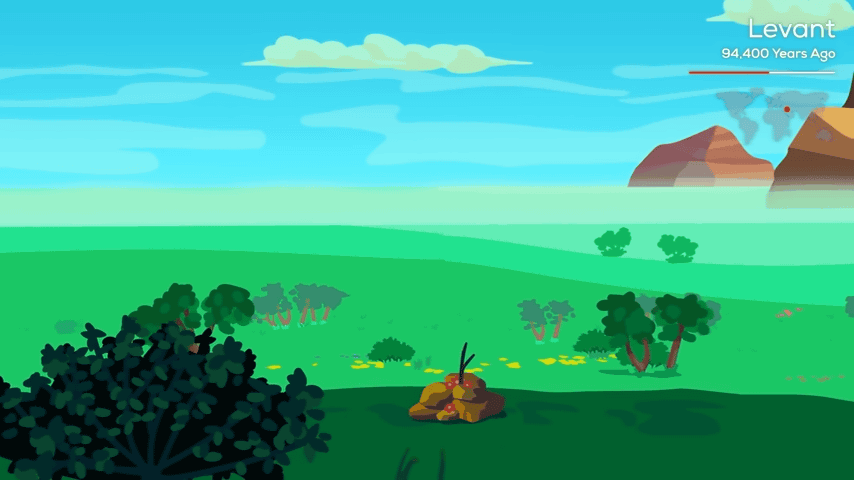
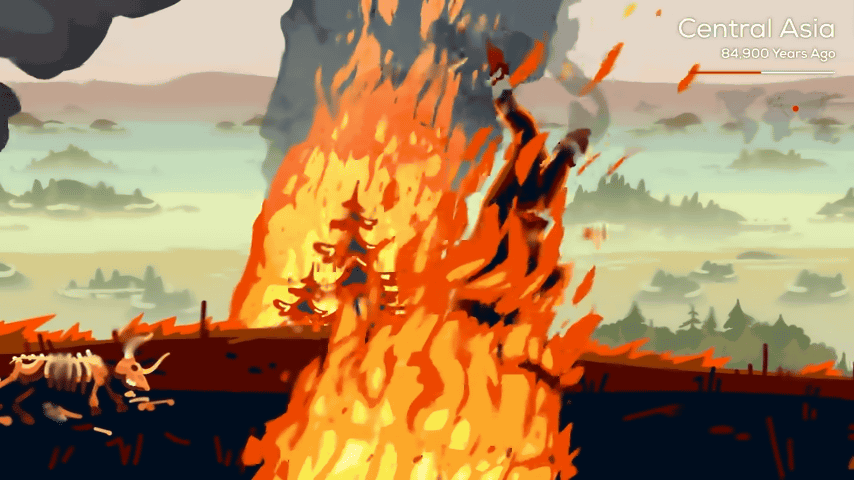
Furthermore, Homo sapiens remembers burning forests, clearing vegetation to make hunting and gathering easier.
Approximately 70,000 to 75,000 years ago, a devastating eruption of Mount Toba on the Indonesian island of Sumatra is believed to have dramatically altered the climate and caused a genetic bottleneck that shrank the human population to fewer than 10,000. Those who survived were those who knew how to forage for food, find reliable shelter, and were lucky enough to live in areas that were less affected.
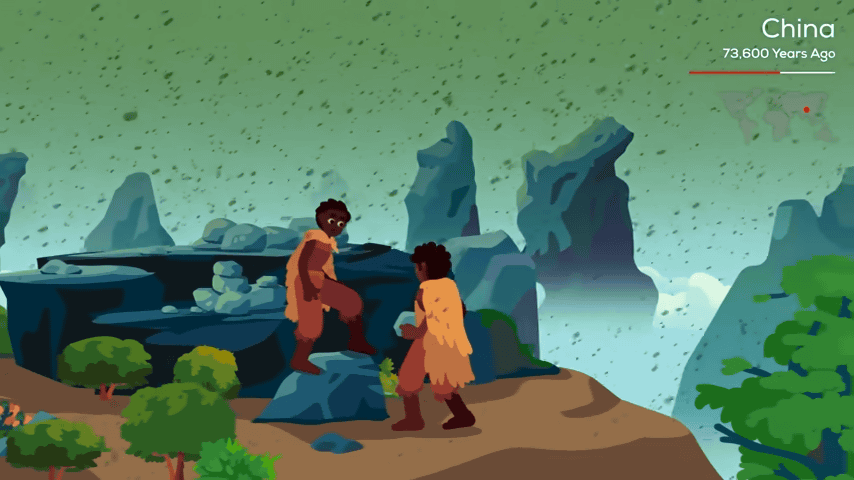
As the climate worsened, humans began to live in caves, leading to cultural developments such as stone carvings and murals. Humans also developed the bow and arrow 61,000 years ago, making hunting more efficient. Better technology allowed them to overcome obstacles that had previously prevented human expansion. Widespread extinction of large animals has been blamed on human hunting, and land mammals became smaller, rarer, or even extinct.
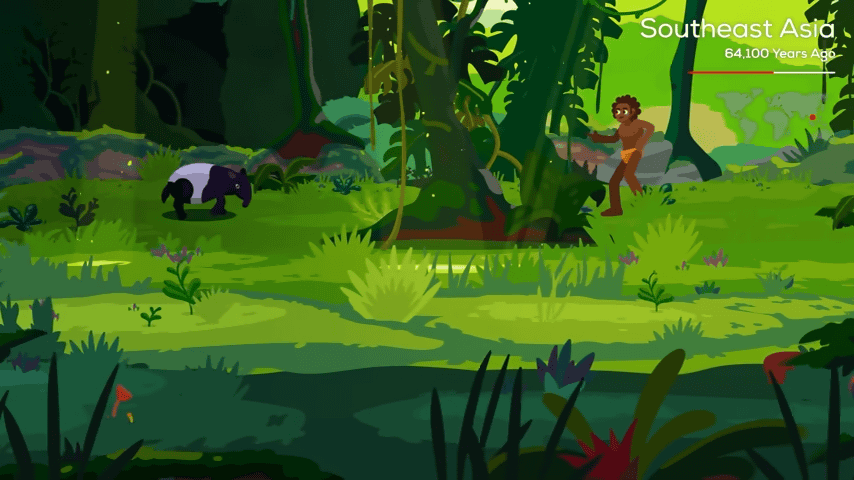
Then, more than 50,000 years ago, humans arrived in New Guinea and there is evidence that they used stone axes to clear forests to make it easier to gather nuts and yams.

Around this time, Homo sapiens transitioned from merely looking like humans to thinking and acting like humans, as evidenced by the rapid expansion of Stone Age technology and the complex behaviors that allowed for better cave art.
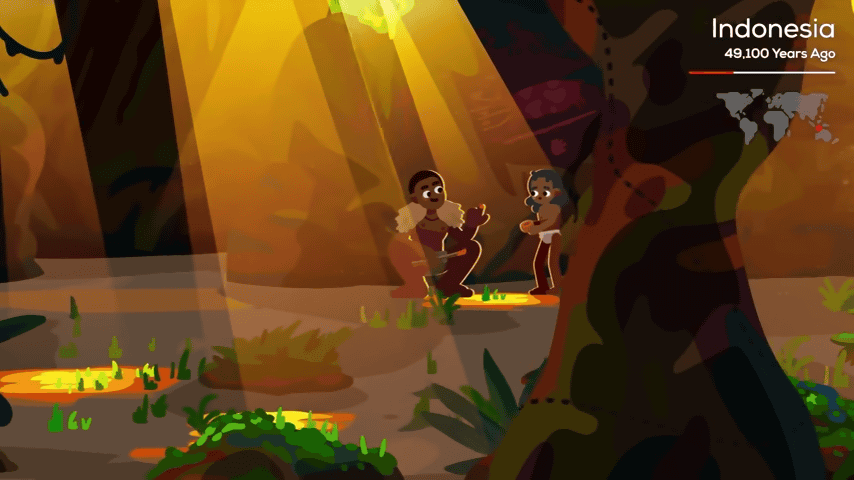
The first known statue is the '

As humans advanced, Neanderthals declined and disappeared from the fossil record about 35,000 years ago. A skull with a depressed fracture suggests someone was bludgeoned to death 33,000 years ago. Hunting techniques also evolved, and it's believed that dogs began to be domesticated around this time.
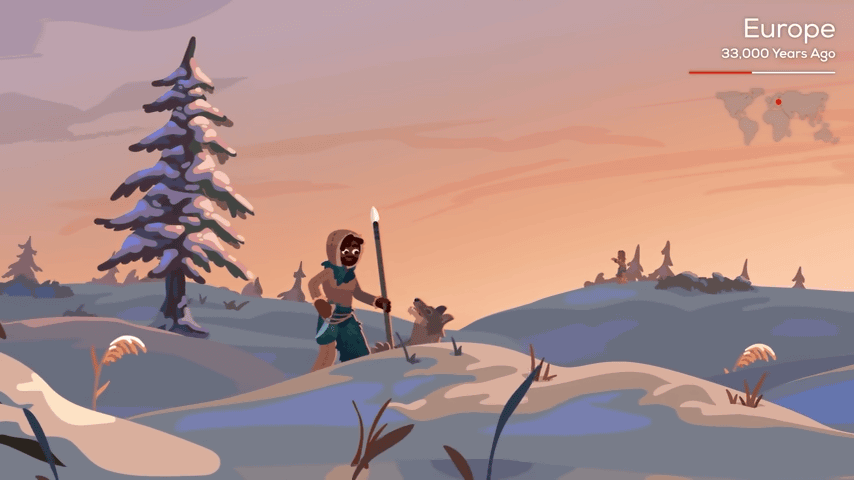
The history of clothing is unclear, but it is said that its origins were to protect the body from harsh climates and lice. Around 30,000 years ago, clothing was made from flax fibers. There was a large eruption in New Zealand 25,700 years ago, but humans were able to overcome this crisis.
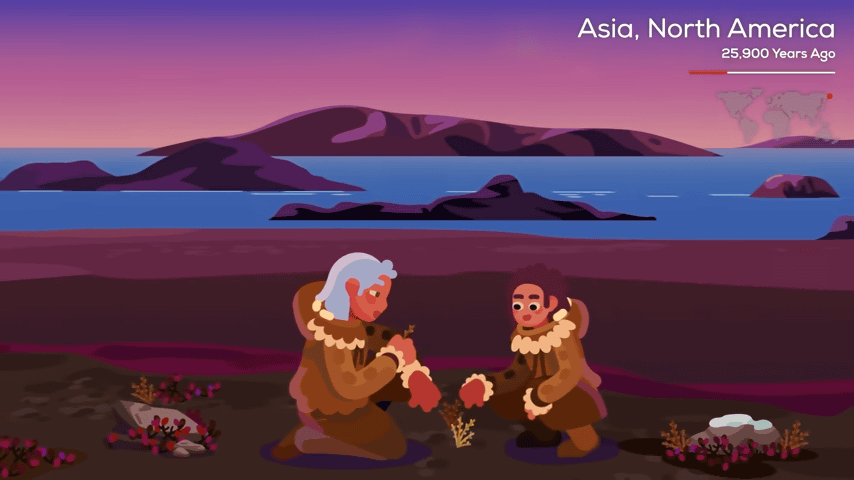
The last glacial maximum 20,000 years ago caused sea levels to drop 120 meters and ice to cover 25% of the Earth's land surface. However, it also allowed humans to travel greater distances than ever before, including to the Americas, where they are thought to have walked across what is now the Bering Strait.

Then, 12,000 years ago, humans living in what is now Turkey built the enormous structure known as
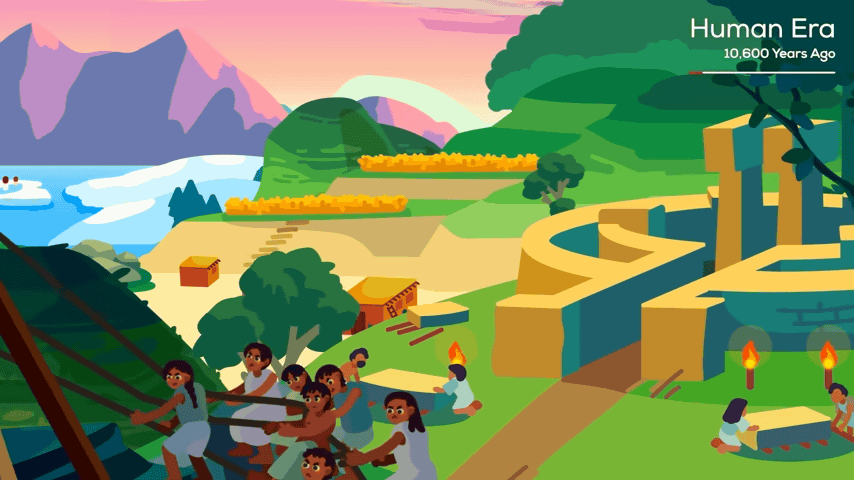
About 5,000 years ago, humans began to write down language. They carved laws into stone, accumulated knowledge over the centuries, built armies, and began to run nations.
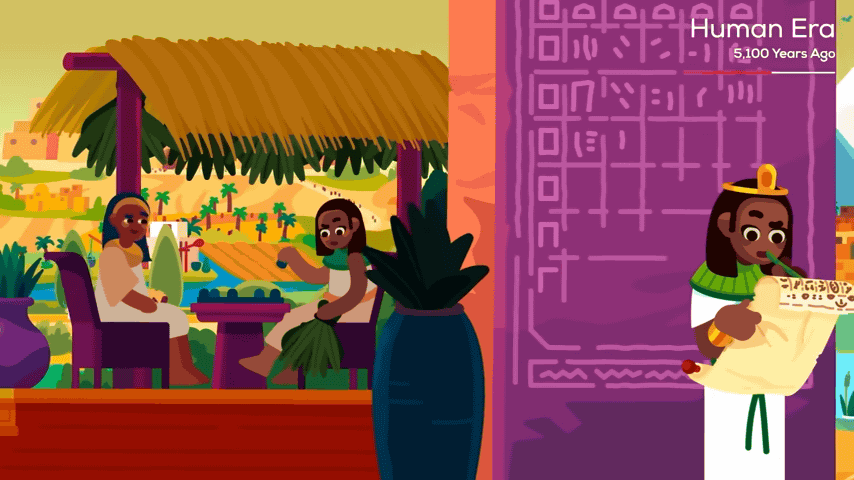
Since ancient times, civilizations have arisen, expanded, and invaded, leaving behind innovations, magnificent works of art, and philosophies upon which subsequent generations have built and reached ever greater heights.

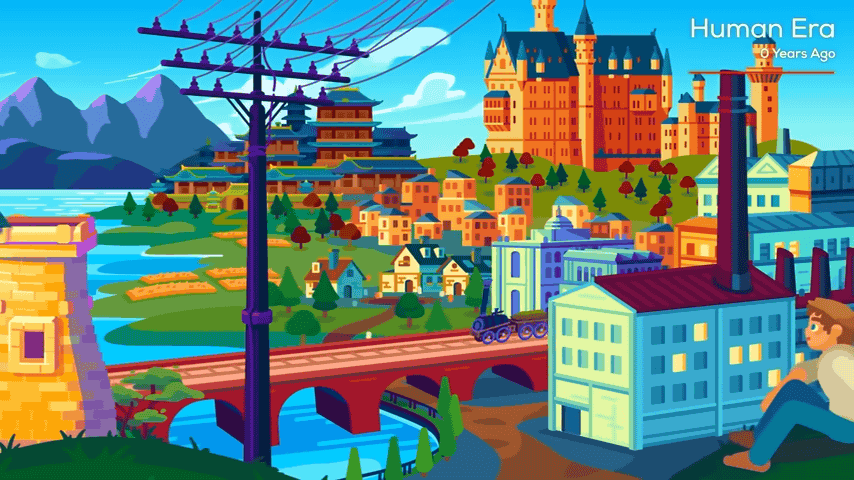
'Our modern world is nothing more than the culmination of thousands of years of effort. Generation after generation has built on the work of their ancestors, reaching ever higher. Cultures around the world have tried to improve life in their own way. Today, everything is moving and changing very quickly. Let's not forget how we got here,' Kurzgesagt said.
Related Posts: