Successfully created and read the world's smallest QR code, measuring just 1.98 square microns
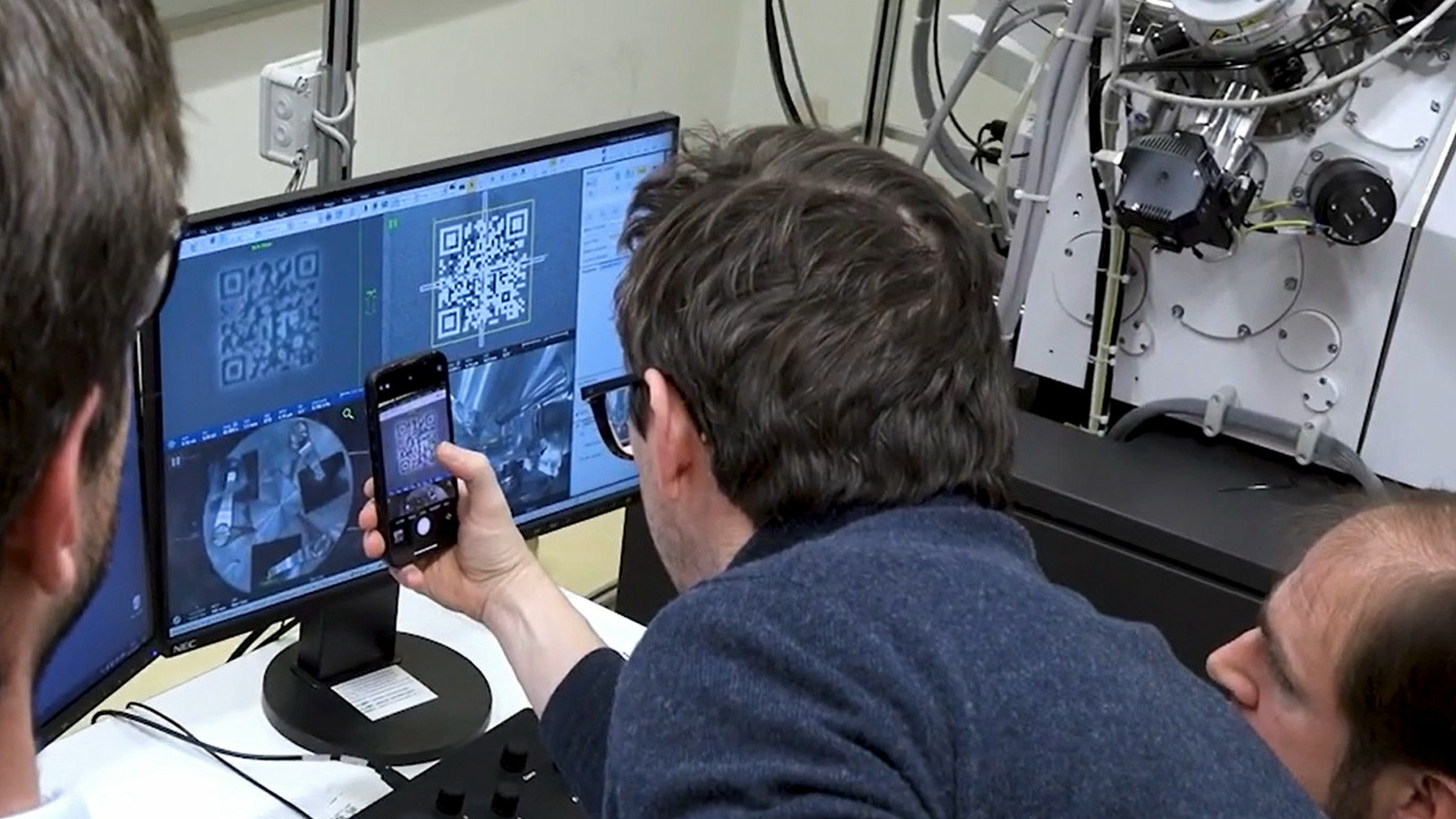
The Vienna University of Technology and storage company Cerabyte have collaborated to create and successfully read the world's smallest QR code, setting a new Guinness World Record. The QR code measures just 1.98 square micrometers, smaller than many bacteria, and the researchers claim it sets a new standard for density and durability in modern data storage technology.
World Record: The World's Smallest QR Code | TU Wien
Data storage Guinness World Record broken by QR code pixels measuring just 49nm — 1.98 sq micrometer size is smaller than bacteria, can only be read with an electron microscope | Tom's Hardware
https://www.tomshardware.com/pc-components/storage/data-storage-guinness-world-record-broken-by-qr-code-measuring-just-49nm-pixels-1-98-sq-micrometer-size-is-smaller-than-bacteria-can-only-be-read-with-an-electron-microscope
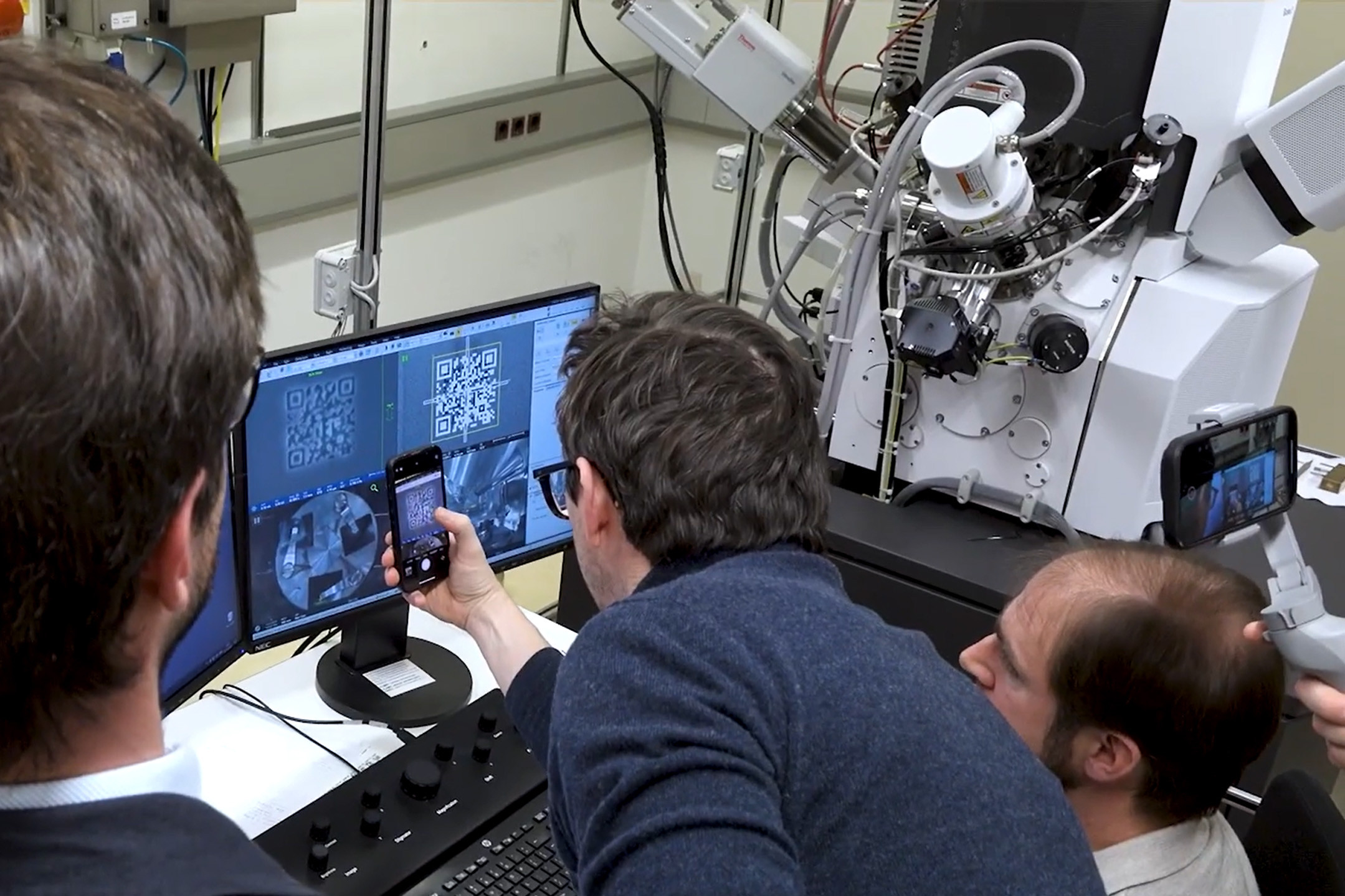
This QR code is made up of 29 x 29 modules, with individual pixels measuring just 49 nanometers (nm). This significantly smashes the previous record of 5.38 square micrometers and 80 nm pixels, and is approximately 37% smaller than the previous record. Note that 1 micrometer is 1/1000 of a millimeter, and 1 nanometer is 1/1,000,000 of a millimeter.
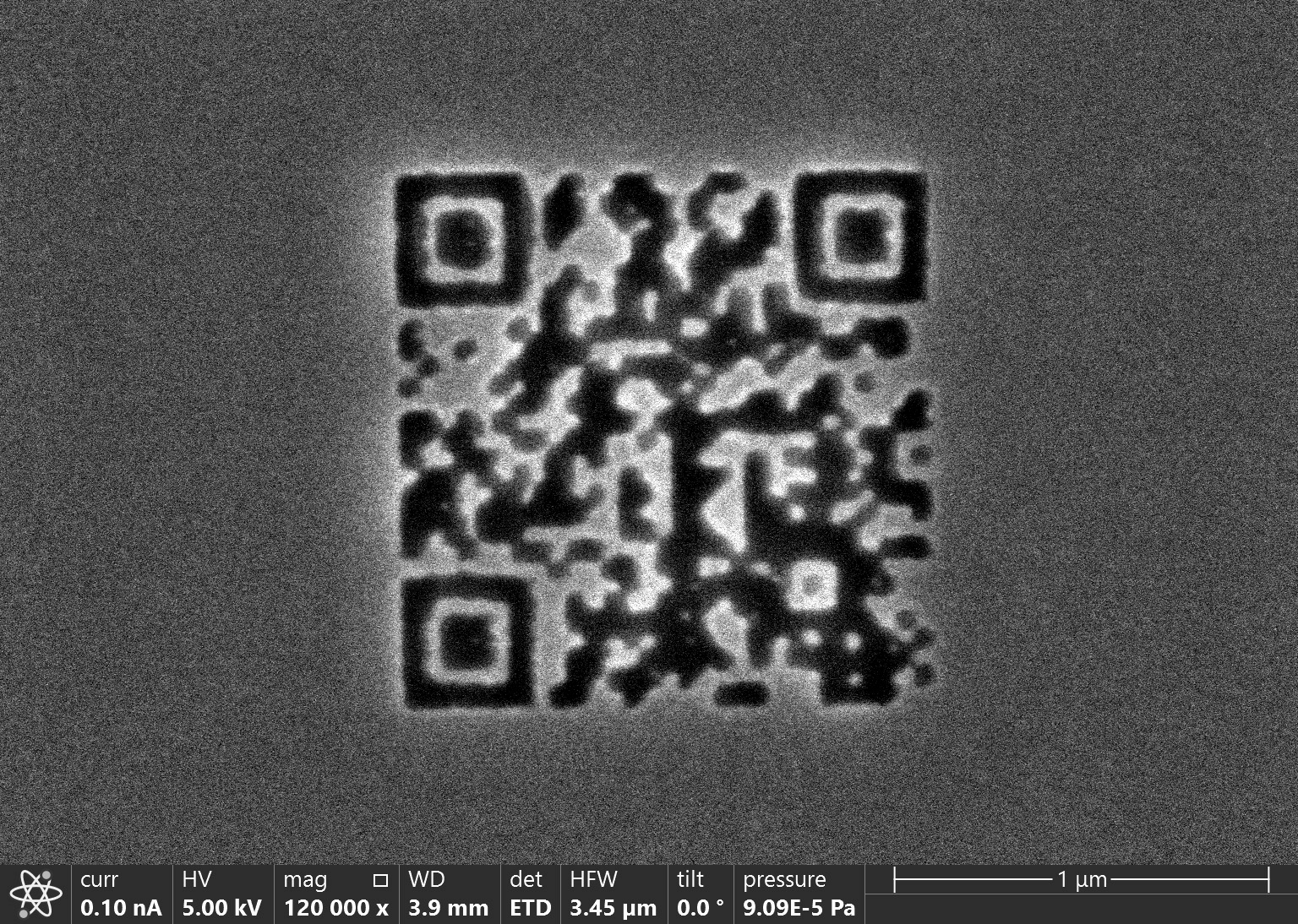
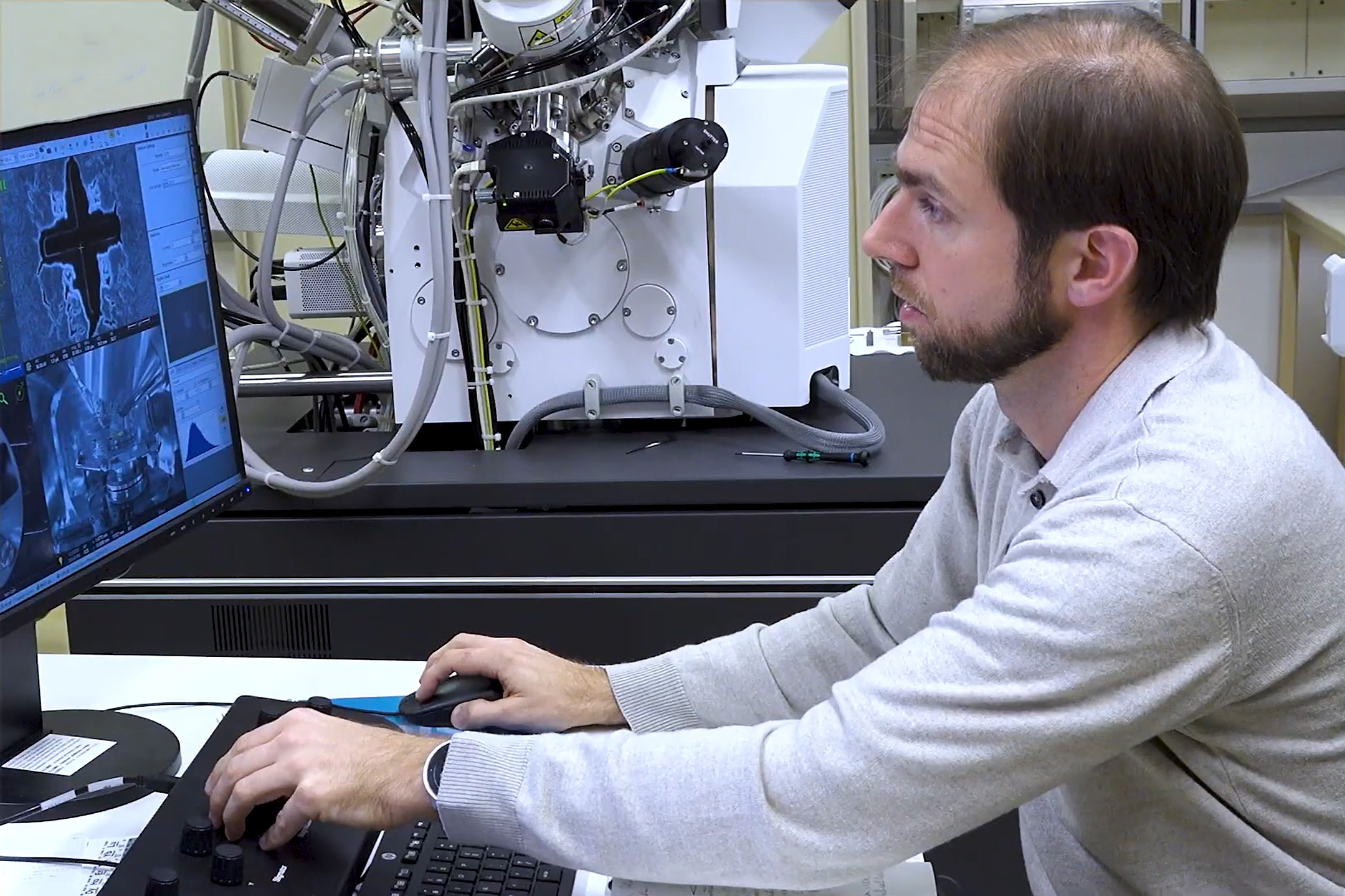
The 49nm pixel size is about one-tenth the wavelength of visible light, making it impossible to detect with an optical microscope, and requiring an electron microscope to read the information. 'This is like trying to read Braille on the soles of an elephant's feet,' the researchers say.
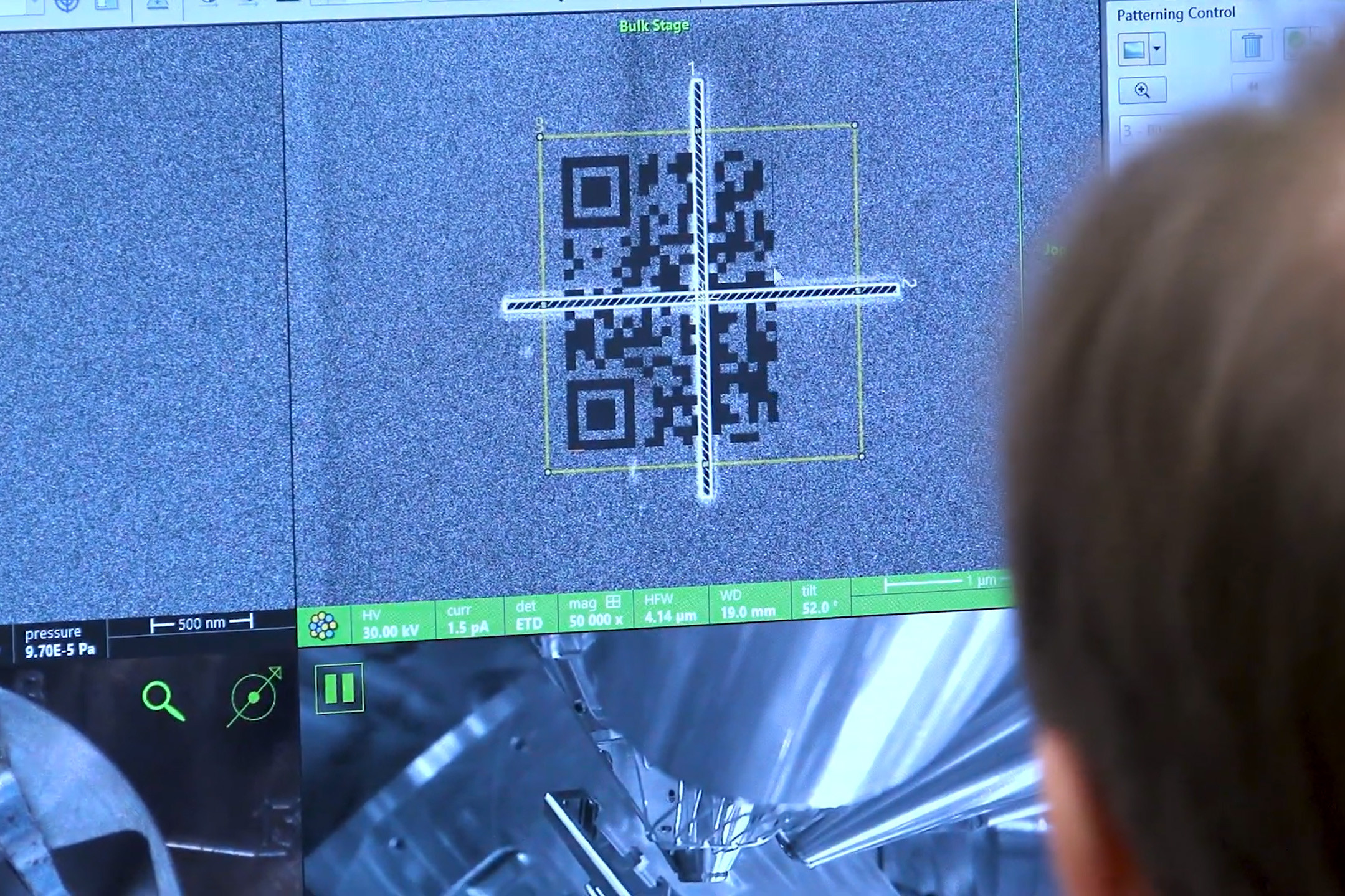
From a materials science perspective, the value of this technology lies not just in its small size, but also in its stability and durability, the research team said. While current technology allows for the arrangement of individual atoms to create patterns, atoms are prone to diffusion and movement, making it difficult to store information stably. Instead, the research team used a highly stable ceramic thin film, the same type used to coat high-performance cutting tools, and directly engraved the QR code using a focused ion beam.
'Currently, mainstream magnetic and electronic media often have a lifespan of just a few years or even decades, and maintaining information requires significant energy consumption, cooling, and periodic data transfer. However, information engraved on an inert, stable ceramic material could potentially be maintained for hundreds or even thousands of years without any energy supply. The QR code's storage density is also extremely high, theoretically allowing it to store more than 2 terabytes of data on a single A4 sheet of paper.'
'This world record is just the beginning of a very promising development,' said Alexander Kirnbauer, a thin-film materials scientist at Vienna University of Technology and a member of the research team. 'We hope to use other materials, improve the writing speed, and develop a scalable manufacturing process so that ceramic data storage can be used not only in the laboratory but also in industrial applications.' He also said that they will continue to research more complex data structures beyond simple QR codes.
Related Posts: