Same-sex sexual behavior in primates may be a survival strategy with evolutionary basis
by
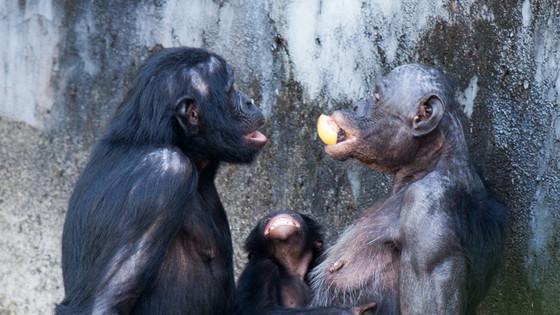
Although same-sex sexual behavior (SSB) has been observed in animals other than humans, it is unclear why they engage in sexual behavior that is primarily aimed at producing offspring. A research team from Imperial College London has published research results suggesting that SSB in non-human primates may be driven by environmental and social pressures.
Ecological and social pressures drive same-sex sexual behavior in non-human primates | Nature Ecology & Evolution
https://www.nature.com/articles/s41559-025-02945-8
Same-Sex Sexual Behavior in Primates May Be an Ancient Survival Strategy : ScienceAlert
https://www.sciencealert.com/same-sex-sexual-behavior-in-primates-may-be-an-ancient-survival-strategy
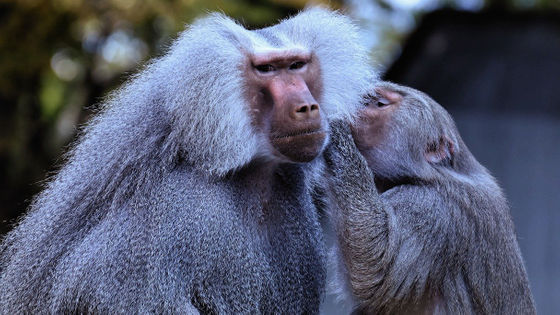
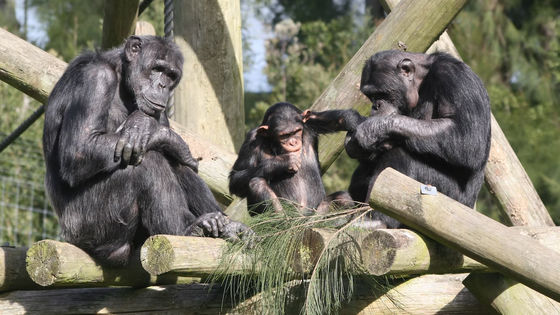
A research team from Imperial College London collected data on 491 non-human primate species to investigate the evolutionary origins and ecological basis of SSB.
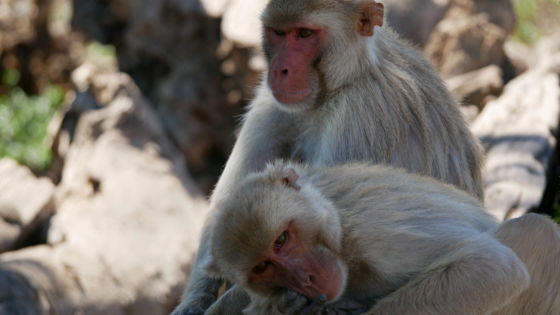
For the study, the researchers compiled the documented occurrence and prevalence of SSB in 59 primate species and examined its association with 15 environmental, life-history, and social traits. They also combined existing literature data with background information, including a separate study that followed rhesus macaques in Puerto Rico for eight years.
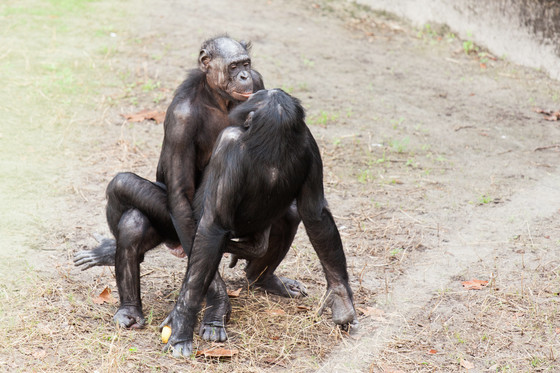
The study found that SSB was more likely to occur in species exposed to dry environments, food shortages, and high predation pressure. SSB also tended to be more prevalent in species with large sex-to-sex size differences, long life spans, and more complex social structures and hierarchies.
by Rob Bixby
Detailed analysis showed that social complexity directly promotes the occurrence of SSB, whereas environmental and life history factors indirectly influence it. In the case of rhesus monkeys, SSB between males facilitates alliance formation, thereby increasing reproductive success, and this behavior is heritable from parent to offspring at a rate of over 6%.
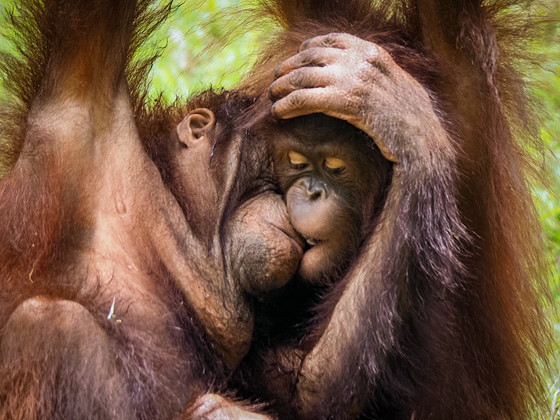
The research team states that SSB functions as a flexible social strategy used to strengthen social bonds, manage conflicts, and build alliances. They conclude that SSB in primates is a behavior with deep evolutionary roots and is context-dependent, shaped by the interplay of ecological, life history, and social factors.
The research team points out that SSB may be an ancient survival strategy with deep evolutionary roots, but speculates that our ancestors faced similarly complex environments. However, they caution that the complexity of sexual orientation and preferences in modern humans includes unique aspects that are beyond the scope of this study, and therefore, these findings should not be misinterpreted or misused as implying that 'social equality excludes same-sex behavior.'
Related Posts: