Four overseas schools that surprised former teachers, including a mammoth school with 50,000 students
Education varies from place to place, so we'll report on four schools in India that particularly impressed us, including one that has been certified by Guinness as the school with the most students in the world.
Hello! I'm
Before I left, I was a science teacher at a junior high and high school. Therefore, one of the themes of my trip is to 'visit junior high and high schools overseas.' The goals are to 'acquire new teaching methods,' 'learn the characteristics of schools overseas,' 'understand the realities of students in each country,' and 'compare club activities with those in Japan.'
All four schools featured in this article were given permission to be photographed, and interviews with students have also been included. The previous summary of Asian schools was ' Six Asian middle and high schools that surprised former teachers .'
-India had a mammoth school with 50,000 students that was registered in the Guinness Book of World Records
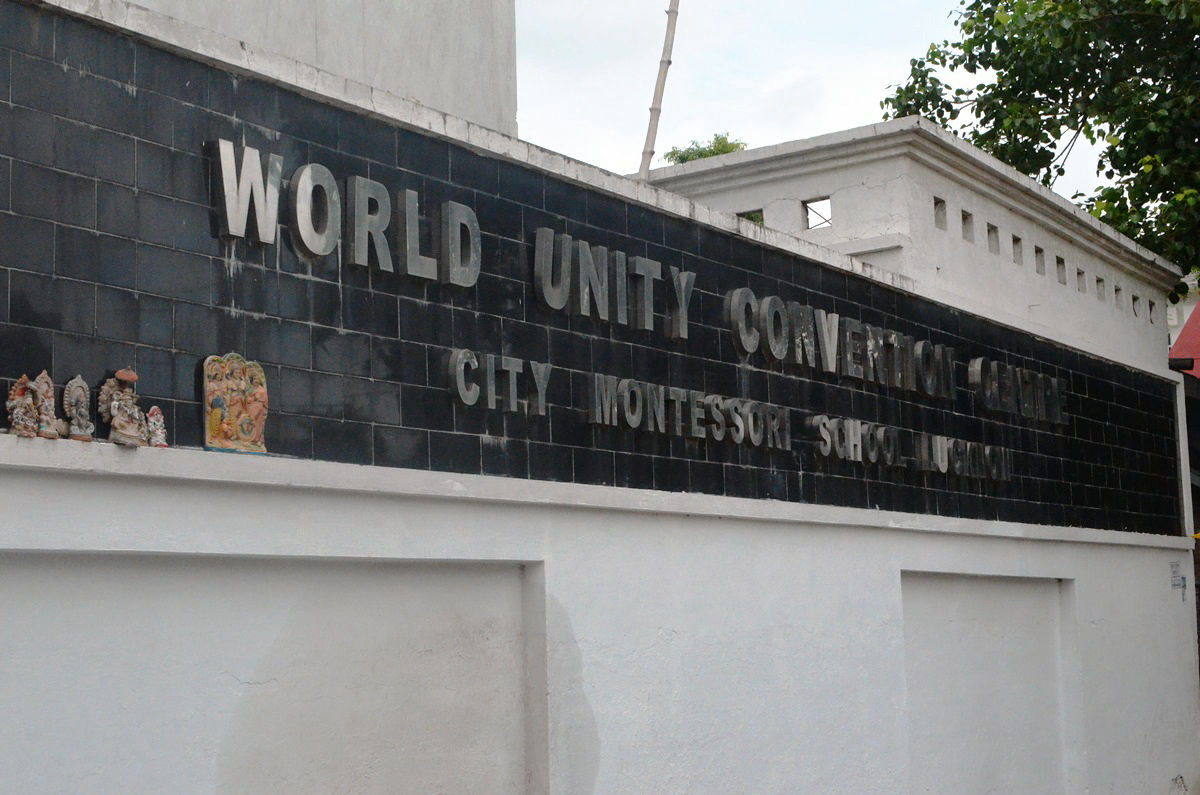
In India, we visited City Montessori School, a private school in Lucknow .
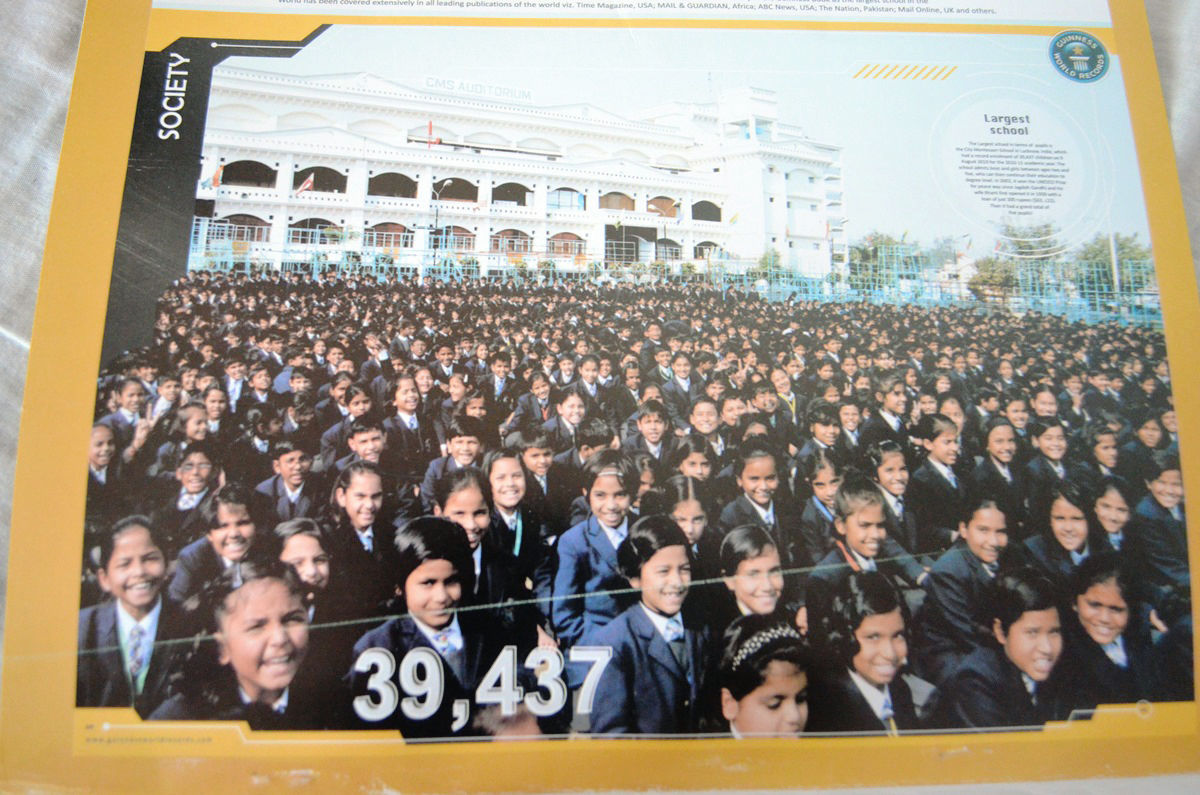
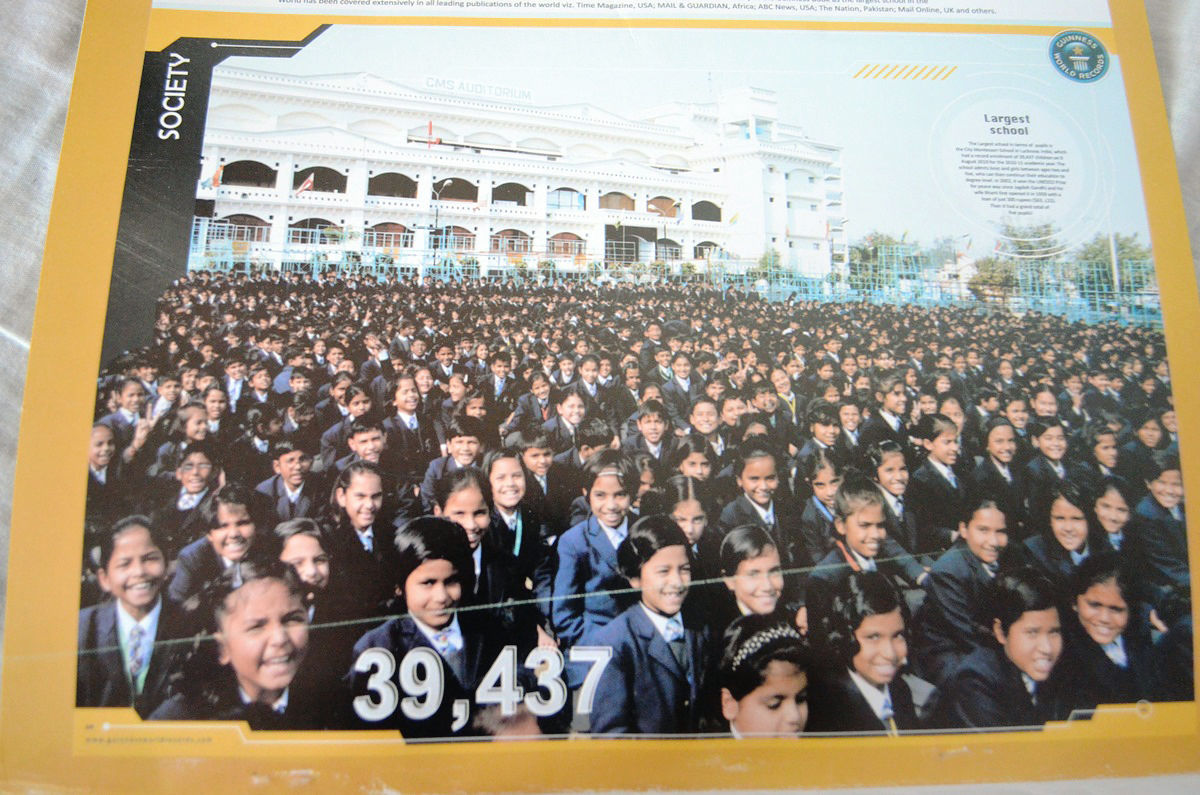
This school has been recognized by Guinness as the school with the largest number of students in the world. This photo was featured on the back cover of a document we received from the school, and it was also displayed prominently around the school. You can clearly see the Guinness certification mark in the upper right corner. According to school officials, this 39,437 students was the number in 2010, and the current number is 50,000.
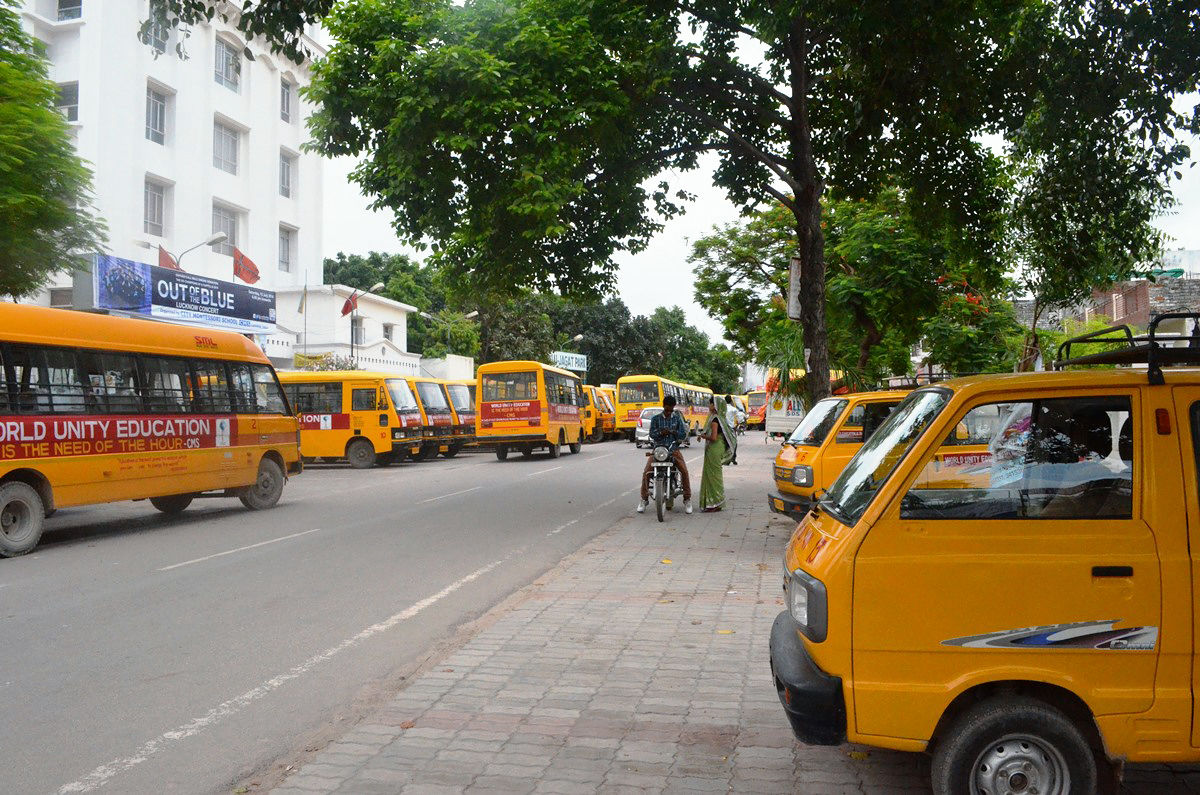
A total of 12 grades study here: 5th grade of elementary school, 3rd grade of junior high school, and 4th grade of high school. They don't all study in one school building, but are spread across 20 campuses. The photo shows several school buses parked in front of one of these campuses. It's quite impressive.
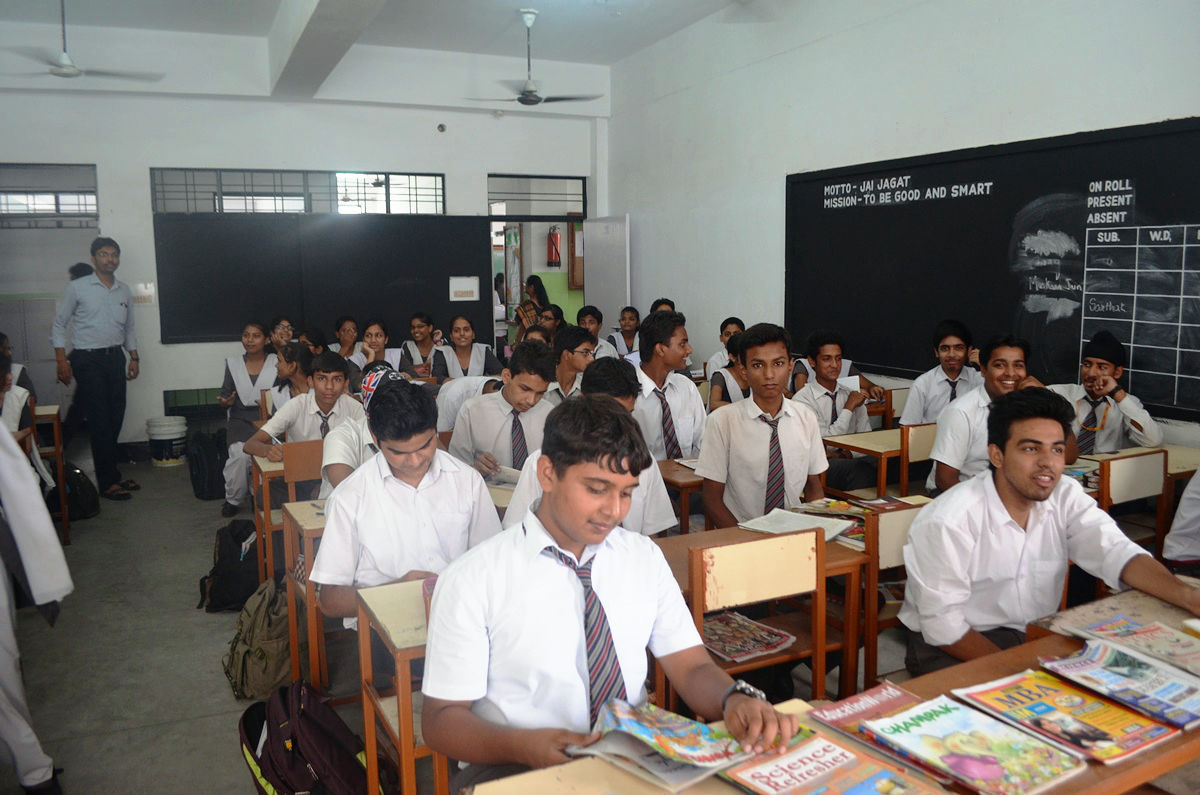
I had the opportunity to visit a branch school with a student population of 4,000. Indian schools are divided into English-medium schools, where classes are taught in English, and Hindi-medium schools, where classes are taught in Hindi. Most private schools are English-medium, and of course all classes here were taught in English as well. I felt anxious about the high level of awareness of education in India.
What was even more surprising was that all the classes in the junior high school had electronic whiteboards . This allowed lessons to be conducted mainly using images. This science class was explaining the changes in the state of matter. It was easy to see how the temperature changed as the matter changed from solid to liquid to gas. The introduction of these electronic whiteboards has apparently made it easier to understand things in three dimensions.
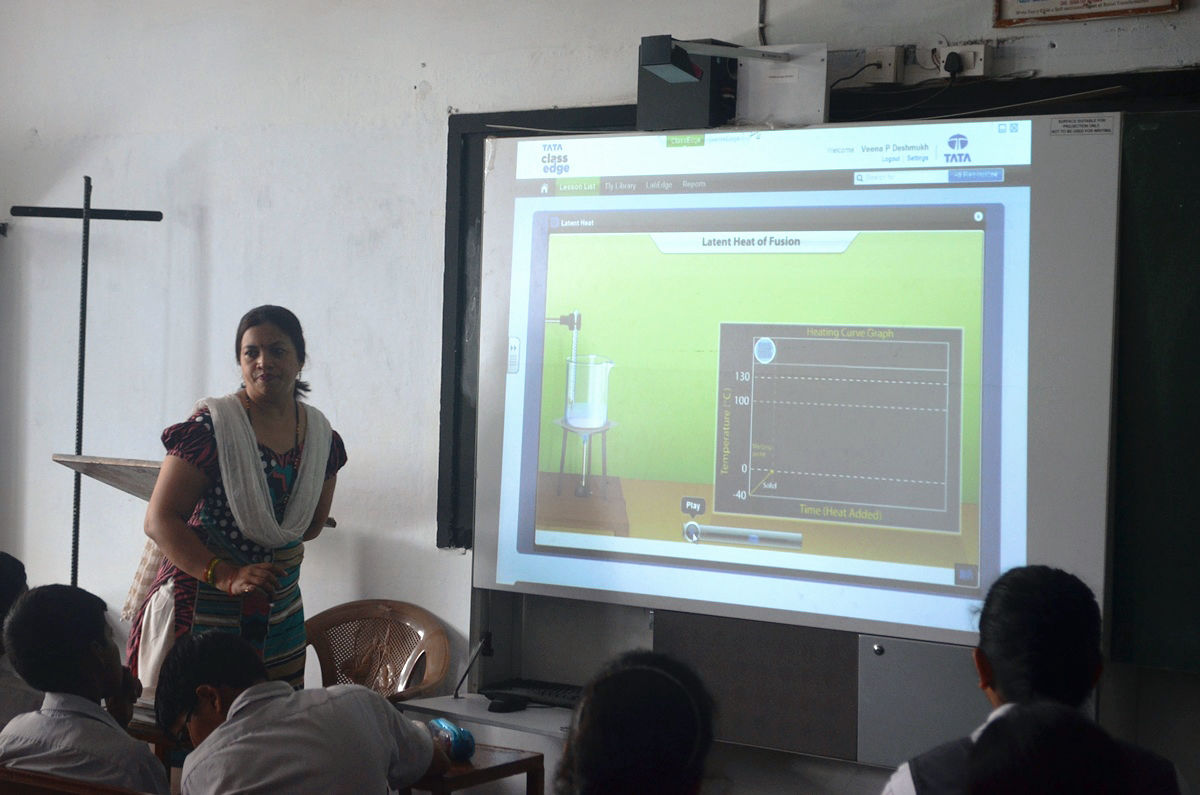
The teacher only wrote on the electronic whiteboard when solving problems. This teaching method has the potential to standardize the teaching style of teachers and reduce the amount of lesson preparation required, but it is unfortunate that it reduces the originality of lessons.

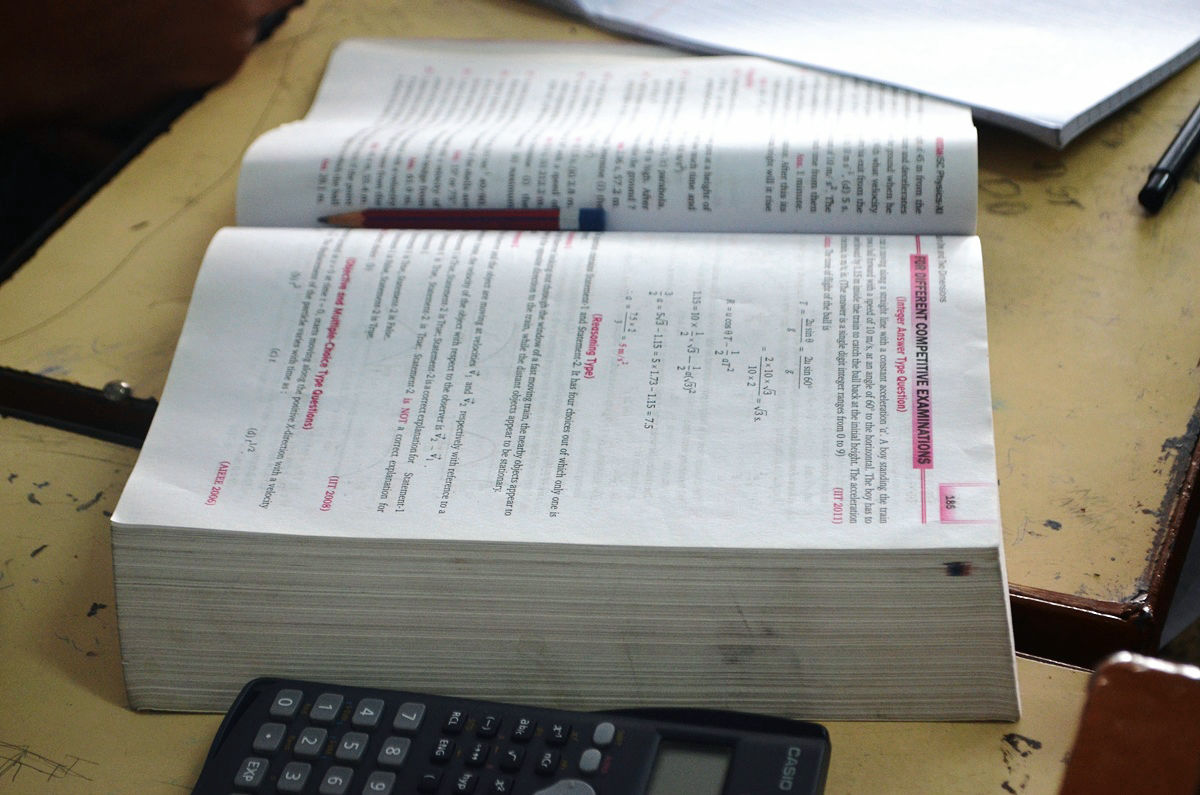
This is the last high school physics textbook I was shown. Apparently, you study this much in a year. Unlike in Japan, there were hardly any pictures.
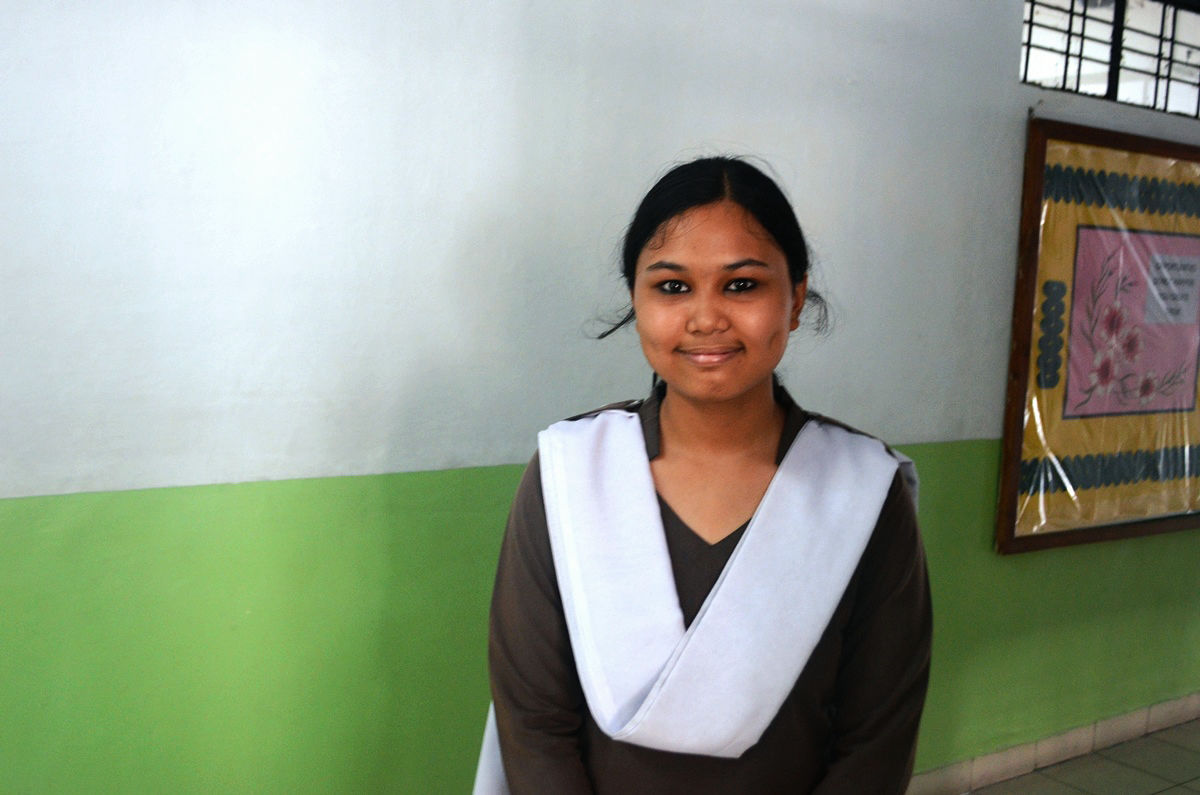
Sughra is a second-year high school student (first-year in Japan). He is half Japanese and half Indian. He had the opportunity to attend a Japanese school, and when asked about the difference between school conditions in India and Japan, he said, 'There's no bullying in India. Bullies are looked down upon.' He is busy at cram school after school, and said that in the future he would like to volunteer to protect Middle Eastern resources from the West.
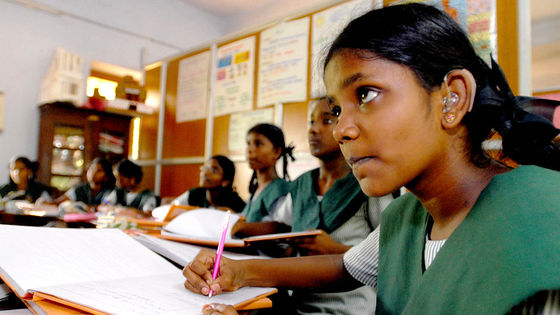
During my visit, I was amazed at the high level of motivation each and every student had to learn. Some of the classes I was shown were boring, with students simply reading from the textbook. However, not a single student was dozing off, and not a single student was not listening. On the contrary, the sight of the students frantically taking notes so as not to miss a word being read out loud made me feel as if I was witnessing India's future development. Of course, this may be because this is a preparatory school, but the fact that 50,000 students have this level of motivation to learn is truly impressive.
In Armenia, students study physics mechanics in the second year of junior high school.
In
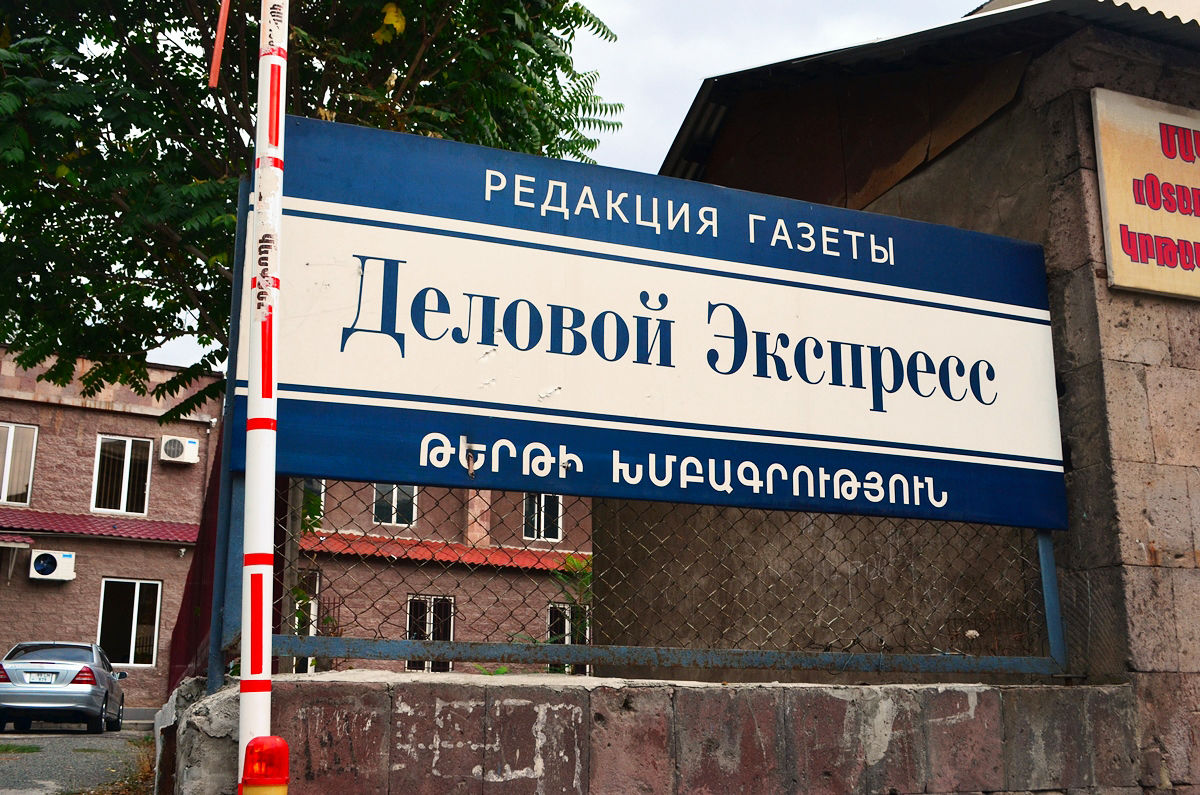
When I heard that I would be able to observe a physics class, I imagined high school students, but the moment I entered the classroom I was surprised by the young faces of the students. The students were 13 to 14 years old, equivalent to second-year junior high school students in Japan. The classroom was small, with only 20 students.
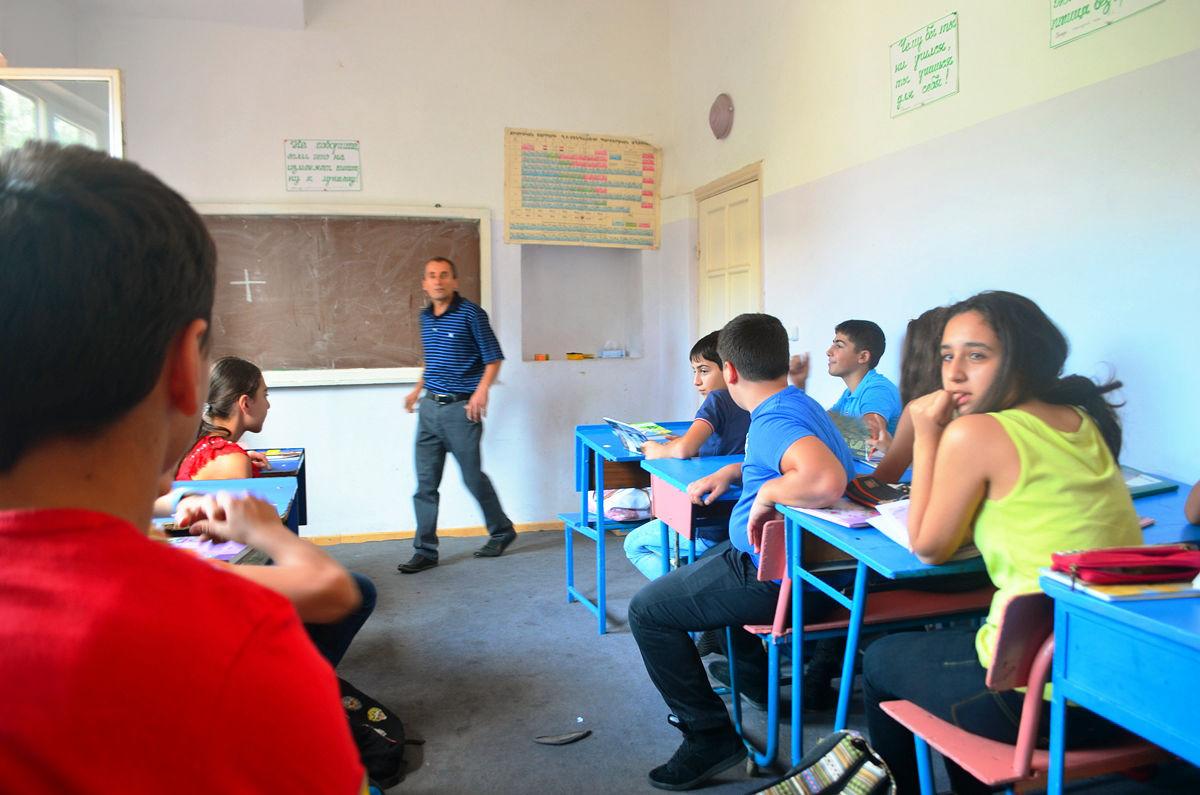
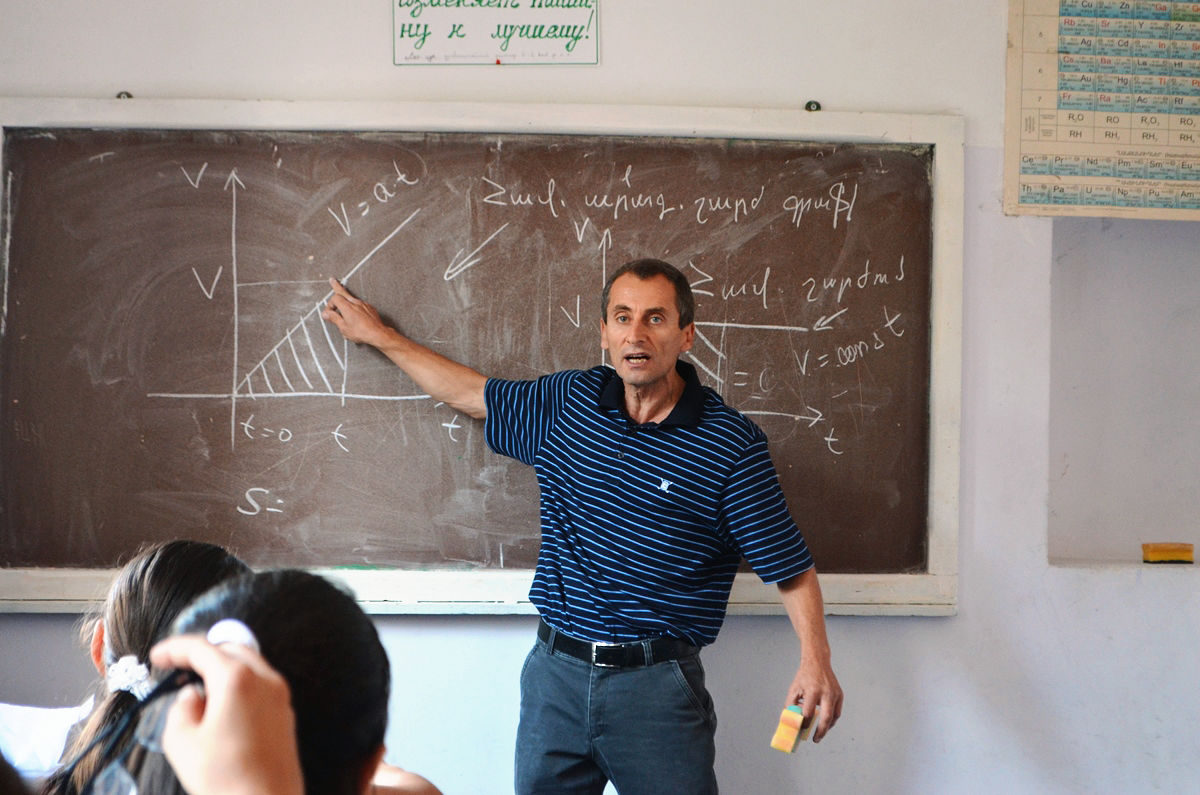
Just as I was thinking that this was about basic science and not physics, a physics formula was written on the blackboard. In Japan, this V-t graph is taught in Basic Physics (Physics I), which is generally taught in the second year of high school.
When I was shown the textbook, I saw the equation for free fall. I guess the previous page introduces the equation of motion. This is also a subject taught in the second year of high school in Japan.

As for the students' reactions to this lesson, some students actively asked questions, while others came to the front and fluently wrote answers on the blackboard...
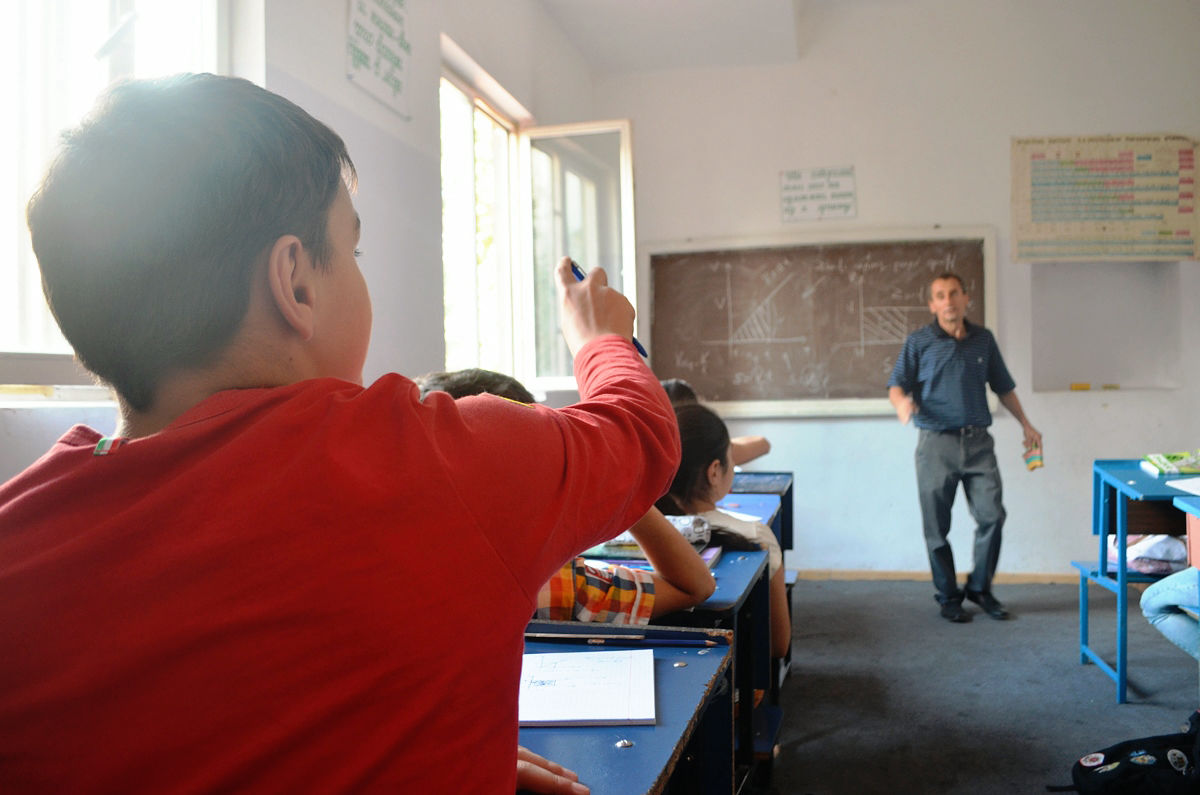
Some students were openly playing with their cell phones. Overall it was noisy, and it seemed like only about half of the students understood what was going on.

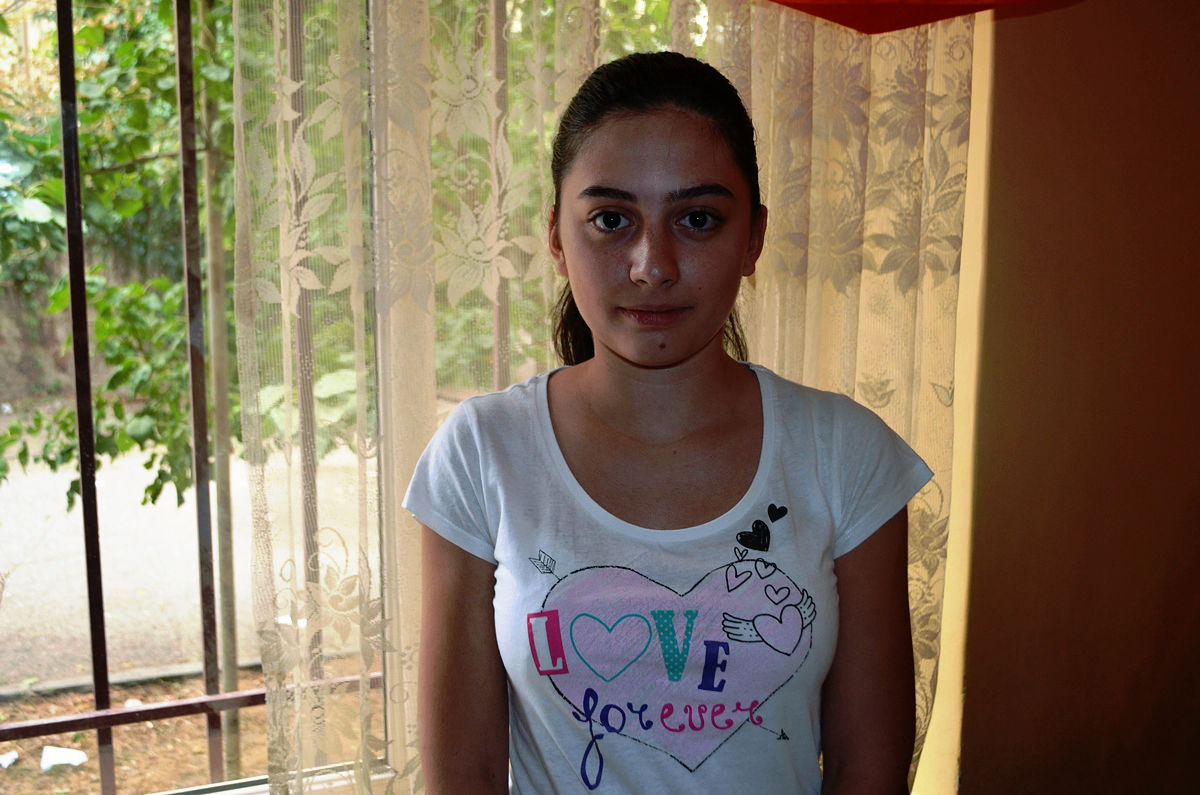
Her name is Mel, a third-year high school student. She is good at Korean and wants to study abroad in Korea after graduation. After school, she is busy studying for her entrance exams.
Armenia is also
Romanian art high school is decorated with alcohol and cigarettes
In Romania, I visited a public arts high school in Bucharest . According to the Ministry of Foreign Affairs website, Romania is characterized by the wide variety of schools, including high schools specializing in music and gymnastics.
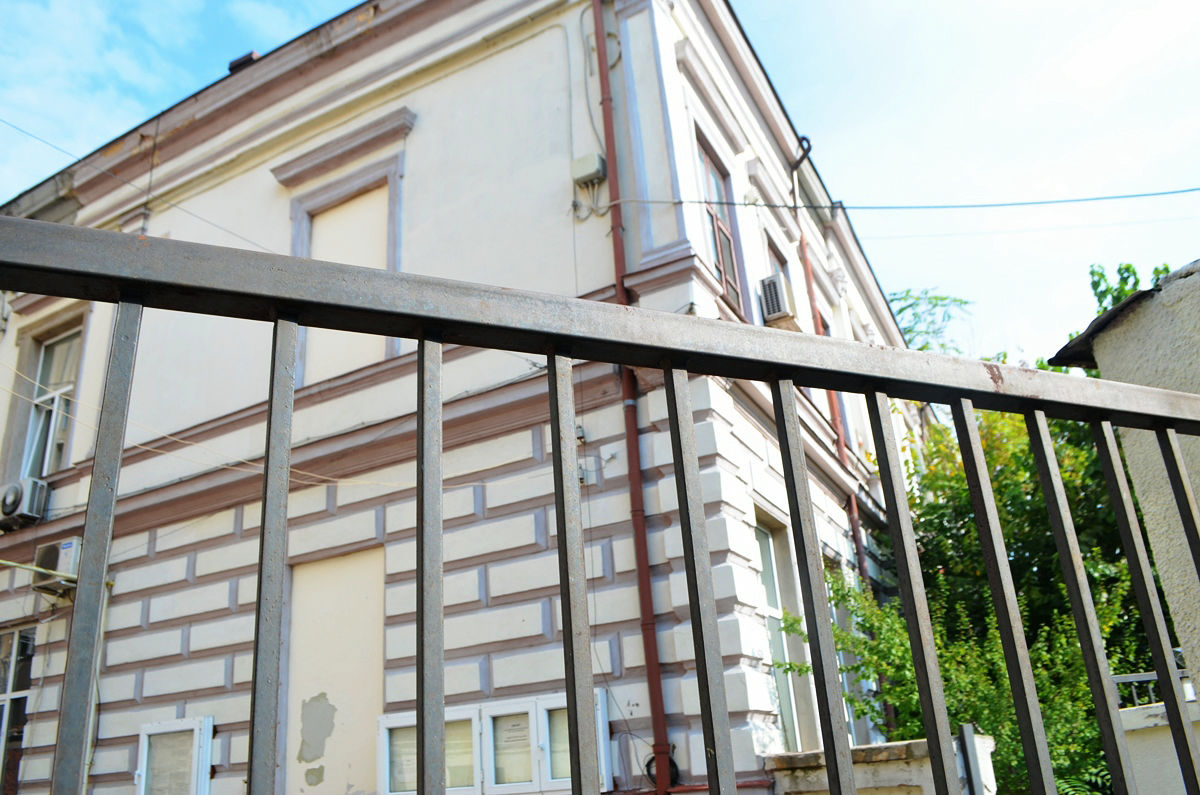
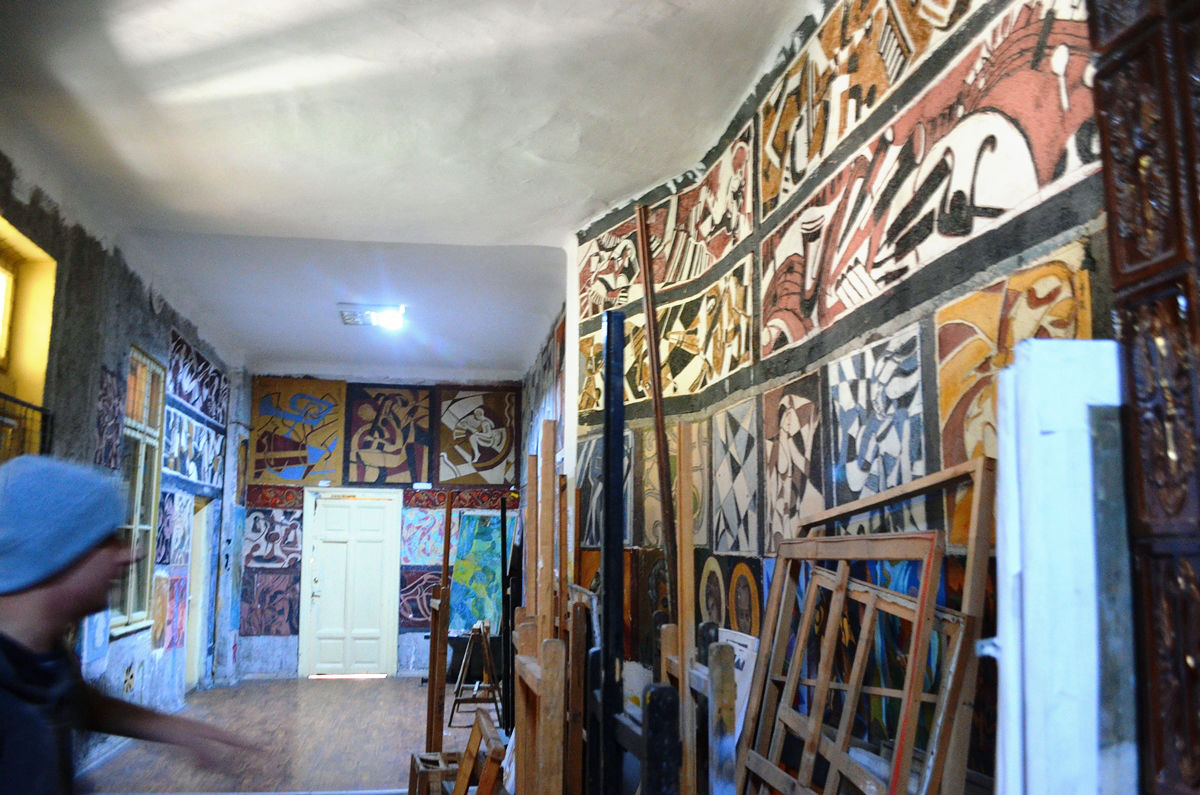
When I entered the school, I was greeted by an artistically decorated corridor, which I guess looked like a work in progress. It felt like an art high school, and I was excited.
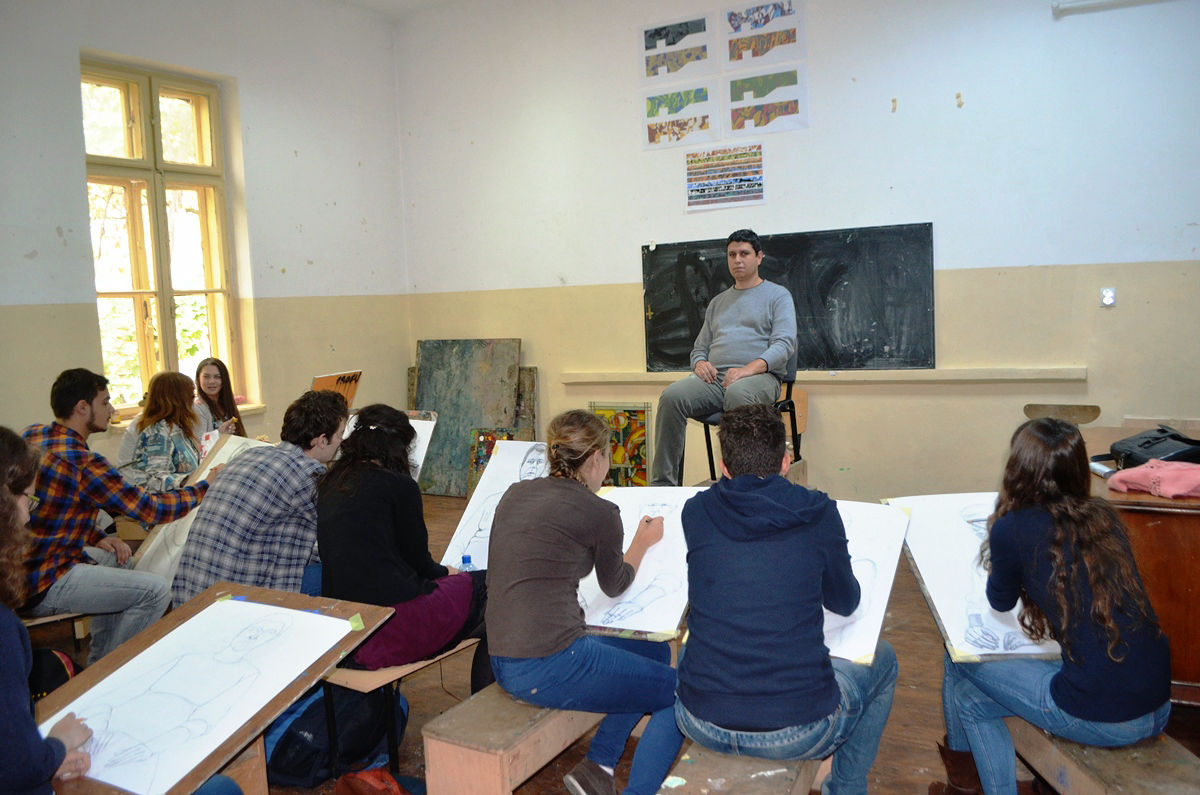
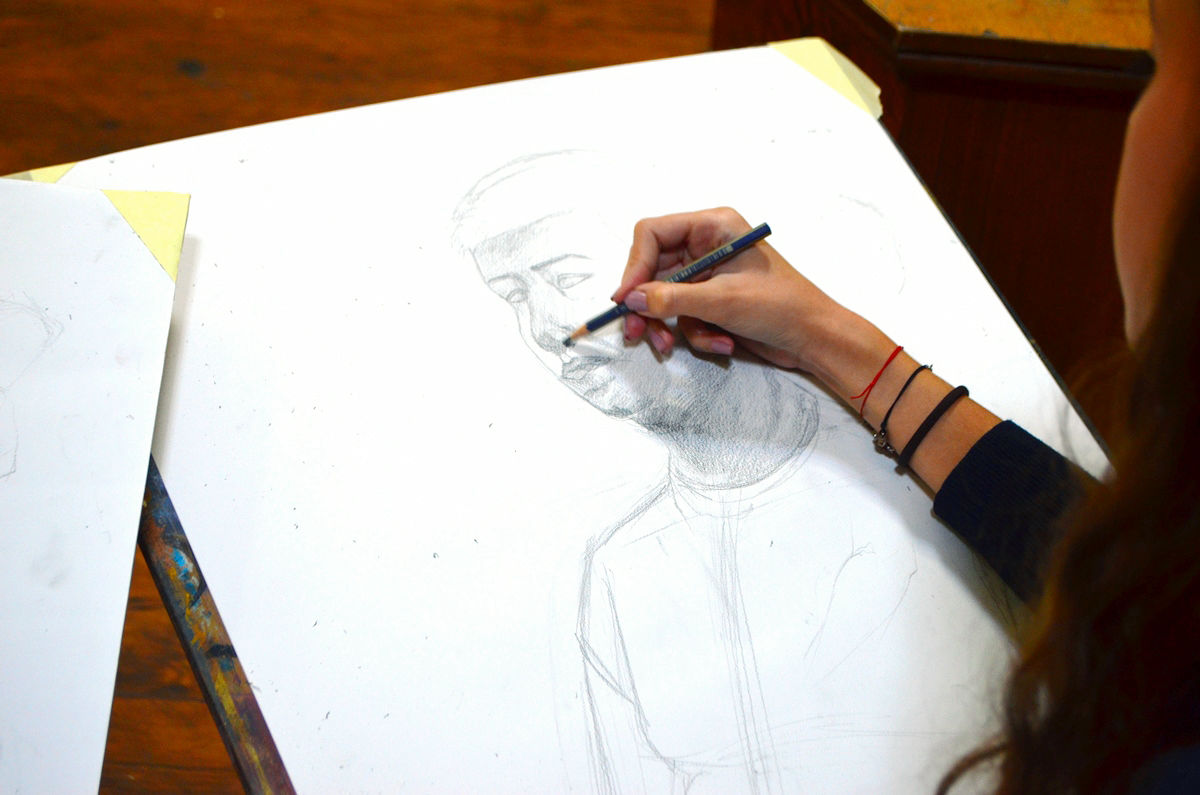
I observed a drawing class. There were about 20 students. Of course, unlike a normal high school, there were no desks. The classroom style varied depending on the subject, such as sculpture or video.
I was shown her work. As you would expect from an art school student, not an art college student! The shadows make the work appear three-dimensional and dynamic.
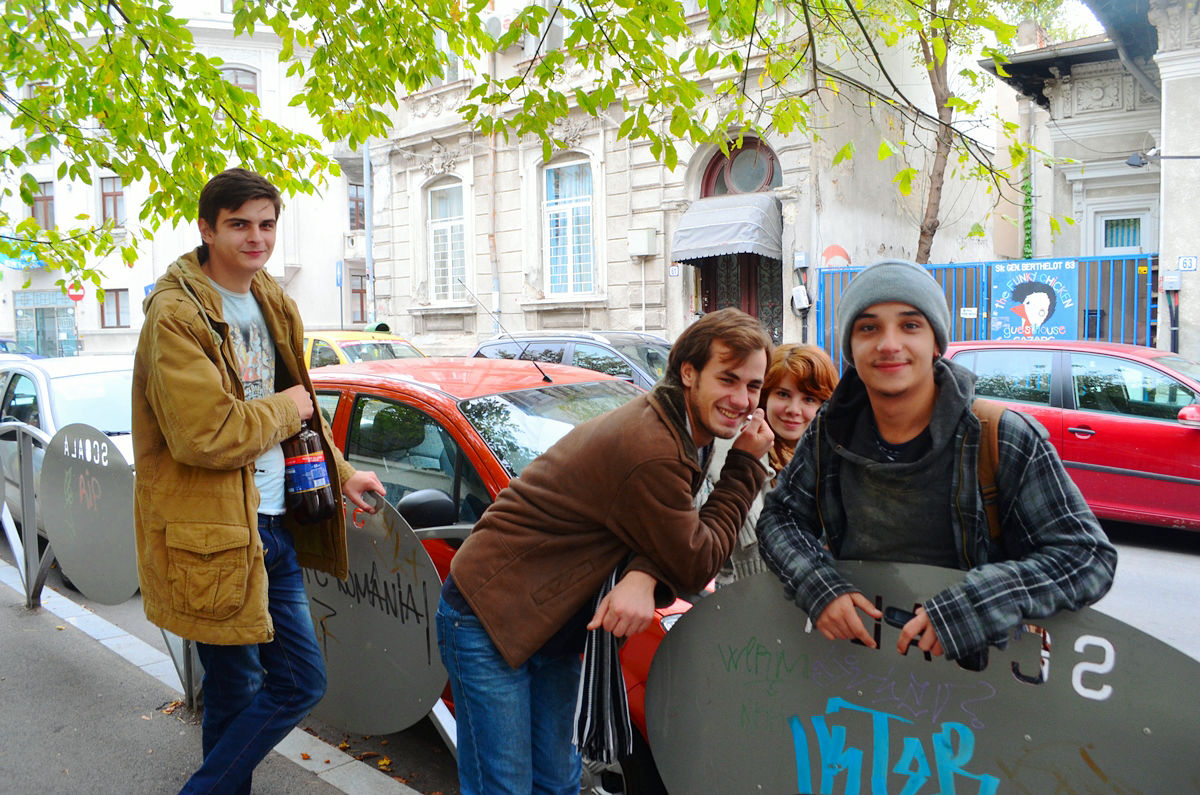
These students were the ones who showed us around the school. Their behavior was the most shocking thing about my visit. I had noticed that their faces looked a little flushed when I first met them, but they had brought beer to school and were drinking it. Look at the right hand of the student on the far left. They're not the only ones who smoke; most students smoke during breaks. Of course, it's against school rules (and is actually illegal), so they hide their cigarettes when a teacher passes by. When I asked the students if this school was special, they said that 80% of Romanian high schools are like this.
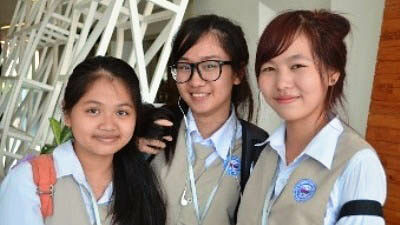
The girl on the right is Christine, an 18-year-old high school senior. Her specialty is fashion. She plans to work in the fashion industry after graduating from high school instead of going to college, and she seems to be spending her after-school time studying design and sewing.
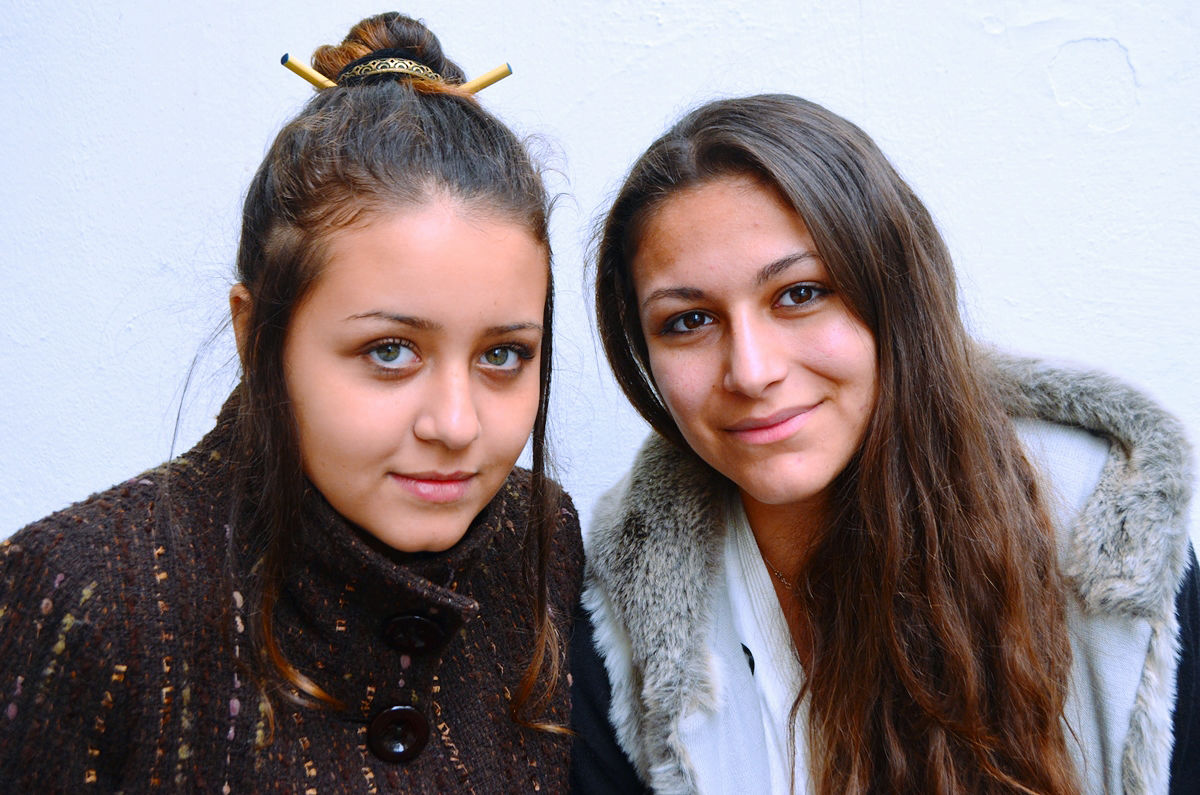
By the way, the thing stuck in the hair of the girl on the left is... chopsticks (lol). As you'd expect from a high school student, her fashion is also a little different.

Most students here go on to art school or work in a profession related to their field. This means that in Romania, where there are relatively few general high schools, many people seem to decide on their career path while still in junior high school. I finally decided to become a teacher when I was 22, so while I think the Romanian custom of forcing students to decide on their career path while in junior high school is reckless, I also feel envious.
Romania is also notorious for its poor public safety. In 2012
・A boys' school in Jordan where the teachers are young and interesting
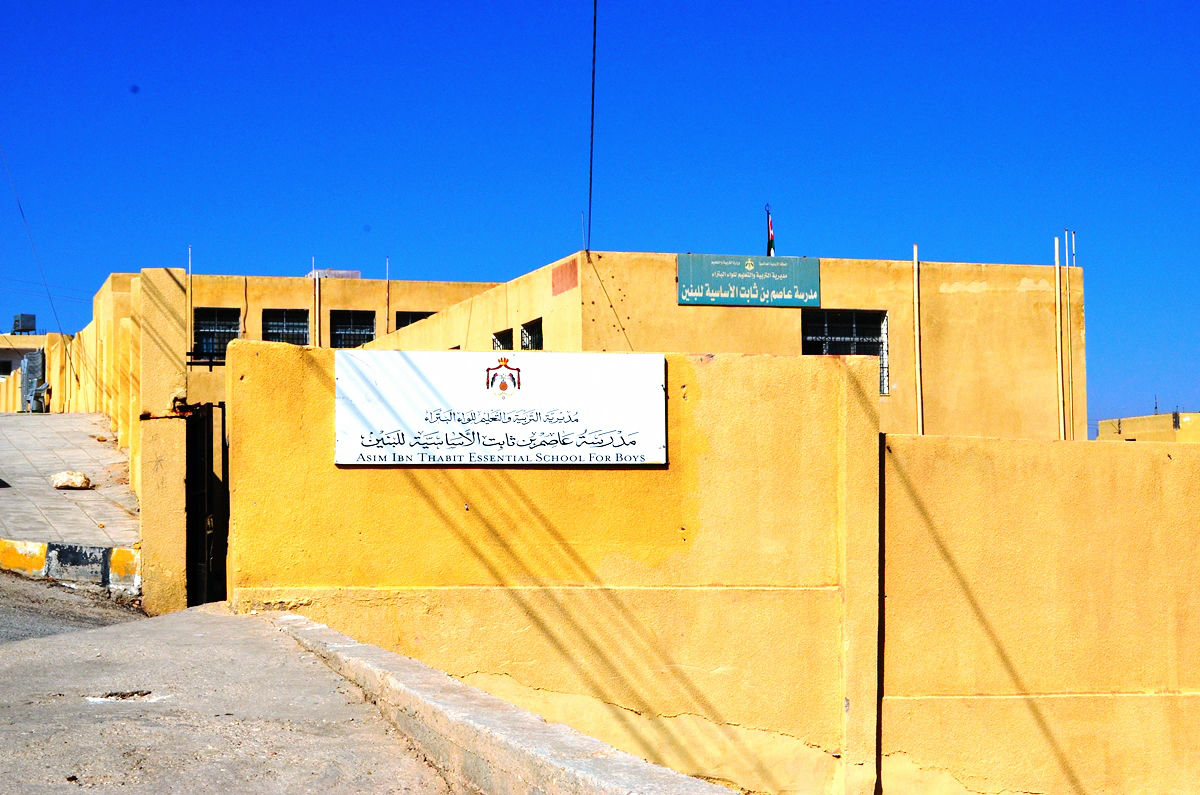
In Jordan, we visited Asim Ibn Thabit Essential School, a public school in Petra . The school has a total of about 400 students aged 10 to 15. Since 93% of the population of Jordan is Muslim, it appears that boys and girls are separated up to secondary school, which is equivalent to high school in Japan .
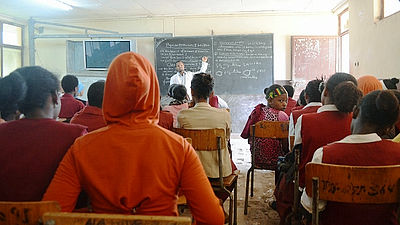
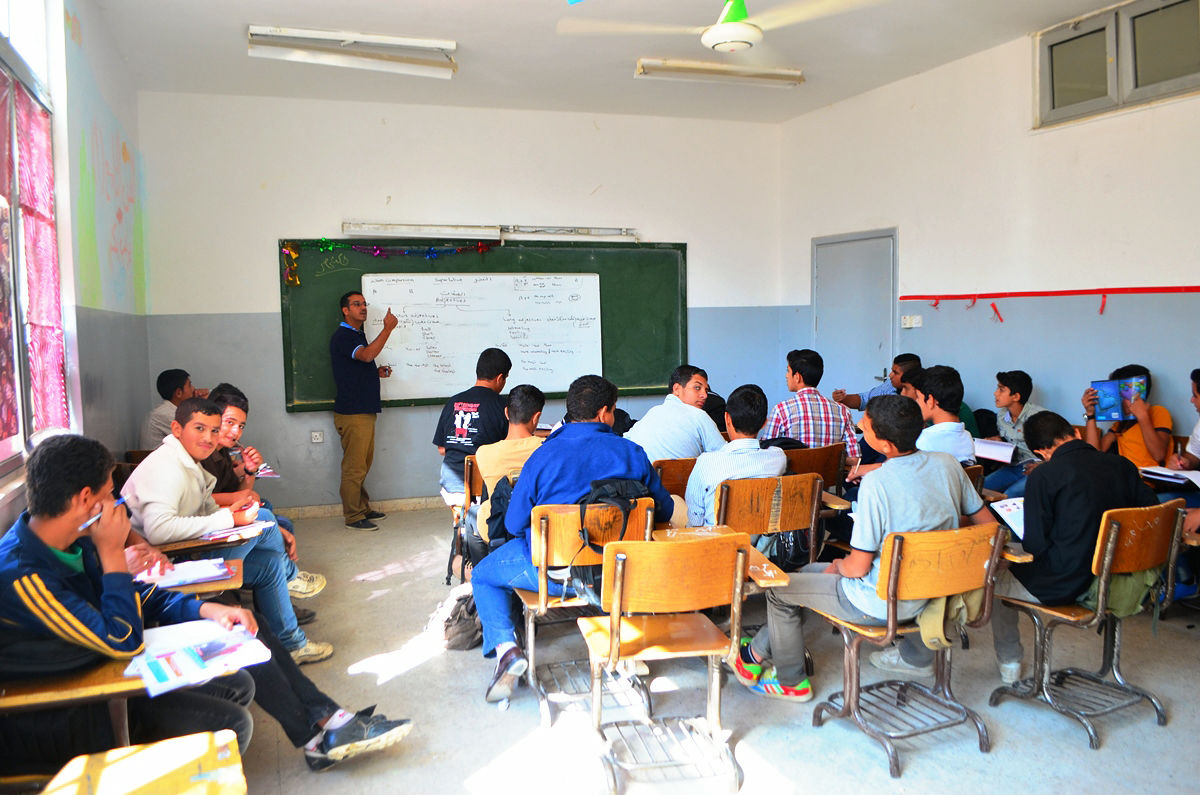
This is an English class. The English teacher originally worked at an educational institution in the UAE and returned to Jordan to further develop English education. Therefore, the class was conducted in English. I forgot to ask why they had bothered to install a whiteboard on top of the blackboard. It's interesting.
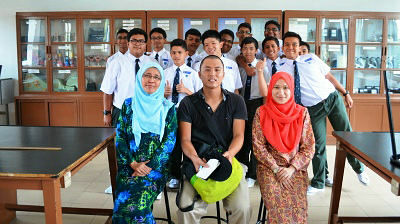
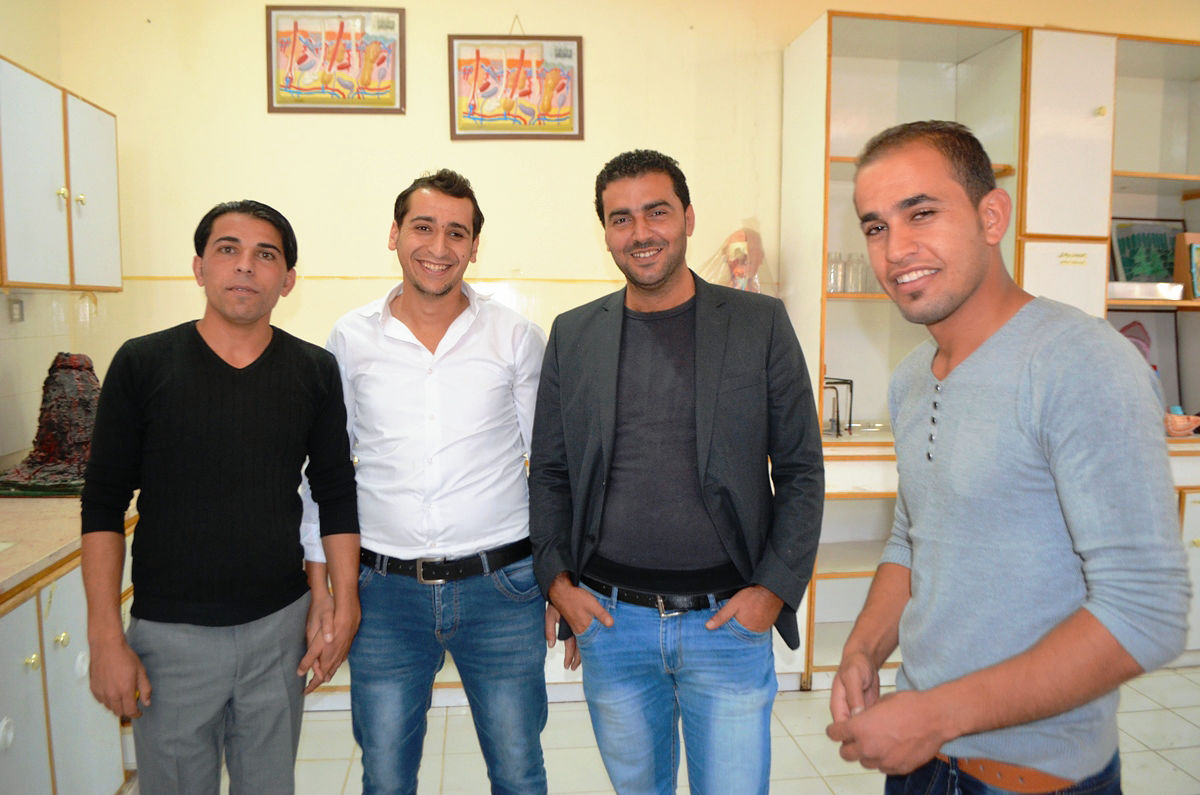
These are the teachers who showed me around the school. Since it is an all-boys school, all the teachers are men. Moreover, most of the teachers are young, in their 20s and 30s, as you can see in the photo, and it was a fun-looking staff room.
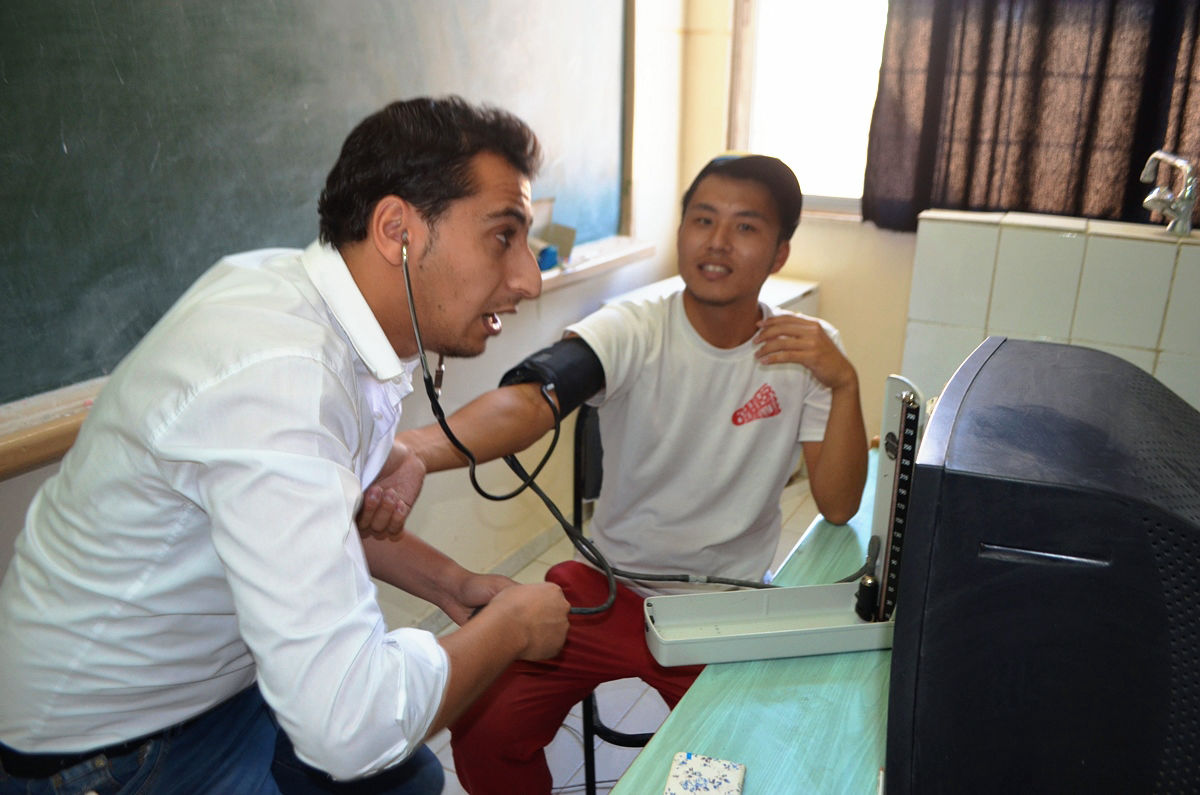
When we were allowed to observe the laboratory, the professor humorously pretended to be a doctor with a blood pressure monitor and stethoscope (lol). I wonder if they use them in biology classes?
Another thing that bothered me was the gas burner. It didn't have the gas and air adjustment screws like in Japan, and there were no alcohol lamps either. When I asked why, I was told it was because they were cheap.

His name is Pillay, and he is 15 years old (9th grade). His favorite subject is English, and he says he wants to be a pilot in the future. After school, he plays soccer with his friends, but not as part of a club activity.
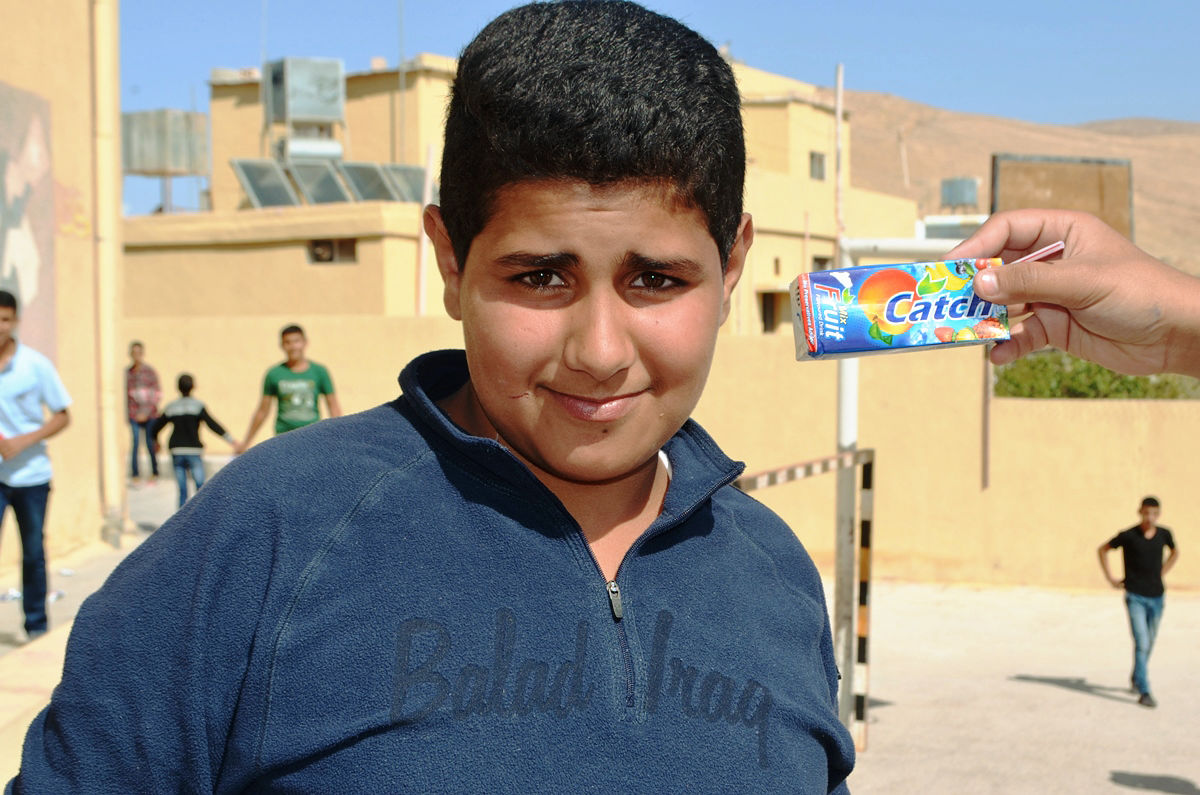
When I visited a chemistry class, I was warmly welcomed by the students, and the teacher, unable to bear seeing one student still excited, pretended to hit the student, asking, 'Is this how they punish noisy students in Japan too?', creating a lively atmosphere in the classroom. This is just one example, but the school as a whole exuded a sense of fun. As someone who went to an all-boys school, I sensed this fun that exuded from an all-boys school, and was immersed in nostalgia.
·summary
I had originally planned to cover schools in the Middle East, but had to give up due to the long number of holidays and the difficulty in obtaining permission to photograph. Due to the high temperatures in the Middle East, some countries have summer vacations that last up to three months, and there are also many Islamic holidays. This is a shame, as I was particularly interested in science education in Pakistan. A young man I met in Pakistan with an anti-American streak earnestly explained that hurricanes occur because 'people are rebelling against God.' I never imagined that in this day and age there would be a country that considers scientific phenomena to be the power of God.
It would be a bit foolish to judge a country based solely on the schools I visited, but I sensed a 'high level of learning consciousness' in India that is different from other countries. Until now, I had thought of India as a developing country with a low level of education, and that IT education had only recently become more advanced. However, after doing some research on the country, I discovered that the first Asian to win the Nobel Prize was an Indian , Rabindranath Tagore, who won the Nobel Prize in Literature, and that the country has since produced winners of the Nobel Prize in Physics and Economics, and that the country has long placed a great deal of emphasis on education.
Every time I overturn my own prejudices like these, I feel glad that I went on the trip. I would like to continue reporting on school information from the rest of Africa and South America.
Text and interview: Hiroharu Zoshiki http://zoshiki.com/wp/
Supervised by: Sekai Shinbun sekaishinbun.net

Related Posts: