After visiting schools in 22 countries, I have one thing to tell Japanese schools:
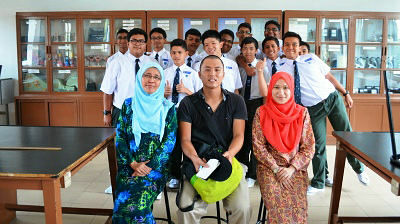
A former science teacher in Japan traveled around the world with the theme of 'visiting junior and senior high schools around the world,' and shares his thoughts after visiting 26 schools in 22 countries.
Hello! I'm
I'm currently in Cartagena (marked with a star), Colombia, South America (the red line is by land, the blue line is by air, and the green line is by sea). After this, I'll make a short stop in Venezuela, then return to Japan on the 20th via the US and Taiwan. My travel route was Southeast Asia → Middle East → Eastern Europe → Africa → Northern Europe → North America → Central America → South America.
Reason for going on a trip
There are two reasons why I set out on this journey:
・I wanted to challenge myself to do something I admire and gain confidence.
・I wanted to convey something to my students as a teacher.
Therefore, I decided to try a variety of things on my trip, and first decided on three themes: 'Visiting junior and senior high schools around the world,' 'Searching for science topics,' and 'Learning about different life styles.'
◆ Purpose of the 'Visiting Middle and High Schools Around the World'
Before I left, I was a science teacher at a junior high and high school. So, when I thought about the reasons for my trip from a bird's-eye view, I immediately found my objective: to visit junior high and high schools overseas. When I visited, I kept four points in mind: to learn about the unique characteristics of schools overseas, to learn about the real lives of students in each country, to learn new teaching methods, and to compare club activities with those in Japan. In this article, I'll write about what I saw, felt, and thought about these four points as I traveled around the world.
◆How to visit and the countries I have visited
The tours were conducted through direct negotiations on-site. As a result, we were able to visit 26 junior and senior high schools, two elementary schools, and one Japanese language school in 22 countries, half of the countries we visited. GIGAZINE has previously introduced the schools that granted us permission to take photographs.
6 Asian Junior and Senior High Schools that Surprised Former Teachers - GIGAZINE (Summary of Asian Schools)
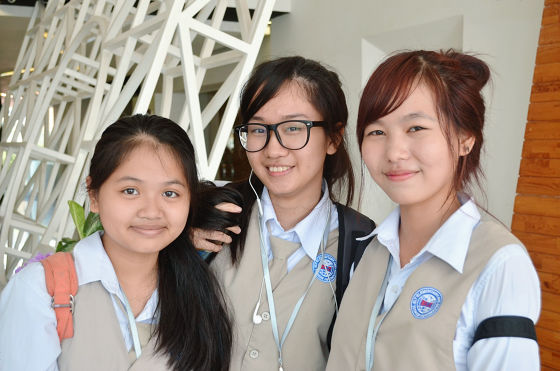
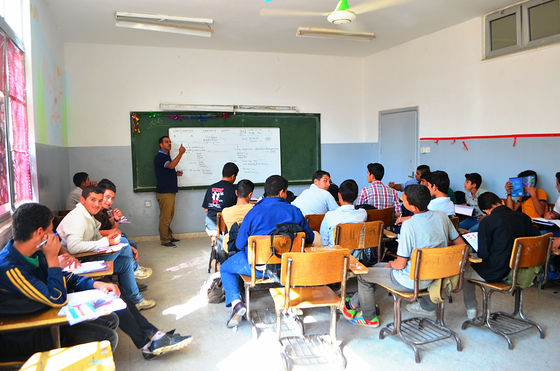
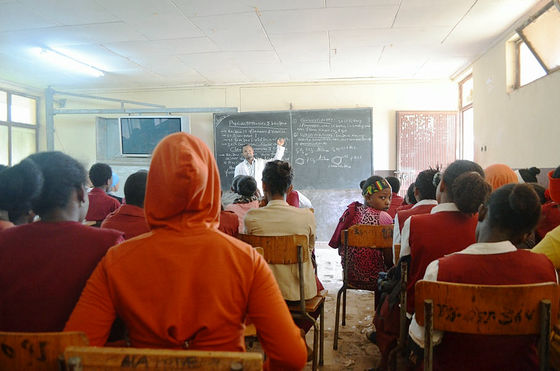
15 overseas schools that surprised me
I have had the opportunity to see many educational cultures abroad that I would never have imagined. I will introduce them by country.
・Philippine schools where elementary, middle and high school students switch depending on the time of day
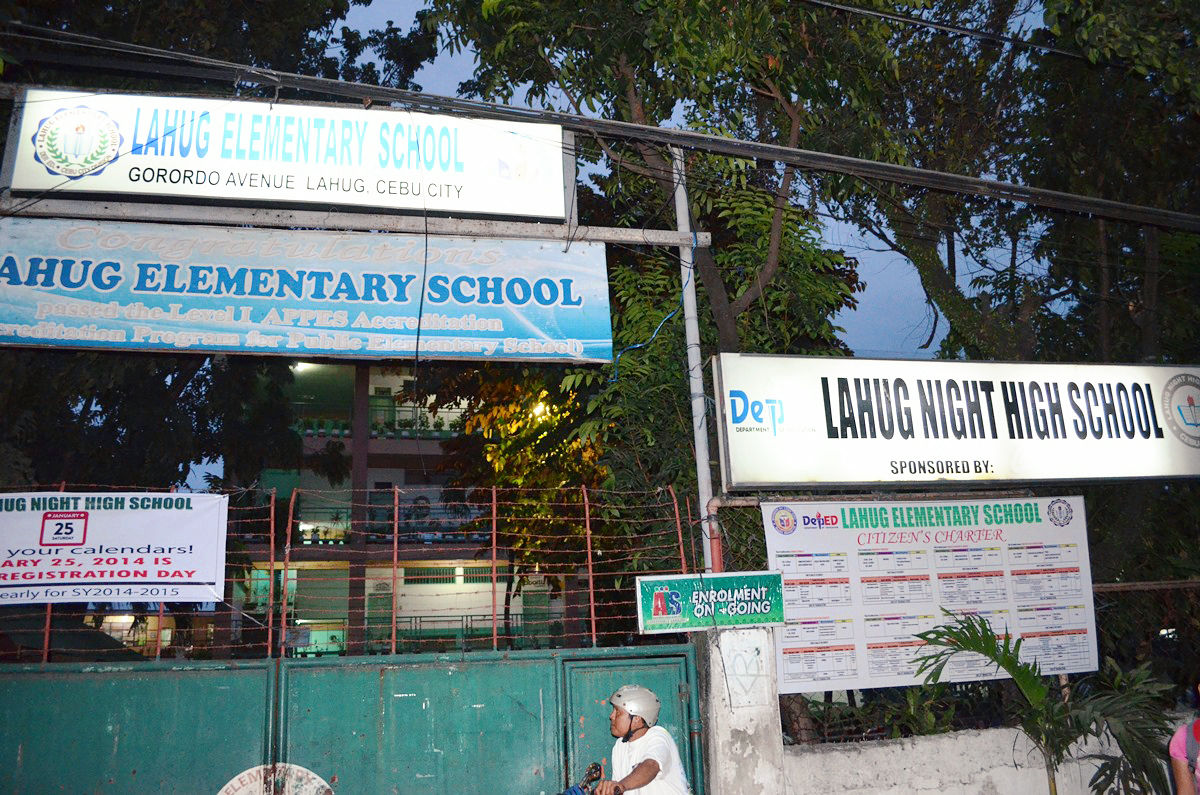
At the school I visited in Cebu, the students were switched depending on the time of day, even though they were in the same building, with elementary school in the morning and junior and senior high school in the afternoon. You can see the sign for elementary school on the left and junior and senior high school on the right (in the Philippines, the six years of junior and senior high school are collectively called high school).
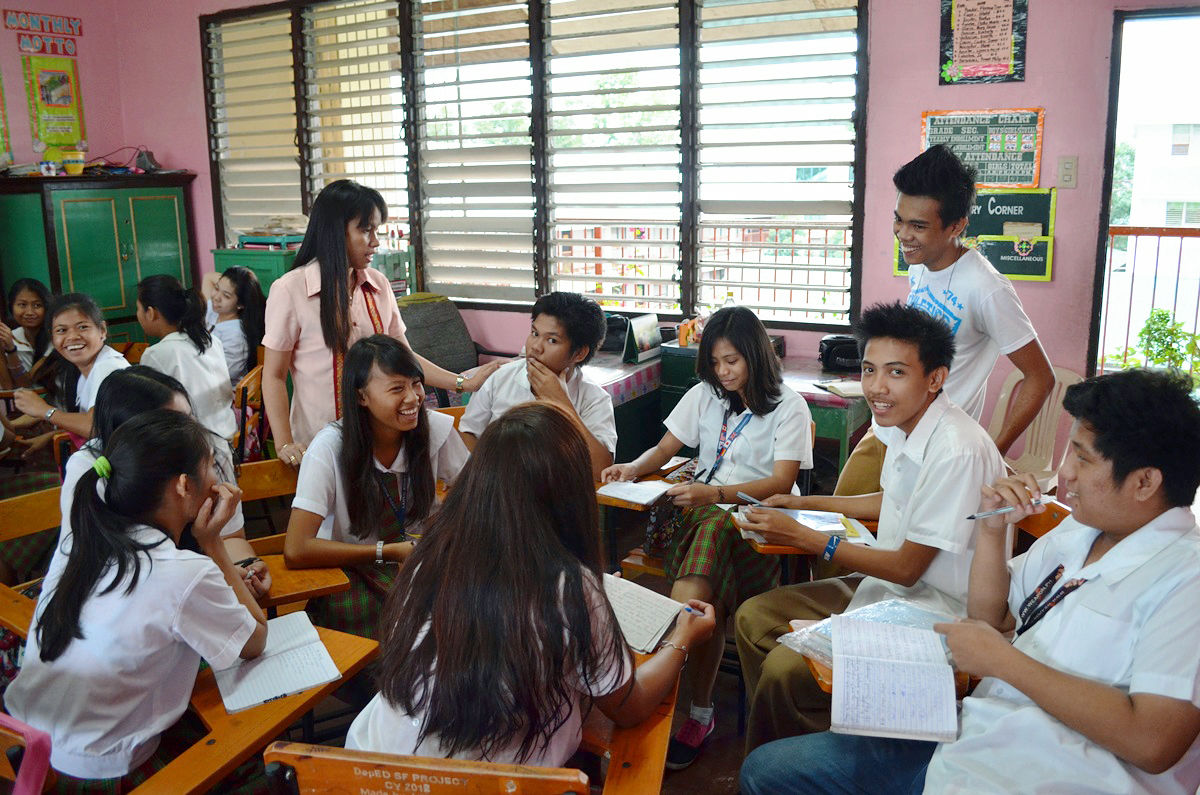
I had the opportunity to observe a high school physics class. It was a student-led class where students discussed and presented in groups. The teacher was using a computer to explain things, but there was no projector, so it was striking to see everyone desperately staring at the small computer screen.
・Indonesian high school where Japanese is a compulsory subject for one year
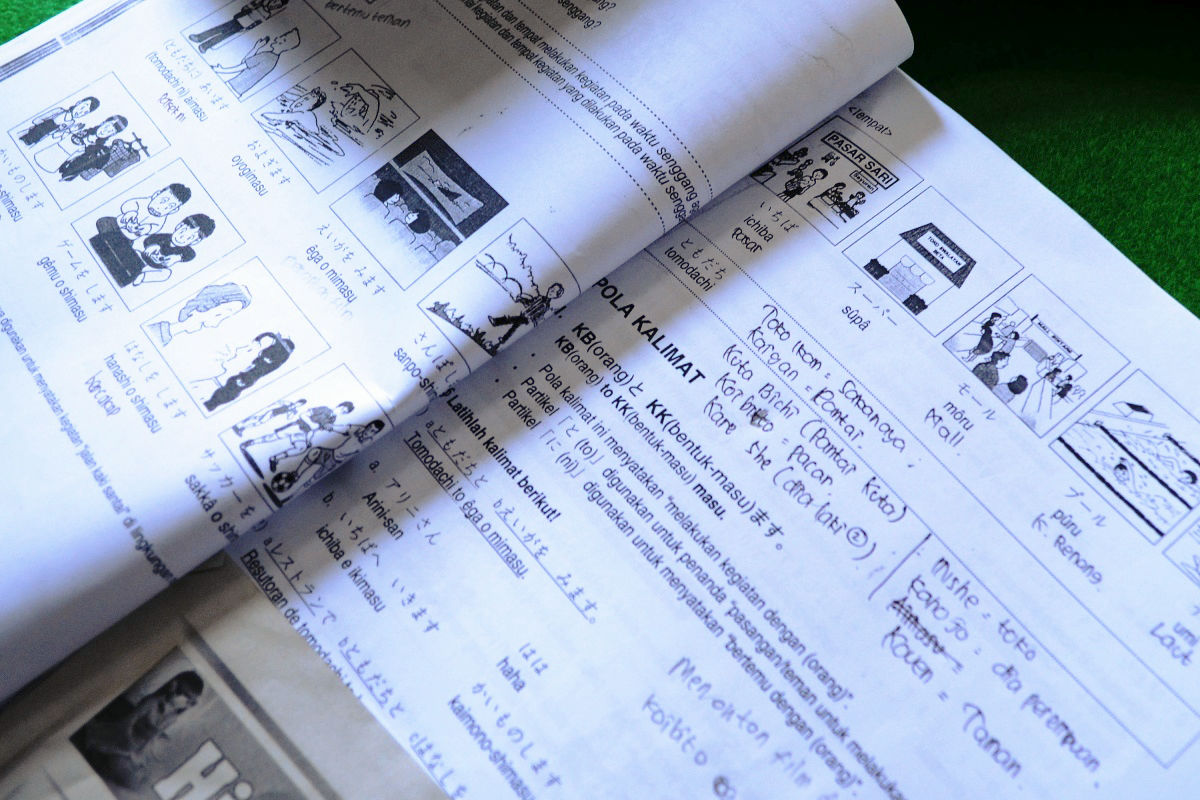
Japanese language classes were compulsory for one year at public high schools in Bali. The photo shows a Japanese language textbook. The government is apparently making efforts to attract Japanese tourists. I wonder how difficult it must be for high school students to learn a second foreign language.
- A traditional Malaysian school that had four sex education classes a week
At a traditional school in Kuala Lumpur, junior high school students had four sex education classes per week called 'Gender Science.' When I visited, a female teacher was teaching the male students about the menstrual cycle. I think Japan should have more opportunities to learn about sex education. One of my goals for the future is to set aside time to impart correct knowledge about sex, including sexually transmitted diseases.

Perhaps related to this, in the biology room, along with the insect specimens, there was also a specimen of a fetus on display, which really took my breath away.

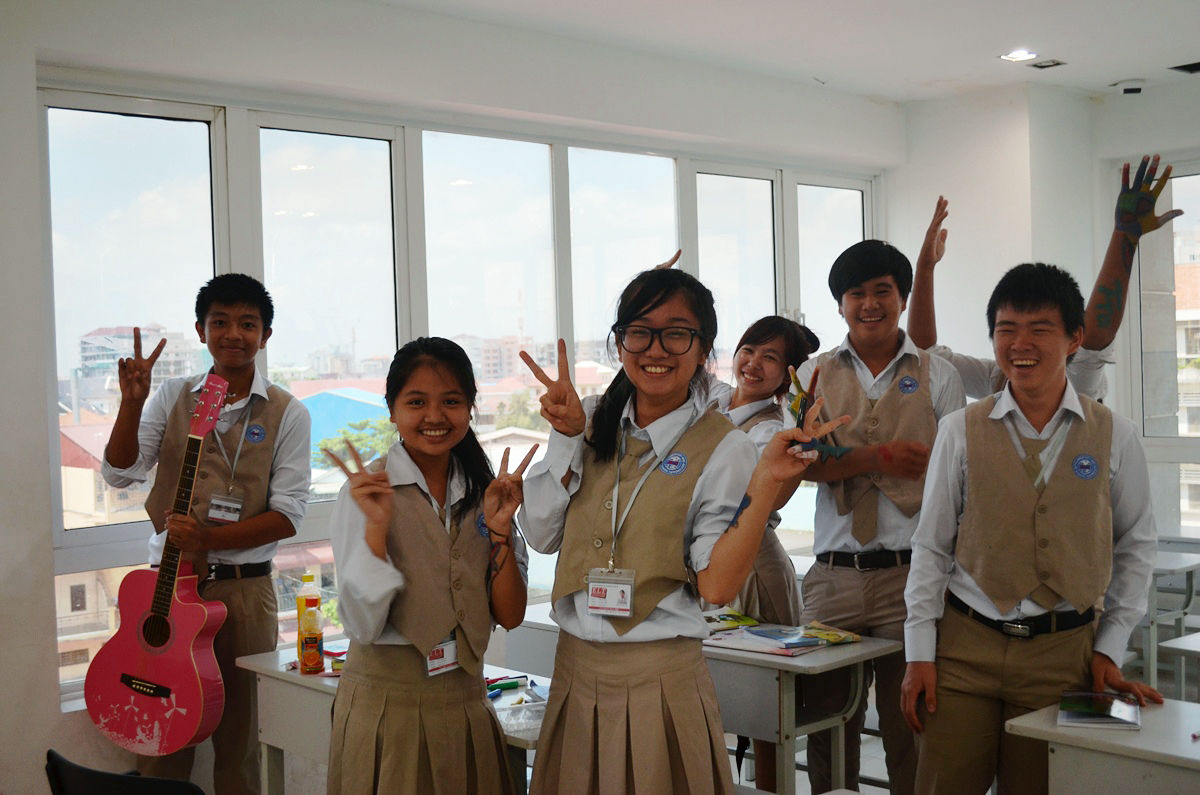
・ Cambodia's luxurious schools overturn prejudices
The private school in
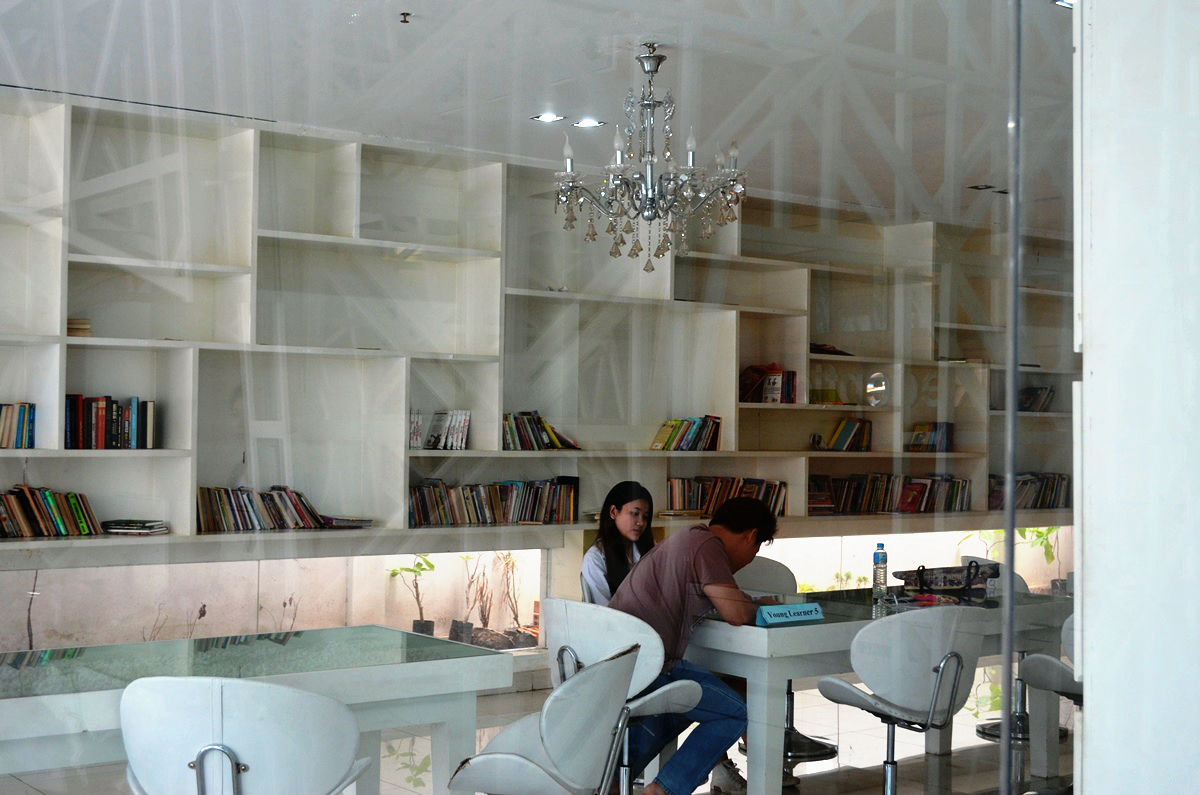
It's rare to see such a beautiful school even in Japan. The reception desk is all Mac-equipped. The classrooms, uniforms, and pink guitars are all stylish. This experience helped to dispel the prejudice I had received from the media that all Cambodia is poor.
・There was a famous physics teacher in Vietnam with 10,000 likes
At a public high school in

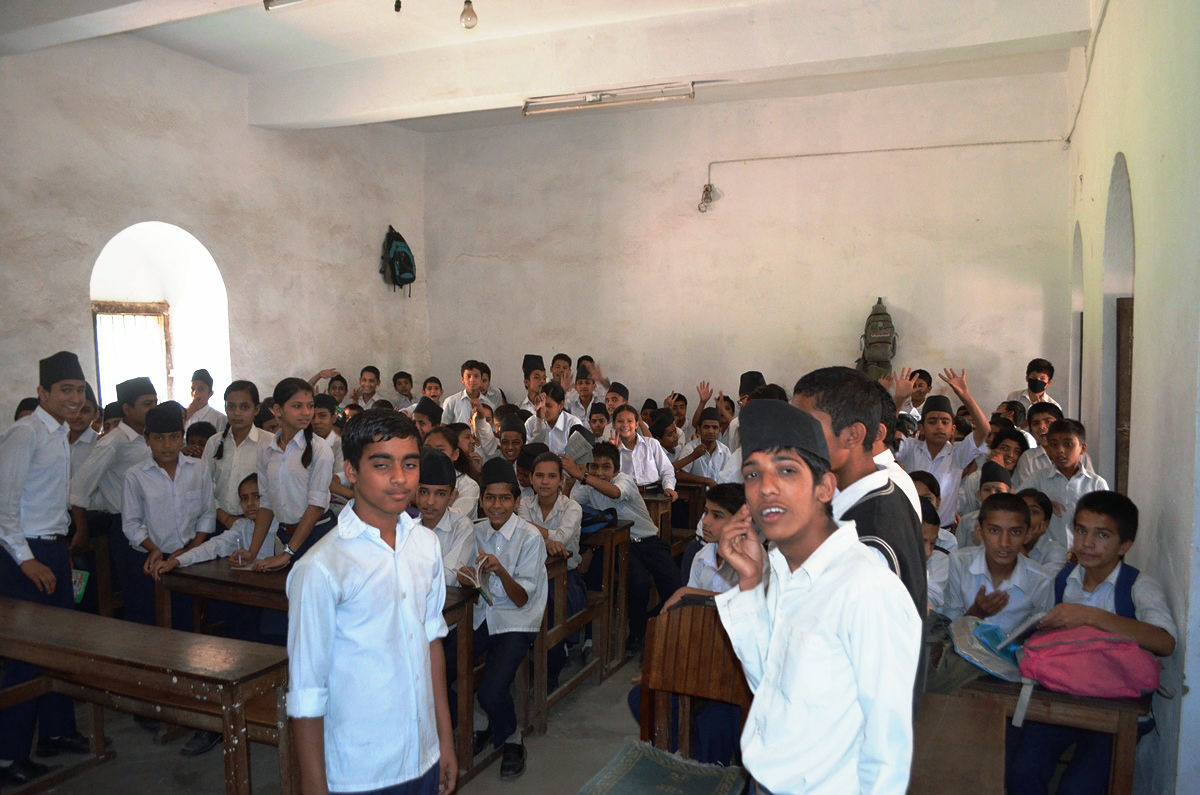
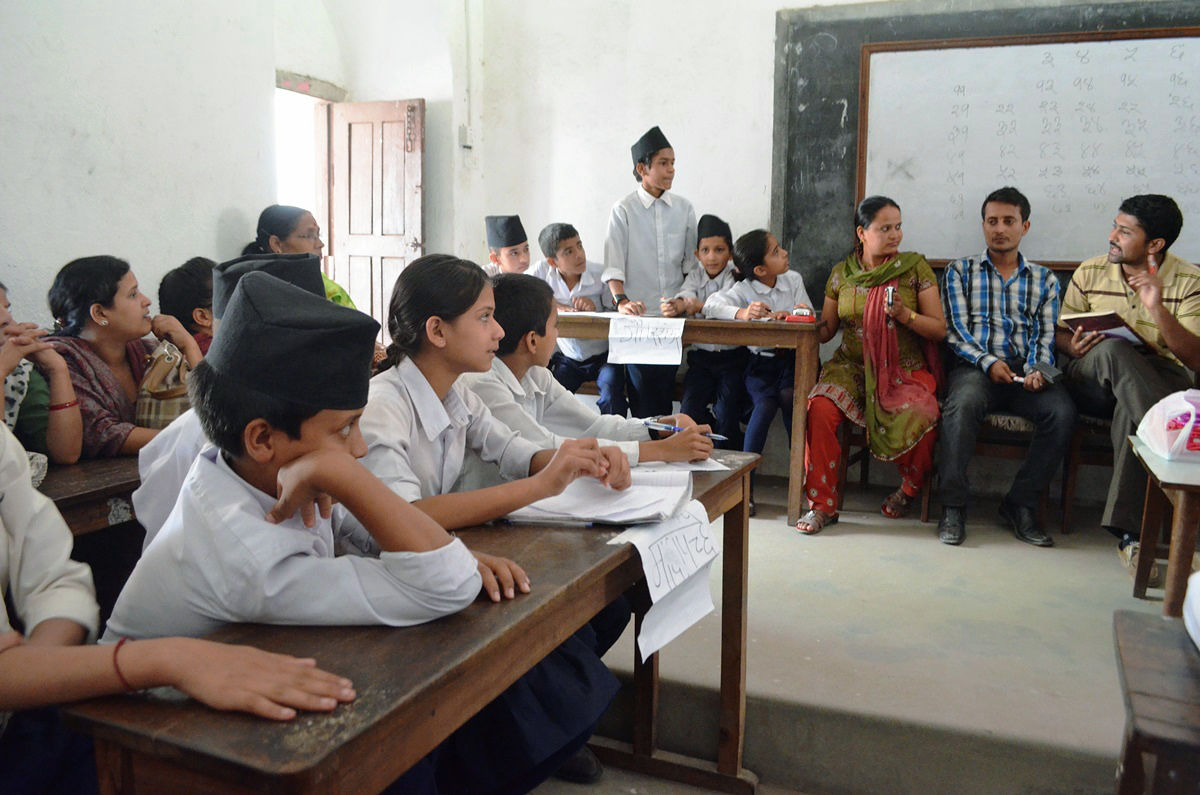
・In Nepal, a quiz competition was held for all students.
A public high school in Kathmandu holds quiz competitions and other activities once a week. As shown in the photo, all students (150 people) gather in a large classroom. Teachers then quiz students about their daily studies. Students are divided into several teams at each desk to answer the questions. I was surprised to see that gamification is being incorporated into lessons across the school. It would be interesting if Japanese high schools also had quiz festivals. I would like to create an environment where students can learn while having fun.
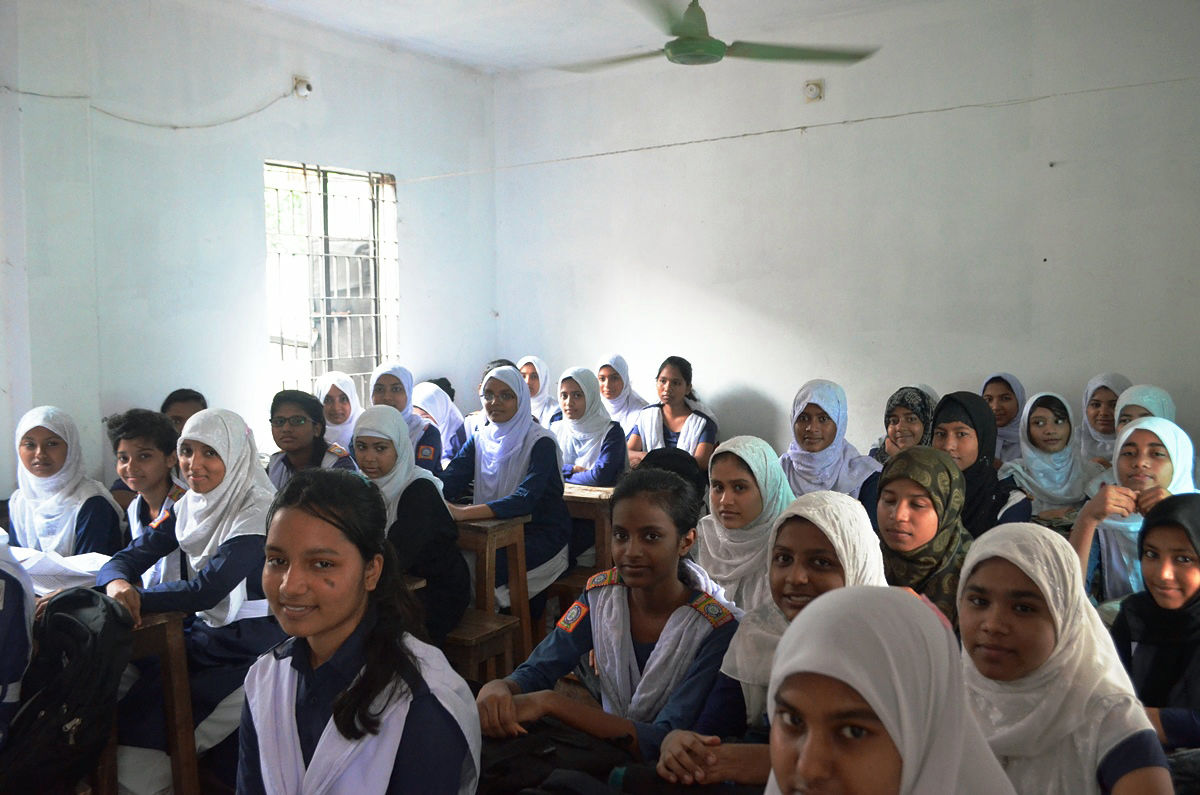
In Bangladesh, they asked for a library and a computer room.
In a private middle school in the capital, Dhaka, girls had to wear headscarves because the country is an Islamic state, and boys and girls had separate morning and afternoon commutes.
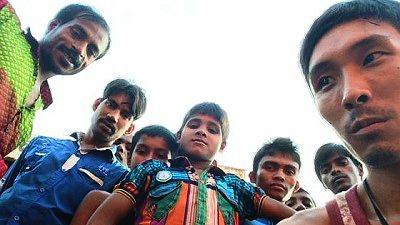
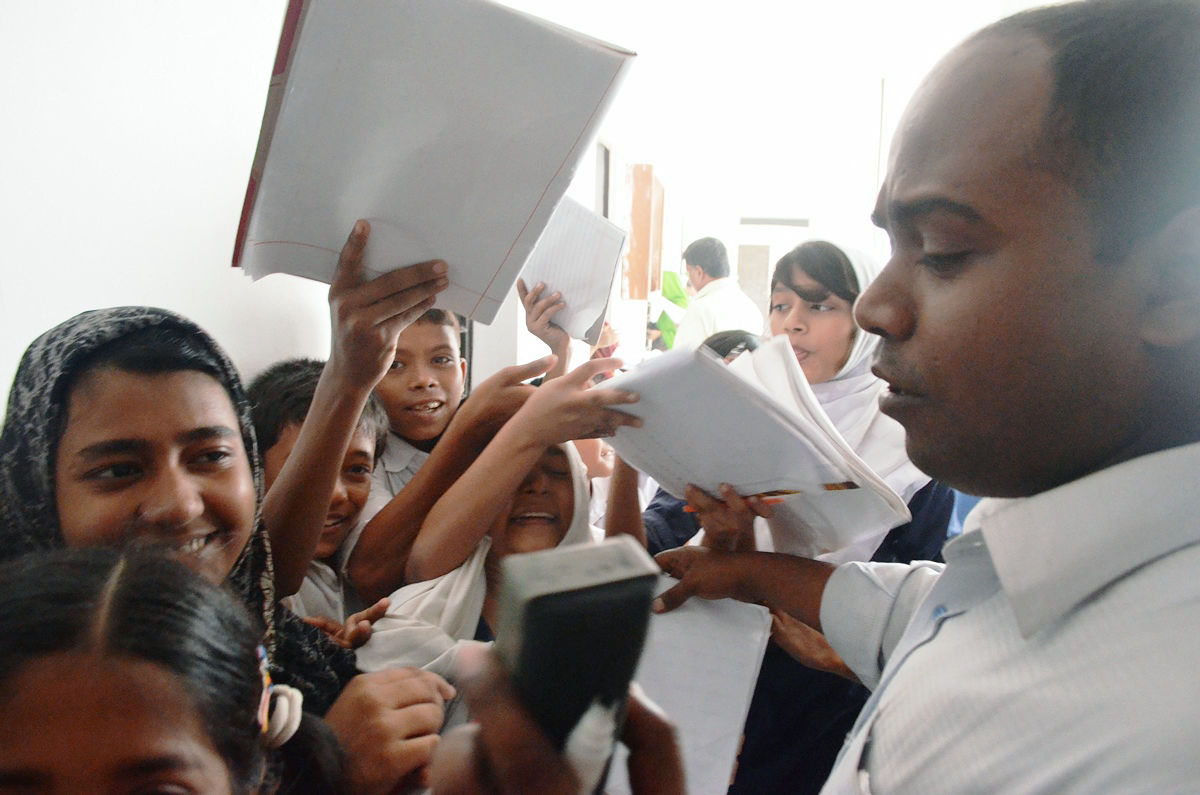
Because there are few foreigners in this country, they ask me for autographs like I'm a movie star, as shown in the photo. I'm such a special person that on my way home, an English teacher begged me, 'We want a library and a computer room.' Although tuition is only about 400 yen a month, about 30% of students can't afford it. The teachers who continue to run the school despite this confirmed to me the importance of education.
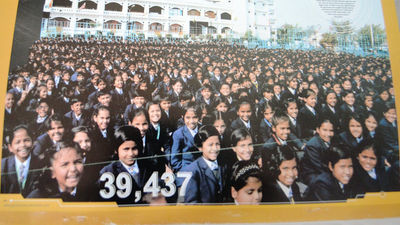
There was a Guinness World Record-certified school in India with 50,000 students.
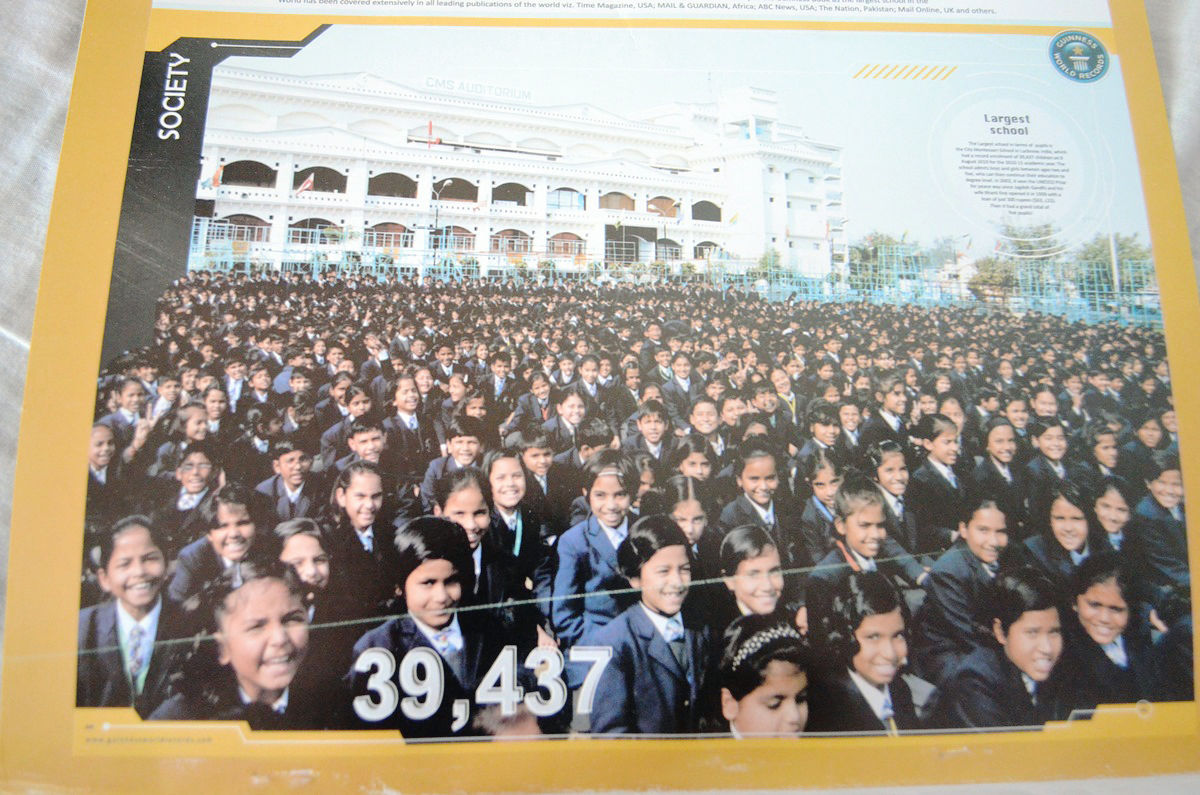
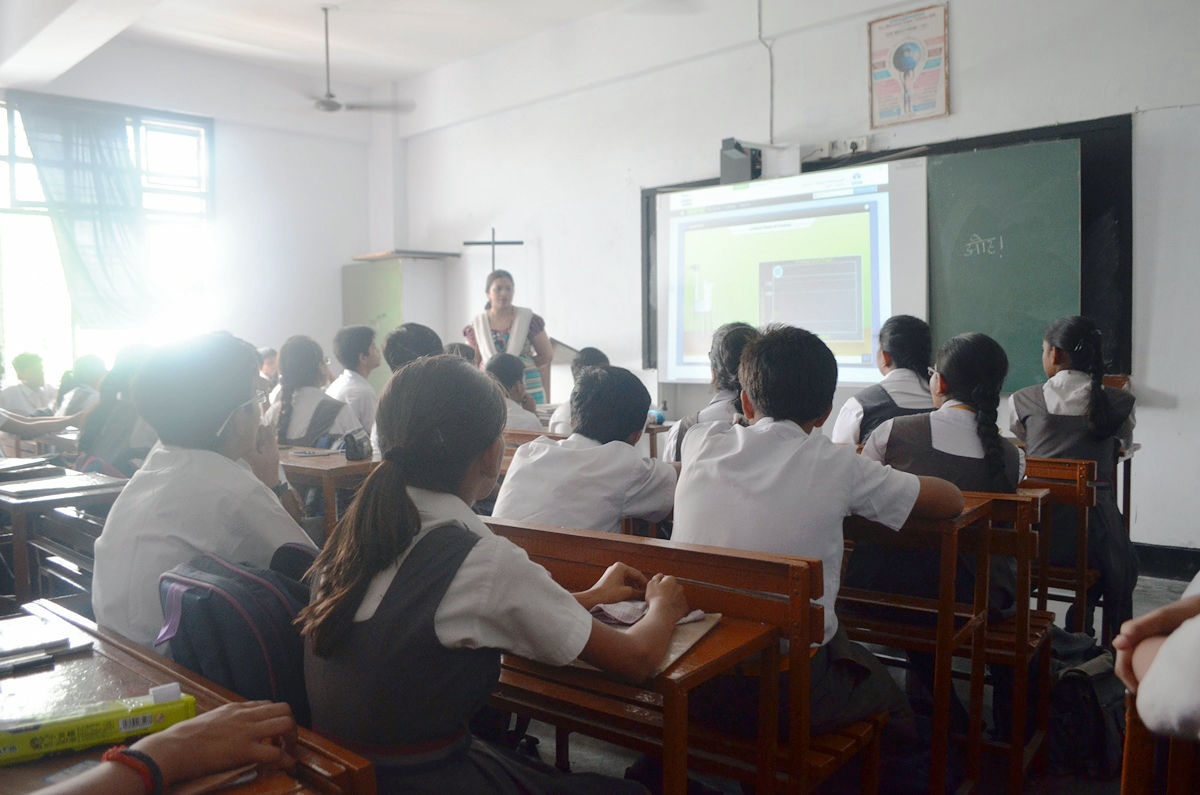
I was surprised at the high level of education here. Not only are all classes taught in English, but all junior high school students have been introduced to electronic whiteboards. This allows lessons to be visually-focused, making it easier to understand in three dimensions.
- In
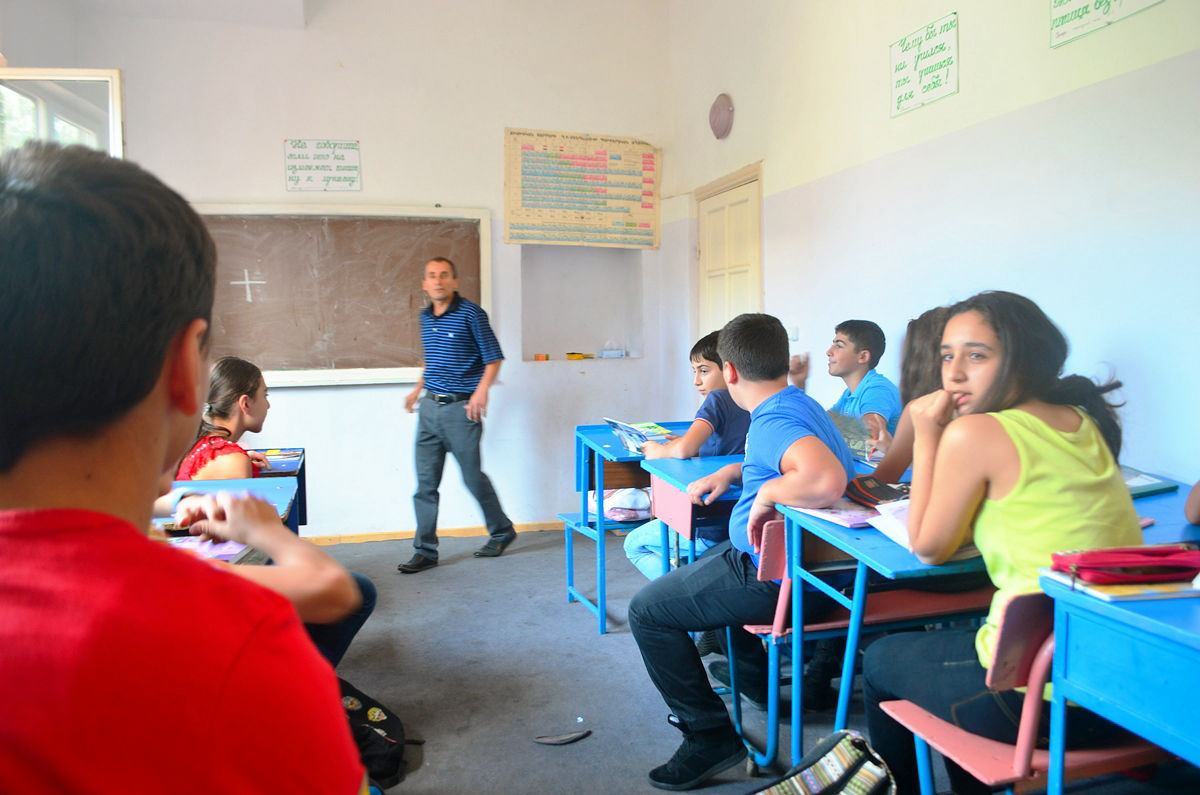
At a private school in Yerevan, students were taught physics from the second year of junior high school. In contrast to the complex algebraic equations on the blackboard...
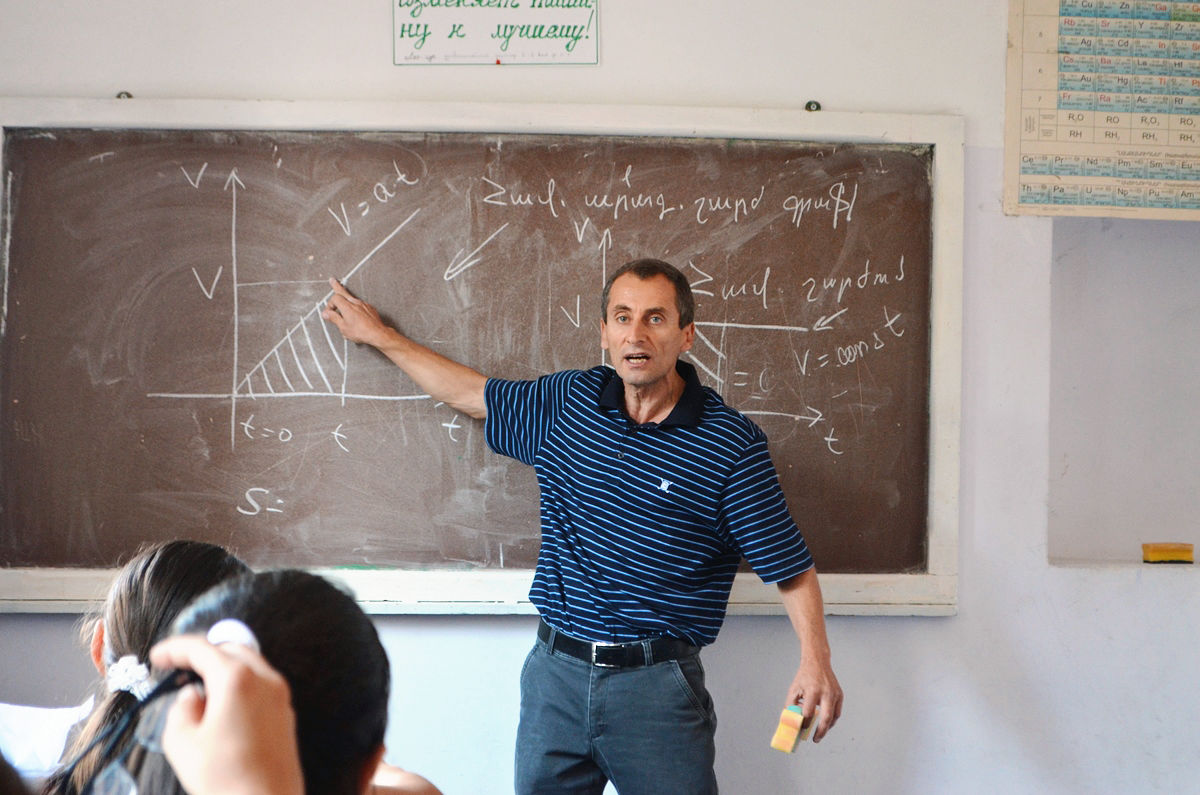
The students taking the class were still quite young. Their level of understanding varied from those who actively asked questions to those who were just playing with their smartphones, and I felt that half of the students did not understand what was being taught.
・Drinking and smoking was a big problem at
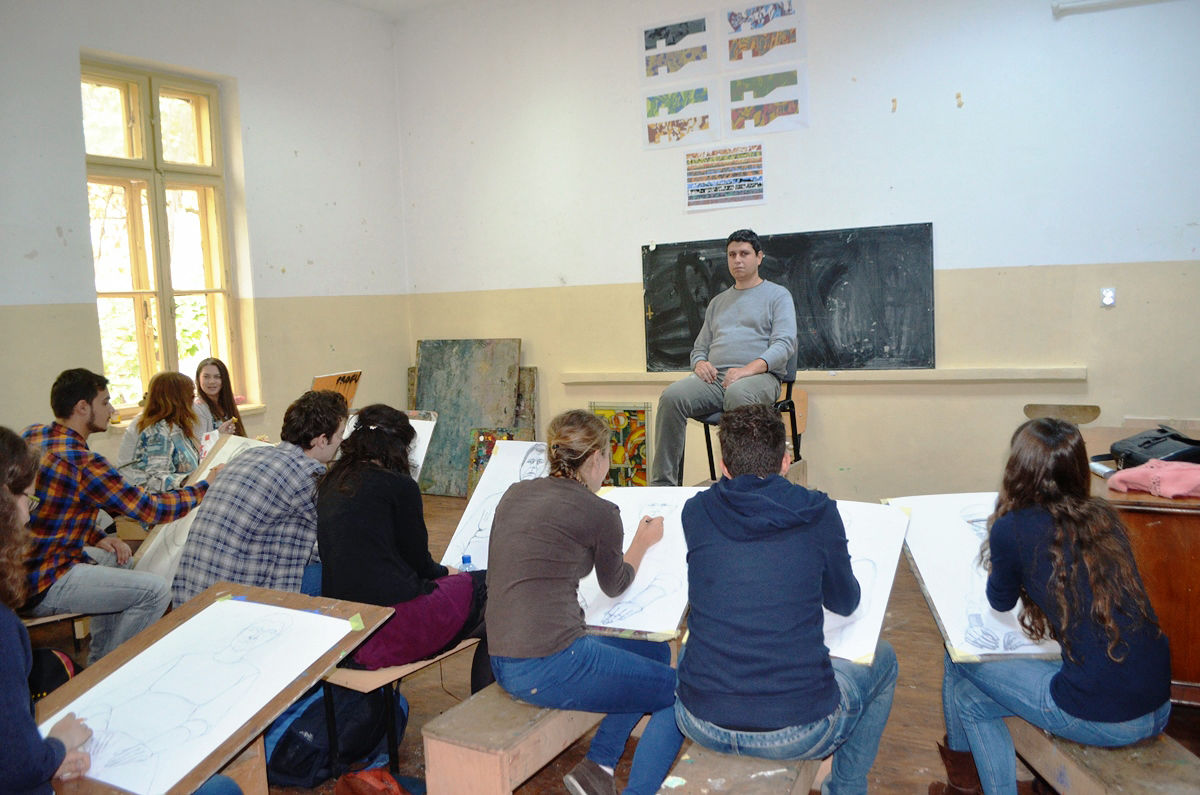
There was a public art high school in Bucharest . It seems that Romania has many specialized high schools for music, physical education, etc. The photo shows a drawing class. What surprised me at this school was the drinking and smoking of the high school students. During breaks, students smoked, even though it was illegal. Some students even brought alcohol with them and drank it. This gave me an opportunity to think again about the meaning of why such laws are in place.
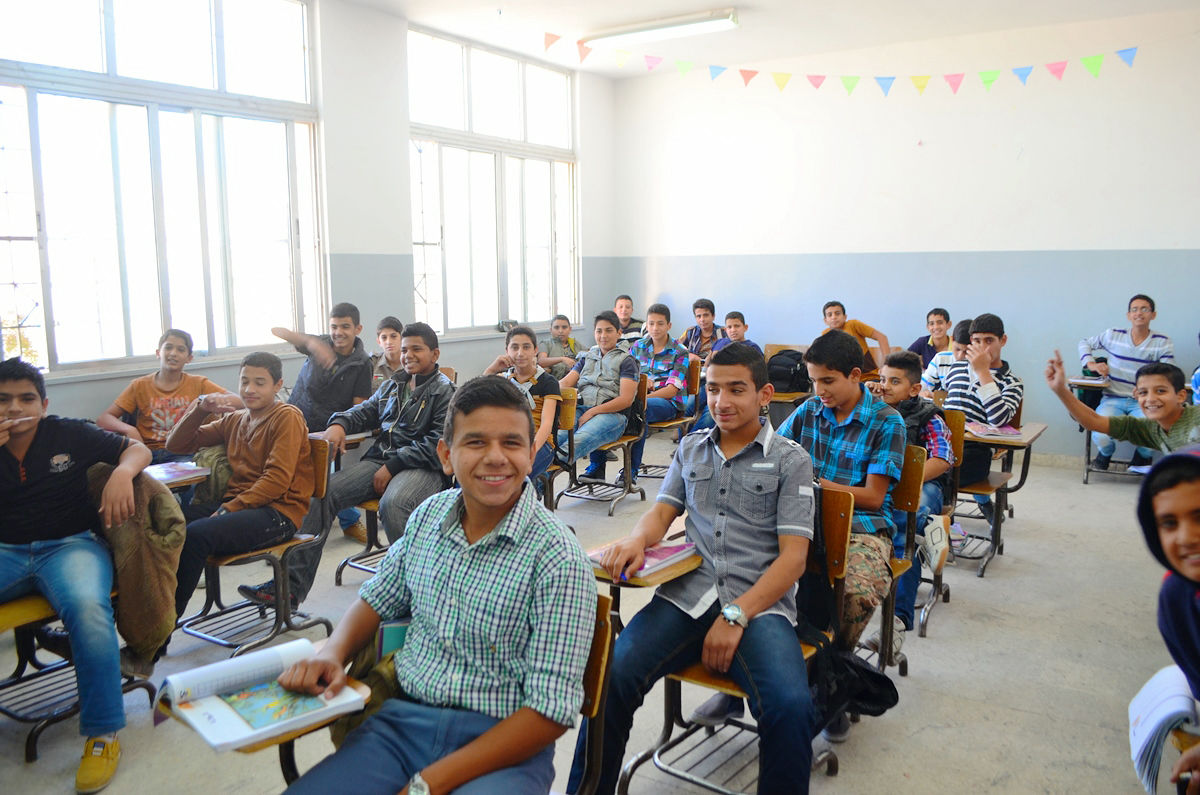
・A boys' school in
Apparently, Jordan has a system of separate schools for boys and girls up to high school, and Petra , which I visited, also had separate schools for boys and girls. This is what a boys' school looks like.
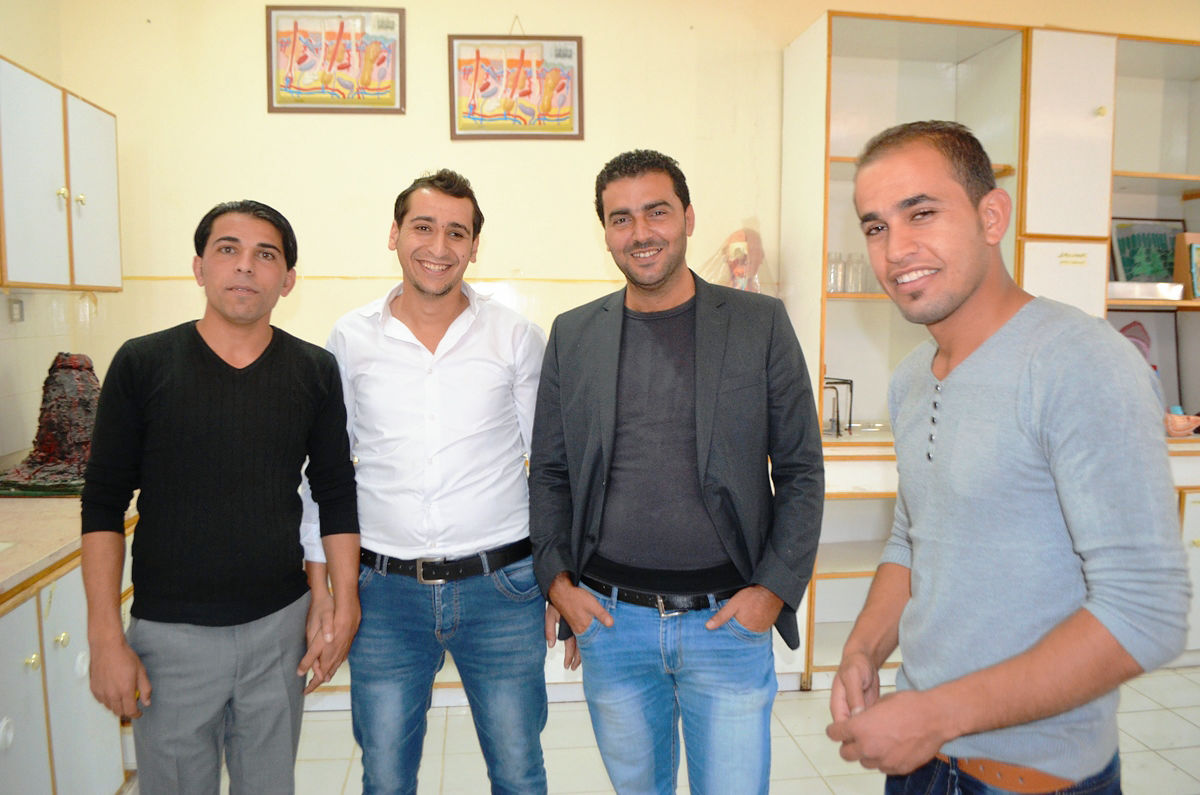
Many of the teachers were young men, and they were all very funny. Thanks to that, there was a lot of laughter in the classes, and the school had a fun atmosphere. Watching the interactions between teachers and students, I felt that the foundation of trust is communication between each individual.
- Public high school in Ethiopia with 65 students per class
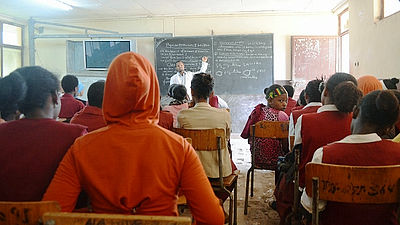
At the public high school in
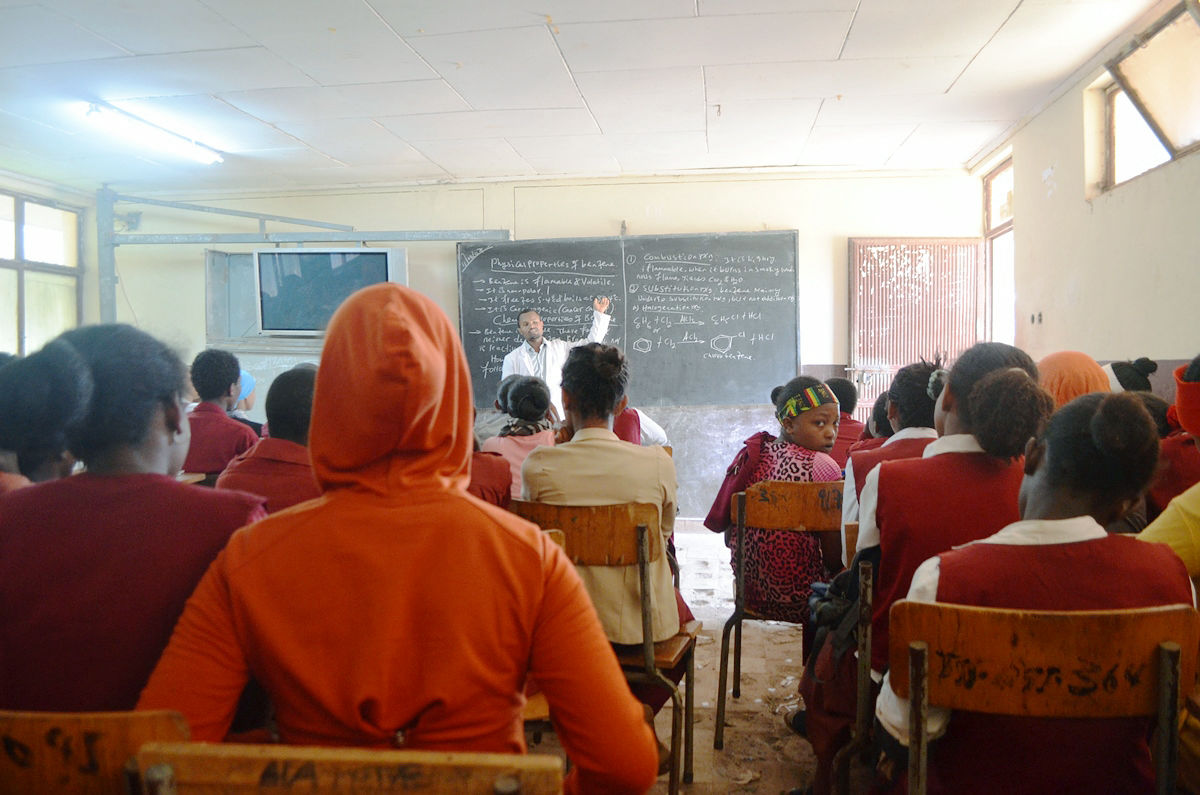
Because the classroom was too small, three students sat at a desk meant for two. Even when taking notes, the desks were overhanging. The teacher in charge of the class said, 'It's impossible to keep an eye on the whole classroom.' However, he managed to keep the classroom together by throwing chalk at noisy students.
・Schools in
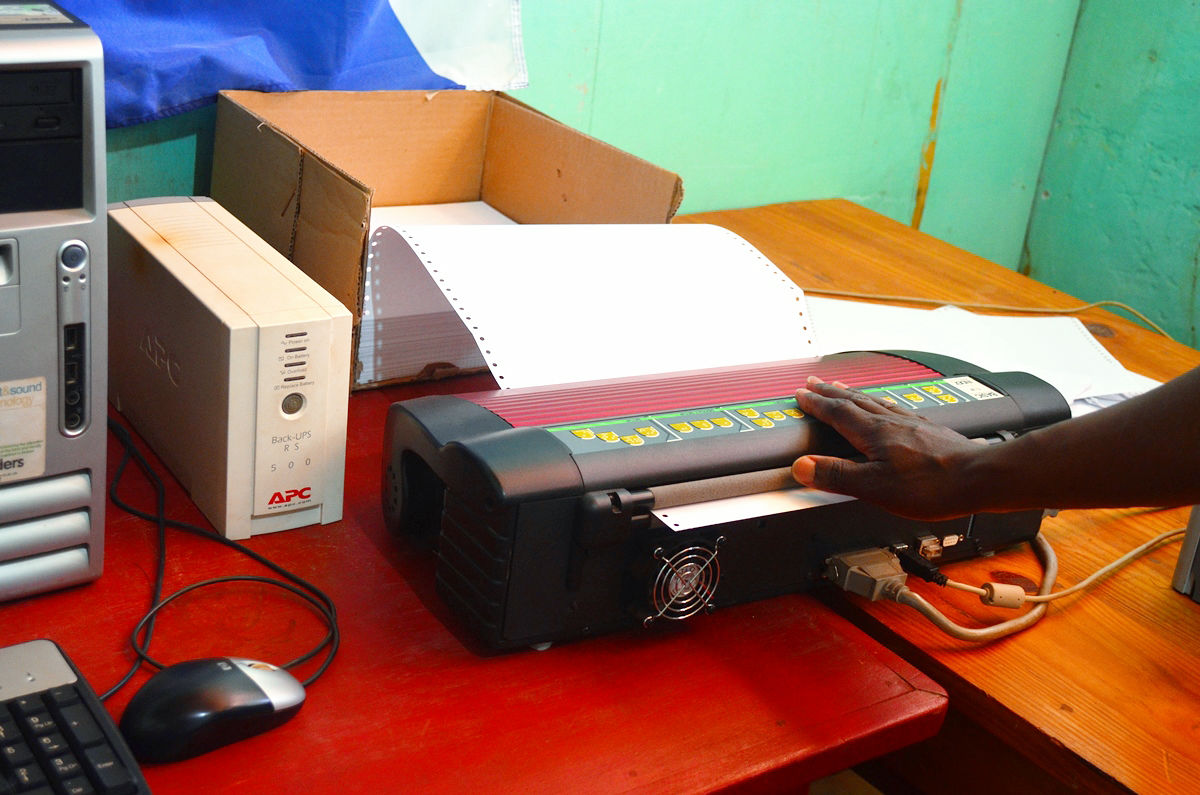
I visited a public school in Mzimba . It is a boarding school. To my surprise, there were special classes for students with hearing and visual impairments. The photo shows a Braille printer. I'm ashamed to say that I hadn't anticipated that there would be an environment for students with disabilities in Africa.
・In
We visited a junior high and high school in the town of Victoria Falls. Even though it was winter vacation, students were studying for classes and self-study. There seemed to be a fee for the classes, but many students were taking them. There were many mango trees on the grounds, and students were picking the fruit and munching on them.

・School lessons were valued in
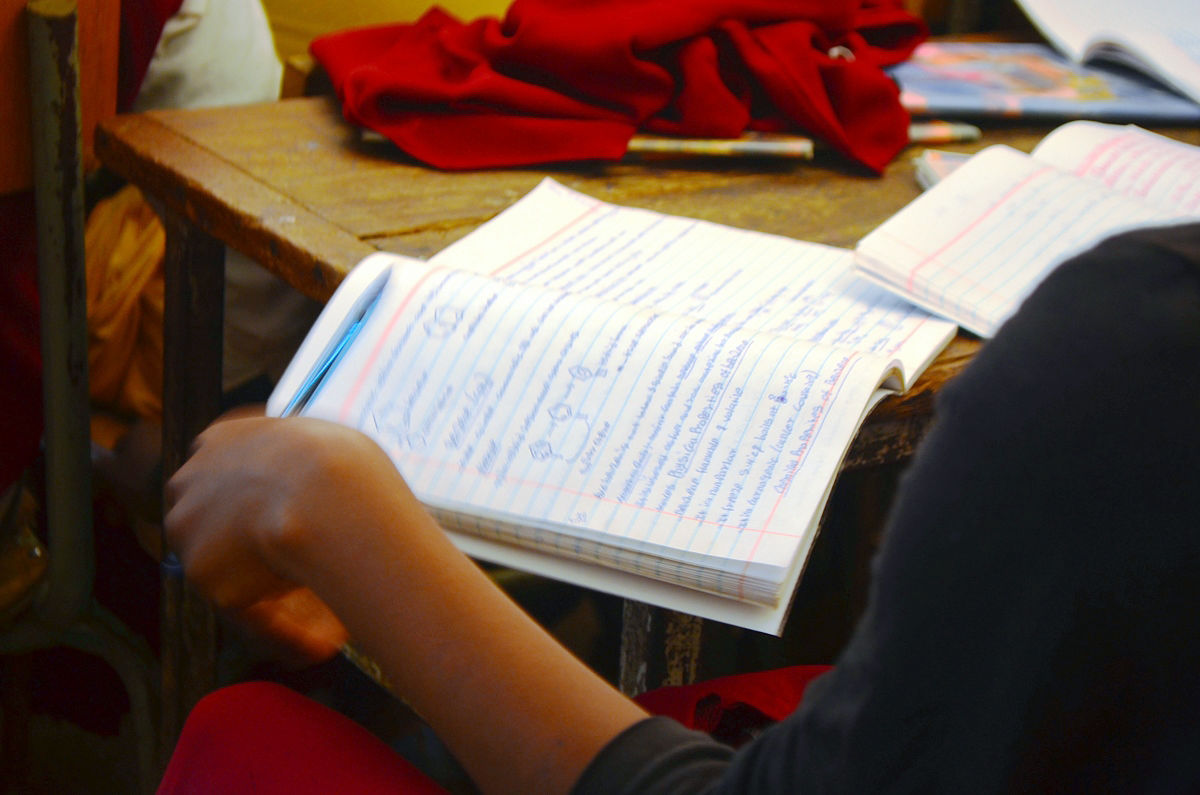
I was shown a biology class at a high school in Antigua . The class consisted mainly of reading from the textbook. The students were intently taking notes of everything that was being said. If the same thing were done in Japan, the students probably wouldn't be able to keep up. However, here, everyone was trying their best, and I got the sense that they valued their school lessons.

◆Summary of interviews with students from each country
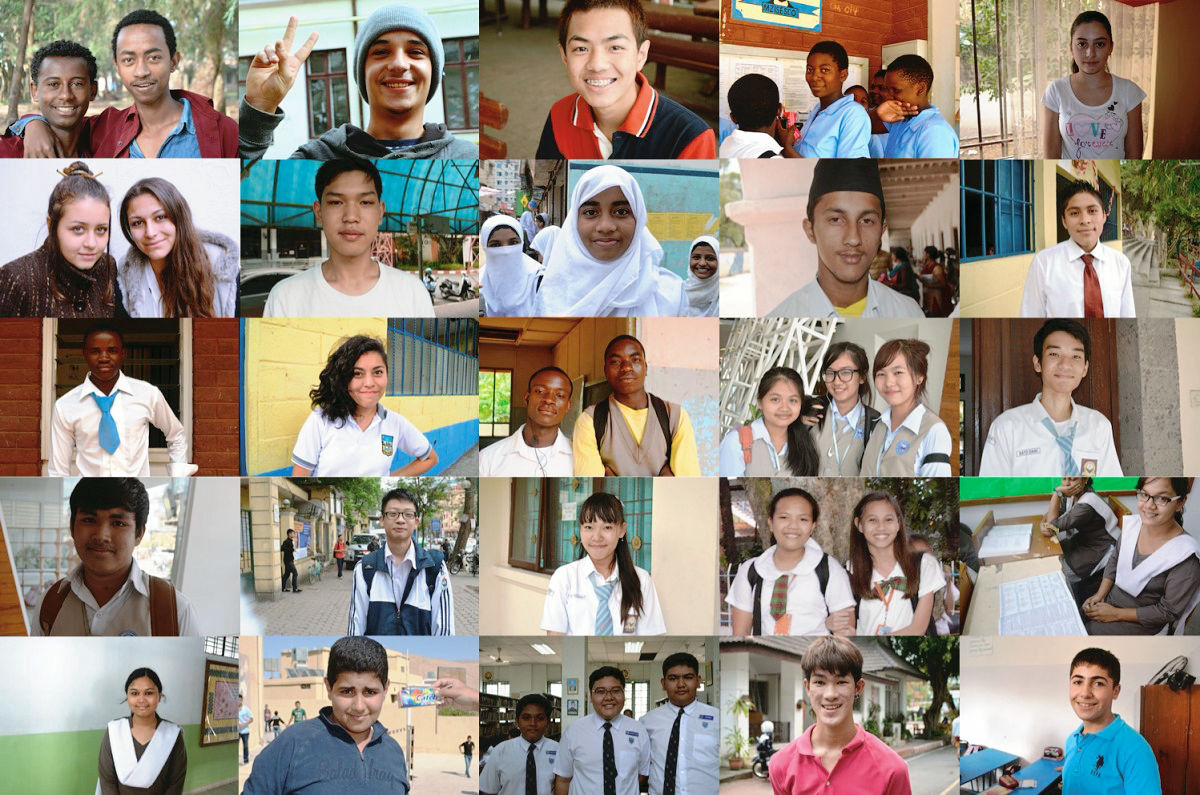
At the end of the tour, I asked the students from each country five simple questions: their name, grade, favorite subject, what they do after school, and their dreams. I will write down what I felt during those questions.
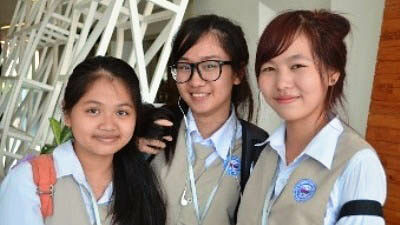
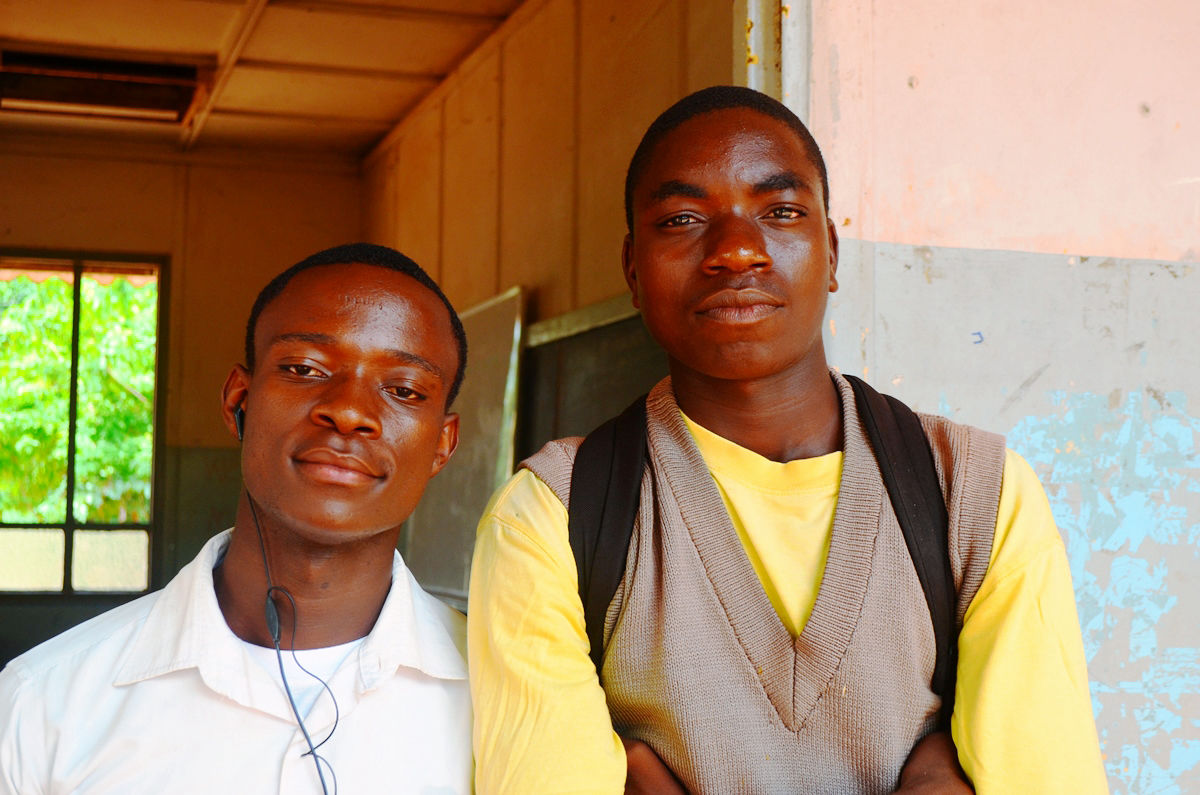
First of all, I was impressed by a student (photo: Zambia, 17 years old) who confidently answered, 'I love science. I want to be an engineer, nurse, or doctor in the future.' This was particularly common in Africa. I felt that this student had a promising future.
In some parts of the world, science is considered superior to humanities. In Sweden, students who are generally excellent can go on to science. It seems that students who do not get good grades in middle school cannot go on to science in high school.
Similarly, in India, science majors are considered superior. Furthermore, alongside the humanities and science majors, India offers a course called commerce, which trains students to become bankers and accountants. A student (pictured, 16 years old) whose mother is Japanese commented, 'It's quite practical, so Japan should adopt this course soon.'
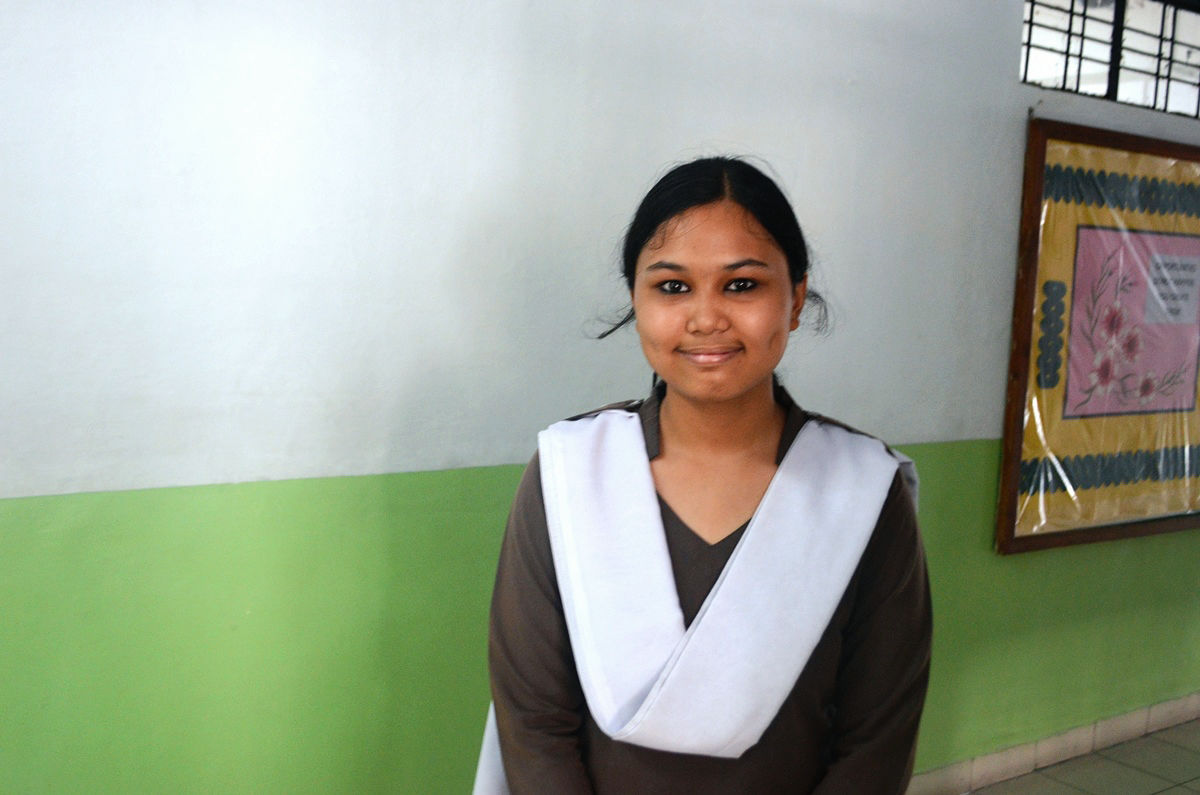
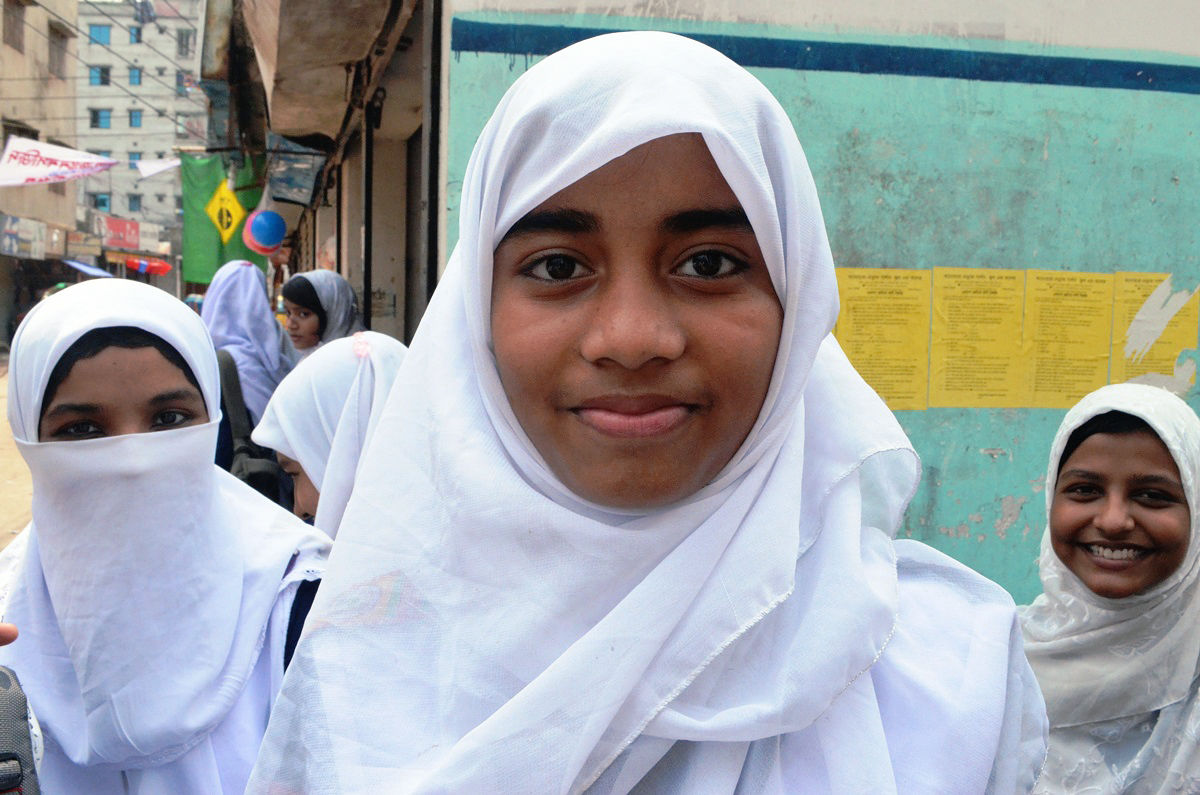
Many students answered that they 'like English.' Many of the children we interviewed randomly were fluent in English. Even a devout Muslim student (photo: 14-year-old from Bangladesh) actively used English.
Many students stood out by clearly answering what they wanted to do in the future. There are many specialized high schools in Romania, so students had very specific goals. For example, an art high school student (photo: Romania, 18 years old) had already decided where he wanted to work, saying, 'I want to be a CG designer or fashion designer.' I honestly admired the fact that he was able to look ahead to the future at such a young age.

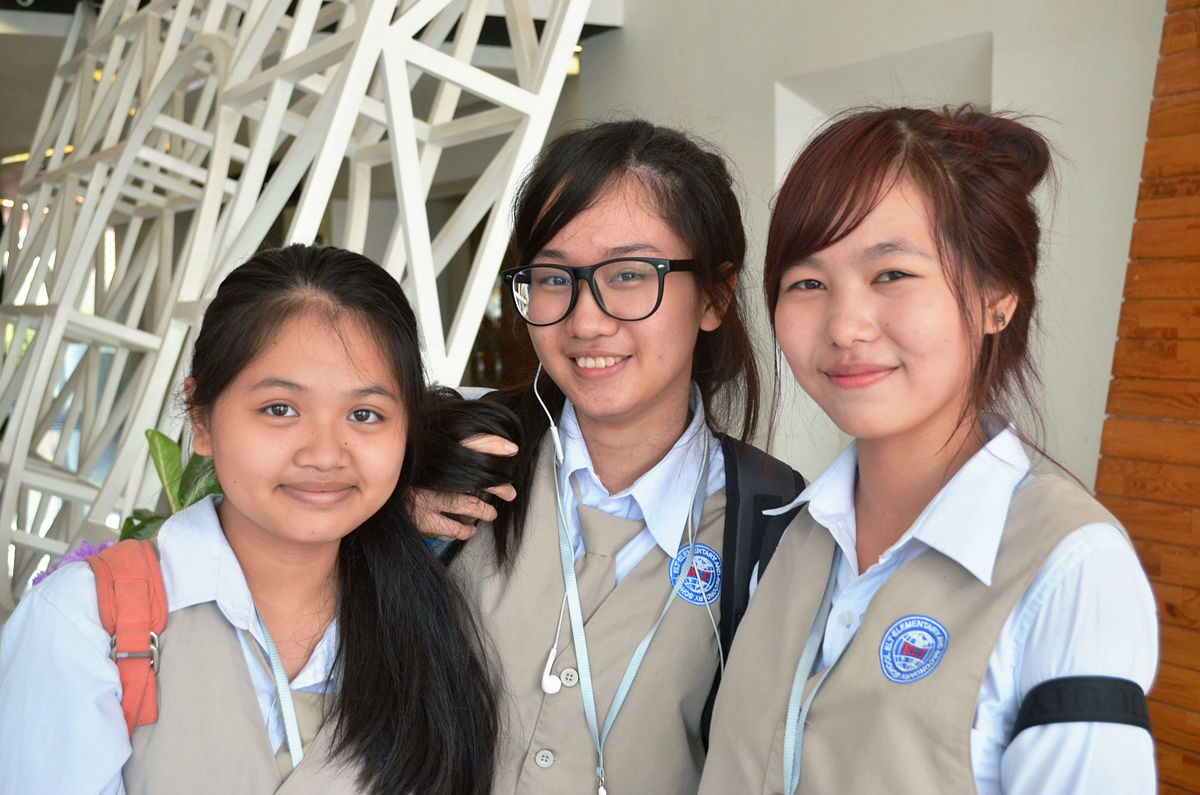
On the other hand, the Cambodian private school students (photo: 15 years old) were still pondering their future. I think they are children who come from a privileged environment, which is rare in Cambodia. In Japan, there are many students who cannot find their dreams, but I felt that when they are in a privileged environment, they have many options and hesitate to make decisions. Another major goal was to help the students acquire the ability to make decisions.
◆ Club activities and new teaching methods
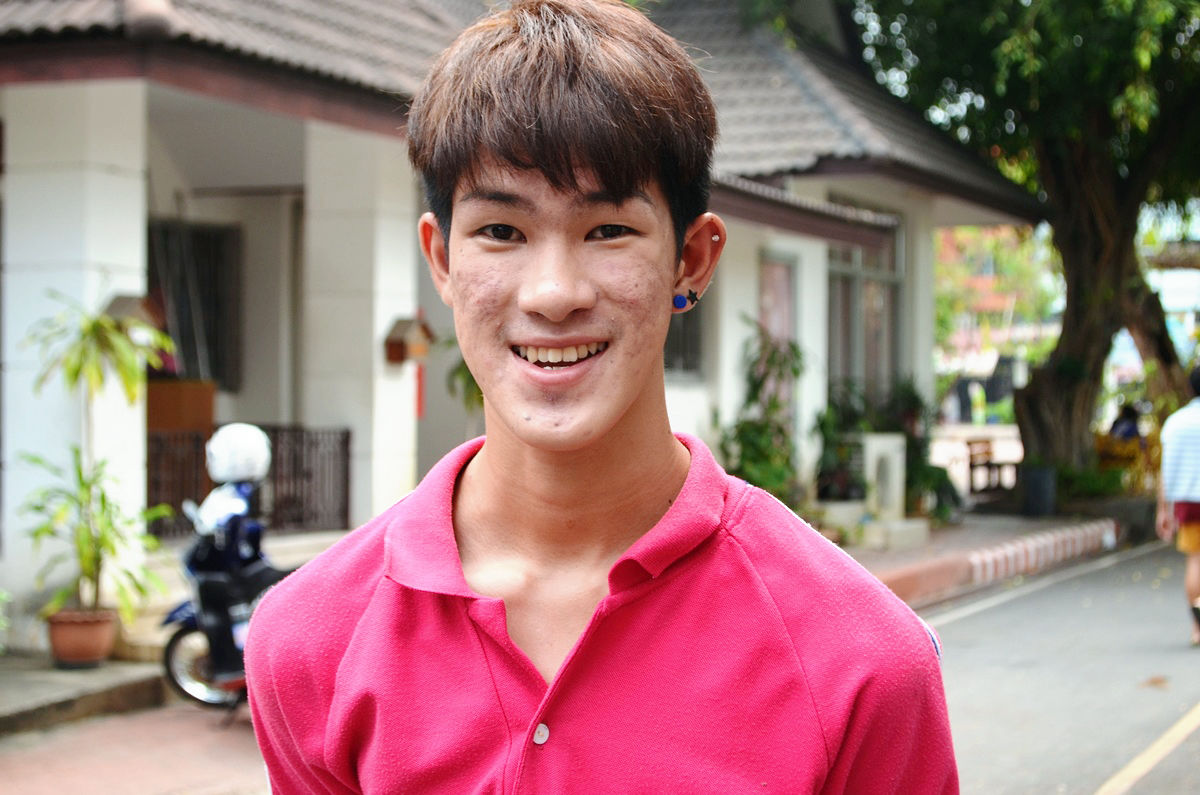
I didn't see any countries where club activities were held every day like in Japan. In Indonesia and Vietnam, there were cultural activities several times a week. There were hardly any athletic activities, and it seemed that students were active outside of school as club teams. However, in Chiang Mai, Thailand, there was a student (photo: 18 years old) who said, 'I'm in the dance club and I want to become a dance teacher in the future.' Club activities were relatively active.
Since I was not able to observe classes in educationally advanced countries, I was not able to learn any innovative teaching methods, but the quiz-based classes I saw in Nepal and the electronic whiteboard classes in India are things I would like to try.
Instead, what I noticed while traveling to many educationally underdeveloped countries was the incredible desire of students to learn. In Japan, we are blessed with many educational opportunities. There are easy-to-understand reference books and cram schools. However, in countries where it is not even possible to buy textbooks, students desperately take notes, hoping to gain something from even boring lessons where the teacher just reads from the textbook. Perhaps the lack of educational opportunities leads to a decline in reading ability.
◆Three things I felt throughout the whole experience
Finally, I would like to mention three overall points that I felt after looking at schools around the world.
1: Improving English education
In India, Ethiopia, and Malawi, all classes and exams are taught in English. In the Philippines and Malaysia, science is taught in English. In Bangladesh and Cambodia, private English schools are prominent in the streets.
2: No use of blackboards
Surprisingly, blackboards were not used and whiteboards were more common. In India, smart boards were used.
3: Long holidays due to religion, calendar, or weather
In the Middle East, middle and high school students had a three-month summer vacation from July to September due to the heat. There were also many religious holiday holidays that don't exist in Japan. For example, in Tanzania, where there are many Christians, Christmas holidays began in late November. In Thailand, Laos, and Myanmar, which are famous for
There's just one thing I need to do
That sums up what I felt about junior high and high schools around the world during this trip. I was surprised at how different the educational cultures were, and I was reminded that developing countries have solid educational facilities, and that it is more important than anything to see things with your own eyes.
Although I mentioned four goals for this project at the beginning, there was actually one more hidden goal. That was to see how much I had grown by the end of this project. However, if you ask me if I have grown in any way now, I think that although I have gained knowledge about what I want to do and the current state of education around the world, I have not grown at all. I still feel intimidated when people visit without an appointment.
So how can I make use of this experience? I think the only way is for me as a teacher to convey the facts, put them into practice, and inspire the children in some way. If the children I meet in the future can take on board the other themes of this trip, including 'Schools of the World,' - 'Searching for Science Topics' and 'Learning about Different Ways of Life' - then I will be able to say for the first time that 'it was worth traveling.' Some people say that traveling is 'self-satisfaction,' but I want to continue to affirm my own travels in this way. I want to believe that going on the trip back then was the right decision.
I have been writing articles here for a year. It has been a very good time for me to think about 'how to communicate.' If there are people who have read my articles before, I would like to thank them. I have been able to continue thanks to all of you. Thank you very much.
Text and interview: Hiroharu Zoshiki http://zoshiki.com/wp/
Supervised by: Sekai Shinbun sekaishinbun.net

Related Posts: