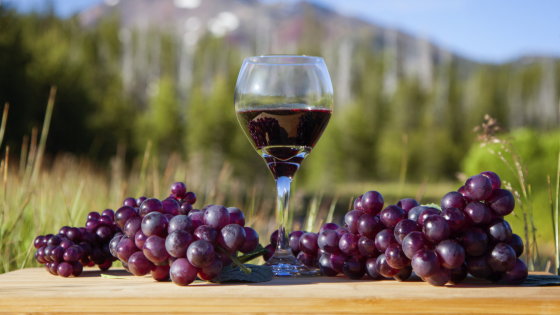
Climate change-induced droughts could negatively impact the quality of grapes used for red wine, potentially leading to a decline in quality.
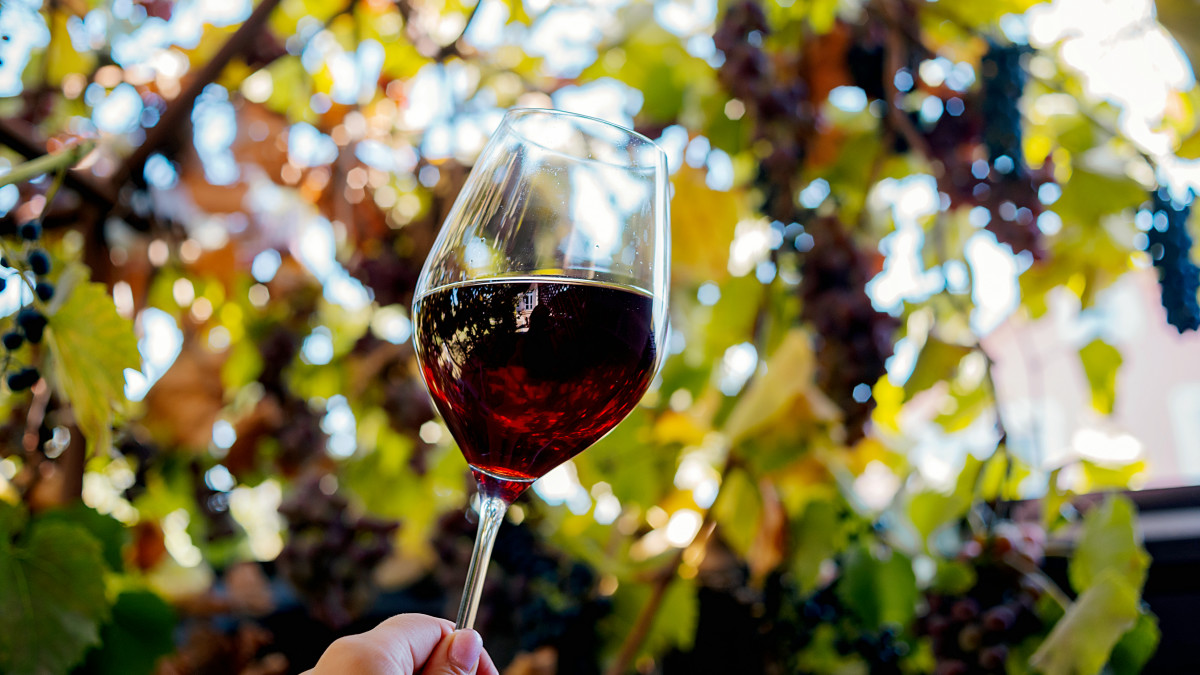
Rising temperatures and more frequent extreme weather events due to climate change are having various impacts on crop yields and quality. A study examining wine grapes grown in major wine-producing regions showed that droughts can negatively affect grapes grown for red wine.
Highly dynamic metabolic response of grapevine to water deficits reveals an adaptability to a wide range of climatic conditions - ScienceDirect
Pinot Noir Might Be Doomed as Droughts Become More Frequent : ScienceAlert
https://www.sciencealert.com/scientists-pinpoint-when-wine-varieties-will-break-down-with-climate-change-and-its-bad-news-for-red-wine-drinkers
The summer of 2026 saw record-breaking heat waves in countries around the Northern Hemisphere, with an analysis by the National Oceanic and Atmospheric Administration (NOAA) indicating that July 2026 would be the hottest July on record . Europe, in particular, experienced record-breaking heat waves throughout July, causing wildfires and droughts, and six countries, including France, Germany, and the United Kingdom, reportedly saw an increase of 19,000 deaths compared to average years.
Amidst this situation, a research team from France, Germany, and Argentina investigated what would happen to the growth of Pinot Noir and Chardonnay , the most popular wine grape varieties, if droughts caused by climate change become more frequent.
Pinot Noir is a variety primarily cultivated for red wine, while Chardonnay is cultivated for white wine. Grapes are naturally resistant to dry climate conditions, and in the case of red wine in particular, moderately dry years can even improve the quality of the wine. However, extreme droughts can drastically reduce the number of grapes on the vine, reduce their size, and in some cases, prevent them from ripening properly.
Scientists suggest that through selective breeding and genetic modification, new wine grape varieties suited to future climate conditions can be created. However, traditional winemakers in countries like France, Italy, and Germany have a strong attachment to and loyalty to their existing varieties, making the decision to switch the grape varieties they cultivate difficult.
In their paper, the research team states, 'While many possibilities have been explored to address climate change, changing grape varieties is a high-risk option for high-end wine regions where the characteristics and reputation of the wine depend on a single or few varieties.' They add, 'This is because the combination of grape variety and region strongly determines the sensory characteristics of the wine.'
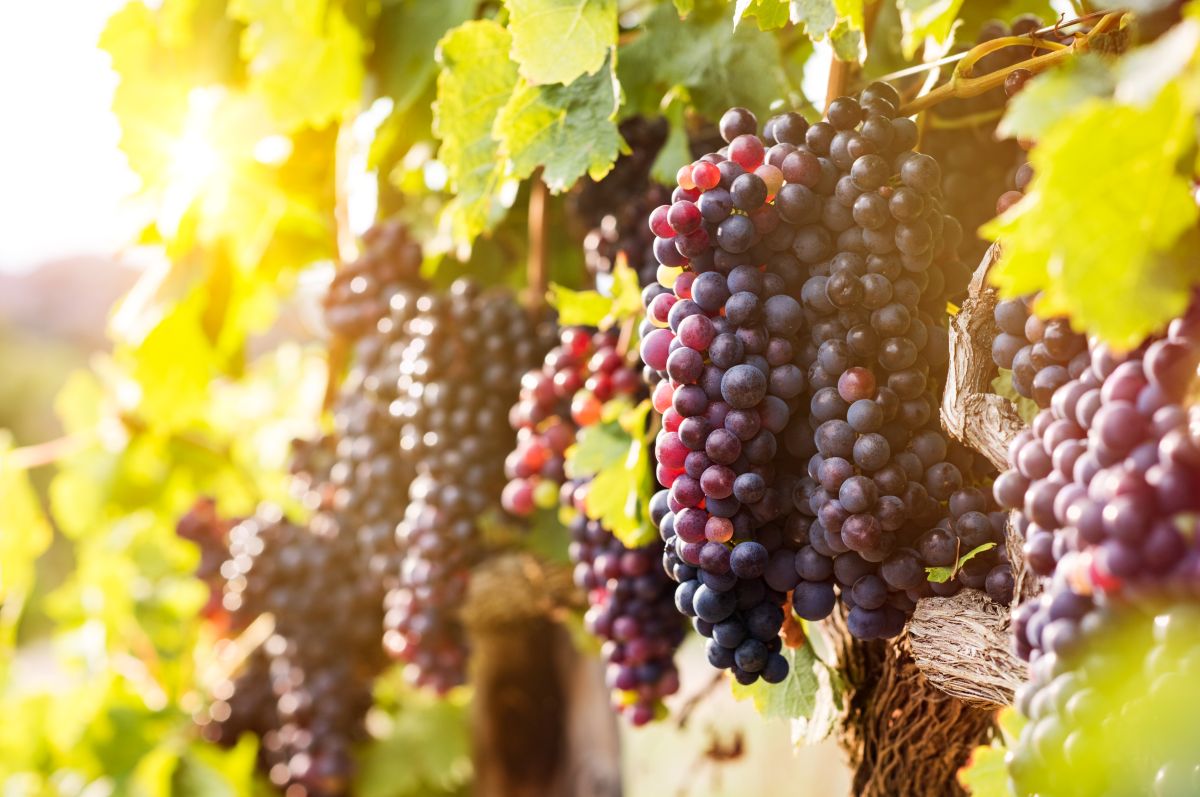
The research team assessed how Pinot Noir and Chardonnay vines would thrive in a climate 2°C higher than pre-industrial levels. First, they collected grape samples from 80 vineyards in 13 wine-producing regions across France, Italy, Germany, Portugal, and Argentina, spanning three
Subsequently, carbon isotope analysis was performed on grape juice samples to investigate the water supply conditions in the vineyard. Carbon isotope analysis of grape juice is known to be a reliable indicator of the moisture status of grapes.
Carbon isotope analysis revealed that both Pinot Noir and Chardonnay can withstand a wide range of water shortages. Interestingly, the vines that suffered the most severe water shortages were not in the driest regions. This is because the vineyards in the driest regions had irrigation systems in place to artificially supply water.
However, when the research team investigated the metabolic products of grapes in relation to water content, they found that while Chardonnay's metabolic reactions remained consistent even when dehydrated, Pinot Noir lost many metabolites when subjected to severe water shortages. In other words, while Pinot Noir can grow even in the event of a severe drought caused by climate change, the flavor and quality of the wine produced may be negatively affected.
ScienceAlert, a science-focused media outlet, stated, 'Unfortunately for red wine lovers, it appears that Pinot Noir has reached a turning point. These results suggest that high-quality Chardonnay may continue to be produced even with frequent droughts, while the best Pinot Noir may already be a thing of the past.'
Related Posts: