Apple's MacBook Air is in short supply due to a global memory shortage, while its developing smart glasses are being considered for use as health devices.
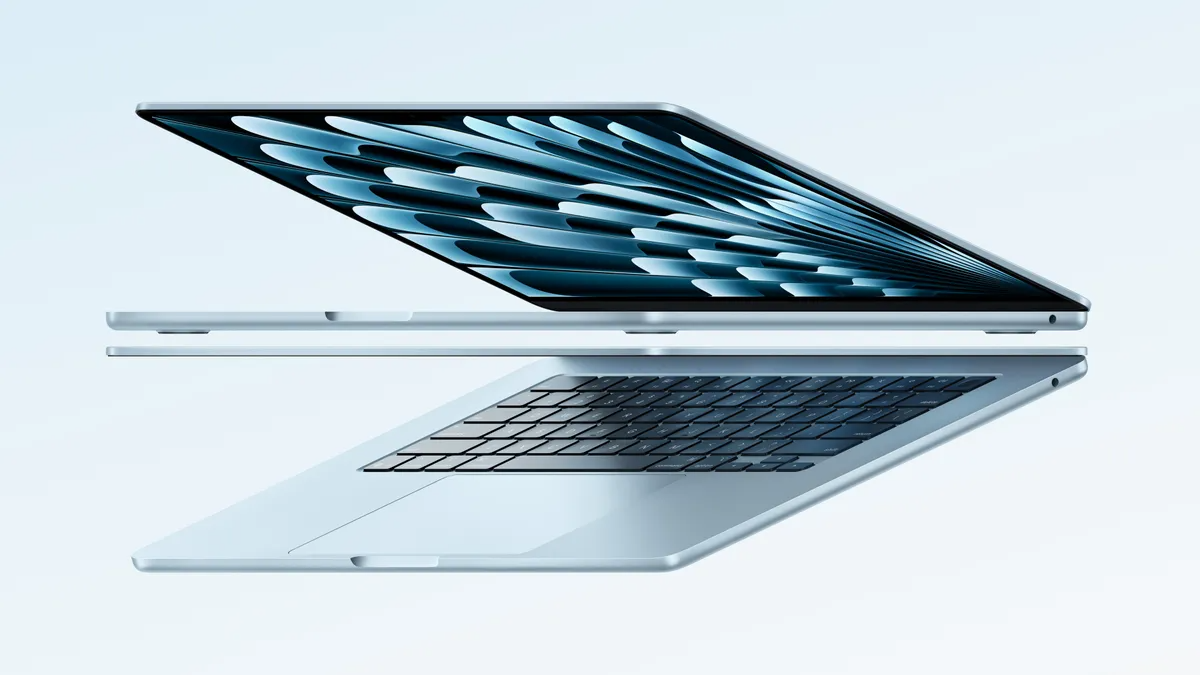
A global memory shortage caused by the surge in AI data centers is reportedly impacting the supply of Apple's flagship PC, the MacBook Air. Apple's official website indicates that some models are expected to be delivered in late August or September, and retailers are reporting unprecedentedly limited stock.
Apple Subscriptions; MacBook Air Shortages; Apple to Make Glasses Health Device - Bloomberg
MacBook Air reportedly facing major supply shortages due to AI-driven memory crisis - 9to5Mac
https://9to5mac.com/2026/08/02/macbook-air-reportedly-facing-major-supply-shortages-due-to-ai-driven-memory-crisis/
According to Bloomberg reporter Mark Gurman, the impact of memory shortages has so far been most noticeable on products with relatively low sales volumes, such as the Mac mini and Mac Studio. However, even the MacBook Air, one of Apple's most popular Macs, is now facing difficulties in maintaining sufficient stock.
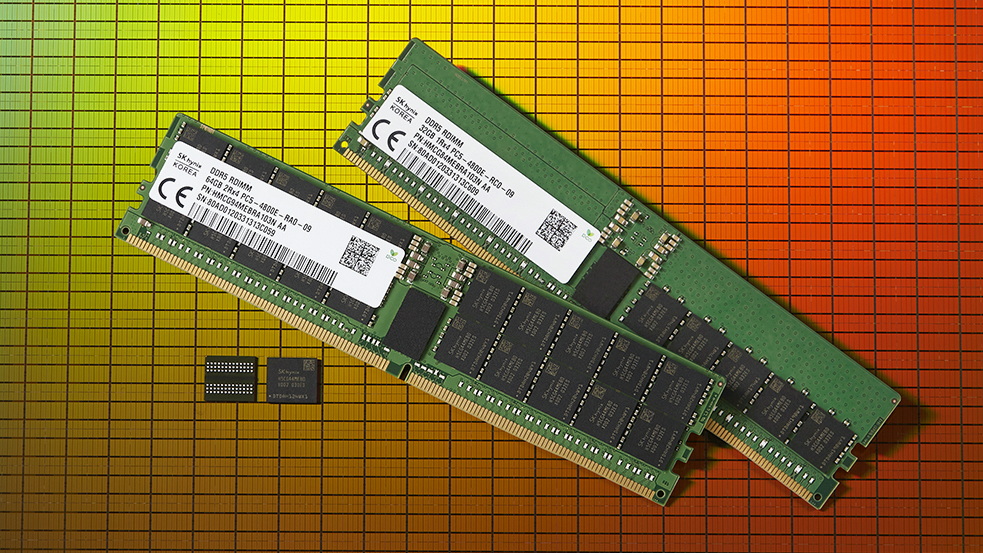
The underlying reason is the surge in demand for high-bandwidth memory and other components used in AI servers. Apple-related news site 9to5Mac explains that memory manufacturers have prioritized the production of highly profitable AI products, which has impacted the supply chain for DRAM and storage used in consumer PCs, leading to price increases for SSDs and DDR5 memory.
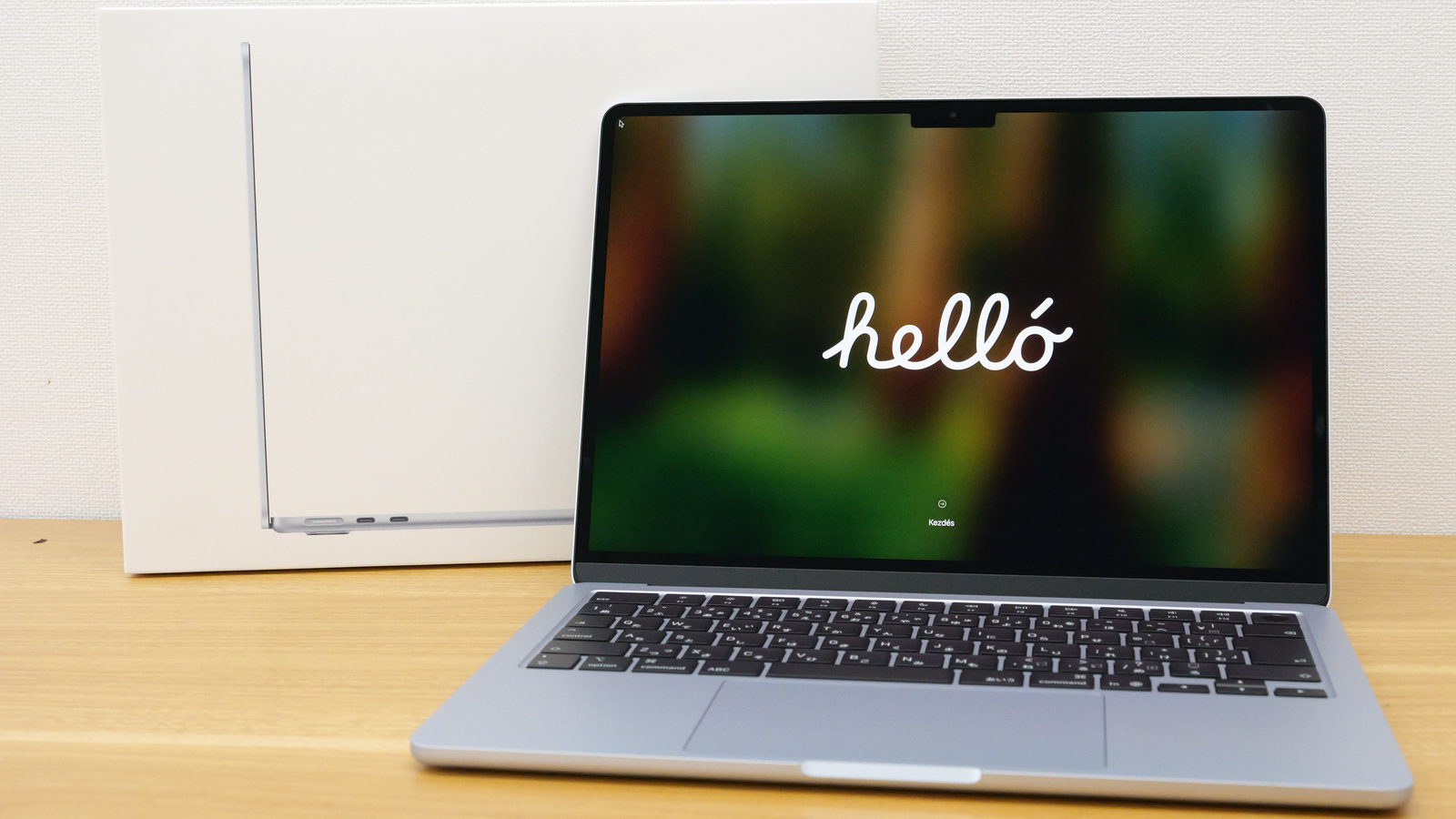
In March 2026, Apple raised the minimum price of the M5-equipped MacBook Air in the US from $999 (approximately 159,800 yen) to $1,099 (approximately 175,800 yen), and then raised it again in June to $1,299 (approximately 207,800 yen). However, the June change also increased the standard storage capacity from 256GB to 512GB. Even after the price increase, the supply situation has not improved, and it has been reported that if you order a MacBook Air from the Apple website, depending on the configuration, it may not arrive until the end of August or September.
According to sources close to reporter Gurman, Apple is trying to alleviate the shortage by sourcing memory from Chinese companies, at least for products sold in China. Meanwhile, Apple is prioritizing sales of the entry-level 14-inch MacBook Pro ahead of the planned M6 generation transition in the fall of 2026, which may also be contributing to the limited supply of MacBook Airs.
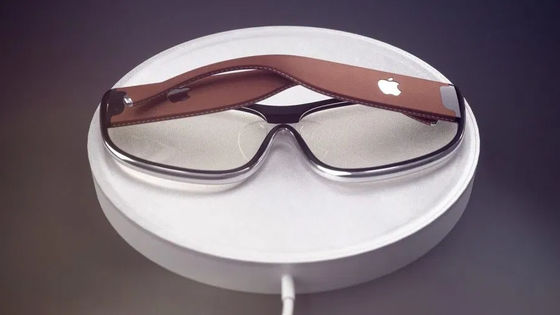
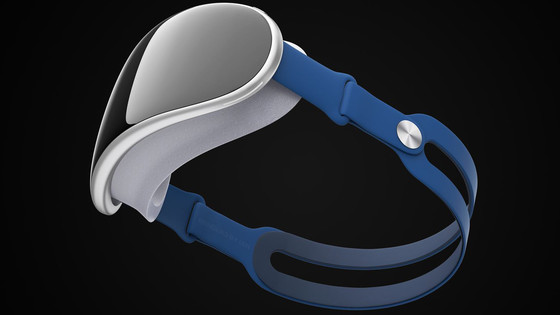
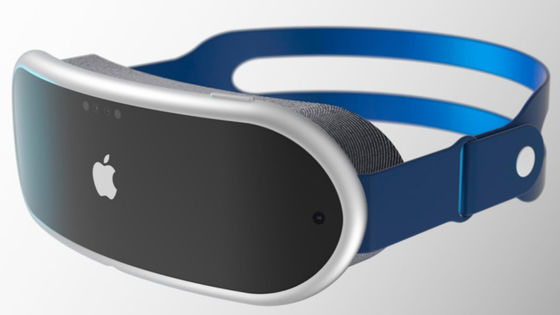
Apple is also reportedly planning to use its future smart glasses and headsets in the health and fitness sector. Apple's Vision Products Group is seeking someone to 'define the future of health, well-being, and fitness experiences in Vision products,' and is looking for someone to develop a product strategy that integrates spatial computing, wearable devices, and consumer health services.
Apple initially considered developing an Apple Fitness+ app for Vision Pro that would allow users to track their body movements while watching exercise videos and complete activity rings. However, the Vision Pro was too heavy to wear during exercise, and there were other technical challenges, so this plan never materialized.
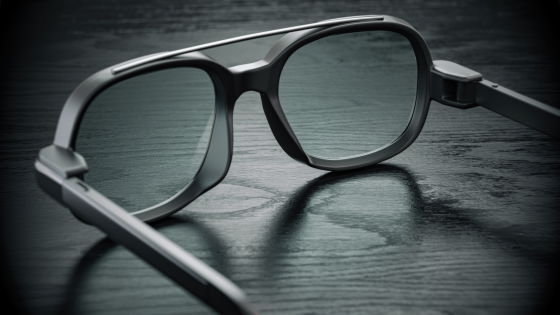
Apple may implement a similar concept with lighter smart glasses. These glasses could use cameras to recognize the user's movements and provide exercise advice, or combine this with heart rate data from Apple Watch or AirPods Pro. However, these health and fitness features are not expected to be included in the first-generation model and are likely to be introduced several years later.

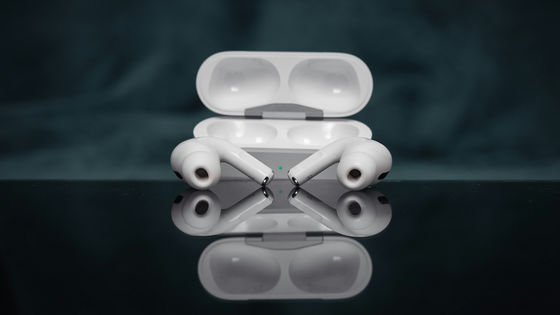
In addition, reporter Gurman reports that a new AirPods Pro without a camera may be released in 2026. This model, codenamed 'B790,' is further along in development than the 'B798,' which will feature a camera or infrared sensor, and has reportedly been spotted in iOS 27 code and Apple's internal roadmap. The camera-equipped model is expected to be released in 2027 or later.
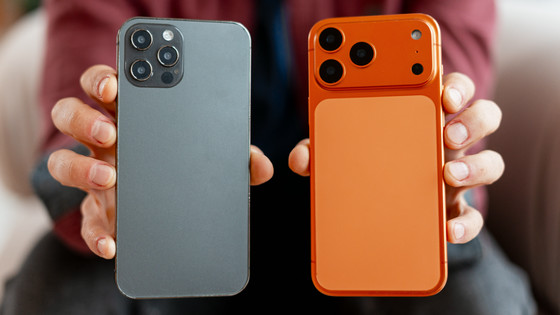
Furthermore, Gurman reports that Apple is preparing to unveil its first foldable iPhone in September 2026, with a price expected to exceed $2,000 (approximately 320,000 yen). He points out that while the upfront cost may seem very high, a monthly payment of $60 to $70 (approximately 9,600 to 11,200 yen) could make it more acceptable to consumers.
In September, Apple is poised to debut its first foldable iPhone, a device that's expected to cost $2,000-plus. A monthly price of somewhere between $60 and $70 for that phone will seem a lot more palatable. https://t.co/URvwVnW2ON
— Mark Gurman (@markgurman) August 2, 2026
Related Posts:


in Hardware, Posted by log1i_yk