Experts explain the problems with research claiming that 'artificial sweeteners are bad for the brain.'
Chemically synthesized
Are Artificial Sweeteners Really Worse For Your Brain Than Sugar? An Epidemiologist Explains : ScienceAlert
https://www.sciencealert.com/are-artificial-sweeteners-really-worse-for-your-brain-than-sugar-an-epidemiologist-explains
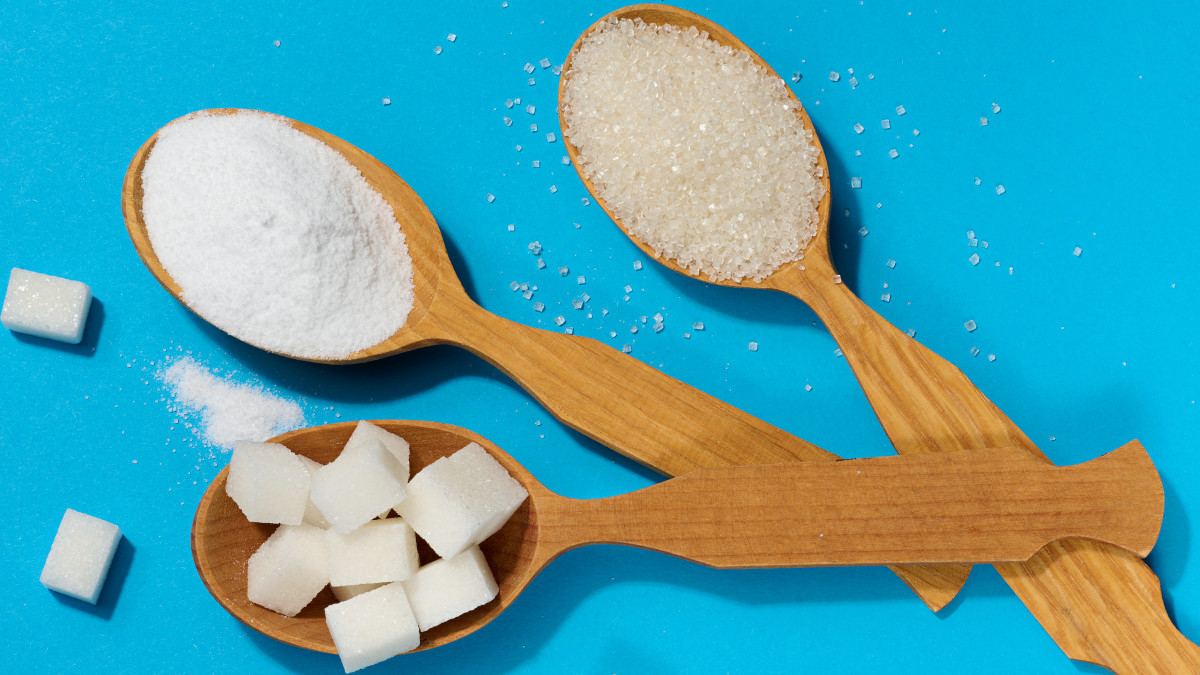
Excessive calorie and sugar intake can lead to various health problems such as type 2 diabetes and obesity, but it's difficult to completely eliminate sweet snacks and juices from your diet. Therefore, many health-conscious snacks and zero-calorie drinks use artificial sweeteners that are very sweet but contain almost no calories.
However, in recent years, there have been numerous reports that artificial sweeteners, which are used as a substitute for sugar, may cause various health problems and adverse effects on the brain. A study published in September 2025 reported that several low-calorie sweeteners, including artificial sweeteners such as aspartame and acesulfame K , may accelerate brain aging.
Meyerwitz-Katz stated, 'This paper, despite being published in September 2025, is still generating buzz in the latter half of 2026. This is particularly noteworthy considering that no problems have been observed with artificial sweeteners,' questioning the claim that artificial sweeteners have adverse effects on the brain.
The much-discussed 2025 paper is based on a dataset of Brazilian civil servants, in which people's brain function was measured over an eight-year period using standardized tests. Participants reportedly completed a food frequency questionnaire at the time of study participation, self-reporting what foods they consumed.
The research team examined the correlation between artificial sweetener intake, obtained from a food frequency questionnaire, and cognitive decline measured using four different scales. Their findings indicated that 'people in the top third of artificial sweetener intake showed slightly more advanced brain aging than those in the bottom third.' However, Meyerwitz-Katz points out that this study has problems.
One of the problems pointed out by Meyerwitz-Katz is that the food frequency questionnaire is based solely on self-reporting and does not track the foods that people actually consume. Human memory is surprisingly unreliable, so the amount of artificial sweeteners reported may differ from the actual amount consumed.

Furthermore, this analysis assumed that the subjects' dietary habits did not change during the 8-year follow-up period, and the research team could not have known if the subjects had changed their dietary habits during that time.
Questions have also been raised about the biological validity of the research team's claims. The sweeteners the research team investigated included both artificial and naturally derived ones, and their molecular structures differed significantly. Therefore, it is considered unlikely that all of these sweeteners would have the same effect on the brain.
Furthermore, this study merely demonstrated a correlation between 'sweetener intake' and 'cognitive decline,' and did not show a direct causal relationship. For example, people who had diseases such as diabetes or heart disease, which are prone to cognitive decline, at the start of the study may have been health-conscious and reduced their sugar intake, instead consuming large amounts of artificial sweeteners.
In addition, Meyerwitz-Katz points out that one of the statistical analyses performed in the study found no correlation between sweeteners and brain aging, and that the paper contains numerous obvious mathematical errors.

Meyerwitz-Katz stated, 'Therefore, this study proves very little about artificial sweeteners and brain health. Artificial sweeteners tend to have a bad reputation, but the data very compellingly shows that they are at least better for you than sugar.'
Related Posts:








in Free Member, Science, Food, Posted by log1h_ik