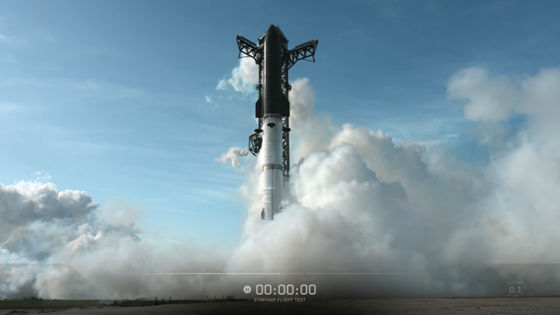
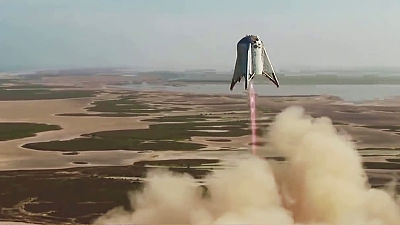
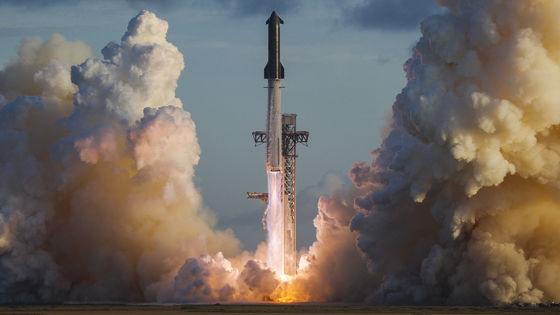
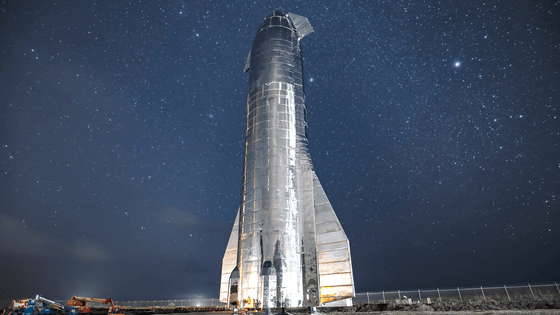
The documentary 'Critical Path,' which captures the efforts of SpaceX engineers as they work tirelessly to launch the super-heavy rocket Starship, is now available on YouTube.
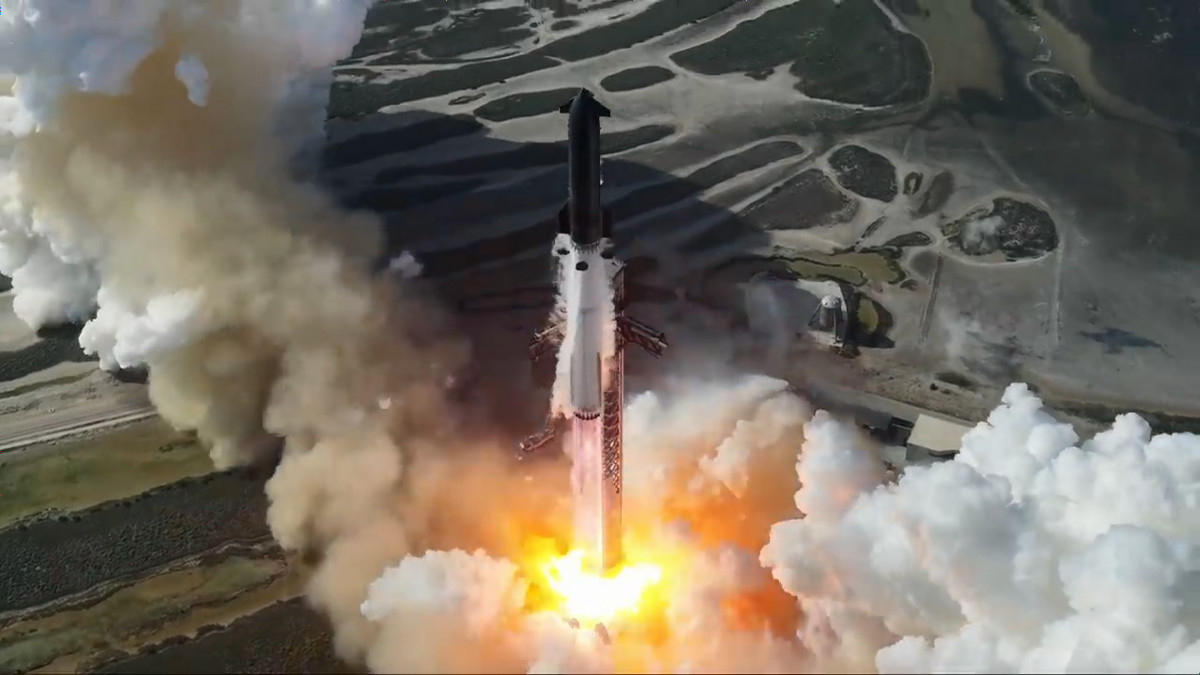
SpaceX, the space development company led by Elon Musk,
Starship - Critical Path - YouTube
Justin Steier, senior director of Starship launches, says that when undertaking complex missions such as rocket construction and launch pad installation, it is important to be mindful of the 'critical path.'
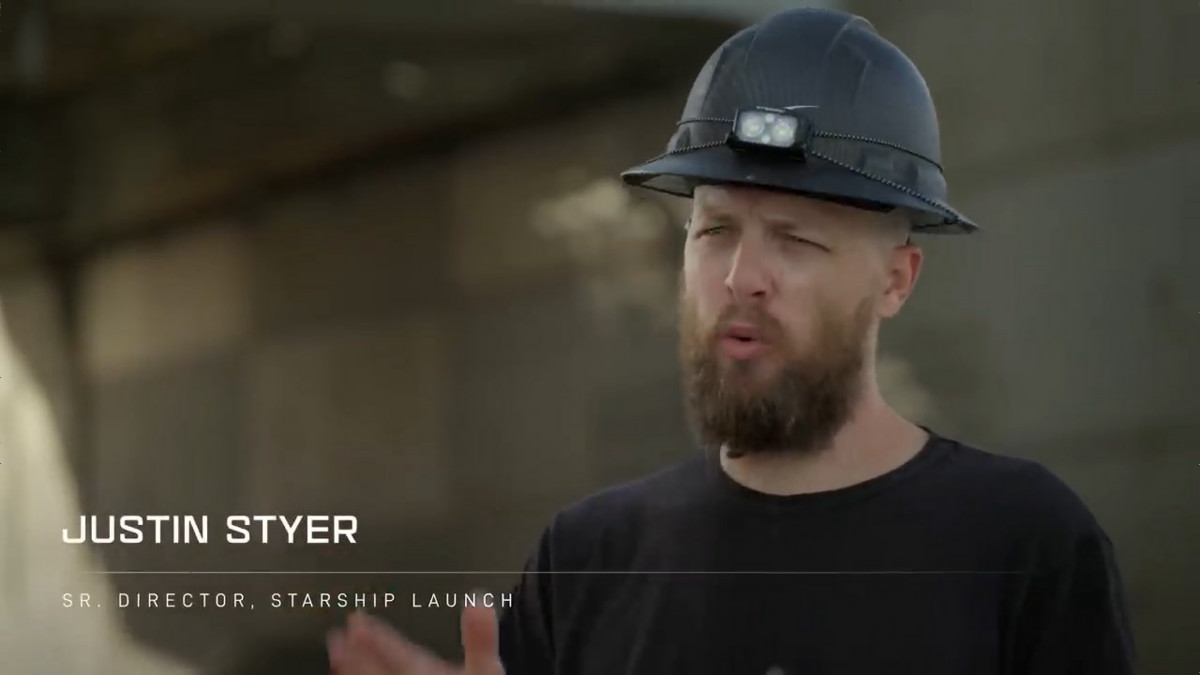
The critical path is the longest route among a series of interdependent tasks that determines the shortest possible time to complete the entire project.
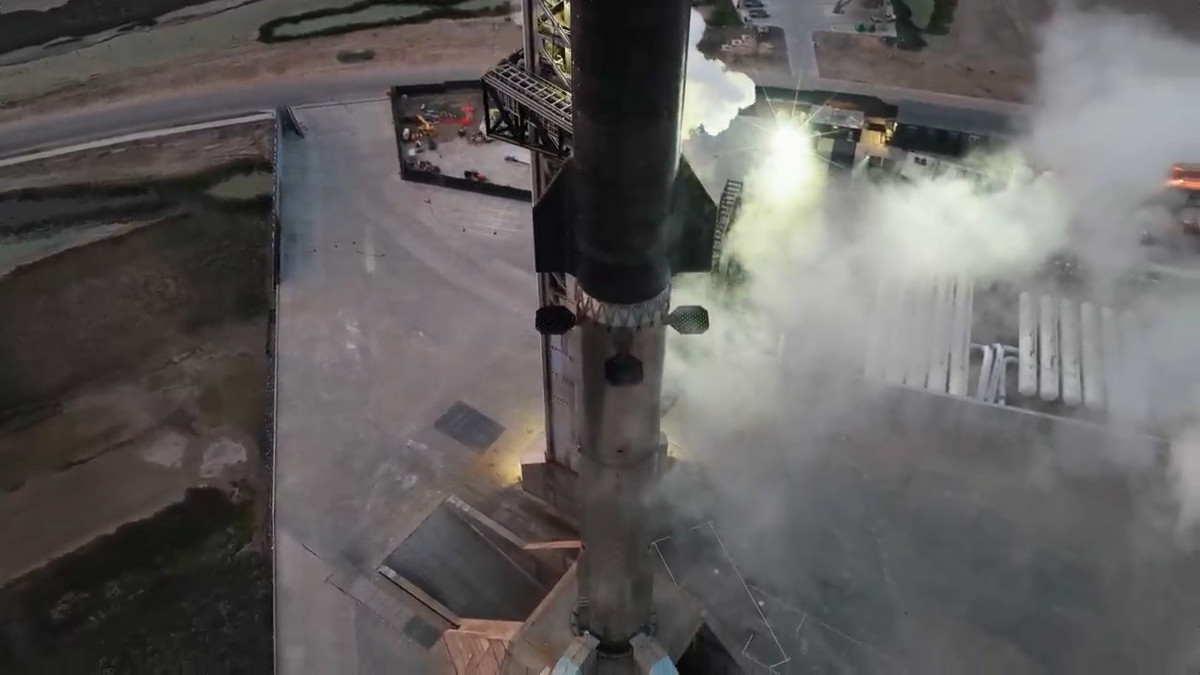
Steyr says he has never felt pressure from SpaceX founder Musk to 'launch this rocket no matter what difficulties arise.' It is not Musk's policy to launch and explode a problematic rocket in the rush to success, and if there is a problem, he will stop even right before launch.

One week before the launch of Starship V3.

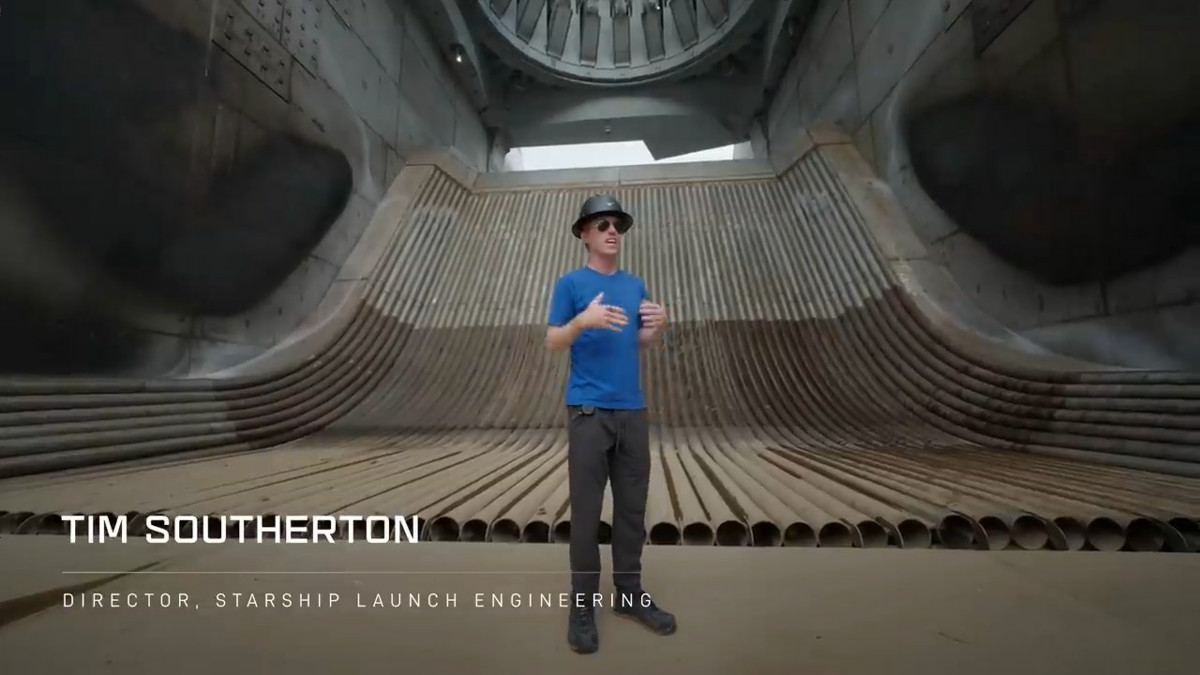
Tim Sutherton, director of the Starship launch engineering team, says what sets SpaceX apart from other companies is that they conduct tests frequently and quickly, stating, 'We want to make sure that the spacecraft is in perfect condition when it takes off.'
During the test that day, a fuel leak from the engine was detected.
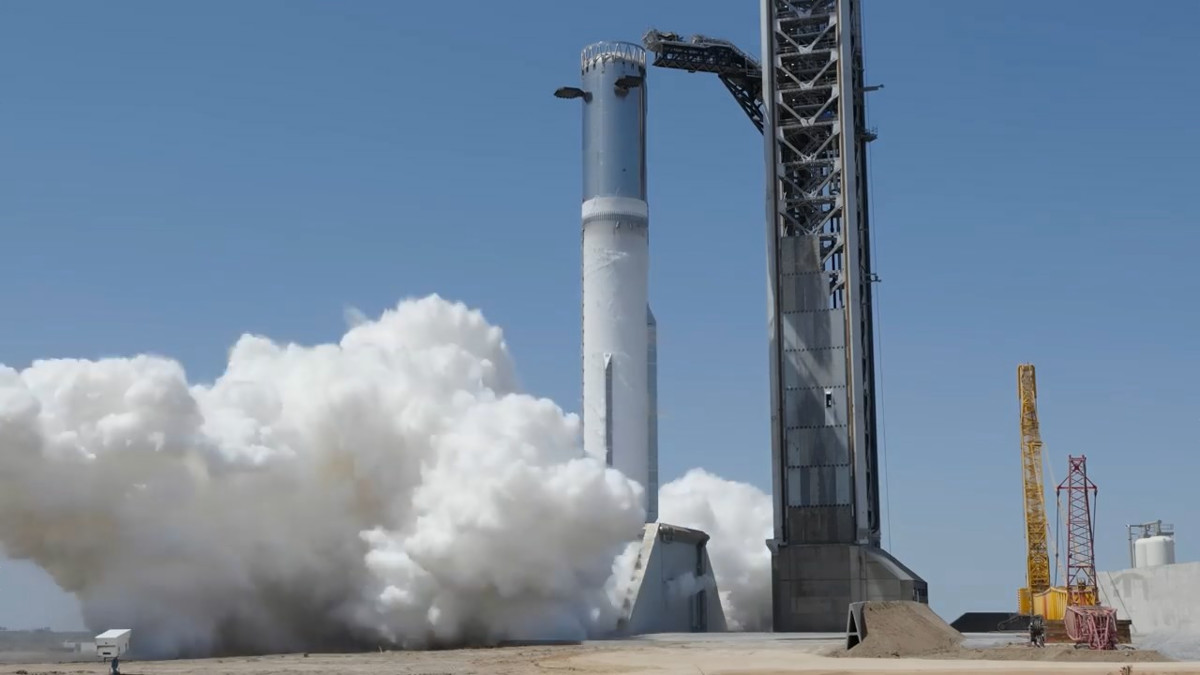
The Starship launch system will carry 5,000 to 6,000 tons of propellant and rocket weight. There is no precedent for putting something this heavy on a surface, and there are many things to consider, Sutherton says.
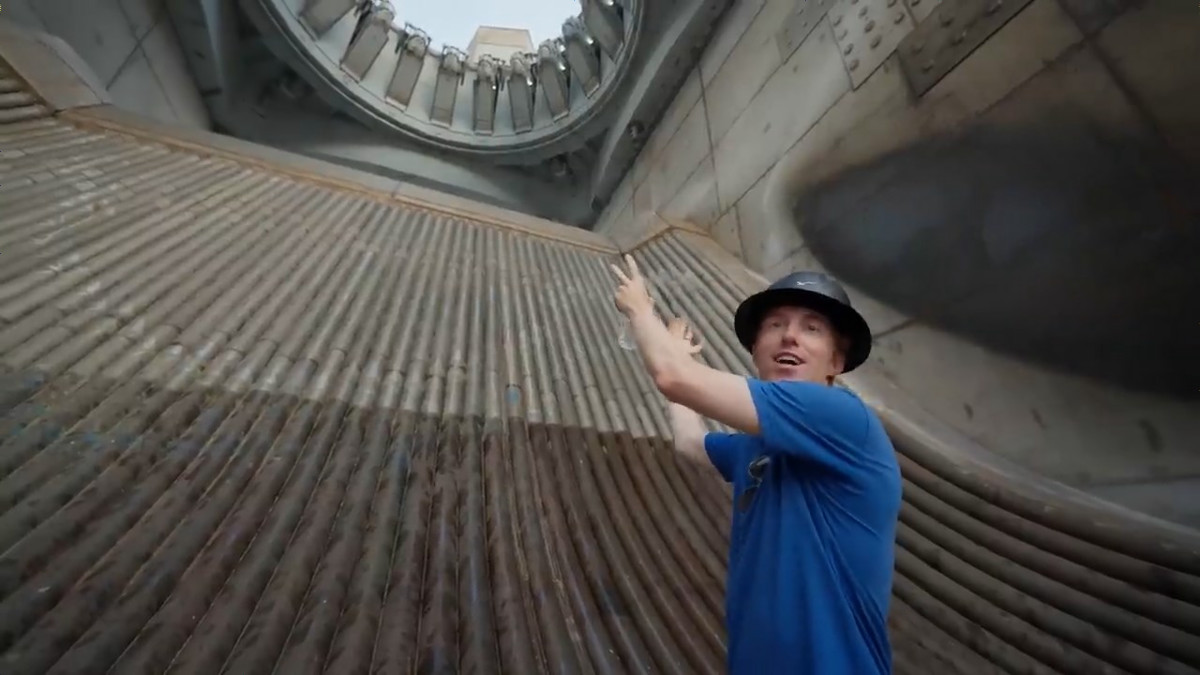
The launch of Starship V3 will release a tremendous amount of energy, which poses a risk of damaging various facilities.
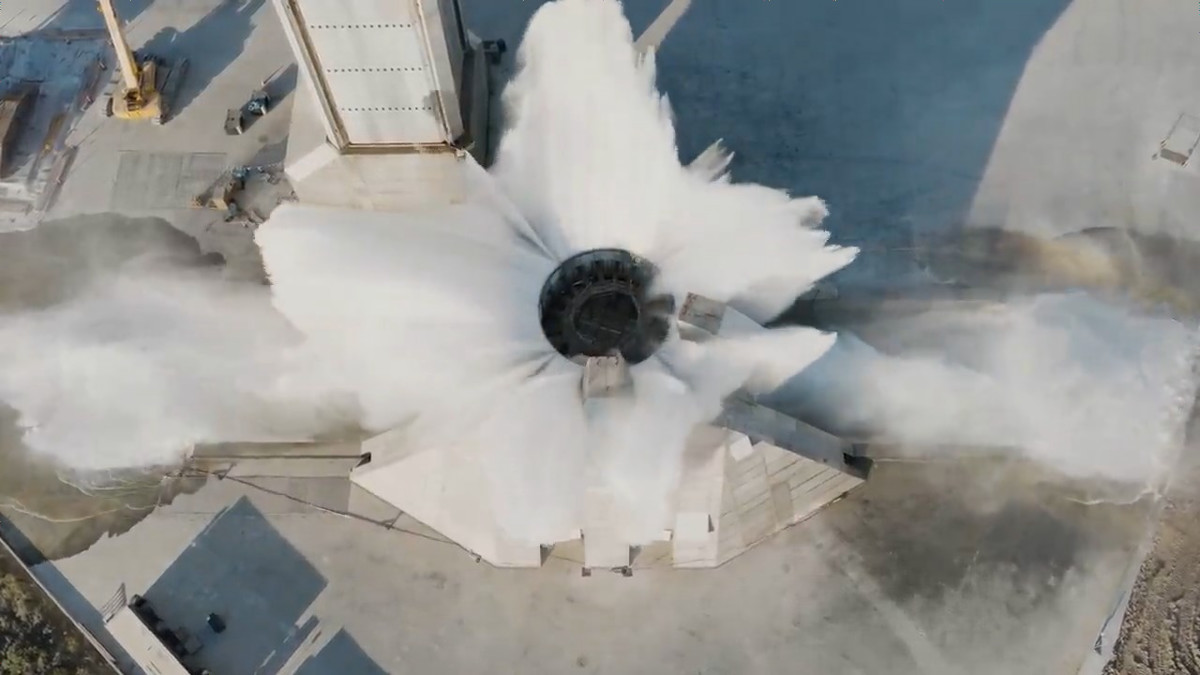
Therefore, the engineering team plans to release a large amount of water in conjunction with the launch to convert energy into boiling water, thereby absorbing energy and suppressing the temperature rise.
Bobby Peden, Vice President of Testing and Launches, said he's been getting through the last week or two with stress and caffeine.

Because even a one-day delay in the launch affects all the teams involved, the pressure on the launch team is immense.
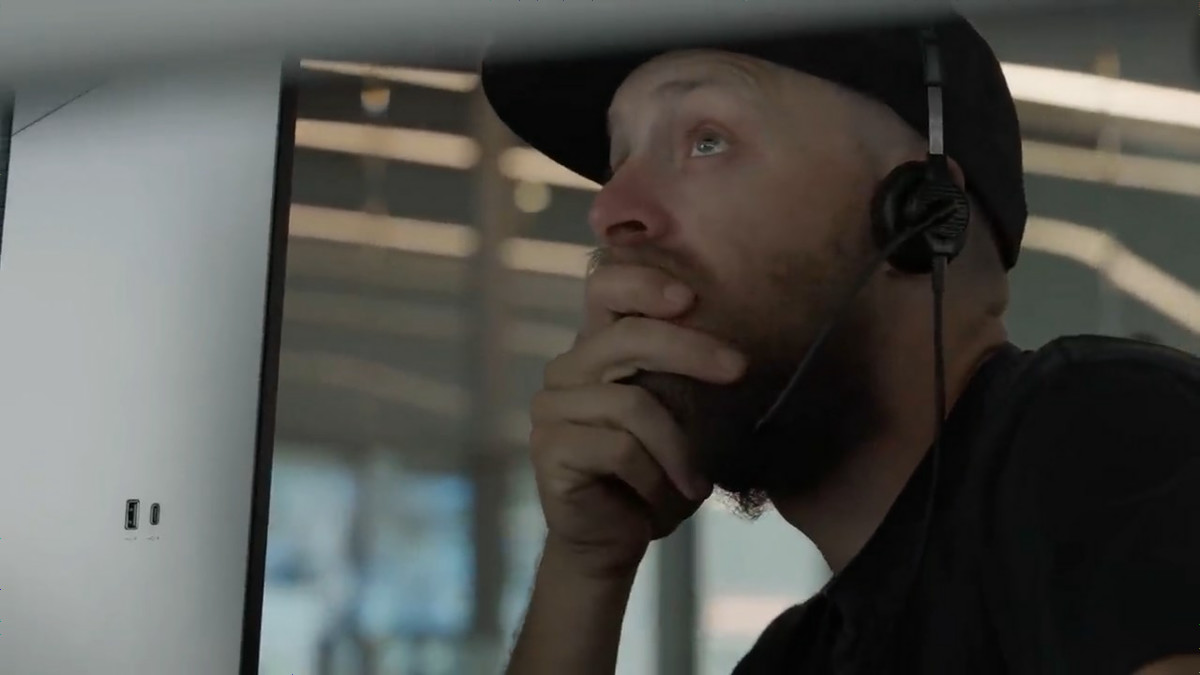
The launch team will conduct repeated tests to collect the necessary engineering data.
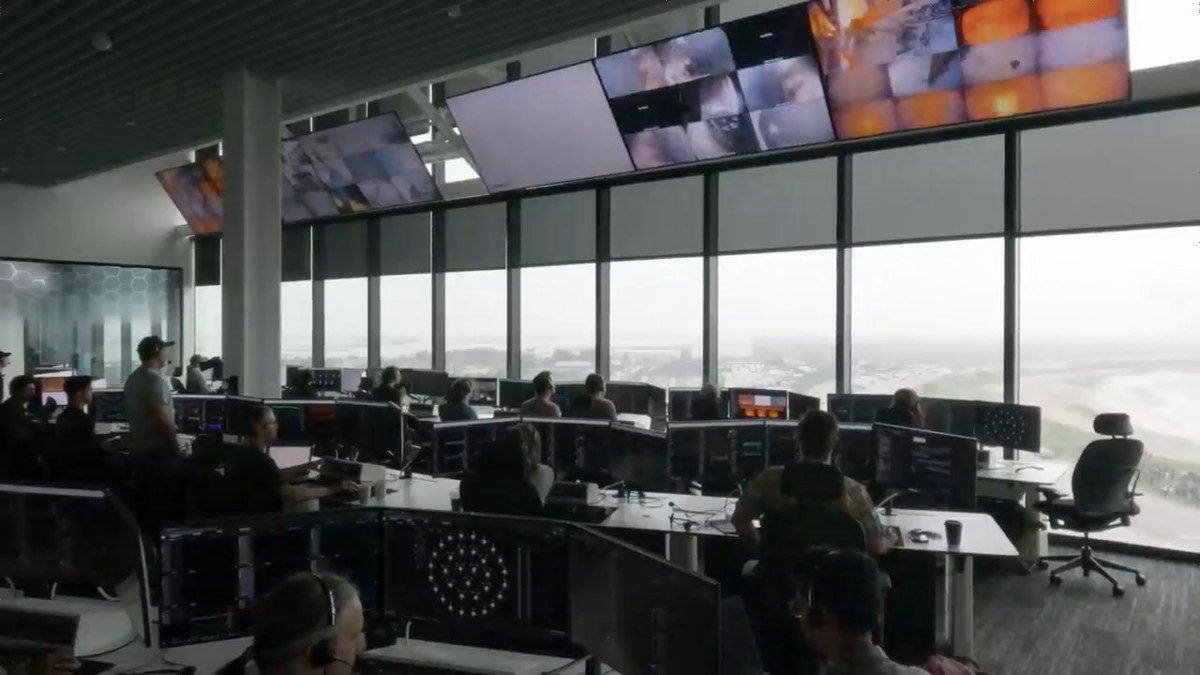
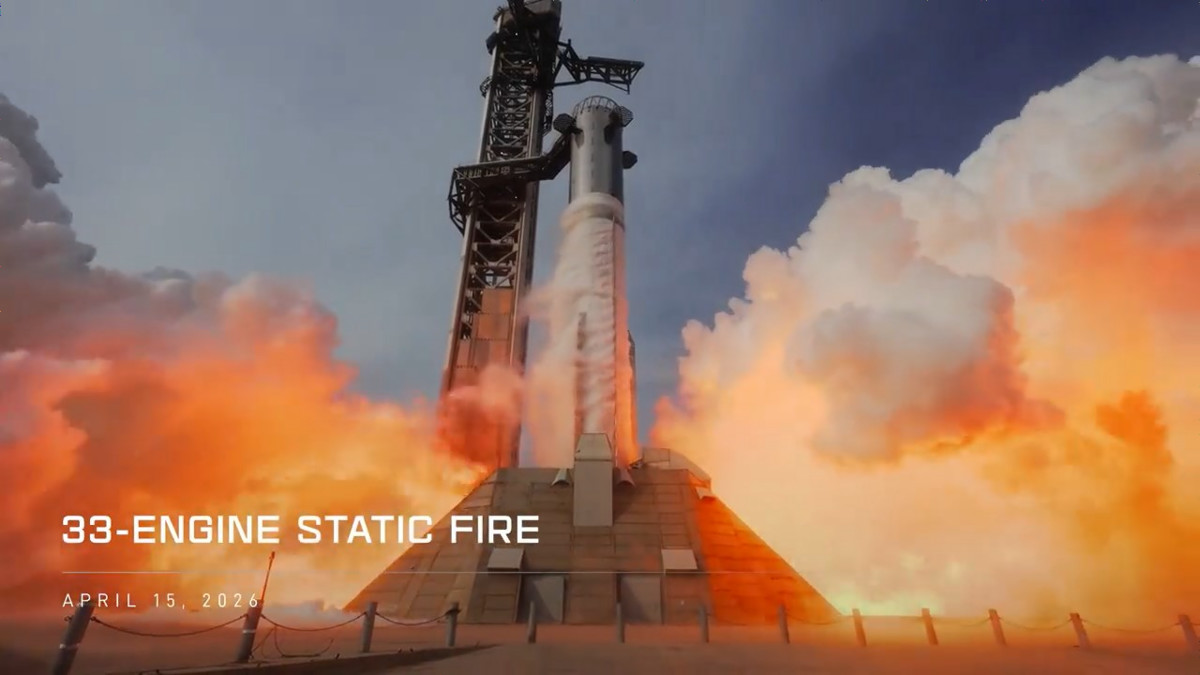
Jenna Lowe, director of the Starship operations team, is pleased that all engines were able to run at full capacity during the fourth static combustion test.

However, Peden says there are still many unknown factors that could happen during the launch, and they cannot let their guard down.

The Starship launch pad has been improved over time and is now considerably easier to assemble than the original.
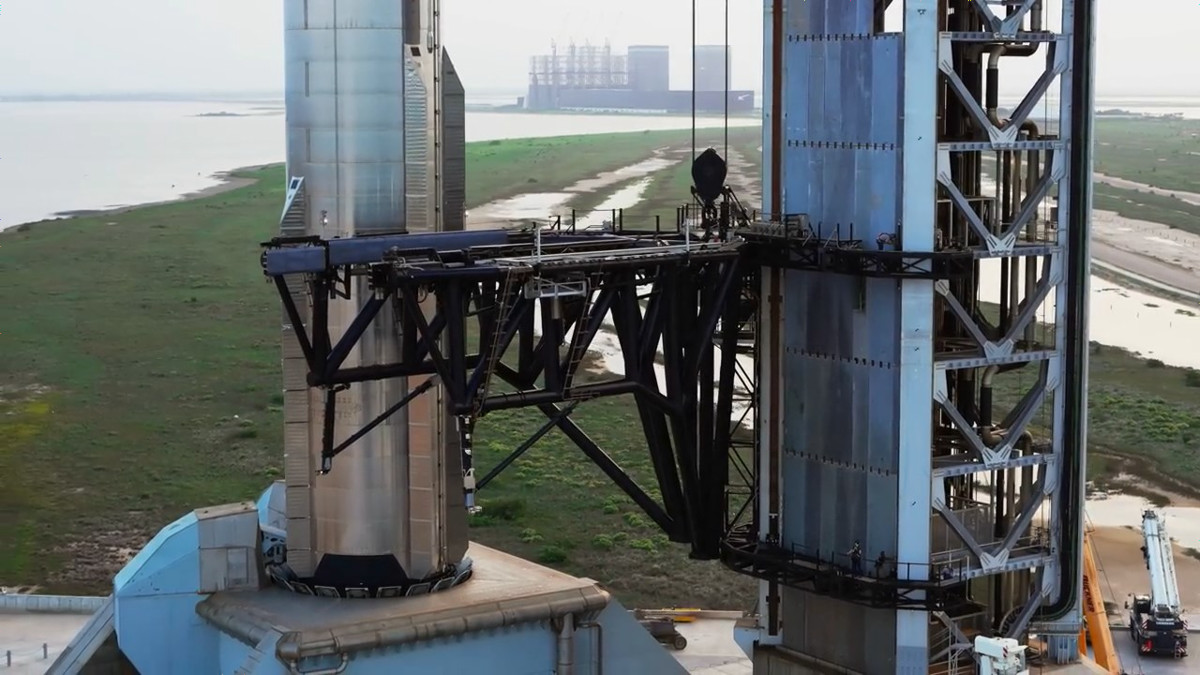
A problem occurred after the test, so the support team will investigate the cause.
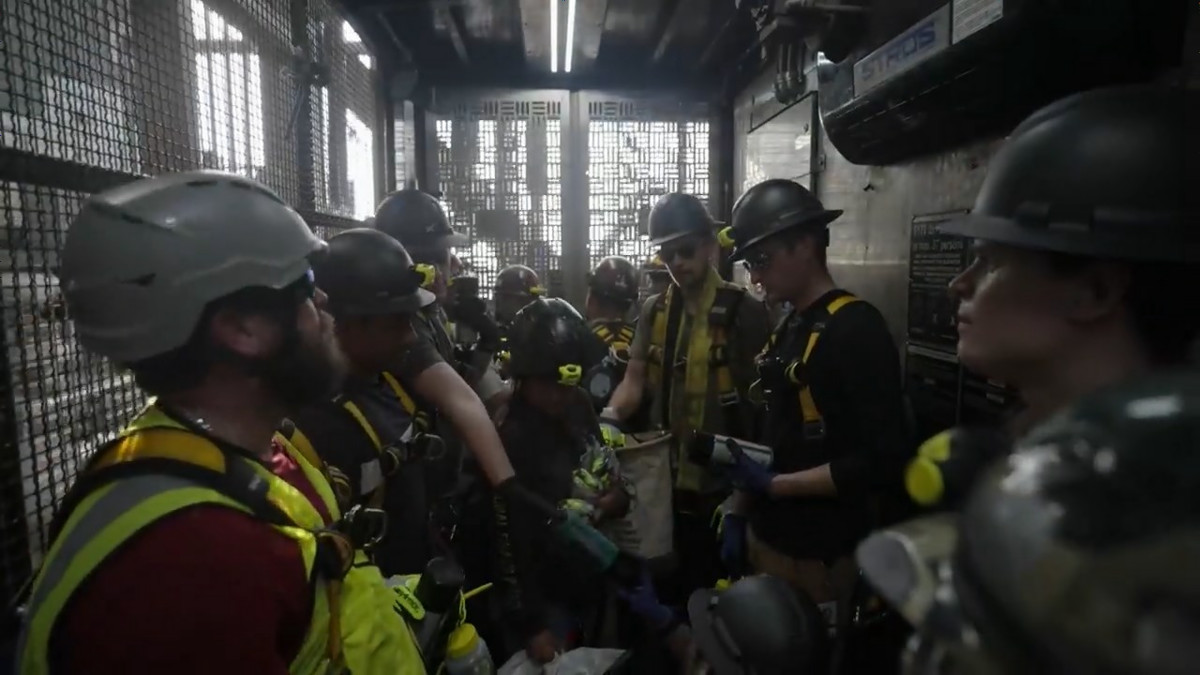
Upon investigating the problem area, it was discovered that the launch pad chain was malfunctioning. The faulty chain has a mechanism similar to that of a bicycle chain, but it is enormous, weighing approximately 172 kg per chain.
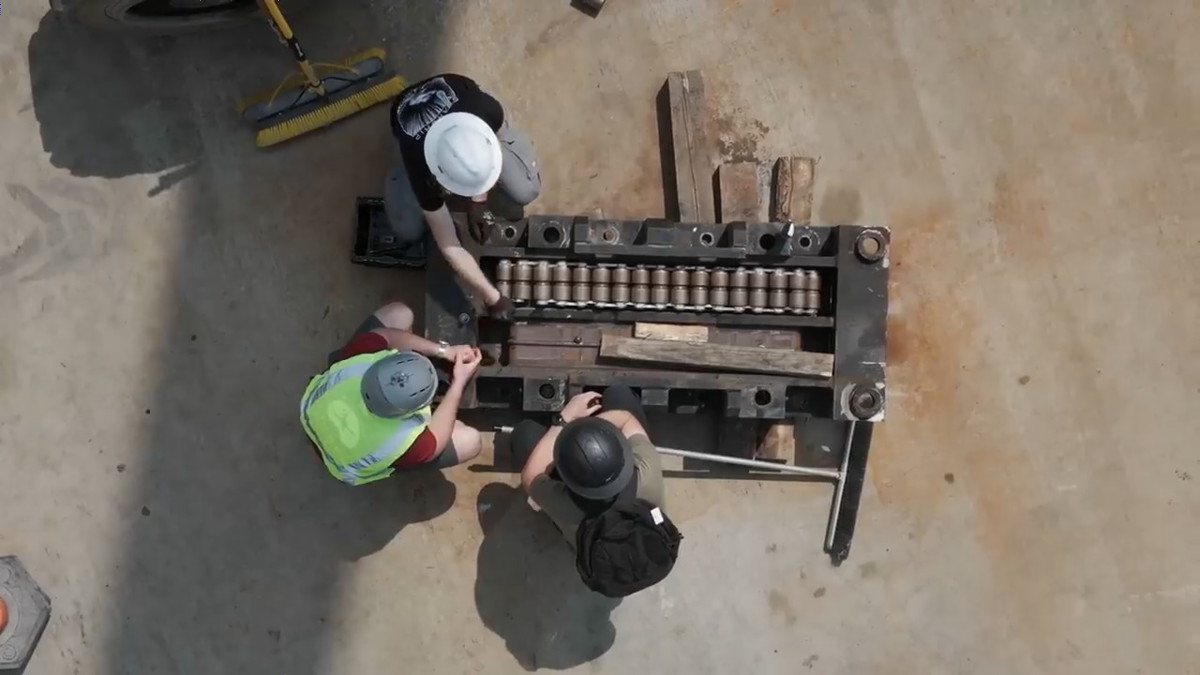
Fortunately, we had replacement parts available, so we were able to have them air-shipped and replace the part the very next day.
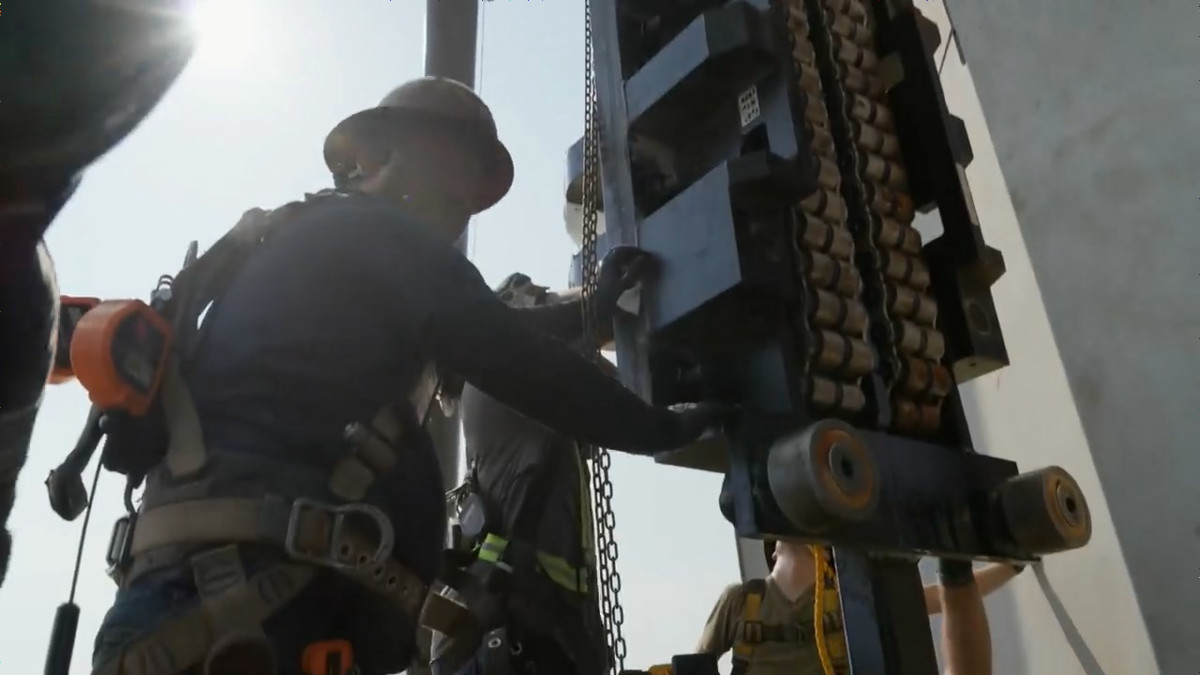
It reportedly took about 30 to 36 hours from the time the problem was discovered until it was resolved.
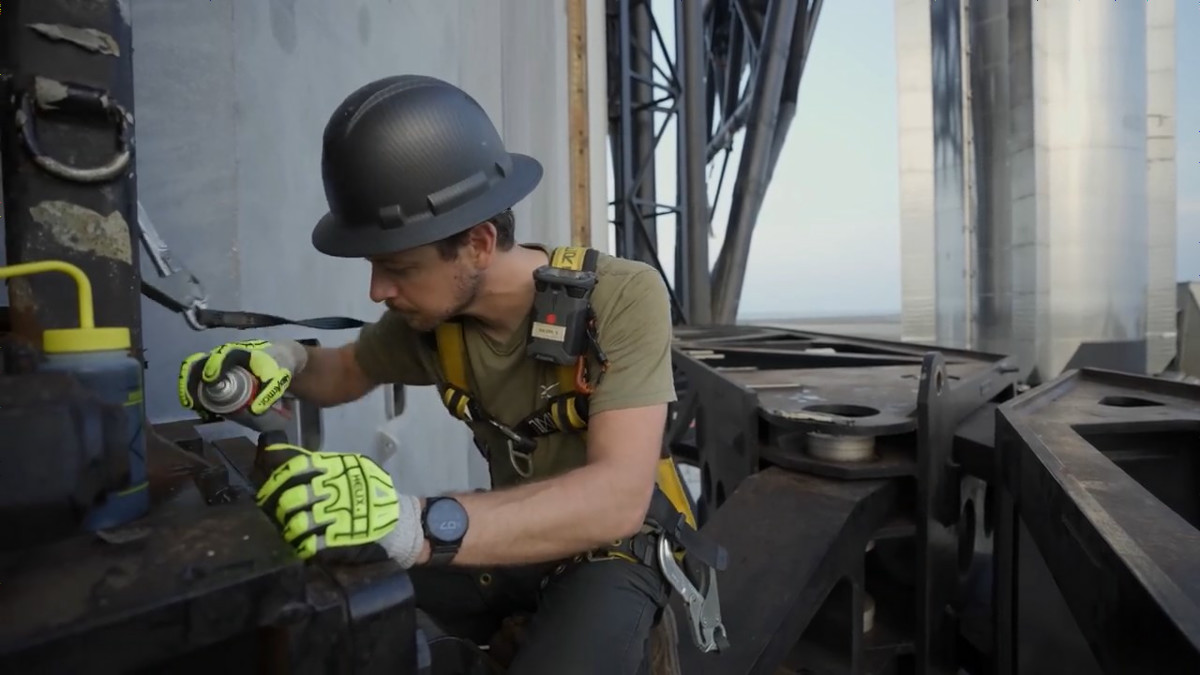
Four days before launch, in the Indian Ocean, the landing site for Starship, a recovery team is preparing to collect data from the Starship after it splashes down.
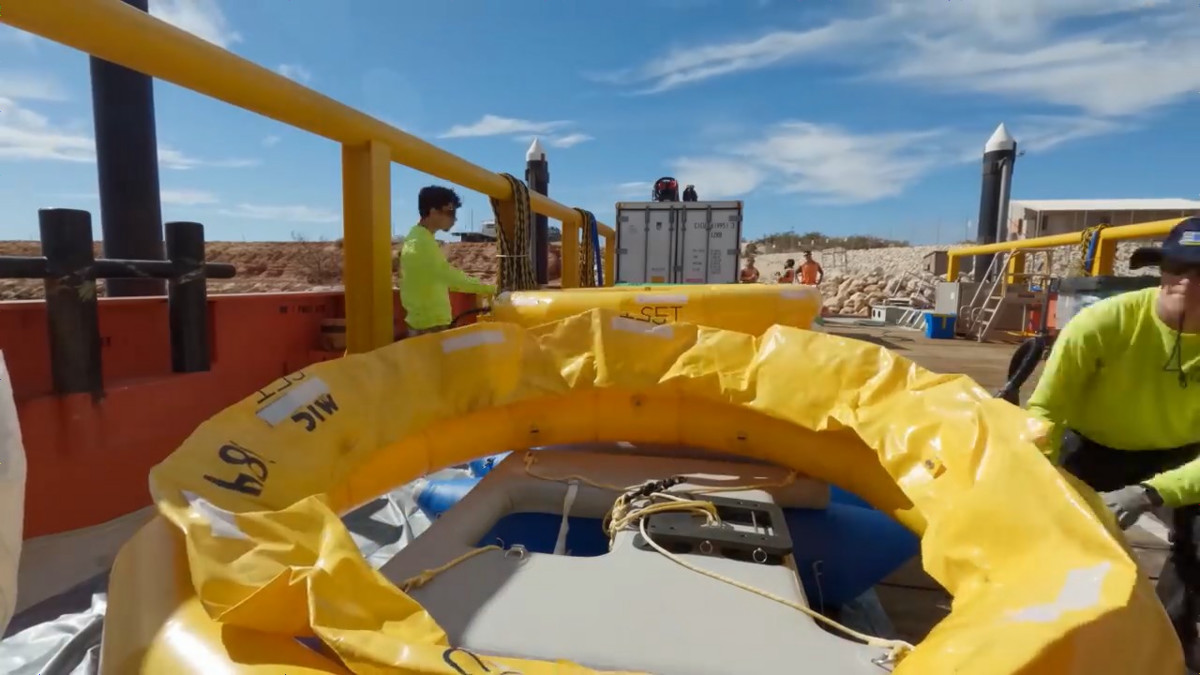
Recovery engineer Suren Sanai stated that the main objective of the mission is to capture high-resolution images of the Starship's heat shield after re-entry.
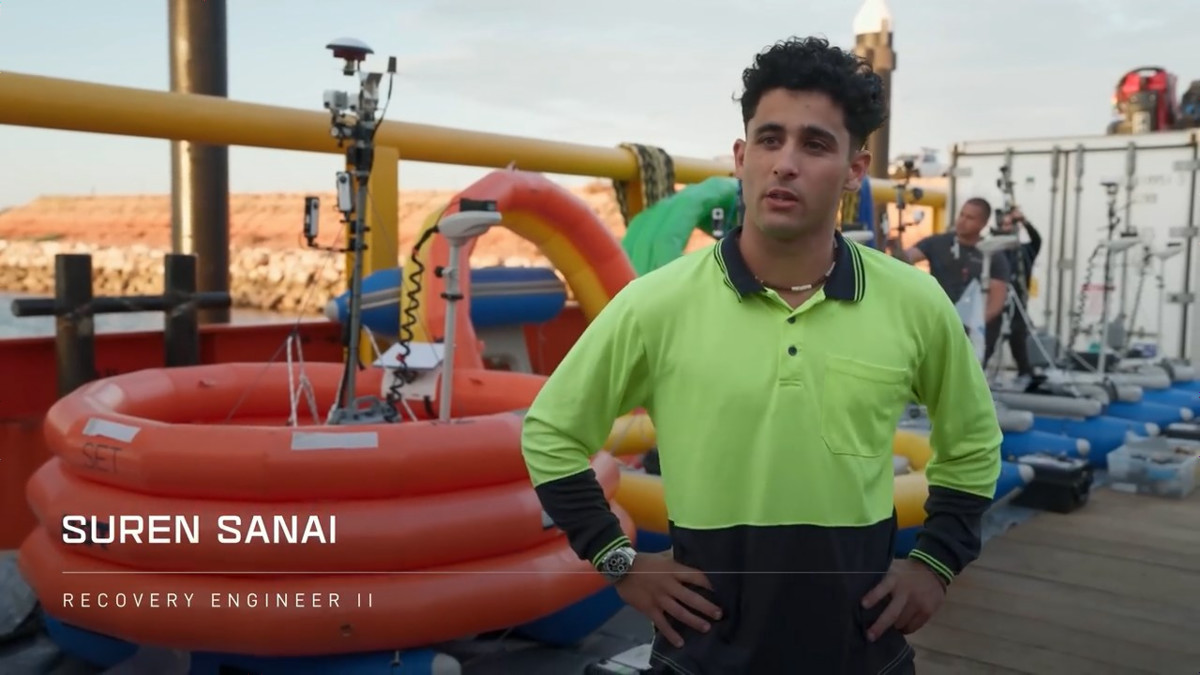
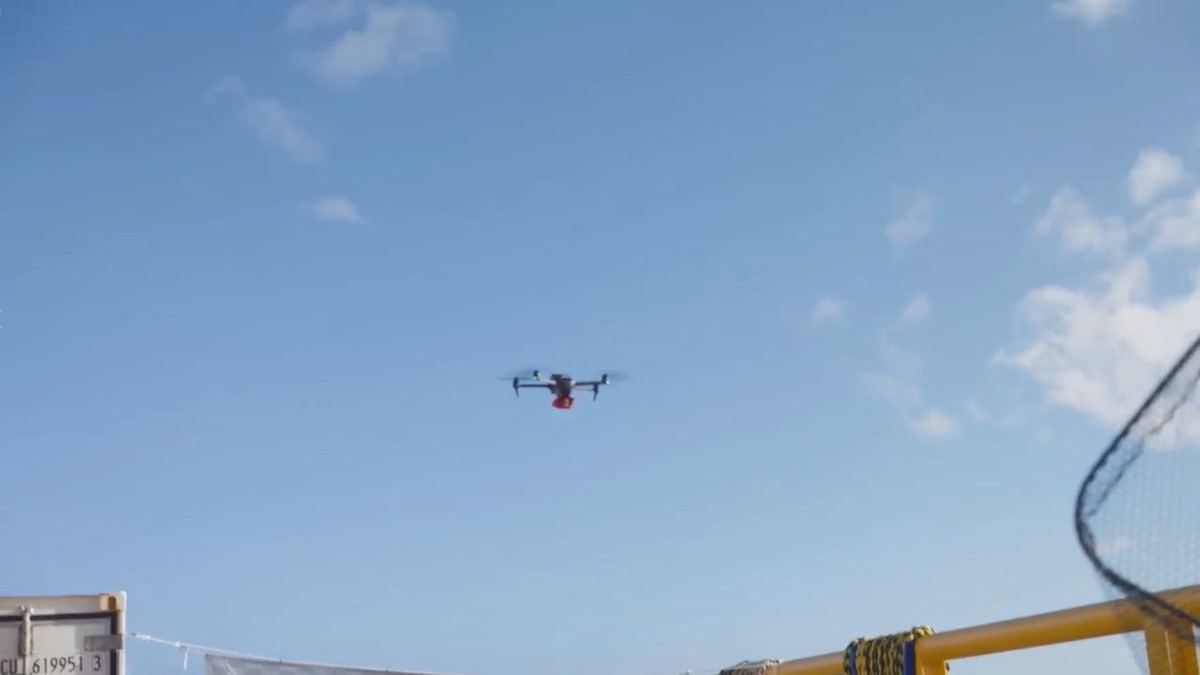
In addition to deploying buoys on the ocean to collect data, they will also be flying far more drones than in previous missions.
The buoy had been used for filming in previous missions and has been put into operation after repeated repairs.
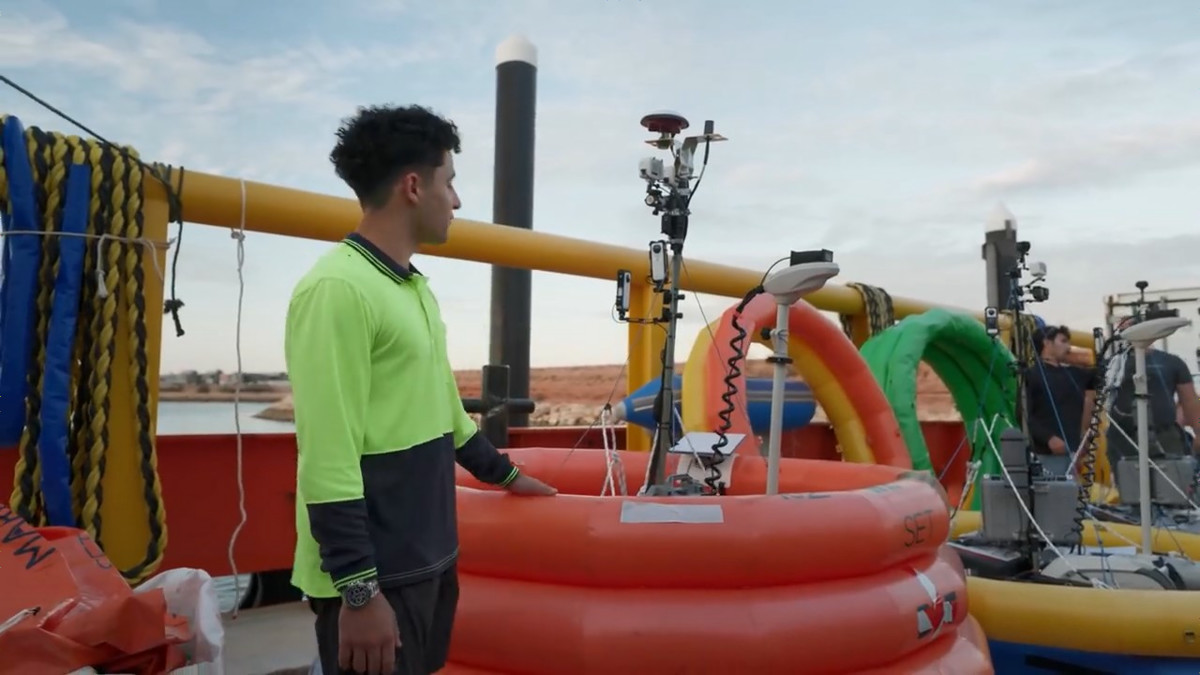
It's possible to photograph the Starship landing on the water from a distance that humans cannot approach.
Three days before launch, the parts necessary for the Starship launch are brought to the launch pad one after another.
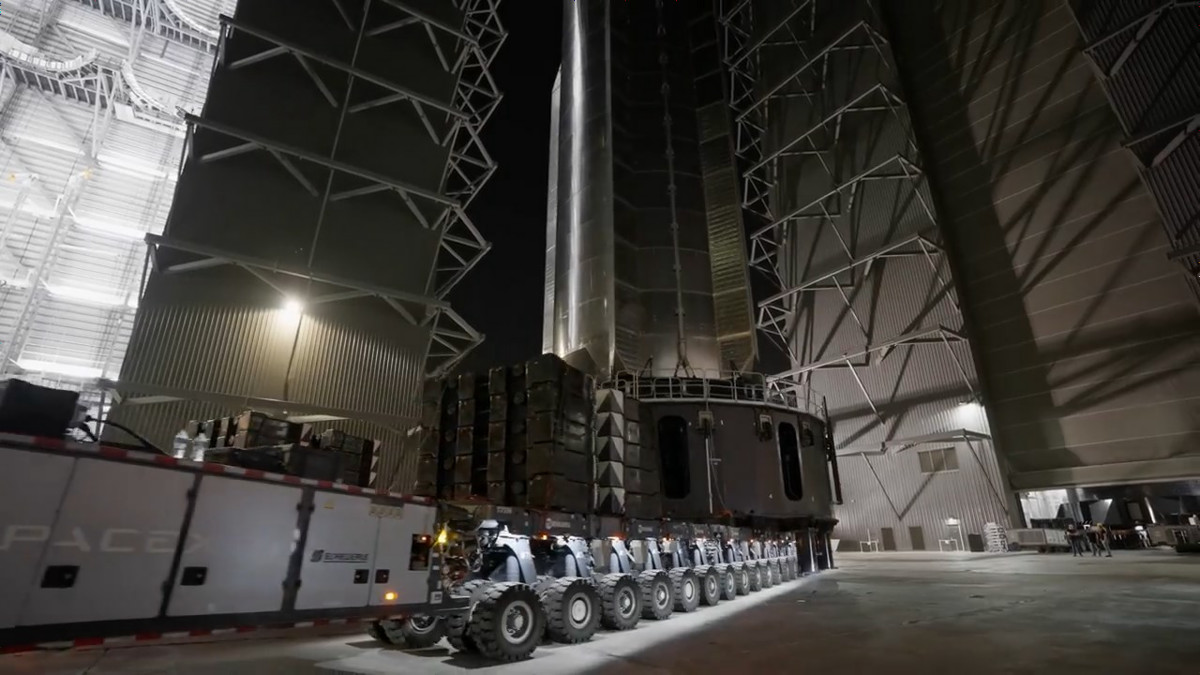
Here too, a specialized team for transporting extremely heavy items works together to deliver what is needed.
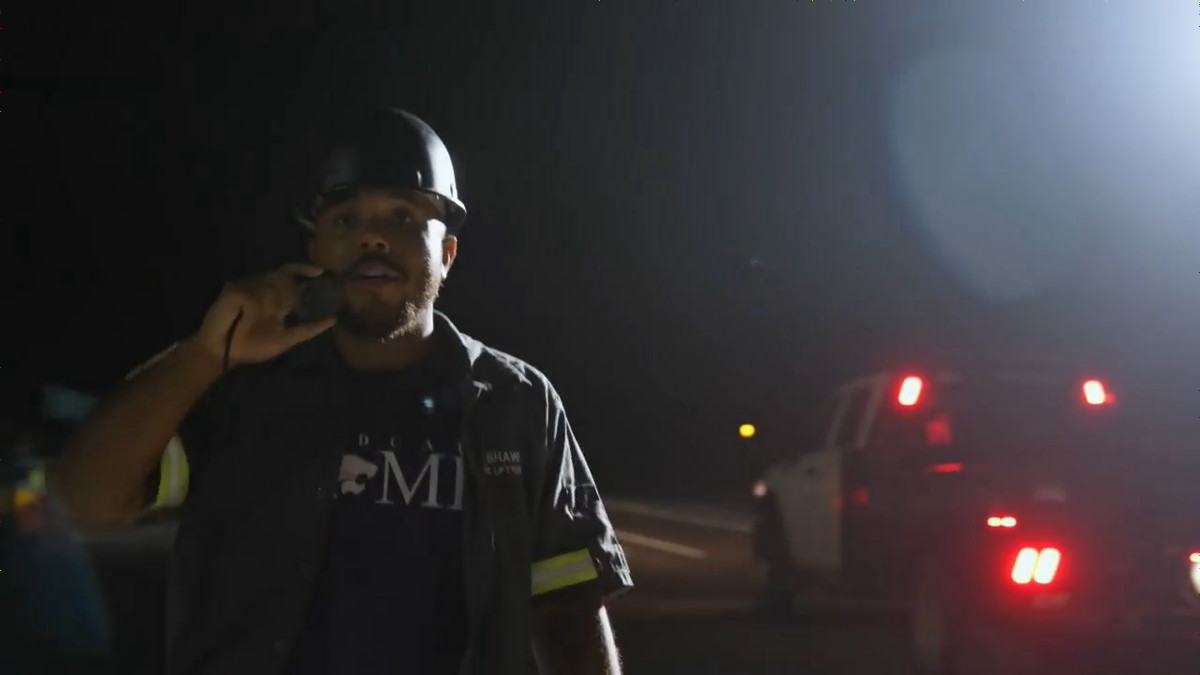
Meanwhile, the loading of the Starship V3's payload was also underway.

Starship V3 was scheduled to release 22 dummy satellites, so these need to be carried on board.
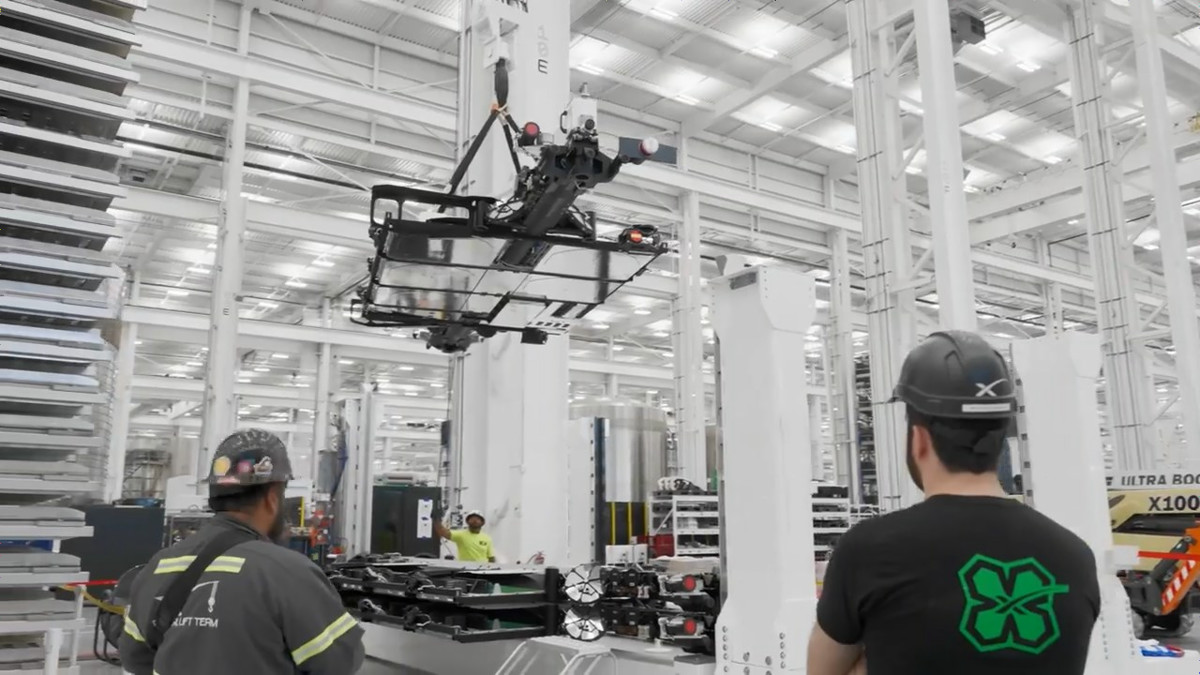
The total weight reaches approximately 37.5 tons, making it heavier than any payload SpaceX has ever launched.
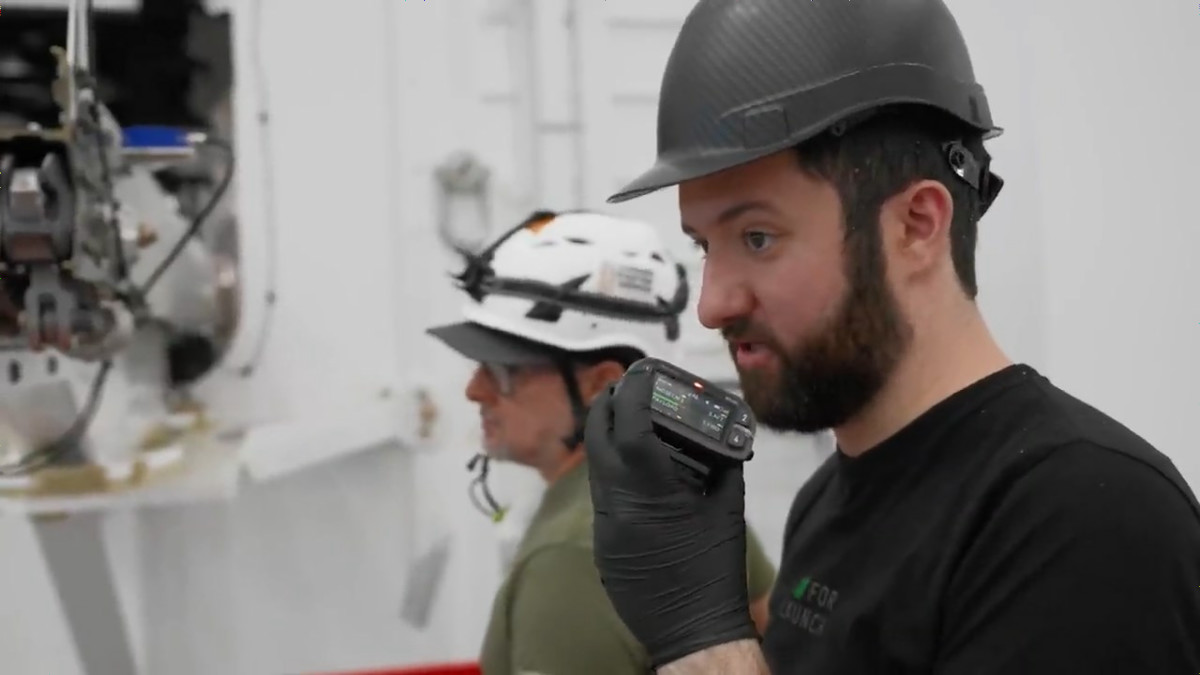
Two days before launch, the gigantic Starship is being transported to the launch pad.
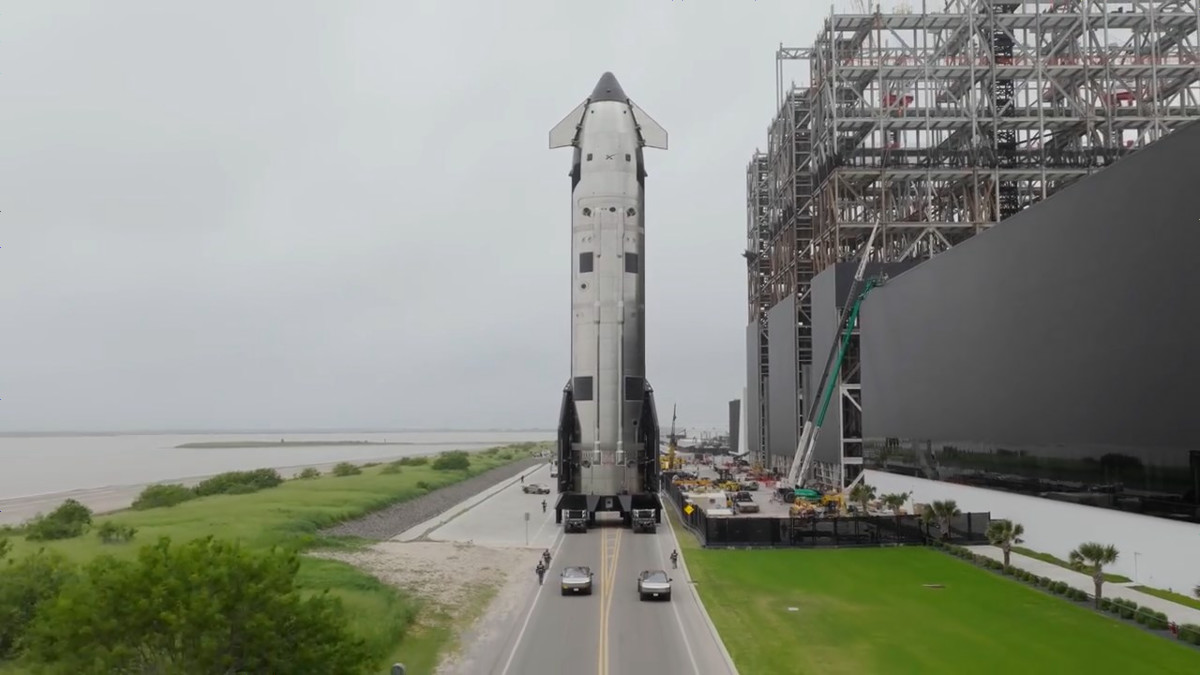
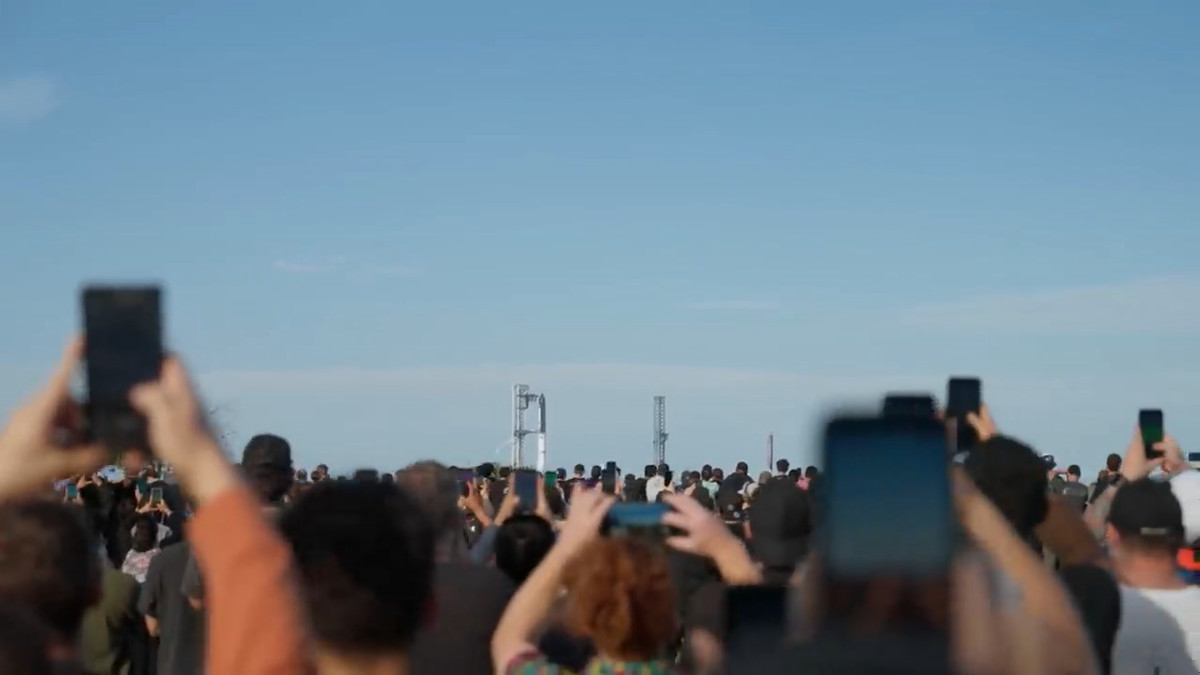
Spectators had already begun to gather.
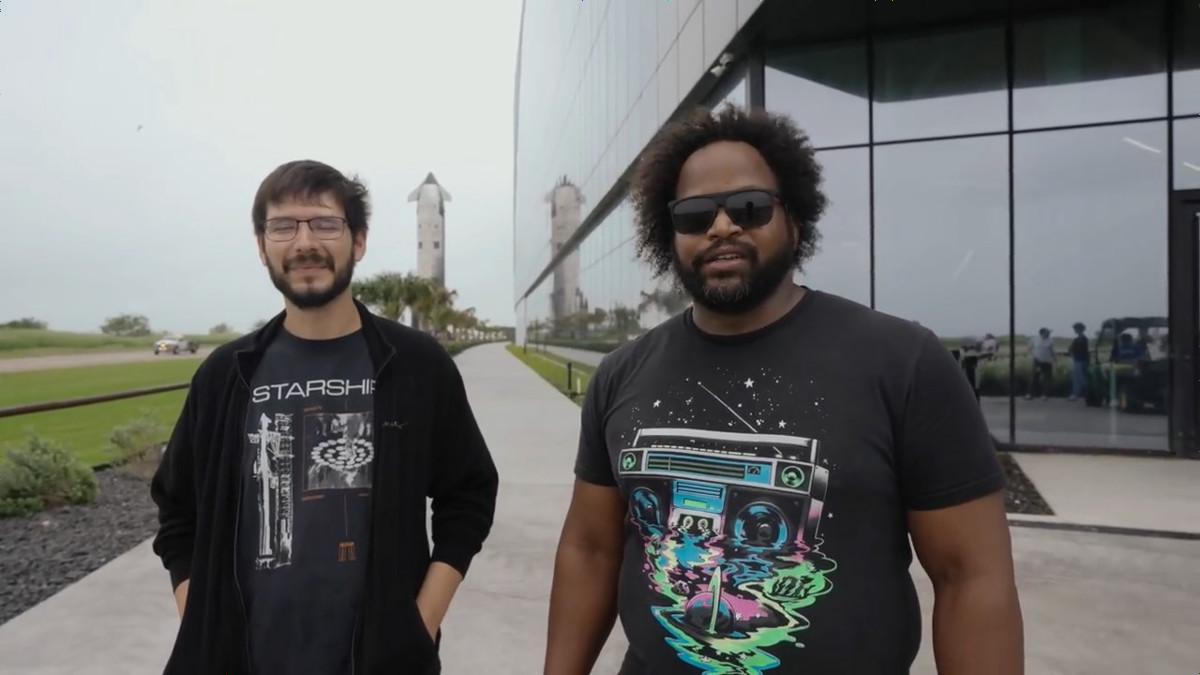
Despite facing difficulties, preparations for launch are steadily progressing.
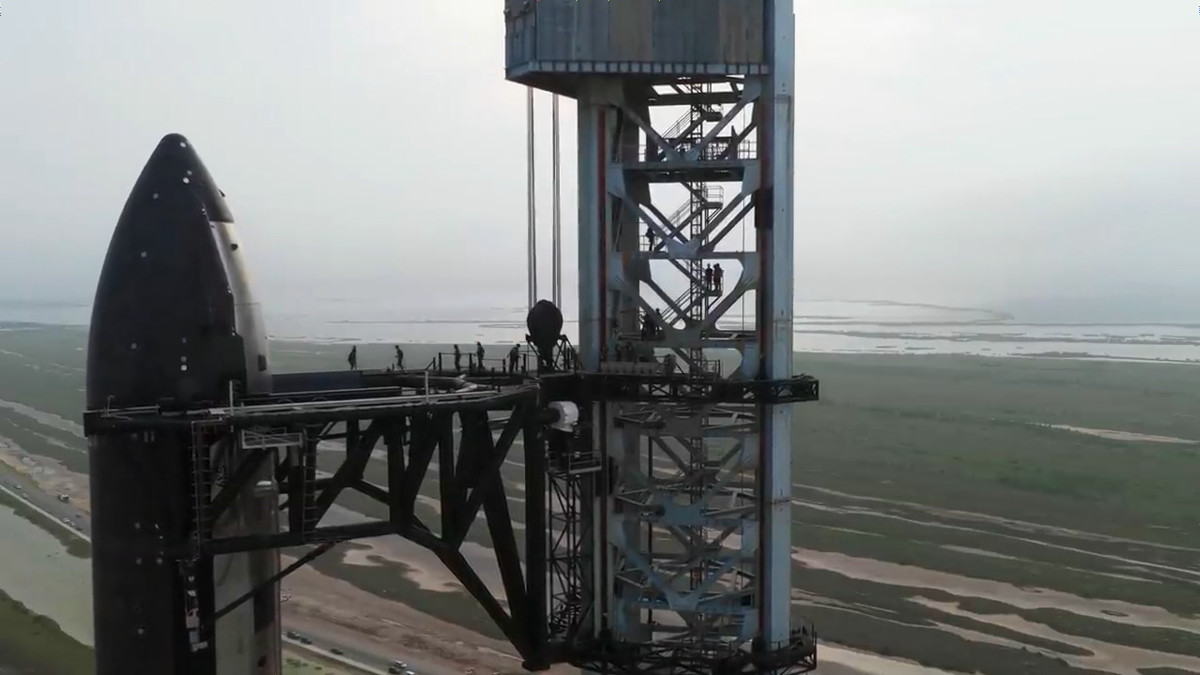
And then came the day of the launch.

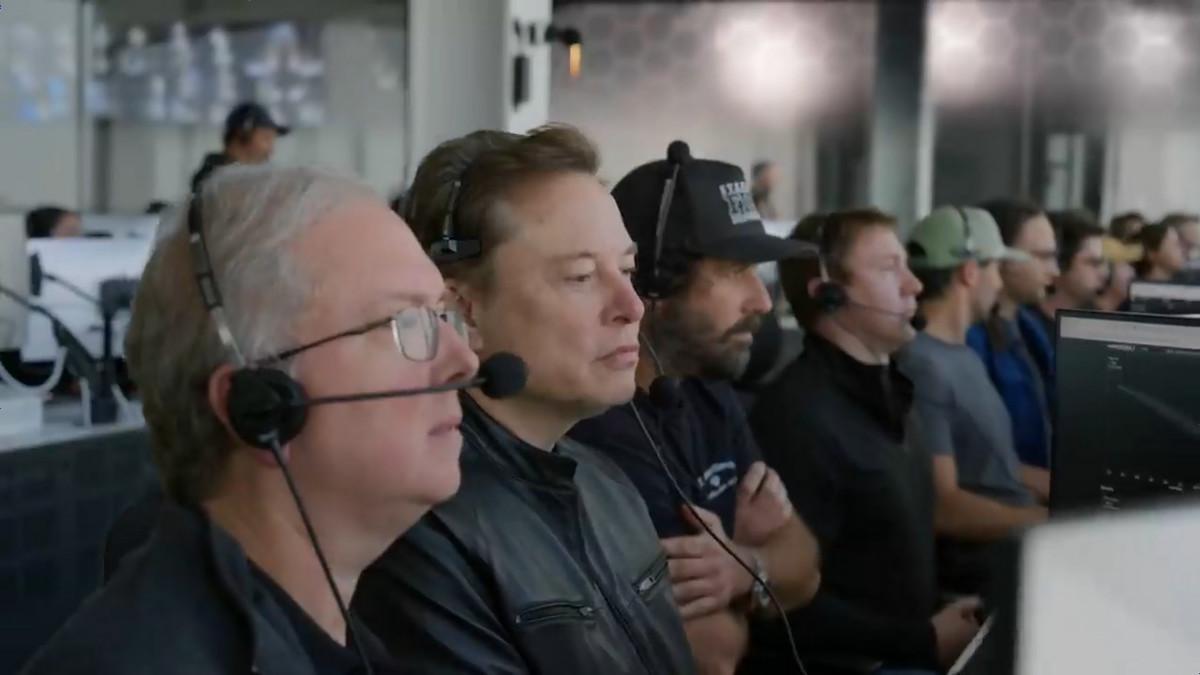
Musk can also be seen in the control room.
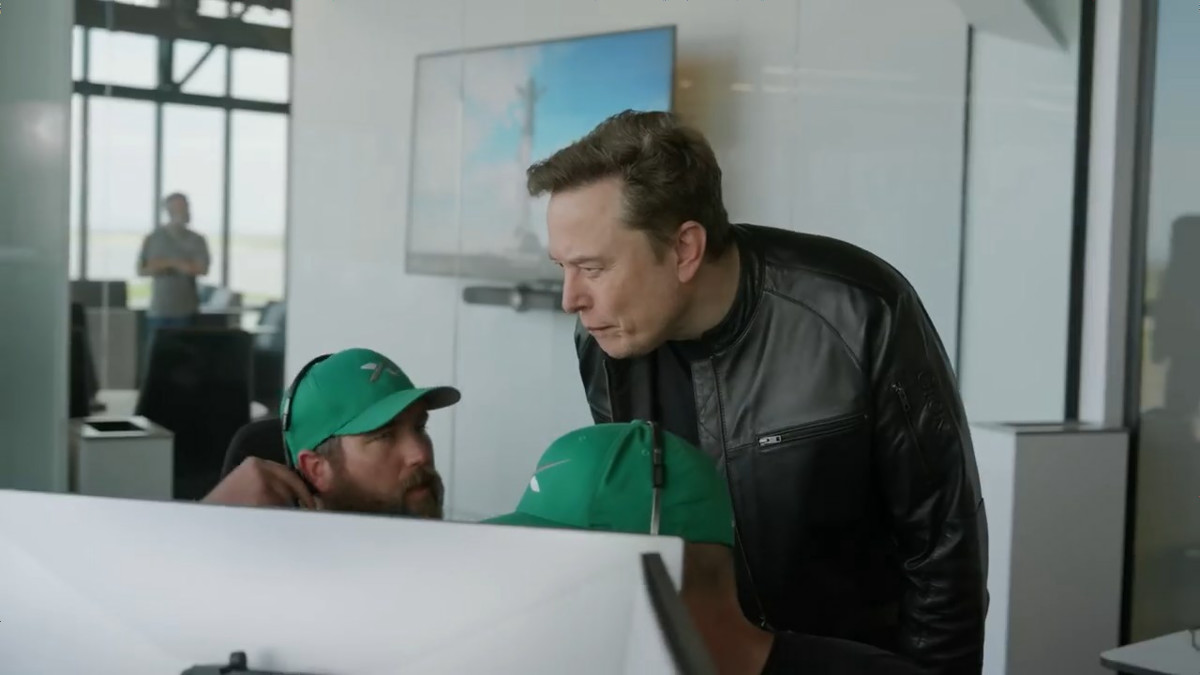
However, a problem arose just as the countdown was about to begin. The communications officer said, 'We still have time to try again,' and attempted to launch again, but the problem was not resolved.
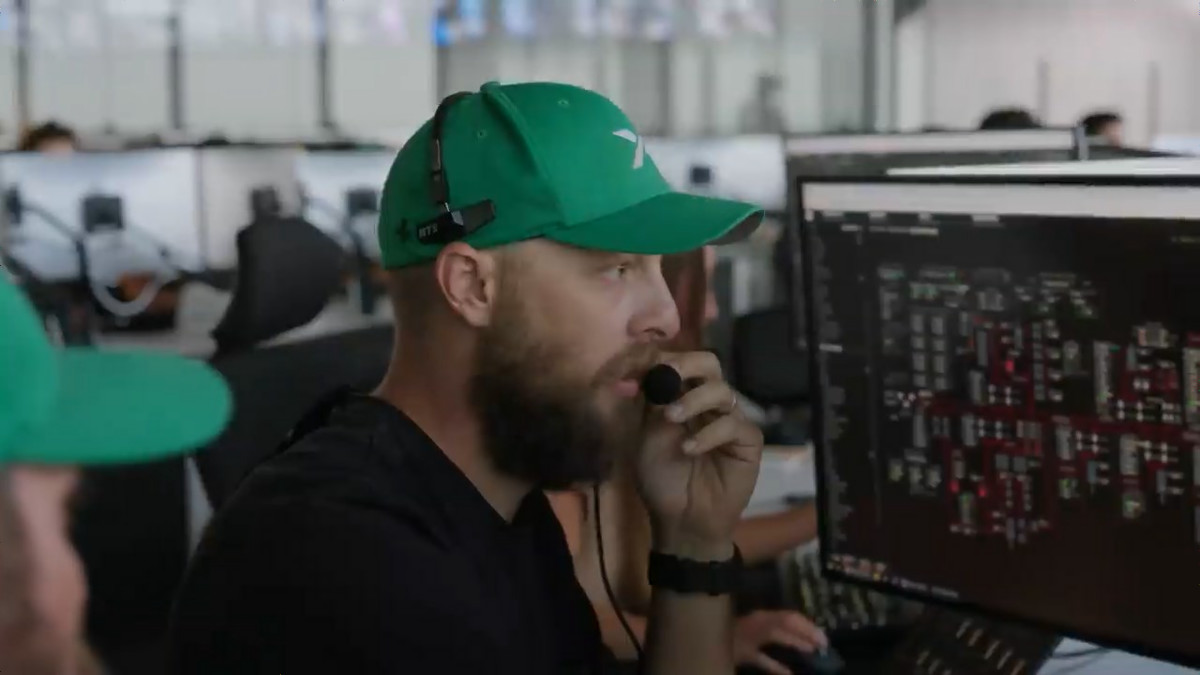
Unfortunately, the launch was canceled for that day.

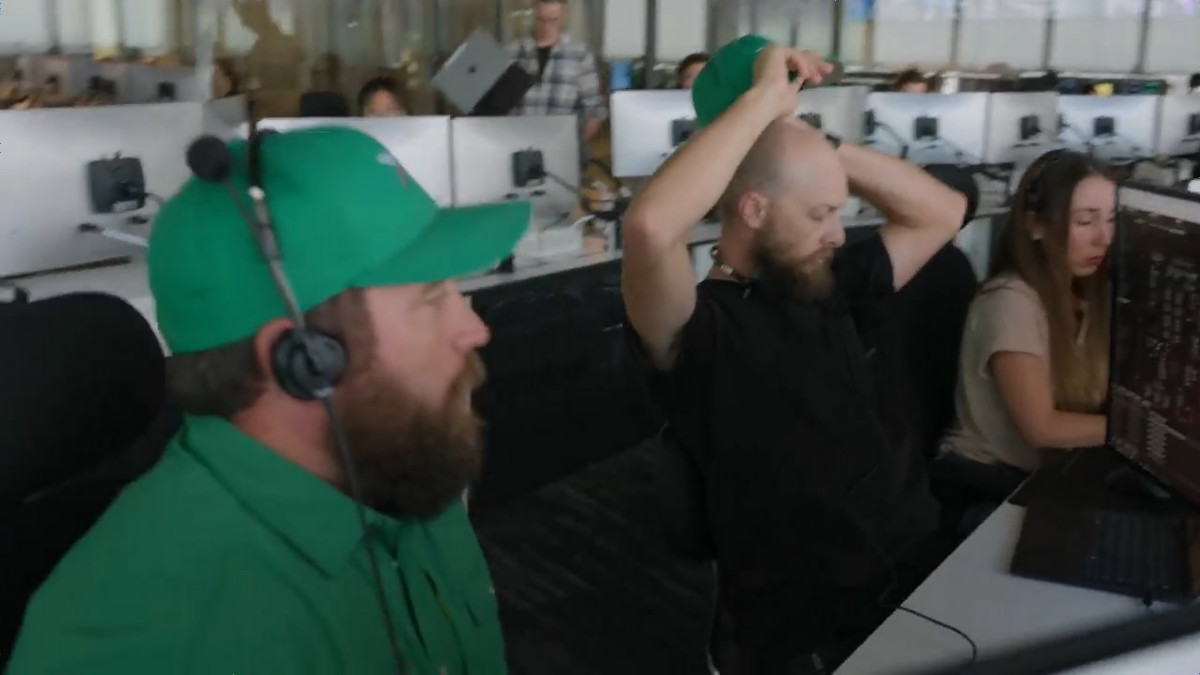
A heavy atmosphere hangs over the control room.
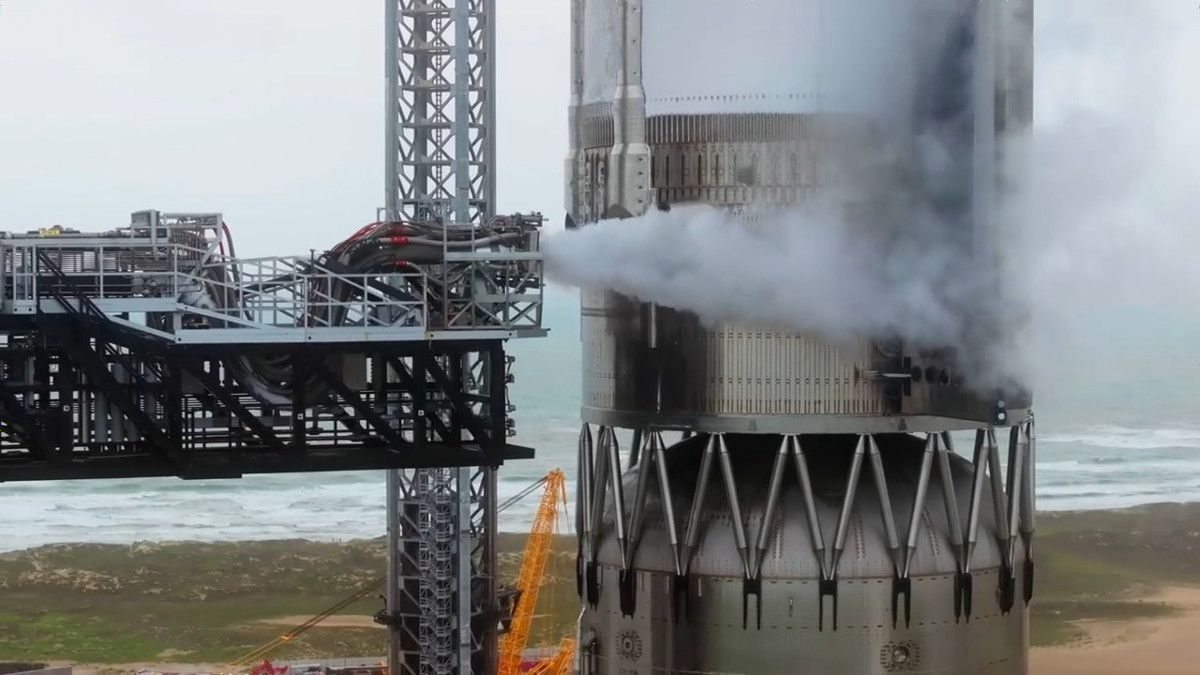
The problem that occurred this time was with a component called a 'QD (Quick Disconnector)' that connects the ground equipment to the rocket when injecting rocket fuel.
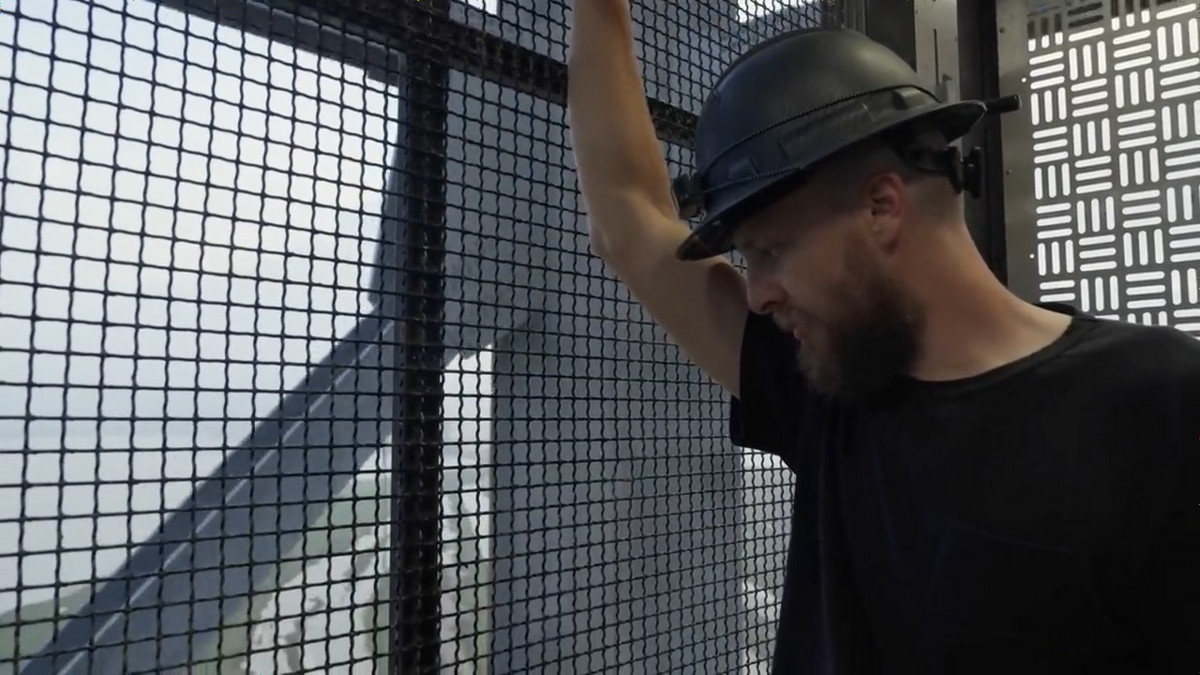
Apparently, when they tried to remove the QD (Quick Detachment) while the aircraft was close to flight, an unexpected vibration occurred, causing the hydraulic system to malfunction.
The launch was postponed to the following day, allowing for a rapid pace of repairs to address the problem.
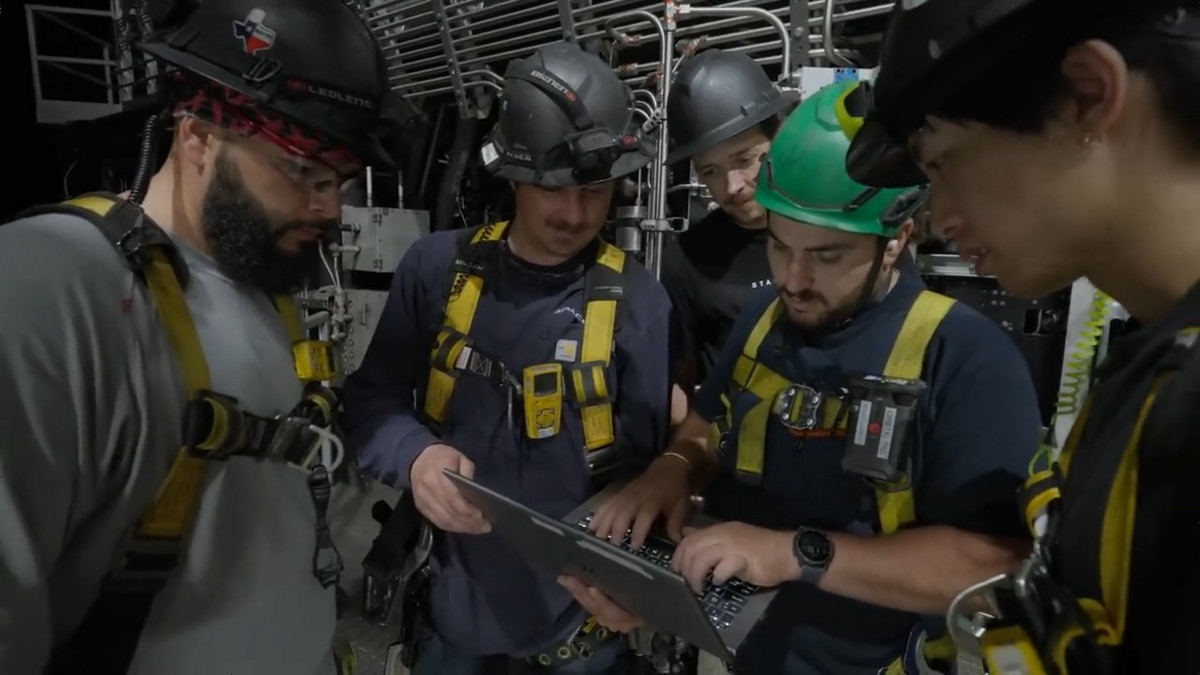
Due to the launch delay, the recovery team in the Indian Ocean will also have to wait another day.
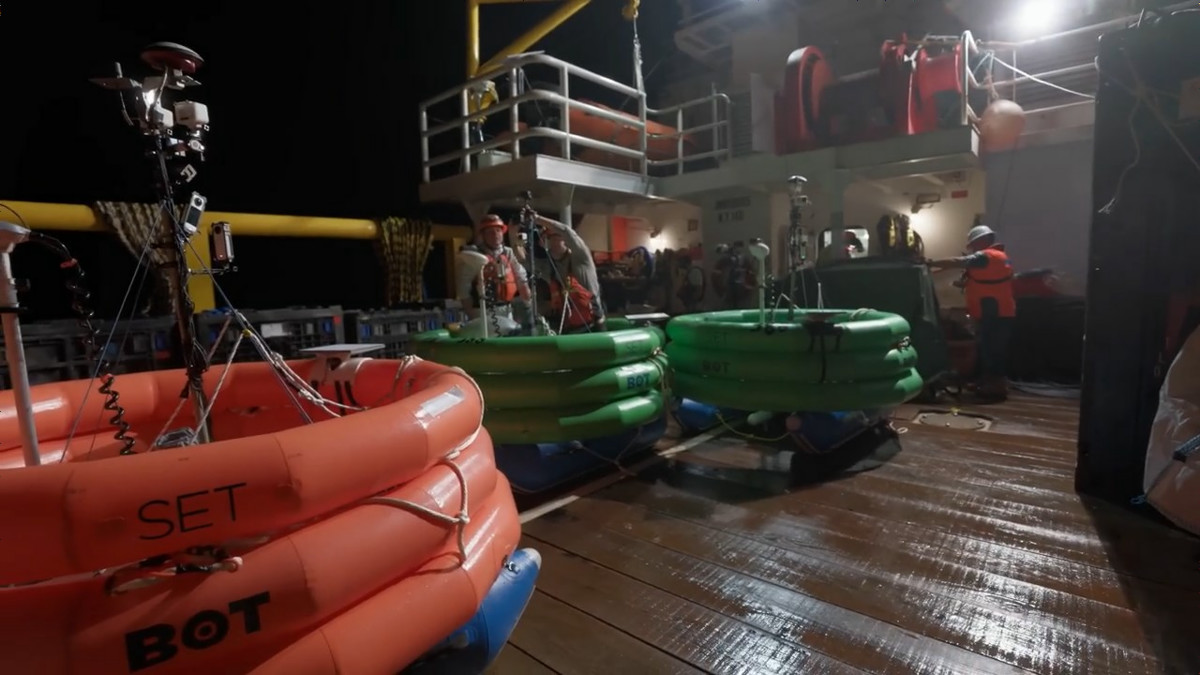
Despite the rough seas, the buoys were released after the final preparations were completed at 1 AM.
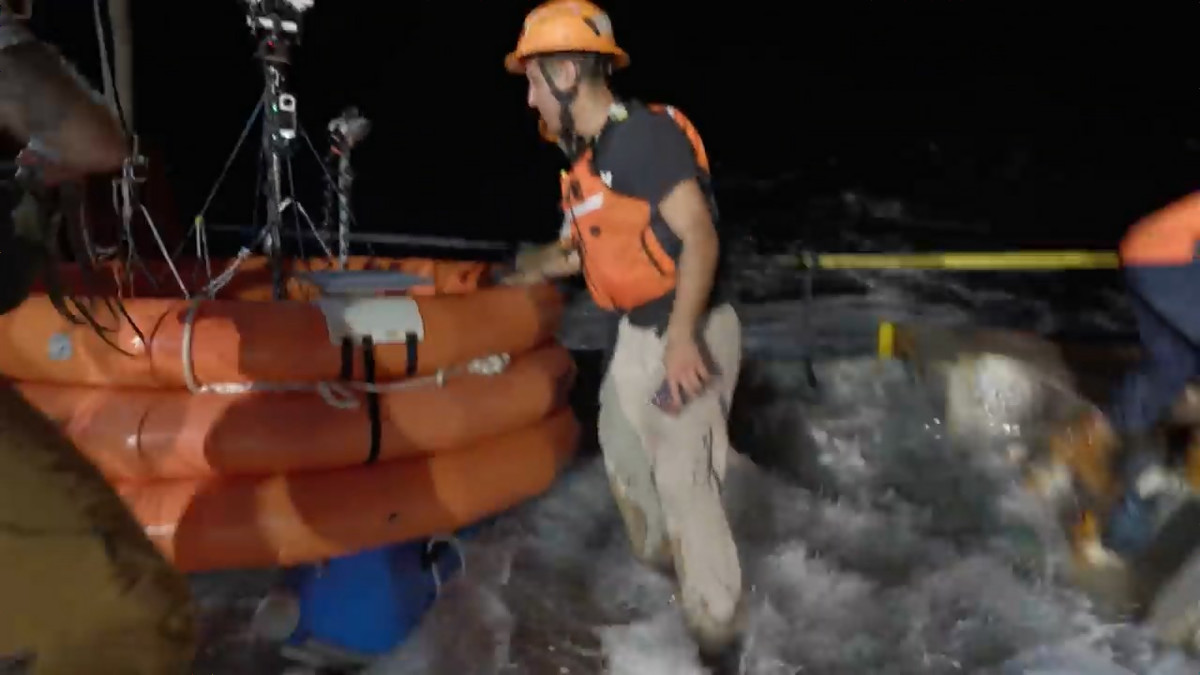
He gazes intently at the buoy drifting by.
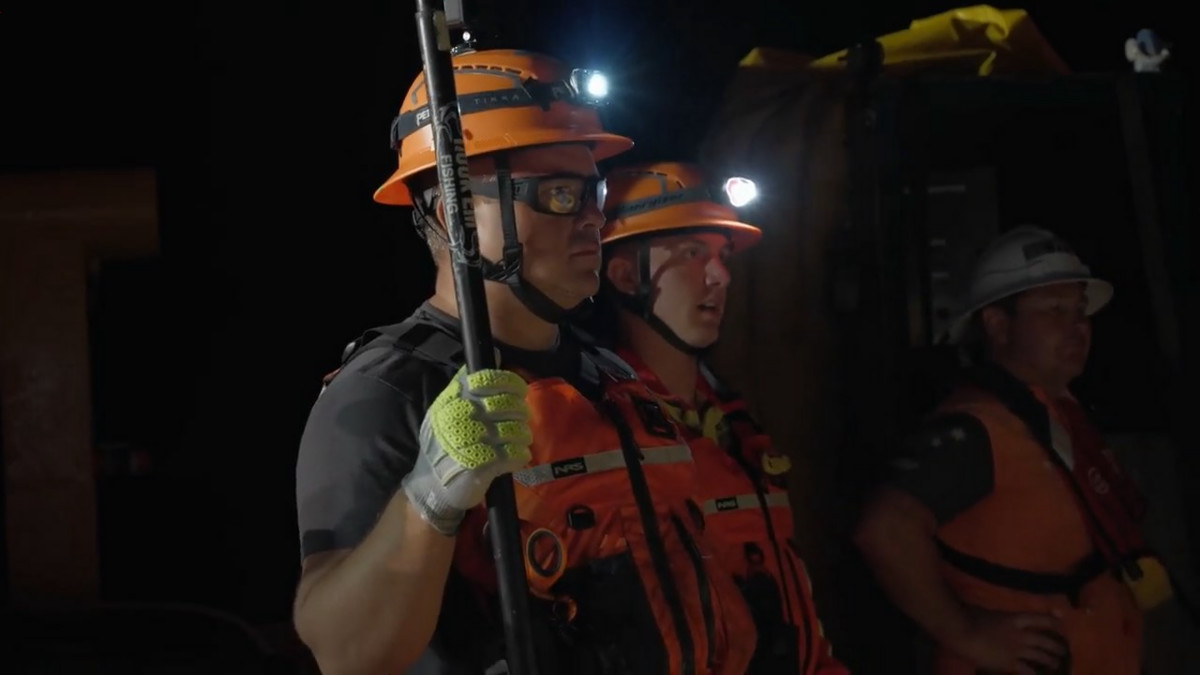
The next morning, the launch mission resumed. At this time, the problems that occurred the previous day and the countermeasures taken were also explained.
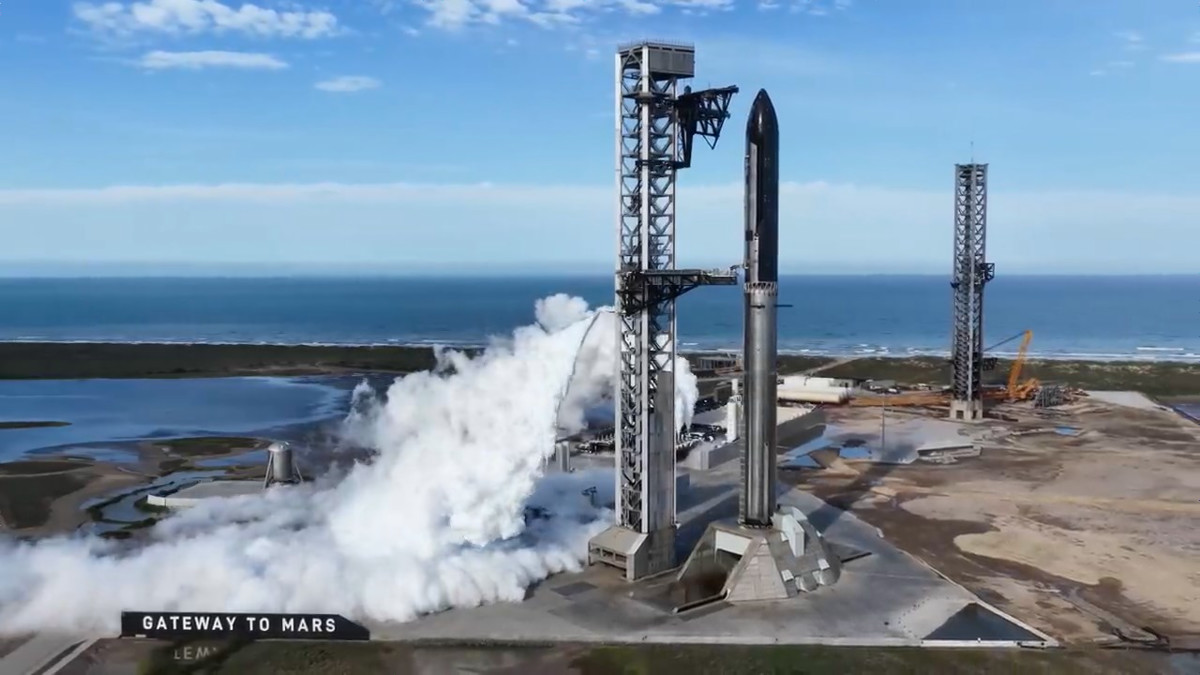
The countdown begins.
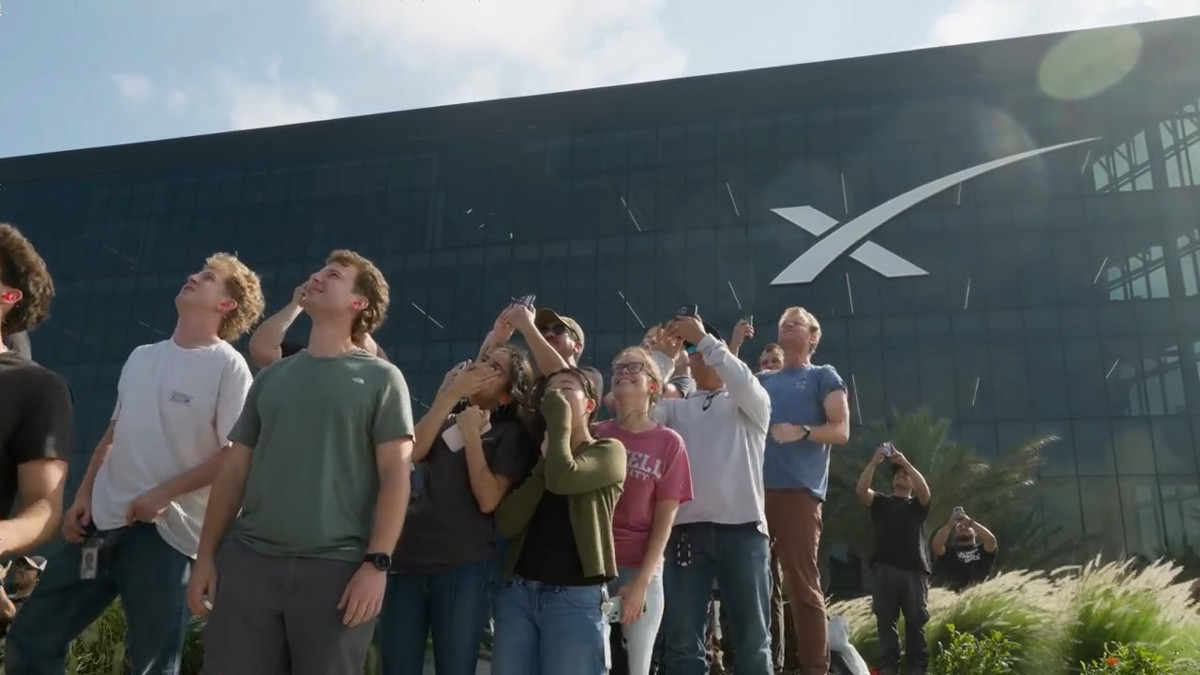
A large crowd of spectators is also watching the launch.
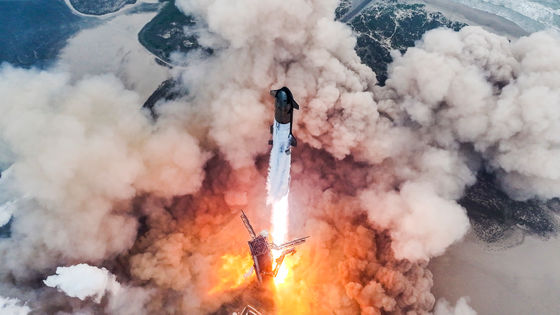
The Starship's engines ignite.
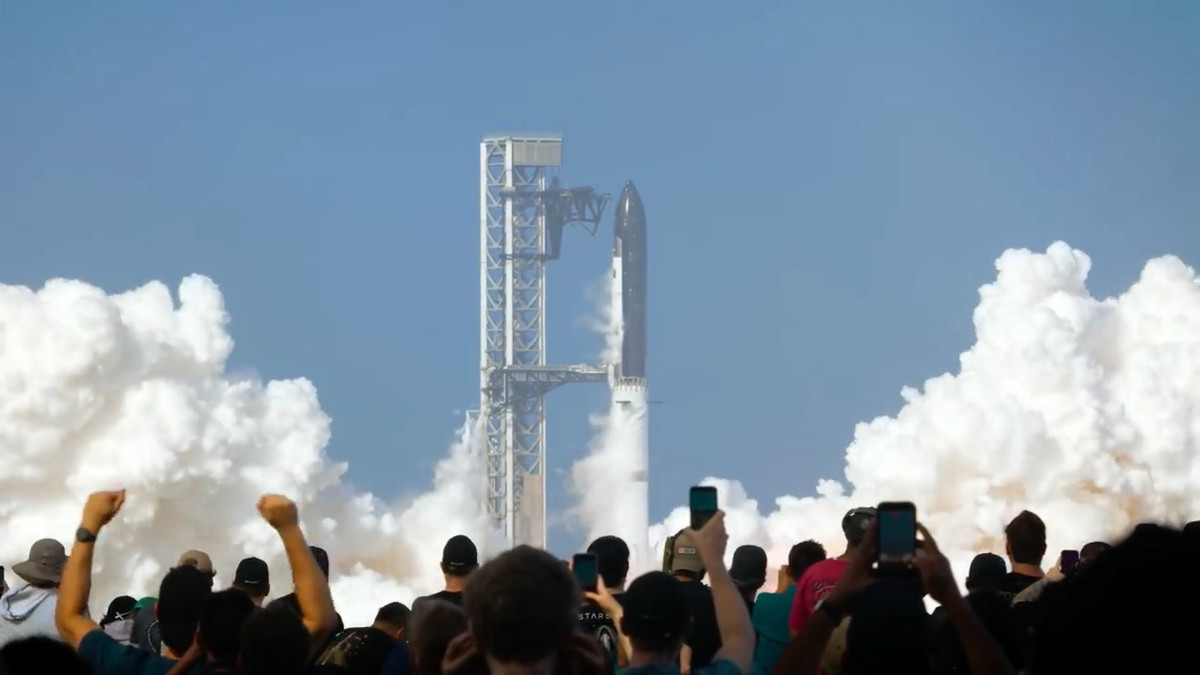
It was launched successfully.
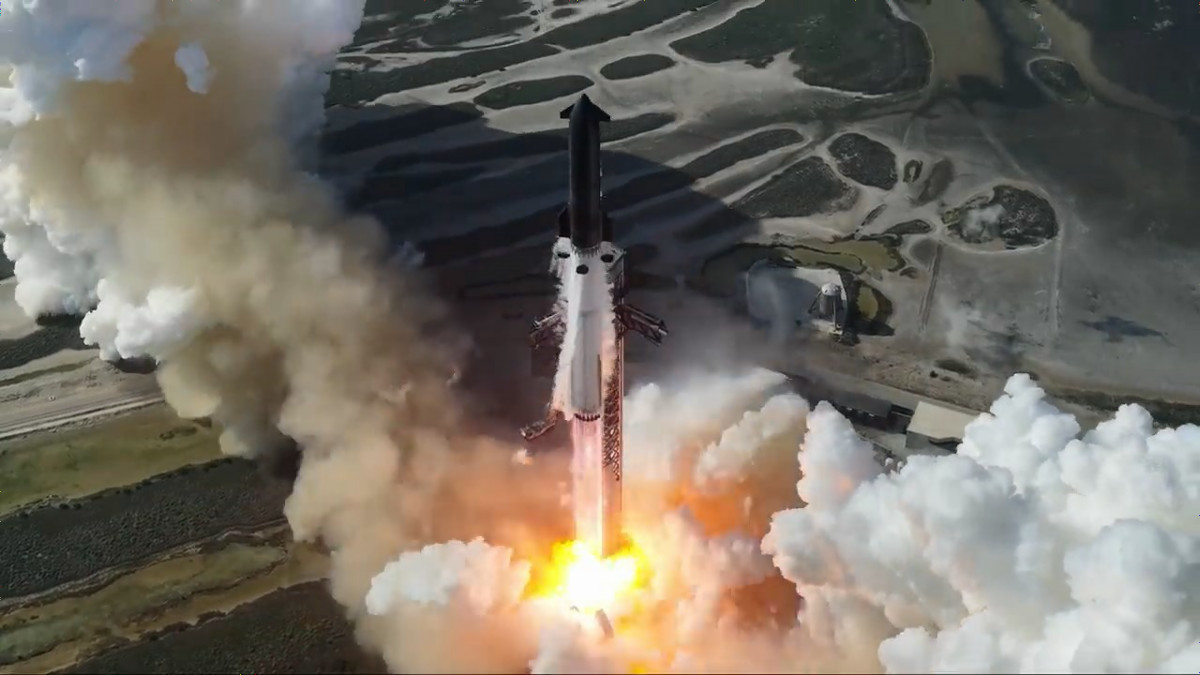
Cheers erupt from the spectators.
Although there were some issues, such as the booster not completing its combustion properly and failing to reach the target location, and one of the engines not functioning correctly, the dummy satellite was successfully deployed.
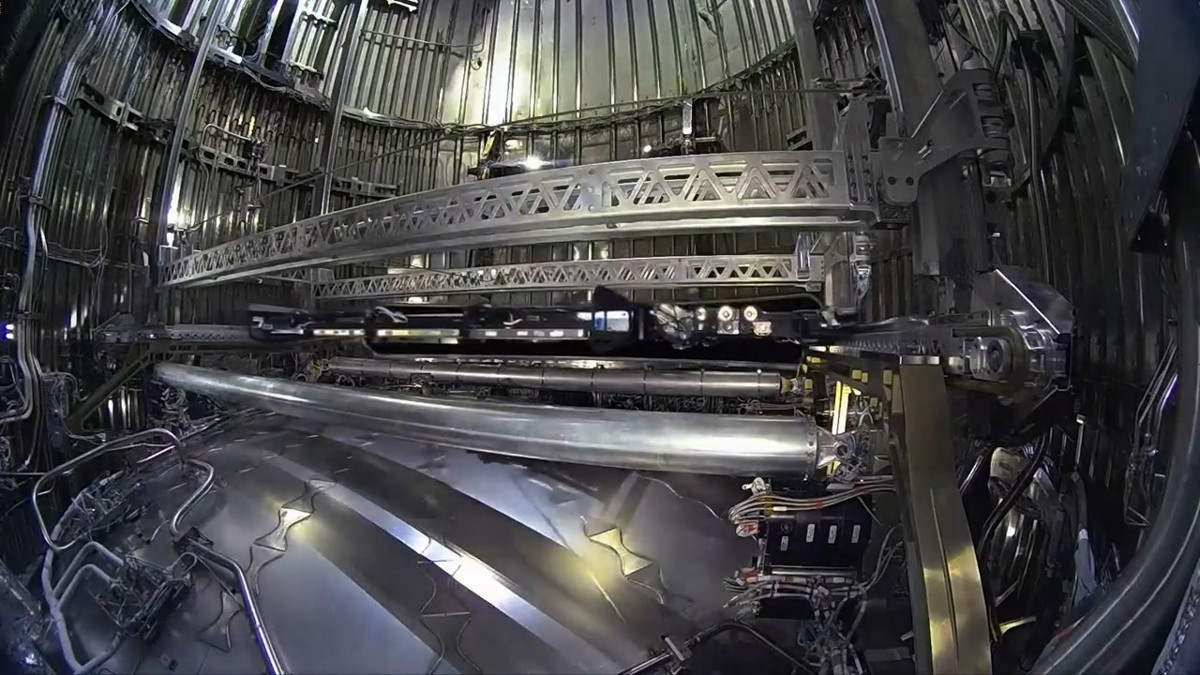
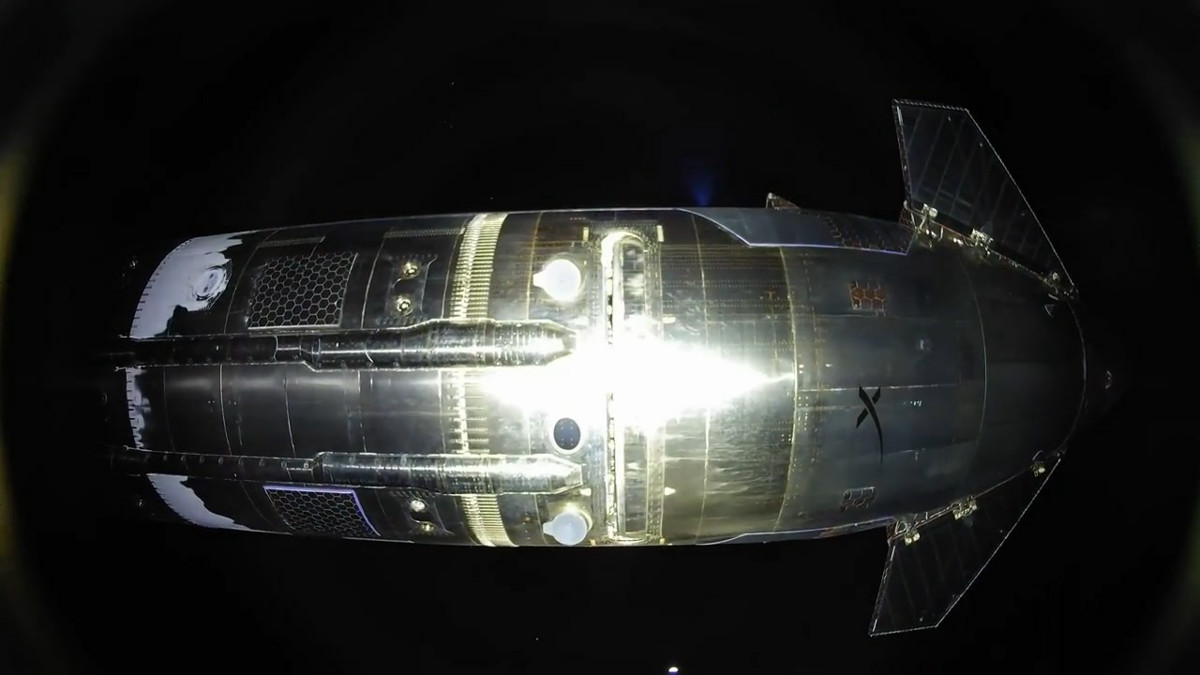
A camera mounted on a dummy satellite captured an image of Starship.
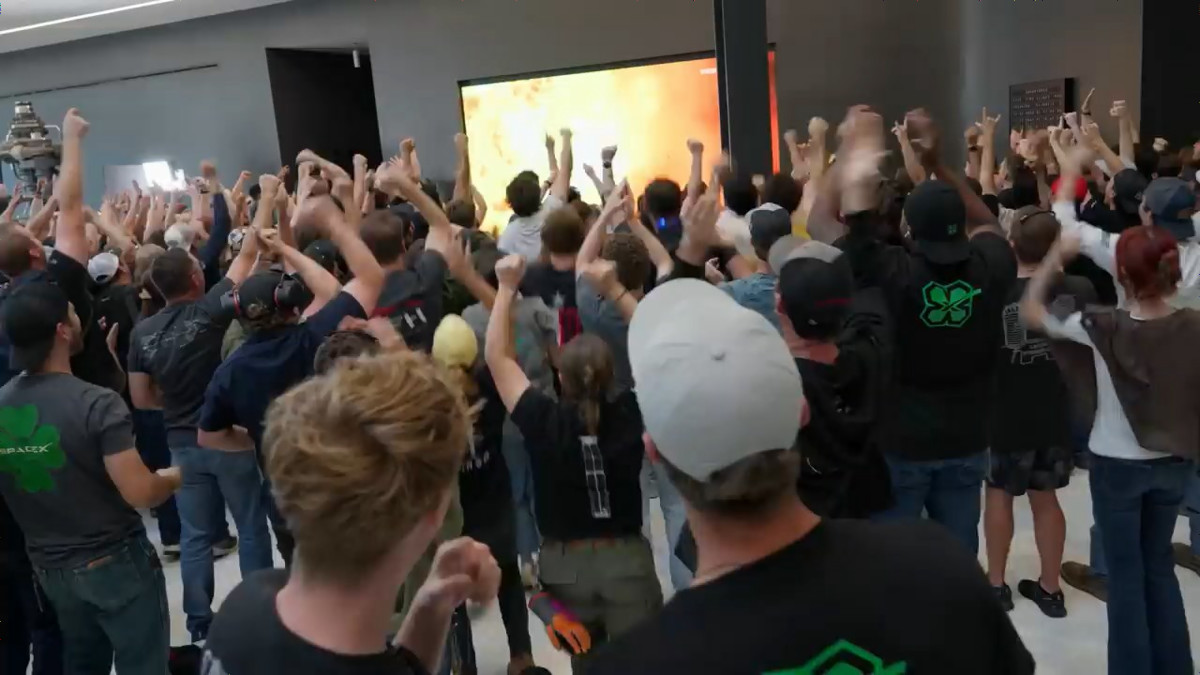
SpaceX employees are also overjoyed by this news.

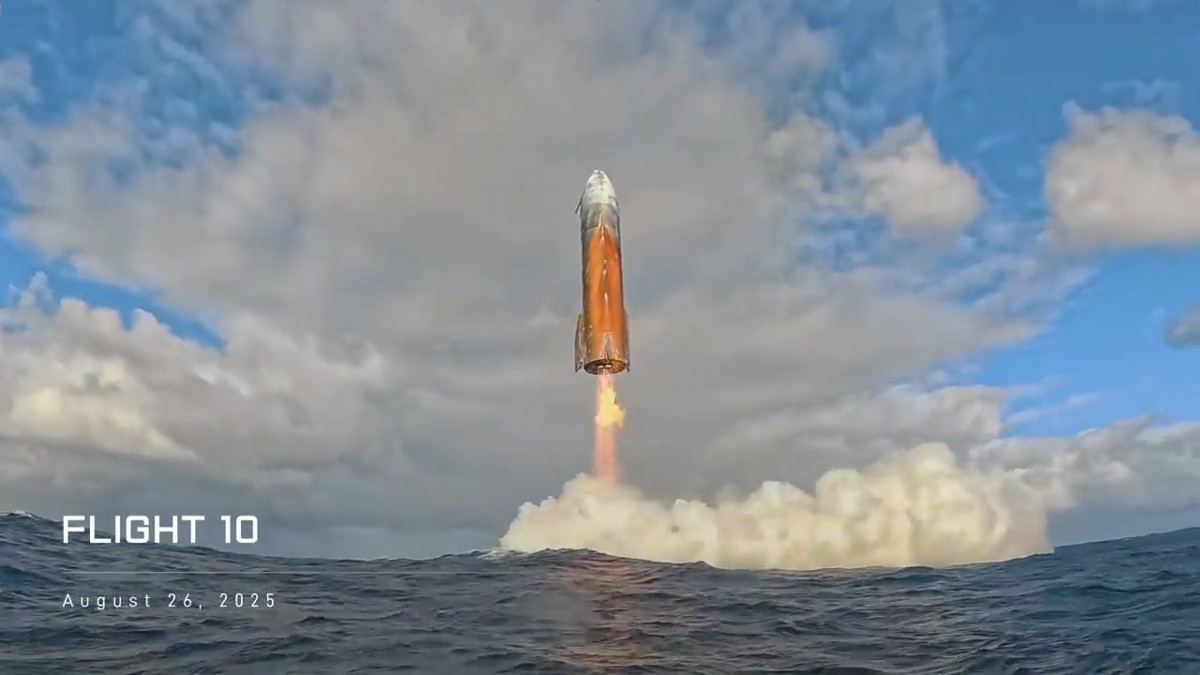
The Starship then descended under control, reaching the area above the landing site.
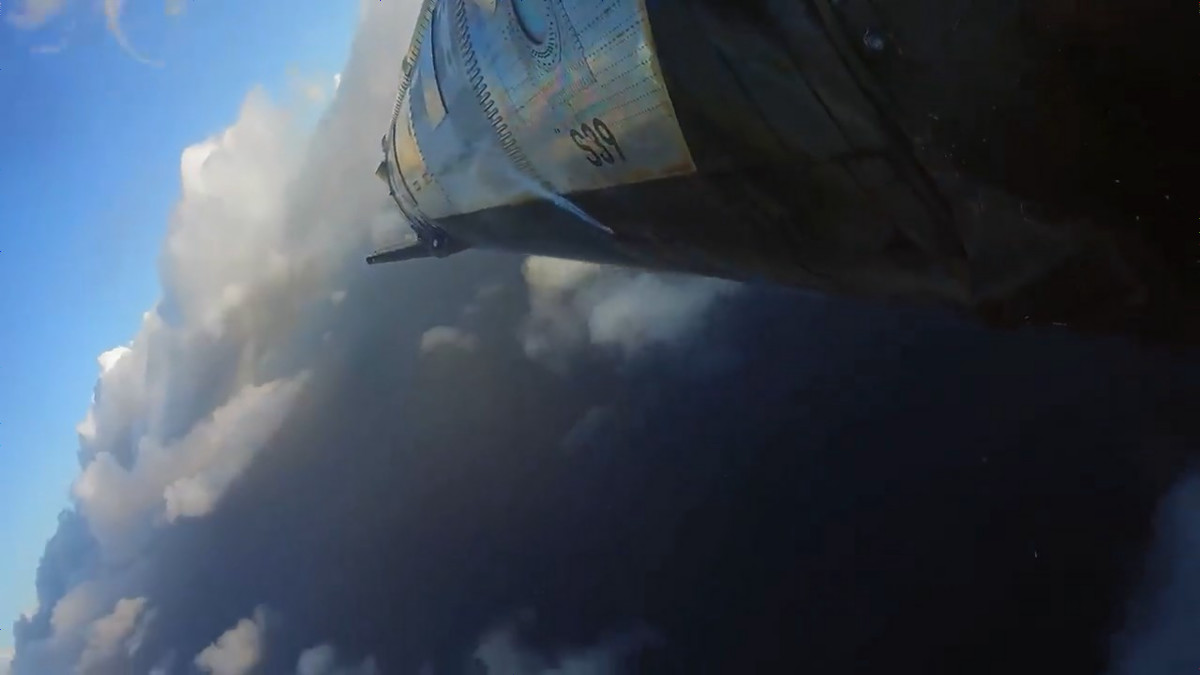
We will attempt a controlled landing.
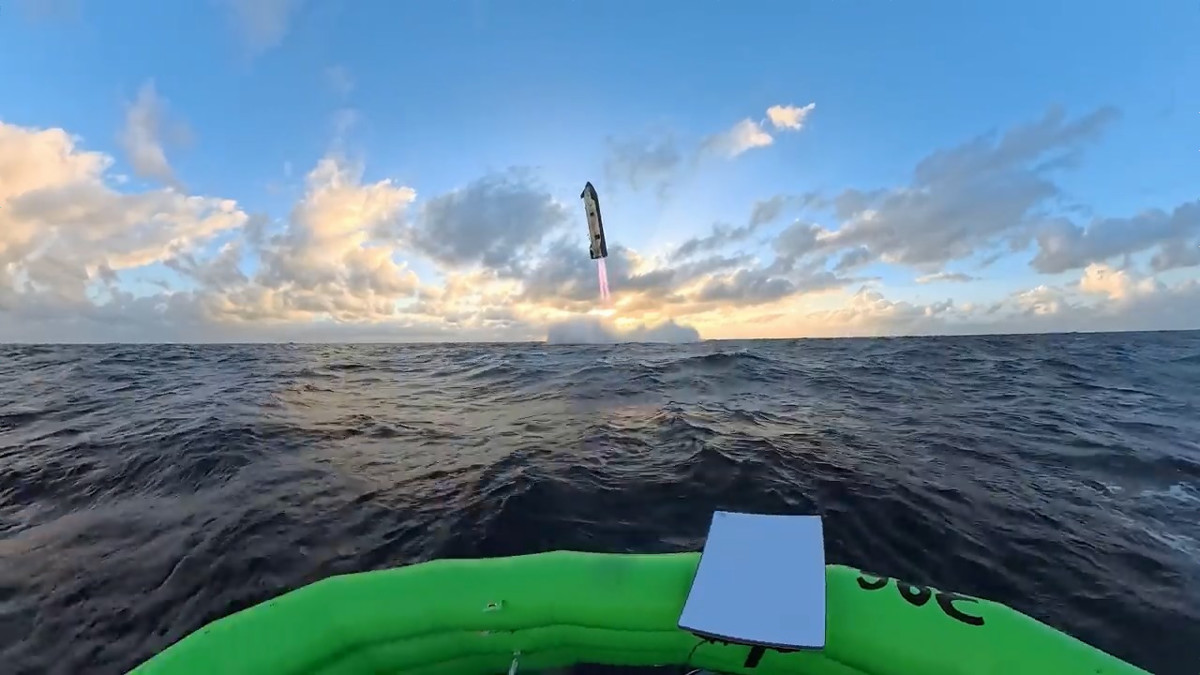
The landing was successful.
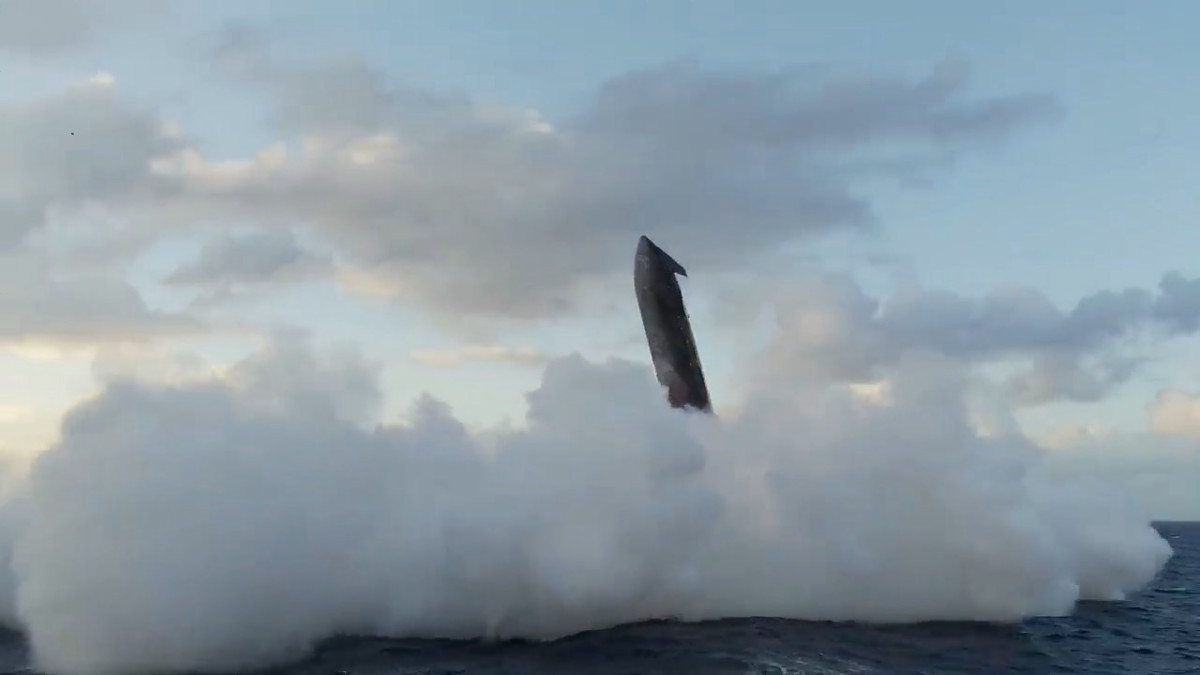
In the end, it exploded as planned.
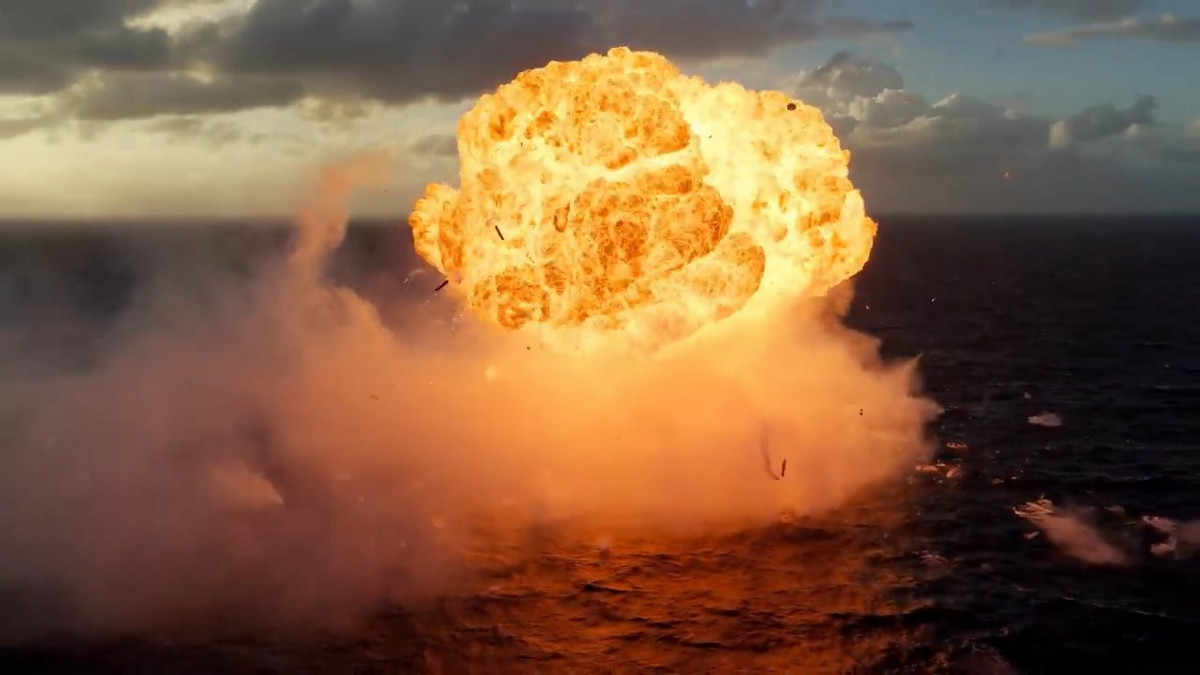
Upon reviewing the footage of the landing, those involved erupted in joy.
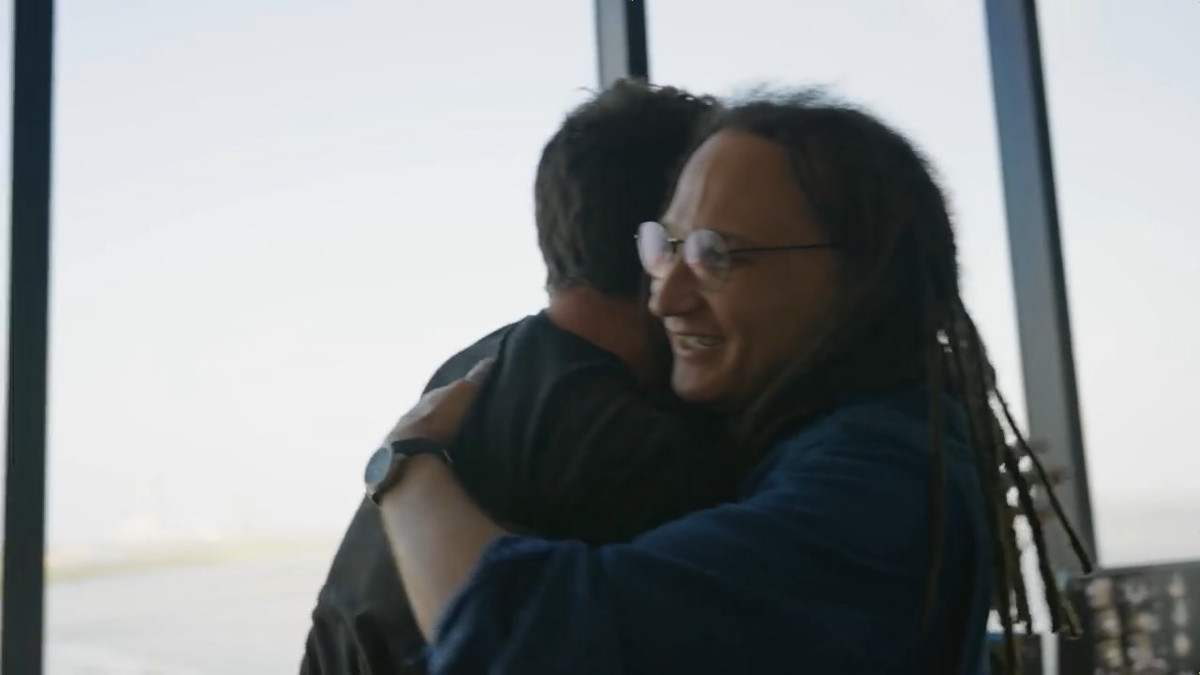
The mission team also hugged each other in joy.
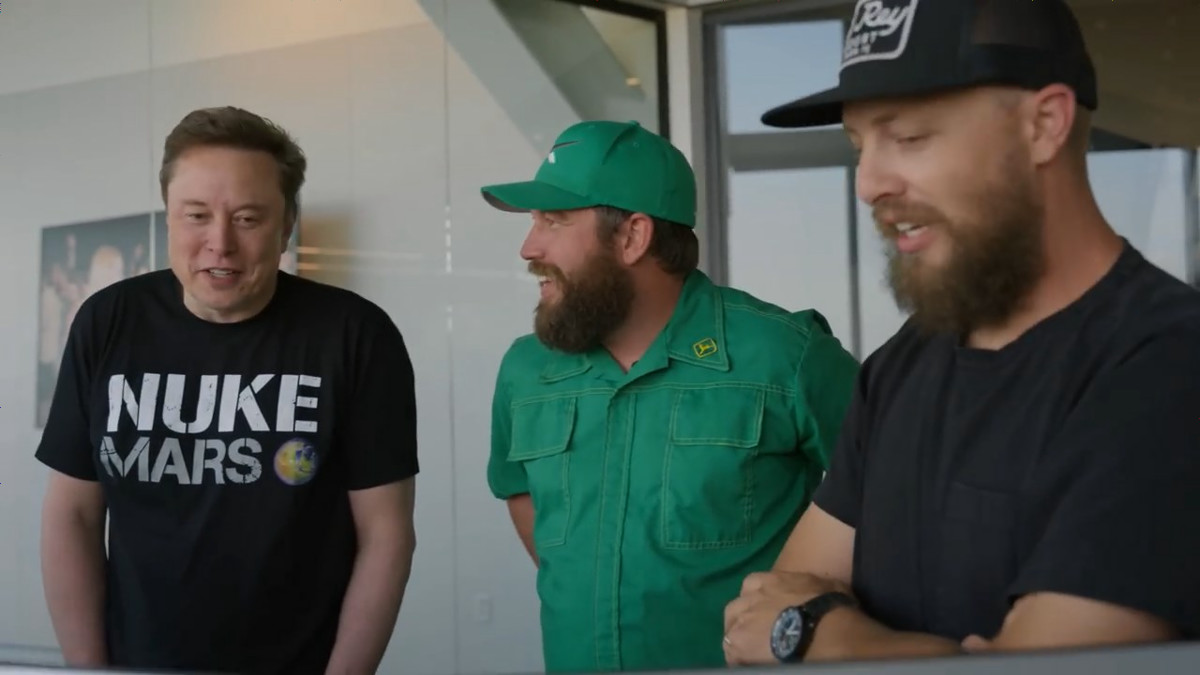
Mr. Musk also looked very pleased.
Related Posts: