Home battery capacity in the US reaches record high, prompting states to promote subsidy programs due to soaring electricity prices.
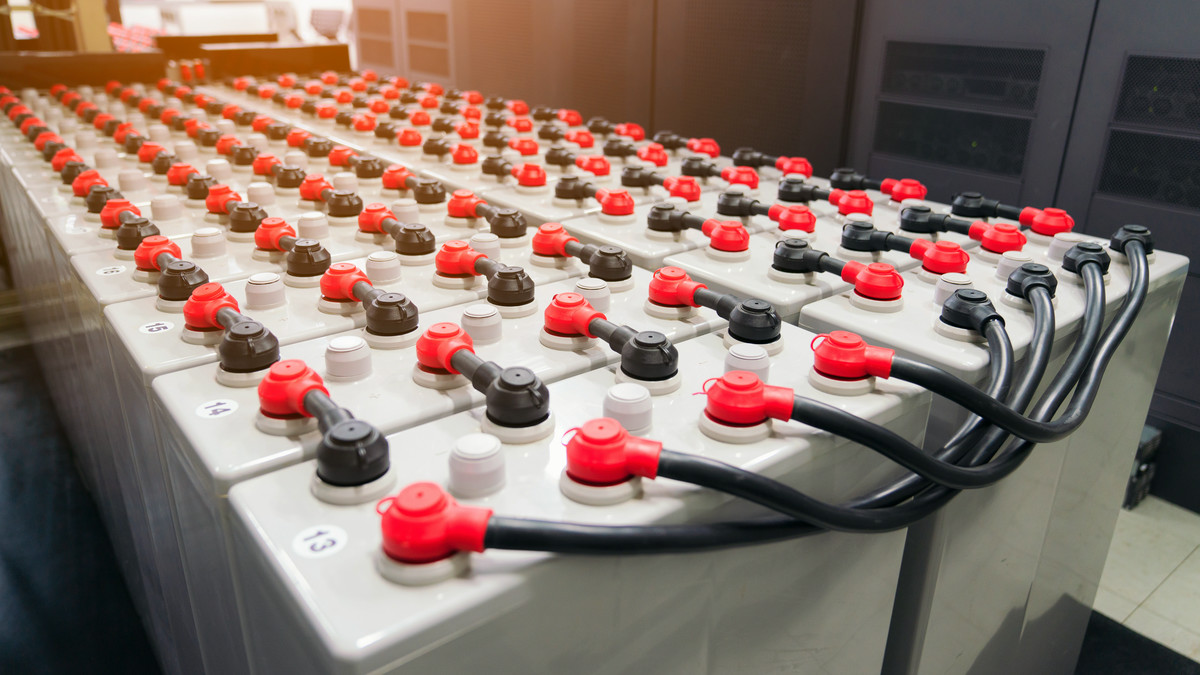
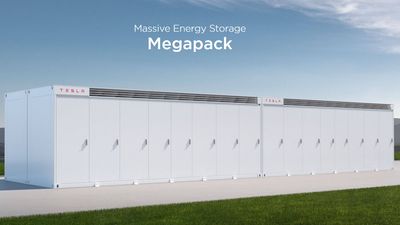
It has been reported that the total capacity of newly installed home batteries in American households in the first quarter of 2026 reached a record high of 673 MW. This is believed to be due to soaring electricity prices and the resulting policies encouraging battery installation.
US Home Battery Installations Boosted By State Incentives - Bloomberg
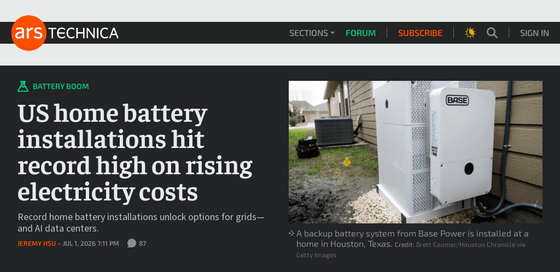
US home battery installations hit record high on rising electricity costs - Ars Technica
https://arstechnica.com/science/2026/07/us-home-battery-installations-hit-record-high-in-early-2026/
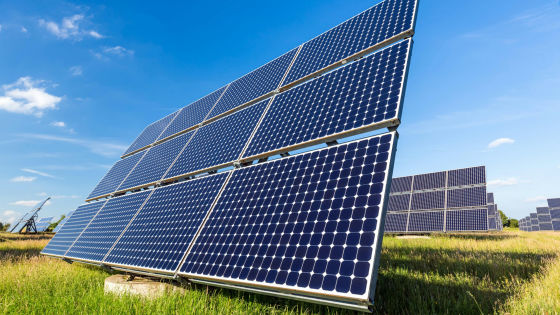
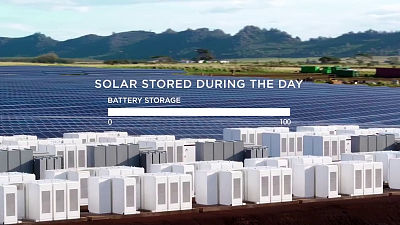
According to the U.S. Energy Information Administration (EIA), the average household electricity price in the U.S. is projected to increase by more than 7% by April 2026 compared to April 2025. For those with rooftop solar power systems, installing batteries allows for the use of stored electricity at night, and states are encouraging the installation of batteries.
In California, homeowners who already have solar panels installed are being encouraged to install batteries in addition to their solar panels by receiving a higher price for residential electricity sent to the grid after sunset.
In Hawaii, homeowners who install home battery systems receive a one-time payment of $400 (approximately 64,300 yen) for every 1kW of battery capacity.
In particular, California, Hawaii, Texas, and Arizona are seeing large increases in new battery installation capacity, with new installation capacity reaching a record high of 673 MW in the first quarter of 2026.
The 'One Big Beautiful Bill,' passed in July 2025 under the leadership of the Trump administration and Republicans, eliminated preferential tax treatment for homeowners who installed solar panels, which reportedly slowed the pace of solar panel installations on homes. Nevertheless, solar power generation has continued to increase, surpassing coal-fired power generation in April 2026.
Furthermore, the news site Ars Technica points out that increasing the capacity of home batteries will also give power grid operators more options.
For example, Base Power, an Austin, Texas-based power startup, offers discounted battery and electricity rates in exchange for managing installed home battery clusters as virtual power plants.
In the United States, the capacity of these virtual power plants is increasing, and demonstration experiments have confirmed that 100,000 batteries can supply more electricity than the peak power of a large-scale gas-fired power plant.
Tesla, Sunrun, and Renew Home, three major companies that handle power generation systems and batteries, have also agreed to integrate the hundreds of thousands of home battery systems operated by Tesla and Sunrun to create the 'largest distributed power plant in the country,' which they say will be able to supply more than 16 GW of electricity to data centers and power companies.
Related Posts:


in Hardware, Posted by logc_nt