What would happen if the delivery drones and flying taxis that fill the skies malfunctioned?
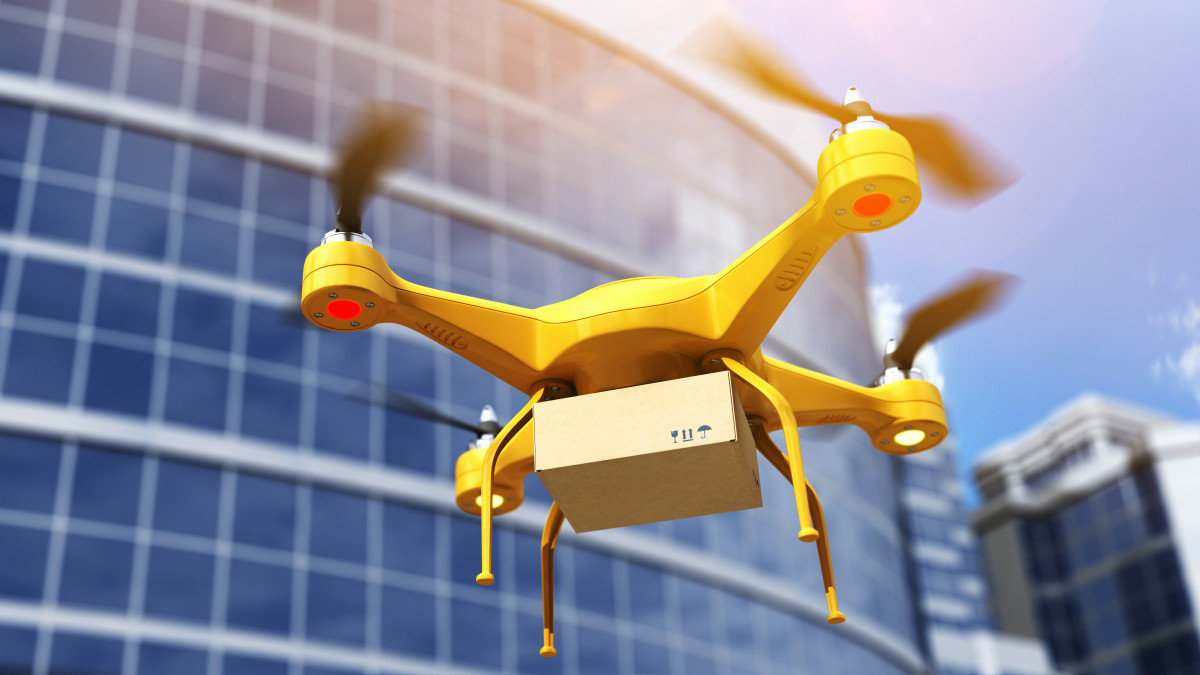
Delivery drones and flying taxis are gradually becoming a reality, and one day the skies above urban areas may be filled with them. Associate Professor Luis Mejias and his colleagues, who research drones at Queensland University of Technology, explain that planning for 'how to deal with malfunctions' is essential for the practical application of such delivery
Flying taxis and delivery drones could soon crowd city skies. What happens when they fail?
https://theconversation.com/flying-taxis-and-delivery-drones-could-soon-crowd-city-skies-what-happens-when-they-fail-284831
In May 2026, at a drone show held in Sydney, Australia, a formation of 1,000 drones suddenly collapsed, causing approximately 90 to fall into the sea and a nearby promenade. Fortunately, the drones only fell into restricted areas, and no one was injured, but the incident highlighted the problem of ensuring safety when drones malfunction.
Mejias and his colleagues stated, 'This is an important issue considering the possibility that autonomous taxis flying to avoid traffic jams and autonomous drones delivering packages in urban areas may become commonplace within the next 10 years. For example, in the United States, Wing, a drone delivery service, recently announced that it is expanding its partnership with Walmart to seven cities .'
Naturally, drones can malfunction, but unlike cars, they cannot be operated in a way that would allow them to 'slow down and pull over to the side of the road.' Therefore, to ensure safety, it is necessary not only to prevent malfunctions from occurring in the first place, but also to guarantee that the aircraft can respond safely if a malfunction does occur.
Modern drones already incorporate various backup features to prevent a single failure from leading to the loss of the aircraft. These include multiple motors, distributed propulsion systems, backup flight computers, and fault-tolerant software.
However, even highly reliable and excellent technology can still experience unexpected malfunctions. Minor software issues, sensor failures, and sudden weather changes may have small individual impacts, but when multiple factors combine, they can lead to uncontrollable situations. In urban areas in particular, there are multiple factors that could lead to accidents, such as changes in wind direction around buildings, signal interruptions, and many drones flying in the same airspace.
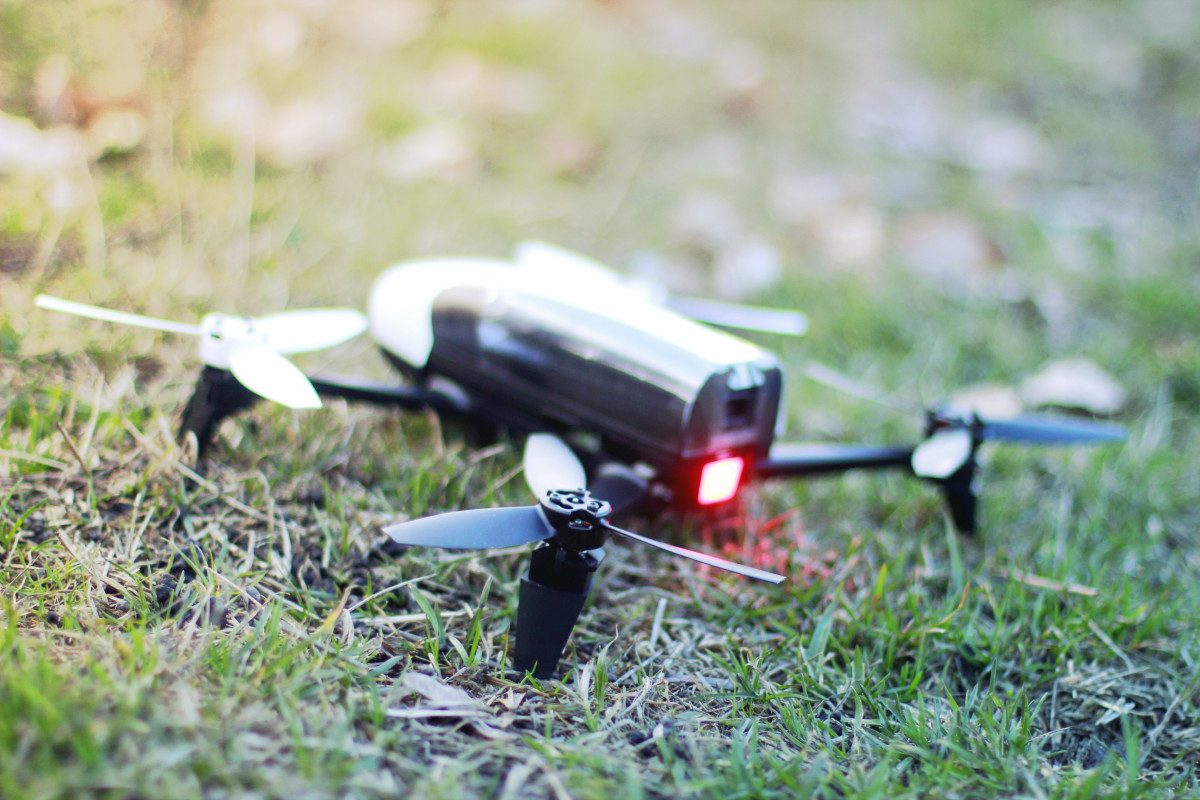
Mejias and his colleagues state that for autonomous drones to respond safely to emergencies, the following three things need to be done quickly:
1: Check the surrounding situation
When a malfunction or problem occurs, the first thing you need to do is assess the surrounding situation. You must search for a place where you can land, taking into account the presence of people, vehicles, buildings, and other hazards.
2: Choosing a low-risk option
Next, the drone needs to determine the lowest-risk option. A safe landing spot may not always be nearby, and if it cannot fly safely to that location, the option of crashing in a place that minimizes damage must also be considered.
3. Safe guidance to the destination
Finally, the drone must be safely guided to its destination. This becomes especially difficult if the drone is already experiencing problems with its navigation or if it is flying in bad weather.
Mejias and his colleagues stated, 'These tasks cannot be handled individually. They need to work together as a single security system, making decisions and responding in real time as the situation unfolds.'
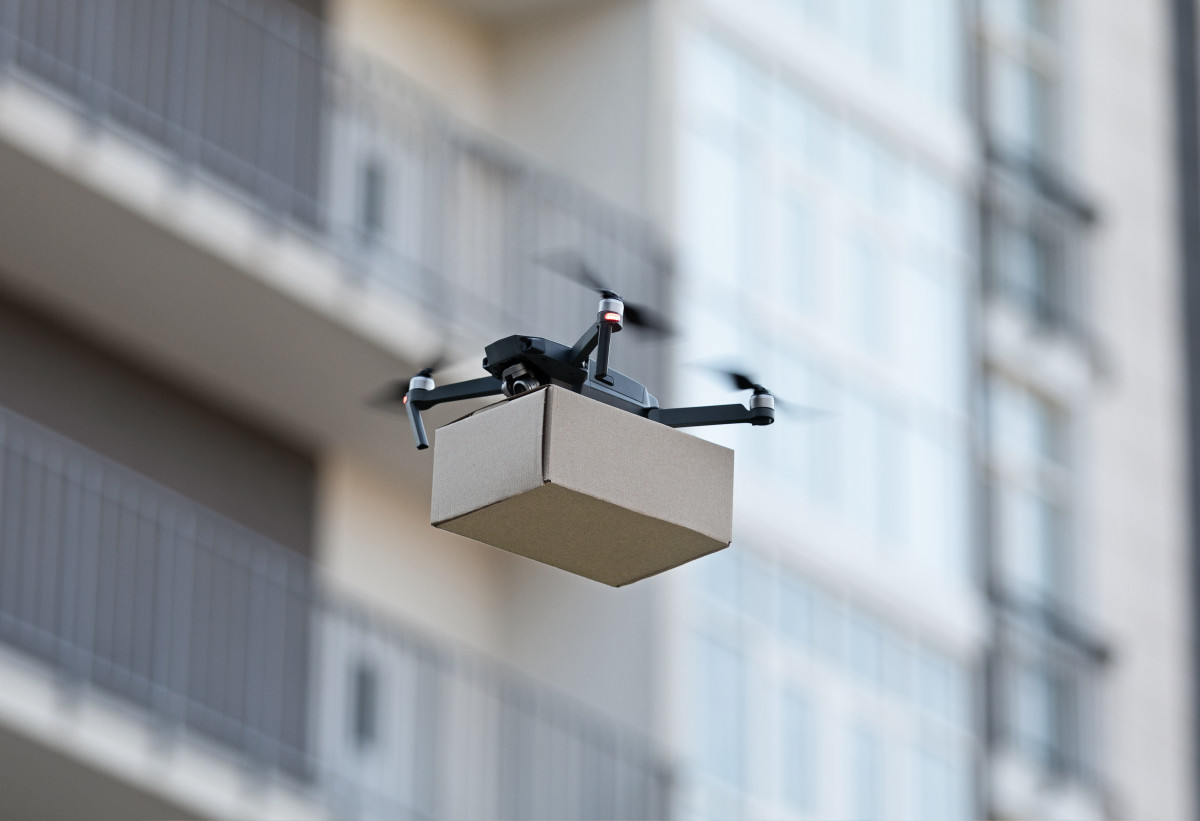
Drone regulators primarily focus on preventing failures through rigorous testing, certification, and backup systems. While this is certainly important, there seems to be little discussion about what to do after a failure occurs, such as 'How quickly can a malfunctioning drone find a safe landing spot?' or 'Can it still fly safely even if some systems fail?'
Mejias and his colleagues commented, 'The most resilient systems are not necessarily those that never experience any problems. Rather, they are systems that can detect new problems, adapt to changing circumstances, and mitigate risks before the situation escalates.' They argued that the future of drones depends not only on their normal flight capabilities but also on their ability to respond in the event of an emergency.
Related Posts:
in Note, Posted by log1h_ik