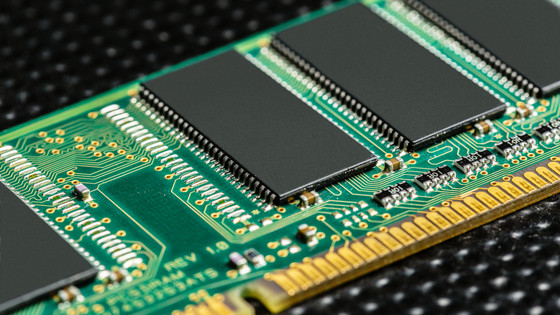
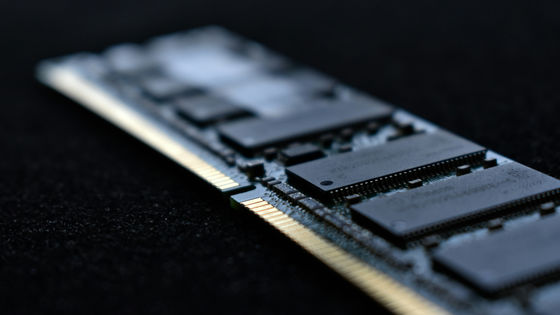
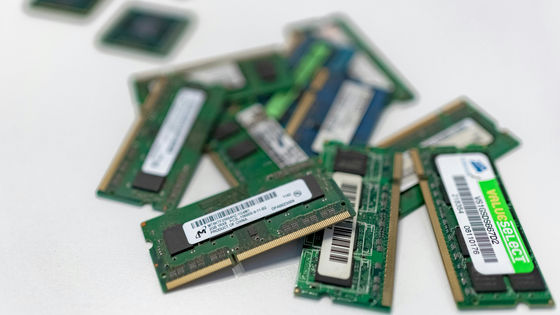
The global memory shortage has reached its peak, causing prices for older products like DDR2 and DDR3 to start rising.
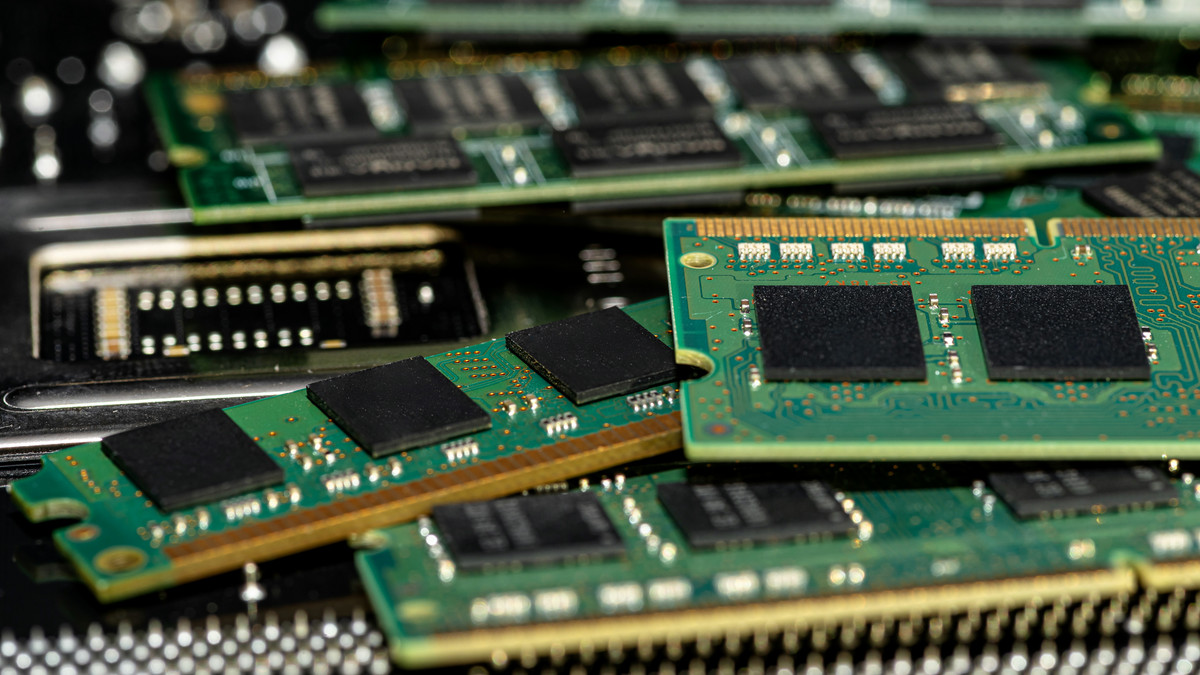
According to research by Taiwanese market research firm TrendForce, the global memory shortage has reached a turning point, and the prices of older generation products such as DDR2 and DDR3 memory are also rising.
Cascading Shortages in Consumer DRAM: How Capacity Pivots Fuel Legacy Node Adoption | TrendForce

The memory crisis is getting so bad that even retro RAM prices are going to the Moon
The AI boom has led memory chip manufacturers to prioritize the production of more profitable HBM and server-grade DRAM, resulting in a massive shortage of consumer memory. Consequently, the prices of memory components such as DDR4 and DDR5 have skyrocketed, and the cost of devices that require memory, such as PCs, is also trending upwards.
Samsung, which manufactures not only communication devices such as smartphones but also semiconductors, predicts that the shortage of memory will become even more severe in 2027.

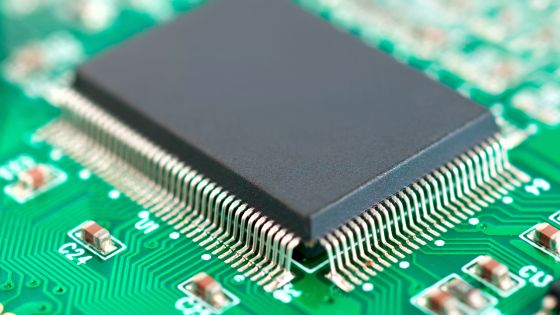
According to a TrendForce survey, some hardware manufacturers are downgrading memory specifications to cut costs, such as replacing DDR4 designs with DDR3, or redesigning DDR3-based products to use DDR2.
However, it's unlikely that PC manufacturers would ship systems equipped with older memory specifications like DDR3 or DDR2, and current-generation processors don't support legacy memory, so it's probable that 'ingenuity' is being employed with other types of devices.
According to TrendForce, contract prices for DDR2 are projected to rise by approximately 55% to 60% in the second quarter of 2026, and by a further 35% to 40% in the third quarter.
Major DDR2 suppliers include Taiwan's Winbond and ESMT. However, Winbond is gradually reducing its DDR2 production and reallocating that capacity to higher-margin products such as DDR3, DDR4, and LPDDR4. Meanwhile, ESMT is aiming to maximize its DDR2 production within the limits of its allocation from wafer manufacturer PSMC, and appears to be concentrating its resources to bridge the supply-demand gap created by Winbond's reduction in DDR2 production.
Related Posts: