Construction of AI data centers could disrupt chip supplies, causing smartphone and PC prices to rise by up to 20% by 2026

The Financial Times reported that prices of smartphones, PCs, and home appliances could rise by up to 20% in 2026. This is due to the explosive growth in demand for AI, and semiconductor manufacturers are focusing on producing high-bandwidth memory chips used in AI data centers and deprioritizing low-end chips for consumer products.
Chip shortages threaten 20% rise in consumer electronics prices
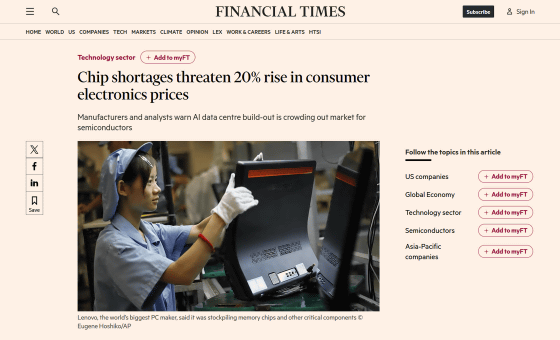
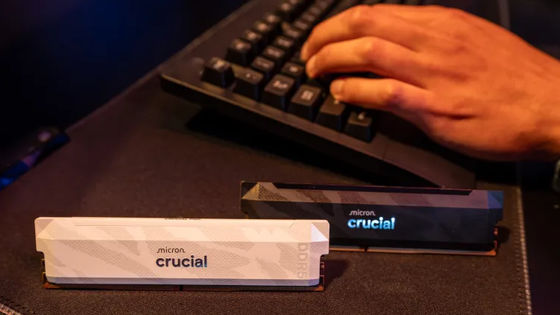
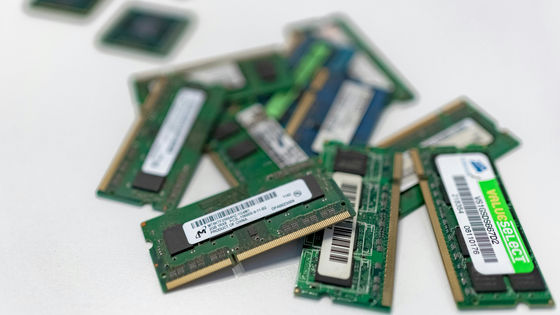
The construction boom for AI data centers is driving demand for high-bandwidth memory chips, causing memory manufacturers to deprioritize consumer memory. In December 2025, memory giant Micron announced it would end production of consumer memory and SSDs, stating that it would focus on its data center business. Furthermore, prices for memory used in PC parts continue to rise, and DRAM supply shortages are occurring in non-PC devices such as automobiles.
Micron to withdraw from consumer memory storage business, Crucial brand memory and SSD shipments to be halted in February 2026 - GIGAZINE
'We're already seeing widespread supply shortages, with buyers panicking because they can't get enough memory no matter how much they pay, and the market is in turmoil,' said Daniel Kim, an analyst at Australian financial services group Macquarie.
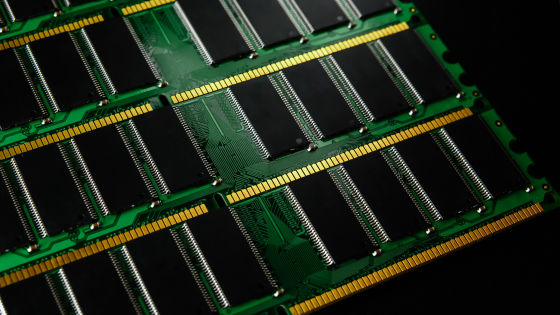
Market research firm TrendForce predicts that the average price of DRAM, including high-bandwidth memory chips, will rise 50-55% year-on-year in the fourth quarter of 2025. Samsung and SK Hynix, which account for more than 70% of the DRAM market, have announced that orders for 2026 have already exceeded their production capacity, and Samsung raised the prices of some memory chips by up to 60% in December 2025. 'Demand for AI-related servers continues to grow, and this demand significantly exceeds industry supply,' Samsung executive Kim Jae-joong said in an October earnings briefing.

The impact of the memory shortage is expected to ultimately be passed on to consumers in the form of higher prices. Kim predicts electronics prices will rise 10% to 20% in 2026, while CW Chun, co-head of Asia-Pacific equity research at Nomura Group, predicts prices will rise by only about 5% as companies may seek to cut costs elsewhere.
According to Greg Lo, an analyst at Hyundai Motor Securities, cloud service providers such as Amazon and Google have long-term contracts with semiconductor manufacturers to secure DRAM for their servers, forcing other manufacturers to accept higher prices.
Peter Lee, an analyst at Citigroup, which operates financial services businesses, said, 'Demand for AI data center inference has far exceeded expectations, and chip inventories for PCs and smartphones are also depleting. Chip supply will remain tight through 2027, and no additional supply capacity is expected. Chip inventories will worsen further in 2026.'
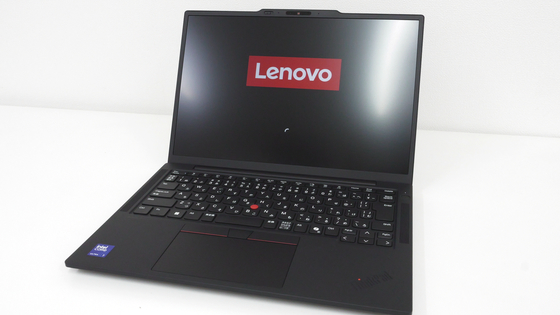
During a November earnings call, PC maker Dell COO Jeff Clark said the company has never experienced such rapid cost increases, and that the impact will be felt by consumers. Raspberry Pi, a single-board computer manufacturer, also raised prices in December , and Lenovo CFO Winston Chen said it plans to overcome the supply shortage by increasing memory inventory.
Lenovo is increasing its memory inventory by 50% to overcome the shortage of PC parts due to the AI boom, and is expected to hold out until 2026 - GIGAZINE
In response to the memory supply shortage, Samsung announced in November that it would add a semiconductor manufacturing line to its South Korean factory, and SK Hynix also announced that it would invest over 1 trillion yen in building a new South Korean factory in 2024. However, construction of the new factory is expected to take at least two to three years, during which time manufacturers will be forced to choose between raising product prices or sacrificing profit margins.
While industry players have attributed the rise in DRAM prices to AI demand, some experts have pointed out that price manipulation may actually be taking place.
Industry companies blame rising DRAM prices on AI demand, but some see price manipulation as a real problem.
Related Posts:

in Note, Hardware, Smartphone, Posted by log1h_ik