By 2026, data centers will consume up to 70% of memory supplies, leading to shortages in other sectors.
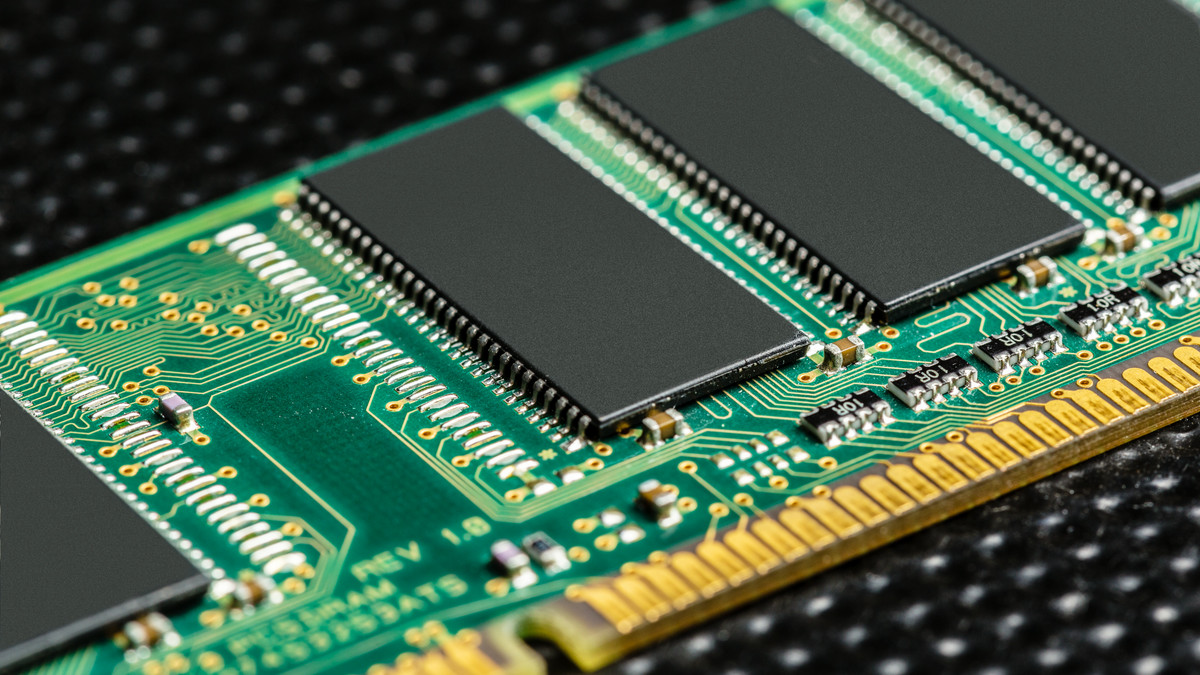
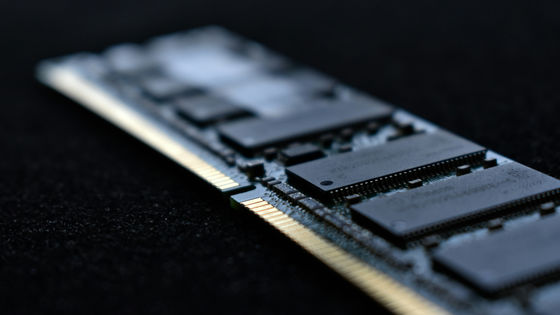
Increased demand for AI is expected to lead to memory shortages and price hikes by 2026. The latest information suggests that up to 70% of memory will be consumed by data centers, raising concerns about memory shortages in other sectors as well.
Data centers will consume 70 percent of memory chips made in 2026 - supply shortfall will cause the chip shortage to spread to other segments | Tom's Hardware
DRAM makers prioritize AI data center demand, sparking automotive semiconductor shortage
https://www.spglobal.com/automotive-insights/en/blogs/2025/12/dram-makers-ai-data-centers-semiconductor-shortage
The year 2025 was a year in which construction of large-scale data centers for AI development progressed, and demand for hardware such as GPUs and memory required for data centers skyrocketed, causing prices to rise.
A graph showing how much memory prices have risen, with prices increasing by more than three times in just a few months, affecting both home-built PCs and pre-made products - GIGAZINE
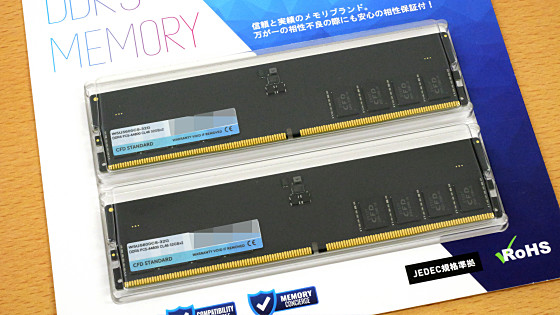
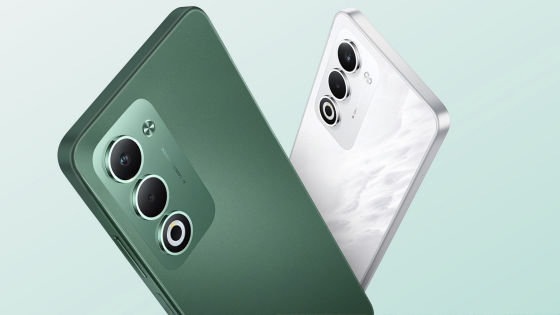
The sharp rise in prices has led some to predict that smartphones will see a return of models with reduced memory capacity or that are compatible with microSD cards in order to reduce internal specifications and keep costs down.

Tom's Hardware, an IT news site, points out that AI data centers will consume up to 70% of memory supply in 2026, which could lead to supply shortages in other fields.
The areas that have been cited as potential targets for the impact include automobiles, televisions, and home appliances, which use older types of memory, but manufacturers have switched production to data centers, causing production of the necessary memory to be halted or reduced.
Memory is also used in smart home appliances such as televisions, refrigerators, and Bluetooth speakers, and if memory prices rise, these products will no longer be able to make a profit, so the increase may be passed on to consumers.
The PC industry is also facing demand for replacements due to the end of support for Windows 10, and a predicted supply cut due to a memory shortage. Research firm IDC has stated that '2026 is expected to be a year in which technology products will become more expensive due to supply constraints rather than increased demand.'
Related Posts:

in Hardware, Posted by logc_nt