Global memory shortage could cause PC shipments to fall by up to 9% in 2026 compared to the previous year
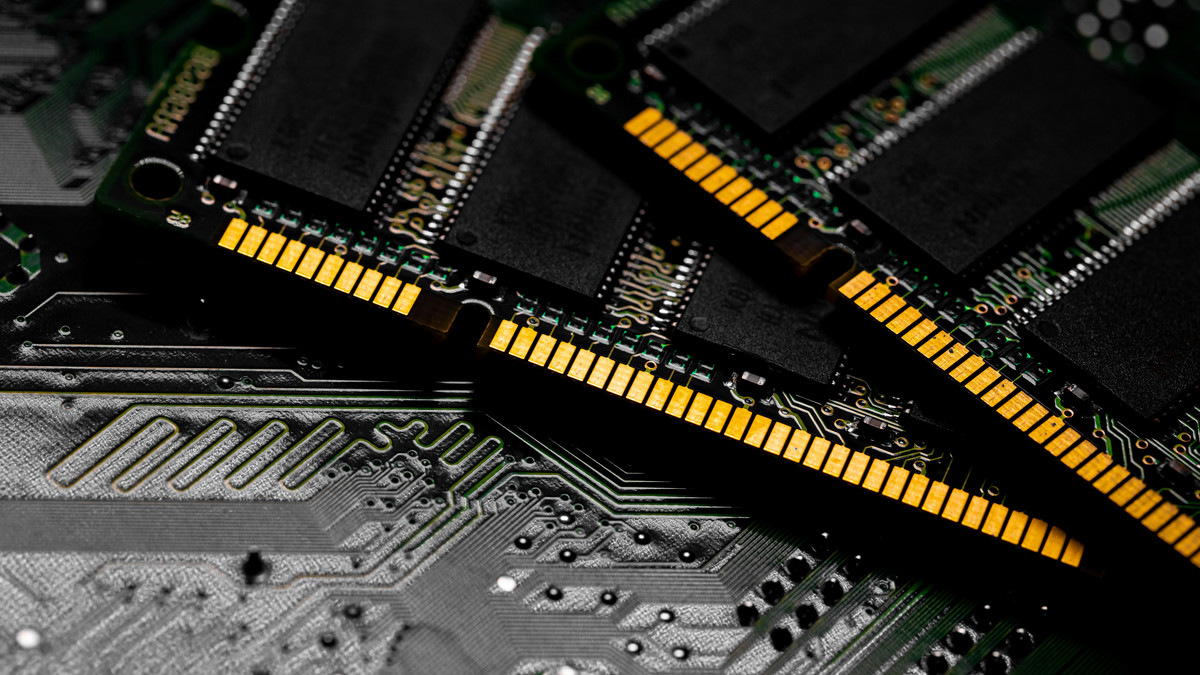
The memory shortage that began in the second half of 2025 is predicted to be unprecedented and may continue until 2027. It is expected to have a wide-ranging impact on PCs, smartphones, and other devices, and research firm IDC predicts that PC shipments will decline 9% year-on-year in the worst-case scenario.
IDC - Global Memory Shortage Crisis: Market Analysis and the Potential Impact on the Smartphone and PC Markets in 2026
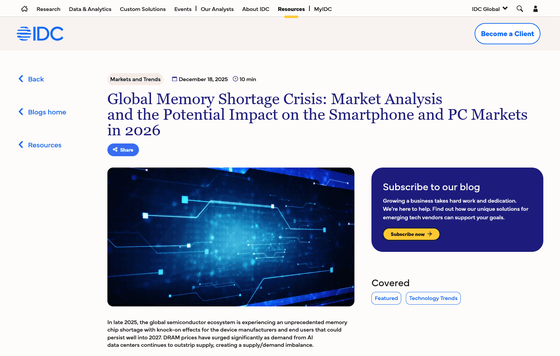
According to IDC, the memory shortage will be more severe than IDC had anticipated by October 2025.
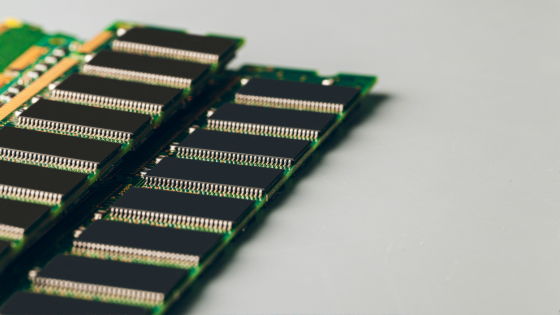
The memory shortage is due to increased demand from the expansion of AI infrastructure, and a supply shortage caused by a shift in DRAM and NAND flash production from consumer to enterprise use.
IDC acknowledges that the high-bandwidth memory and high-density DDR5 used in AI data centers have high profit margins, making it an economically rational choice for memory manufacturers, but points out that this is not a virtuous cycle but a strategic reallocation of limited silicon.
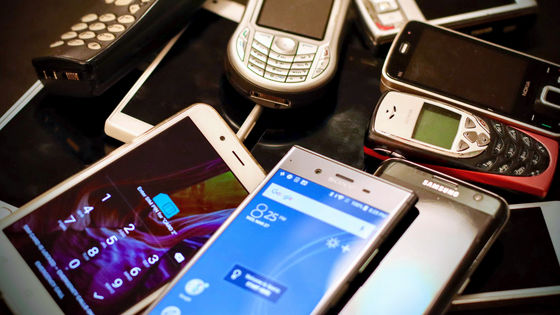
The impact is expected to be felt by both PCs and smartphones. For smartphones, memory already accounts for a large portion of costs in mid-range devices with low profit margins, and OEM manufacturers are likely to reduce specifications and raise prices. Over the past decade, flagship-level memory configurations have been adopted even in low-priced devices, but IDC states that this trend is finally reversing, putting the global smartphone market at risk of contracting. In a worst-case scenario, the contraction could be as much as 5%, with average selling prices rising and replacement cycles becoming longer.
Counterpoint Research also predicts that memory shortages will drive smartphone prices up by 6.9% in 2026.

Meanwhile, IDC predicts that the PC market will be 'disrupted' by two major industry trends: 'demand for replacement due to the end of Windows 10 support' and 'the widespread shift to AI PCs.' These trends will collide with the memory shortage.
Rising DRAM and SSD costs have already prompted PC vendors to signal large price hikes, and in the worst case scenario, the average selling price of a PC could rise by as much as 6-8% in 2026. Meanwhile, shipments are expected to decline by 9% year-on-year, well below the 2.4% decline forecast in November 2025.
IDC concludes, 'For both consumers and businesses, this marks the end of the era of 'cheap and abundant memory and storage' at least in the medium term, with 2026 set to be the year technology products become more expensive due to supply constraints rather than growing demand.'
Incidentally, IDC released its report in mid-December 2025, so the predictions could be even worse.
Related Posts:



in Hardware, Posted by logc_nt