Why did Apple choose DCI-P3 instead of Adobe RGB as its wide color gamut color space?
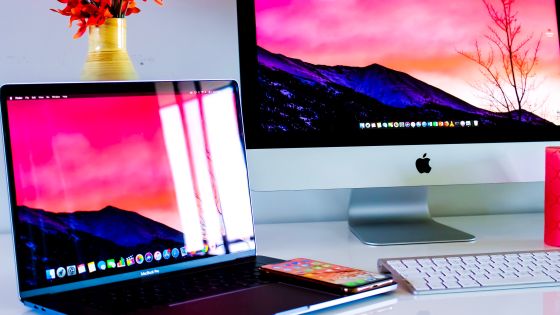
Apple adopted a P3-compatible display, which can display a wider color gamut than the conventional sRGB, with the iMac released on October 13, 2015. Despite Adobe RGB being well-known for its wide color gamut displays, the website 'Astramael,' which deals with photography and color management, analyzed why Apple adopted the DCI-P3 color space in an article published on October 19, 2015, using real-world samples and color gamut diagrams.
The Wide Gamut World of Color — iMac Edition
Color gamut refers to the range of colors that a display or image data can represent. While sRGB , a standard color space, is used for most web images and photographs, Adobe RGB and DCI-P3 are color spaces that handle a wider color gamut.
Conventional white LED backlights emit a strong blue light, but not so much red or green light. In the iMacs released in the latter half of 2015, a GB-r LED backlight was used, which combines green and blue LEDs with a red phosphor. This strengthened the red and green components, allowing for more vivid display of green, red, cyan, yellow, magenta, and other colors.
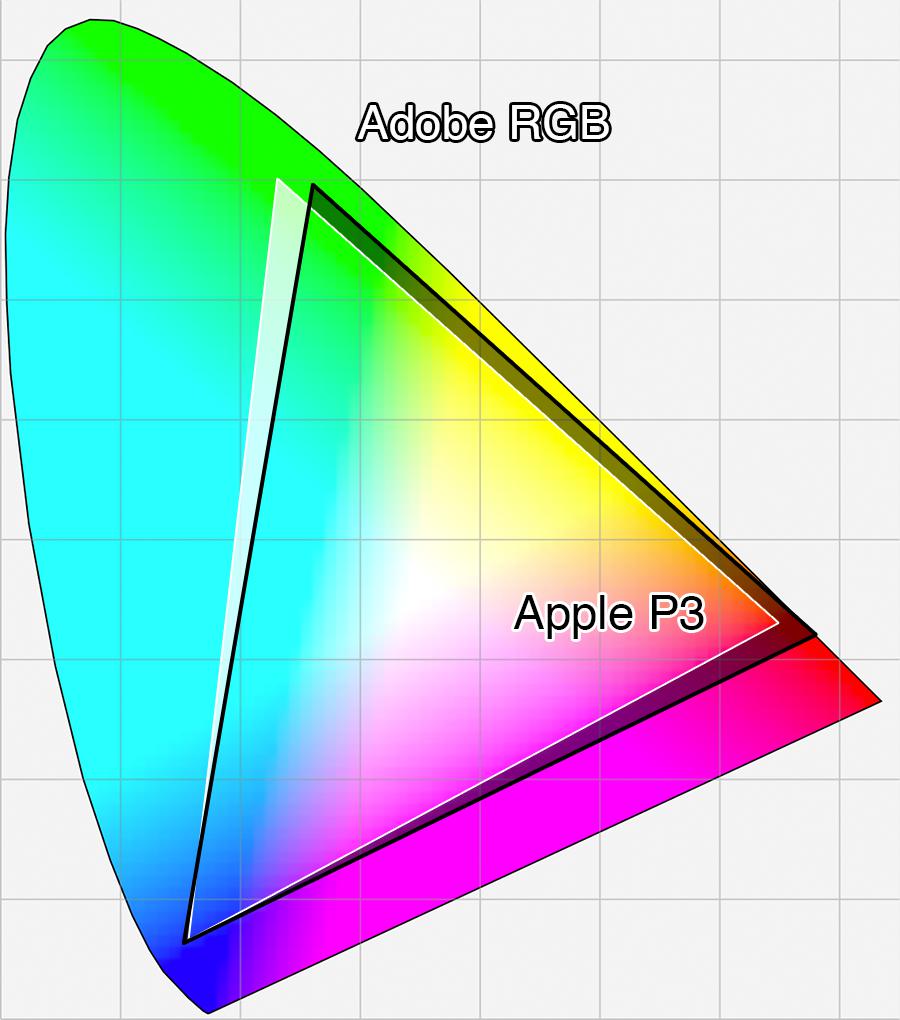
Adobe RGB is a wide-gamut color space commonly used in professional displays, but Apple adopted Apple P3, a DCI-P3-based color space, instead of Adobe RGB for its iMac's wide-gamut displays. Astramael refers to the DCI-P3-based color space adopted by Apple as 'Apple P3'.
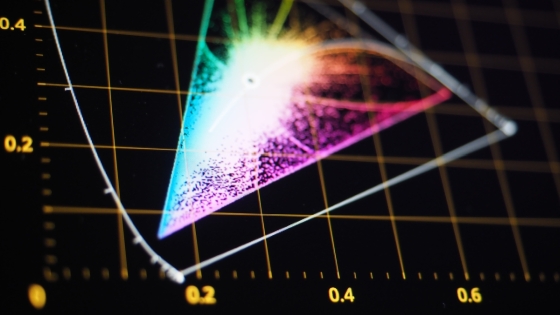
Comparing Adobe RGB and Apple P3 in a 2D chromaticity diagram, we can see that Apple P3 has a narrower coverage range than Adobe RGB in some areas of blue-green and green. However, for yellow-green, yellow, orange, red, and magenta, Apple P3 covers a wider range than Adobe RGB.
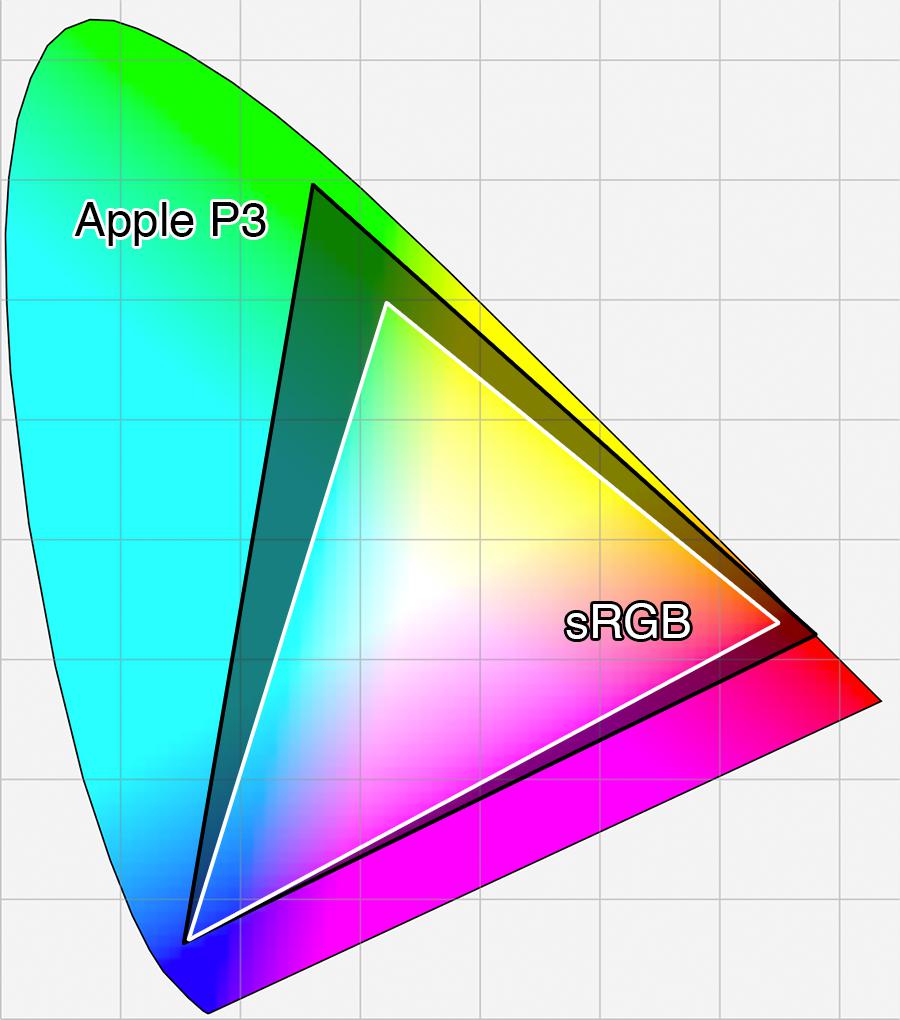
Furthermore, it has been shown that the Apple P3 covers a considerably wider color gamut compared to the standard sRGB.
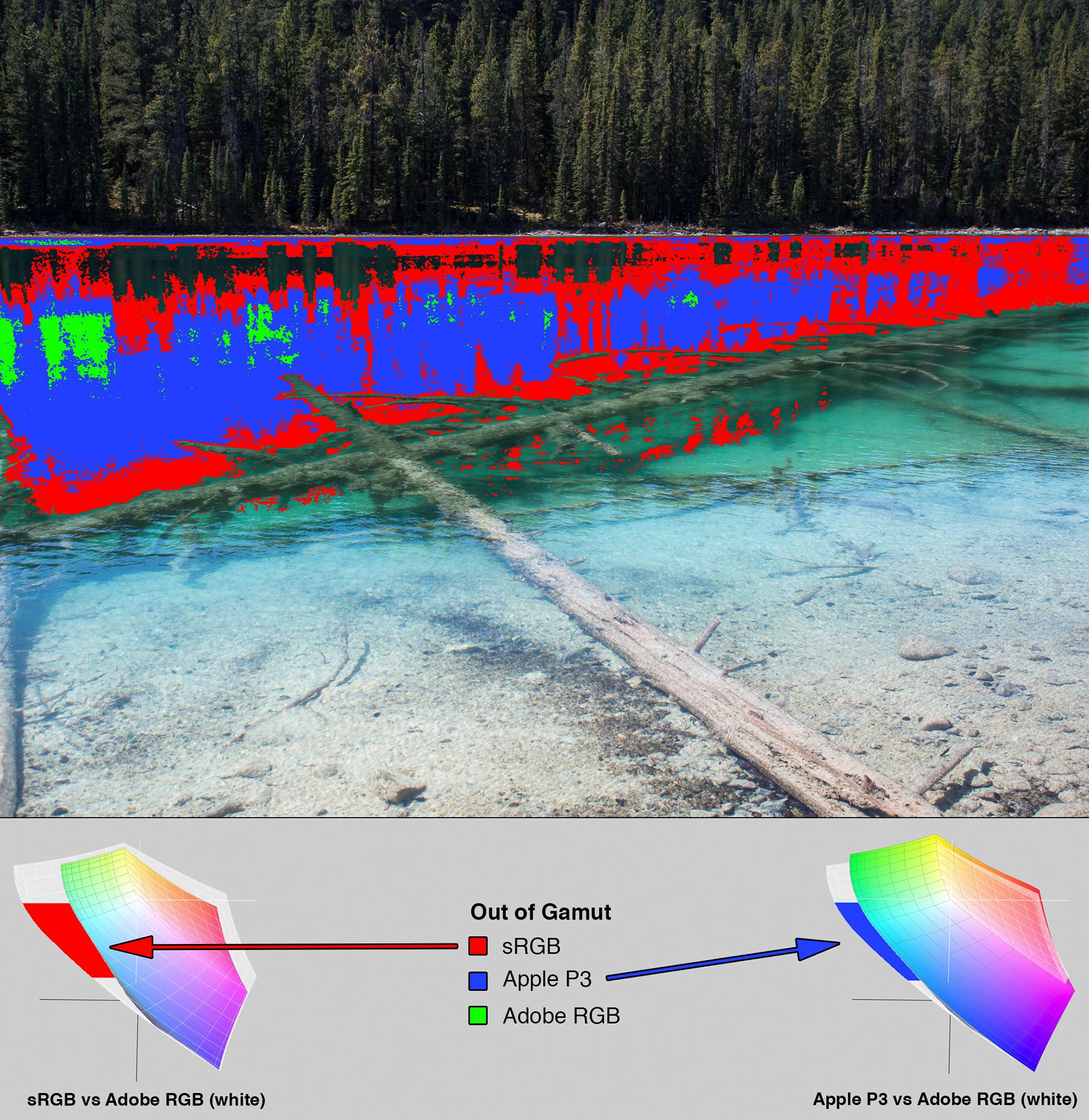
Based on these comparisons, Astramael explains that 'Apple P3 is not a color space that completely surpasses Adobe RGB, but rather a color space that excels at different colors.' Below is a photograph of First Lake in the Valley of Five Lakes in Jasper National Park, Canada.

Blue-green is considered an example of how Adobe RGB surpasses Apple P3, and both Adobe RGB and Apple P3 can reproduce a considerably wider range than sRGB. In the image below, colors are superimposed to show areas that cannot be reproduced in each color space. Red represents areas that cannot be reproduced in sRGB, blue represents areas that cannot be reproduced in sRGB and Apple P3, and green represents areas that cannot be reproduced in any of sRGB, Apple P3, or Adobe RGB. From the image, it can be seen that the color coverage widens in the order of sRGB → Apple P3 → Adobe RGB.
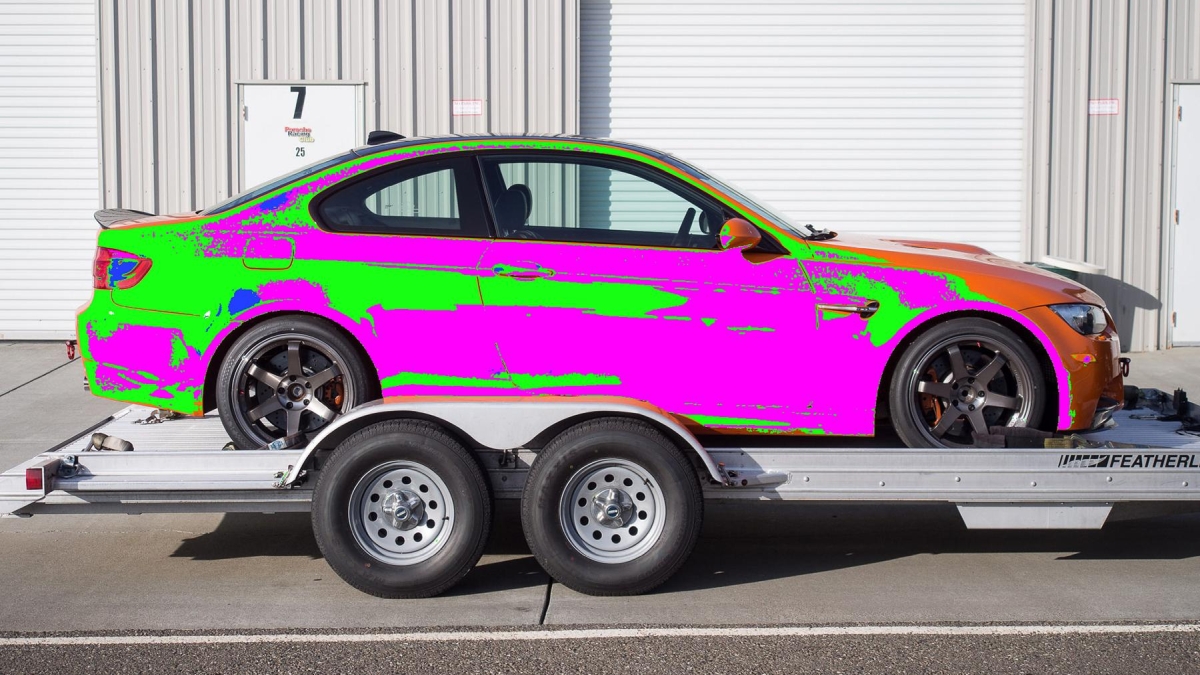
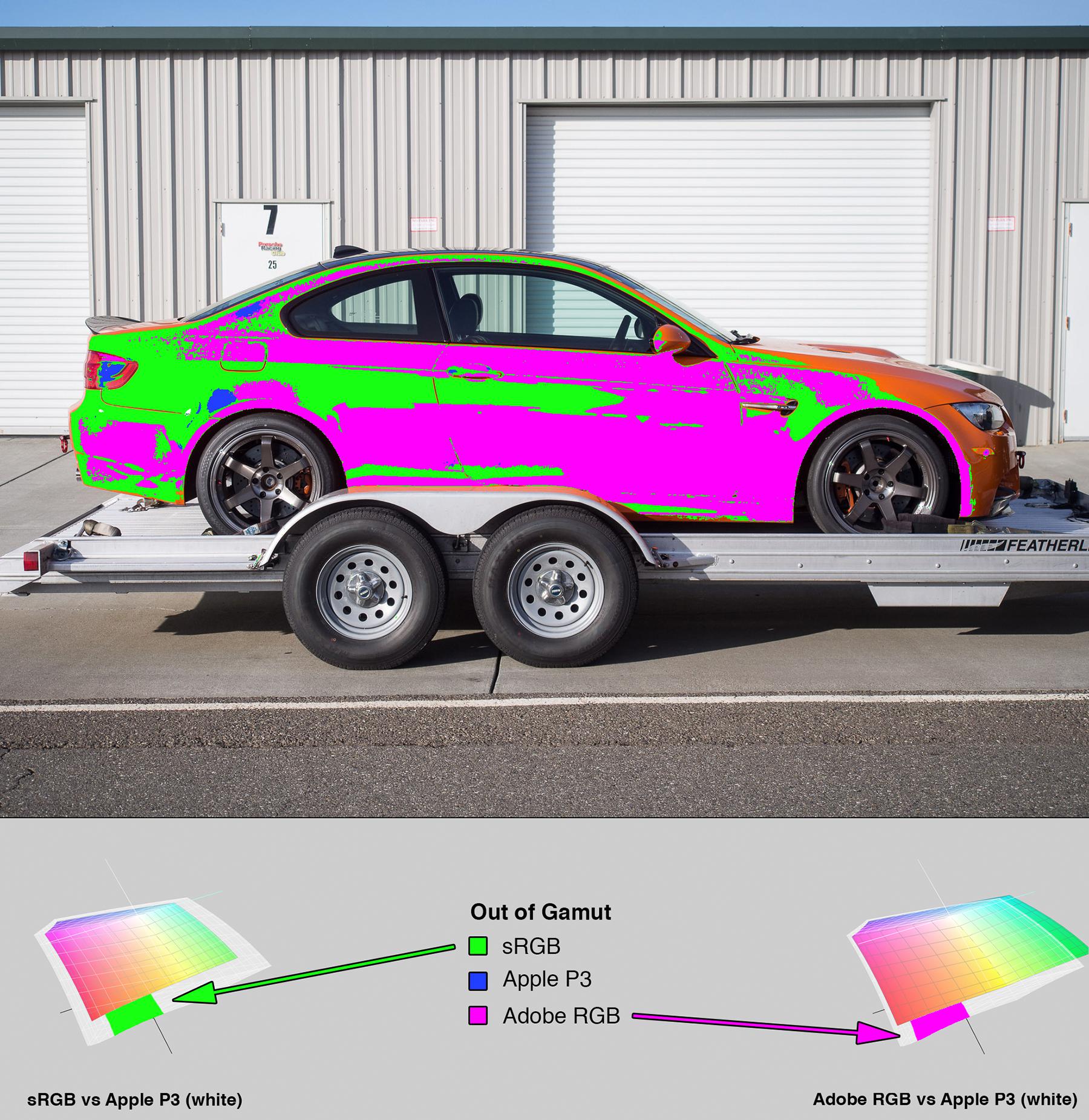
Next, below is a photo of an 'E92 BMW M3' painted orange. Orange is described as 'one of the areas where Apple P3 surpasses both Adobe RGB and sRGB.'

In the images below, colors are superimposed on areas that cannot be reproduced in each color space. Green represents areas that cannot be reproduced in sRGB, blue represents areas that cannot be reproduced in Apple P3, and pink represents areas that cannot be reproduced in Adobe RGB. In the orange paint, areas that cannot be reproduced in sRGB and Adobe RGB are widely shown, while areas that cannot be reproduced in Apple P3 are few, indicating that Apple P3 excels at reproducing this orange color.
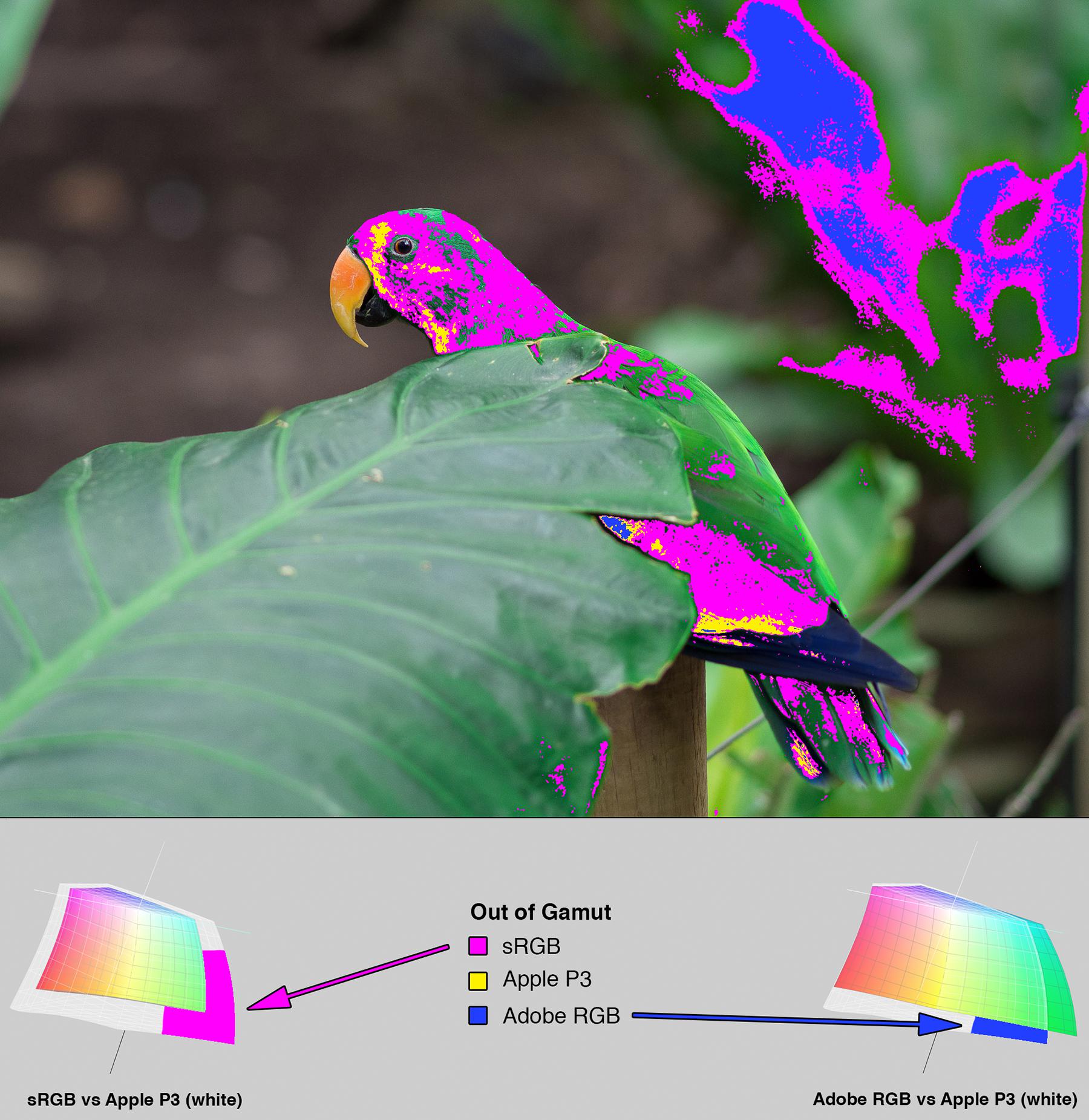
Furthermore, a comparison using a photograph of a green Eclectus parrot highlights how the Apple P3 and Adobe RGB cameras excel at capturing different shades of green within the same image.
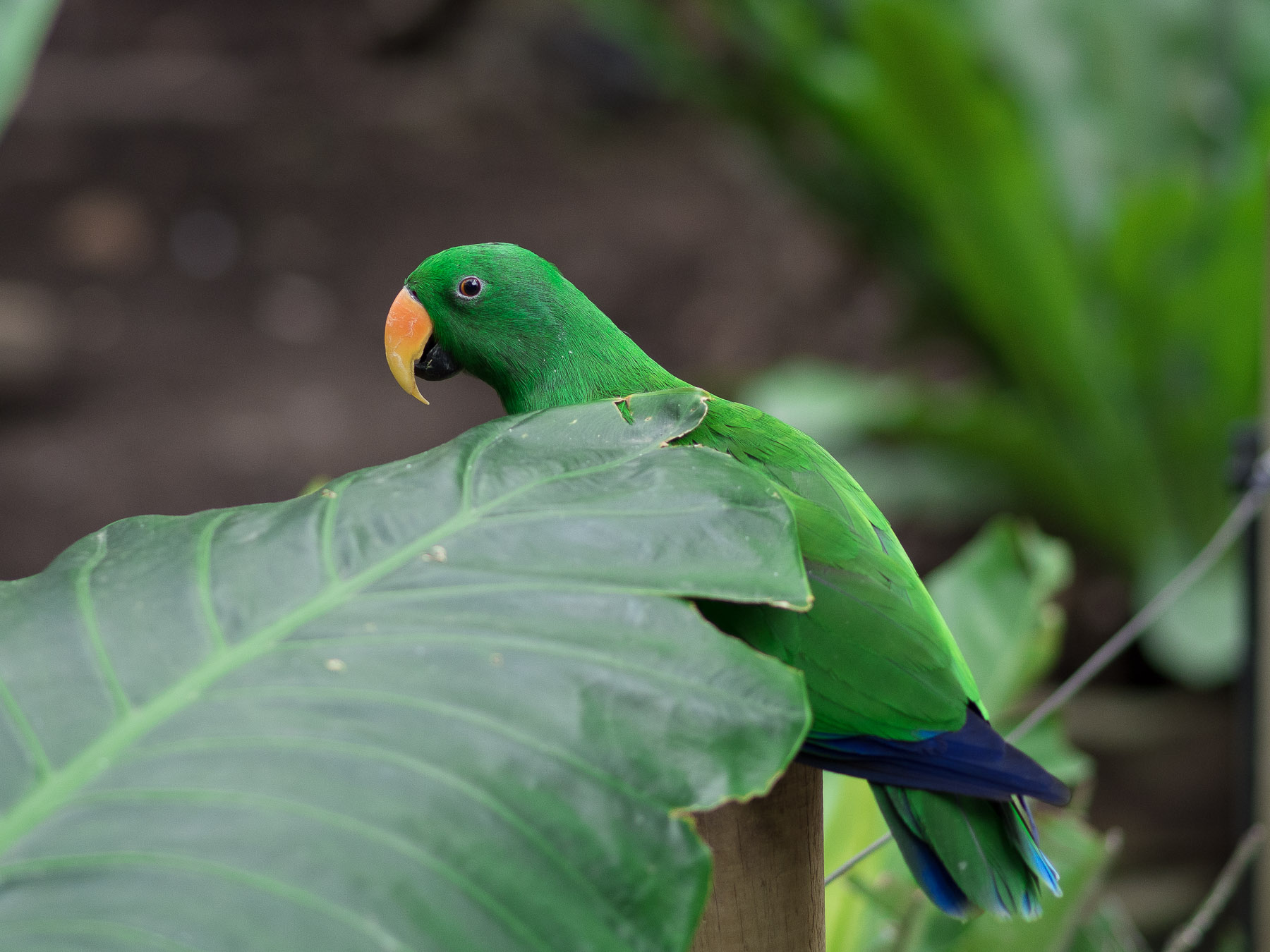
In the image below, the pink areas represent parts that cannot be reproduced by sRGB, the yellow areas by Apple P3, and the blue areas by Adobe RGB. Apple P3 can reproduce the yellowish-green in the background plants well, but it cannot fully reproduce the purer, darker green on the parakeet's body. Conversely, Adobe RGB can reproduce the green of the parakeet well, but it is somewhat lacking in the background plants. It should be noted that sRGB is described as 'not as good as either Apple P3 or Adobe RGB.'
However, the example photos cited were carefully selected to clearly show the difference, and the author states that 'in most photos, there is no benefit to a wide color gamut, or if there is, it is minimal.'
Regarding Apple's reasoning for choosing P3 over Adobe RGB, Astramael prefaces his remarks by saying 'we can only speculate,' but explains that Apple P3 is not a color space that significantly expands sRGB in only one direction, but rather 'a color space that expands many colors in a balanced way, excluding blue.' Therefore, Astramael believes that Apple chose P3 not only for professional use such as printing and video production, but also because they wanted to allow many people to enjoy photos and videos more vividly.
Related Posts:

in Note, Posted by log1b_ok