Amazon subsidiary Ring is facing a class-action lawsuit alleging it collected facial recognition data without consent.
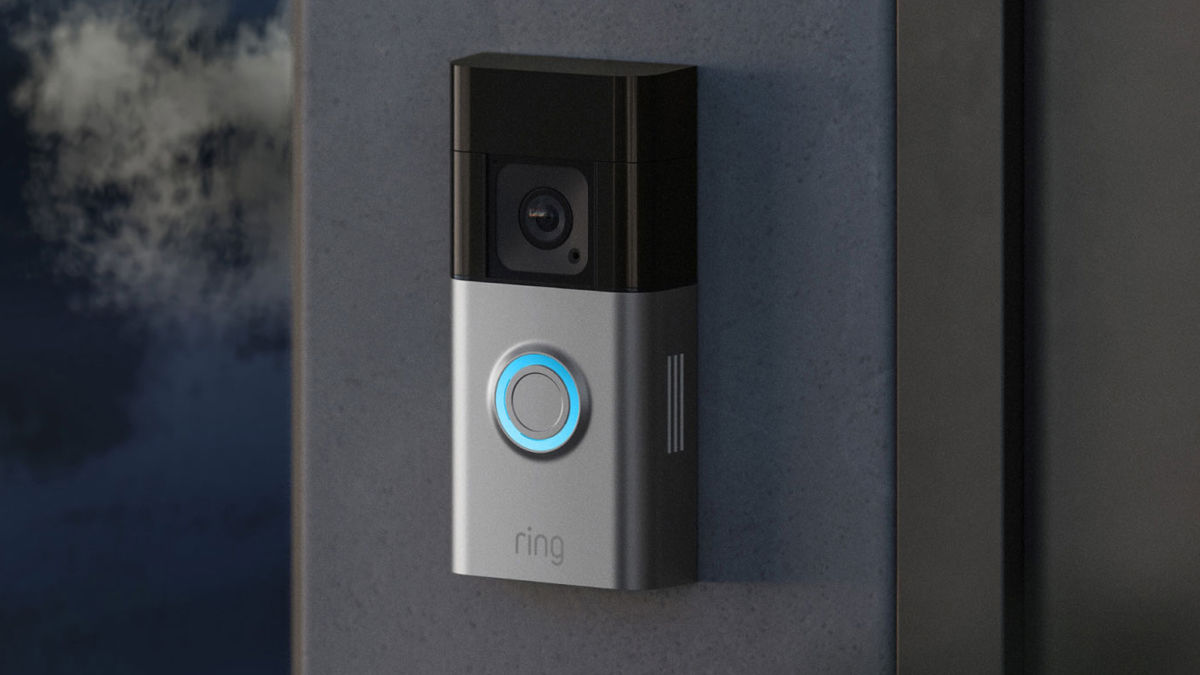
Ring, Amazon's smart doorbell and security camera brand, offers products equipped with AI image processing and Alexa-enabled response functions. However, Ring has been collecting and using facial recognition data of visitors and passersby without their consent, leading to a class-action lawsuit seeking over $5 million (approximately 800 million yen) in damages. The plaintiffs argue that Ring should compensate those whose faces have been photographed and used for facial recognition without their consent.
Amazon's Ring sued over facial recognition feature, latest privacy concern for doorbell maker | Reuters
Amazon-owned Ring should pay Americans for scanning their faces, lawsuit says - Ars Technica
https://arstechnica.com/tech-policy/2026/06/amazon-owned-ring-should-pay-americans-for-scanning-their-faces-lawsuit-says/
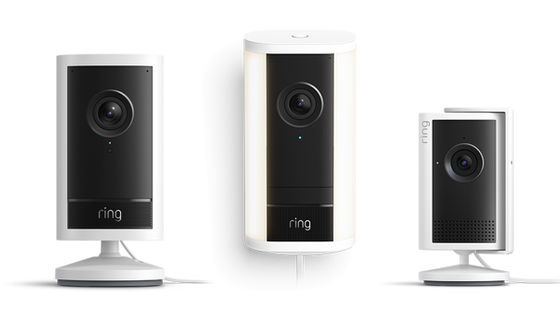
Ring announced several new products and tools in October 2025. One of the new tools is 'Familiar Faces,' which uses AI to identify registered people. With Familiar Faces, you can be notified when a stranger approaches, or skip the response process when a familiar person approaches.
Amazon Ring introduces numerous new products, including the 'Outdoor Cam Pro,' the series' first 4K security camera, along with a wealth of features such as 'Alexa+ Greetings' where Alexa responds on your behalf and AI-powered video explanations - GIGAZINE
Charles Sigwalt, a Virginia resident, filed a class-action lawsuit on June 2, 2026, in the U.S. District Court for the Western District of Washington, where Amazon's headquarters are located, alleging that Familiar Faces violates fundamental consumer privacy principles. Sigwalt is proposing a class-action lawsuit targeting all people across the United States who have had their faces recognized by Amazon's facial recognition system, as well as a smaller class-action lawsuit targeting residents of Virginia.
The lawsuit states, 'Familiar Faces uses facial recognition technology to scan the faces of all visitors and passersby, and uses AI to classify who they are. The AI then converts each person's 'faceprint' into its own numerical data. This allows Ring to re-identify who that person is each time Familiar Faces performs facial recognition. Millions of Americans who pass in front of Ring cameras have unknowingly been scanned by the facial recognition system. In addition to the actual damages caused by the overall loss of value of biometric information, the statutory damages payable to those whose facial recognition data has been used without their consent far exceed $5 million in this lawsuit.'

Because privacy laws vary significantly from state to state in the United States, Familiar Faces is a feature that can only be used in certain areas. The lawsuit argues that 'Ring has a clear ability to comply with biometric privacy laws regarding its facial recognition features, yet it has deliberately chosen not to avoid facial recognition surveillance in certain areas.' The plaintiffs also argue that even in states without laws directly regulating biometrics, the actions can still be deemed illegal under existing privacy protection laws and laws regarding the use of images.
The lawsuit also alleges violations of Virginia law. Virginia law contains a provision that prohibits the commercial use of an individual's name or likeness for commercial purposes without their consent, and the lawsuit alleges that Amazon willfully violated this provision of Virginia law by using personal data such as photographs and biometric information, as well as photographs and likenesses, for commercial purposes without written consent. In addition, the plaintiffs are seeking monetary compensation for the invasion of privacy and the return of unjust profits, arguing that despite increased sales due to the facial recognition function of the Ring camera, no compensation was provided to the general consumers whose facial recognition data was used.
Concerns about Familiar Faces' privacy implications have been raised before. The Electronic Frontier Foundation (EFF), a non-profit organization that works to protect digital privacy and freedom of speech, warned in November 2025 that Ring's facial recognition tool could infringe on the privacy rights of millions of people. The EFF stated, 'Familiar Faces will scan many people who have not consented to facial recognition, such as friends and family, political activists, postal workers, delivery drivers, children selling cookies, or people you pass on the sidewalk. Amazon is trying to shift part of the consent obligation to individual camera owners by sending messages urging customers to comply with applicable laws. However, as a company that collects, processes, and stores biometric data, Amazon may have its own consent obligations under numerous laws. We call for an investigation to protect people's privacy and verify the effectiveness of the law.'
Furthermore, in October 2025, Ring announced a partnership with the security company Flock Safety, but this was met with strong opposition due to growing concerns that 'Flock Safety might send information captured by Ring to the authorities.' In response to this backlash, Ring announced the termination of its partnership with Flock Safety in February 2026.
Amazon Ring ends partnership with Flock Safety after backlash over surveillance - GIGAZINE
When technology media outlet Ars Technica contacted Amazon, they declined to comment on the lawsuit.
Related Posts:








in Hardware, Posted by log1e_dh