Dell has announced the XPS 13, a low-cost notebook PC designed to compete with the MacBook Neo, and boasts a weight of just 1kg, making it the 'thinnest and lightest model in the XPS series.'
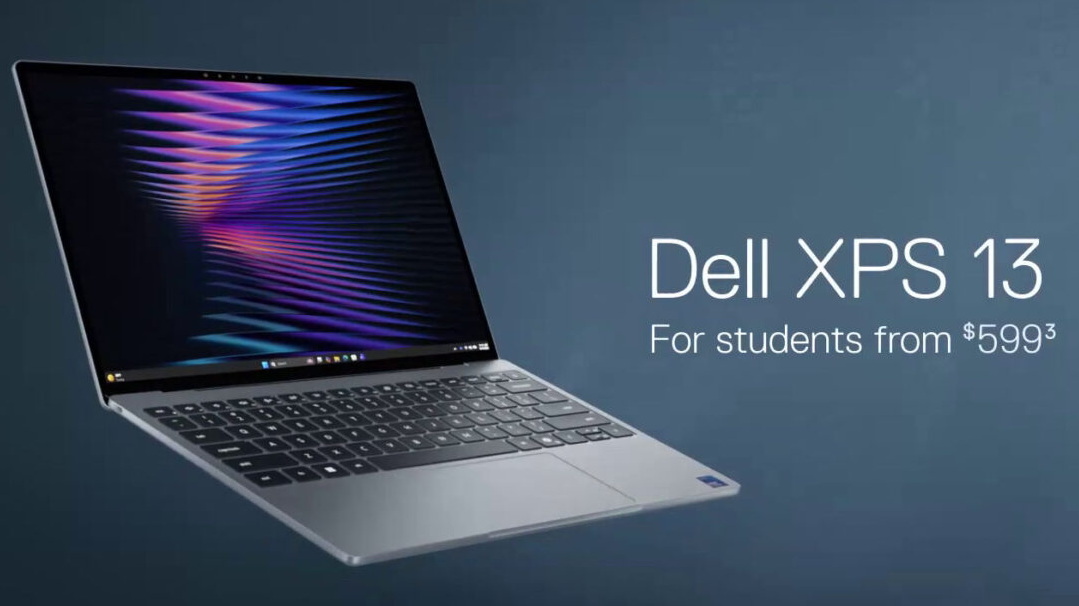
Dell unveiled its new 13.4-inch notebook PC, the XPS 13 (DX13260), at Computex 2026. Priced at $699 (approximately 105,000 yen) for regular users and $599 (approximately 90,000 yen) for students aged 16 and over, it's positioned as an entry-level premium notebook PC, clearly competing with Apple's MacBook Neo.
Dell unveils XPS 13, its lightest XPS laptop yet with Intel Wildcat Lake, starting at $599 - VideoCardz.com
'Prime competition for MacBook Neo': Dell's new XPS 13 starts at $599, and it has a few features that Apple lacks | Windows Central
https://www.windowscentral.com/hardware/dell/dell-xps-13-2026-returns-599-computex
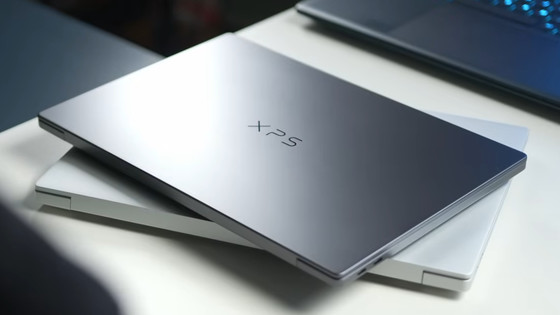
A key feature of the new XPS 13 is that Dell describes it as 'the thinnest and lightest XPS ever.' Weighing approximately 1kg and measuring 12.7mm thick, it utilizes a CNC-machined aluminum casing, achieving a compact and lightweight design while maintaining the rigidity and premium feel characteristic of XPS devices.
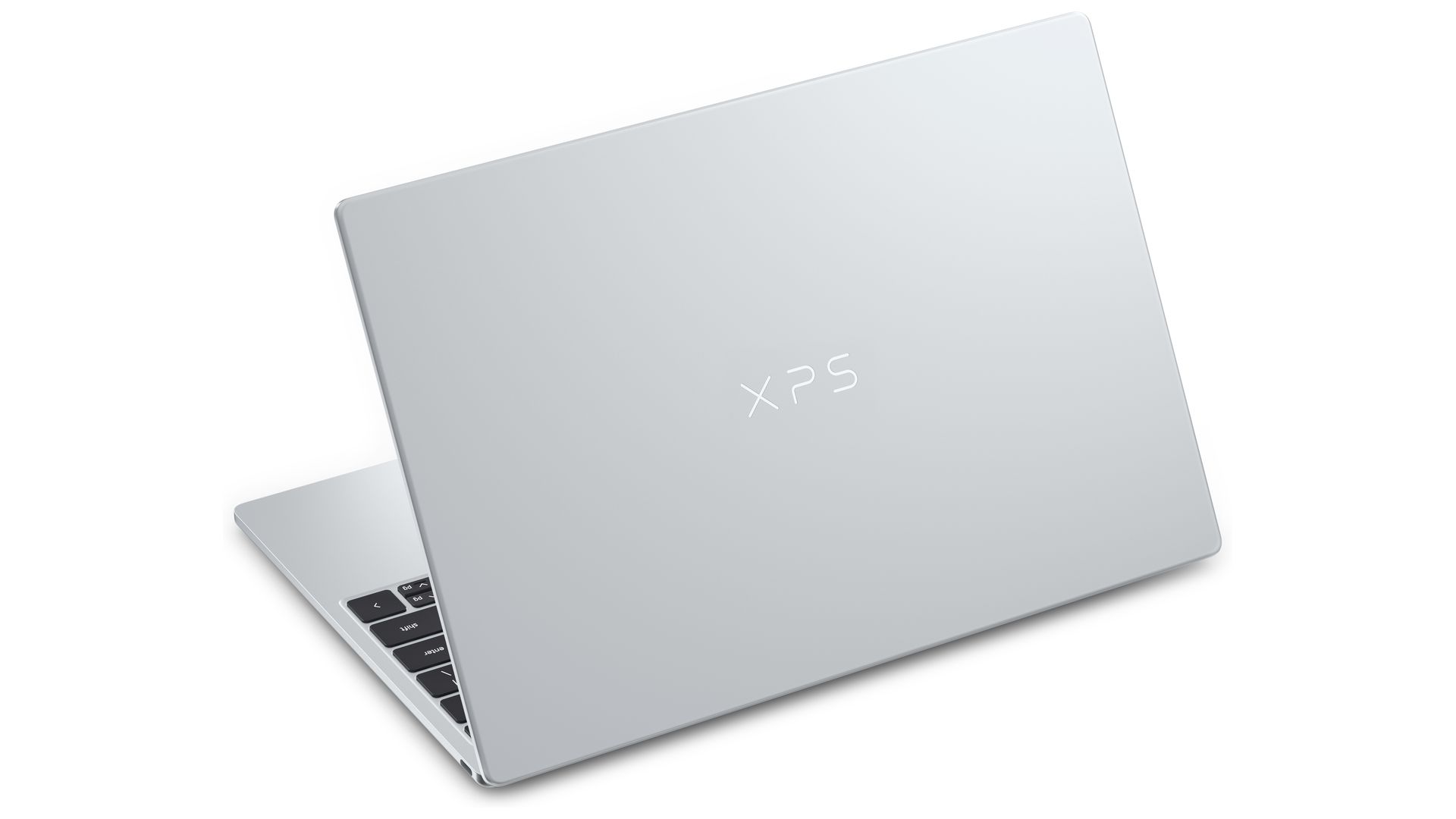
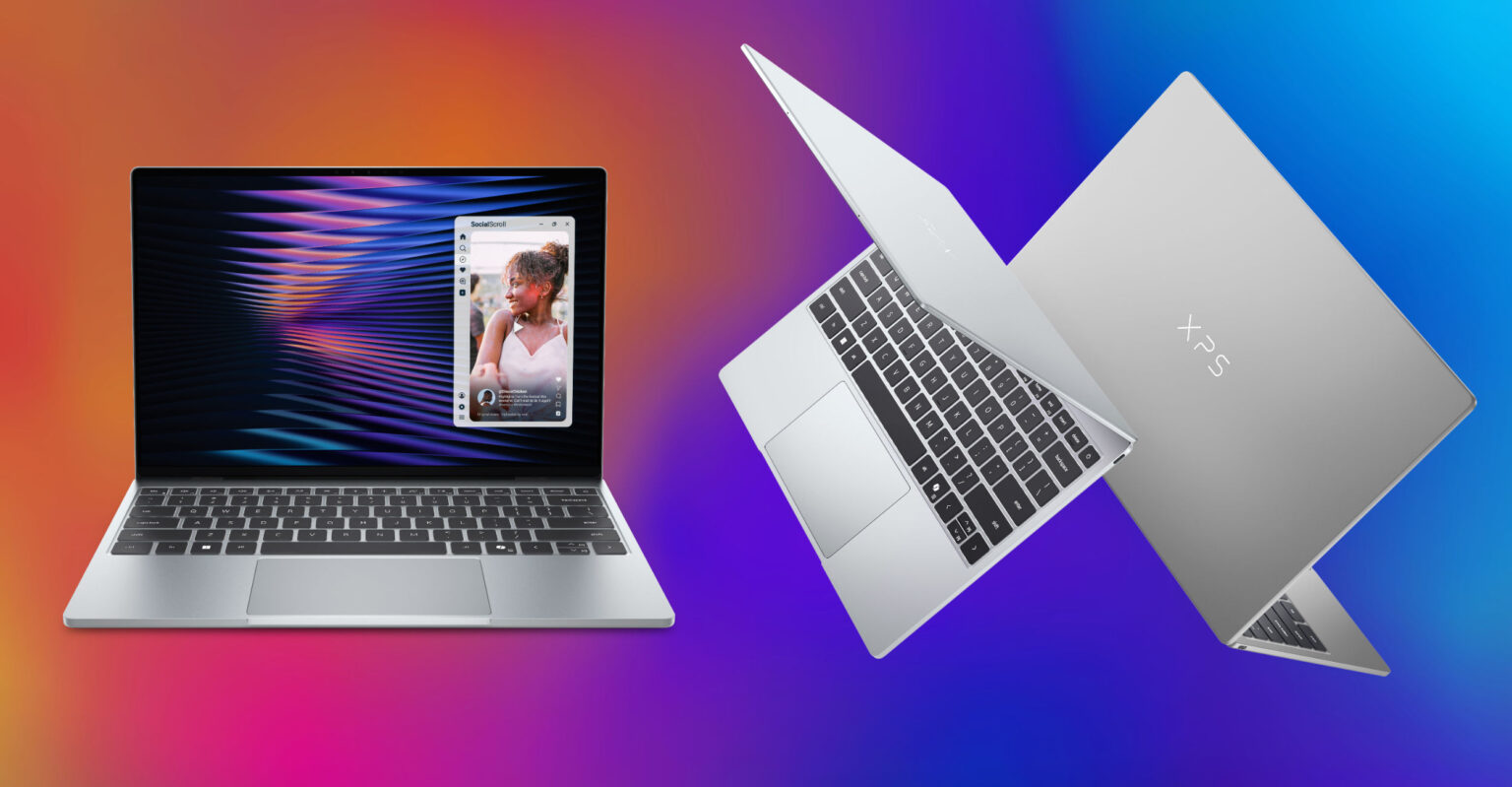
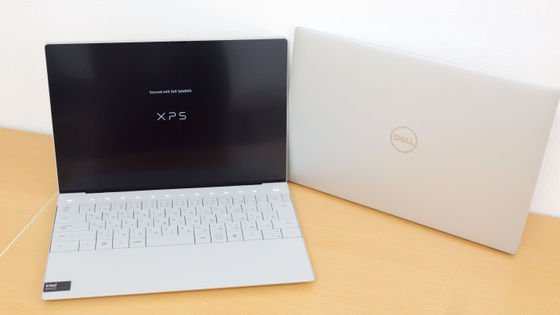
The device measures 296.9mm x approximately 200.7mm x 12.7mm and comes in two color variations: Sky and Storm. The display is the same across all configurations, featuring a 13.4-inch, 2560 x 1600 pixel InfinityEdge touchscreen. It boasts a brightness of 500 nits, 100% DCI-P3 color gamut, support for DisplayHDR 400, Dolby Vision, and Eyesafe, and also features a variable refresh rate from 30Hz to 120Hz and an anti-glare finish.
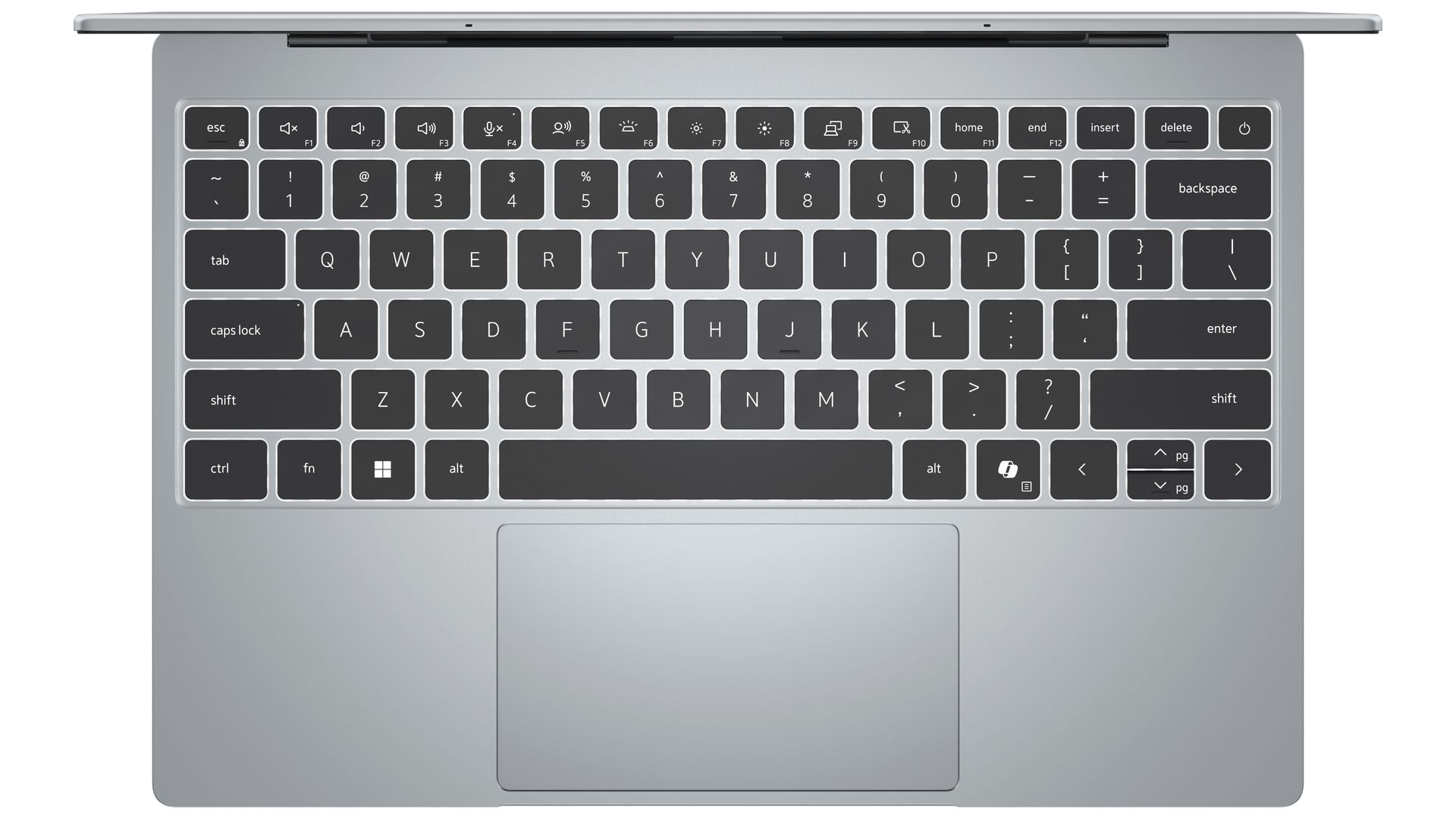
This is what the US layout keyboard looks like. The function keys are physical keys with a key travel of 0.8mm. The glass touchpad is not integrated with the main body, and its boundary is clearly visible.
The processor options include the Intel Core 5 320 and the Intel Core Ultra 7 355, which will be added after launch. The GPU is integrated Intel Graphics. NPU performance is 16 TOPS for the standard Core model and up to 49 TOPS for the Core Ultra configuration, with the Core Ultra configuration meeting the requirements for Copilot+ PCs.
Memory options range from 8GB to 32GB of LPDDR5X-7467. Core 5 configurations will have 8GB or 16GB in single channel, while Core Ultra configurations will have 16GB or 32GB in dual channel. Storage is PCIe Gen4 SSD, with options for 512GB and 1TB. A 256GB configuration will also be available in some regions.
The battery capacity is 52Wh, and Dell claims it can run for up to 17 hours when streaming videos. Connectivity includes Wi-Fi 7 and Bluetooth 6.0. Ports vary depending on the configuration; the Core 5 model has two USB Type-C 3.2 Gen 2 ports, while the Core Ultra model has two Thunderbolt 4 ports.
The camera is a 1080p IR-enabled webcam that supports Windows Hello facial recognition. The audio features four speakers with a total output of 8W and Dolby Atmos support.
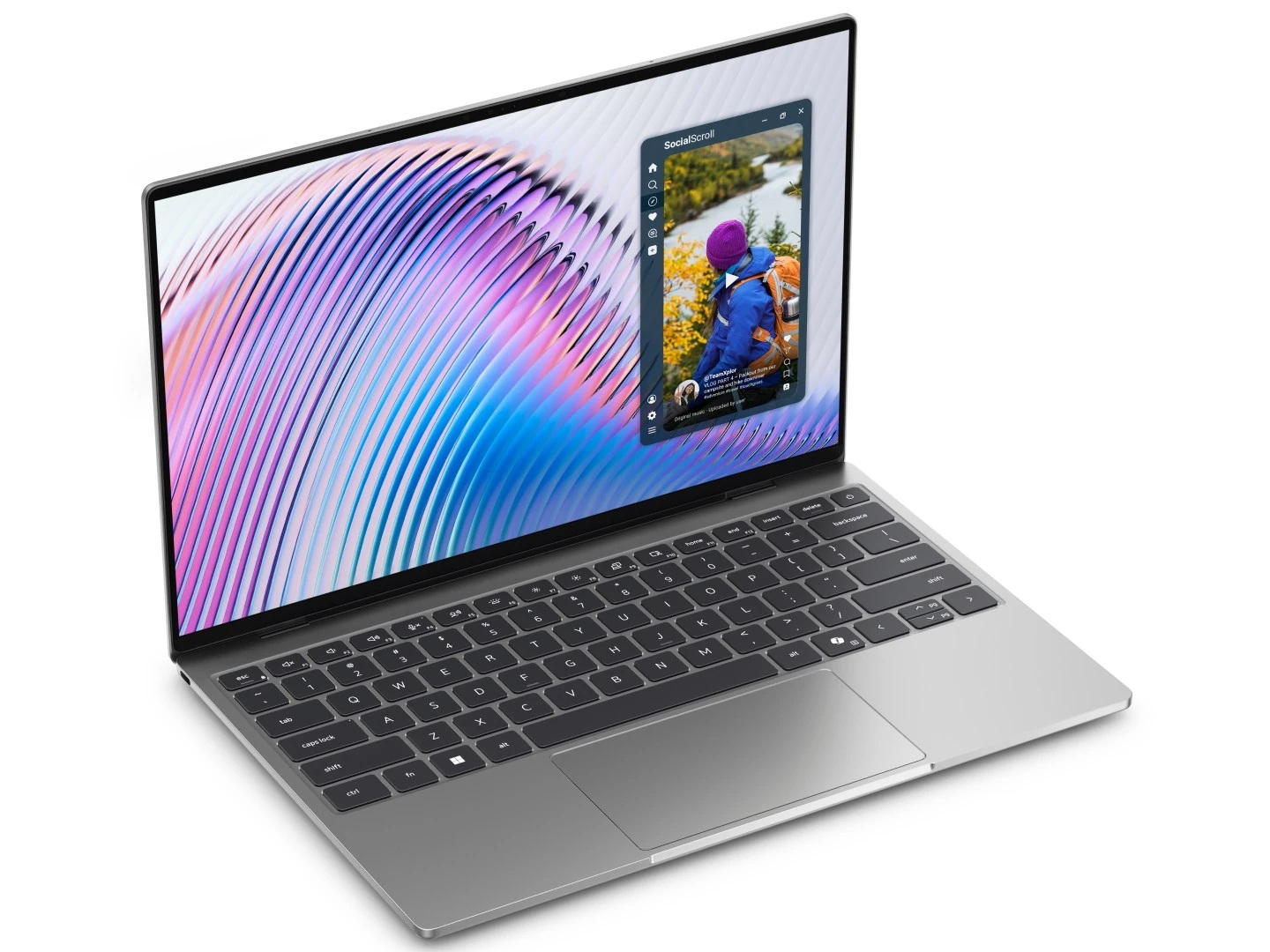
On the other hand, the regular price is $699 (approximately 111,000 yen), which is slightly higher than the MacBook Neo's $599. The $599 (approximately 95,000 yen) student price is explained as a temporary measure for the Back to School season, and for non-students, the price is slightly higher than the MacBook Neo. However, Dell positions the XPS 13 as a low-cost notebook PC and is keenly aware of the MacBook Neo as a direct competitor. The XPS 13 weighs about 1kg, which is lighter than the MacBook Neo, and the display size is slightly larger. Other differentiating features that Dell is highlighting include a touch-enabled display, a backlit keyboard, more memory configurations, and support for multiple external displays.
The XPS 13 will be released in June 2026 with an initial model featuring a Core 5 320 processor, and a model with a Core Ultra 7 355 processor is scheduled to be added in late summer 2026.
Related Posts:


in Hardware, Posted by log1i_yk