A professional explains how the 'microphones hidden on the court' that support the immersive experience of NBA broadcasts work.
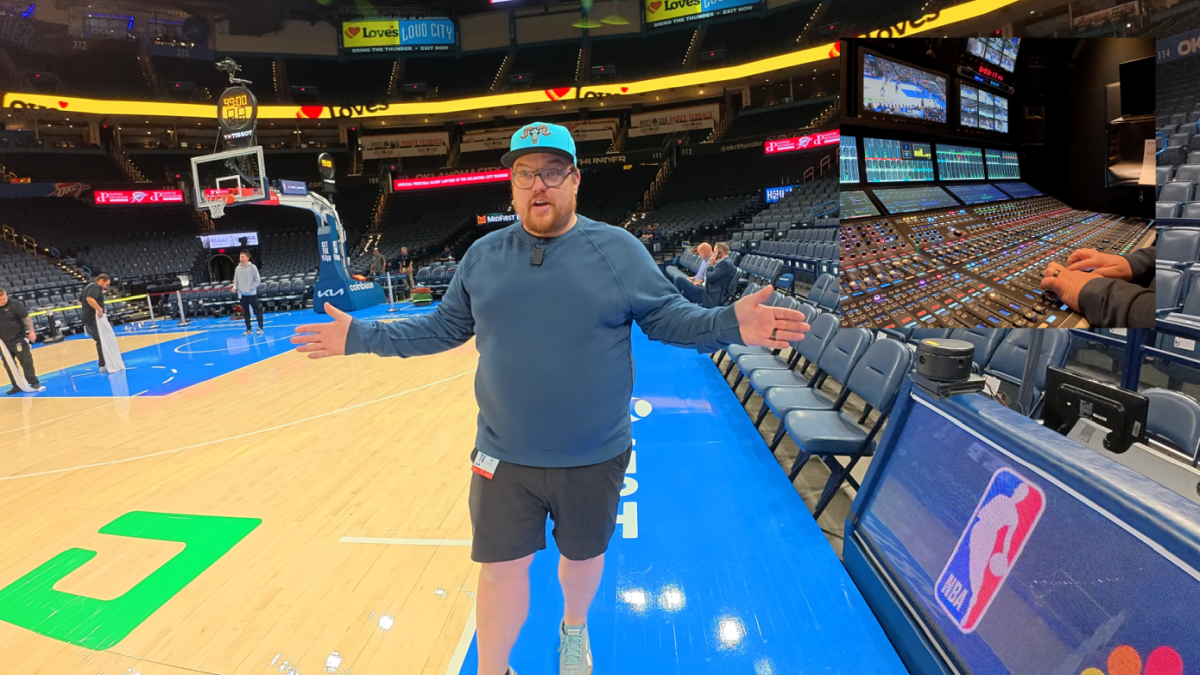
In basketball broadcasts, various sounds such as the 'swish' of the ball going through the net, the sound of shoes scraping the floor, the sound of the ball hitting the rim, and the roar of the crowd create the sense of realism in the game. Ben Majchakzak, a senior audio engineer at 'NBA on NBC,' a television sports program broadcast by the American network
Where the NBA hides its mics - YouTube
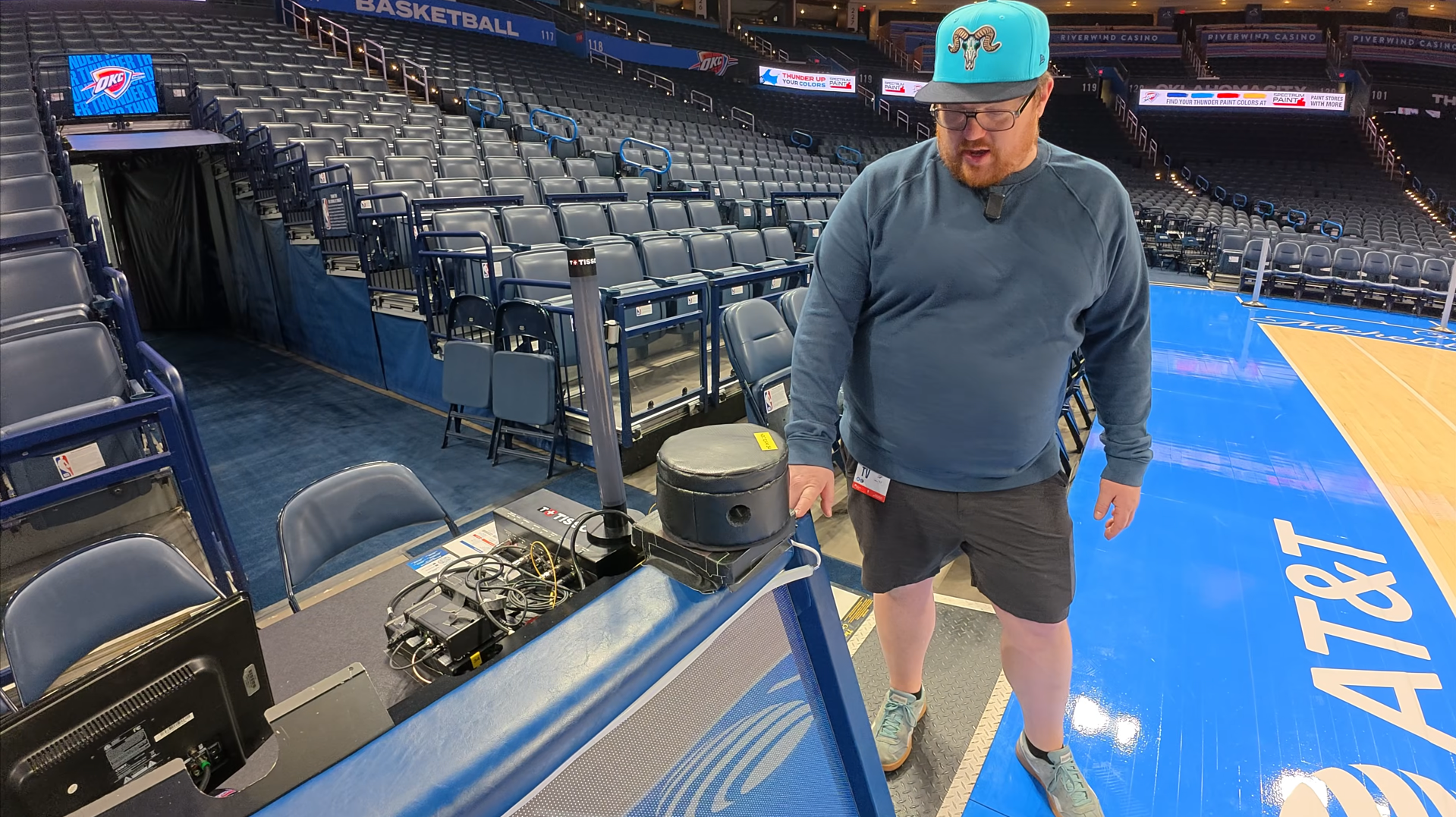
This video was released on the channel of Dallas Taylor, a sound designer who produces the podcast ' Twenty Thousand Hertz, ' which deals with stories about sound. In the video, Mychakzak, who is in charge of sound for NBA broadcasts, walks around the area around the ring, behind the backboard, and in the commentary booth, explaining the actual microphone placement and mixing techniques.
The first thing Mr. Mychakuzak showed was the lavalier microphones mounted around the rim. These are important microphones for picking up the 'swish' sound when the shot goes through the net, and DPA's ' 4060 ' is being used.
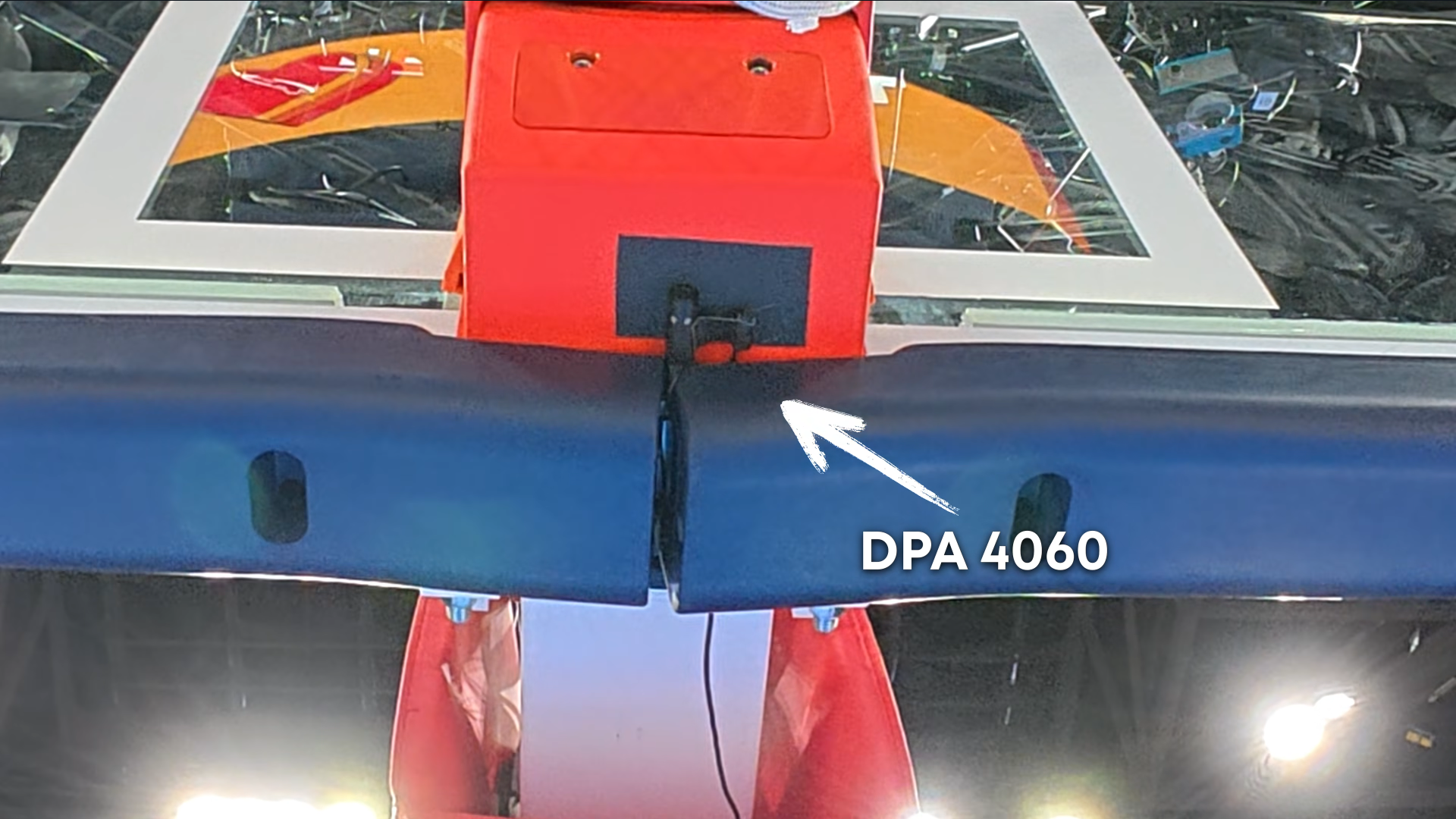
DPA's '4060' is an omnidirectional microphone, so it picks up a wide range of sounds from the surroundings, not just from the front. Therefore, it can pick up not only the sound of the net, but also the sound of the ball hitting the rim and backboard, as well as players' voices and shouts. Majchakzak describes his mix as 'quite aggressive,' and says his aim is to make the sounds happening on the court as clear as possible.
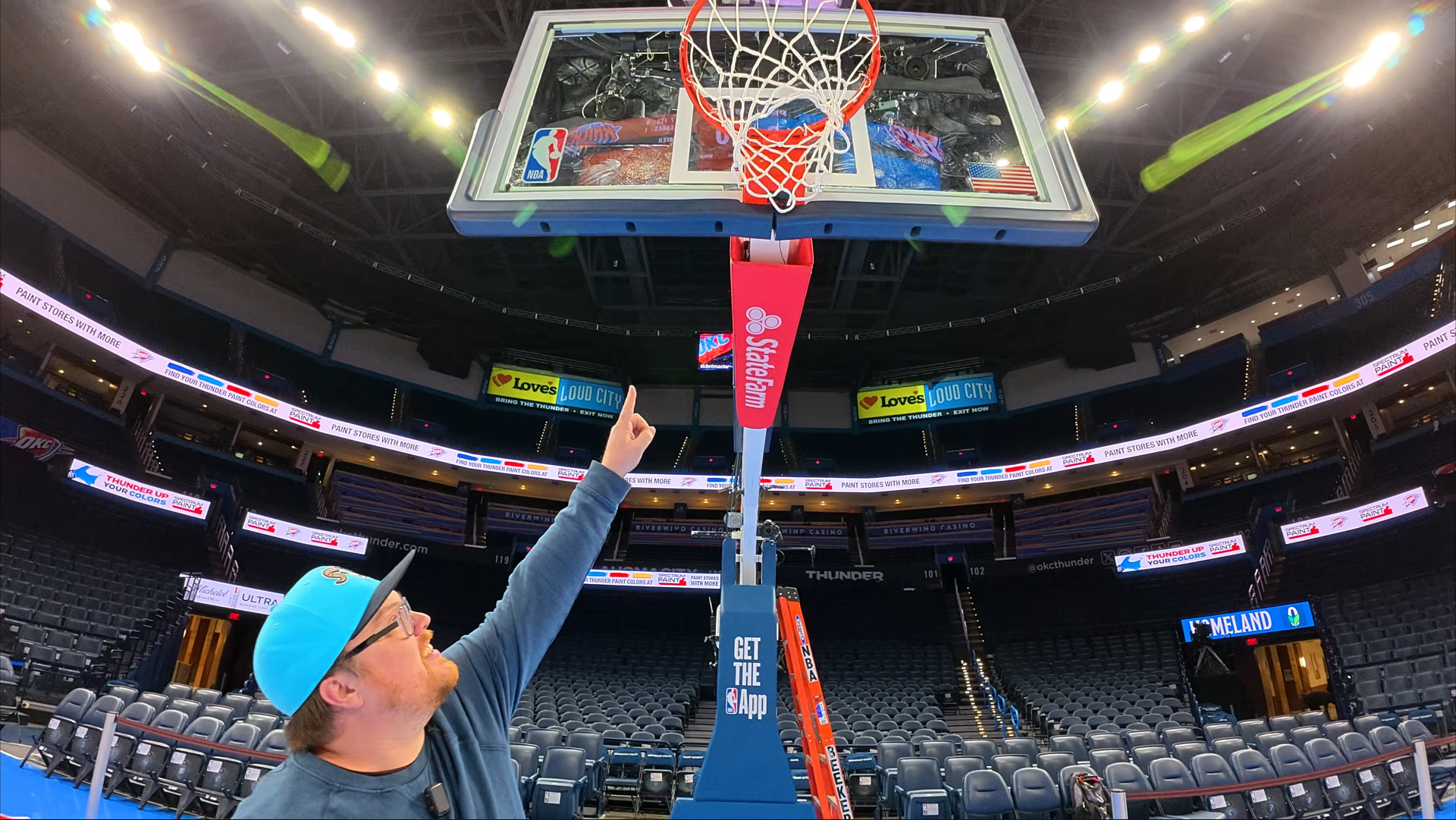
An AKG
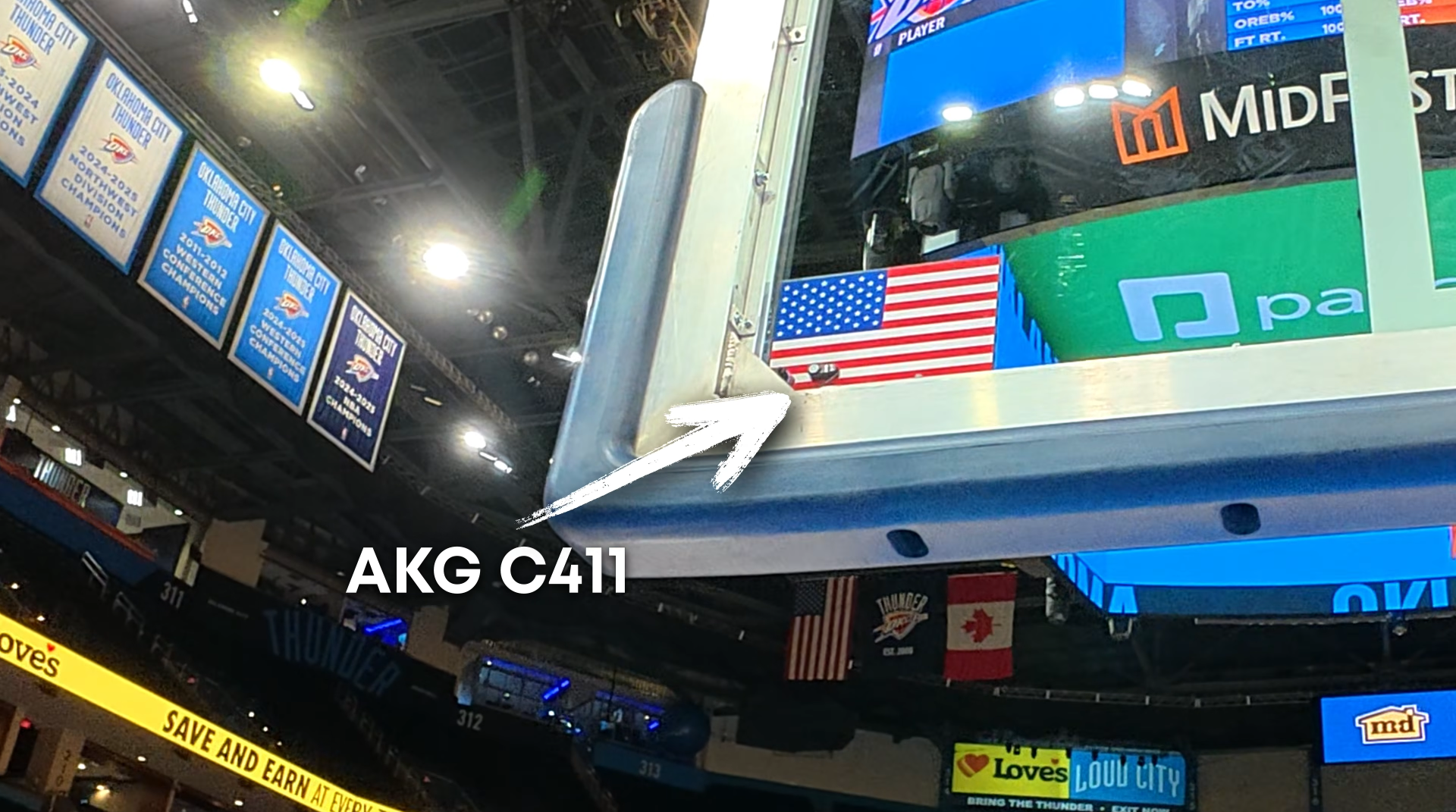
There is one 'C411' installed on each side.
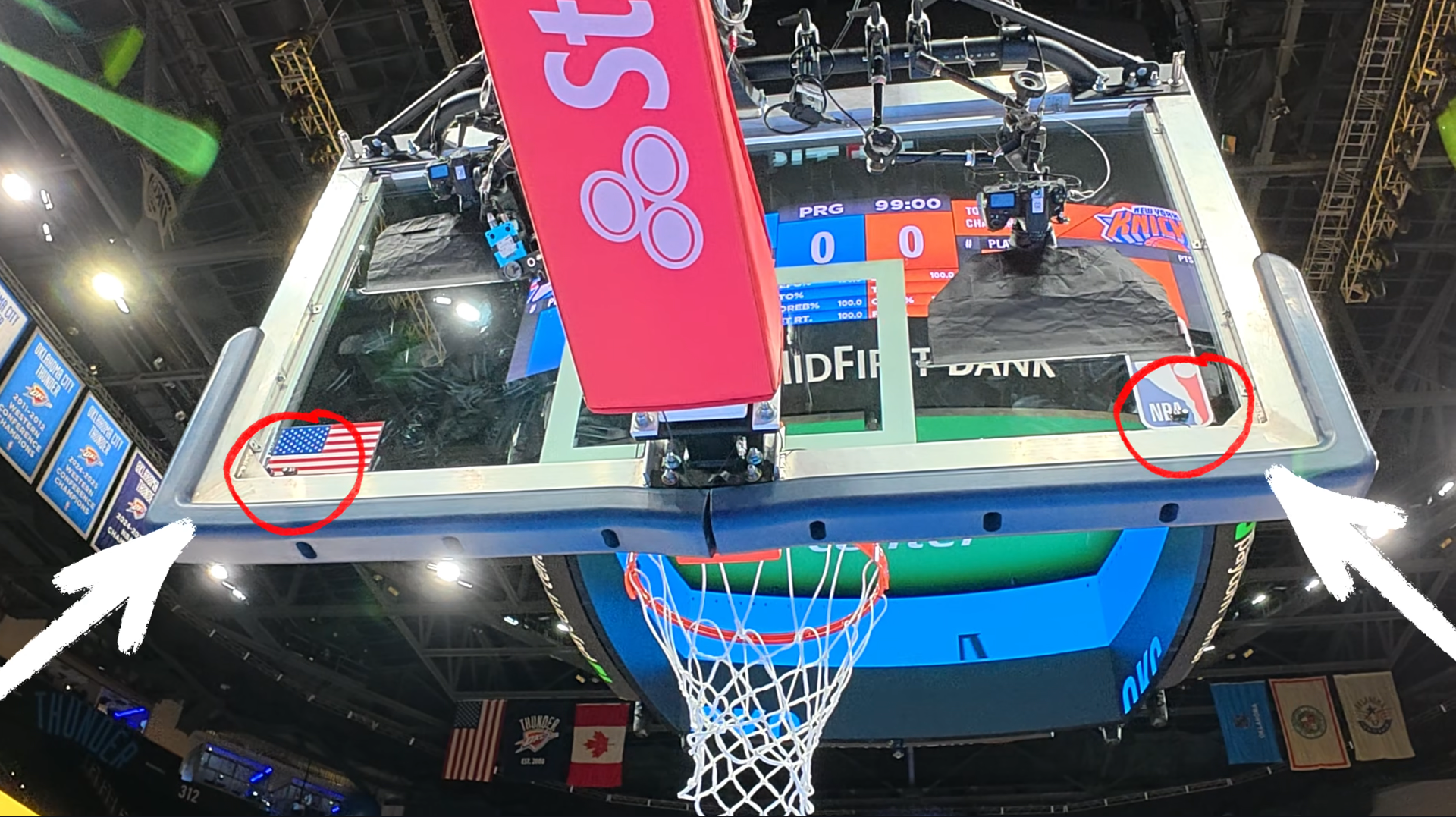
Many microphones are needed to capture the sounds on the court, but they must be installed in a way that doesn't interfere with the game and is inconspicuous to viewers. The cables are hidden along the structure of the backboard to avoid appearing in the broadcast footage, and are ultimately connected to the audio equipment.
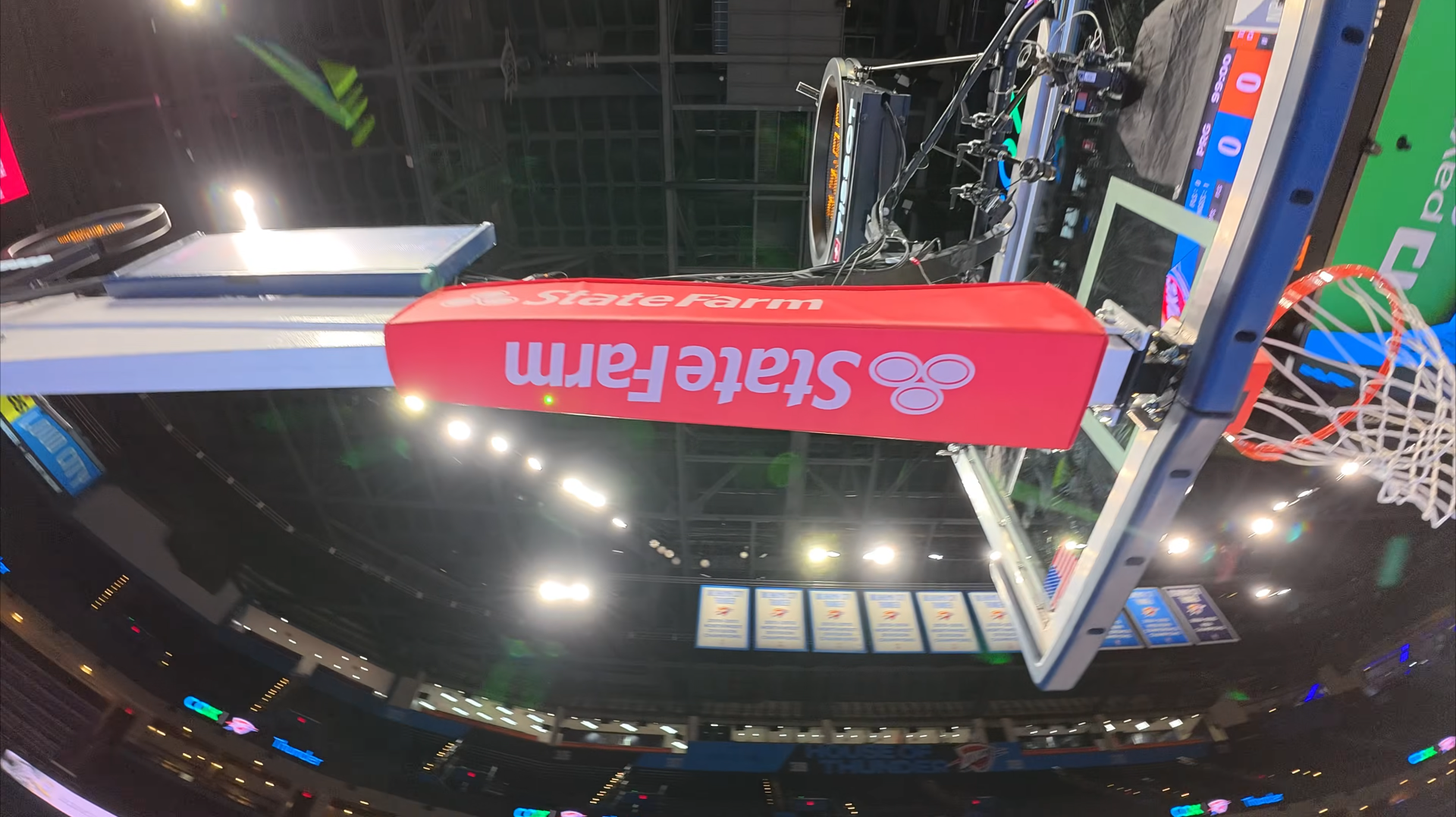
A Sennheiser '
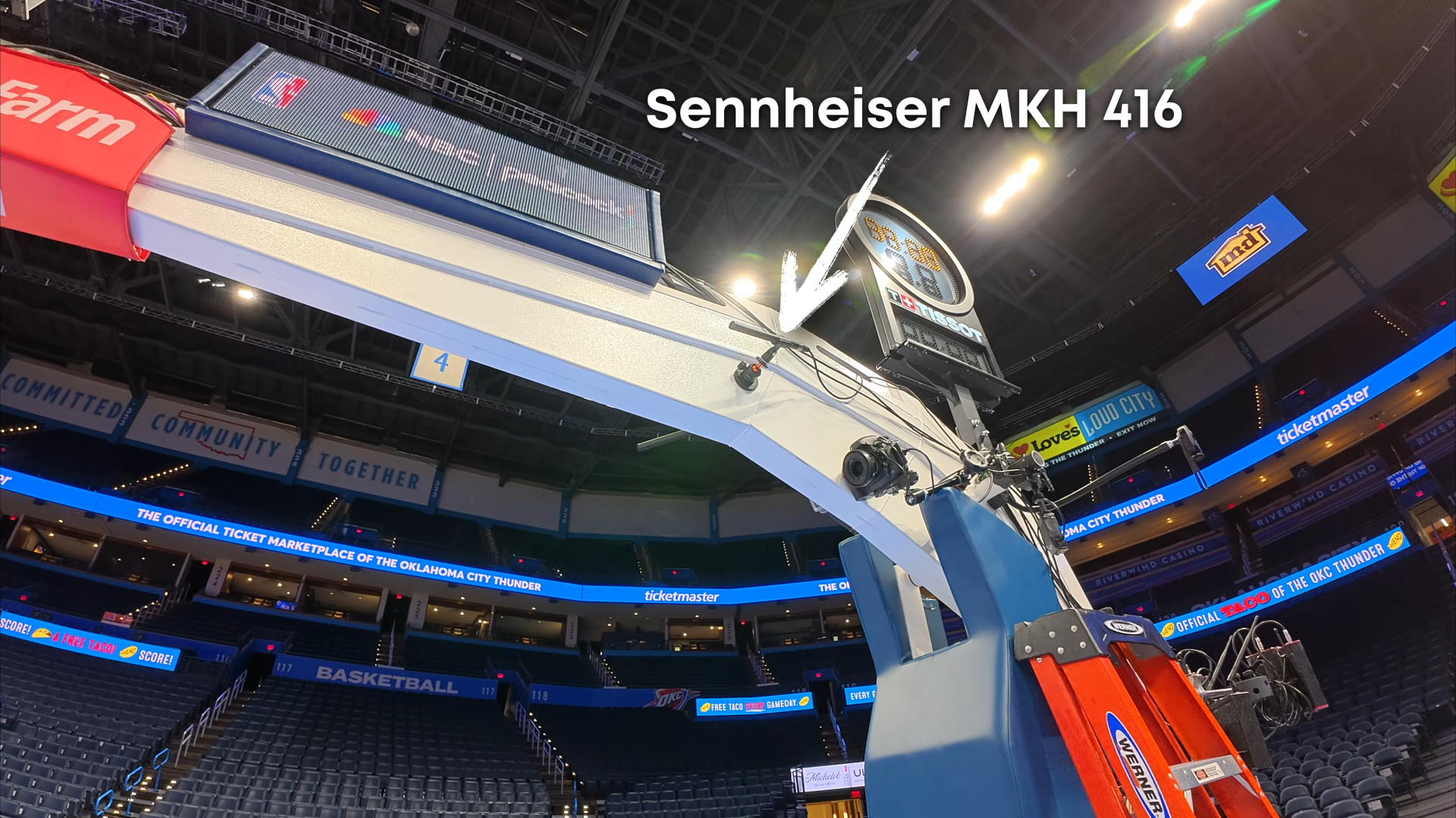
According to Majchakzak, 70% to 80% of the game takes place in the area around the ring, so by combining lavalier microphones near the ring, contact microphones behind the backboard, and overhead shotgun microphones, they can cover most of the sounds from the court that can be heard on television broadcasts.
Additionally, an Audio-Technica '
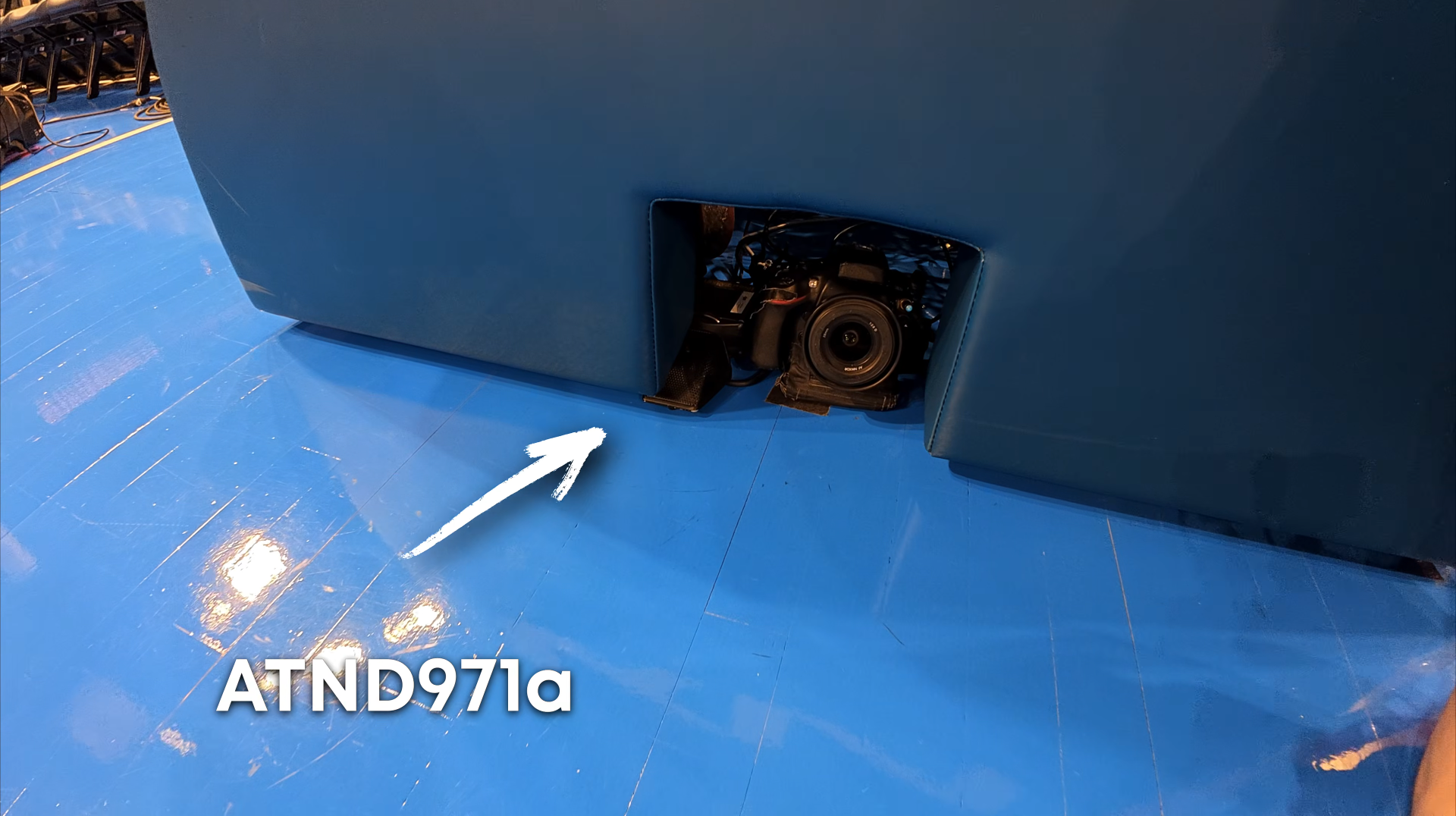
Majchakzak explains that combining Sennheiser's 'MKH 416' and Audio-Technica's 'ATND971a' allows for coverage of a wide range of key areas important in basketball. However, he notes that it's difficult to pick up only the sounds on the court cleanly, as there are constant announcements and music playing in the arena, and no bouncing sound is generated while the ball is in the air, so even adding more microphones won't capture all the sounds.
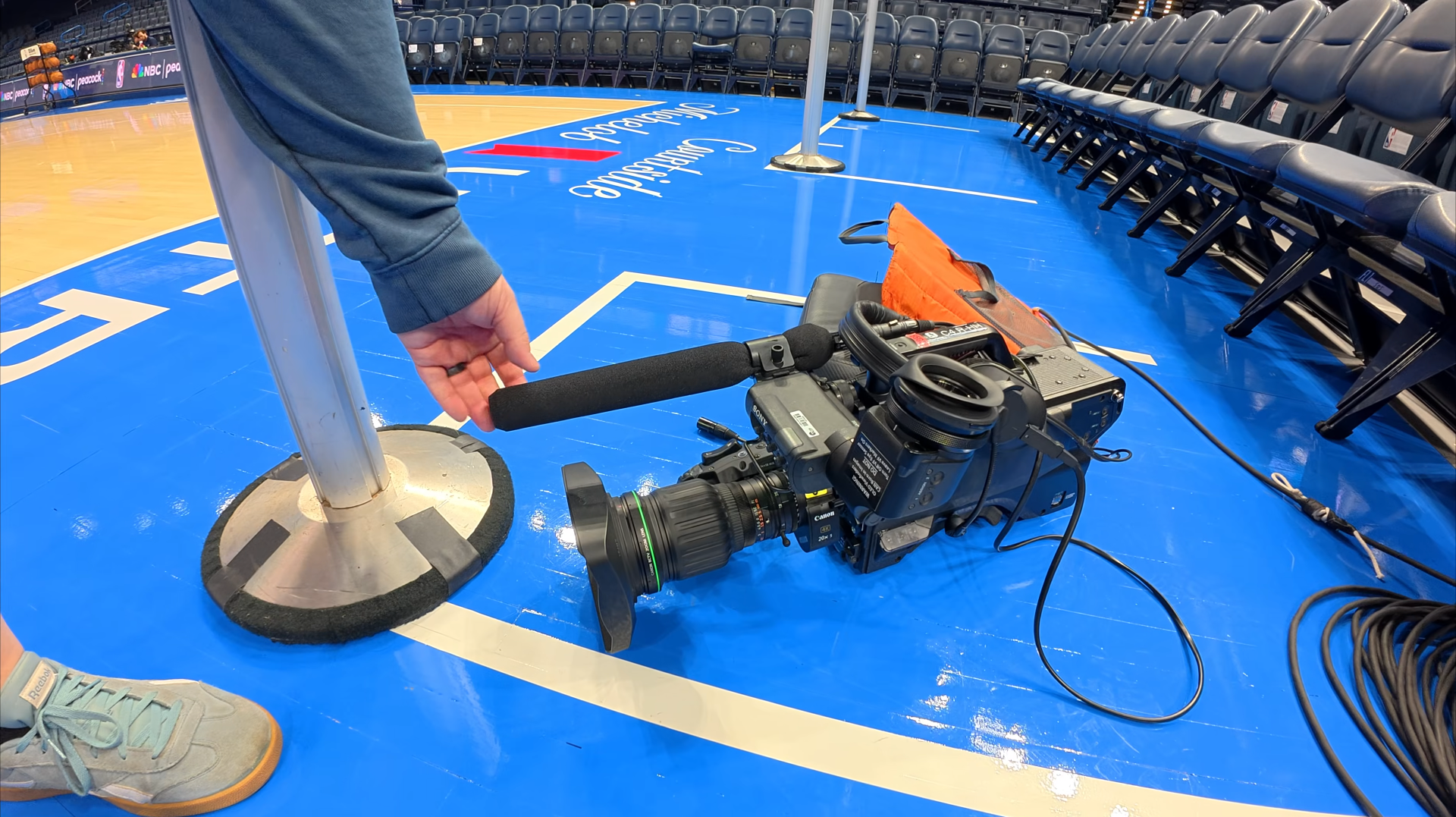
To compensate for these missed shots, an Audio-Technica long stereo shotgun microphone is attached to the handheld camera. Because this camera is constantly tracking the ball, it can complement sounds from areas that are difficult to pick up with the fixed microphone.
Multiple microphones are set up in the venue to pick up the voices of the audience. Behind each basketball, there is an Audio-Technica '
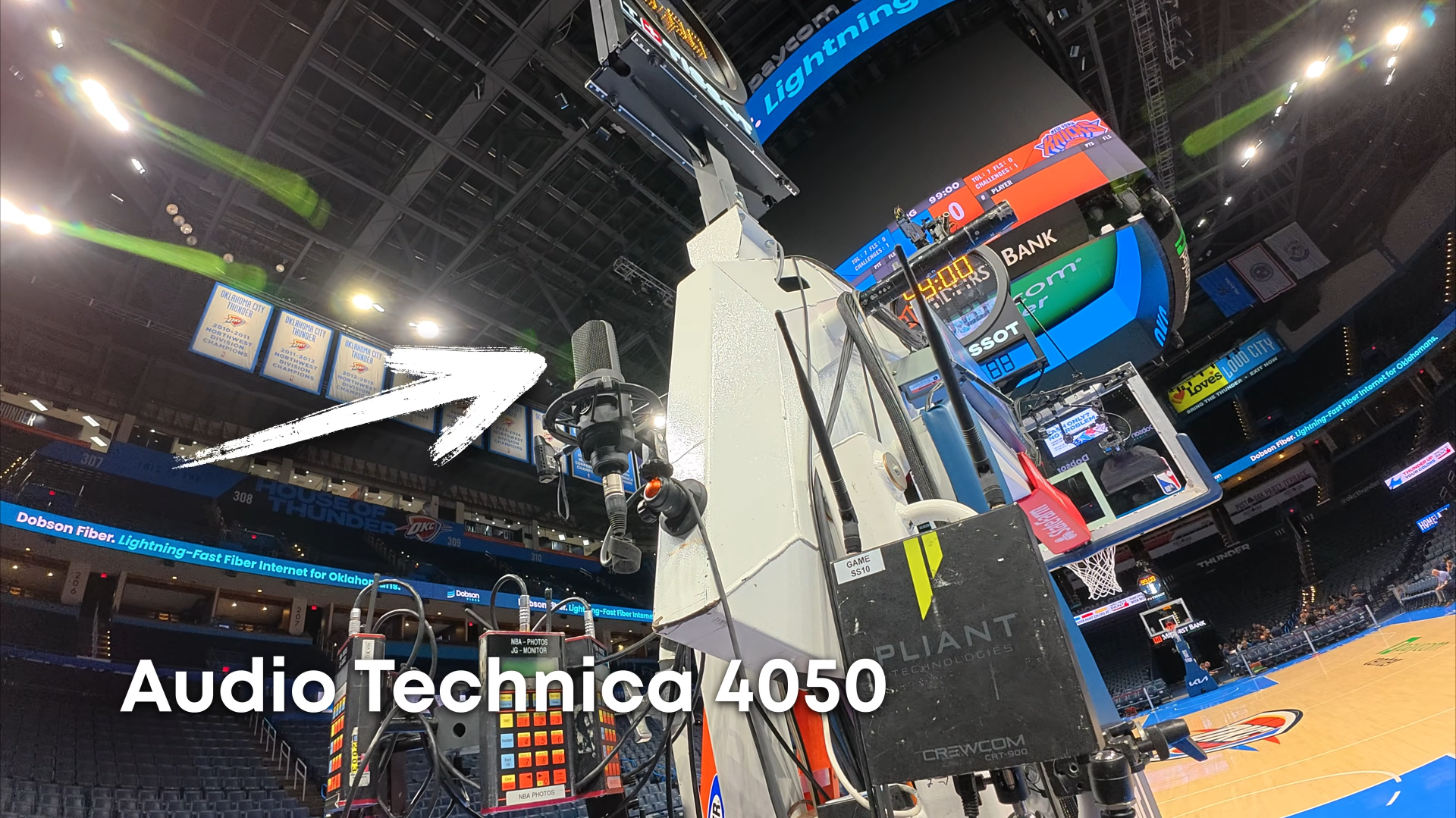
Stereo microphones are also attached to cameras positioned high up in the venue, and by combining audience sounds from low, medium, and high positions, they are creating a sense of spaciousness throughout the entire venue.
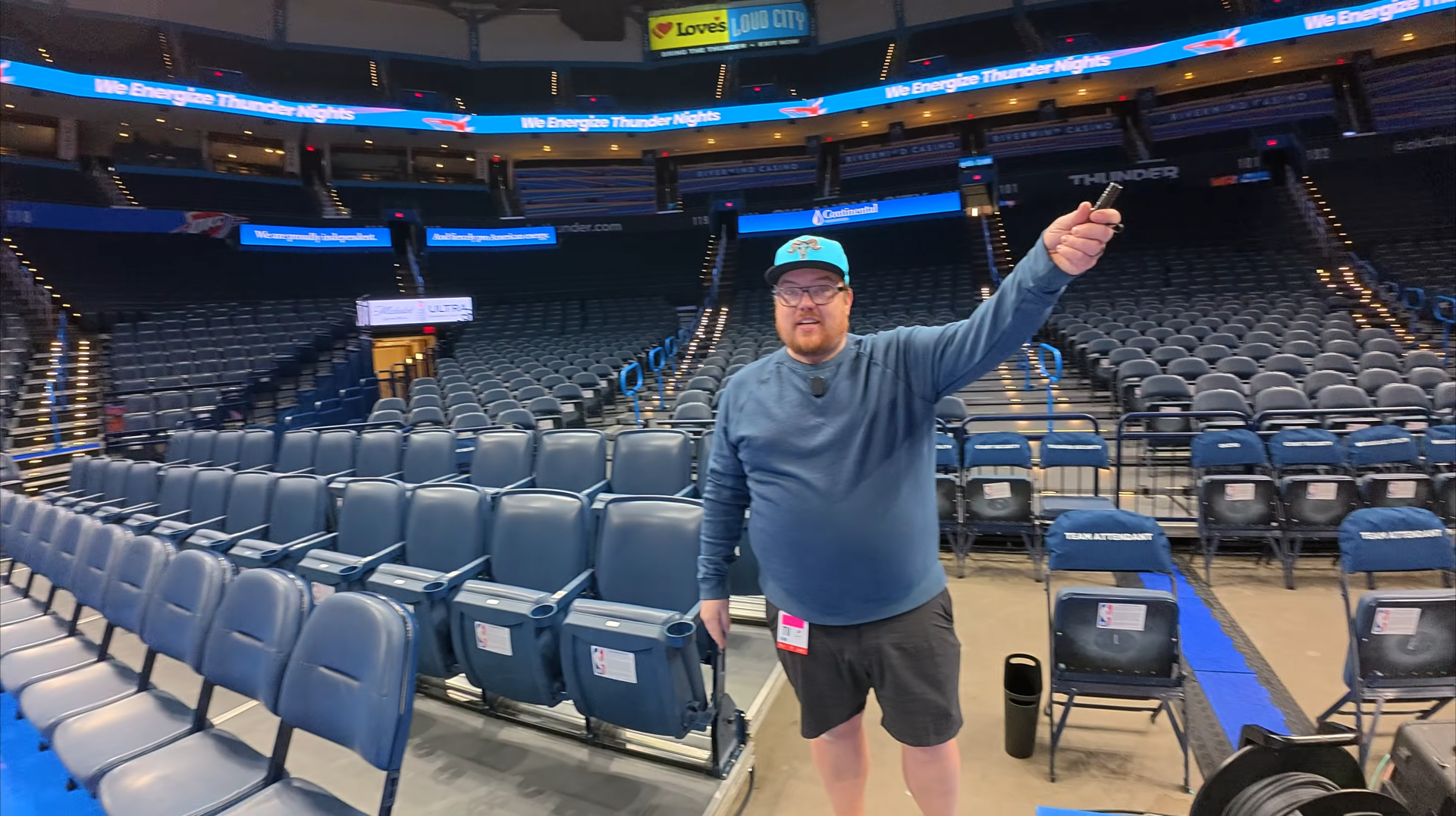
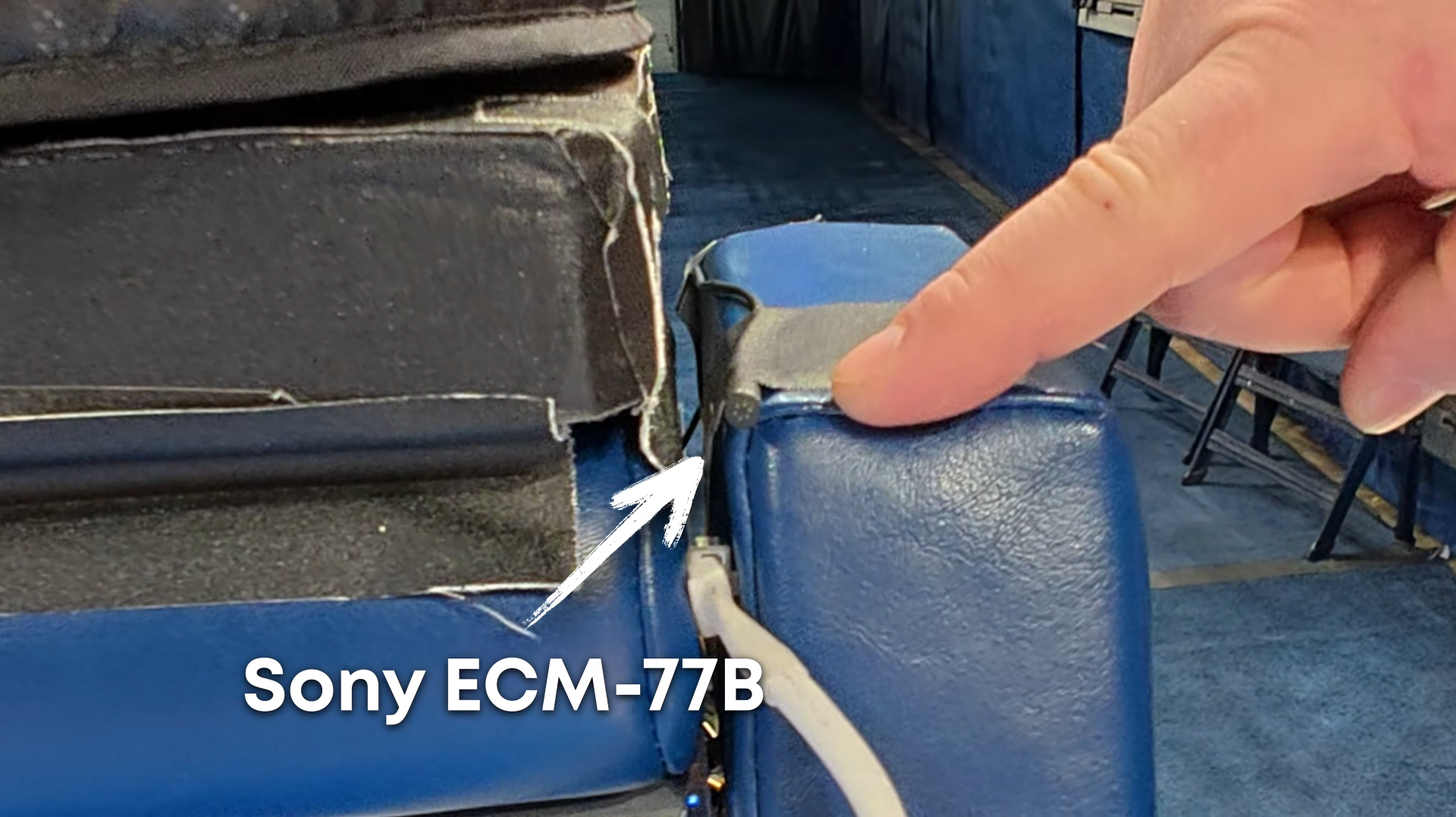
On the opposite side of the court, the 'far side'—the area beyond the main camera for television broadcasts—there are few places to place cameras and microphones, making it difficult to pick up sounds like dribbling in traditional broadcasts. This is the only place on the far side where microphone placement has been permitted.
Three Sony
Second one
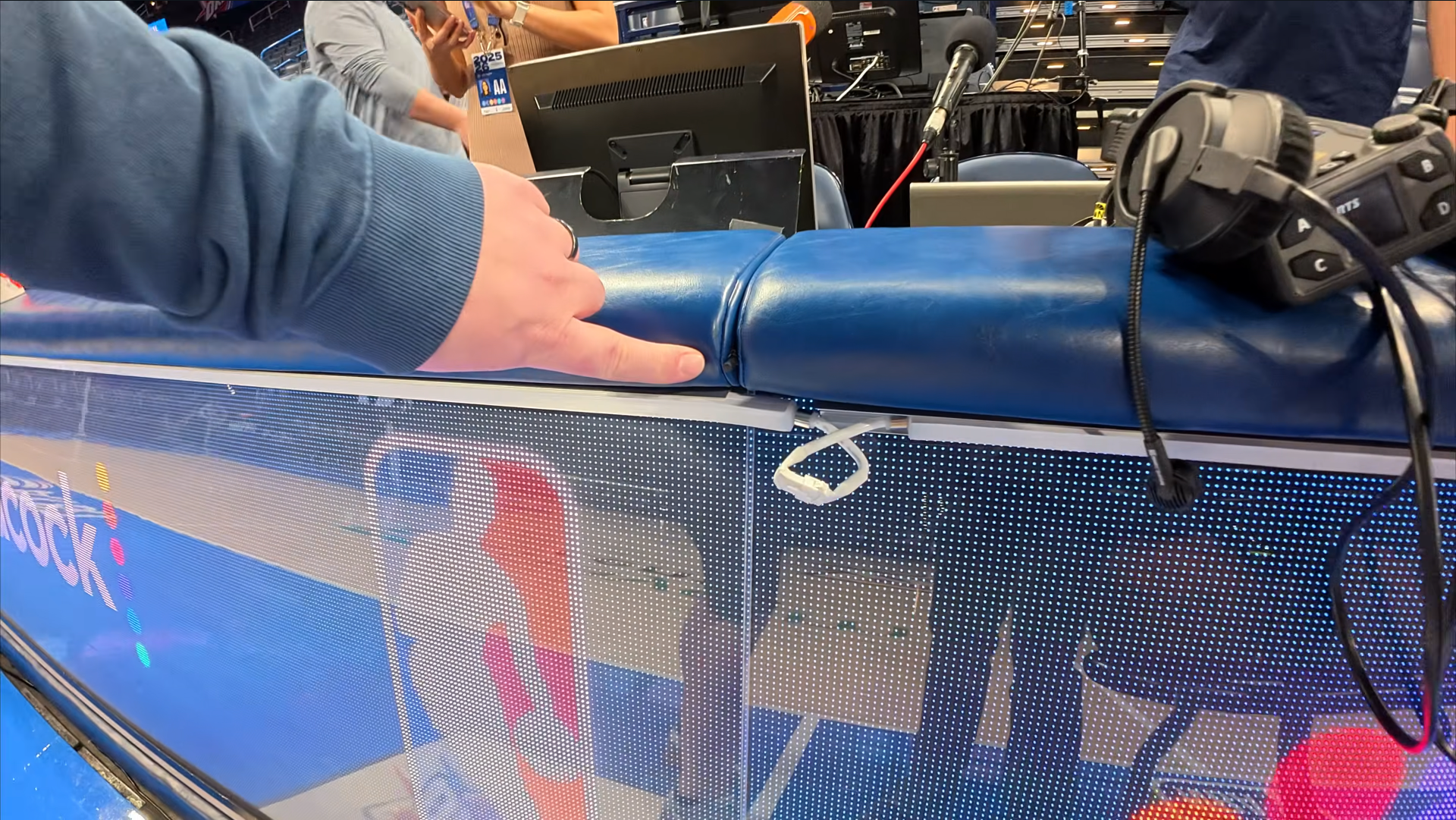
Third microphone. These microphones are not used to pick up sounds from the bench, but rather to capture the sound of dribbling as the ball passes the far side and the movements of the players. The input from each microphone is combined into three channels—left, center, and right—to record the players' movements on the court in a stereo sound.
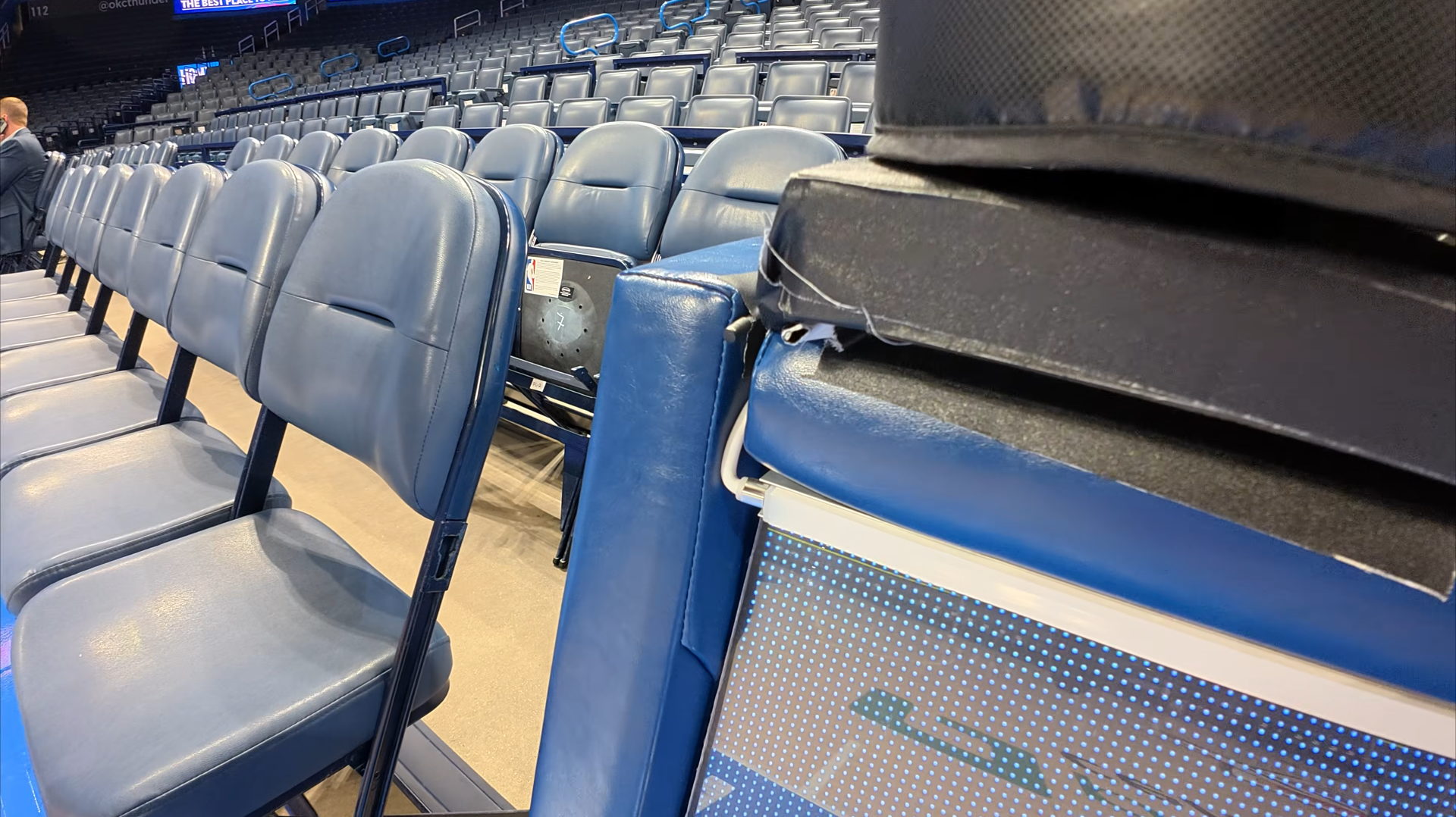
Meanwhile, multiple microphones are also installed on the 'near side,' closer to the main camera. Mychakzak explains that the long shotgun microphone attached to the camera that tracks the ball on the near side is a very useful microphone because it can get close to and record the action that takes place during the game.
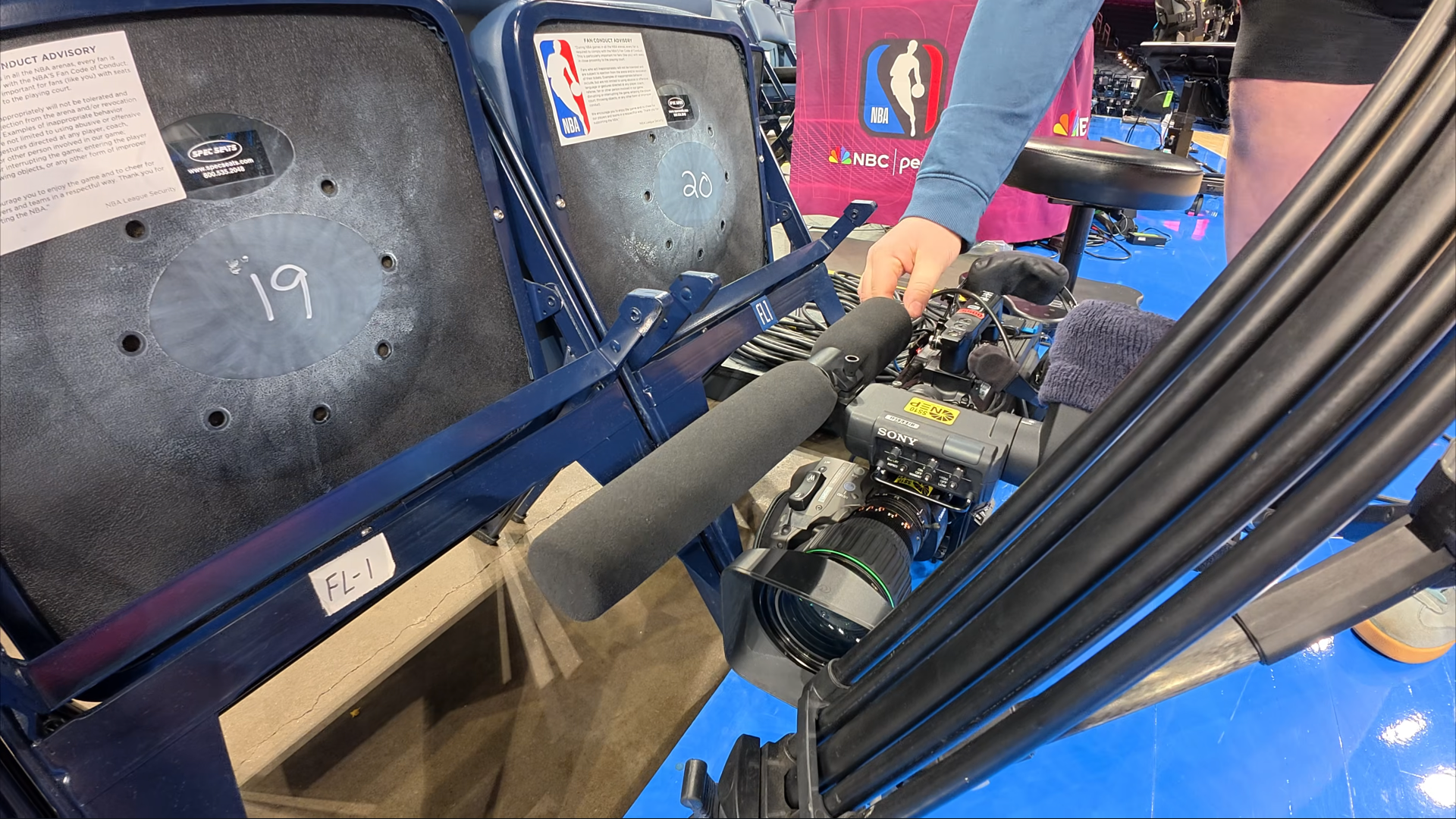
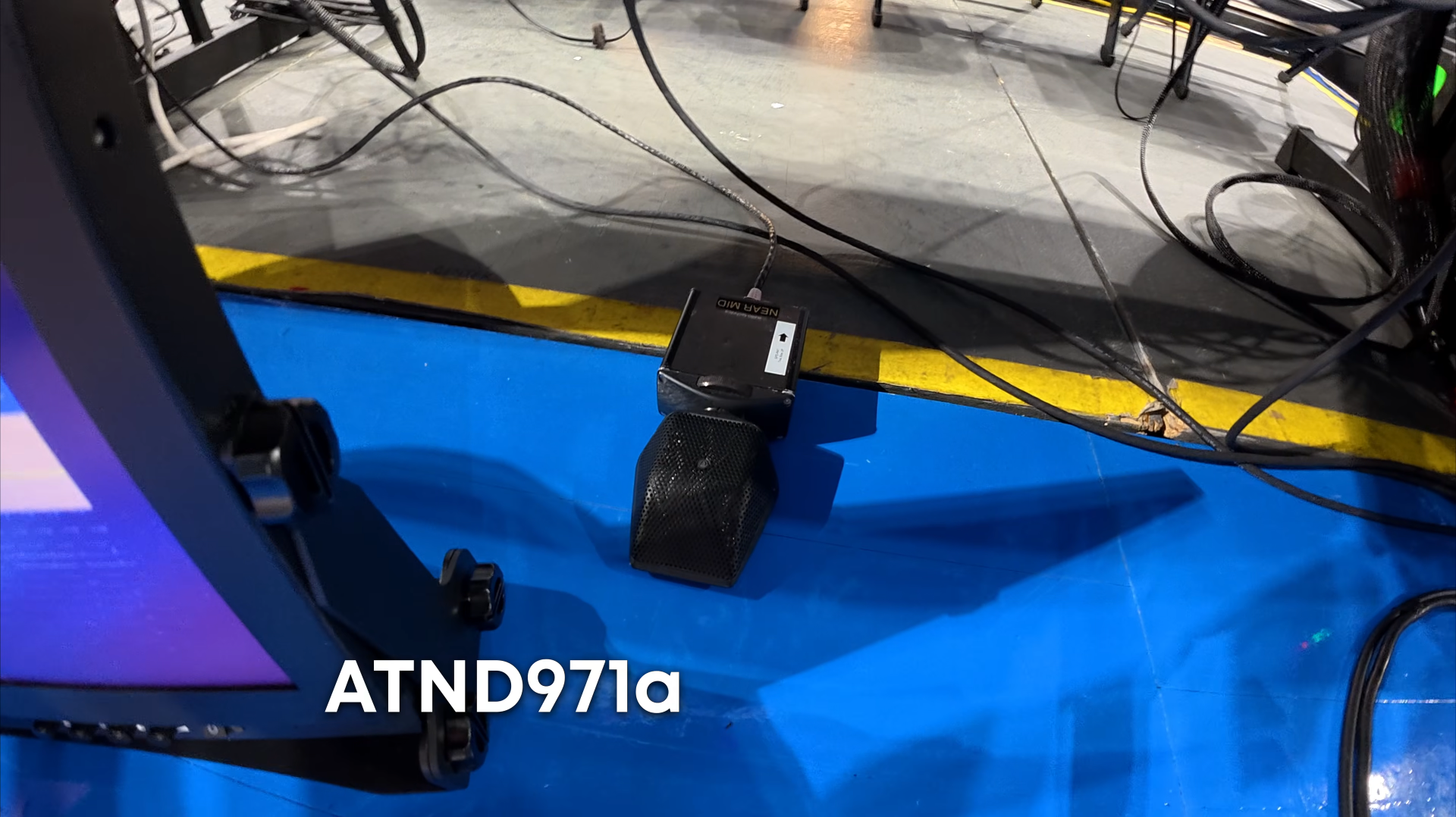
Furthermore, two Audio-Technica 'ATND971a' microphones are placed near the floor on the near side of the court. Since it's not possible to place the microphones extremely close to the court, these floor microphones are used in combination to pick up the sound of the ball bouncing and footsteps when the ball comes close. First microphone.
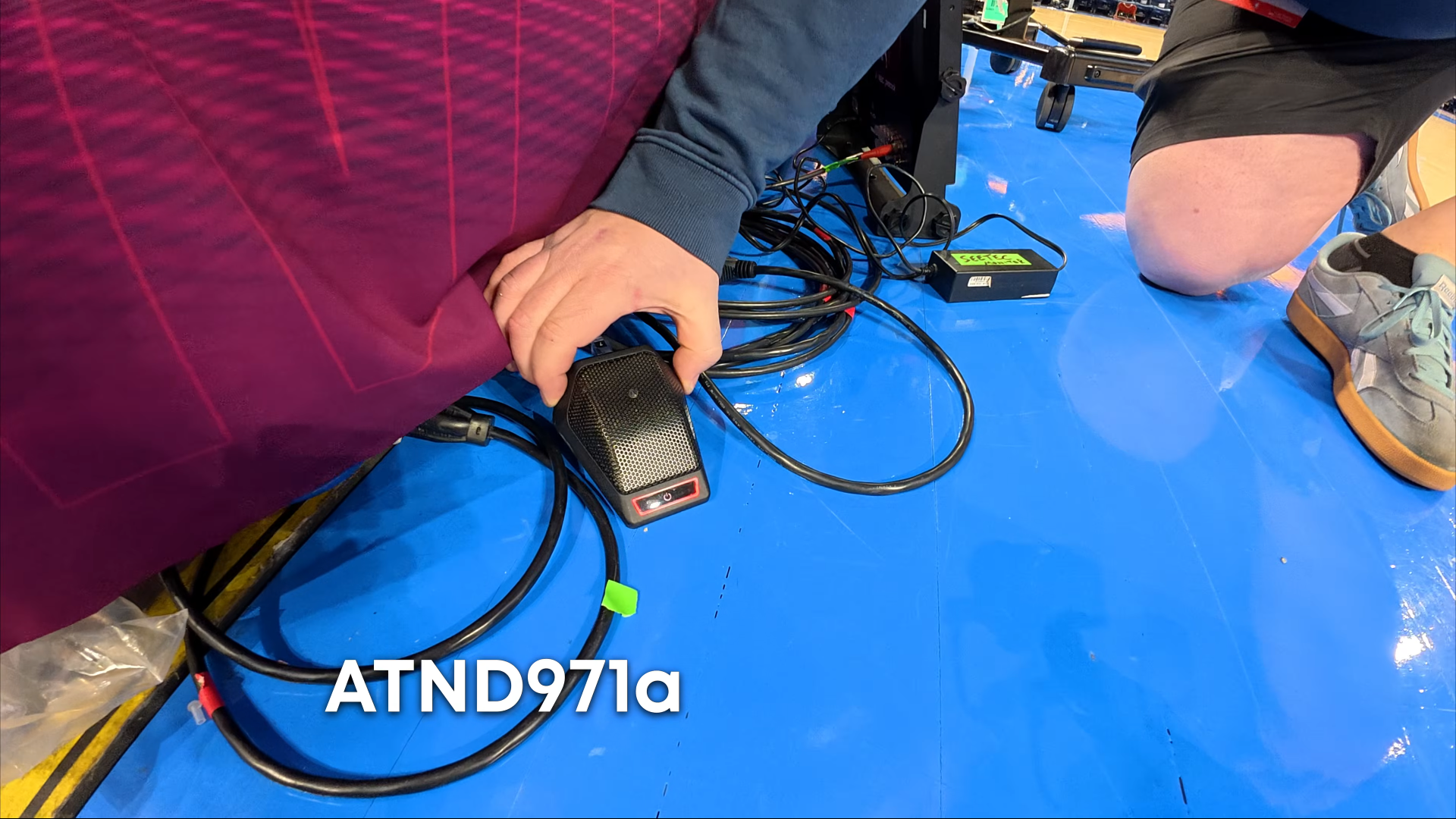
Second unit.
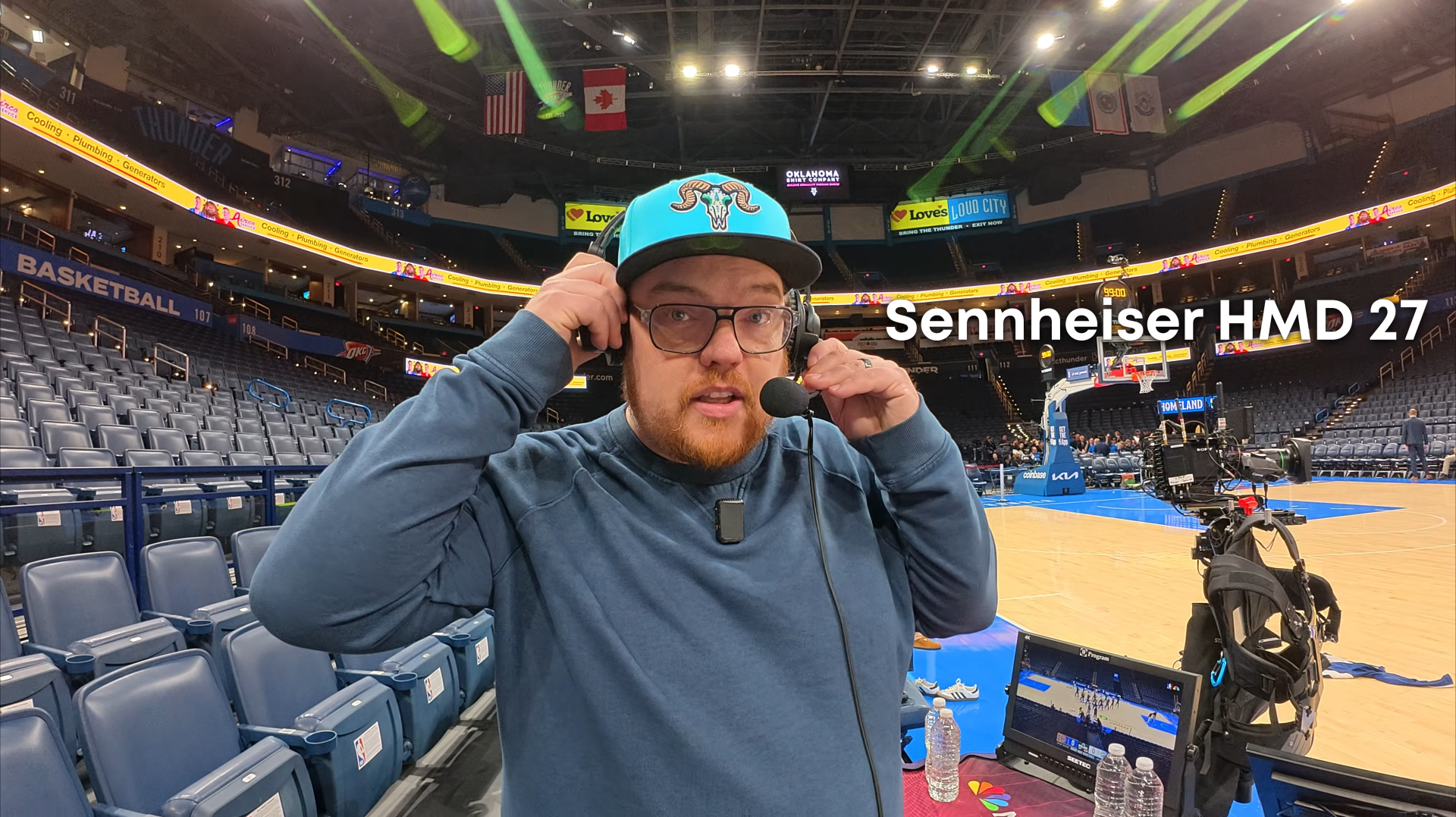
The commentators are using Sennheiser's
The audio system in the commentary booth uses '
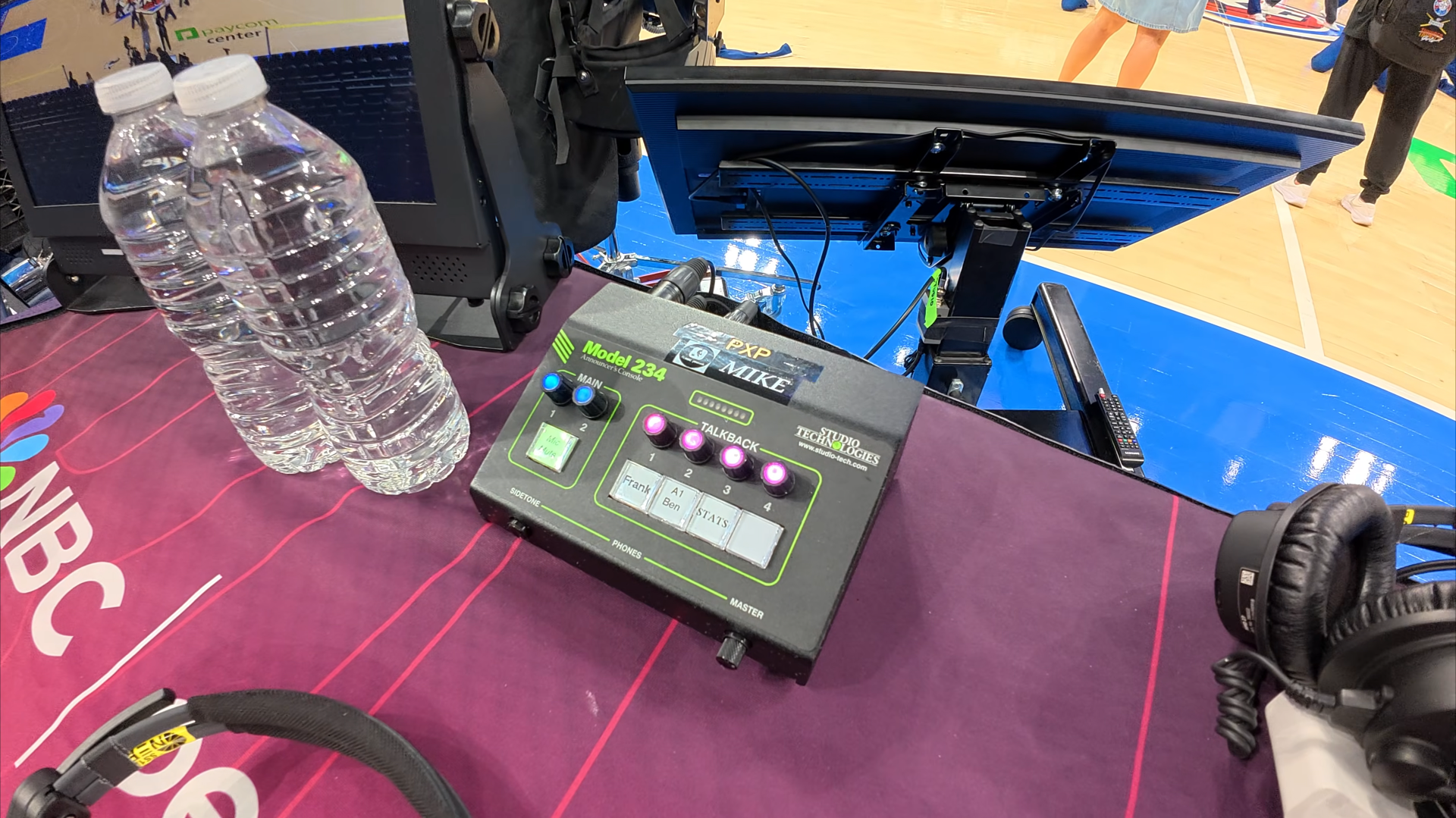
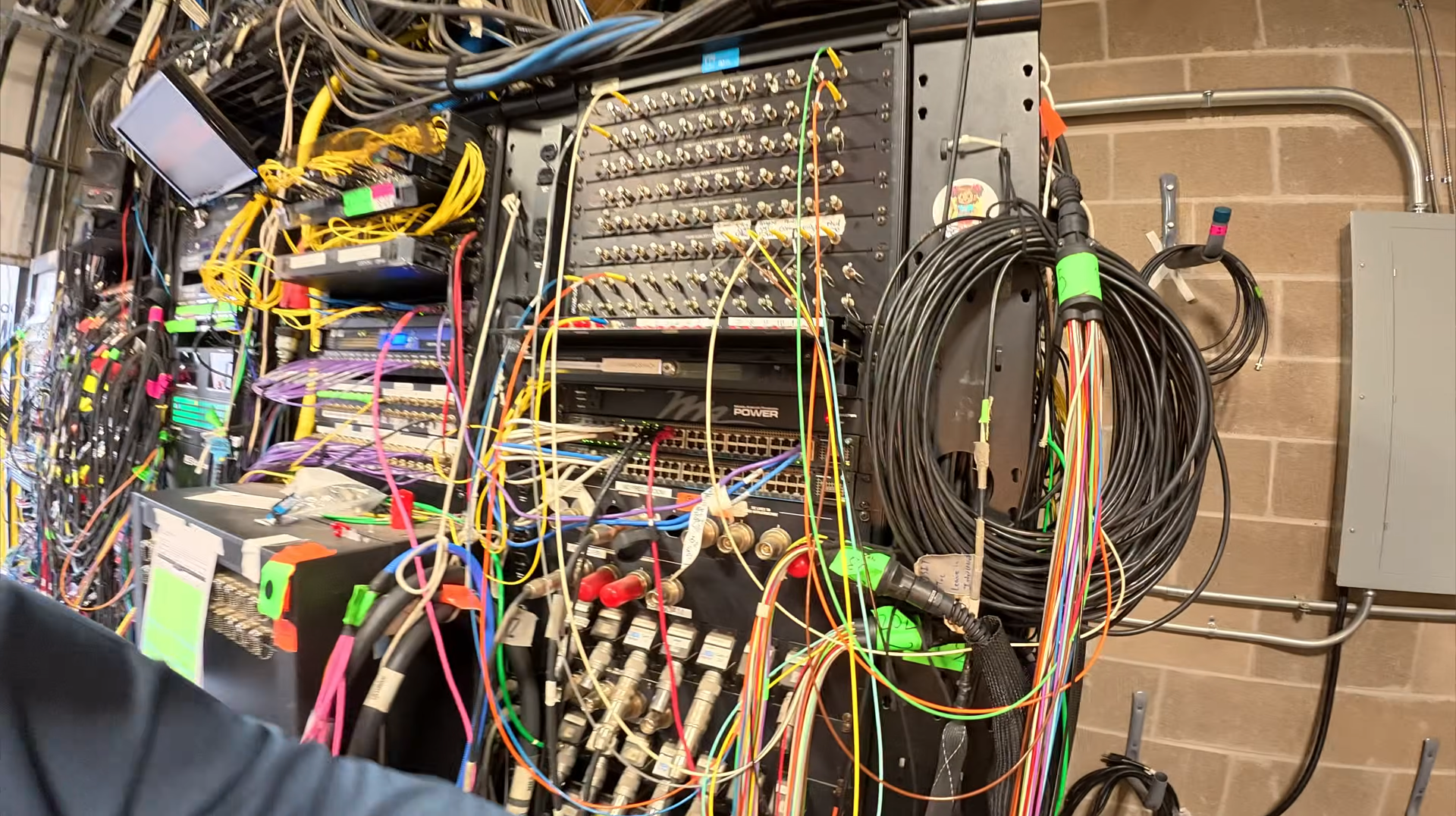
These are connected to one large network, and according to Mychakzak, 'the entire program has more than 120 devices in total, including equipment in the broadcast truck and equipment on the court.'
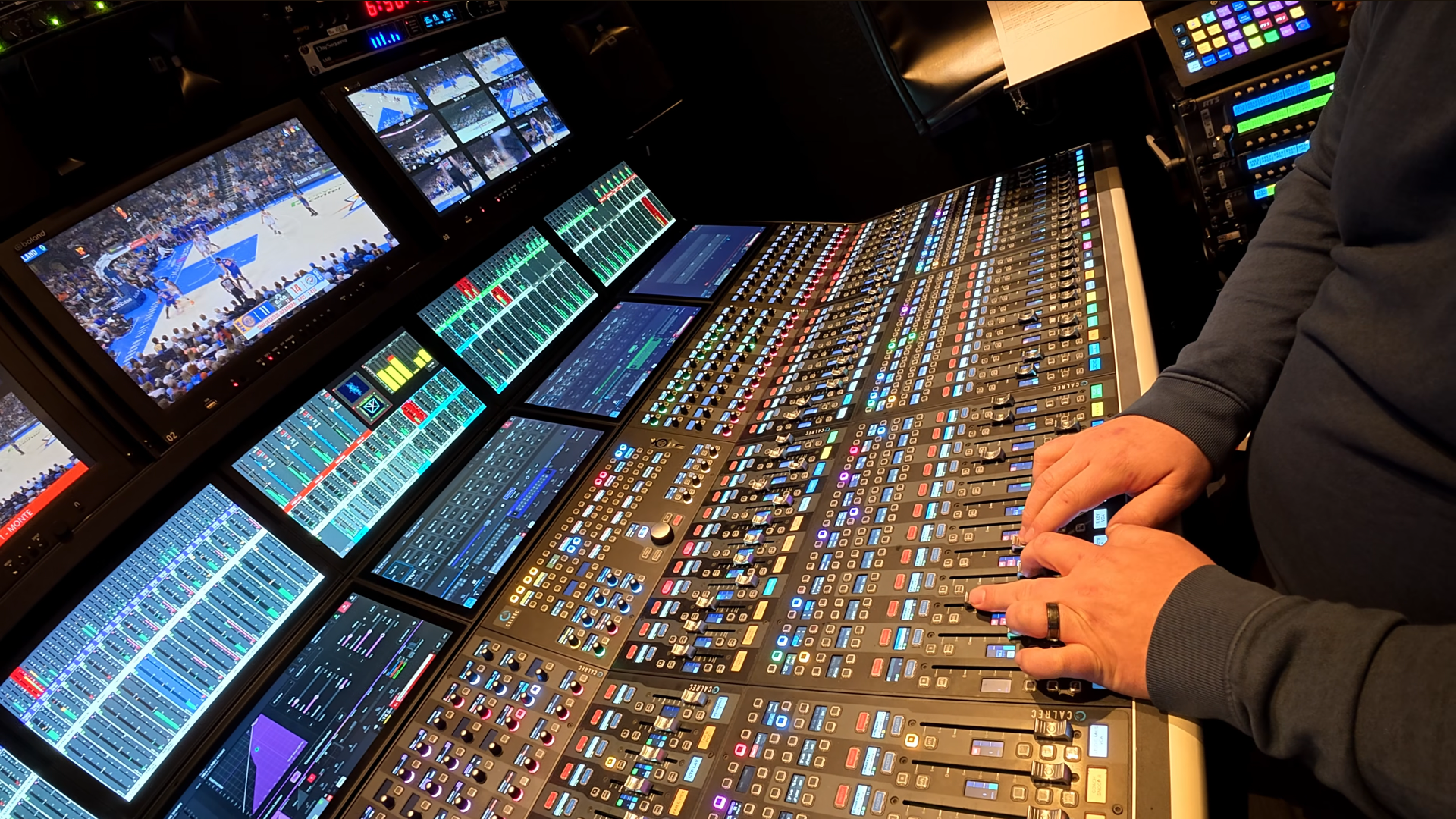
During a match, Mr. Majchakzak operates faders for the floor microphones, the overhead 'MKH 416' microphone, and the net microphone, switching between faders depending on the ball's position to adjust the volume of each. He also explains that the net microphone is kept closed until the shot is released, at which point it opens. Mr. Majchakzak says his basic strategy is to position the announcer's volume appropriately and keep it stable, then focus on the sounds on the court, such as the ball bouncing, the squeaking of shoes, and the sound of the net.
'NBA on NBC' broadcasts are mixed in 5.1 surround sound. According to Majchakzak, the system is designed so that the sound of the arena spreads around the viewer by placing the audience microphones near the net towards the rear and the audience microphones above the cameras towards the front. However, not all viewers are watching in a 5.1 surround sound environment; many listen using smartphones, built-in TV speakers, or headphones, so Majchakzak explains that they 'make sure that the surround sound sounds natural even when it's folded into stereo.'
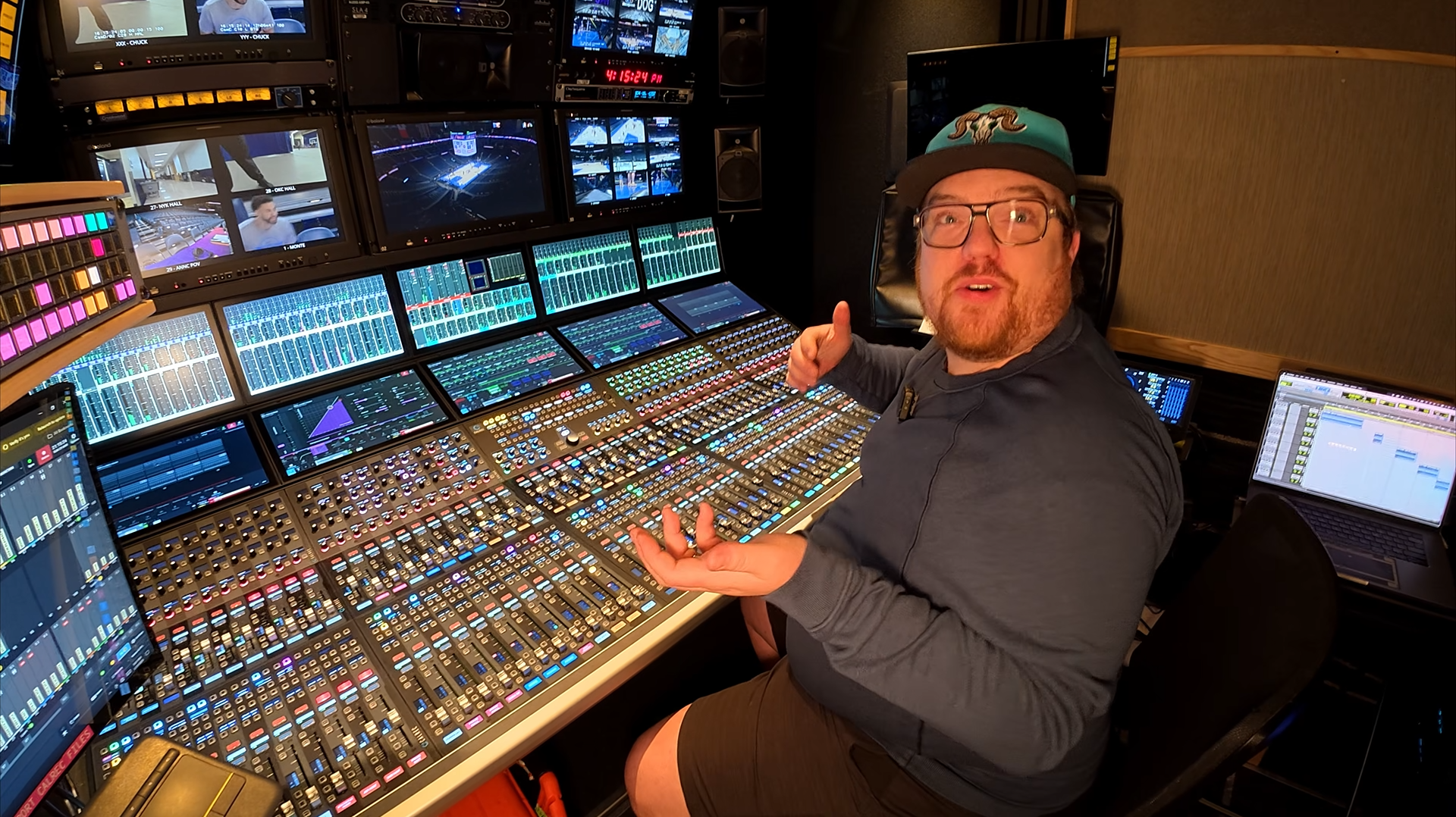
Furthermore, Majchakzak stated that 'reducing the number and placement of microphones diminishes the impact of the broadcast itself.' He explained that with only a few microphones, it becomes difficult to convey to television viewers just how loud the venue is or how enthusiastic the audience is.
Majchakzak aims for a sound that 'feels like players are running right in front of you on the mid-court,' and admits that his mix sometimes sounds like a game because he emphasizes the net sound quite a bit and draws in as much sound as possible from each microphone. However, he says, 'I still want to give viewers the feeling that they are on the court.'
Related Posts: