It has been revealed that rice plants germinate faster when they sense the sound of rain.
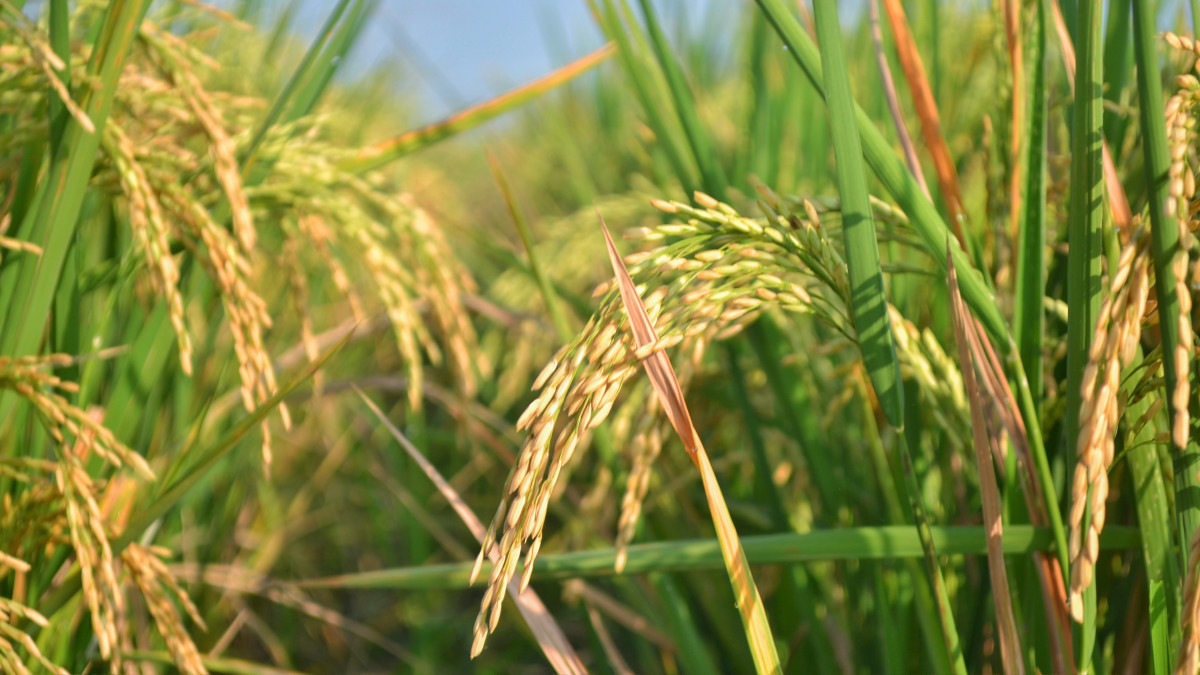
Rain is essential for the growth of many plants, and it is common for seeds that have been buried in the ground for a long time to germinate and grow thanks to rain. A research team at the Massachusetts Institute of Technology (MIT) has revealed that rice seeds, which produce grain, germinate faster when they sense the sound of rain.
Seeds accelerate germination at beneficial planting depths by sensing the sound of rain | Scientific Reports
Plants can sense the sound of rain, a new study finds | MIT News | Massachusetts Institute of Technology
https://news.mit.edu/2026/plants-can-sense-sound-rain-new-study-finds-0422
Plants are surprisingly sensitive to external stimuli and have evolved to respond to them. In fact, most plants respond to light by growing towards the sun, and some curl up when their leaves are touched, or curl inward when exposed to toxic smells.
Furthermore, the reason why plant roots grow downwards and stems grow upwards is because they sense the Earth's gravity. It has been revealed that plants have organelles called amyloplasts , which contain starch granules, and that plants sense the direction of gravity by sinking down within the cell due to gravity .
A research team led by Nicholas Maclis , a professor of mechanical engineering at MIT, and former graduate student Kadin Navarro, wondered, 'Do sounds in nature shake amyloplasts and affect seed growth? If so, what kinds of sounds in nature have an effect?'
Macris and his colleagues found that the sound of rain is much louder underwater, and that seeds in water or underground within a few centimeters of where raindrops land experience sound pressure comparable to that felt from a jet engine in the air, just a few meters away.
The research team then hypothesized that 'sound waves generated by rain (rain sounds) might shake the amyloplasts in plant seeds, thereby promoting seed growth,' and conducted experiments based on this hypothesis.
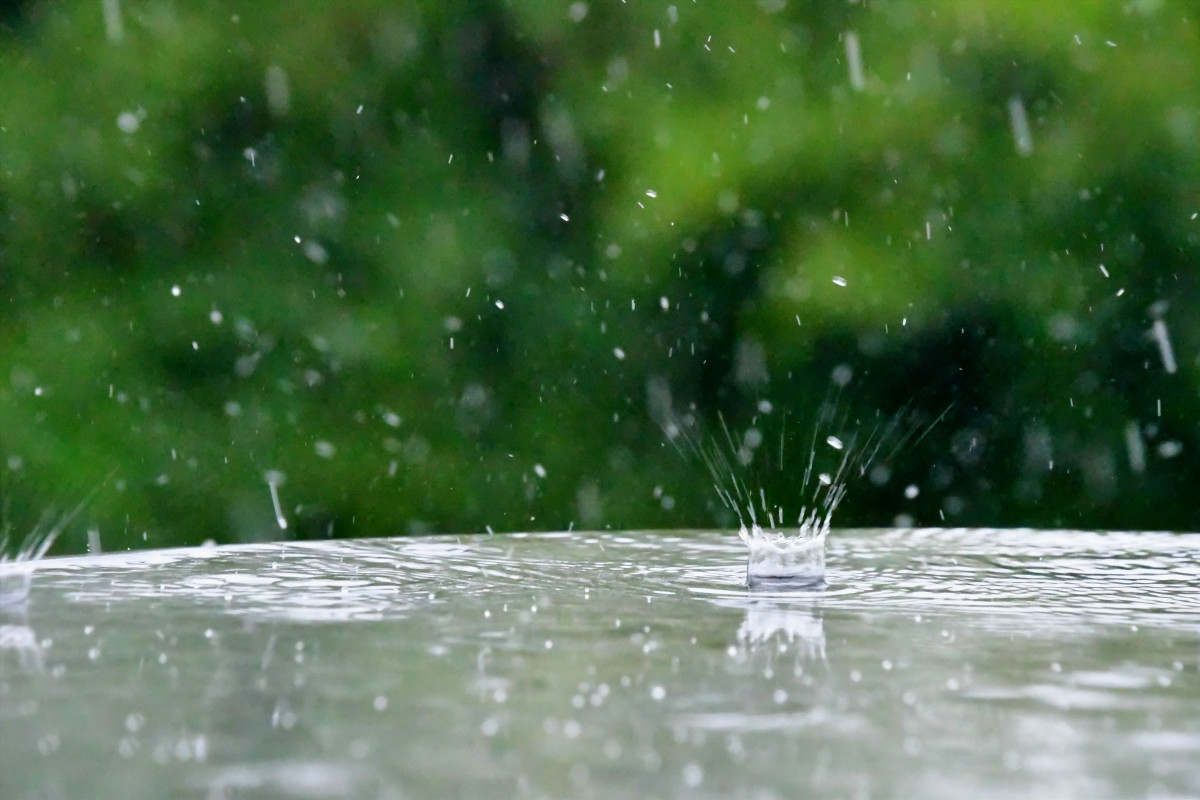
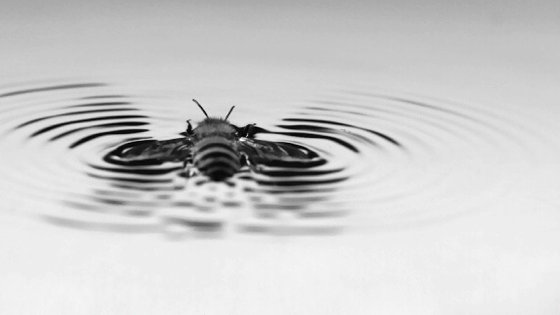
To investigate the effect of rain sounds on seeds, the research team decided to conduct an experiment using rice plants growing in shallow paddy fields. In the experiment, about 8,000 rice seeds were submerged in a shallow tank of water, and some of them were exposed to falling water droplets. The seeds were positioned at an appropriate distance from the water droplets so that only sound waves could reach them, and the size and height of the water droplets were varied to simulate rain from light to heavy.
By measuring the sound waves produced by falling water droplets using an underwater hydrophone and comparing the acoustic vibration measurement results with data recorded in puddles, ponds, wetlands, and soil during rainy weather, it was shown that the sound waves used in the experiment were similar in acoustic vibration to those of natural rain.
Observations of rice seeds exposed to rain revealed that they germinated 30-40% faster than seeds not exposed to rain. Furthermore, seeds closer to the water's surface grew faster than those submerged deeper in the water.
These experiments have shown a correlation between the sound of rain and the growth of rice seeds. The research team believes this is because when seeds are close enough to the ground or water surface to sense the sound of rain, they are more likely to absorb moisture and grow safely.
Next, the research team calculated whether the physical vibrations caused by raindrops were sufficient to shake or dislodge the tiny amyloplasts. Taking into account the size and terminal velocity of the raindrops, the calculations showed that raindrops do indeed generate enough vibrations to shake or dislodge the amyloplasts in seeds in water or soil.
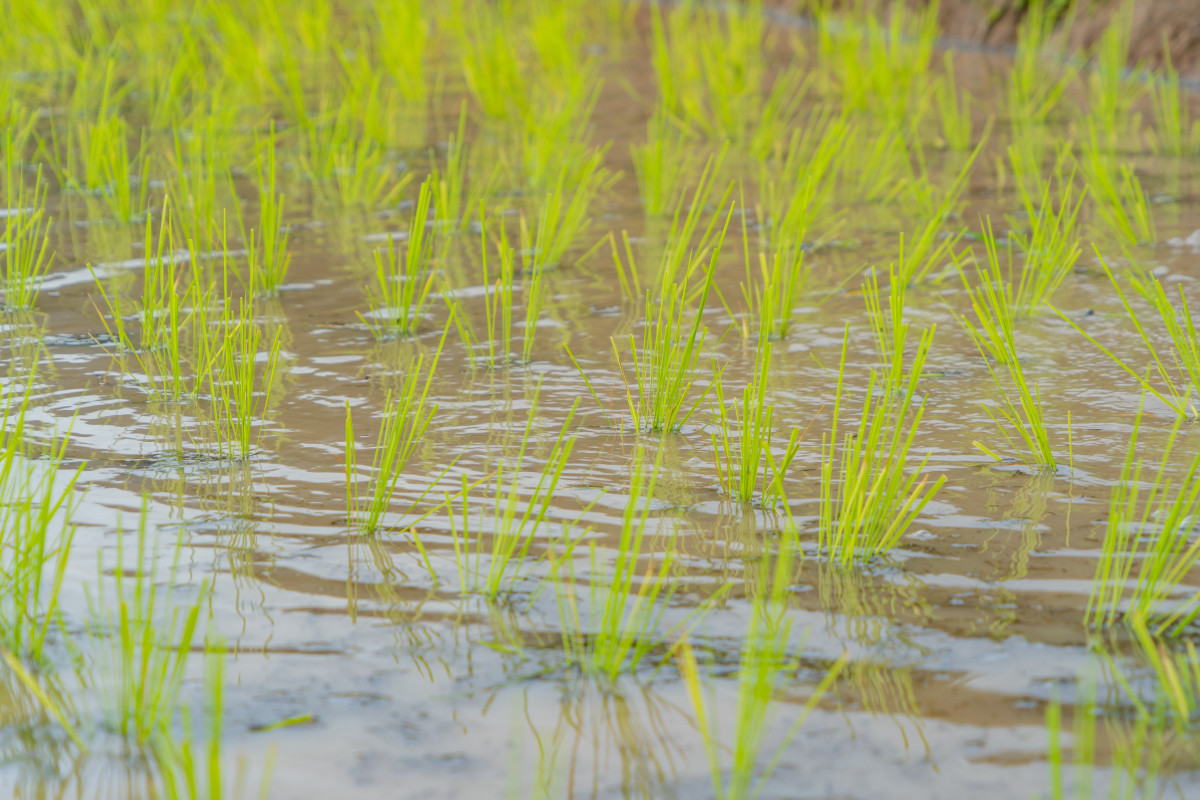
Macris commented, 'Amazing research has been done around the world to unravel the mechanisms by which plants sense gravity. Our research has shown that these mechanisms allow plant seeds to sense the depth of the soil or water and create conditions that are advantageous for their survival.'
Related Posts: