What exactly is a 'mind'? Do animals other than humans have a 'mind'?

The human 'mind' is an essential part of our identity, but its true nature is not well understood. The educational YouTube channel
Do Animals Have Minds like Humans? - YouTube
The mind is the inner world where consciousness, memory, thoughts, and emotions all exist, and it is also the foundation that supports intellectual activities such as thinking and learning. What makes the mind unique is that, unlike outward appearance or language, it is a 'personal space' that only oneself can directly access, and which others can never fully understand.
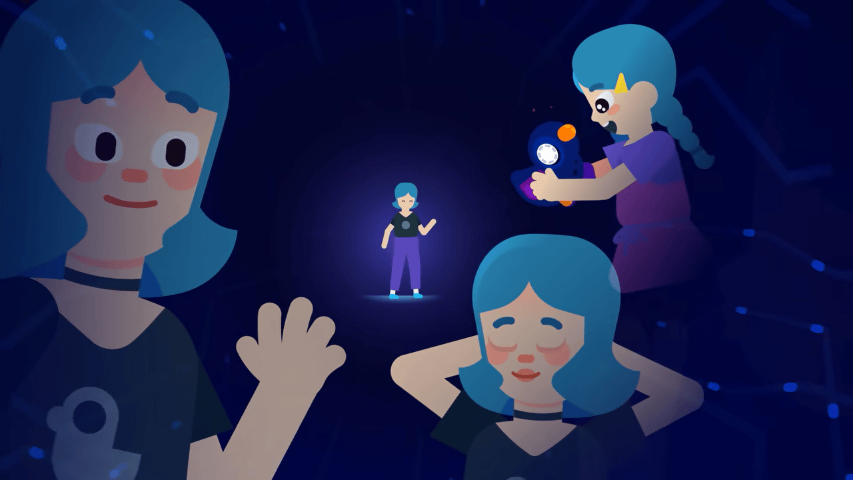
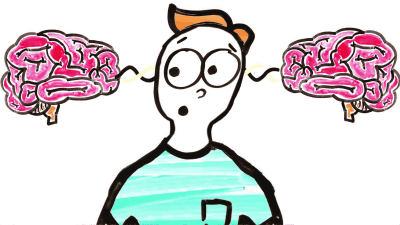
A common example used to explain differences in the mind is the individual differences in imagery. For example, if asked to picture an apple, some people might picture an apple displayed in a supermarket, while others might picture one on a tree. The size and color might differ from person to person, some might imagine a vivid image, while others only have a vague image. Some people even perceive it as a sensation rather than an image. There are significant individual differences in human creativity, with approximately 2-5% experiencing a state called 'aphantasia,' where they are unable to form any imaginary image even when closing their eyes. Conversely, the ability to vividly imagine images in one's mind is called 'hyperphantasia.'
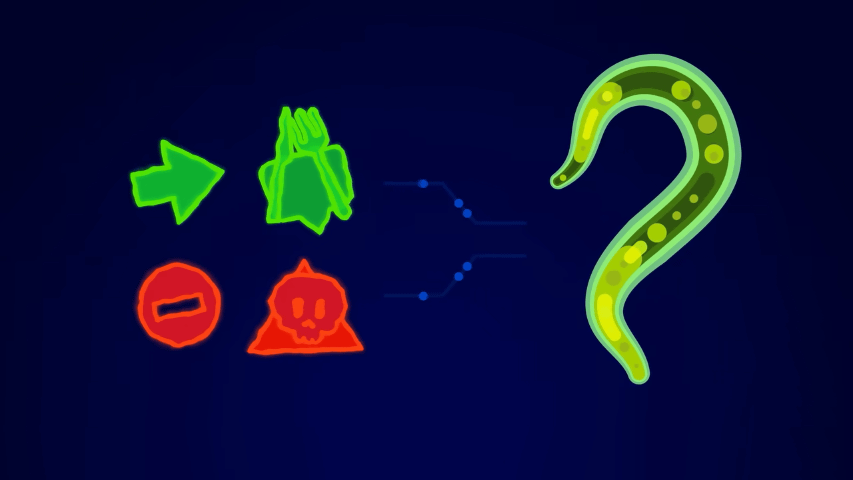
The very structure of the mind varies greatly from person to person, and furthermore, these characteristics are not unique to humans; multiple studies have shown that various animals also possess their own 'inner worlds.' Early life forms, single-celled organisms, exhibited completely reflexive behavior, sensing food when their cells were 'hungry' and moving in that direction. However, as life became more complex and multicellular, a temporal space arose where sensory information could be processed for a short time before reacting to a stimulus. Kurzgesagt describes this as 'just a tiny gap' and states that it is the beginning of the mind. For example, nematodes have only 302 neurons, yet they possess abilities such as 'learning danger' and 'having short-term memories.' Whether this is mental activity like a mind, or merely an automatic reflex response programmed into genes, is a subject of debate among scientists.
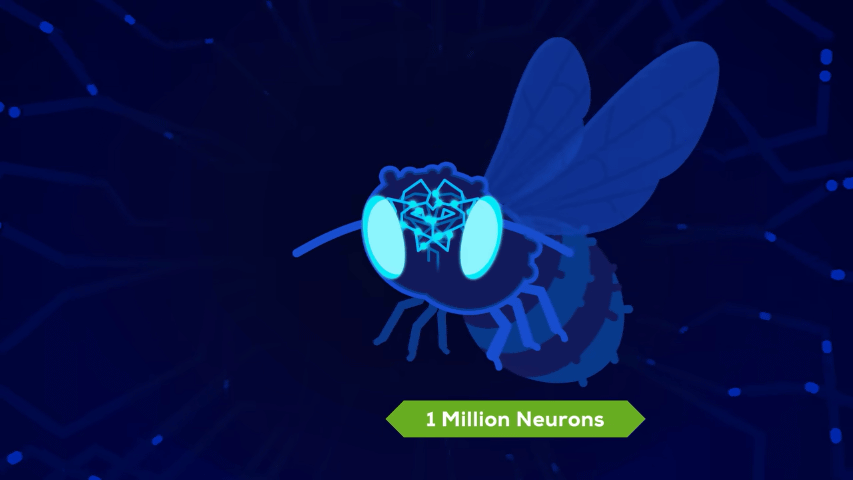
As the number of neurons increases further, organisms become able to 'pause for a moment' to process and interpret information before acting, allowing them to make better choices. According to Kurzgesagt, this is when the inner space of an organism, or 'mind,' first emerges. For example, honeybees have about 1 million neurons and possess an incredible level of intelligence for a brain smaller than a sesame seed. Honeybees can memorize the locations of flowers over a wide area, understand routes based on the sun, and even communicate with each other through dance.
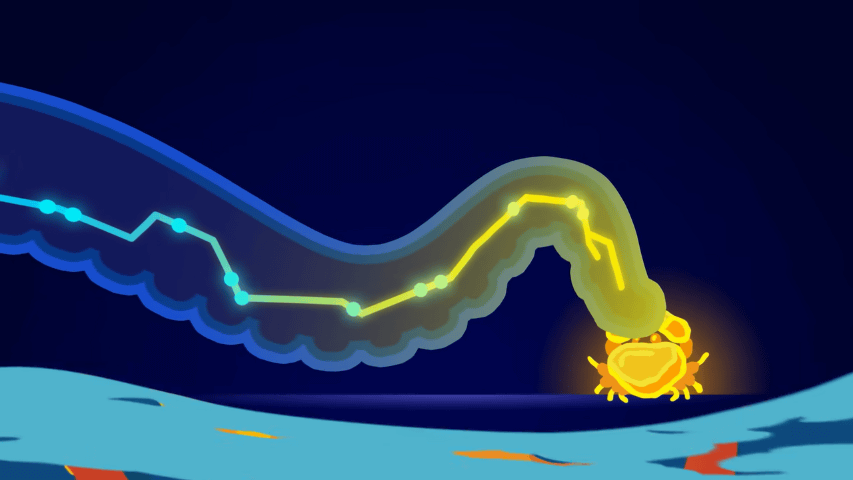
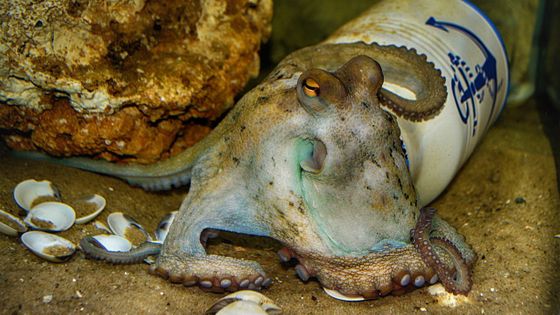
Furthermore, octopuses have approximately 500 million neurons, many of which are distributed throughout their arms. Each arm has its own small neural center, capable of sensing taste and processing information locally. It has also been found that octopus arms can make decisions somewhat independently, suggesting that octopuses may not have a single mind, but rather multiple minds working together.
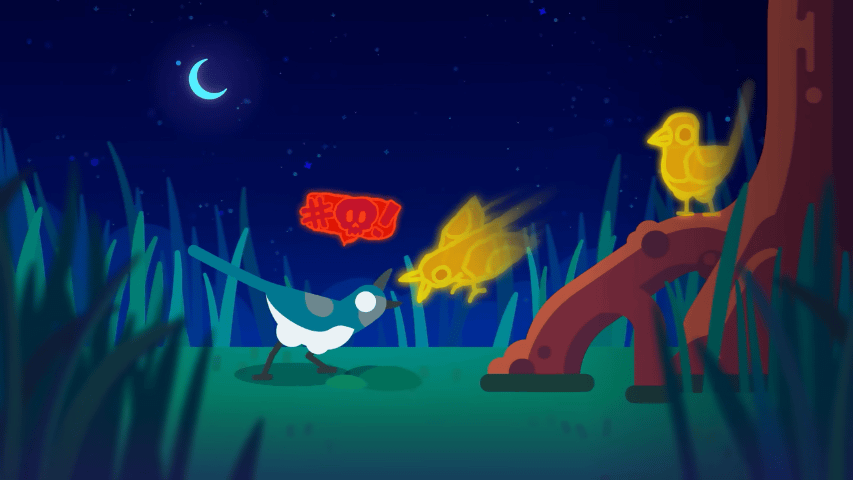
Some birds possess even higher intelligence.
Kurzgesagt points out that one reason the human mind, with its approximately 86 billion neurons, is considered special is its ability to consider 'what others are thinking' and 'what others think of you.' Even humans who are selfish as babies learn empathy and vigilance as they grow, simulating the actions and thoughts of others. Similarly, the 'ability to create and share stories' can be said to be a characteristic of humans. Stories are all a mechanism by which humans share internal simulations, and the ability to express and understand 'an apple that pops into your head' may be because the human mind has reached a qualitatively different level from other animals.
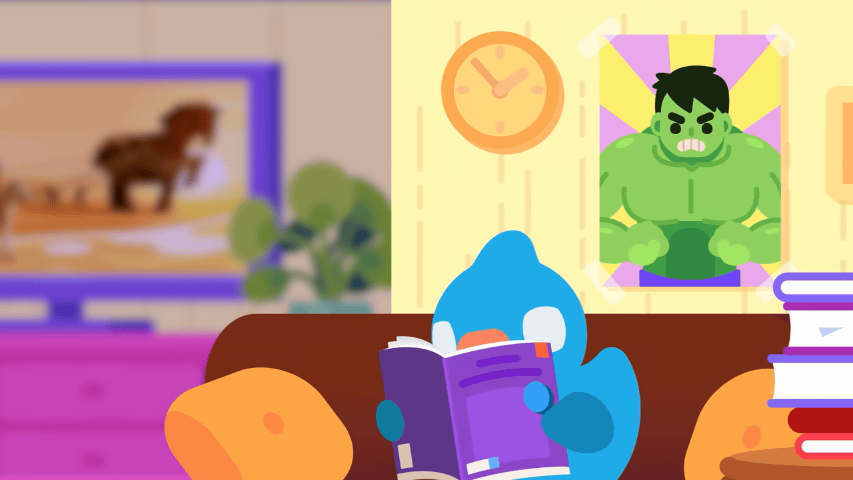
However, human thoughts and feelings are greatly influenced by the words, stories, and cultures of others that we have been exposed to. Kurzgesagt explains, 'In other words, the mind is not something that an individual creates entirely from nothing, but rather a co-creation with the minds of all human beings that existed before it.'
Related Posts:


in Video, Posted by log1e_dh