The 2025 edition of the survey report will be released, providing a complete overview of the AI usage status and editors used by developers using the Go language.

The Go language development team has released the results of a survey they conducted among developers using the Go language.
Results from the 2025 Go Developer Survey - The Go Programming Language
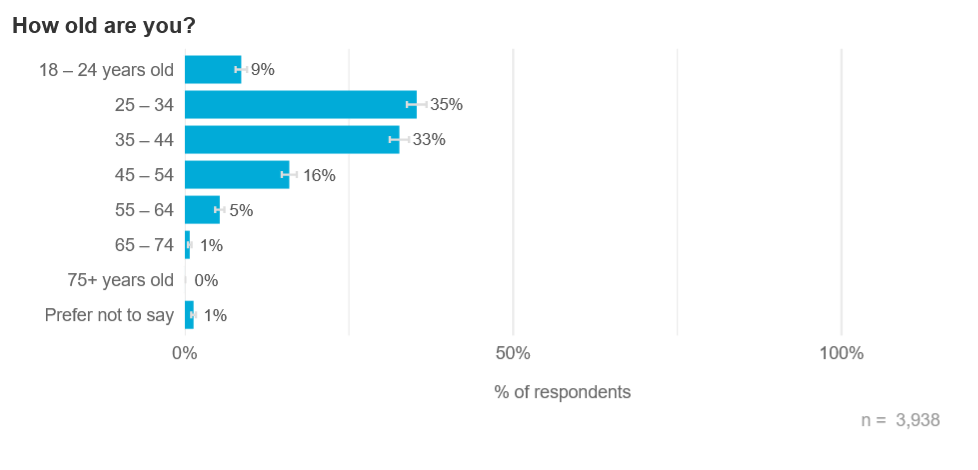
The survey was conducted from September 9th to September 30th, 2025. The age groups of Go language users are as follows: The largest group is 25-34 years old at 35%, and 0% are 75 years old or older.
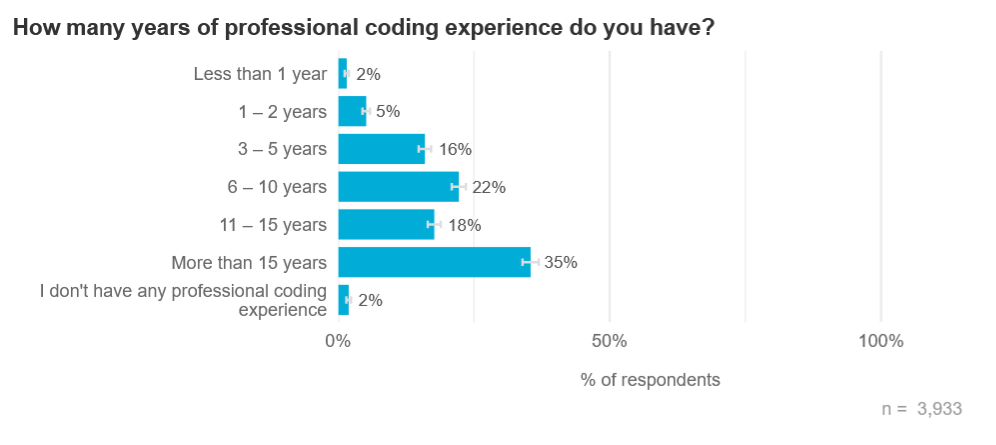
The majority of users (35%) have been professional programmers for 15 years or more, while 2% have been professional programmers for less than a year.
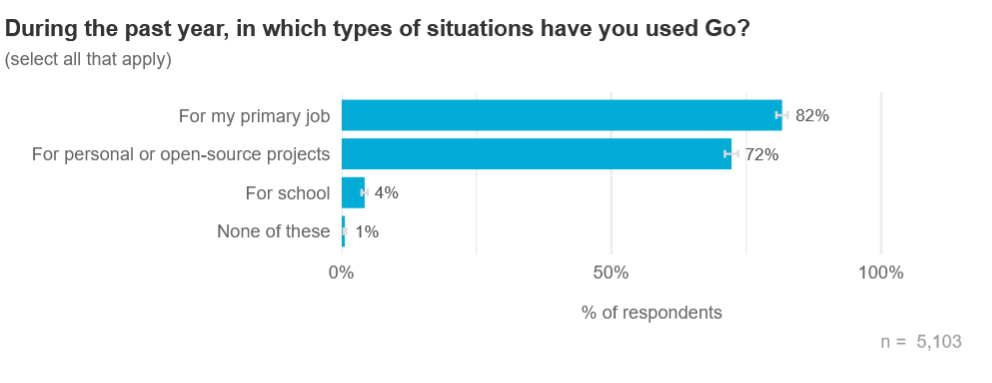
82% of respondents use Go at work, 72% use it for personal or open source projects, and 4% use it at school.
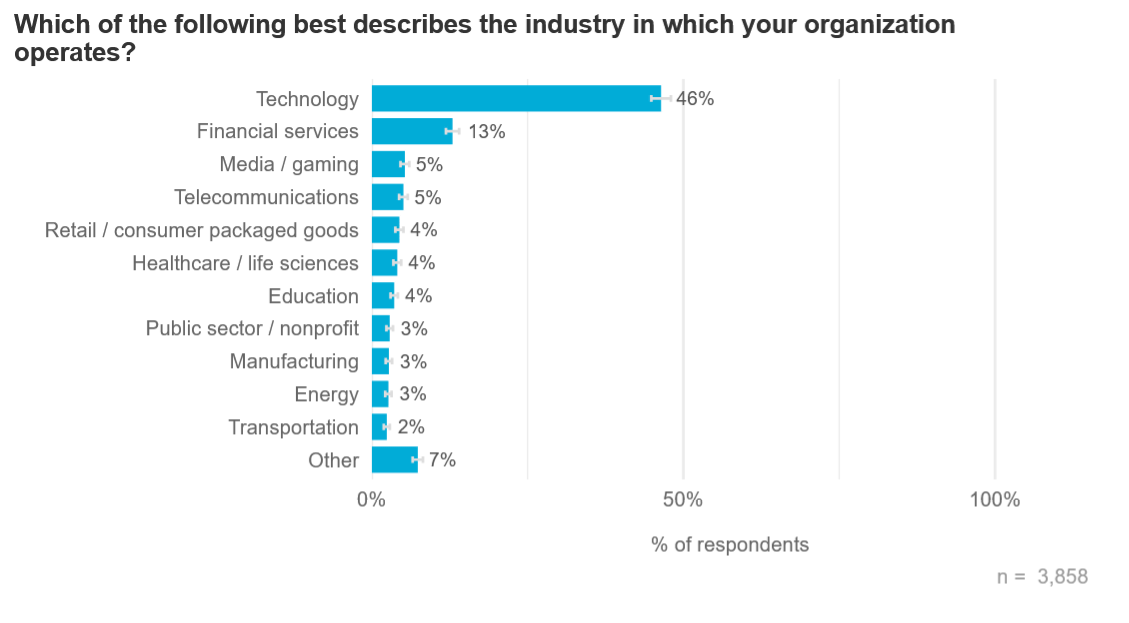
In terms of employment type, 46% work in technology companies and 13% work in financial services.
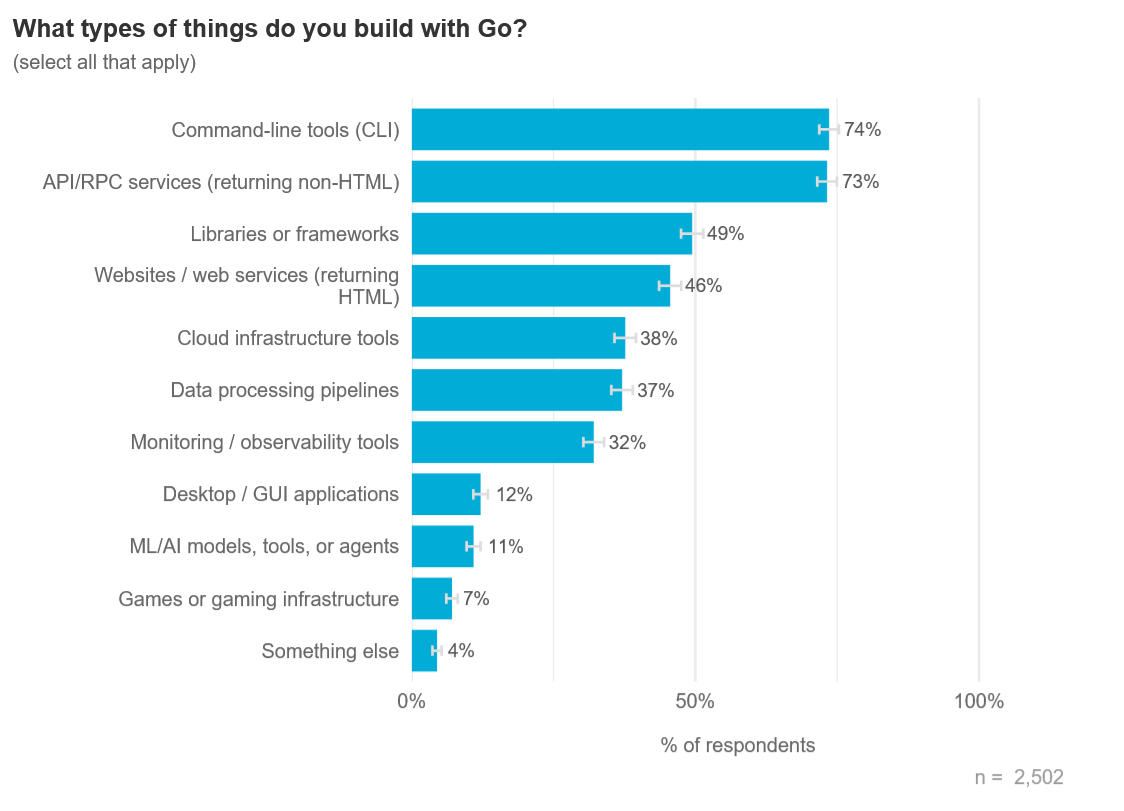
The software they are developing is CLI software (74%), API/RPC services (73%), libraries and frameworks (49%), and websites and web services (46%).
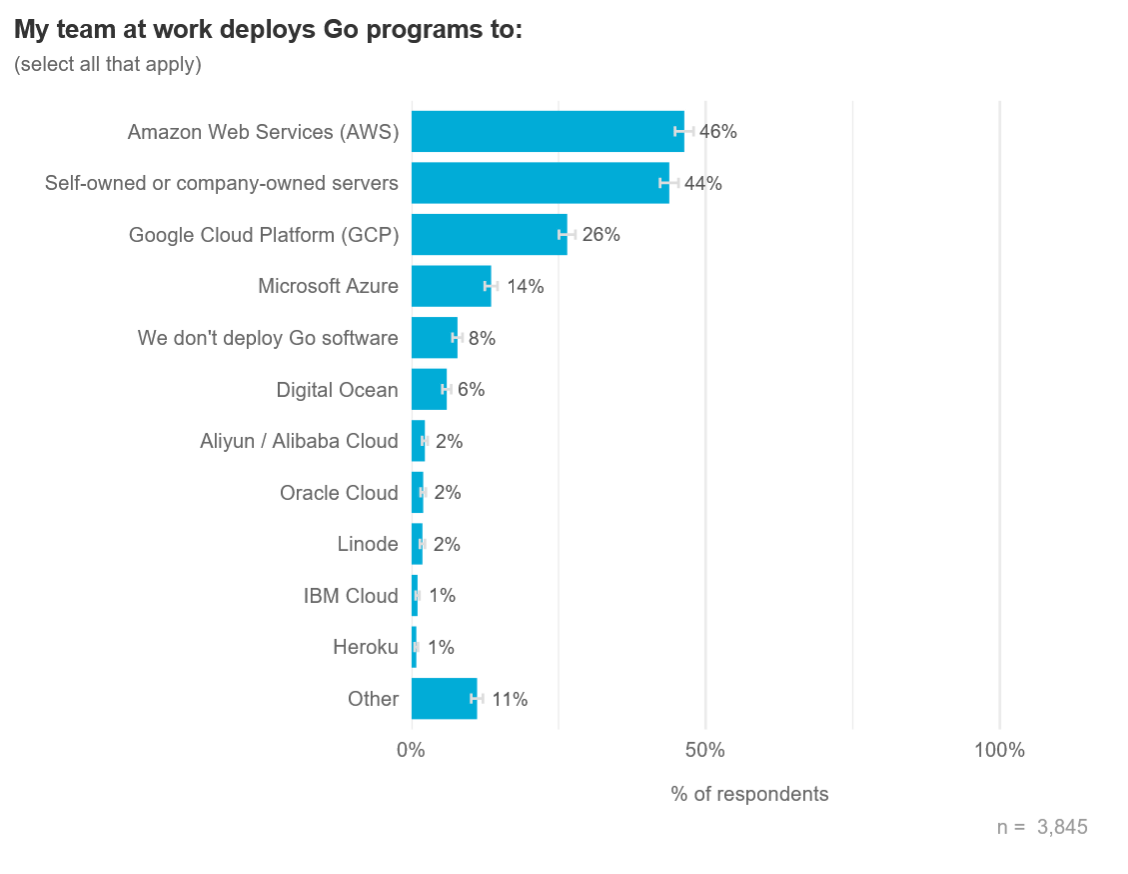
46% of the developed software runs on AWS, 44% runs on on-premise servers, 26% runs on GCP, and 14% runs on Azure.
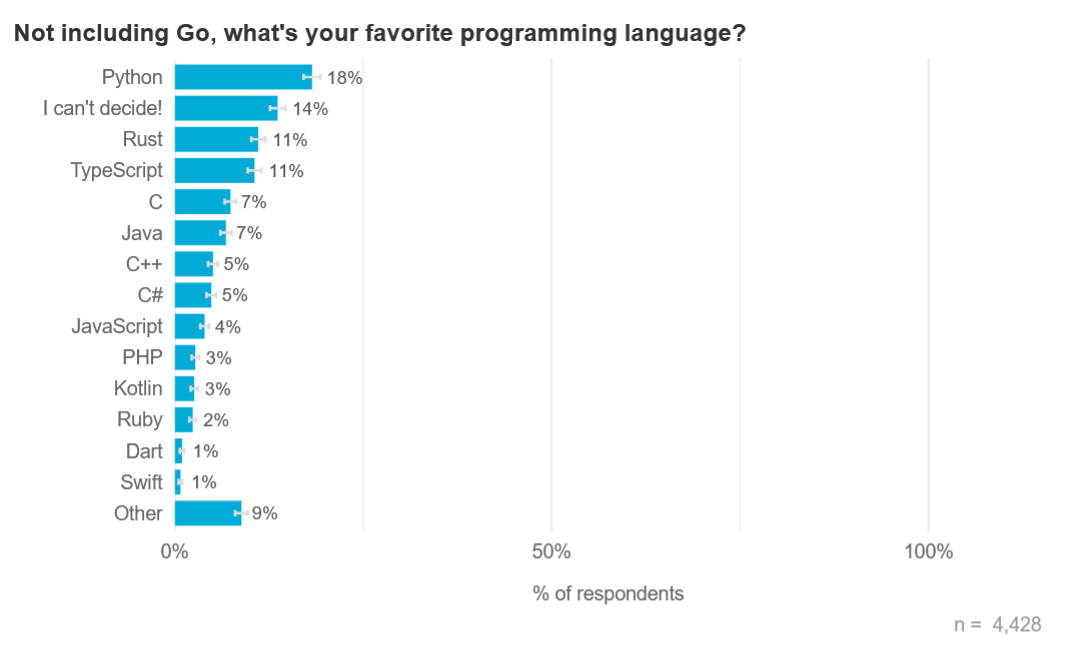
Other than Go, the top favorite languages were Python (18%), Can't Decide (14%), Rust (11%) and TypeScript (11%).
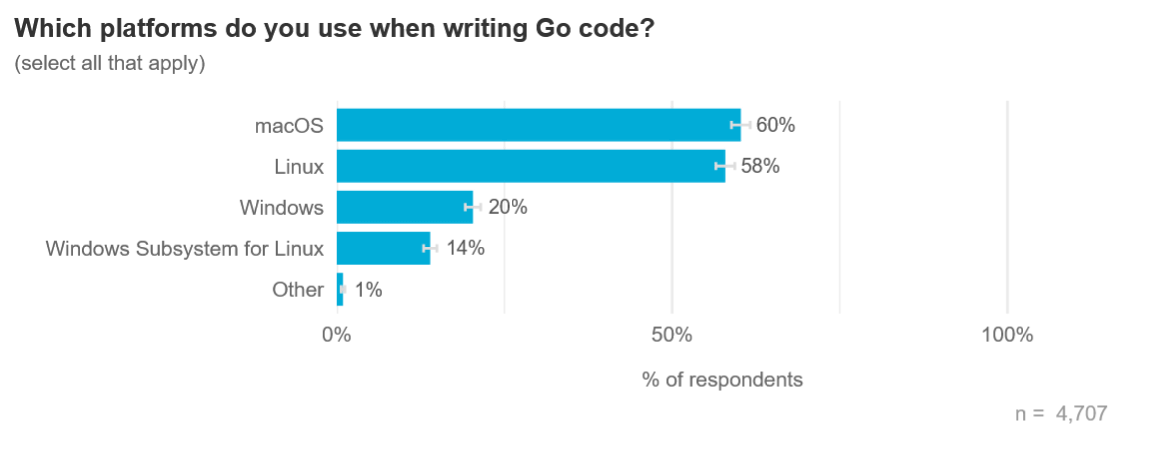
The platforms used for coding are macOS (60%), Linux (58%), Windows (20%), and WSL (14%).
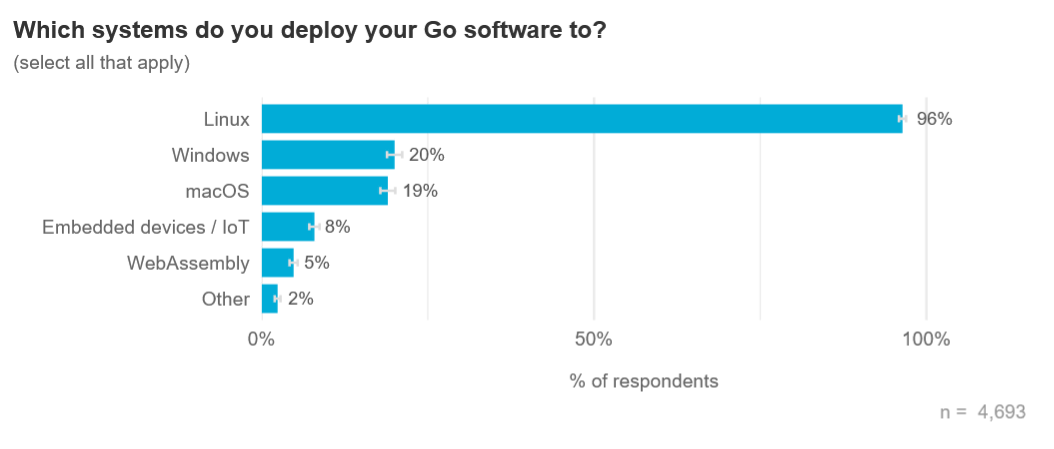
Linux was overwhelmingly the most popular operating system for running the developed software, at 96%.
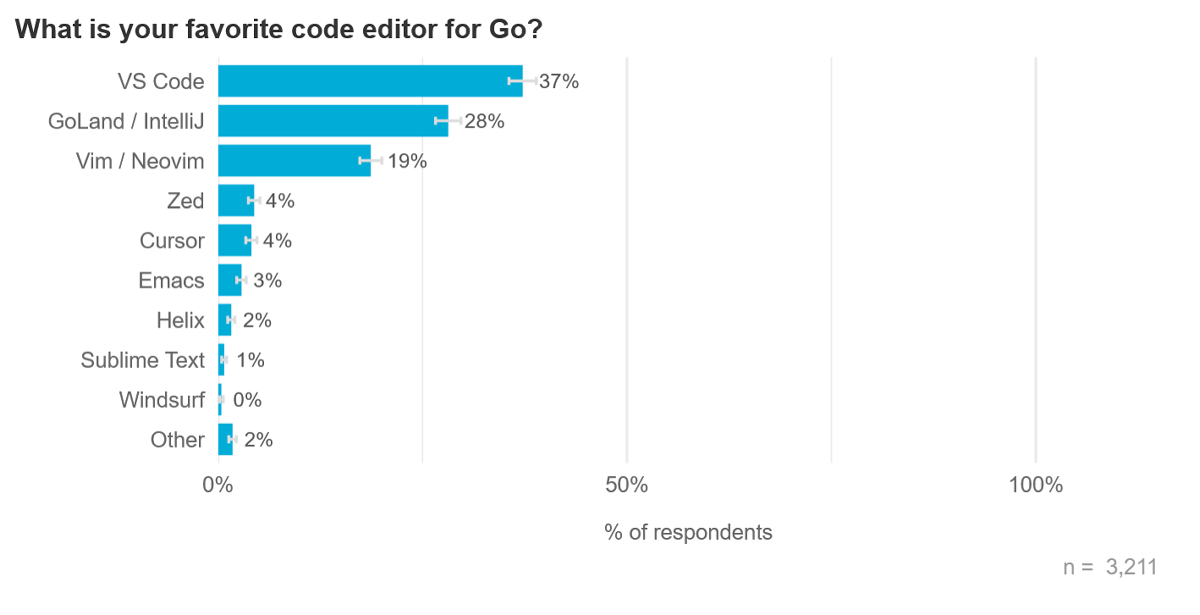
The most popular coding editor was VS Code (37%), followed by GoLand (28%), Vim and Neovim (19%). Zed, a Rust-based editor, and Cursor, an AI-powered editor, tied for fourth place at 4%.
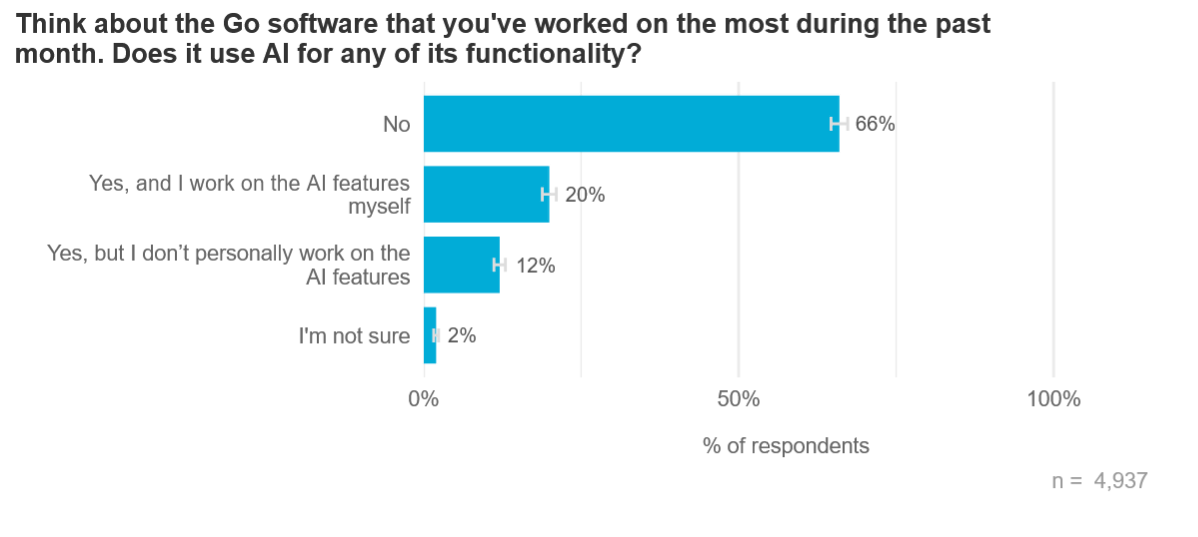
When asked whether software developed in Go includes AI features, 66% answered 'no AI features,' 20% answered 'includes AI features that I developed myself,' and 12% answered 'I didn't develop AI features myself, but the finished software includes AI features.'
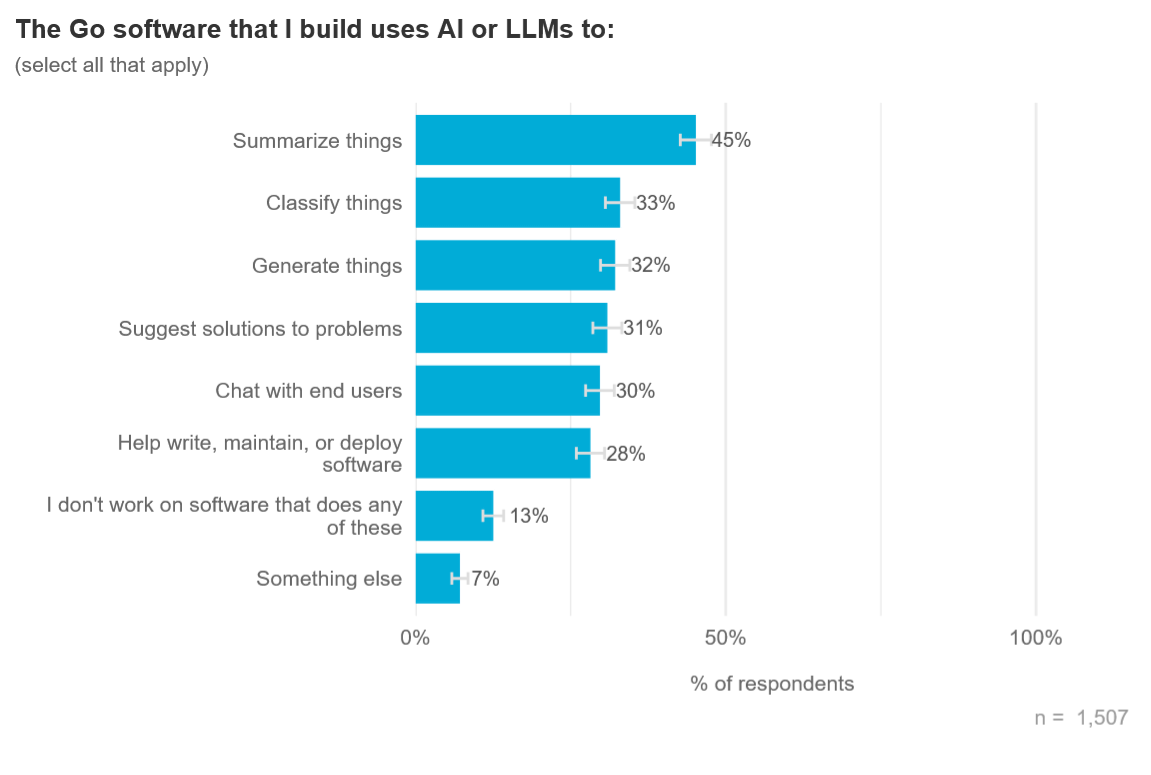
The most common use of AI in Go software that includes AI features is summarization (45%), followed by classification (33%) and generation (32%).
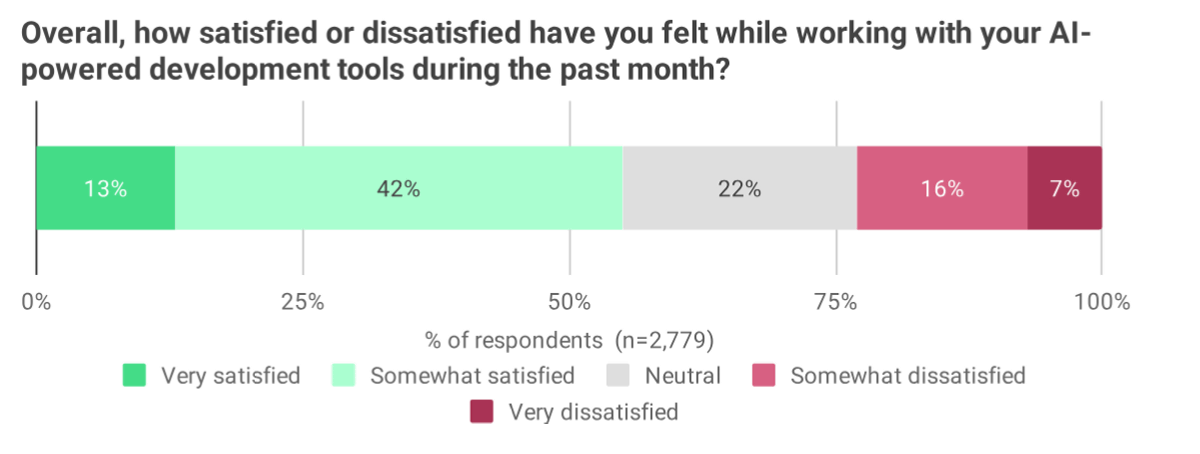
When asked whether they were satisfied with the use of AI tools in software development, 13% answered satisfied, 42% answered mostly satisfied, 22% answered neutral, 16% answered mostly dissatisfied, and 7% answered dissatisfied.
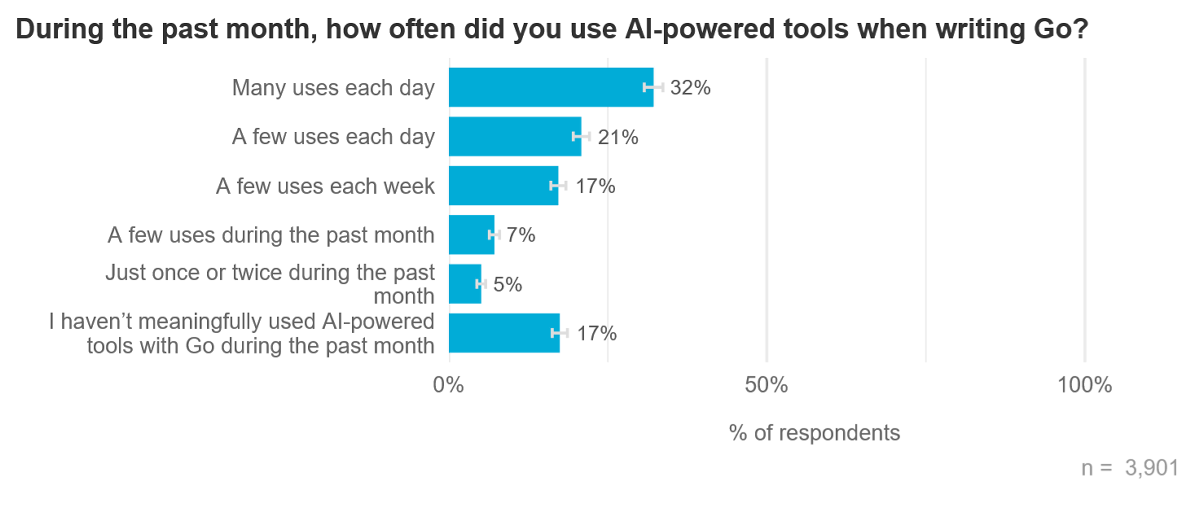
Regarding the frequency of use of AI tools, 32% of respondents said they use them 'a lot every day,' while 17% said they 'haven't used them once in several months.'
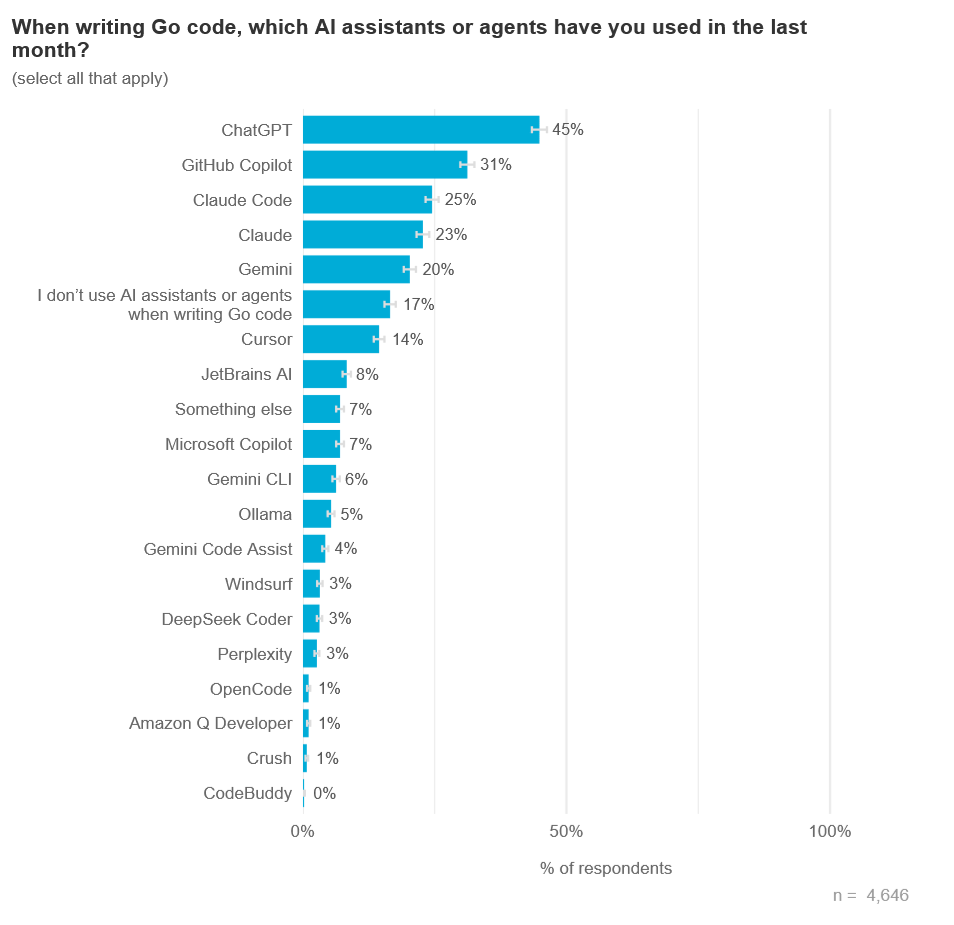
The most popular AI assistants were ChatGPT (45%), GitHub Copilot (31%), Claude Code (25%), Claude (23%), and Gemini (20%).
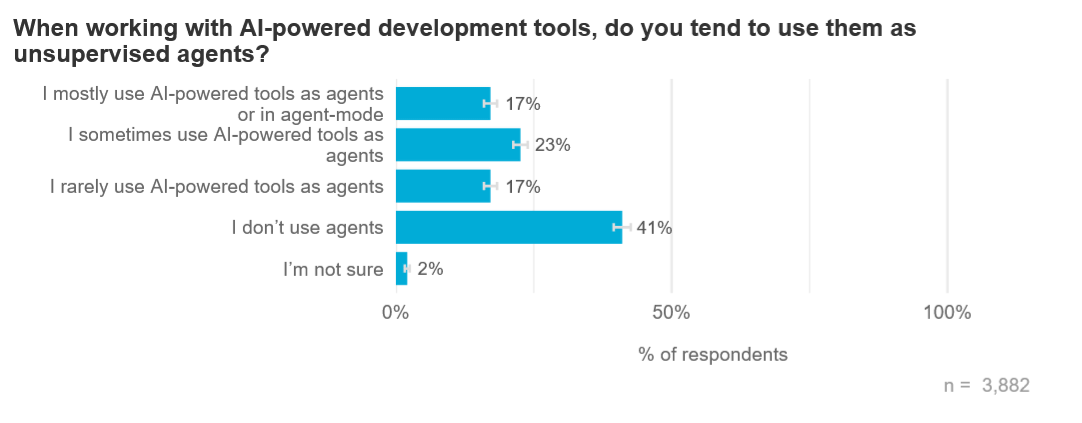
When asked whether they use AI tools as agents, 17% of respondents said they use them frequently, 23% said they use them occasionally, 17% said they use them occasionally, and 41% said they do not use them at all.
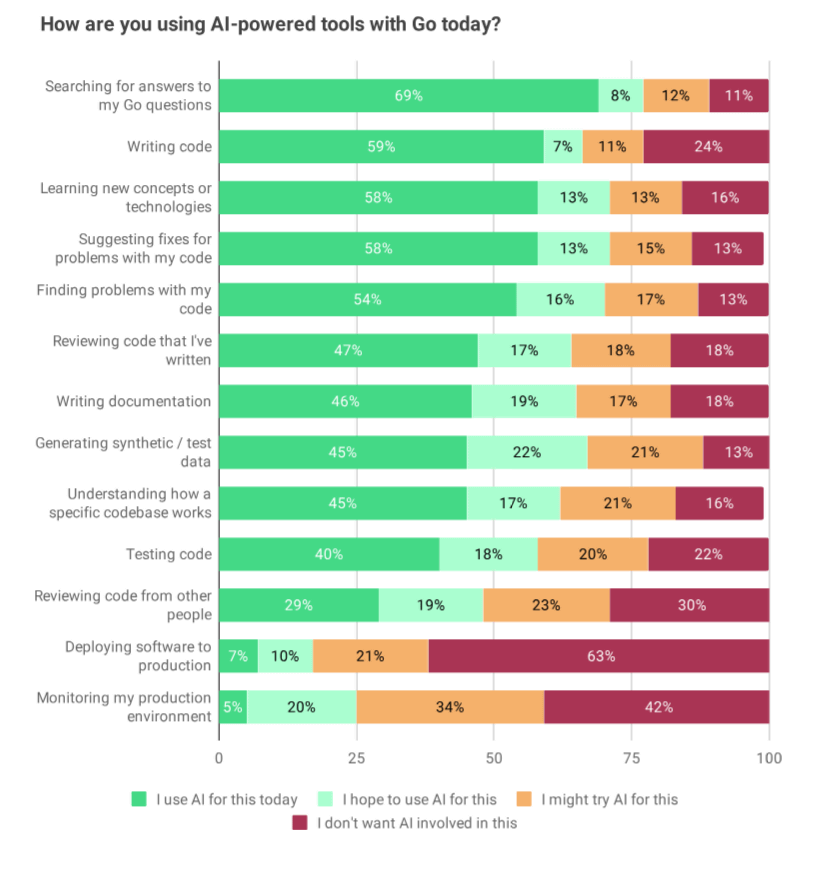
The most common uses of AI tools are to find answers to Go-related questions, write code, and learn new technology concepts. However, few people use them to review code written by others, deploy software to a production environment, or monitor a production environment.
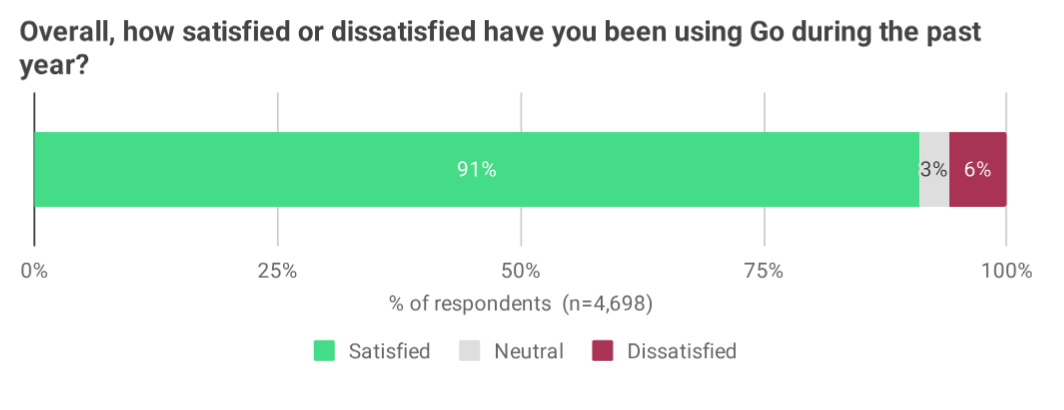
When asked whether they were satisfied with the Go language, 91% answered yes.
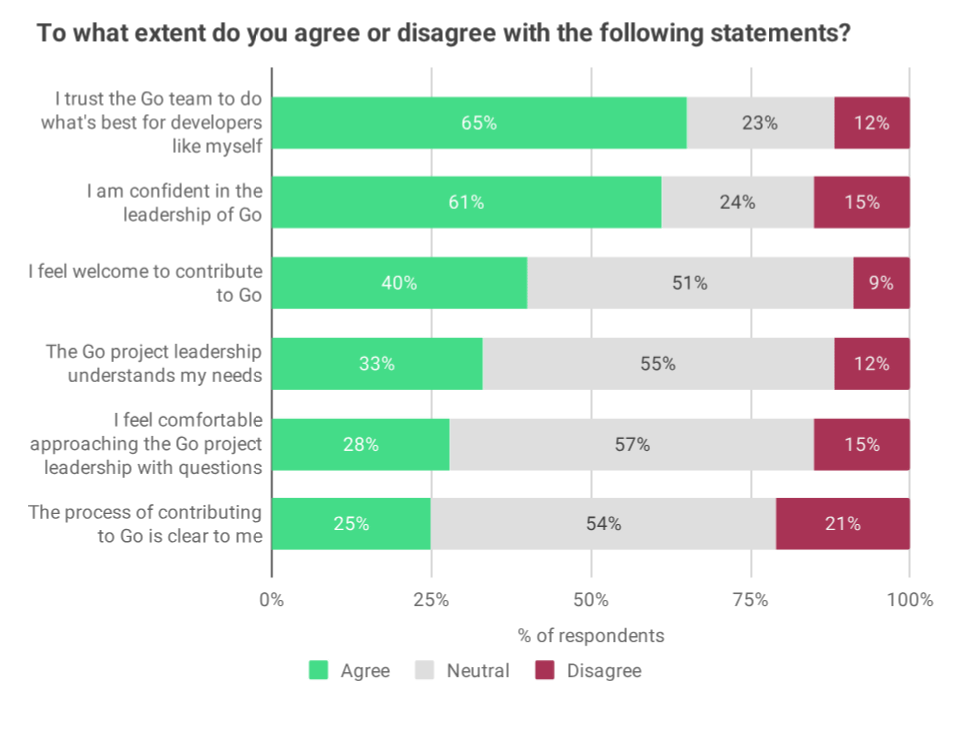
However, only 25% of respondents said that the Go language contribution process was easy for them to understand, and only 28% said that the Go language project's leadership in responding to questions was good, indicating that the Go language project still has some issues to address.
Related Posts:





in Software, Posted by log1o_hf