Unofficial project to create a Game Boy Advance version of Super Mario 64
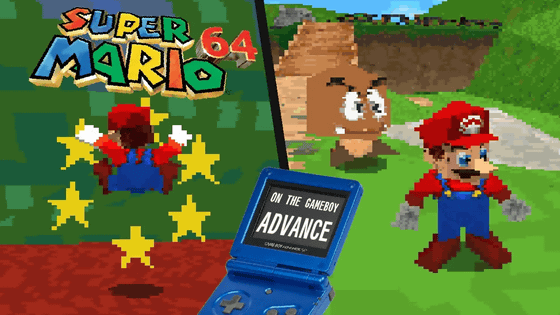
Super Mario 64 is a game software for Nintendo 64 released in 1996, and it still maintains a strong popularity among RTA players and retro game enthusiasts. A project to port such Super Mario 64 to the Game Boy Advance is being carried out by software engineer
Joshua Barretto: 'A few days ago I suddenly had …' - social.coop
https://social.coop/@jsbarretto/112362579231077206
Barrett decided he wanted to port Super Mario 64 to the Game Boy Advance around April 2024. Because the Game Boy Advance has significantly lower processing power than the Nintendo 64, Barrett decided to write most of the code himself.
The game was playable to some extent in May 2024. In the early stages of development, Mario's model was not complete, and a triangular object would run around the stage.
Super Mario 64 running on a Gameboy Advance - YouTube
A Mario-like model was introduced at the end of May 2024. However, at this point there were problems such as 'the gaps between the textures were noticeable.'
A proper player model, rotations, much faster texture mapping [SM64 GBA] - YouTube
Then, in December 2024, a demo video was released showing Nintendo 64 games being played on a Game Boy Advance SP.
Enemies, Movement, and a Demo on Real Hardware [SM64 GBA] - YouTube
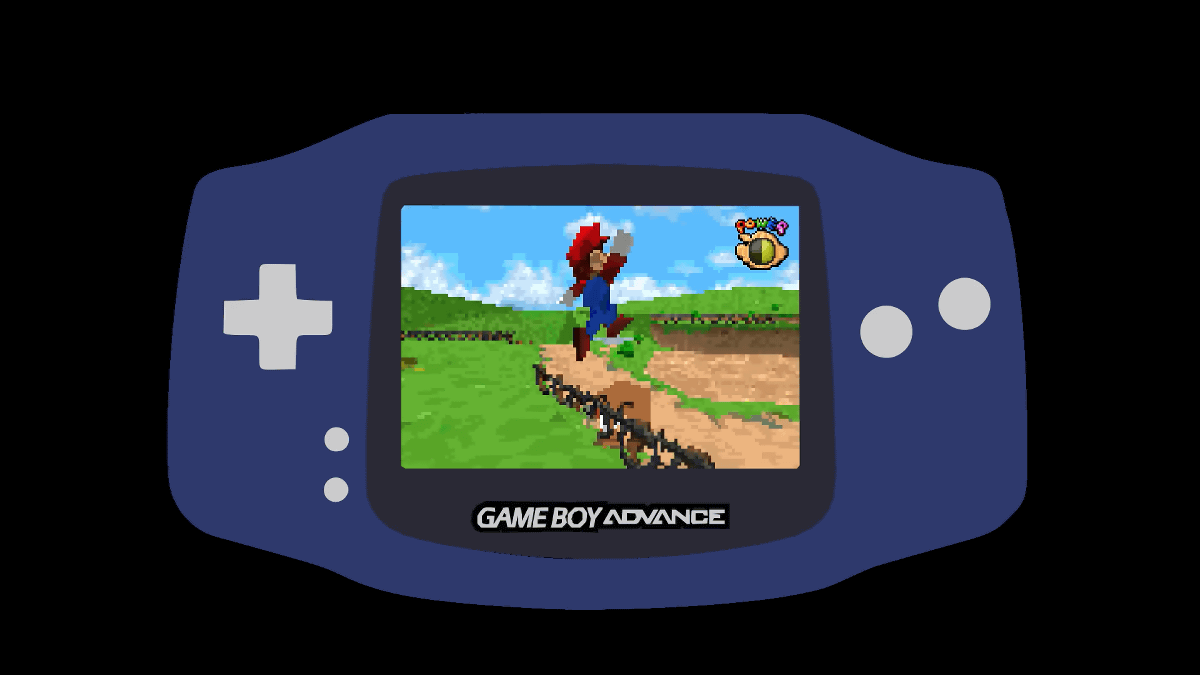
The December 2024 version implemented Mario's movement and jumping motions, and a power meter was added to the top right corner of the screen.
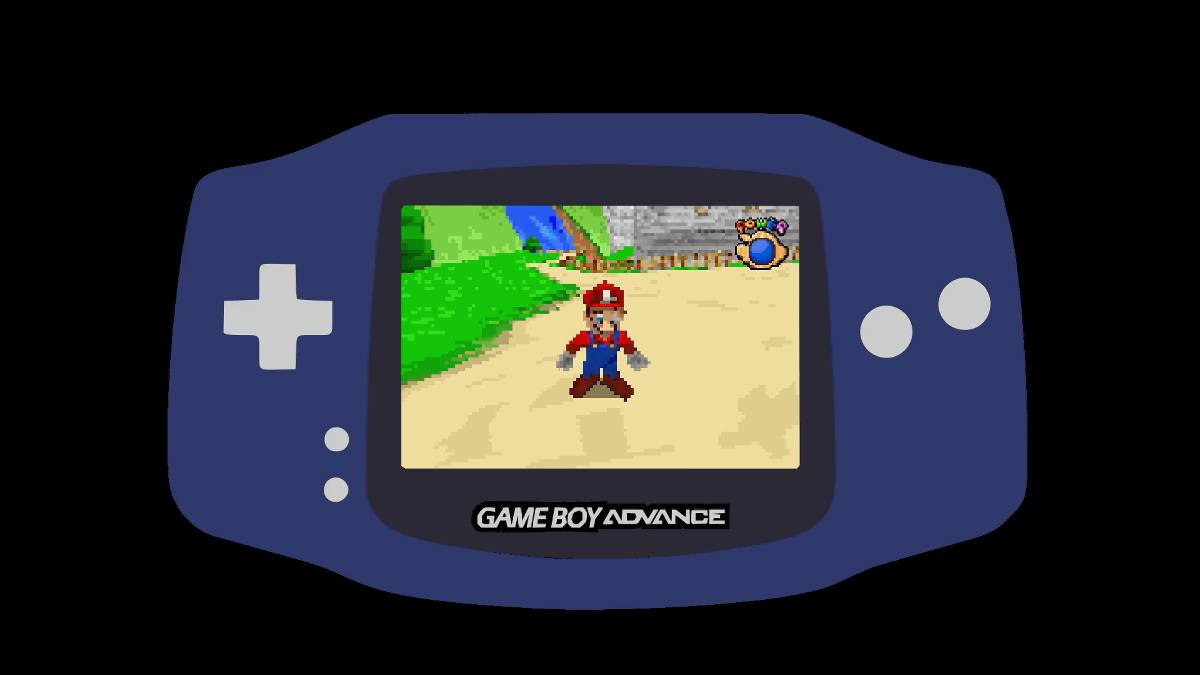
The issue with gaps between textures has been resolved, and Goombas have been implemented. You can now see how your power meter decreases when hit by a Goomba, and how you can kill a Goomba by stomping on it.
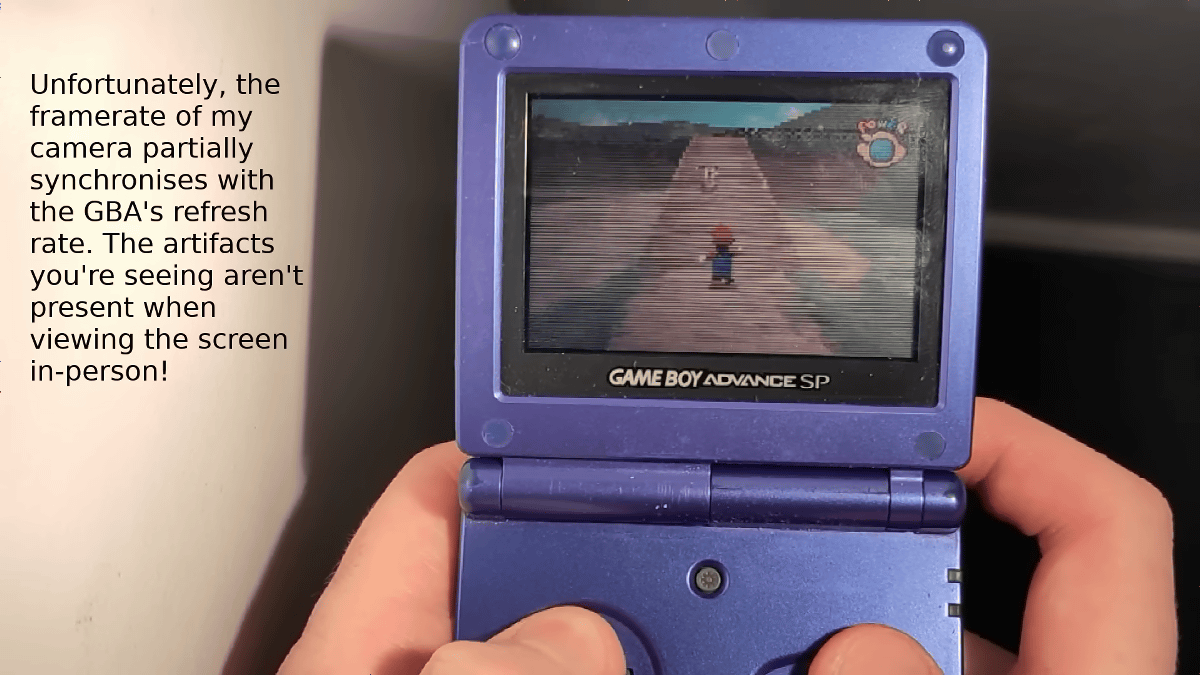
It also works perfectly on the Game Boy Advance SP. There are black stripes on the screen, but this is a problem with the camera, and the black stripes are not visible to the naked eye, so you can play with a clear screen.
'Because the assets for the Game Boy Advance port of Super Mario 64 are derived from Nintendo's intellectual property, we cannot make the ROM data publicly available. Instead, we plan to make the code and models we created public,' Barrett said.
Related Posts: