Interviews with eight workers, including nurses, teachers, scientists, and drivers, on 'How has work changed with the advent of AI?'
In recent years, AI has become widespread in various fields, and while it has begun to take over some jobs, there are also growing concerns that AI will take over jobs. Bloomberg, a foreign media outlet, published interviews with eight American workers in different industries about how the emergence of AI has changed their jobs.
How AI Is Changing American Jobs, From Teachers to Nurses - Bloomberg
◆Beauty salon owner: Samantha Lacney
Lakney points out that one of the changes in his work brought about by the advent of AI is that 'clients now show AI photos of the hairstyles they want.' He says that some AI photos have hair lengths, volumes, and textures that would be difficult for a real person to achieve. He also says that while the hair color may appear beautiful at first glance, it often looks unnatural, with some areas too dark and others too light. 'I'm concerned about the impact these AI photos will have on the standards of beauty we impose on ourselves,' he says.
On the other hand, from a business perspective, AI has been very useful, helping him fine-tune employee handbooks, summarizing contracts when lawyers are busy, and calculating interior painting costs. While many hair salons use AI to generate customer descriptions, Lakney insists on writing them by hand because the AI-generated descriptions can be easily judged based on their format and layout.
◆Nurse: Kelly Wilson
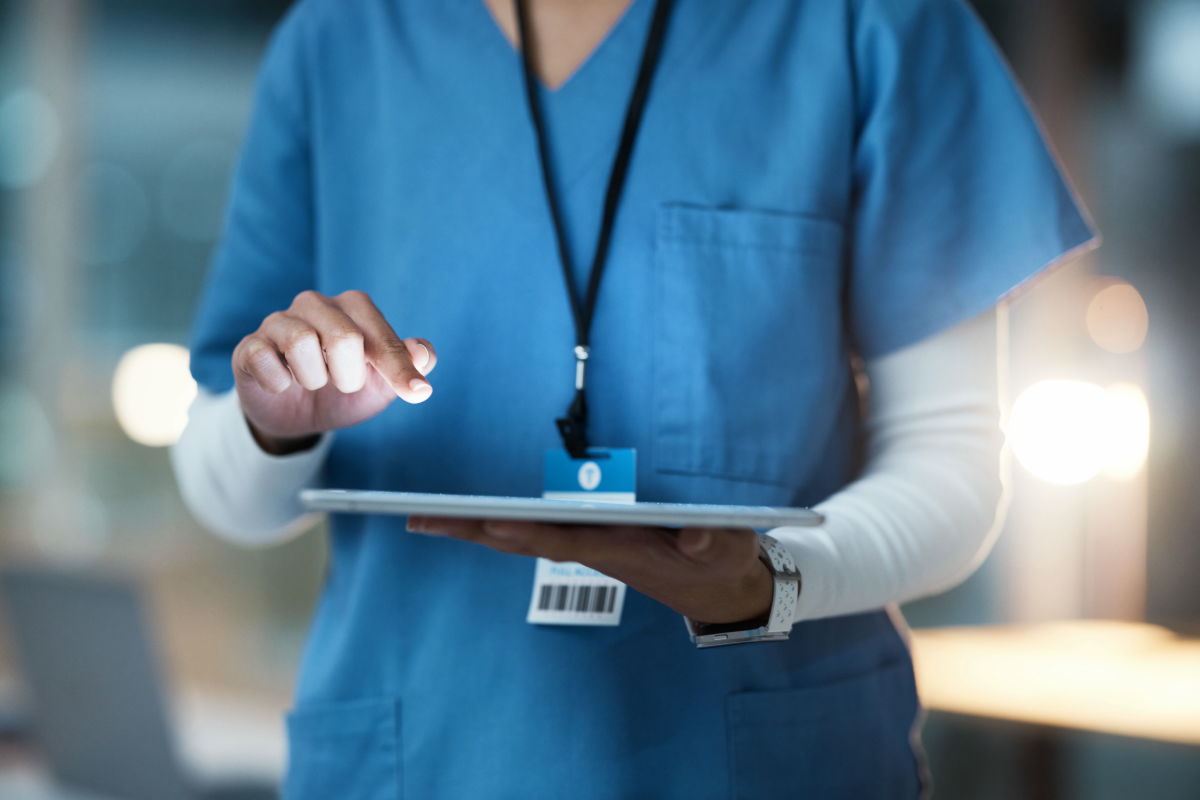
The hospital where Wilson works uses an AI algorithm designed for healthcare to perform various tasks, including developing discharge plans. The algorithm inputs a patient's length of stay and diagnosis, and determines the care they should receive toward their target discharge date. Wilson, however, worries that the AI algorithm prioritizes efficiency and productivity over patient-first thinking.
In one case, the head nurse at Wilson's hospital read an AI algorithm's report about a patient who was overstaying his or her scheduled stay. The algorithm indicated that kidney dialysis treatment was a barrier to discharge, so the head nurse argued, 'The patient should be discharged and treated as an outpatient.' The nurses in charge all protested, saying, 'That's not right,' but the head nurse continued to insist on discharge, until the nephrologist directly refused.
'It's not that we don't appreciate technological advancements. We want to be able to utilize these programs to help our patients and enhance the care that we're providing. We don't want the programs to be another barrier to providing better care,' Wilson said.
◆Narration Artist and Sound Editor: Sergio Leal
Leal has been doing voiceover work for television and radio for over 10 years. However, in recent years, AI has become widespread, and it is having both large and small impacts on the voiceover industry. 'The truth is, creative workers will suffer,' Leal said. 'I'm not denying that AI has creative uses, but the tradeoff is that AI will only make products cheaper, and in almost every case where attention and connection are needed, the adoption of AI will ultimately backfire.'
At the time of the interview with Bloomberg, Leal said his work would not be directly affected, but he also said that voice actors and narrators are now faced with the need to ensure their voices are not being used by clients' AI.
◆ Middle school teacher: Mr. Will Page
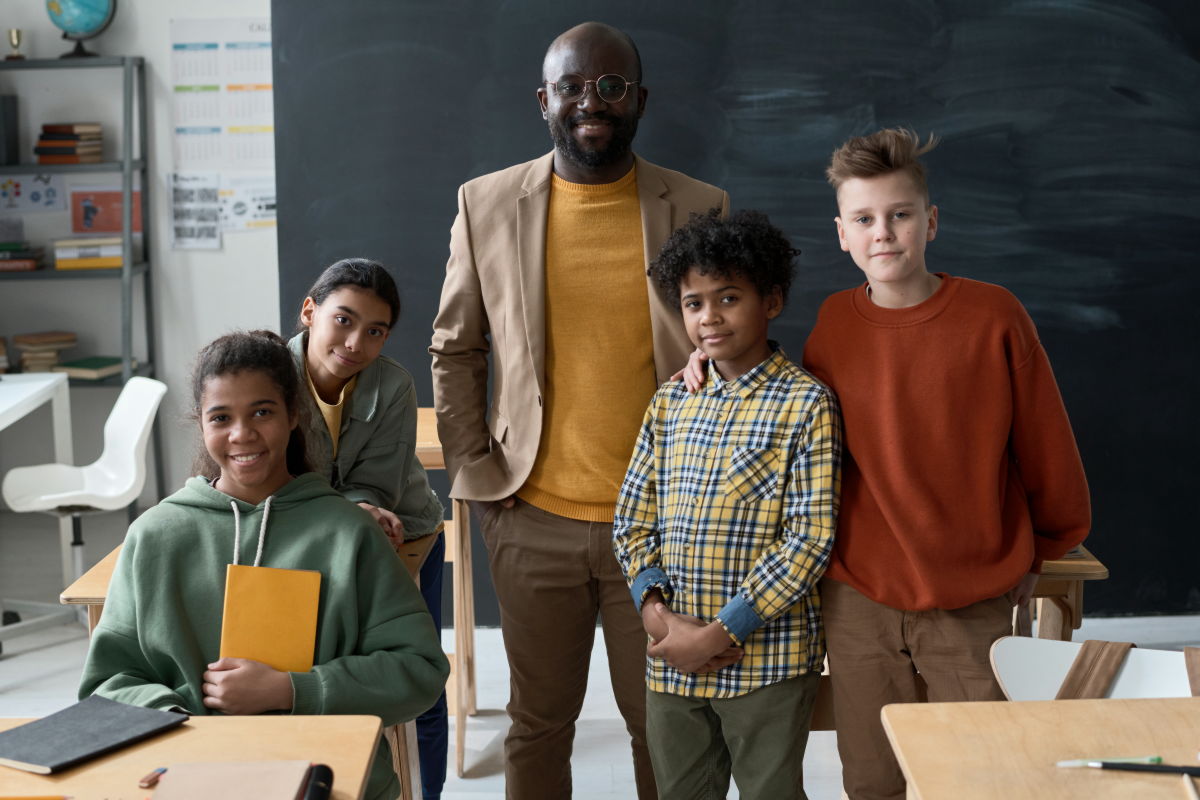
Page teaches math and social studies at a middle school where many students from Spanish-speaking countries and Eastern Europe are still learning English. He teaches sixth-grade social studies material, but there are also students in his classroom who can only read at a first-grade level.
For Page, a teacher in such an environment, AI has become a tool that has significantly changed communication with children. Using AI, he claims, it is possible to adjust the level of text appropriately, so that even children with first-grade reading comprehension skills can understand what
'It's an overwhelming job. If I had had AI earlier in my career, I think I would have become a skilled educator sooner,' Page said, adding that AI has helped him cut his work week from nearly 80 hours, sometimes even 90 hours, down to about 55 hours a week.
◆ Biotechnology company scientist: Ashley Kaiser
Kaiser's work involves materials science, such as polymers and plastics, and he claims that AI has improved many aspects of his research. AI can ingest and process vast amounts of data, interpret new experimental data, and predict how the next experiment will turn out. This goes beyond what human scientists like Kaiser can do, and he says AI allows him to conduct a large number of experiments quickly.
'When you use the scientific method, you come up with an idea or a hypothesis. You go to the lab, run tests, get results from the tests, analyze the data, and then take your new insights and develop new hypotheses. You repeat this process over and over again,' Kaiser said. 'Automation allows you to run many of these experiments serially and get to insights more quickly.'
◆Documentary Film
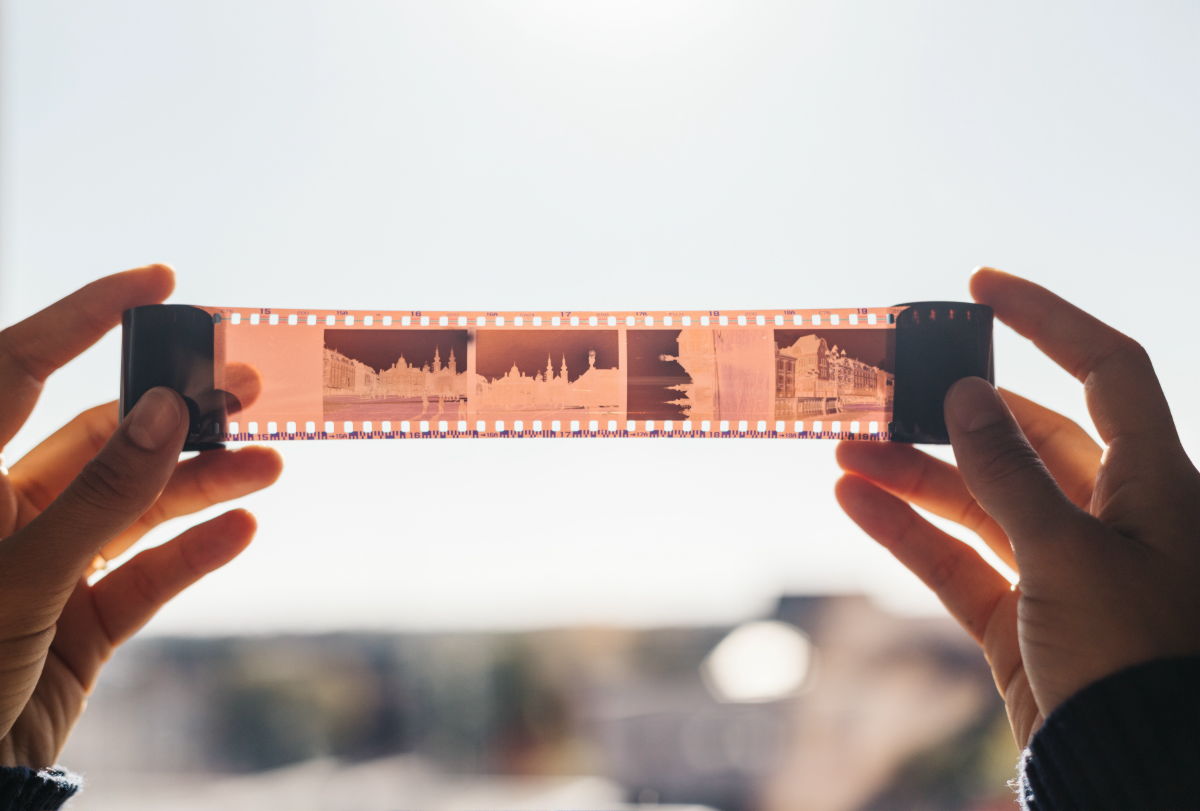
An archivist who collects, organizes, and preserves various documentary films, Antel noticed that when ChatGPT first came online, 'ultra-realistic photos generated by AI' began to appear in the documentaries he collected. In one work, a photograph from the 1900s of a woman featured in the story appeared. Antel, who thought such a photograph couldn't exist, asked, 'Where did you find this photo?' He was told, 'I didn't find it, I created it.'
Using AI-generated photos in documentaries raises questions about transparency for audiences and risks undermining documentaries' status as a trusted cultural resource. While Antell initially believed AI should be excluded from documentaries, he has recently come to feel compelled to embrace its presence. He is currently working on developing standards for the use of AI in documentaries to determine whether the media featured in a film is authentic or AI-generated.
◆Mobile app developer: Tom Lee
While Lee's company has some policies restricting code-generating AI, he decided to try it outside of work to understand what generative AI could do with coding. While the AI led to significant productivity gains in areas where he was highly skilled, it made things worse in areas where he had less expertise, ultimately forcing him to start over.
Lee believes that the reason for this is that 'the workers' own know-how unconsciously filters and frames the output of large-scale language models.' In other words, in areas they understand well, they can quickly understand what is useful, what is incorrect, and what needs to be improved in the AI output, but in areas they are unfamiliar with, they don't know what is good and what is bad about the AI output, and as a result, it fails. Lee argued that people underestimate the fact that their own know-how influences the performance of AI output.
Ride-hailing driver: Carlos Montano
Montano has worked as an Uber and Lyft driver for about eight years, but in recent years, self-driving taxis such as Waymo have started to operate in the area. Waymo is already used 200,000 times a week, so it will undoubtedly compete with drivers like Montano.
So Montano is considering taking a different approach to his business by getting a commercial driver's license and becoming a self-employed taxi driver, increasing the number of VIP passengers, and offering a variety of services. 'I love my job, but I can't help but be prepared for what's coming,' he said.
Related Posts: