What should the relationship between scientific research and the media be? An interview with social psychologist Professor Asako Miura
The best way to properly understand science news is to
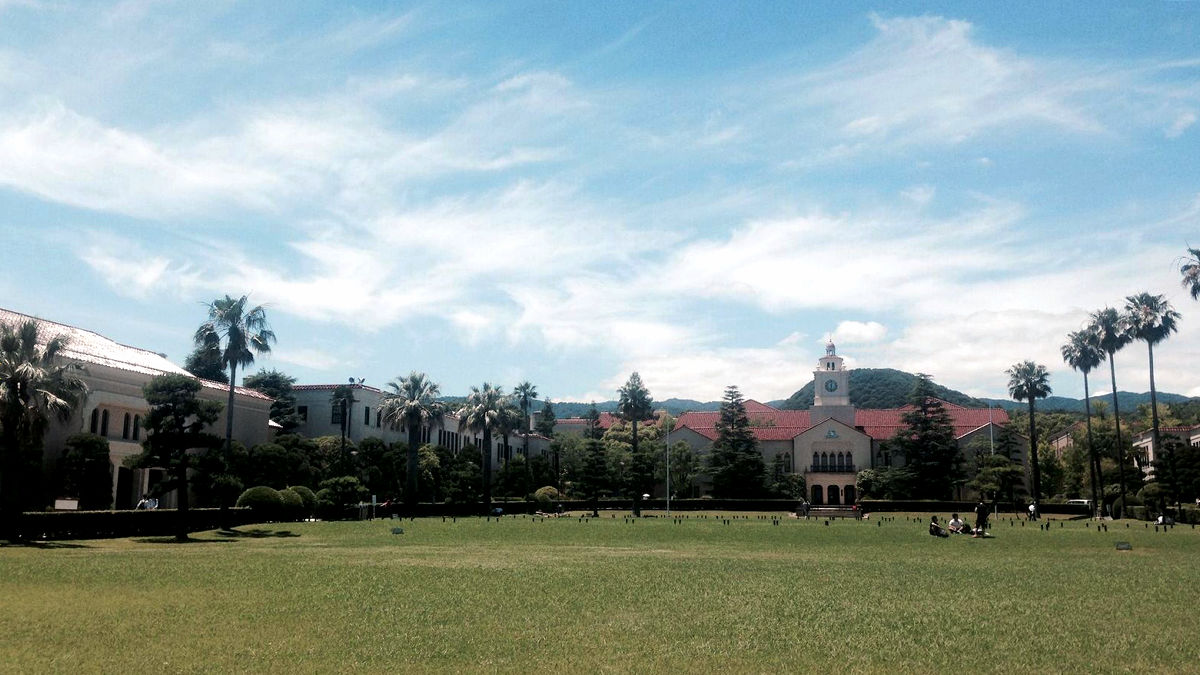
Arrived at Kwansei Gakuin University.
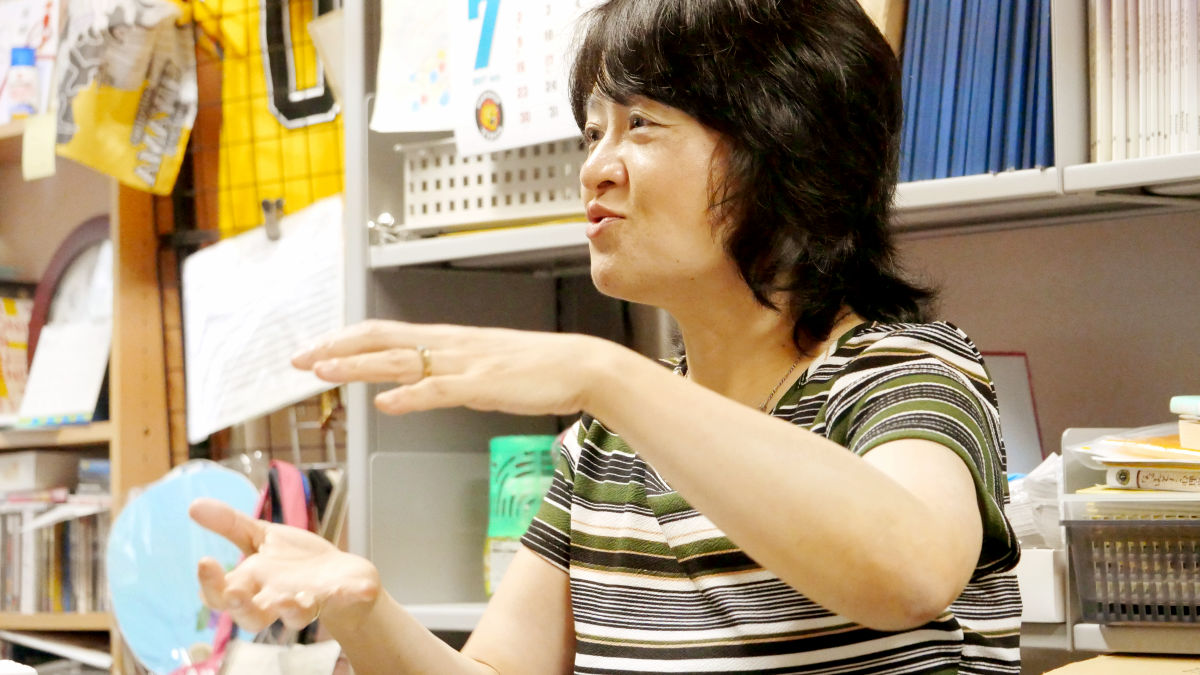
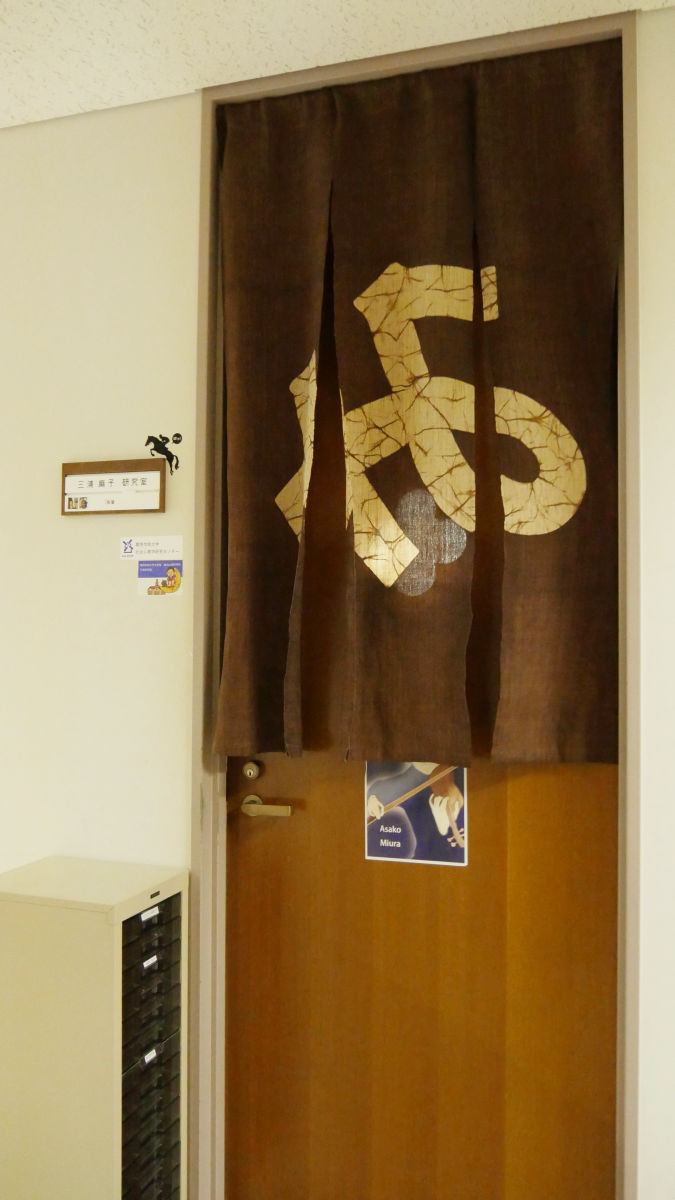
There was a curtain hanging on the door of Professor Miura's office with the character 'mi' written backwards.
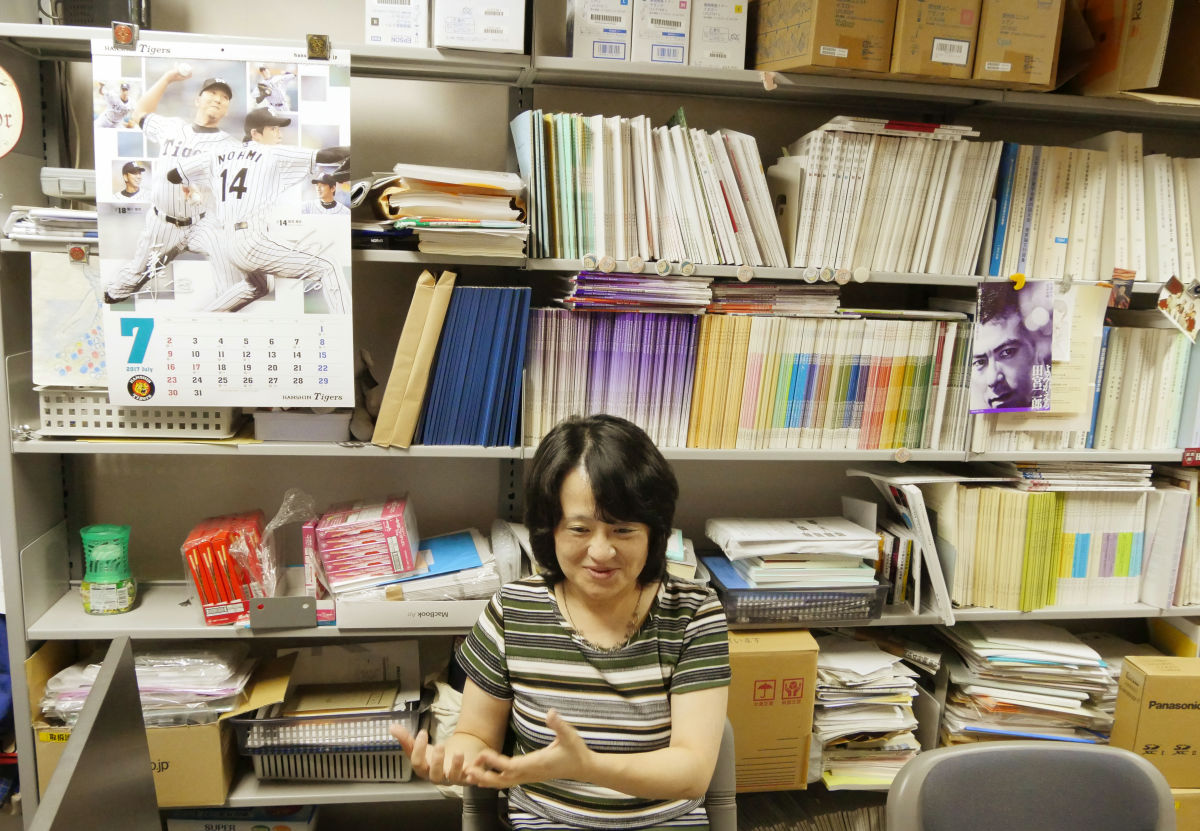
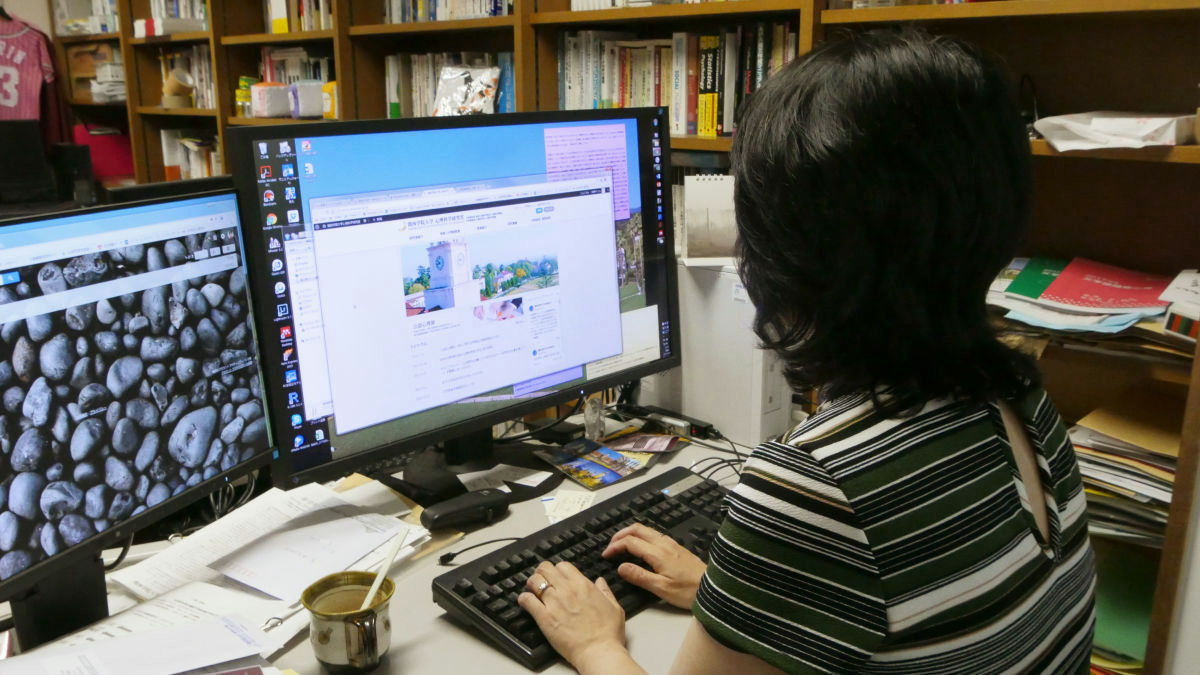
This is what the inside looks like. Books are lined up on the bookshelves that cover the entire wall.

Statistics, data analysis books, etc.
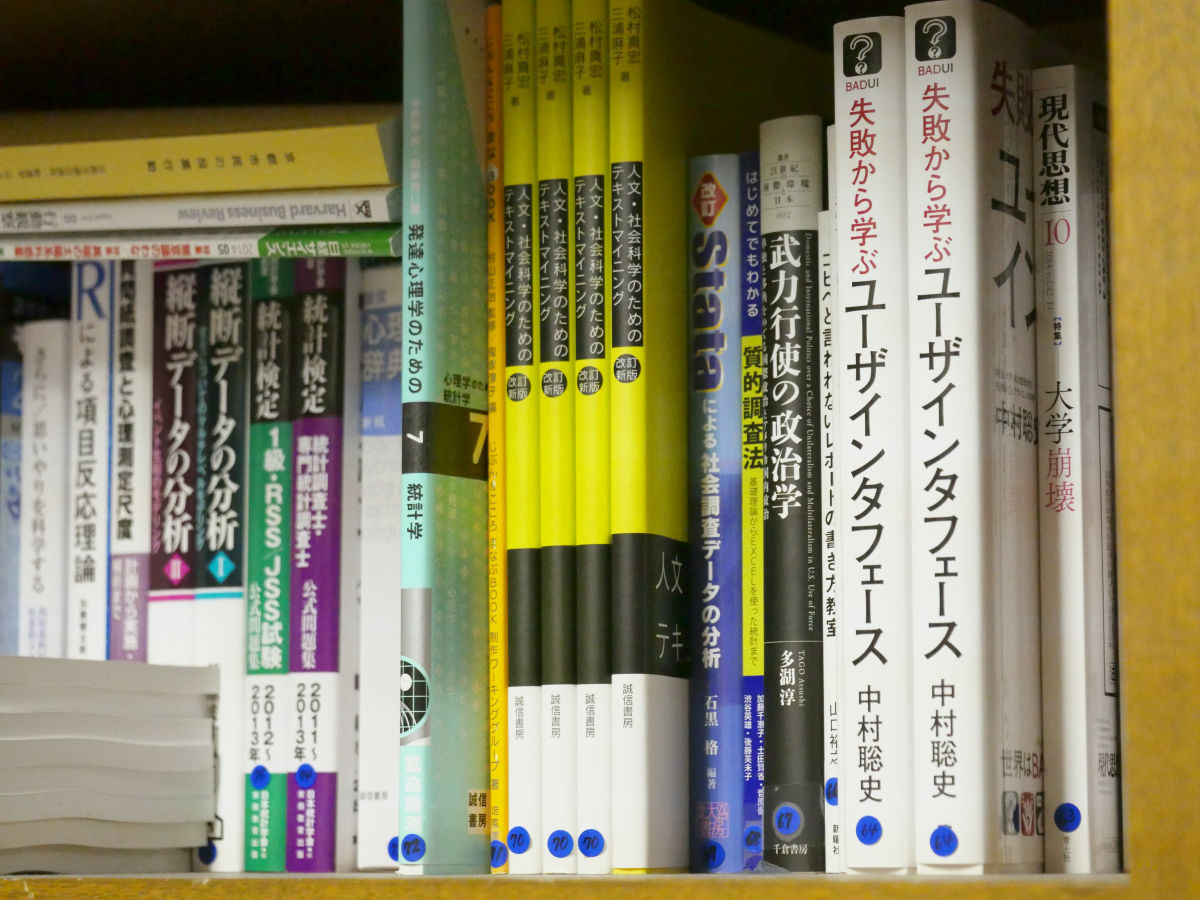
The book features words like internet, communication, email, and smartphone. The book title gives a rough idea of Professor Miura's field of research.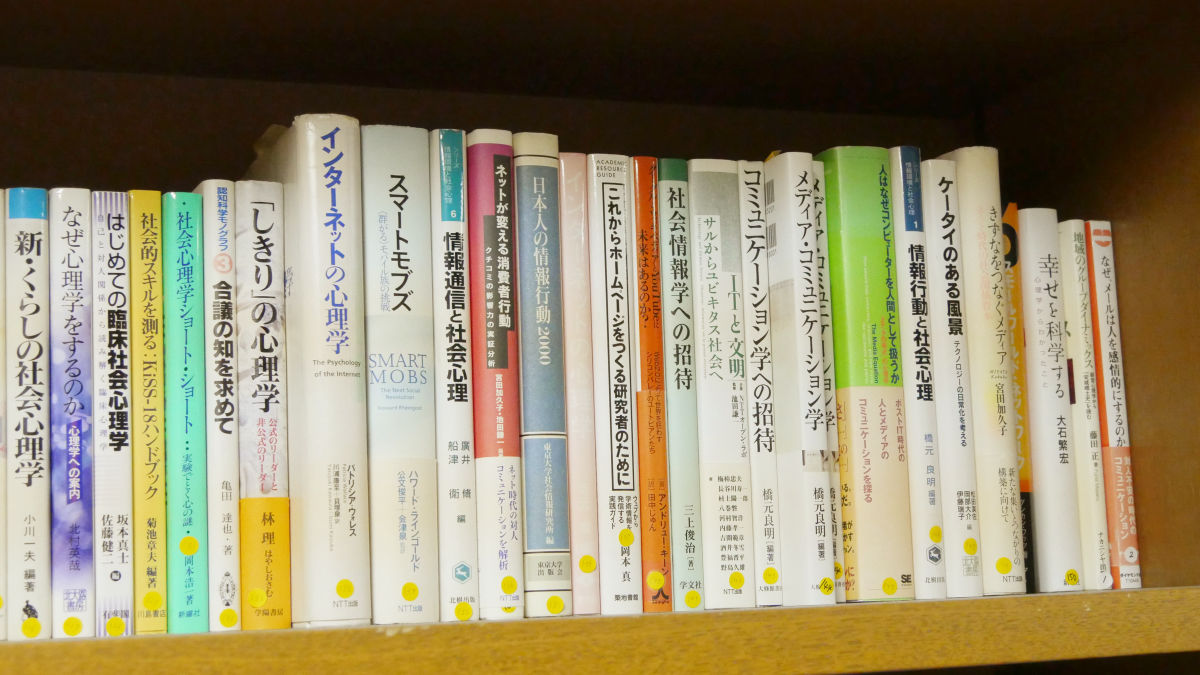
So, we asked Professor Miura, who studies social psychology, about everything from why he became a researcher, how people become researchers, and what kind of people they are, to his unique research based on the internet.
GIGAZINE (hereinafter referred to as G):
Mr. Miura, how did you become a professor? We ordinary people don't really understand the process of becoming a professor, so I'd like you to start by telling us about that.
Professor Asako Miura (hereinafter, Miura):
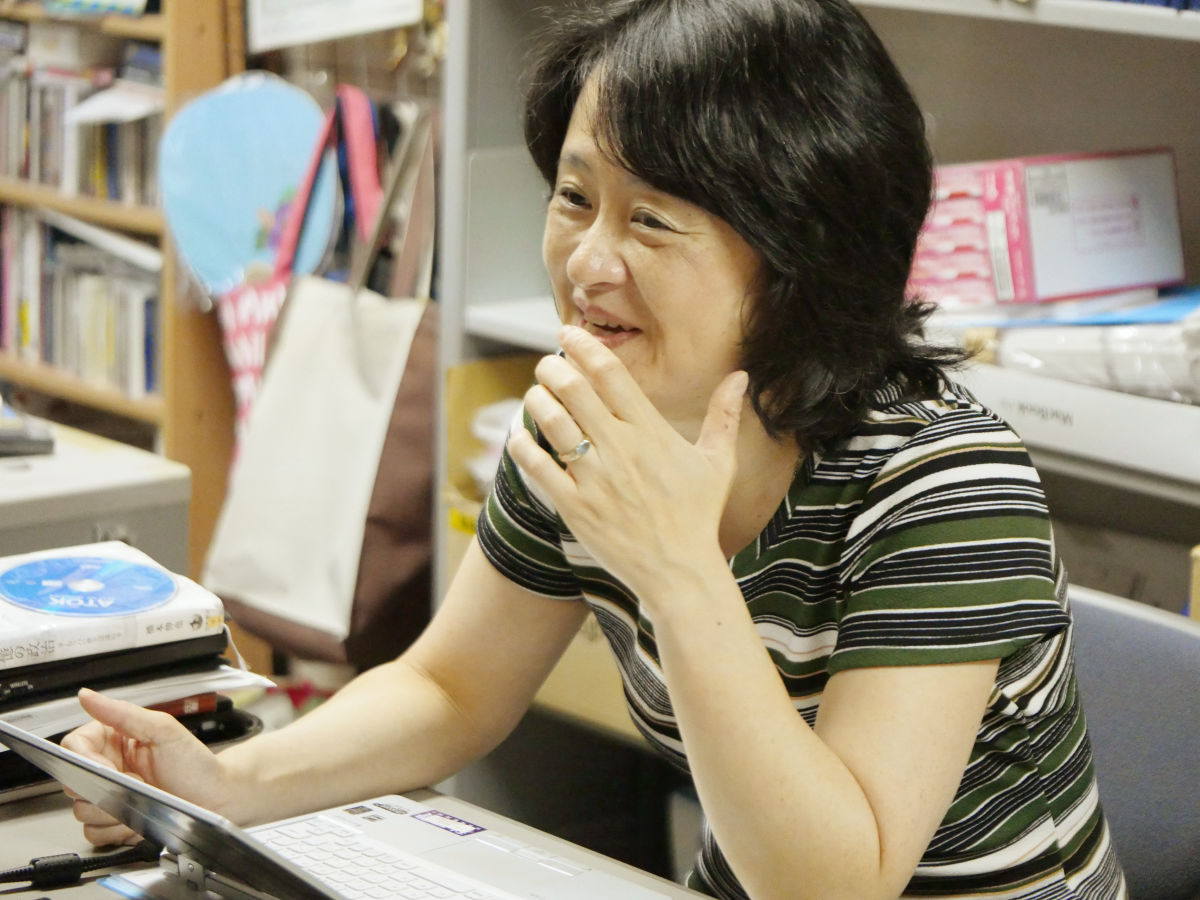
I get asked that question a lot. Just today, a student asked me, 'I want to go to graduate school, but what was the main deciding factor for you to go to graduate school?' But I couldn't come up with a good answer. The reason is that I have almost never thought about becoming anything other than a researcher.
G:
Is that so?
Miura:
Ever since I was in elementary school, when people asked me, 'What do you want to be when you grow up?', I had no other answer than to be a researcher. I think there was a period of about a year when I thought I wanted to be a newspaper reporter. After that, I always wanted to be a university professor, or more specifically, a researcher.
G:
Why did you want to become a university researcher when you were in elementary school?
Miura:
It's a simple story, but my grandfather was a university researcher. I don't remember him ever talking about what research was, but to me, the idea of a life with researchers was normal, and I never thought of it as a special occupation.
G:
It was a very ordinary job.
Miura:
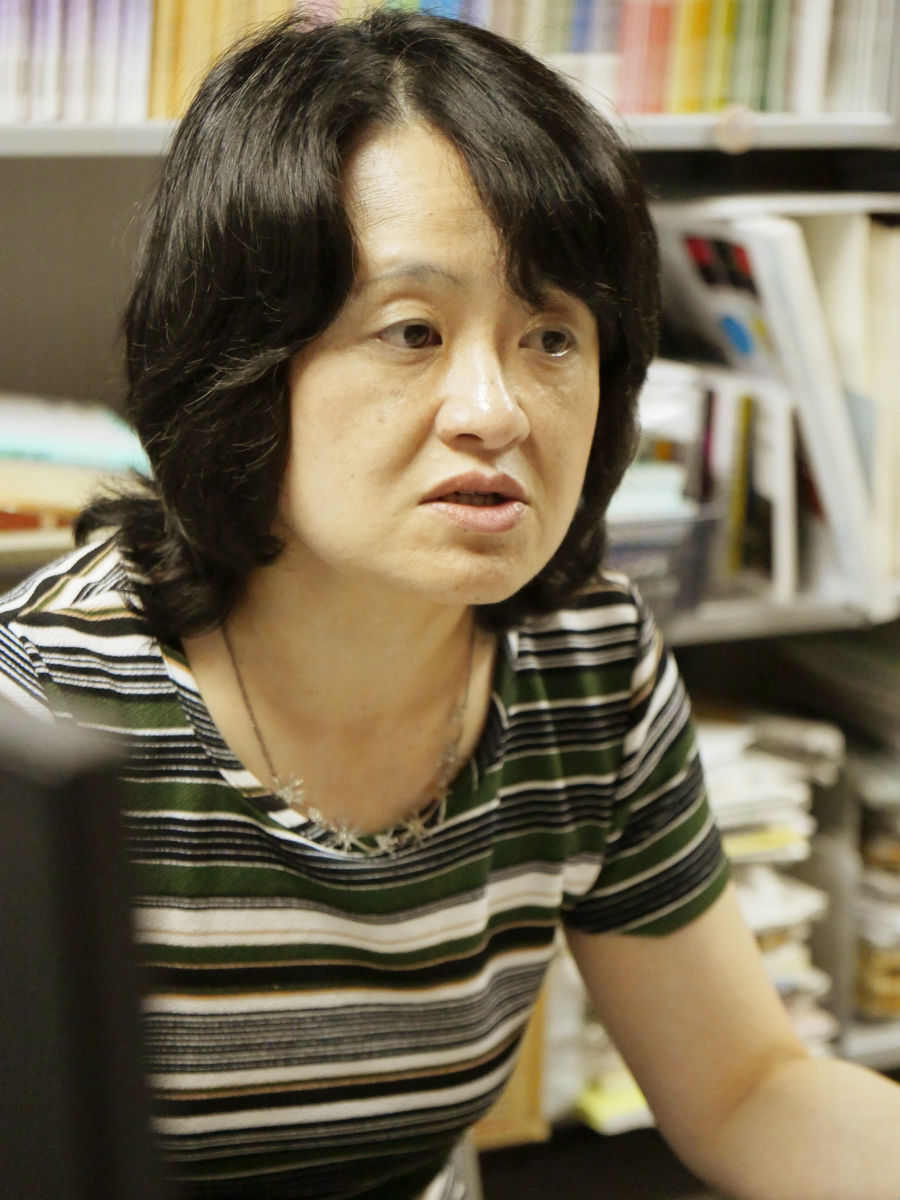
Yes. I also liked researching things. My father would give me an independent research assignment and say, 'Look into this,' and I would look it up. Also, if there was something I didn't understand, even if it was during dinner, I would look it up in a dictionary and research it until I came to a definite conclusion. When I tell people about this, they say, 'Not many households are like that,' but it was normal in my house.
Even after I entered university, there was no phase where I hesitated about going to graduate school; I just thought, 'Graduate school is something I should go to.' Apparently, when a girl says she wants to become a university professor, she's often told, 'I'll be nice to you, but don't do it,' but my family's policy was, 'If you want to do it, and have something that could prove you're capable of doing it, then do it,' so I was never opposed.
G:
For me, it was quite natural to become a researcher.
Miura:
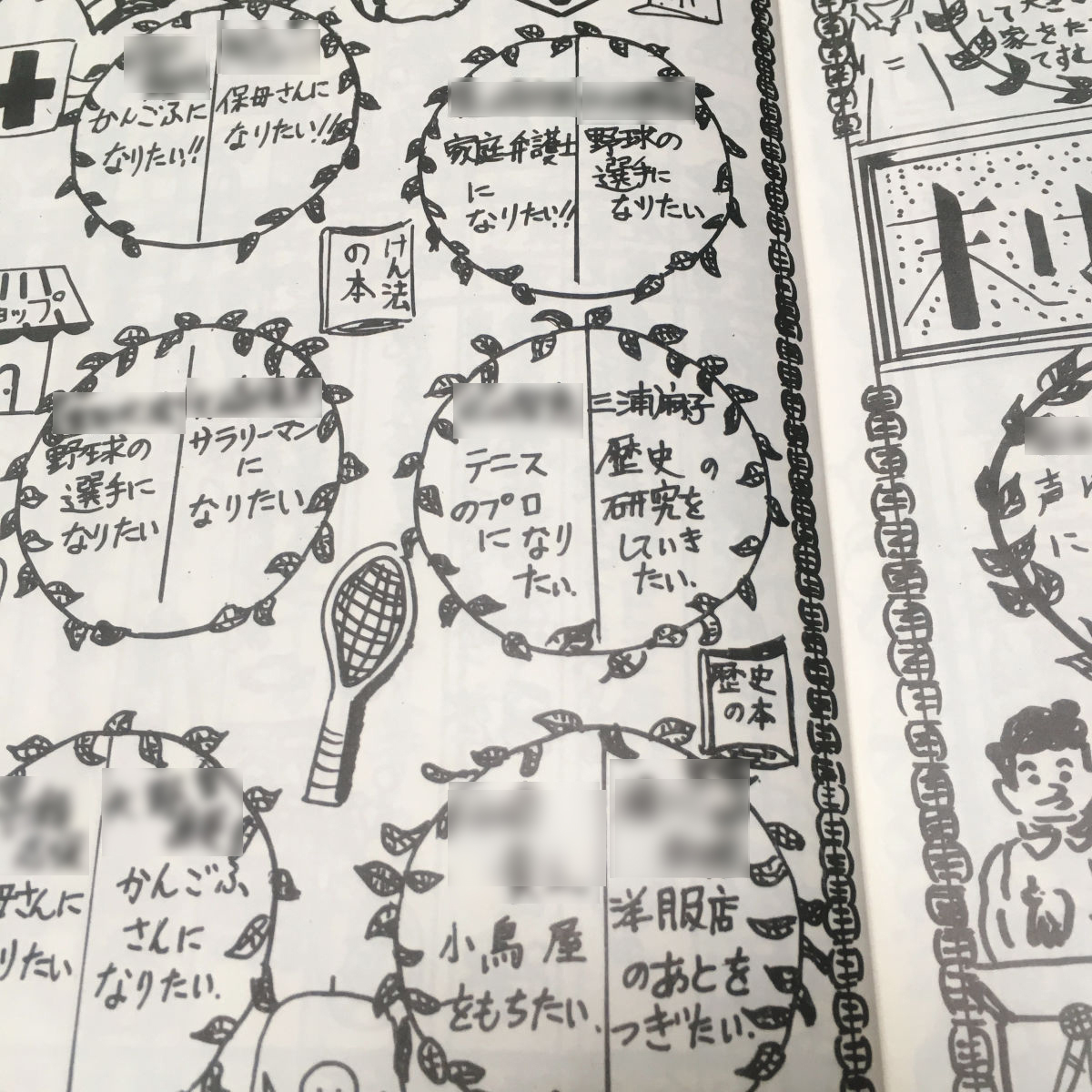
That's right. So I had no doubts, and no one opposed me, so when asked what prompted me to do it, I don't have an answer. However, in my elementary school yearbook, I wrote that I wanted to study history. My grandfather was a researcher of Chinese history, so I wanted to do the same. But he told me, 'History doesn't make money, so don't do it.'
G:
It's a very easy to understand reason, history doesn't make money (laughs).
Miura:
It seems he was distressed by the fact that he was poor. That story made an impression on him, and he hated being poor, so he decided that he 'shouldn't study history.'
G:
(lol)
Miura:
The reason I wanted to study psychology was because I attended a missionary school for girls in junior high and high school, where I lived with the sisters. They would say things that seemed unreasonable to me, like, 'Your hairstyle has to be like this' or 'You have to do this.' I thought, 'What are these people?' But they had such strong beliefs that they even married God, and that made me wonder, 'What is believing in God or religion?' 'Why do people want to believe in God?' I thought that was psychology. At that time, I read magazines like
The reason I decided that what I wanted to do was social psychology, even within psychology, was because I was interested in things like the relationship between society and humans. Religion influences the course of society, doesn't it? For example, Christianity carried out the Crusades, and today it would be Islam. At the time, I wasn't thinking about it in such a structured way, though.
However, after I entered university, I was surprised to find that about 80% of people who wanted to study psychology wanted to work in clinical psychology . In many cases, they start with their own mental problems and wonder how to solve them, and those with a bit of mental space want to help others and aim to become counselors. However, until I entered university, I had no idea what clinical psychology was, and I didn't think that there were people who were interested in it.
G:
That was when I was at Osaka University.
Miura:
That's right. Ever since I entered Osaka University, I had been thinking about studying social psychology.
What I want to research has changed, but everything else has remained the same. In many ways, I think I was blessed with a good family environment.
G:
This is what happens when you just live a normal life and do normal things.
Miura:
That's how it is. So, to summarise in about 10 words, I would say, 'I wanted to become a professor, so I did.' Not only is that too long, but it's not very interesting. Since you asked me the question, I'm sure you were unsure about something, so I think you'd want me to say, 'I decided to become a university professor after going through all these twists and turns,' but I'm sorry I can't be of any help.
G:
Looking at
Miura:
Sorry, if that's hard to understand (laughs), I think there are many different types of psychological researchers. For example, there are those who have a mainstream theory and want to do this to verify it, and those who want to establish a new theory. I like to capture phenomena, that is, to portray what is happening in its true form. Behind social phenomena there are always people. If I can get data directly from people, I like to collect psychological data on the people behind a phenomenon and explain that these are the people who support it.
For example, when you're talking with someone, even if you're not thinking about 'creating some new idea,' sometimes new things come out that you wouldn't have thought of on your own. I've been interested in things like that since I entered university. My father was an electric power engineer, and engineers are the kind of people who, even if they're not 'totally unique,' put their heads together in groups to think about how to create something that's even slightly better than what's come before. From that point on, I wanted to do research on 'what kind of group of people can come up with new ideas,' and I've been doing that research ever since I joined a social psychology lab in my third year of university.
As an experiment, we had students work in groups of two or three to generate ideas, and then we evaluated and examined the content of the ideas. As a result, we found that in order to come up with new ideas related to our theme, it is not enough to just bring together a diverse group of people; rather, it is most effective if everyone has something in common and a wide range of knowledge.
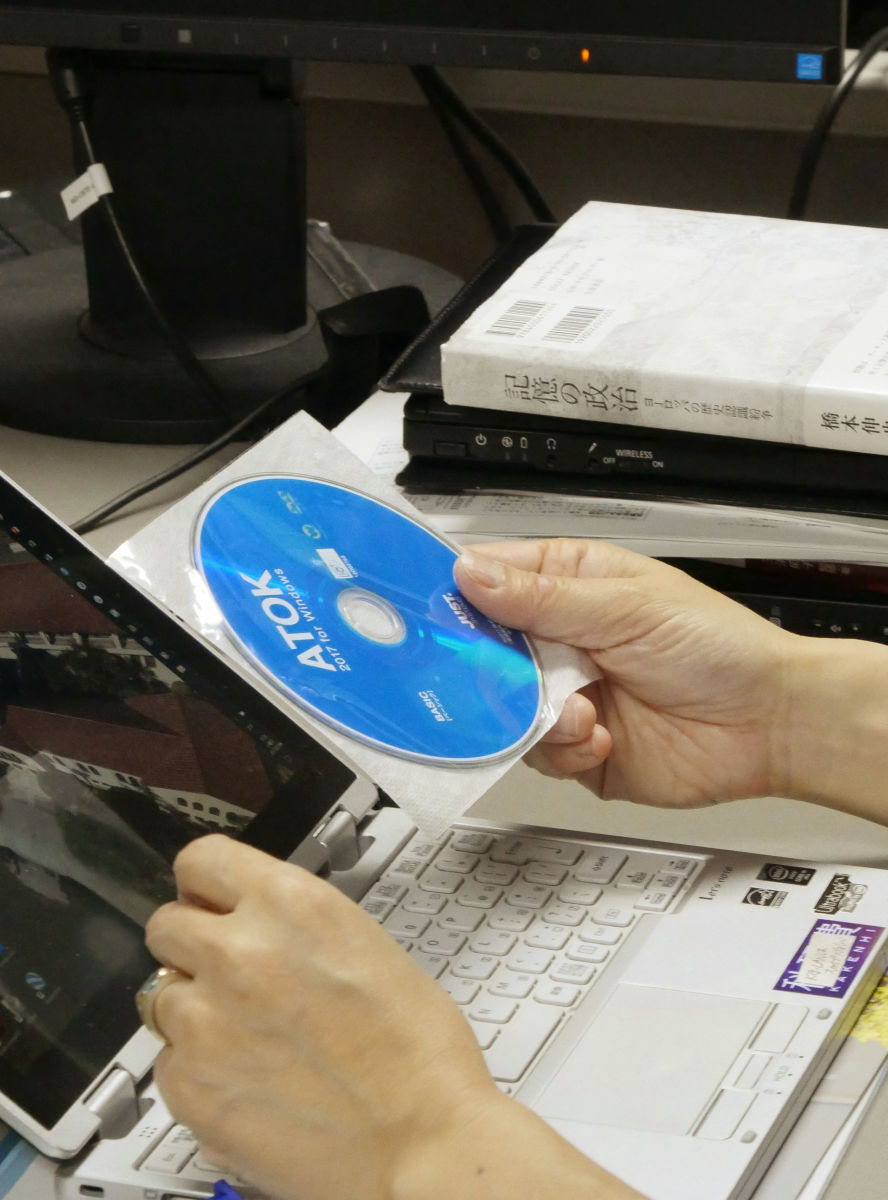
The experiment we conducted involved having participants discuss and think of 'unusual uses' for things like wire hangers and CD-ROMs. Before starting work in groups, participants were asked to come up with ideas individually, and the best results were achieved by groups whose individual ideas shared a certain degree of commonality and had a wide range of variations.
G:
On your website, you say, 'We are currently focusing on and considering online situations via the Internet.' When did you start paying attention to this?
Miura:
Back in the day, there was a computer-based bulletin board called
G:
It was the beginning of online romance.

Miura:
That's right. At that time, the phone charges for grassroots BBSs were high unless you had a local area code, but ours was a local area code and we lived close by. We met up offline all the time, so we only became close after we met in person. In that sense, it was the beginning of online romance.
As you may have noticed from what I've said so far, I base most of my research on my own experiences. I wasn't particularly conscious of it in the past, but I think that's just the way I am.
G:
So that's how it is. Also, when I looked at Professor Miura's Twitter account, I saw that he had 140,000 tweets, and I thought I was reading it wrong... but that's an incredible number of tweets.
oʞɐsɐ ɐɹnıɯ(@asarin) | Twitter

Miura:
I registered in April 2007, so I've been tweeting for over 10 years. That's 14,000 tweets a year, or just under 40 per day...is that a lot? Incidentally, there's only been one day where I didn't tweet at all.
G:
What made you start using Twitter?
Miura:
It all started when I heard rumors that 'Twitter' had been created. Whenever an online communication tool was created, like when Mastodon was created, I immediately created an account.
G:
I see. I'll just create an account (laughs).
Miura:
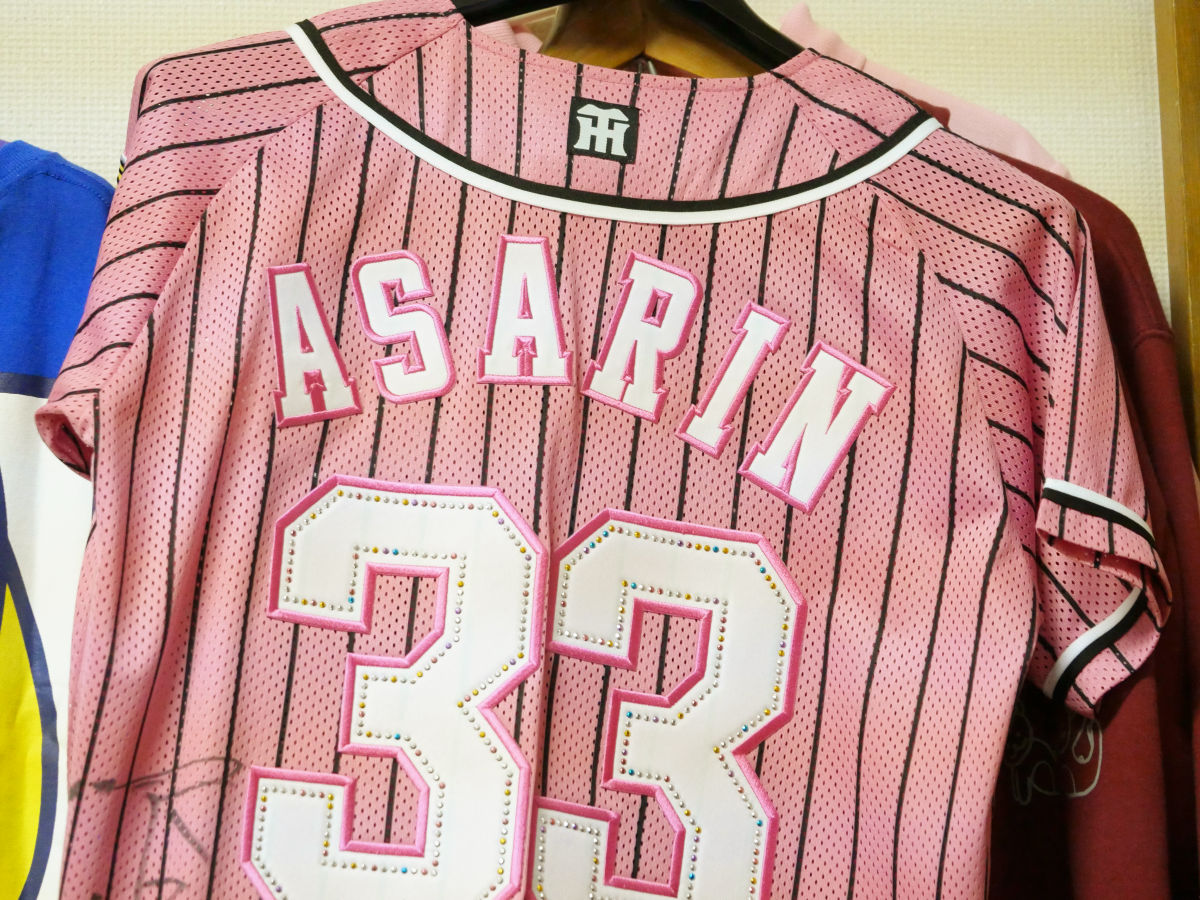
I created Mastodon, but I don't really understand how it works, so I've left it as it is... ' Asarin ' is the handle name I've used since I first played Dragon Quest, but I don't want someone else to take it. So, when I create something new, I'll just keep the handle name 'asarin' for now. What happens to it after that is up to the community, though.
G:
This style of just taking it for now is similar to acquiring a domain name for a company.
Miura:
It's similar. If I can't get 'asarin,' I'll be like, 'Who the hell is that?' (laughs)
G:
All of these are connected to Professor Miura's research.
Miura:
That's right. First, I created my own website and wrote a diary every day for 12 years until the fall of 2013.
So, as someone who writes web diaries, I published a book called 'The Psychology of Weblogs.' This book was written by four people, including me, but the other three were senior researchers who originally studied internet communication and are from a generation about 20 years older than me. I was approached to write the book because they thought there was a 'strange social psychologist who has been writing web diaries for a long time.'
The Psychology of Weblogs | Kiyomi Yamashita, Yoshiro Kawakami, Yasushi Kawaura, Asako Miura | Books | Online Shopping | Amazon

G:
When I came across this book on Professor Miura's website , I wondered, 'What kind of book is it?', and that's what it was about. Looking at the research process alone, I wondered how he chose his topic, researched it, and wrote about it.
Miura:
That's something I hear a lot. At first glance, what we do seems all over the place.
G:
From our perspective, they may look separate, but to the person involved, they are all connected.
Miura:
My research is at least partly connected to my own interests and experiences. Recently, I've been doing a lot of research that was suggested to me by people I met online, or by people I already knew but now communicate with online, who asked me if I thought the research would be interesting, so it may seem all the more disparate.
My most recent research project was the mayoral election in Ako City, Hyogo Prefecture, where I lived from the age of about three until I entered university. I investigated how voters reacted to the types of campaigning they conducted. I enjoy collecting data in various forms, so I had the candidates' companions record their movements within the city using GPS throughout the election period, and then conducted a survey of some of the voters listed on the voter roll. The voter roll also includes addresses, so we could determine how close the candidates got to the homes of those who responded to the survey. I then investigated the type of campaigning they conducted when they got close and whether it led to votes. Since I wasn't an expert in political psychology, I invited a colleague from my university to help, and since I was completely new to analyzing GPS data, I asked a junior colleague for advice. The results, in short, showed that getting close to the candidate led to more votes, but not to increased favorability.
It was a research project in which I had a graduate student of mine shadow me for a week while helping with the election campaign, and the candidate I was paired with was a classmate from kindergarten and elementary school. He was my boyfriend in fifth and sixth grade.
I went to a private school from junior high onwards, so I hadn't seen him since elementary school, but when you register your school on Facebook, it brings up a list of 'Are you a friend?' He showed up there about four or five years ago, and I thought, 'Oh, I know this guy,' so we became friends. He's the kind of guy who runs for office, so he was involved in a lot of town revitalization activities, and as part of that, he asked me to give a lecture on psychology, so we met in Ako City for the first time in over thirty years. Then, on the way to our destination in the car, he told me he'd been asked to run for mayor. As soon as I heard that, I thought, 'This guy's data...'
G:
The way they connect is incredible.
Miura:
I often say that people look like data, and that's how important data is to me. I'm sure the person who said that felt bad, but I had no intention of belittling them. I took this opportunity to ask him if I could join him because I wanted to do this kind of research, and he agreed. He told me about other activities he was involved in and lent me various data. But he ended up losing the election.
Kobe Shimbun NEXT | Society | Chanting a candidate's name on an election car can actually help boost votes - Kwansei Gakuin University study
https://www.kobe-np.co.jp/news/shakai/201704/0010129963.shtml

Miura:
Also, I often use online survey companies to collect data, and when I look at the data I collect, I often come across data that makes me think, 'This person isn't answering seriously.'
G:
That's the content of the statement, 'The majority of online survey company monitors respond without reading the instructions.' When I saw this, I laughed, thinking, 'What an amazing result.'
Japanese Society of Social Psychology | Asako Miura and Tetsuro Kobayashi Do online survey participants not read the questions?
http://www.socialpsychology.jp/ronbun_news/31_01_01.html

Miura:
Even in the paper surveys we've conducted targeting university students up until now, there have been some people who have given poor answers. They've tried marking all the answers with 3s or drawing patterns with marks.
G:
Has anyone given such an answer?
Miura:
Psychology questionnaires are really long, have a lot of questions, and ask the same kind of questions over and over, so if you're not motivated, you'll soon get tired of them. So I understand why some people play around with the answer section. But I got the impression that this is especially common in online surveys. So I investigated how many people gave bad answers and how that affected the results, and my results showed that probably around 20% of people chose their answers without reading anything.
I thought this was an amazing result, so I tweeted on Twitter, 'I got these results, wow!', and Kobayashi, who I collaborated with on this research, replied, 'I'd love for you to turn this into research,' so I invited him to join me in doing research on it, and we did it together. Kobayashi is also a researcher in internet communication, and we've known each other since he was a fresh graduate student, so we've known each other for about 15 years, and this was the first topic we collaborated on. It felt like once I replied, that was the end.
G:
This article is very interesting. It says, 'It's a trap to find out who hasn't read the instructions.'

Miura:
In psychology, it's very difficult to get people to actually take action and answer the question, 'What would you do in a certain situation?' For example, if you were to actually ask, 'You were walking down the street, and you saw a house on the other side on fire. It seems like a dog was left behind in it. Would you go and help?', you couldn't just start a fire, leave the dog behind, and let the person go. If the dog died, the house burned down, and the person died, it would be a terrible thing.
So, if you want to know whether you would help in a given situation, you can have them read a story that asks, 'Imagine you're in this situation. What would you do?' and then have them respond with various thoughts, such as, 'If it was burning this badly, I would go and help,' 'I would call for help,' or 'I would chant Namu Amida Butsu.' But in that case, it won't work if they haven't read the underlying text. Furthermore, you might manipulate the conditions like in an experiment, and ask them to answer which one they would go and help, such as 'There's an old woman inside,' 'There's a dog inside,' or 'There's something valuable and expensive inside.' There might be options like, 'I'd leave the dog alone, but go and help the old woman,' or 'I'd help the baby, but I'd leave the old woman alone,' so if they haven't read the text properly, it's meaningless.
So I contacted five online survey companies hoping to conduct the survey, but only two agreed, while the other three turned me down. The official reason they turned me down was that 'you're trying to deceive the survey monitors.' I was just writing instructions to do as instructed, not deceiving them. However, apparently if you try to deceive the monitors, you get complaints. After being turned down by three companies, I ended up going with the remaining two, but with one company about 50% of the people fell for their trap, and with the other company 80% of the people fell for it.
G:
That's a shocking number.
Miura:
That's right. So, I got a call from the headquarters of the company that about 80% of the people were involved with. When I went there, I was made to sign a pledge that I would never publicize that this company was involved with 80% of the people involved (laughs).
G:
If 80% of the answers are garbage, it affects the very foundation of the company.
Miura:
However, recently it has become widely known that 'many people are skipping over instructions or answering questions without reading them,' so researchers and survey companies have started to take measures, and monitors have become quite accustomed to it, resulting in a decrease in bad answers. We are currently collecting data through crowdsourcing, and so only about 10 to 20 percent of people get caught up on the same questions. So I wouldn't say we've eradicated bad answers, but we would be grateful if people were to pay enough attention to avoid getting caught.
G:
When I heard about the survey, I thought, 'I've read something similar somewhere before,' but there's a famous story about a famous band called Van Halen in the 1970s that had a clause in the middle of their contract that said, ' M&M's chocolates with the brown removed must be available in the dressing room. If this condition is not met, the show will be canceled and all fees will be paid.' It made me realize that nothing has changed since then.
Miura:
No one reads the insurance policy all the way to the end. It seems like they're intentionally trying to get people to cut corners on things like insurance terms and conditions. It's the opposite of how we think (laughs).
G:
On a different note, you also posted on Twitter about the Asahi Shimbun article, 'I think this article was well researched, but I wish they would at the very least include a link to the original paper, even if it's just in the digital version. You don't need to increase the word count. You've even interviewed the author. I'll say this again and again to show that I long for the day when this happens.' Could you please tell us why you think a link to the original paper is needed?
I think this article was well researched, which is great, but I wish they would at the very least include a link to the original paper, even if it's just in a digital version. There's no need to increase the word count. They even interviewed the author. I'll say this again and again, just to show how much I long for that day to come.
— oʞɐsɐ ɐɹnıɯ (@asarin) June 25, 2017
Miura:
The Asahi journalist who wrote the article mentioned here is an acquaintance of mine, and has often covered my research for some time. However, despite always conducting thorough interviews before writing an article, he says he never publishes the original paper. When I ask him why, he says, 'Because readers don't want it.' And yet, he loves to say things like, 'In today's issue...' I don't understand why he likes lively news but doesn't need any way to verify its credibility.
As I mentioned about my upbringing, when I have a question, I consult a dictionary or encyclopedia to verify my knowledge to a certain extent, so I feel uncomfortable when I don't understand it. I think it's impossible to judge the content of a research article unless you properly understand the process behind it, such as, 'This is how the data was collected, which is why this claim was made.' If the source is an English paper, there may not be many people who can judge it by looking at the paper, but it should be published. There is always a gap between what newspaper reporters write and the content of actual research and papers, so I want to know that.
G:
In other words, access to the original source should be guaranteed.
Miura:
That's right. An acquaintance of mine once said, 'Newspaper reporters like to hide the source of their articles.'
G:
In short, it seems they are confusing this with concealing sources .
Miura:
But I thought that this was probably not the case. Just this morning, I read a newspaper article about a study by a researcher I know that said, 'About 40% of university students who belong to athletic clubs have tried gambling,' and I thought that this was typical.
40% of athletic students gamble. Is this related to their high level of cooperation? - Kyodo News 47NEWS
https://this.kiji.is/254705828599726085?c=39546741839462401

Miura:
There's no information about the original paper at all, even though there is a photo of Arai's face. I had a similar experience. I was introduced to a study on the public's reactions to the nuclear accident during the Great East Japan Earthquake, but for some reason there was a photo of my face. An acquaintance contacted me and said, 'I was watching LINE News when your face suddenly appeared, and when I clicked on it, it enlarged,' and I was so embarrassed because it was so inappropriate for research.
G:
When you want to know more details, you wonder where you can find them.
Miura:
That's right. I found information on Arai's website that a paper was scheduled for publication, so I contacted him on Twitter and asked if I could see it. He kindly sent it to me, so I was able to get the paper right away. But that was only because I was acquainted with Arai. When it comes to overseas research, information like this article is something you have to desperately search for. You have to imagine the spelling of names and words that could be keywords in the research. If he had just written a few words, I wouldn't have had to go through all that pointless work. Apparently, this paper is going to be published in a general journal soon, so it's not open to the public yet, which is why it's in this form. Since most of it is usually available online, I feel like 'it would be easier to look it up if they'd just included a link.'
Furthermore, since our psychology is based on a core approach of 'using data to make statements,' if you don't write about that core aspect, I feel like you're presenting my work in a very sloppy way. The article says 'they tend to be highly cooperative,' but strictly speaking, this is not the same as the 'highly cooperative' measured when examining personality. They asked about ' self-efficacy regarding cooperation,' which is the degree to which people think they are able to behave cooperatively in club activities, so it doesn't mean that the person's personality is 'highly cooperative.' It's clearly written in the paper, but when it's written like this in an article...
G:
That seems different to me. Or rather, it gives a very different impression from what I just heard.
Miura:
That's right. I think Arai-san was talking about 'self-efficacy...' but I think he shortened it. Most newspaper articles don't get final approval from the person in question, so sometimes after they're published you might think, 'Wow... it says something completely different.'
G:
In short, they will issue it as is without asking, 'The expression is strange, is this correct?'
Miura:
That's what happens sometimes. If I complain, they'll let me check it, but then I'll pass by their desk...
G:
When asked why they are checking,
Miura:
Sometimes the results don't turn out exactly as the reporter wrote them. For example, if they write 'self-efficacy related to cooperation,' it takes up too many words, so they change it to 'cooperativeness.' Then, when a professional looks at it later, the results turn out to be strange.
G:
Like a game of telephone, the meaning gradually gets lost.
Miura:
That's right, and newspapers are especially strict about this.
G:
There were space constraints...
Miura:
That's right. I wish they would at least write something like 'published here.' Recently, many papers have been published online, so I would be very happy if they linked to it like GIGAZINE does.
If influential media like newspapers don't make that effort, if they deny access to the original information because 'that's not what readers want,' then readers will lose the opportunity to get clues to the information. People will never learn unless they have the experience of 'researching and understanding,' so I think it's wrong to report in a way that doesn't allow them to have that experience.
G:
I see. This article is a really good example.
Miura:
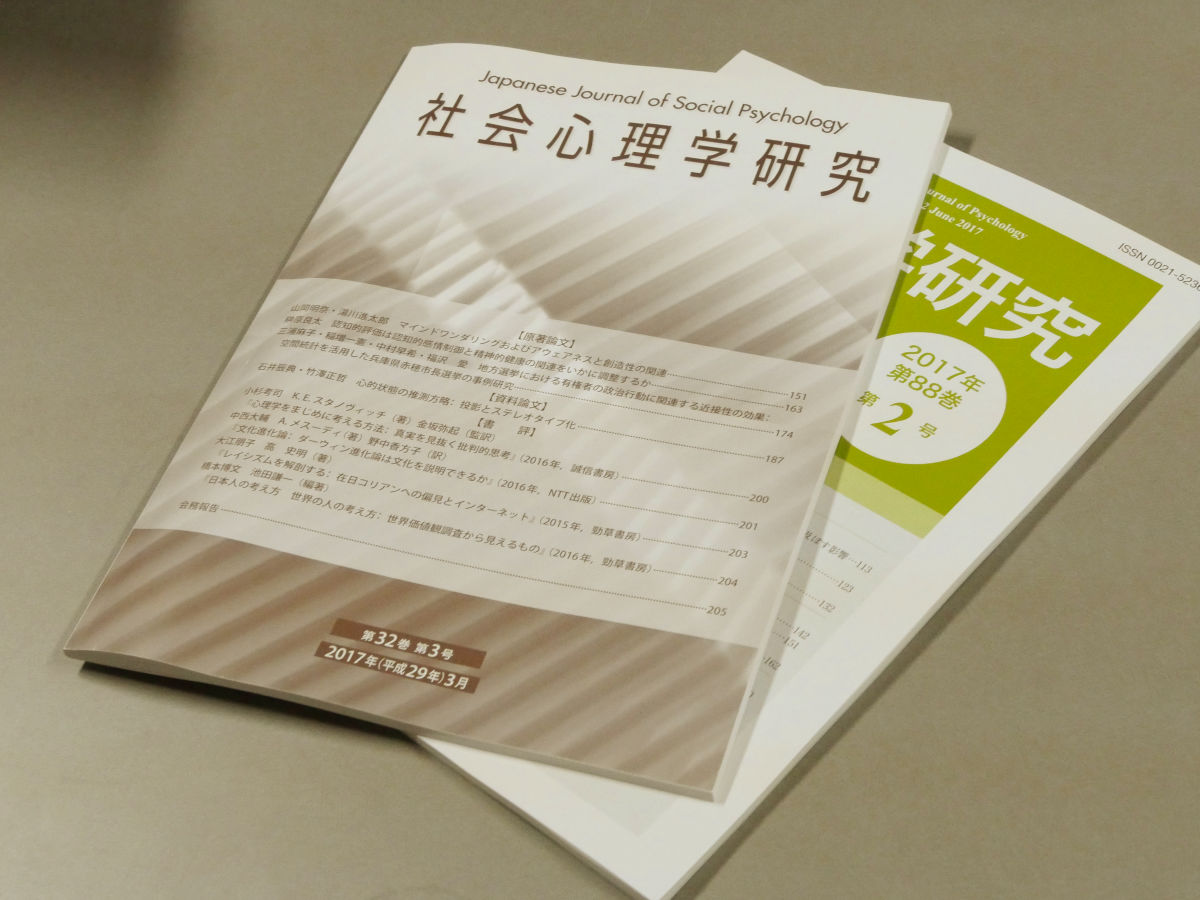
Even if it's not possible to publish it in print, I hope that at least a little attention will be paid to the online version. For example, even if they just list the source, such as 'This study was published in
G:
I wish they would be a little more kind to their readers.
Miura:
But I guess they probably don't think that's kind to the readers.
G:
It's the fact that they don't use the hyperlink system even though it's on the internet, so what's the point of putting it on the internet?
Miura:
I think it's partly because we haven't put in enough effort, but I think it's difficult for people to understand that 'what process you use to think and what data you use to make a statement is important.' So for the past few years, whenever I decide to publish a paper, I write the press release myself and have it published by the university. Then, newspapers see it and come to interview me, they read the paper and study it a little, and if it's featured in the paper, they can say, 'Here's the press release related to this piece,' and the press release always has a link to the paper, so I think it's still easy to follow.
My job is to collect data and write papers based on that data, so I think it would be difficult to understand in its current form. That's why I think it's very important to rewrite it to some extent and present it in a format that's easy for the general public to understand. That's why I want to see more of GIGAZINE's work. And in GIGAZINE's case, there's a proper link to the original source, so I can see that they understand our work to some extent and are introducing it with respect.
However, although we do have a route to provide articles directly to GIGAZINE, we haven't been able to make much use of it...
G:
In short, you can find a lot of articles from overseas papers, but you can't find any from Japan.
Miura:
This is due to a lack of effort on the part of academic societies in Japan. For example,
The first step is for organizations to become fully aware of this and put in place a structure that allows them to do so. But I can't do it alone, and it will probably take time. So, individual effort is necessary. When your research is published, whether it's used in an article or not, you should announce it publicly. Then, as experts, we might be able to determine whether an article is based on well-founded research and the legitimacy of its content. Adding information like 'This is psychologist-proof' to an article could make it appear more trustworthy. I think it would be beneficial for us if we could work effectively with media outlets that publish science news in various forms.
G:
It's also good for the readers of the article.
Miura:
That's right. Some people read articles on GIGAZINE and wonder, 'Why is there a link?' before clicking the link, so I think it becomes clear that this is how research is published. However, since most overseas journals are published by publishers, you have to pay to read the full text. Fortunately, my university has institutional contracts with many journals, so most of them are free to read. In contrast, there are almost no paid psychology journals in Japan, and you can read the entire article, including the research paper. What's more, they're in Japanese, so they're easy for Japanese people to read and use. One thing that struck me when I interacted with people at newspapers was how much importance is placed on 'meaningless speed of reporting.' Most psychological research isn't about 'discovering a new substance' or anything like that, so speed of reporting doesn't really need to be emphasized.
Also, I was suddenly asked recently to become the Public Relations Chairman of the Japanese Psychological Association , and I did so.
G:
The story has moved forward.
Miura:
I hadn't done anything in particular, but I got an email out of the blue during class asking, 'Would you do it?' and I said, 'Sure, I'll do it.' I was the Public Relations Committee Chair for the Japanese Society of Social Psychology until this March, and I guess they noticed my attempts to disseminate science news. Apparently there aren't many people in my profession who like public relations, so maybe they were just trying to get rid of me, but I was grateful for the opportunity and immediately accepted. That's how I do pretty much everything.
G:
It feels like the times are changing.
Miura:
Since I have the opportunity, I would like to try various things. Whether it is my own research or reporting on psychology research in general, I have realized that if I work enthusiastically, I can make a living accordingly.
G:
I see. Thank you for talking to us about so many things today.
Related Posts: