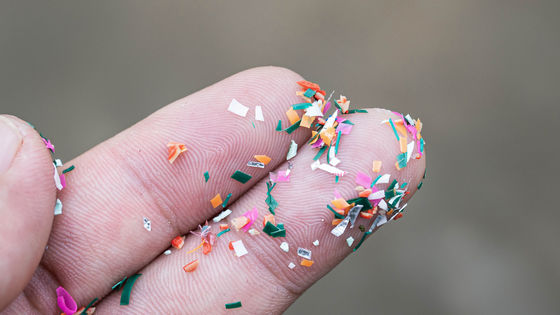
The extremely simple mechanism and mass production method of a 'ceramic water purifier'
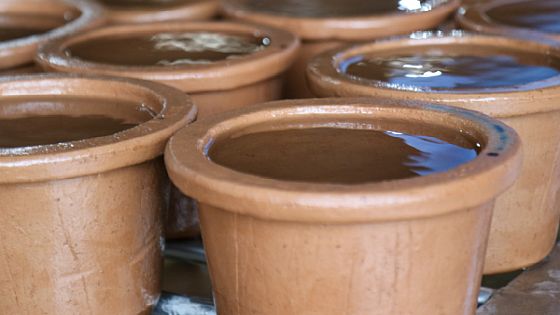
In many developing countries, access to clean and safe water is difficult, constantly threatening people's health. Low-tech Lab, a non-profit organization that investigates, experiments with, and shares sustainable 'low-tech' know-how, has released information on the mechanism and manufacturing method of a ceramic water purifier that can easily provide safe drinking water.
Ceramic water filter - Low-tech Lab
How to get safe drinking water for 20$ ? - Ceramic water filter - Tutorial - YouTube
Ceramic water purifiers have been used for hundreds of years as a simple system for filtering and purifying unsanitary water. Dirty water is poured into a porous ceramic pot that acts as a filter, and the filtered water slowly passes through the pot and seeps out, which is then collected in another container. The secured, safe water can also be stored.
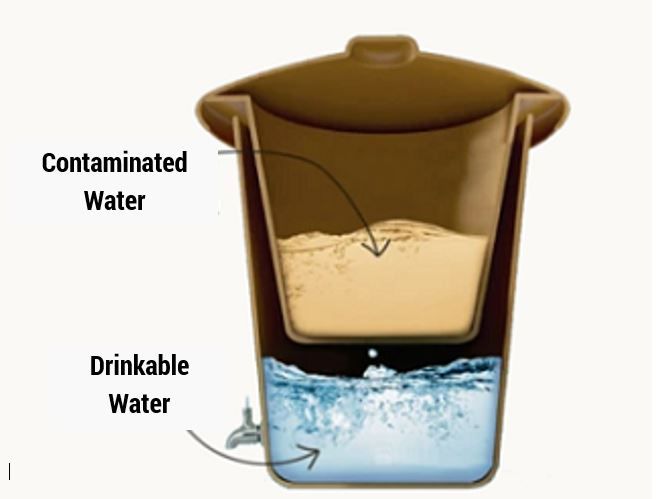
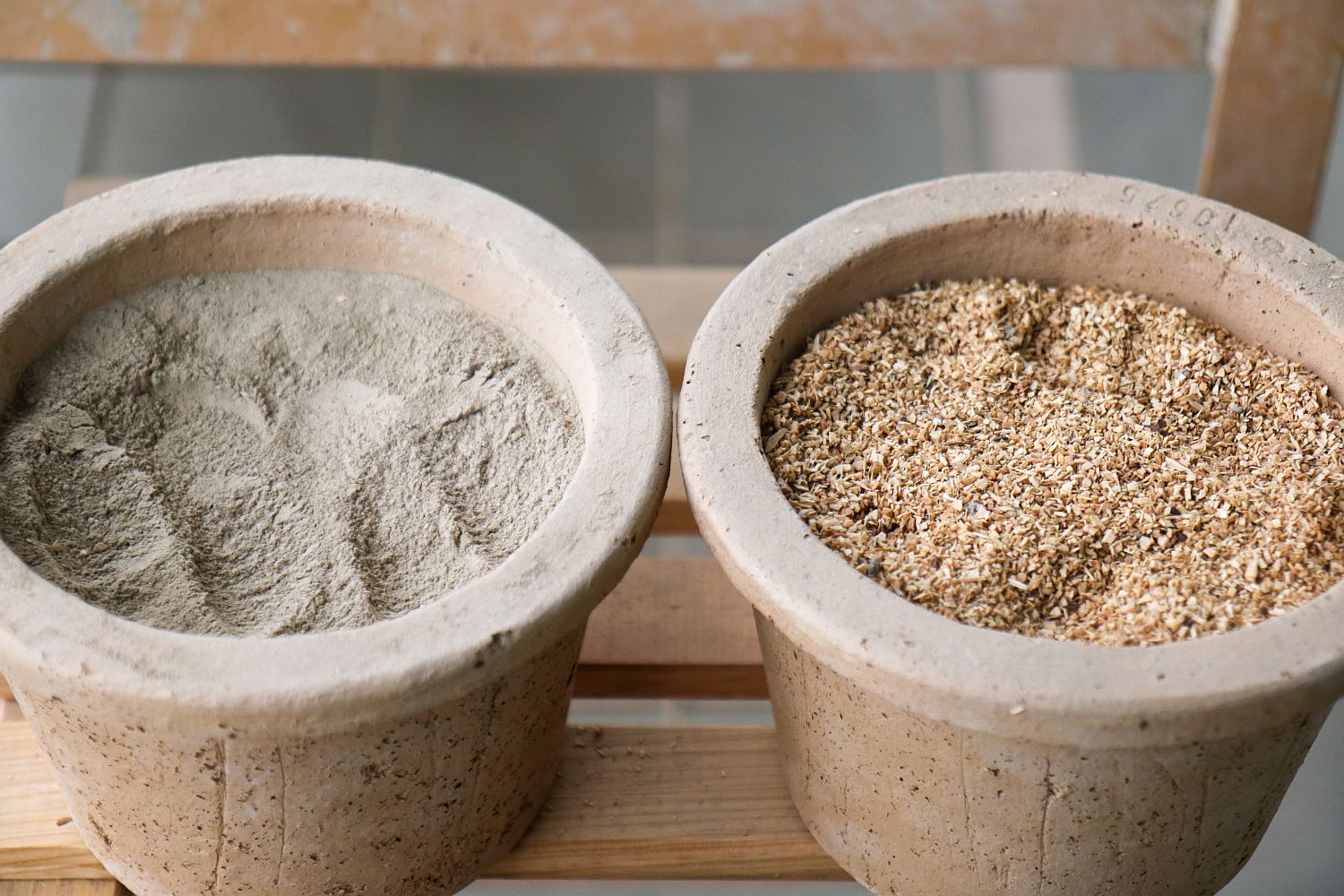
The purification capabilities of ceramic water purifiers are primarily based on two mechanisms: 'mechanical capture' and 'adsorption.' Regarding physical filtration, when manufacturing ceramic pots, flammable materials such as sawdust and rice husks are cut to the appropriate size, mixed with clay, and fired, creating microscopic pores in the filter. These pores block pathogens and contaminants, thus providing safe water.
Furthermore, adding colloidal silver as an option will give the pot itself a powerful antibacterial effect. The antibacterial properties of colloidal silver not only destroy the cell membranes of pathogens and kill them, but also prevent bacteria from multiplying on the filter itself, thus maintaining the hygiene of the ceramic water purifier.
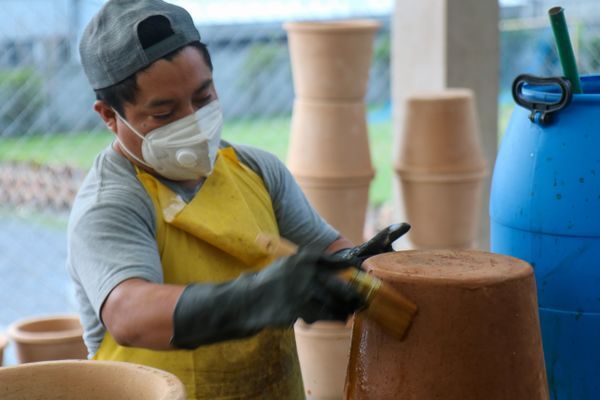
The prototype of today's ceramic water purifiers was developed in 1981 by Dr.
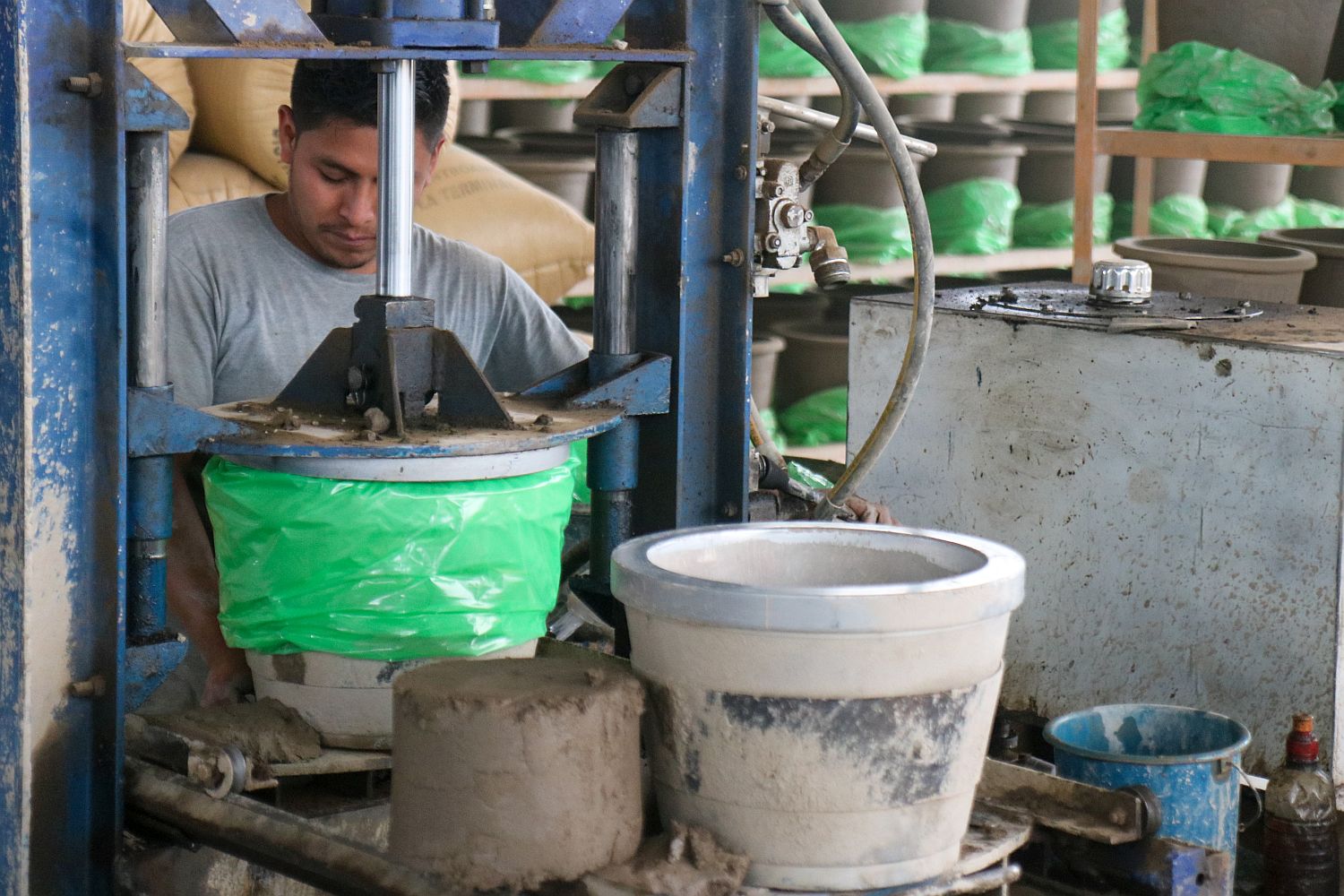
The manufacturing of ceramic water purifiers is carried out on a semi-industrial scale in the following steps:
1. Preparation of raw materials : Prepare clay powder, flammable materials (sawdust, rice husks, etc.), and clean water.
2. Mixing the raw materials : Mix all the ingredients uniformly to create a paste that is easy to mold.
3. Clay shaping : The clay mixture is shaped into a cubic form that is easy to work with using a press machine.
4. Pressing : A hydraulic press is used to compress and shape the cube into the shape of a filter.
5. Surface finish and engraving : The edges of the filter are smoothed and engraved with the manufacturing date, batch number, filter number, etc.
6. Drying : Dry before baking to remove excess moisture.
7. Firing : This process vitrifies the clay, giving it final strength and porosity.
8. Flow rate test : Test whether the filter's filtration flow rate is appropriate and ensure quality.
9. Application of colloidal silver : Apply colloidal silver to the filter surface as needed.
10. Packaging : Pack the filter together with the water storage container with a tap.
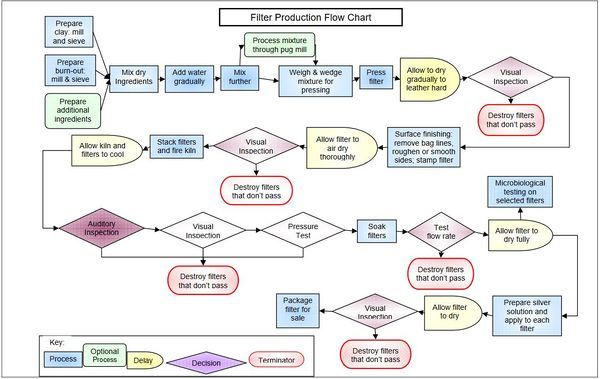
The materials and equipment needed for creation are summarized below.
• Clay : The main component of the filter; its type and particle size greatly affect filtration performance.
• Flammable materials (sawdust, rice husks, etc.) : They burn during firing, forming fine pores that promote water flow.
• Colloidal silver : Its antibacterial properties kill pathogens and maintain the hygienic condition of the filter.
Mixer : Mix clay, flammable material, and water.
• Extruder : Extrudes clay mixture into block-shaped molds.
• Hydraulic press : Forms using male and female dies.
• Drying rack : Used to dry the filters before firing.
• Kiln : For firing
- Sink : Conduct a flow rate test.
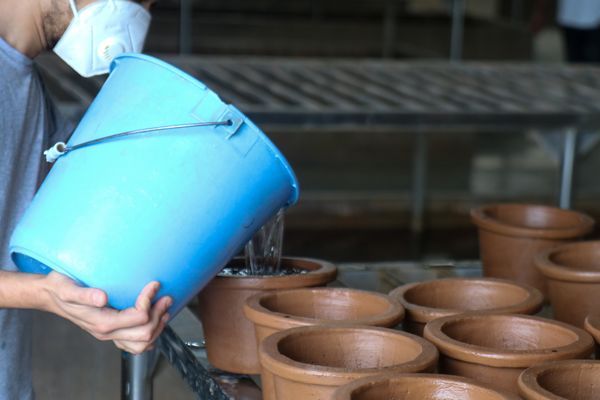
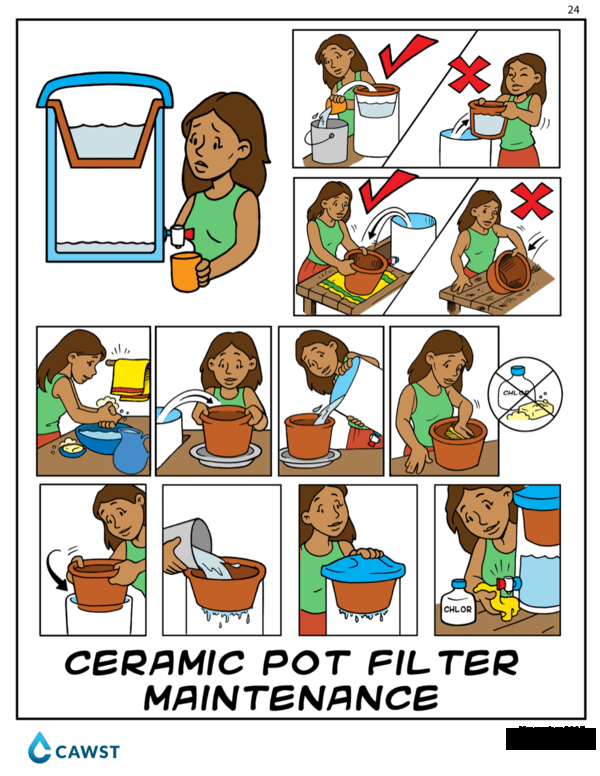
The ceramic water filter comes with instructions on usage, maintenance, and replacement. The water tank, faucet, and lid need to be cleaned regularly, and the ceramic filter itself should be cleaned every six months and replaced with a new one if cracks are found or after two to three years.
Related Posts: