Semiconductor-related cram schools are booming in South Korea, boosted by Samsung and SK Hynix's record-breaking performance and attractive employee bonuses.

In South Korea, home to some of the world's largest semiconductor manufacturers, Samsung and SK Hynix, 'semiconductor preparatory schools' for young people aiming for careers in the semiconductor industry are thriving. The Financial Times, a British business newspaper, has reported on the inner workings of one of these semiconductor preparatory schools.
Inside South Korea's chipmaking cram schools | FINANCIAL TIMES
Kim Tae-woo, a fourth-year electrical engineering student at a South Korean university who spoke to the Financial Times, had been aiming for a job at Samsung or SK Hynix, but after failing to secure an internship at either semiconductor manufacturer, he enrolled in a semiconductor preparatory school in Seoul in the summer of 2026. To enroll, one must pass a highly competitive selection process and be accepted into a government-funded program, with only 30 students accepted each time. Graduates who secure employment at major companies are guaranteed a refund of their tuition fees, as well as a grant of the same amount.
The program Kim participated in was a three-and-a-half-month course, with classes held from 10 am to 6 pm on weekdays, covering a wide range of fields from semiconductor component and chip design to data analysis. According to Kim, much of the course content overlaps with the university curriculum, but he was able to learn practical skills from former semiconductor engineers.
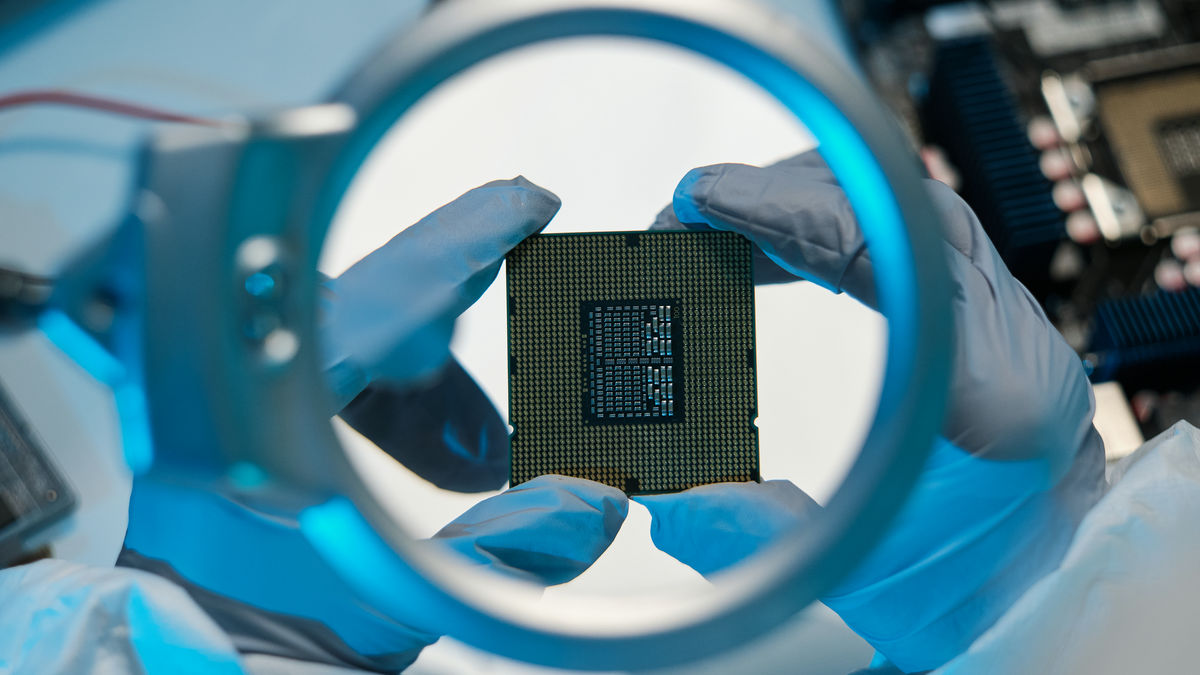
Furthermore, the semiconductor preparatory school offers not only knowledge and practical skills, but also lessons on resume writing and interview preparation specifically tailored to the recruitment processes of companies like Samsung and SK Hynix.
The rise of semiconductor companies is driven by a record-breaking increase in semiconductor demand and substantial profit growth due to the AI boom. In May 2026, Samsung signed a profit-sharing agreement with its 78,000 semiconductor division employees, with an average distribution of nearly $400,000 (approximately 63 million yen) expected in the memory chip division. SK Hynix also agreed in 2025 to distribute 10% of its operating profits to its employees over the next 10 years, and based on projected earnings, the average bonus in 2026 would be approximately $500,000 (approximately 80 million yen).
Samsung's labor union is demanding that 15% of annual operating profits be paid out as bonuses; if this is achieved, each employee would receive an average of over 64 million yen - GIGAZINE

These employee incentives have led to a surge in applications to semiconductor manufacturers. For decades in South Korea, the most talented students have tended to pursue medicine, but the semiconductor field is gaining attention as a profession that offers higher income and social status. In fact, in the 2026 entrance examinations, semiconductor-related programs at several major universities partnered with SK Hynix recorded higher application rates than medical schools, while the number of medical school applicants decreased by nearly a third.
Professor Kwon Seok-jun of Sungkyunkwan University , headquartered in Seoul, said, 'The high bonuses offered by semiconductor companies have changed students' perceptions of the industry. For 20 years in Korea, becoming a doctor was the only way to guarantee both wealth and prestige. SK Hynix's bonuses have broken that monopoly, and for the first time, semiconductor engineers are on equal footing with doctors when families discuss a more secure future.'
Furthermore, applications for factory work are increasing, not just for engineering positions. According to Kim Dong-wook of Saramin, one of South Korea's largest job search platforms, many humanities graduates, in particular, are applying for factory jobs at major semiconductor manufacturers, even going so far as to conceal their academic background. Kim states, 'In the past, it was believed that only white-collar jobs led to success. However, that way of thinking is fading, and parents are placing more emphasis on practical skills.'
The South Korean government announced on August 21, 2026, that it will create a new fund to support youth employment and investment in growth industries such as AI. According to local media estimates, the fund could be worth more than 100 trillion won (approximately 11 trillion yen).
On the other hand, many outstanding engineering students are retaking university entrance exams with the aim of entering medical school. In 2024, the latest year for which data is available, it was found that as many as 2,500 students dropped out of South Korea's top three universities, many of them aiming to enter medical school. This raises concerns that the boom in semiconductor-related programs, like the industry itself, may not last long. Lim Sung-ho, president of Jongno College, one of South Korea's largest university entrance exam preparation schools, points out, 'The attractiveness of semiconductor-related programs depends on the industry's economic cycle. Just two years ago, Samsung was said to be in decline. We don't know how long the current boom will last.'
Related Posts:





in AI, Posted by log1e_dh