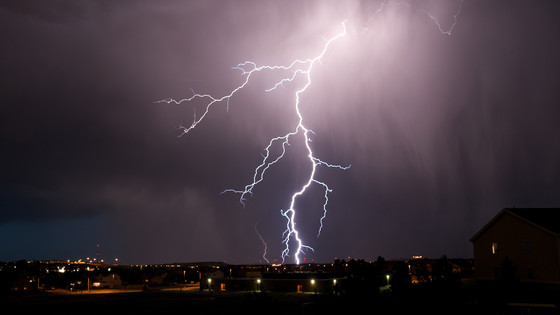
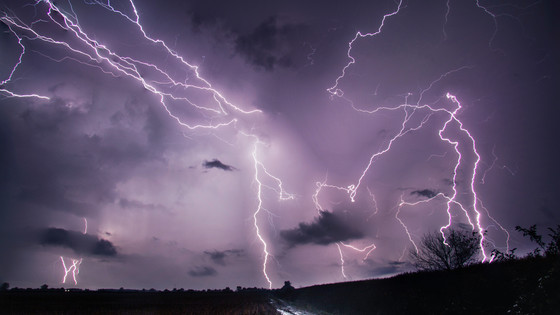
Is it possible to launch a homemade rocket and guide lightning?
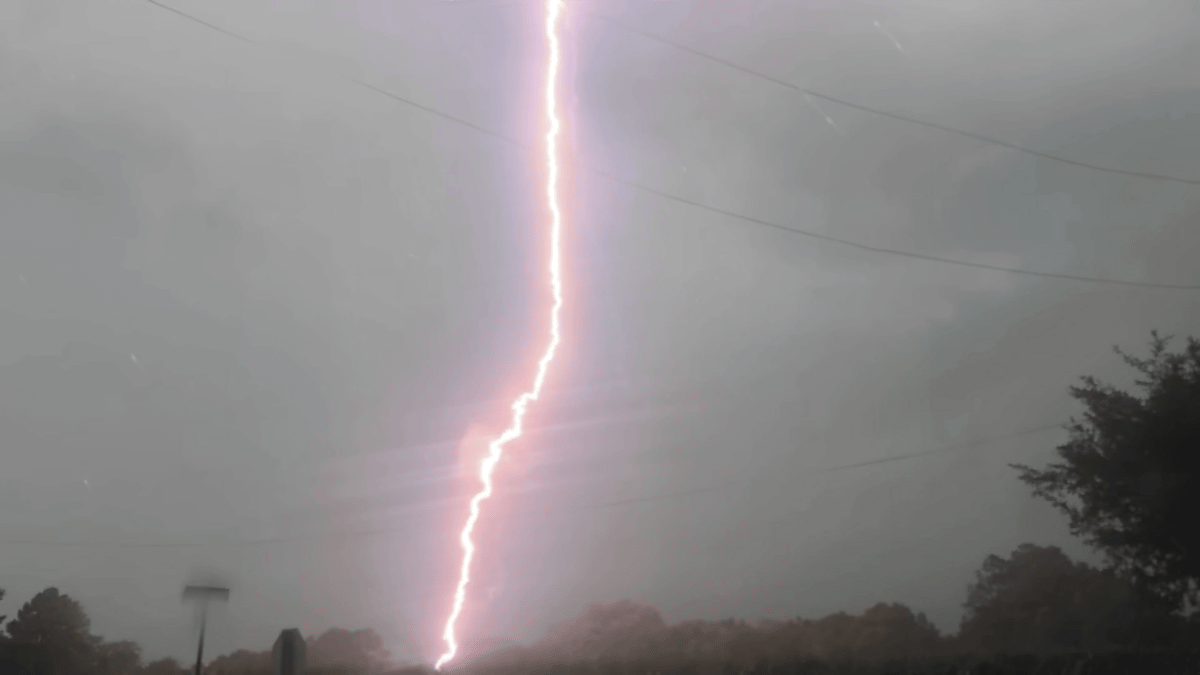
Predicting exactly where natural lightning will strike is difficult, and close-range observations are dangerous and challenging. The science and engineering YouTube channel
Triggering Lightning With A Rocket | Hackaday
https://hackaday.com/2026/08/10/triggering-lightning-with-a-rocket/
Our Lightning Rocket Project - YouTube
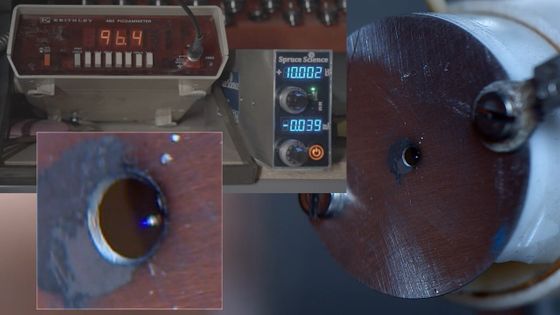
According to Electron Impressions, an electric field exists near the Earth's surface even on clear days, and the electric potential increases by approximately 100 volts for every meter of altitude gained. As thunderstorms approach, the electric field measured at the surface can intensify to tens of thousands of volts per meter, and its polarity can change to either positive or negative depending on the distribution of electric charge within the thunderstorm.
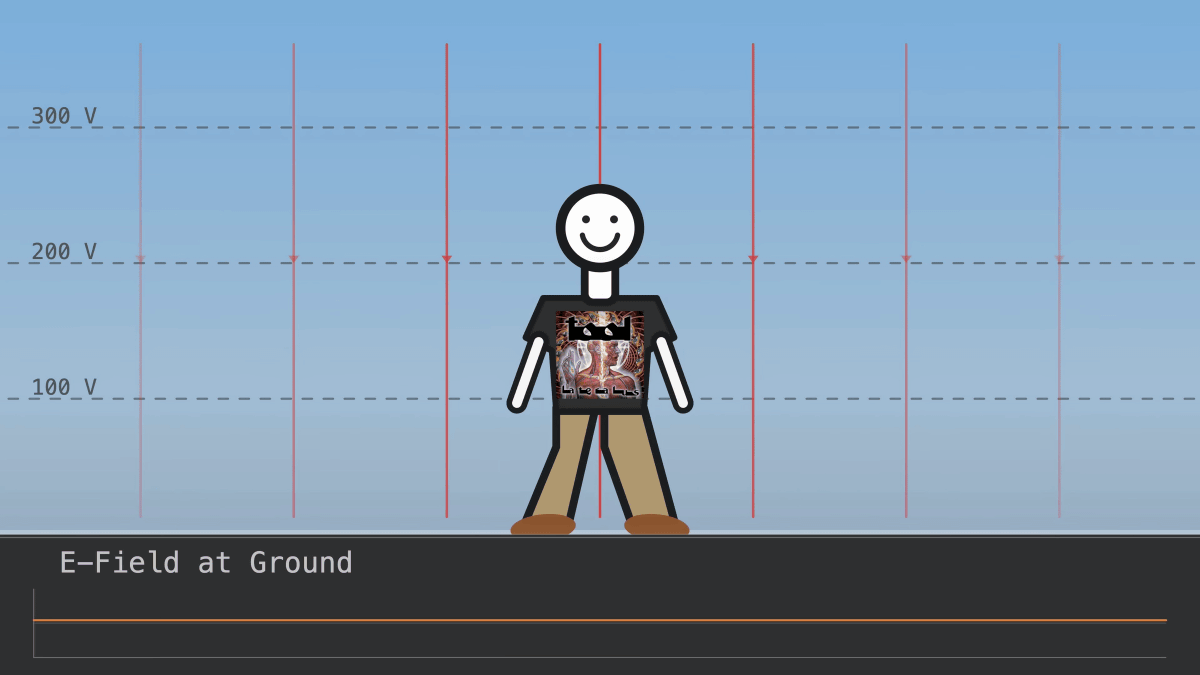
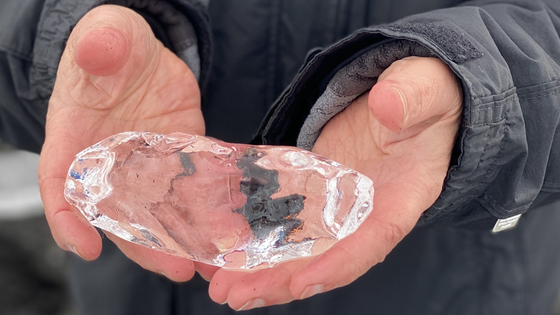
Within the strong updrafts of thunderclouds, there is a mixture of supercooled water droplets, tiny ice crystals, and hailstones formed when supercooled water freezes onto ice particles. The relatively heavier hailstones either rise more slowly than the tiny ice crystals or fall into the surrounding air, resulting in repeated collisions between the two. In the middle layers of a typical thundercloud, collisions between hailstones and ice crystals tend to cause the hailstones to become negatively charged and the ice crystals to become positively charged. As a result, the lighter ice crystals tend to rise to the upper atmosphere, while the heavier hailstones tend to accumulate at the bottom of the thundercloud. However, the microscopic mechanisms by which charge moves are still under research, and it is said that the direction of charge can be reversed depending on conditions such as temperature and moisture content.

When positive and negative charges separate significantly within a thundercloud, an extremely strong electric field is generated locally, forming a discharge path called a 'leader' that propagates while ionizing the air. Lightning strikes occur when a leader extending from the cloud to the ground connects with a leader extending from the ground to the upper atmosphere, but it is difficult to predict where natural leaders will form within a thundercloud.
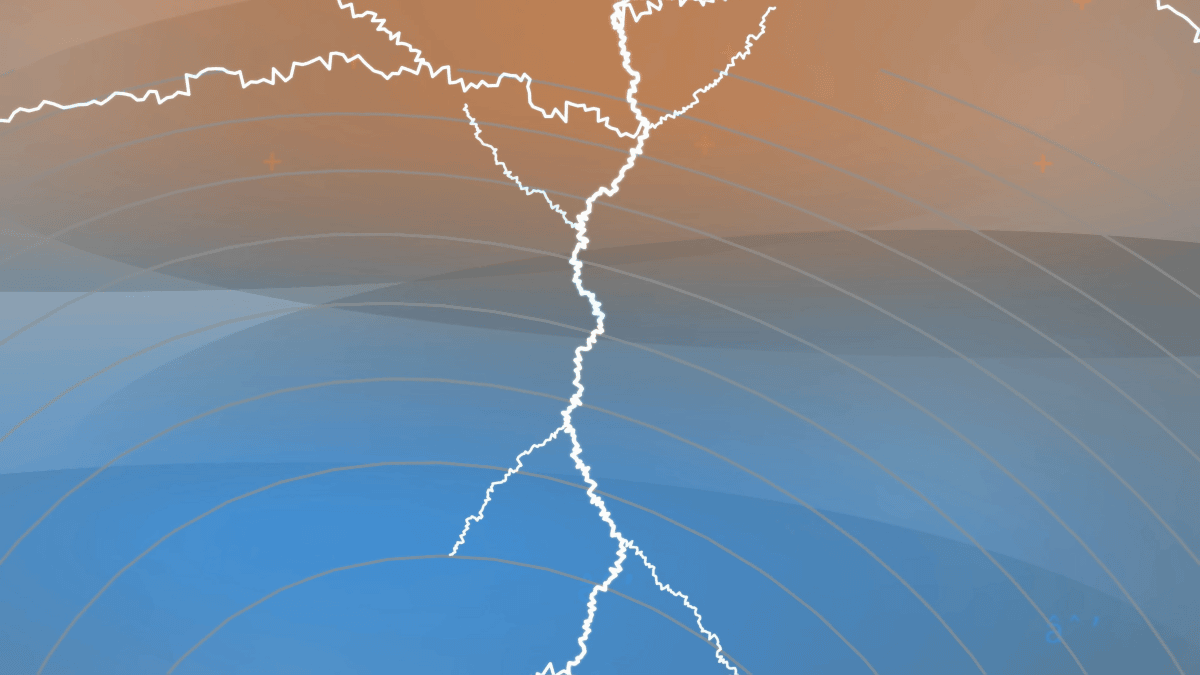
By rapidly pulling a thin wire connected to the ground into a strong electric field using a rocket, a ground-based leader can easily extend from near the top of the wire. This allows for the induction of lightning strikes near the rocket's launch site, rather than waiting for natural lightning to strike near the observation equipment.
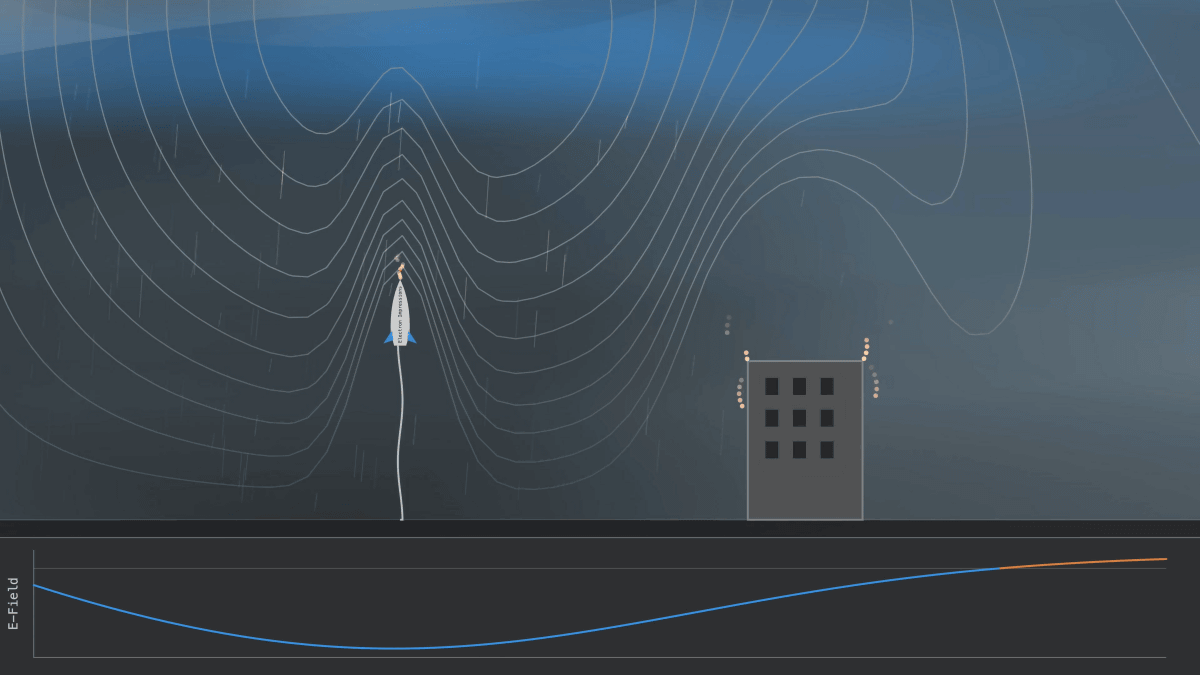
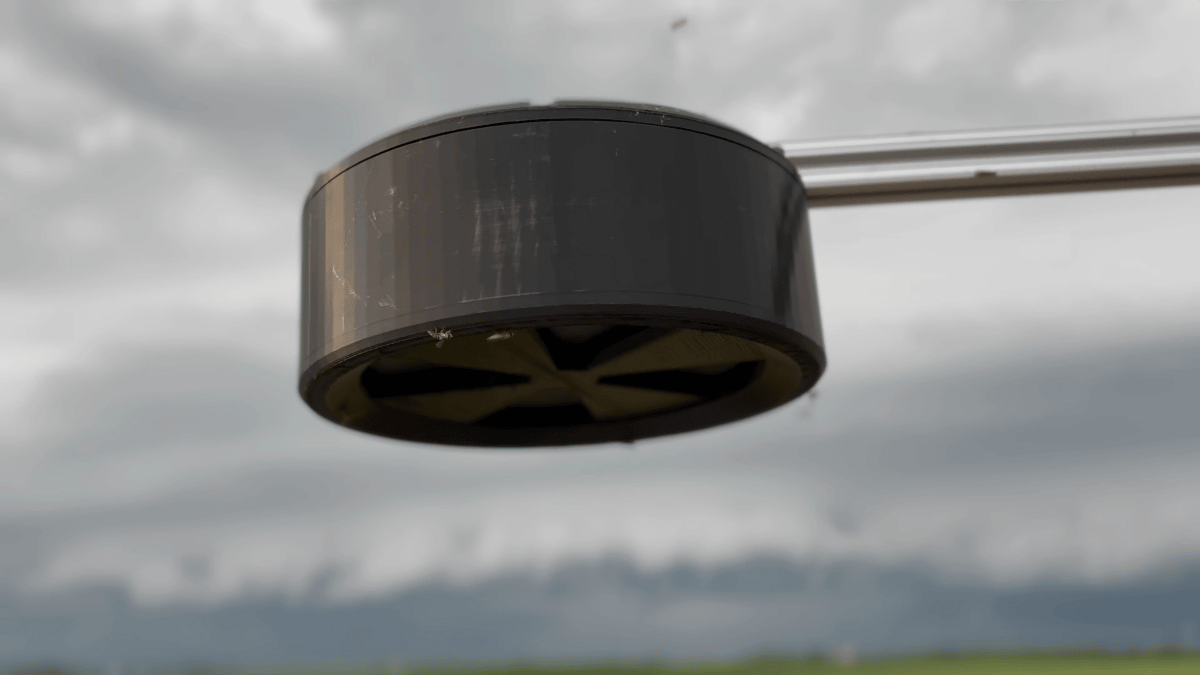
This method doesn't create discharges in the sky without lightning; rather, it's a technique to make lightning strikes more likely under already strongly charged thunderclouds. Launching a rocket doesn't guarantee a lightning strike. Research over the past 70 years has shown that the success rate is significantly higher when launched directly beneath a negatively charged thundercloud region, and that the surrounding electric field also needs to be strong enough to cause a lightning strike. Therefore, Electron Impressions built a 'field mill,' a device that measures the strength and polarity of the atmospheric electric field in real time, to determine the timing of the launch.
Electron Impressions provides a detailed explanation of the development process of their rockets and measuring instruments, as well as the damage left behind after the lightning strike, in the following video.
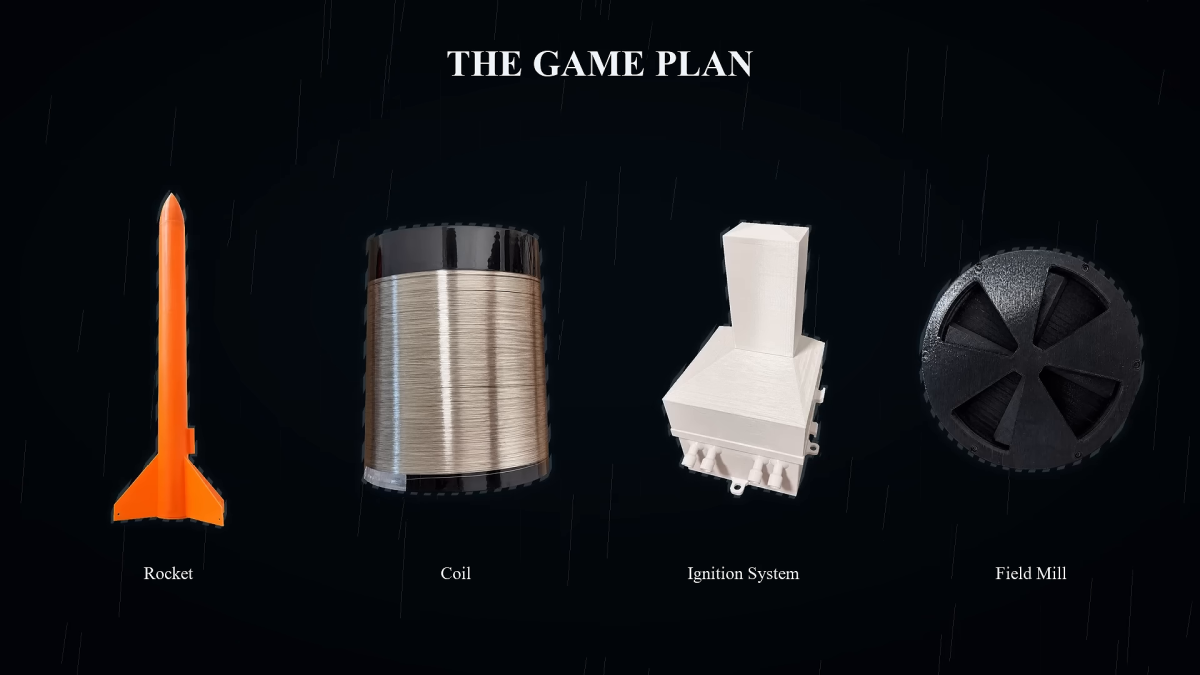
The launch of the rocket required four things: a rocket that could fly even in bad weather and carry the wire, a reel and winding device that could feed out the thin wire with low friction without tangling, an ignition device that could be operated from a distance even in rainy weather, and a portable field mill.
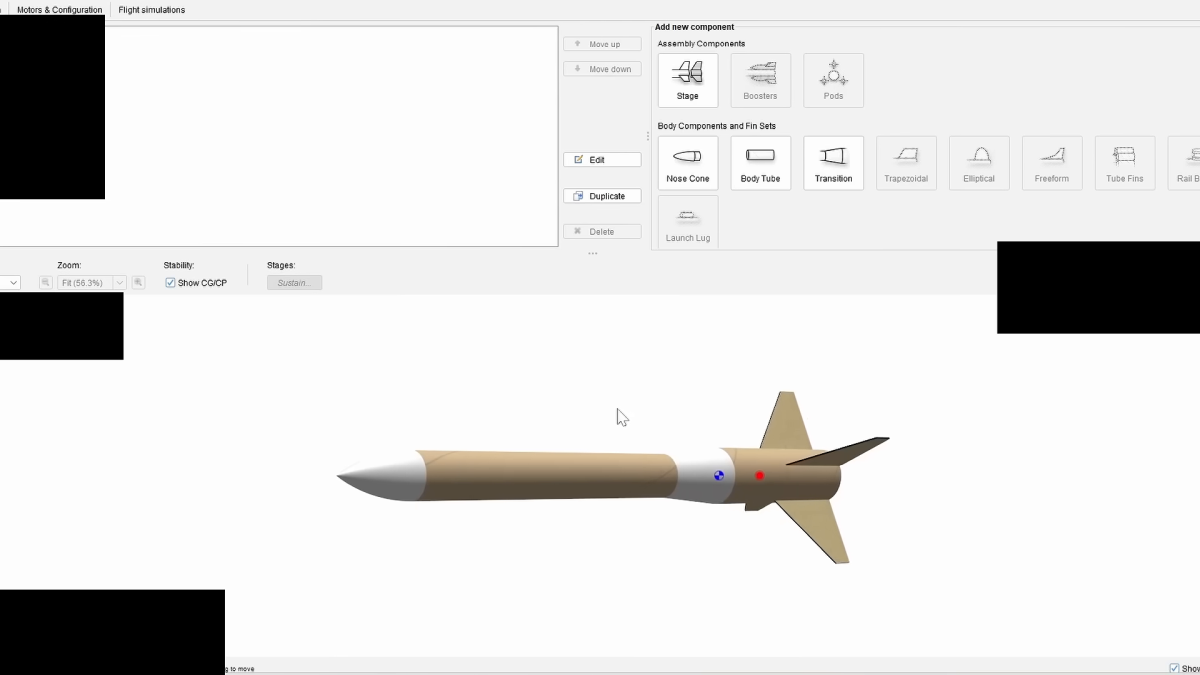
Electron Impressions used the design support software OpenRocket to explore rocket shapes.
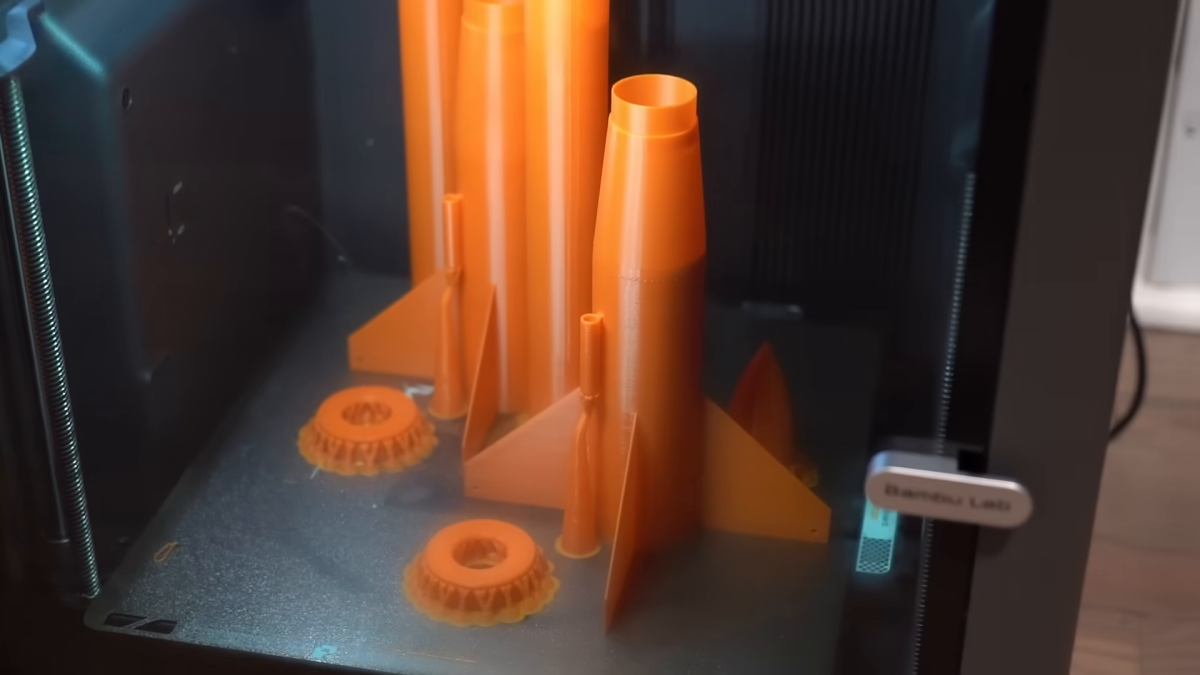
To facilitate iterative prototyping, the rocket parts were manufactured using a 3D printer.
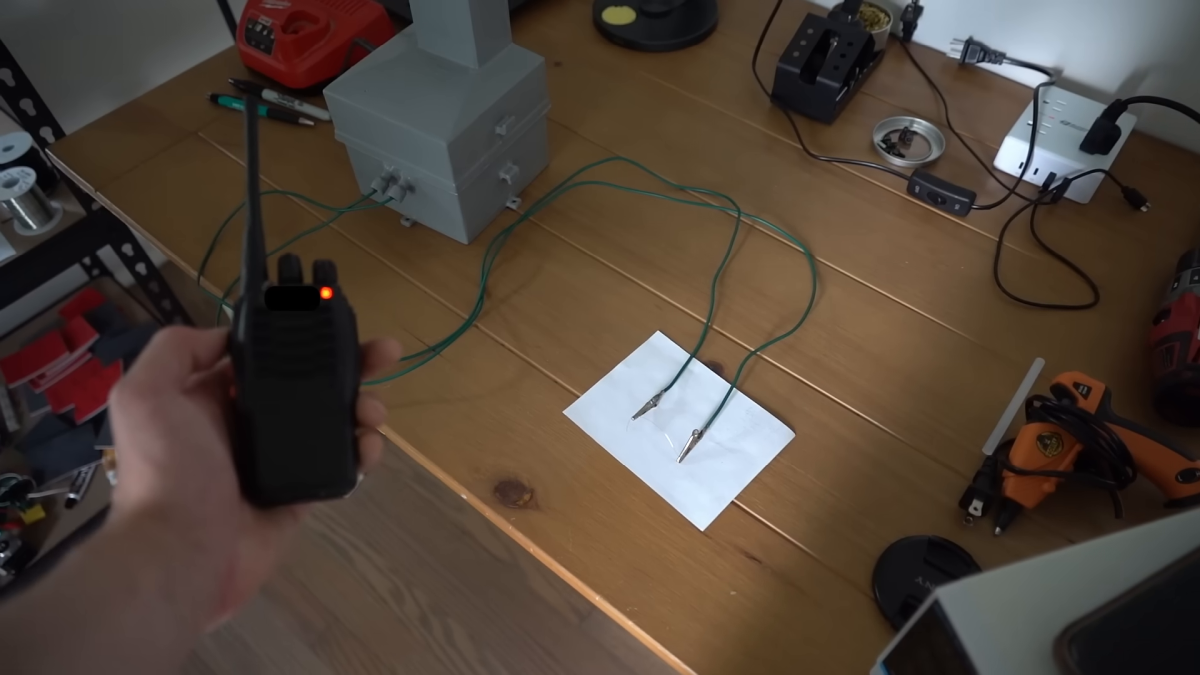
They tried fiber optic and laser-based ignition systems, but found installation difficulties and unstable operation problematic, so they ultimately adopted a system that operates wirelessly over long distances.
The thinner wires were particularly prone to breaking, and it apparently took them over a year to solve the problem by adjusting the wire material and the shape of the reel.
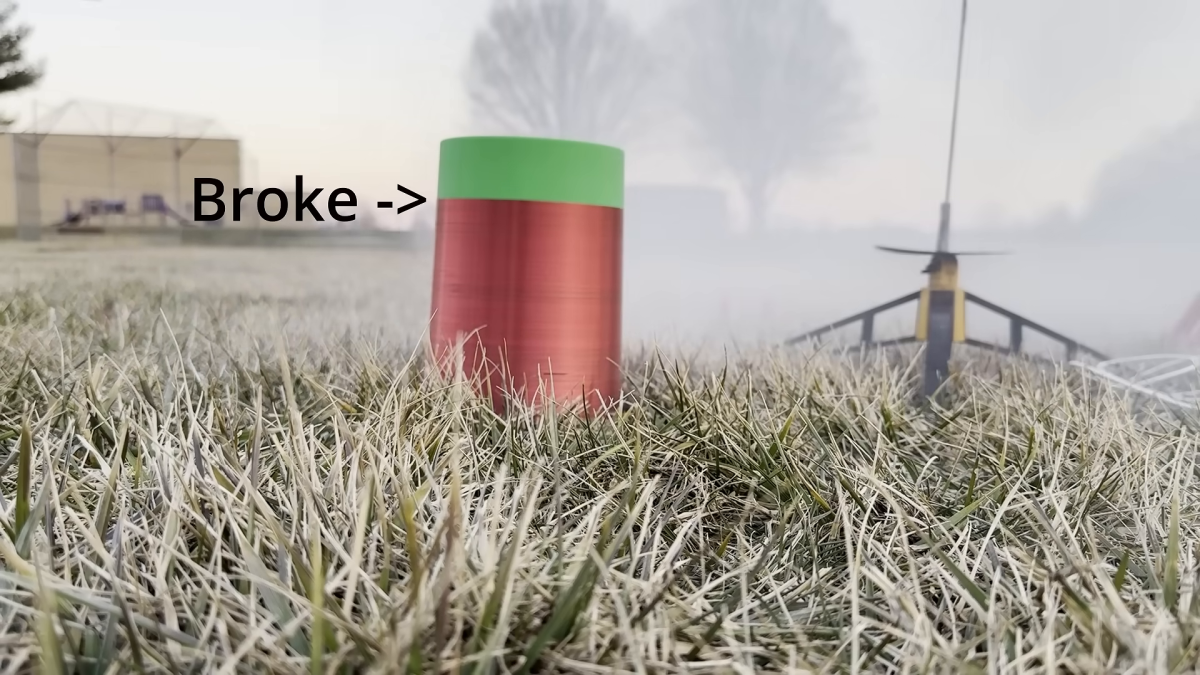
Furthermore, the field mill also took more than a year to develop. Electron Impressions has been working on the project intermittently since 2020, and conducted its first official launch experiment in February 2025, but it has been plagued by failures such as severed wires and rocket motor explosions.
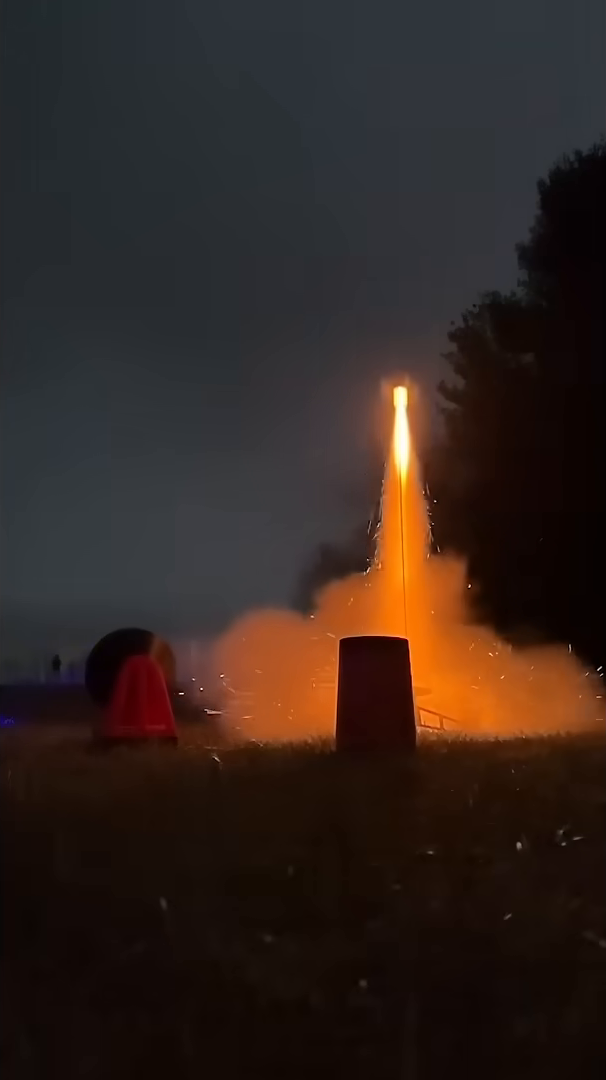
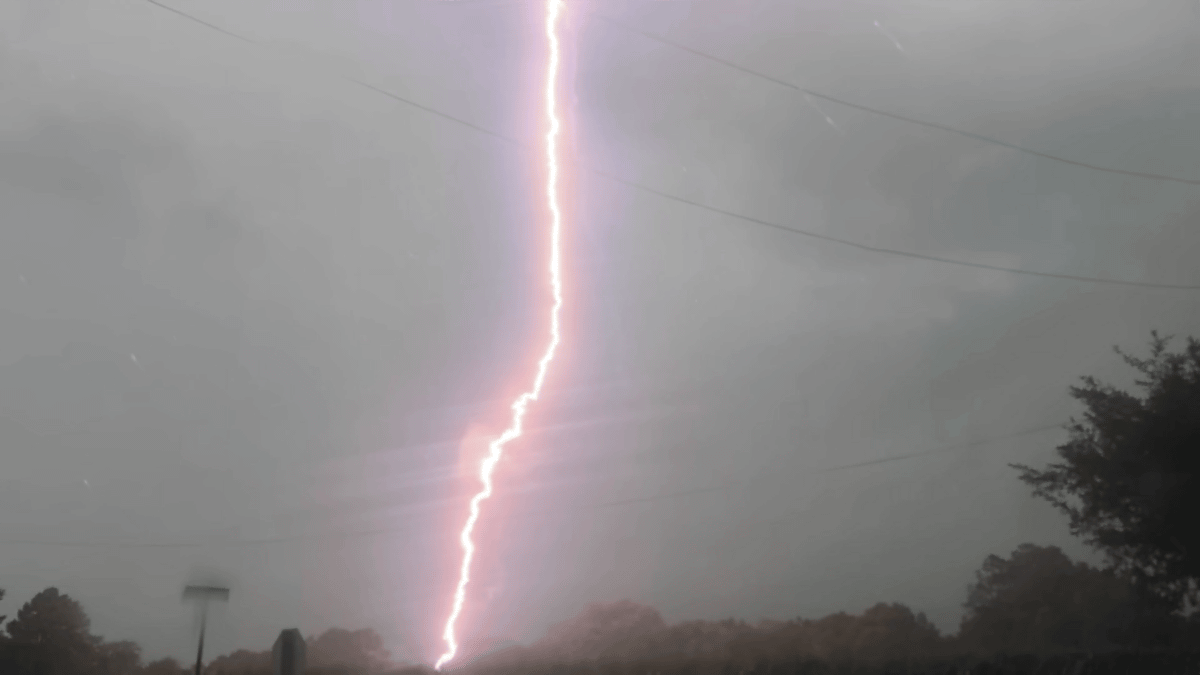
Then, on July 18, 2026, when the field mill indicated the right conditions, the rocket was launched, successfully inducing a lightning strike. Because multiple discharges followed along the path of the plasma created by the initial discharge, Electron Impressions believes it was likely a negative-polarity lightning strike. This assessment is consistent with the strong negative electric field detected by the field mill before the launch.
The wind caused the plasma's path to be shifted laterally, resulting in the final discharge reaching the second launcher.
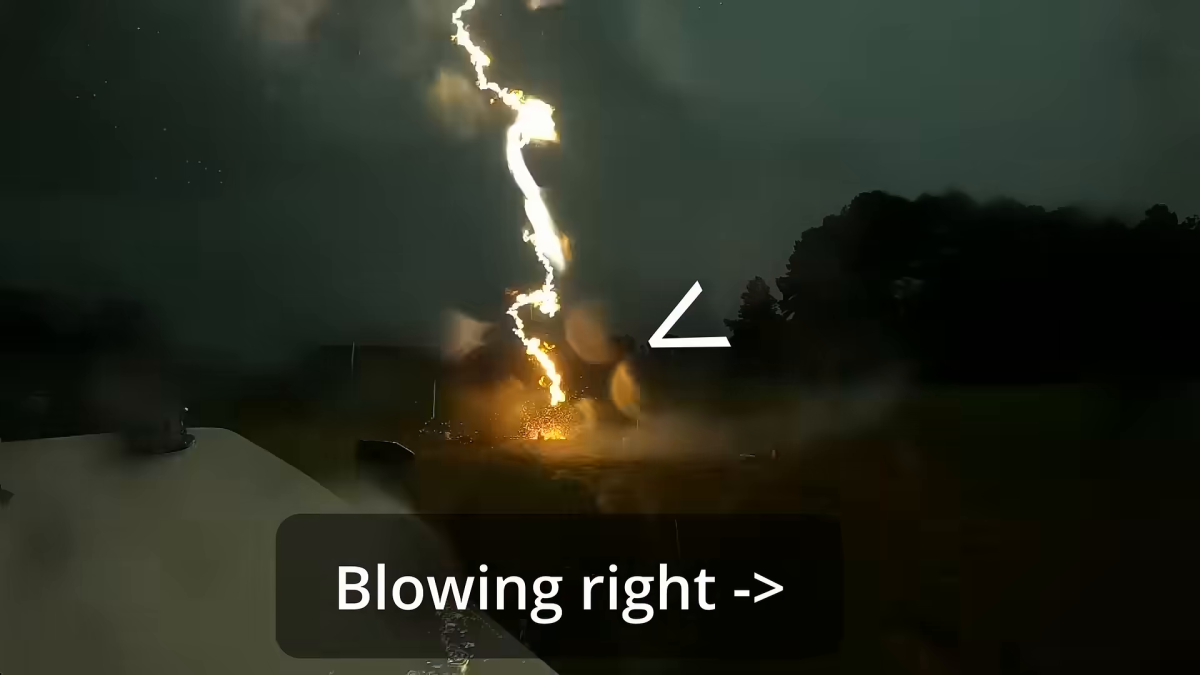
The discharge caused the motor of a waiting rocket to explode, and the reel of the conductor was also destroyed. Two ignition devices also malfunctioned, and no wreckage of the launched rocket was found. The remaining conductor was fused to the reel body, and a string of metallic particles, believed to have been generated by intense Joule heating, was found.
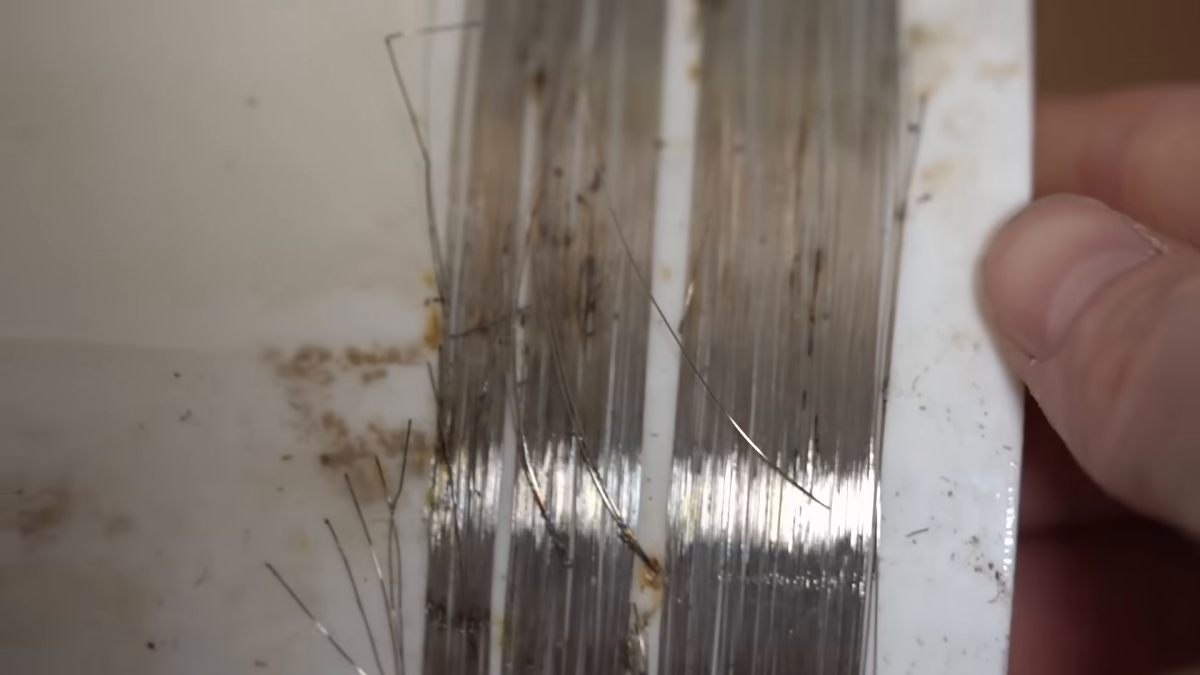
Crack-like marks were also left on the ground.
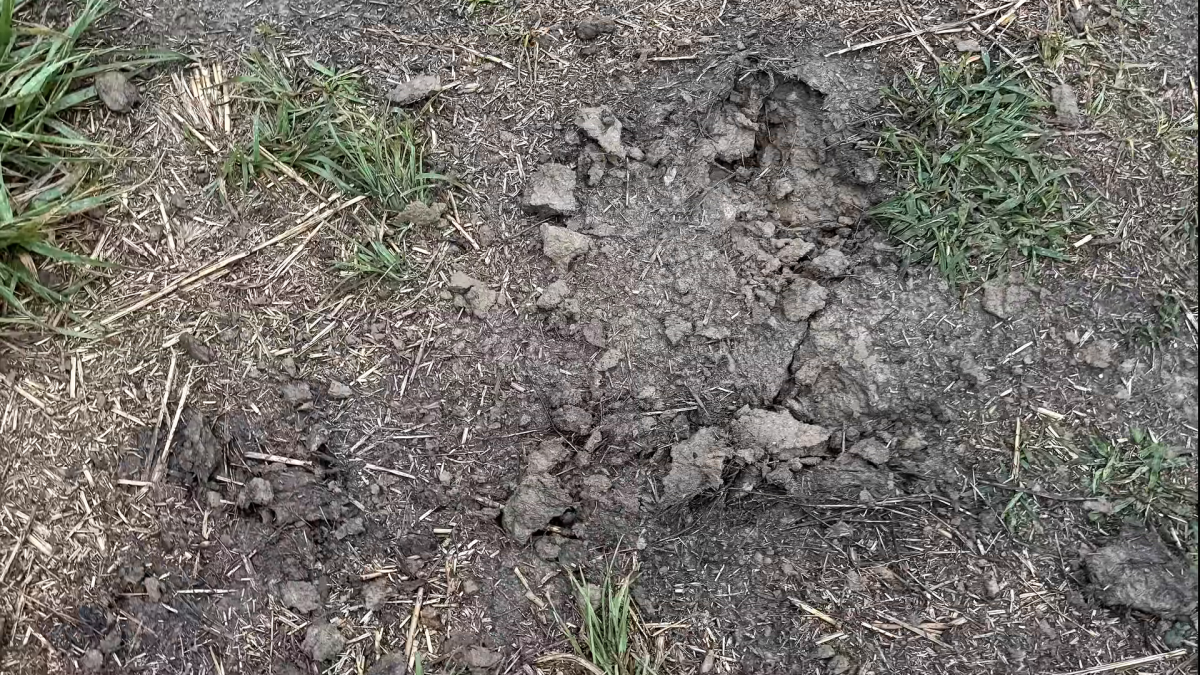
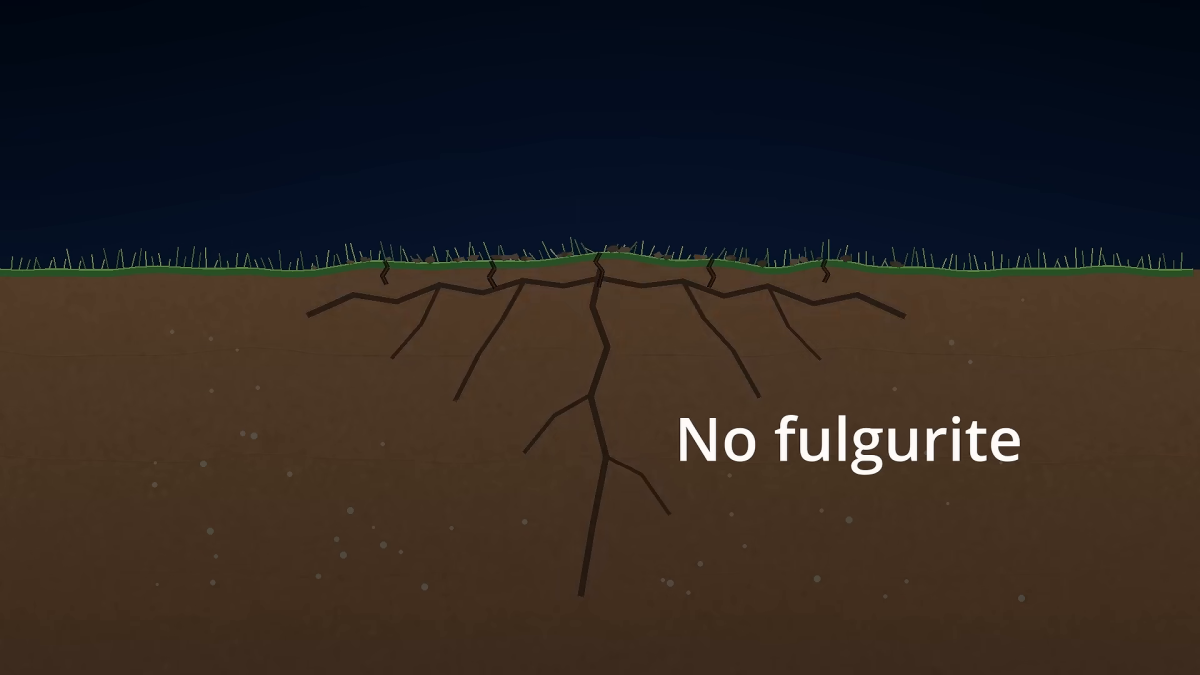
Regarding the cracks left in the ground after the lightning strike, Electron Impressions explains that the heat from the discharge may have caused the moisture in the soil to instantly evaporate, and the expanding water vapor may have cracked the ground. On the other hand, no fulgurite, which is formed when sand and other materials are turned into a glassy substance by lightning, was found.
Electron Impressions emphasizes that this video is a record of an extremely dangerous experiment and does not demonstrate that it can be conducted safely. The video intentionally omits important information regarding the design, operation, experimental location, and safety measures, and warns against building or testing devices that induce or generate lightning.
Related Posts: