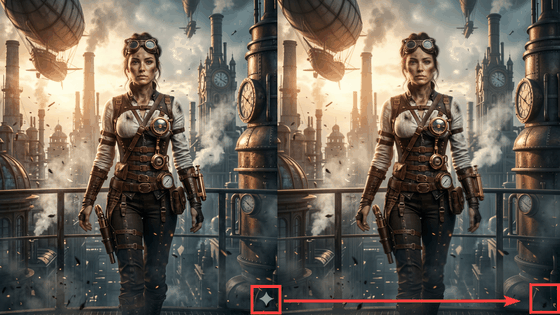
Google has added a toggle feature to Gemini and Flow that removes visible watermarks from AI-generated images, videos, and music, although SynthID watermarks and C2PA metadata will remain.
A feature will be added to Gemini and Flow that allows users to remove
✅ Papercut fixed: You can now toggle visible watermarks on or off in Gemini and Flow, with Search coming next.
— Josh Woodward (@joshwoodward) August 14, 2026
This applies to watermarks on all images (Nano Banana), videos (Omni), and songs (Lyria) except in countries where it's required by law to keep them. pic.twitter.com/utHN0yDmD3
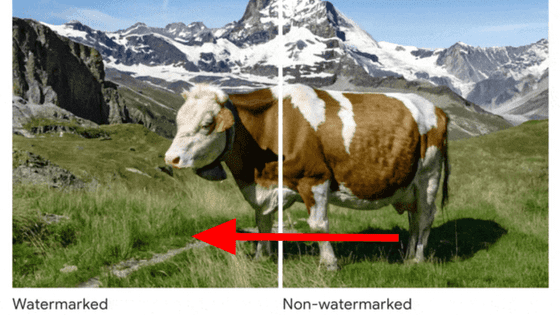
Rolling out over the next few days, you can decide if your image, video, and music creations made with Gemini will have visible watermarks. Invisible SynthID watermarks and C2PA metadata will always stay embedded in the background.
— Google Gemini (@GeminiApp) August 14, 2026
Simply go to your settings and toggle “Show… https://t.co/b0tHkwnFBU
Google Will Now Allow Users To Remove Visible Watermarks From AI Content
https://www.engadget.com/2237340/google-will-now-allow-users-to-remove-visible-watermarks-from-ai-content/
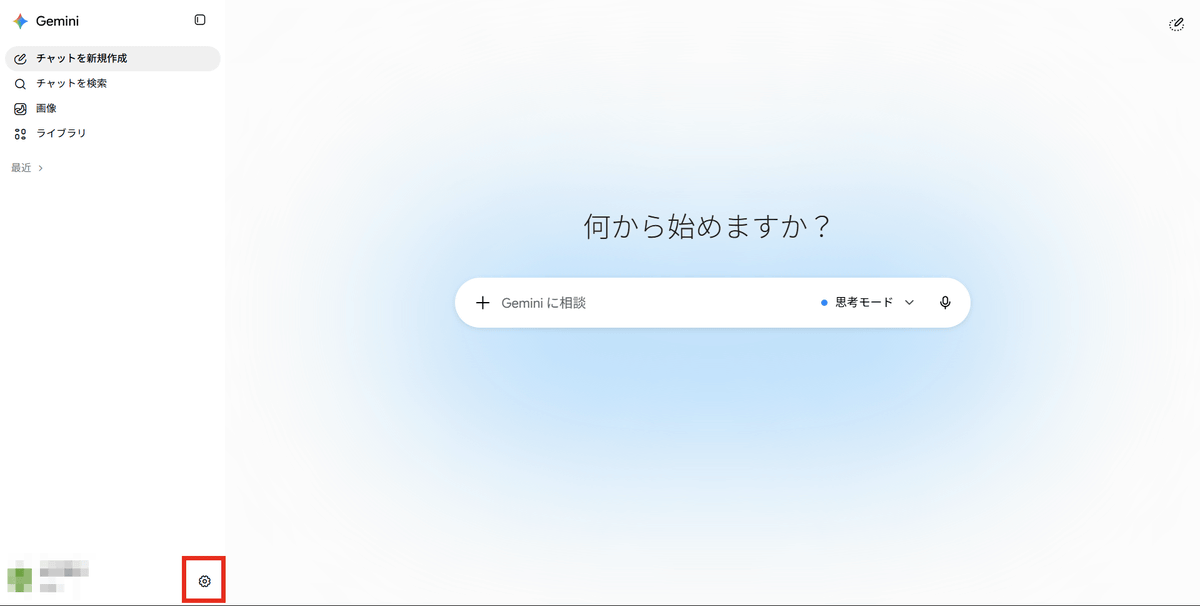
To set up a watermark, log in to Gemini and click the settings icon in the bottom left corner.
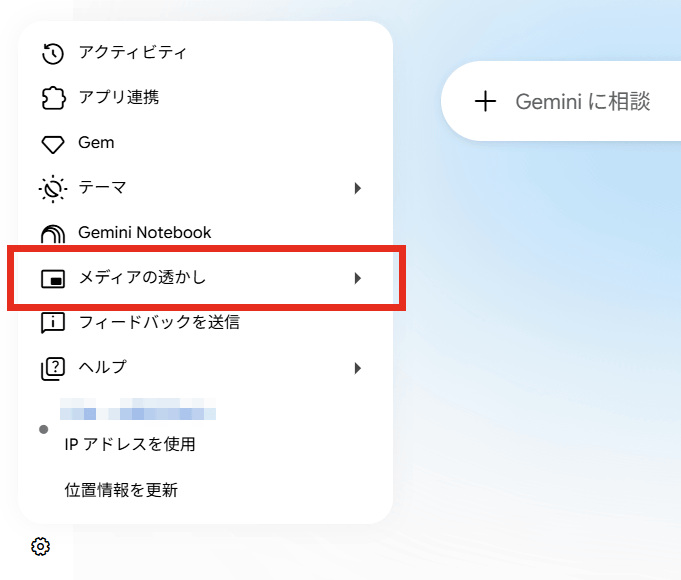
Select 'Media watermark'.
You can switch it between 'on' and 'off'.
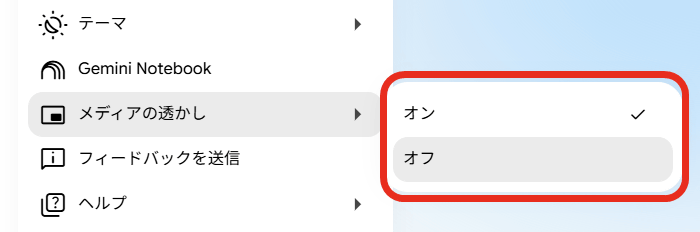
By turning off 'Media Watermarks,' you can remove explicit watermarks from all images (Nano Banana), movies (Omni), and songs (Lyria), except in countries where their retention is mandated by law. Note that in the EU and South Korea, visible watermarks are required for deepfake content, so the watermark option is unavailable.
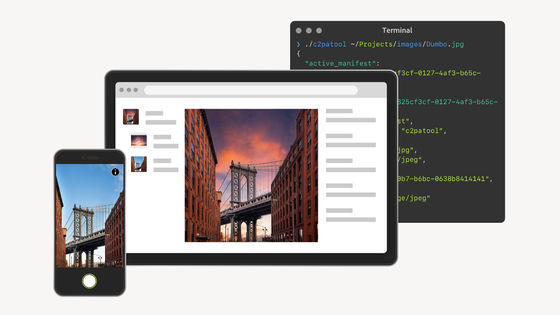
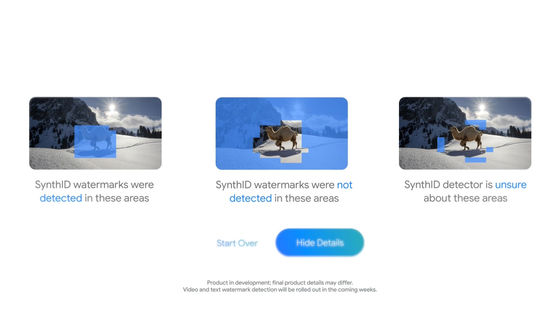
According to Google Vice President Josh Woodward, while visual watermarks are now optional, invisible SynthID watermarks and C2PA metadata continue to be used to maintain transparency. Therefore, you can check whether an image was AI-generated by checking with Gemini or uploading it to the C2PA detection portal .
We're striking a balance here between creative control and safety: while the visible watermarks are now optional, invisible SynthID watermarks and C2PA metadata are still being used for transparency. So you can still use Gemini or Search to see if an image was AI-generated.…
— Josh Woodward (@joshwoodward) August 14, 2026
Google has also open-sourced Credentio , a new C++ library designed to help developers build better source tools.
We're also open-sourcing Credentio, a new C++ library for C2PA Content Credentials to help developers build better provenance tools. Check it out: https://t.co/guwBdJgtH7
— Josh Woodward (@joshwoodward) August 14, 2026
On July 8, 2026, Woodward solicited feedback on Gemini on X, and after reviewing the approximately 1700 replies he received that day, he prioritized the 10 most frequent pieces of feedback. This included 'removing the Nano Banana watermark,' and this implementation reflects that request.
Thanks to the 1,400+ replies in the first 12 hours! I read all of them last night, and another 300+ came in overnight that I'll catch up on today. Here's the Top 10 stack rank from your feedback so far, along with where we stand on each:
— Josh Woodward (@joshwoodward) July 9, 2026
1) Make Google Workspace integrations… https://t.co/NjcSh8a7bM
Woodward explained, 'Here, we are trying to strike a balance between creative control and safety.'
Related Posts:


in AI, Posted by log1e_dh