Why is garlic divided into multiple 'cloves'?
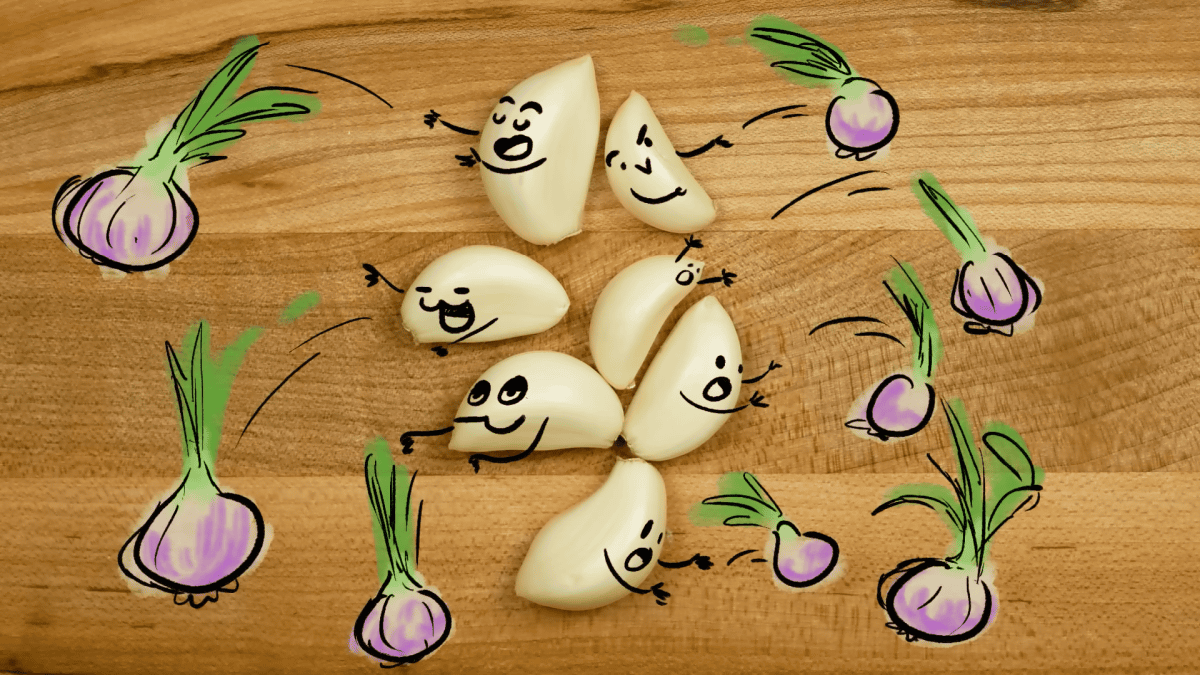
We (accidentally) broke garlic - YouTube
Regular garlic consists of multiple cloves that come together to form a single bulb.
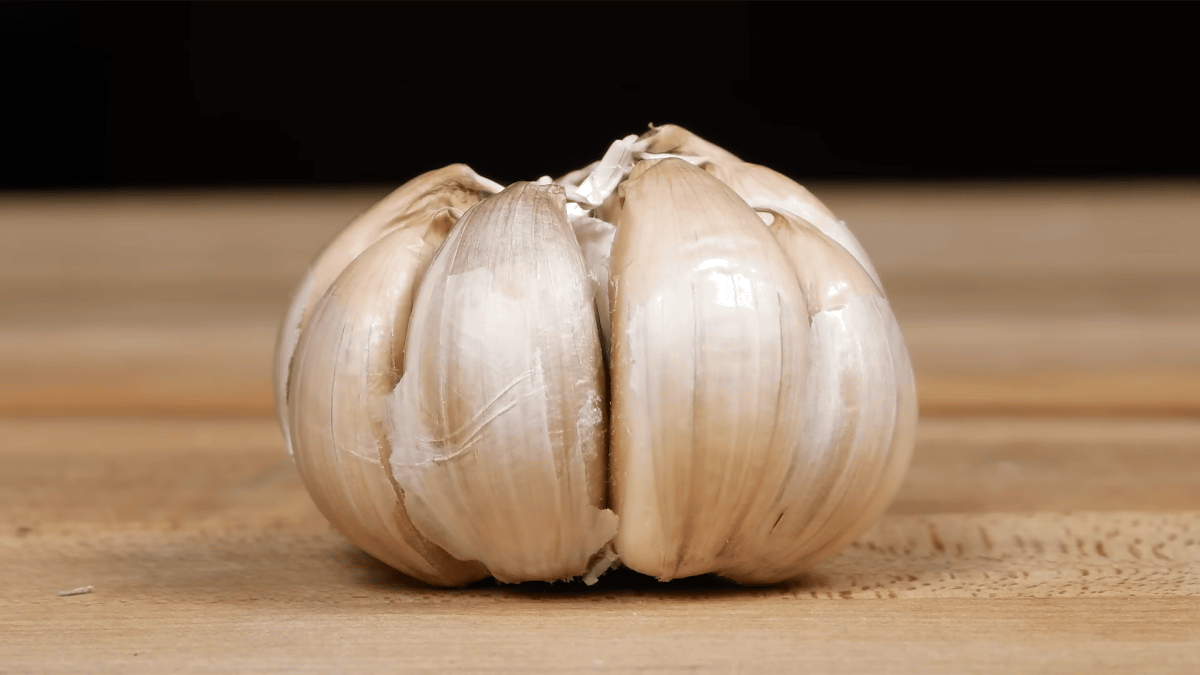
On the other hand, there is also
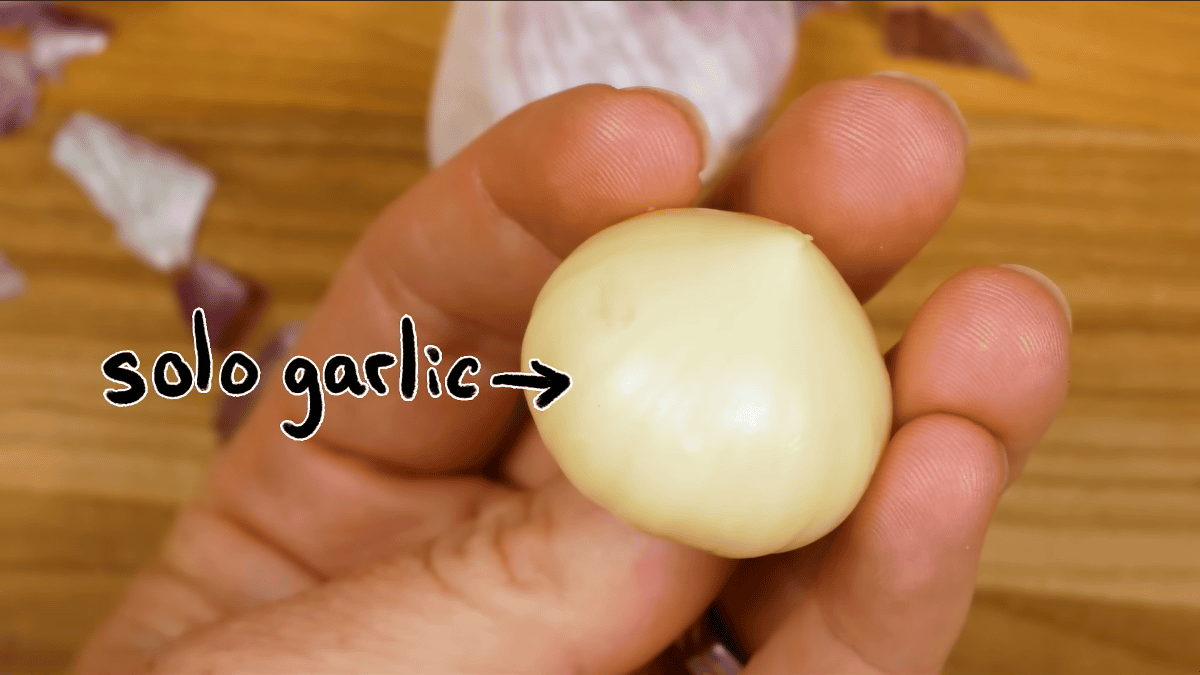
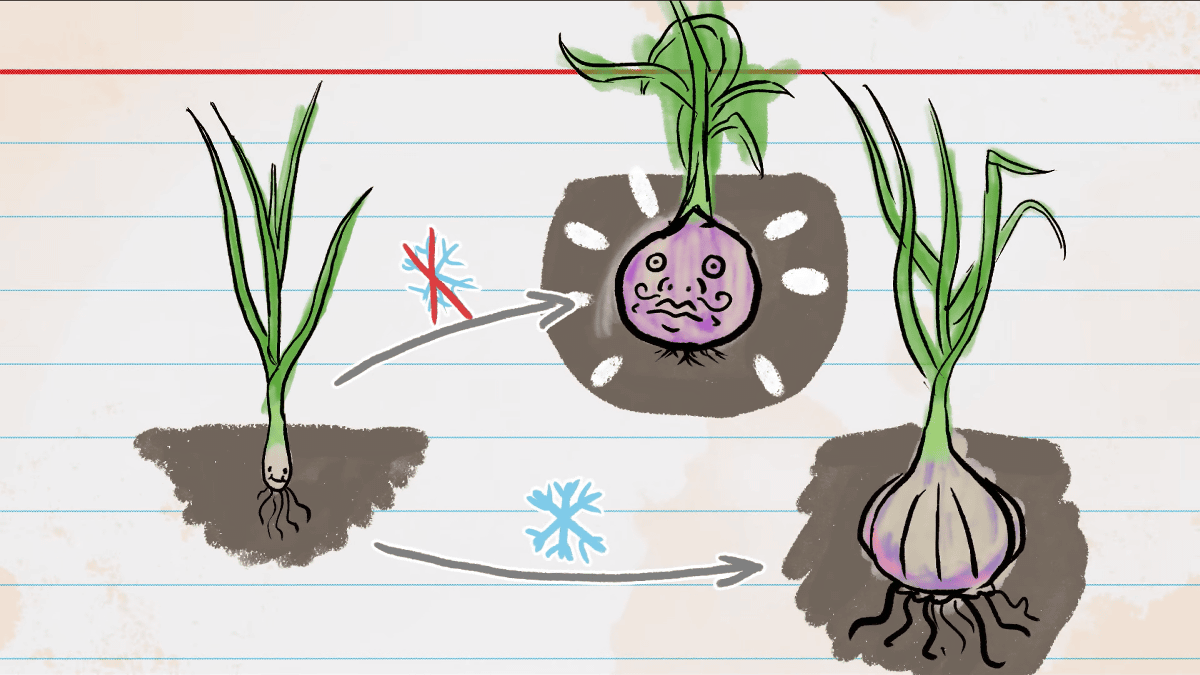
According to MinuteFood, single garlic occurs when the necessary environmental conditions for the bulb to split into multiple pieces during growth are not met.
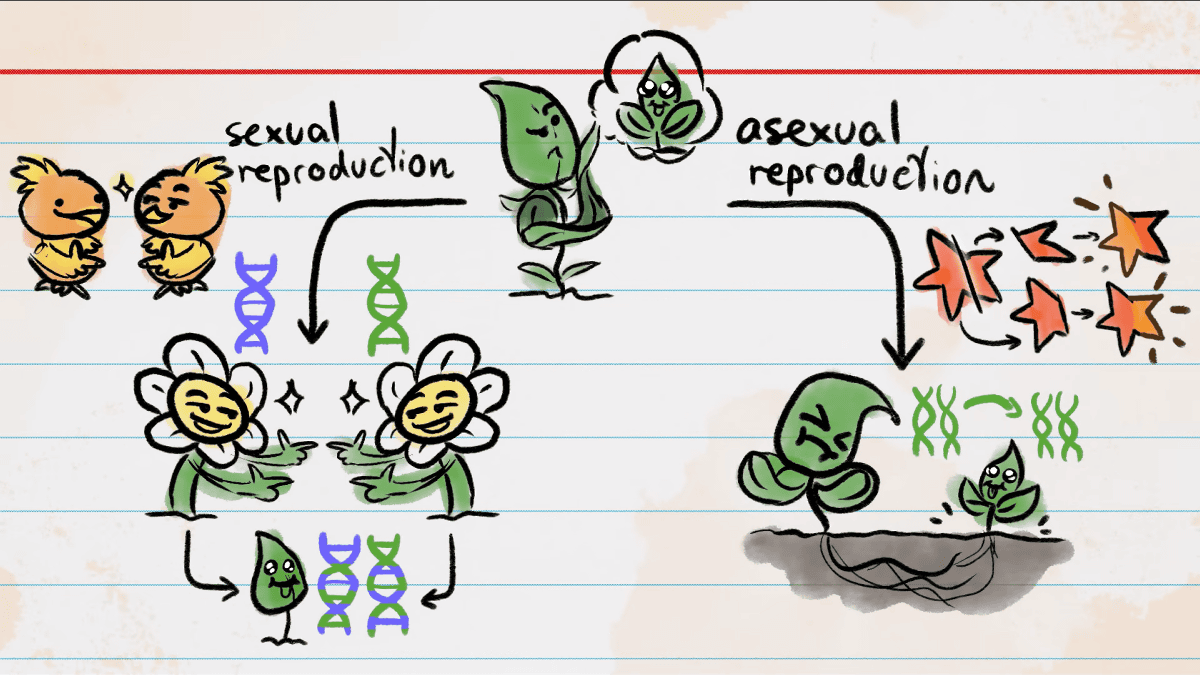
Garlic separates into multiple cloves so that each clove can grow into a new plant and increase its offspring. Plants can reproduce in two ways: sexually and asexually. Sexual reproduction involves combining the DNA of two individuals to produce offspring with different genetic information from their parents. In contrast, asexual reproduction involves one individual replicating its own DNA to create individuals with the same genetic information as its parents. Many plants do both, using sexual reproduction to produce genetically different offspring while asexual reproduction allows for rapid population growth.
In the case of garlic, flowering and producing seeds is sexual reproduction, while growing new plants from cloves is asexual reproduction. The wild ancestor of modern cultivated garlic has not yet been identified, but MinuteFood explains that it is highly likely that its ancestor reproduced in both ways.
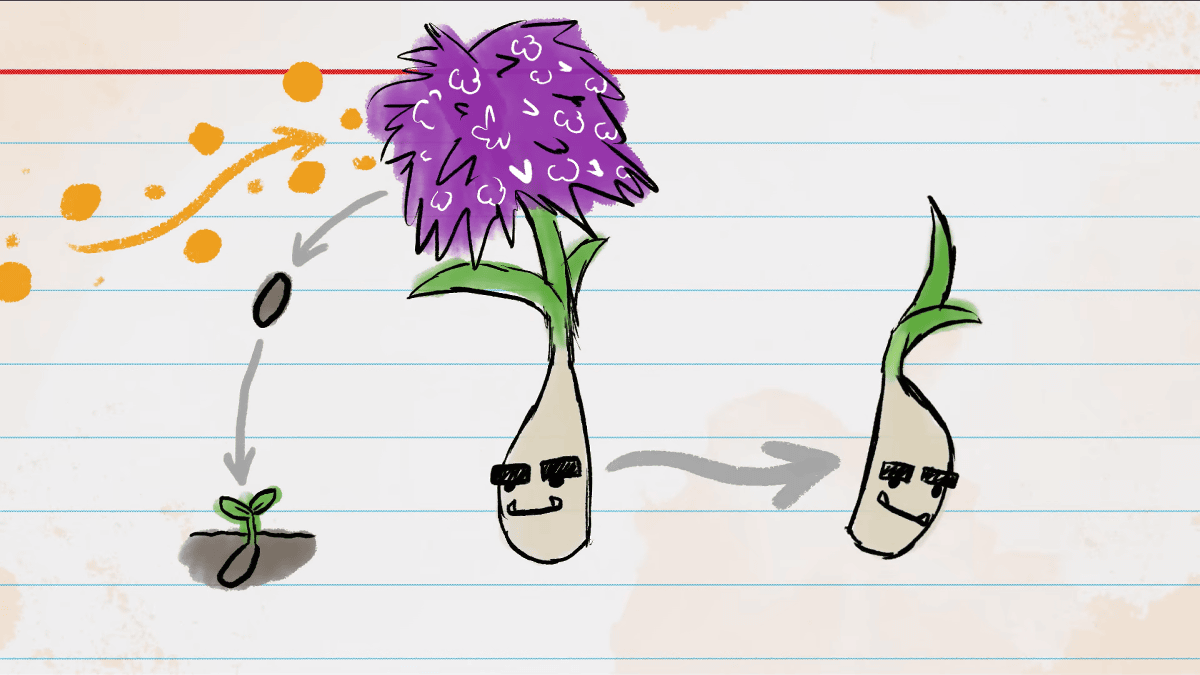
The reason new plants can be grown from fragments is that each fragment contains small leaves and stems. These will grow into new plants that have the same DNA as the parent plant.
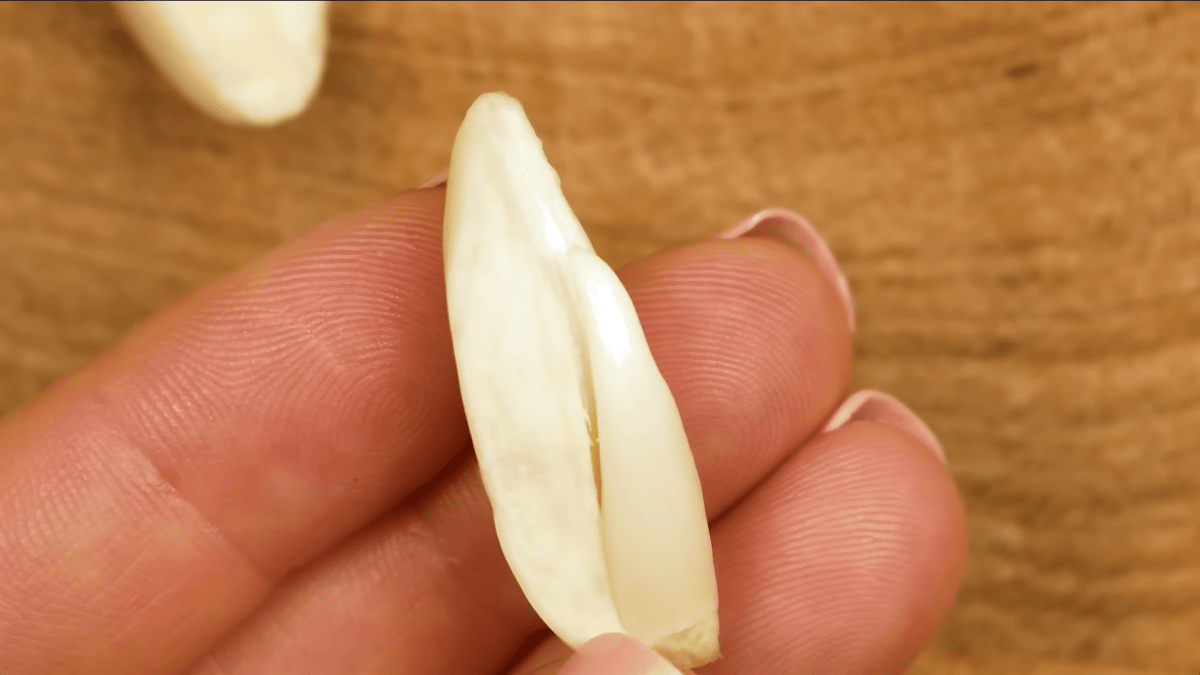
Garlic left in the kitchen sprouts because the leaves and stems inside the clove begin to grow.
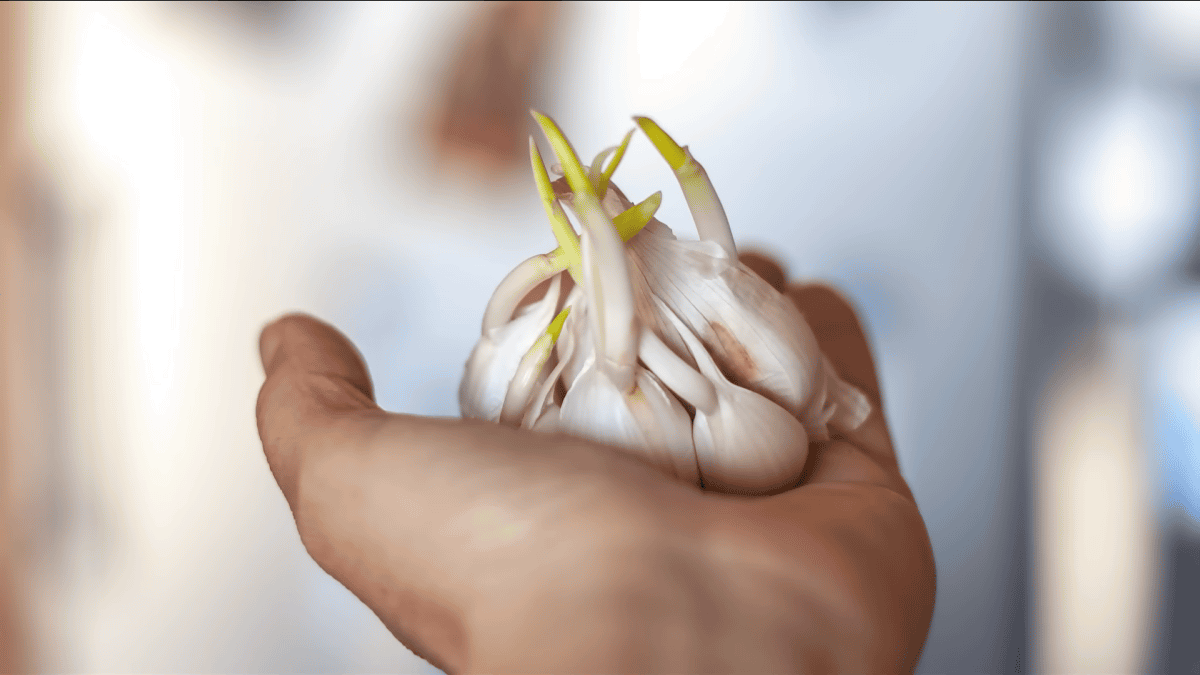
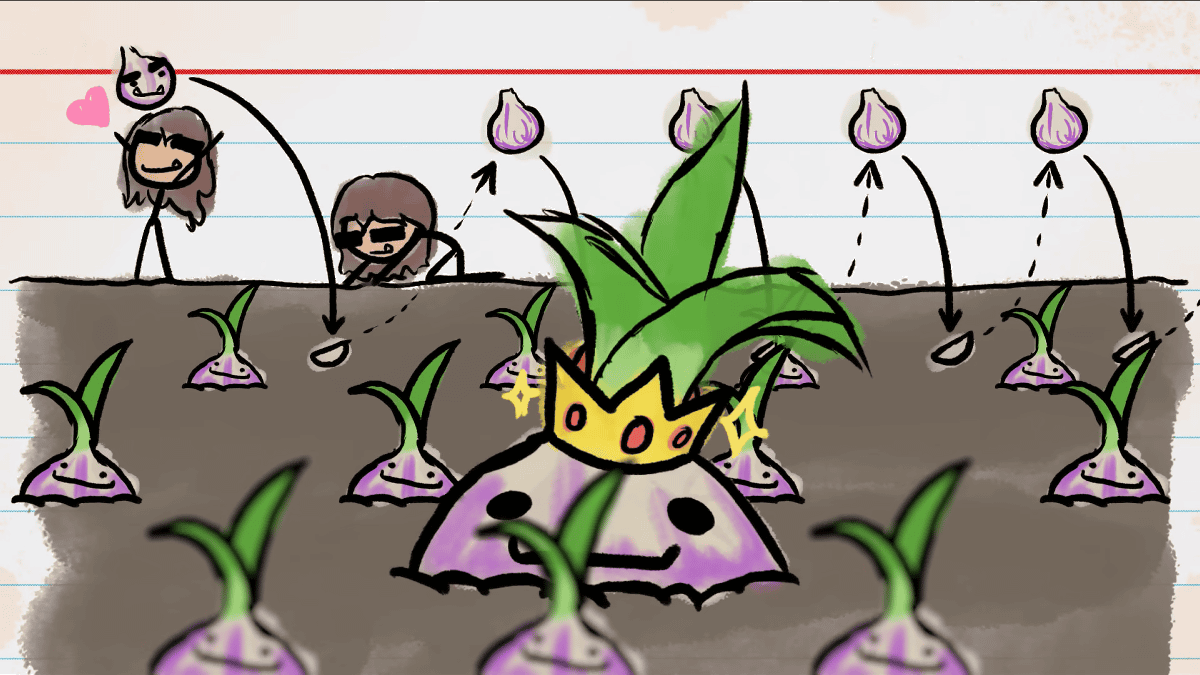
Garlic reproduces asexually by growing new plants from individual cloves, meaning it can be propagated simply by planting cloves without the need to flower, be pollinated, and produce seeds. This method of propagation is convenient for humans cultivating garlic, who have repeatedly planted cloves and replanted the resulting plants. According to MinuteFood, the ease and efficiency of this asexual reproduction is one of the reasons why garlic has spread throughout the world and is used in a variety of dishes.
However, relying solely on asexual reproduction presents the problem that mutations that occur during DNA replication are passed on to offspring. Mutations also occur in sexual reproduction, but because the DNA of two individuals combines, offspring that do not inherit problematic mutations may be produced, potentially leading to the loss of such mutations from the population. In contrast, with asexual reproduction, problematic mutations are replicated directly to the next generation.
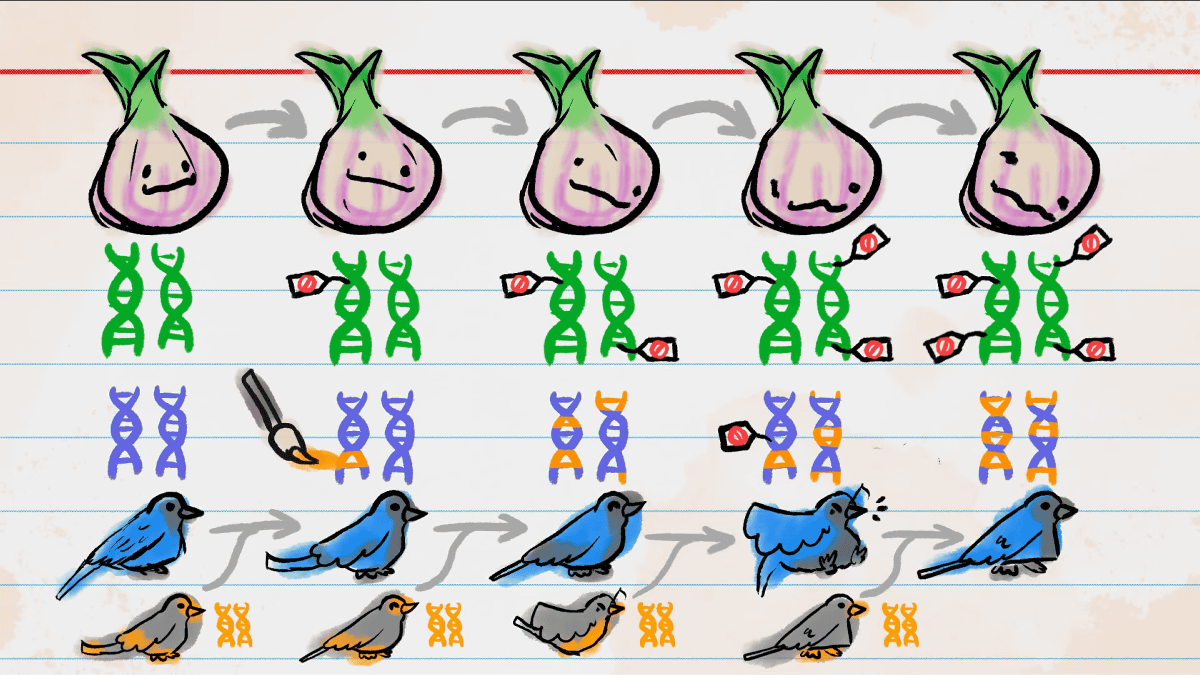
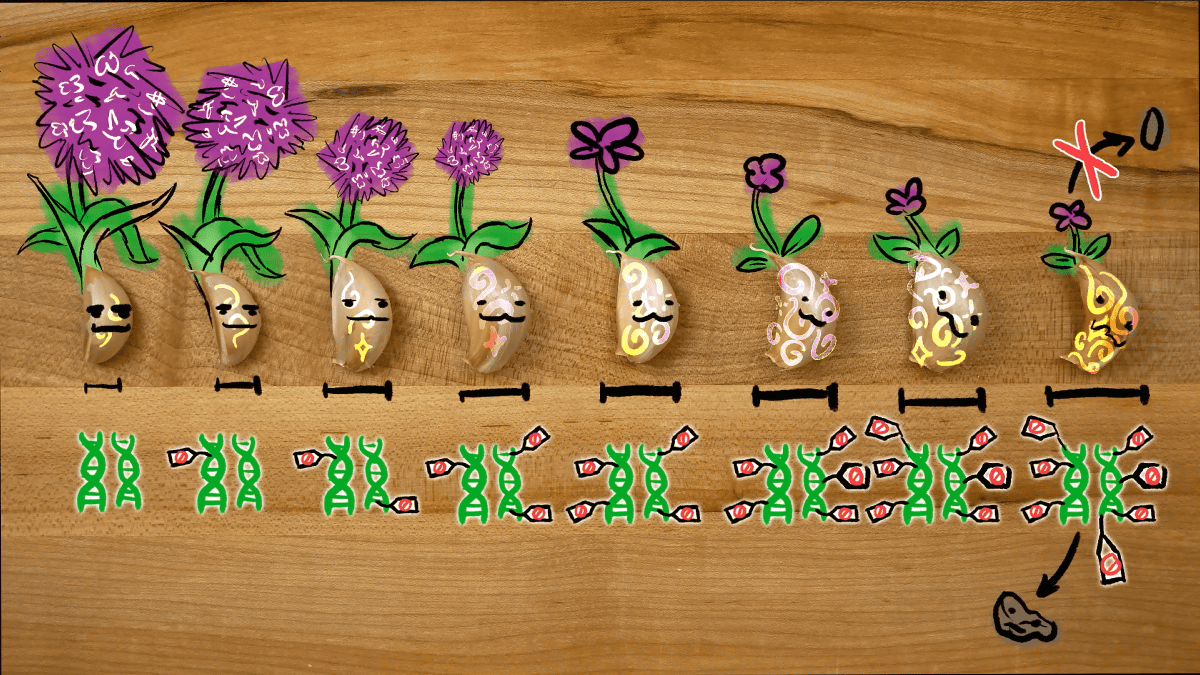
In garlic, problematic mutations are passed on to the next generation each time a clone is created from a clove. Over thousands of years, as humans have cloned garlic, many mutations have accumulated in the genome, particularly in the regions involved in seed formation.
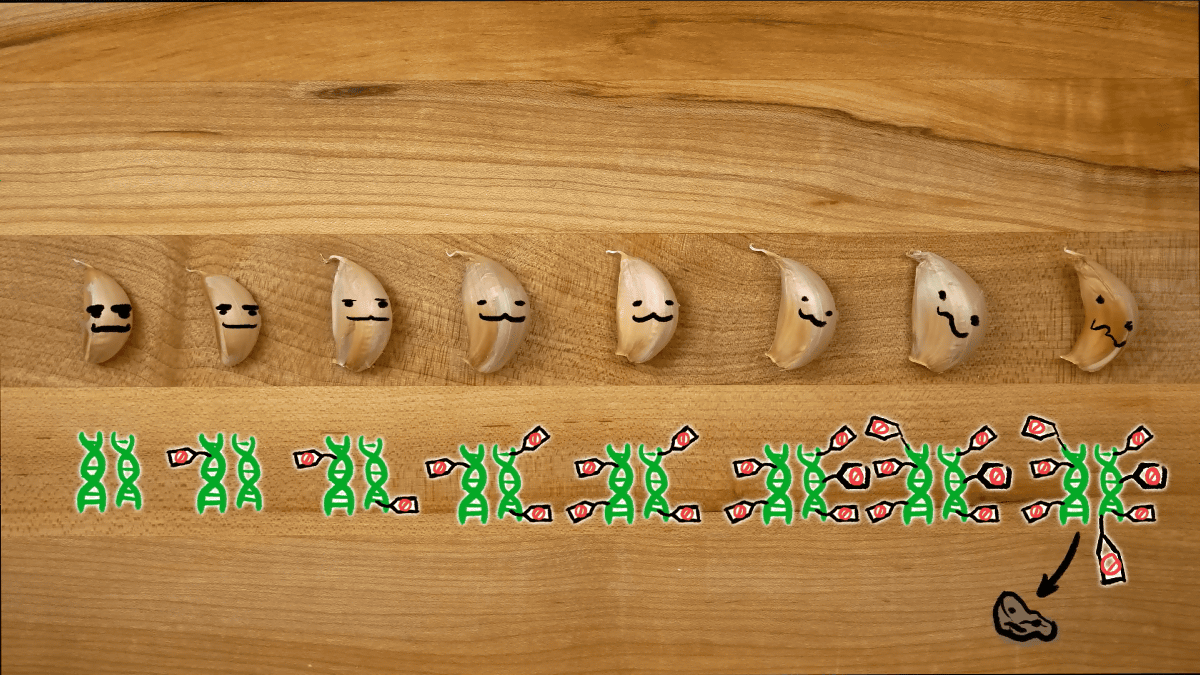
Furthermore, humans have cultivated plants that use more energy to grow edible bulbs than to produce flowers or seeds. MinuteFood explains that as a result of this accumulation of mutations and human selection, modern cultivated garlic has almost completely lost its ability to reproduce sexually.
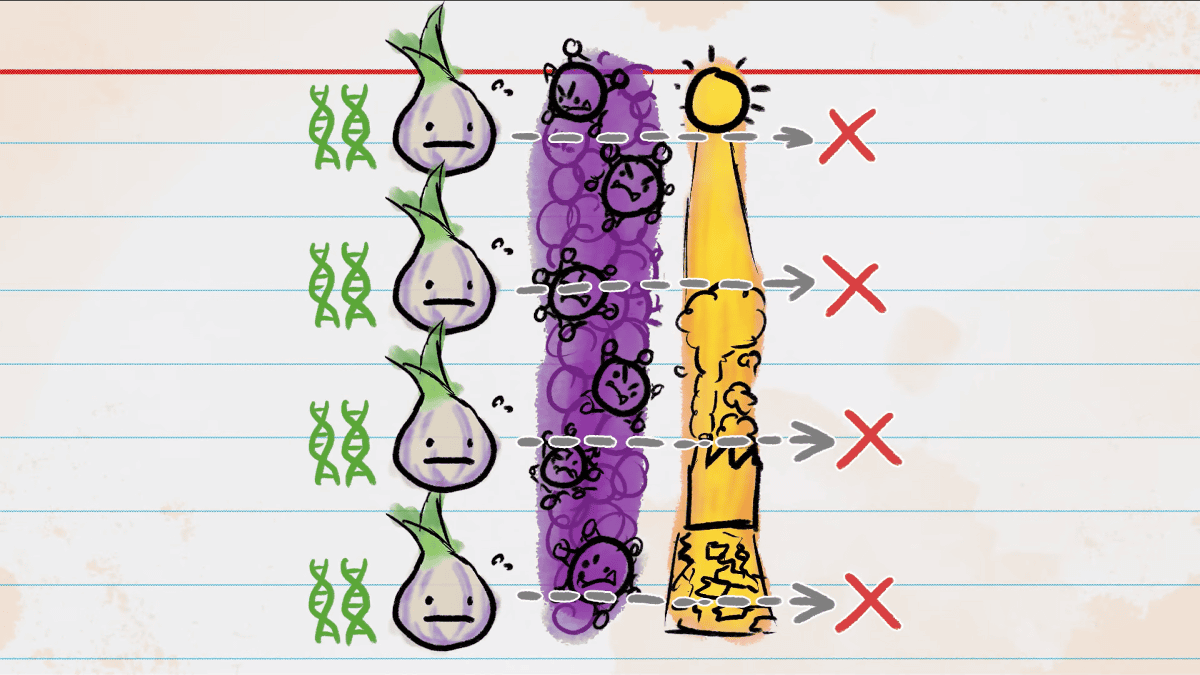
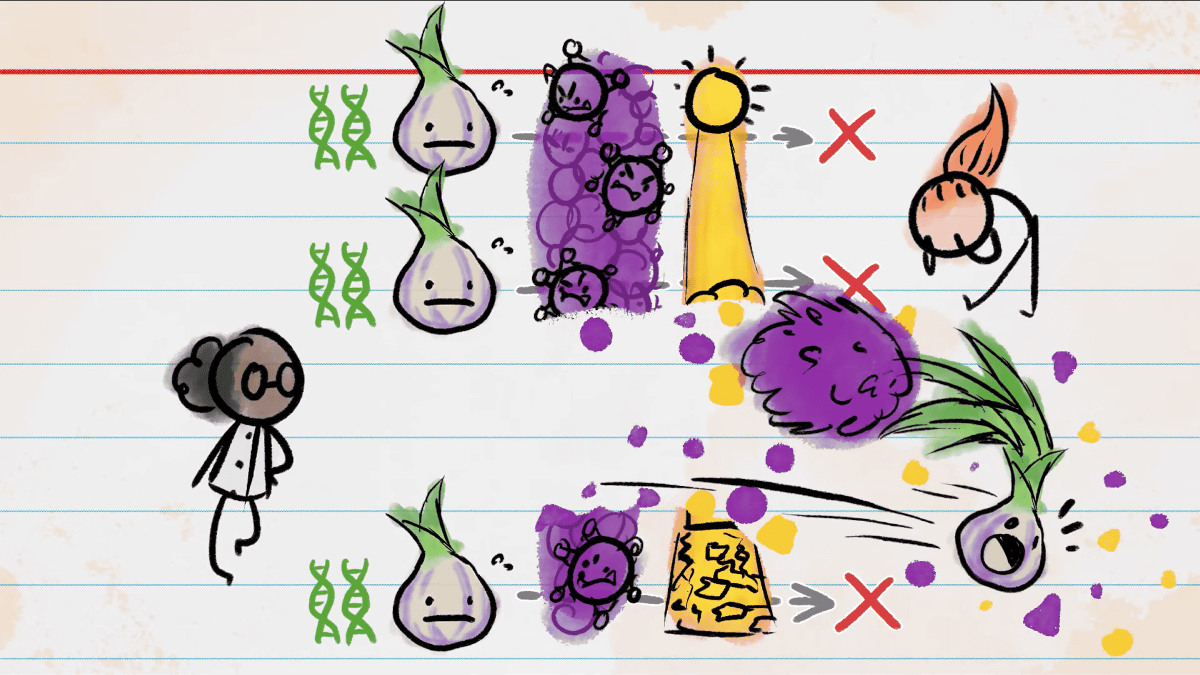
Because cultivated garlic can hardly reproduce sexually, it has little genetic diversity, making it less able to cope with diseases and climate change.
Scientists are reportedly working on restoring garlic's sexual reproductive capacity to prepare for future threats such as disease and climate change.
Related Posts: