What is the greatest obstacle that prevents humanity from ever leaving the solar system: the 'empty space'?
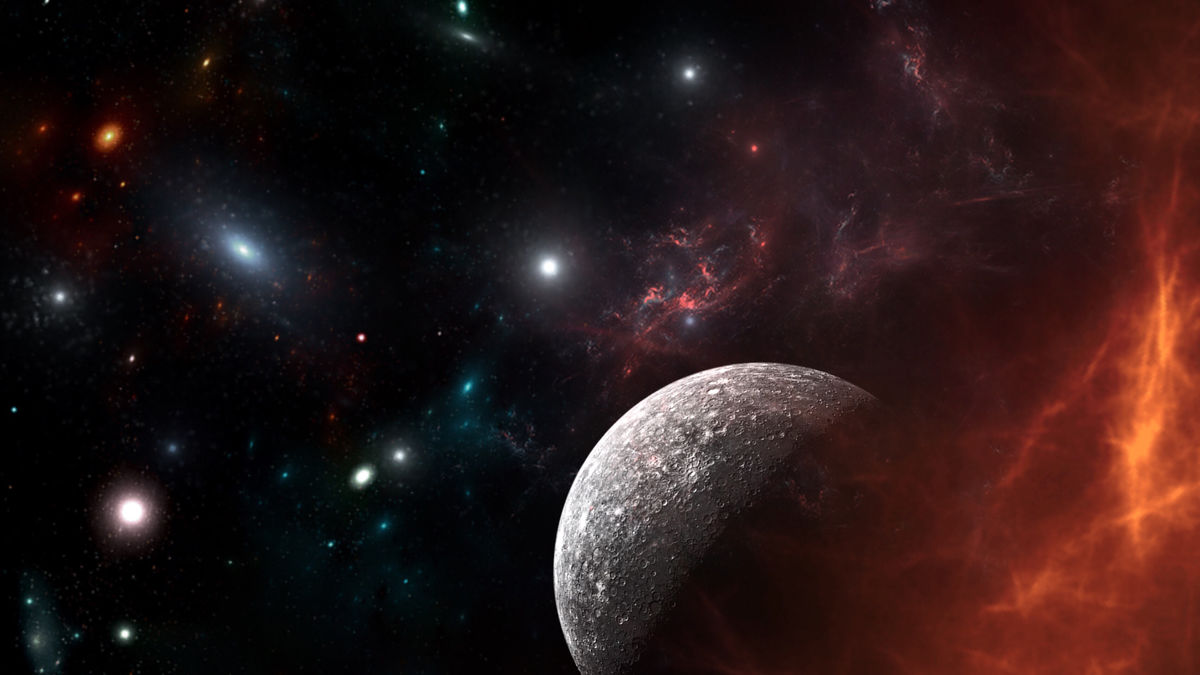
The universe is vast and boundless, and even after more than 50 years since the start of space exploration, humanity has only been able to observe a tiny fraction of it. The educational YouTube channel Kurzgesagt explains in a video why humanity has not yet been able to truly venture beyond the solar system.
Kurzgesagt begins by stating, 'You will never leave the solar system.' He explains that this is because humanity in the solar system is trapped by an 'invisible barrier,' and that this applies not only to humanity but also to any extraterrestrial civilizations that may exist in space. Kurzgesagt explains that this 'invisible barrier' is the 'limit of fundamental physics.'

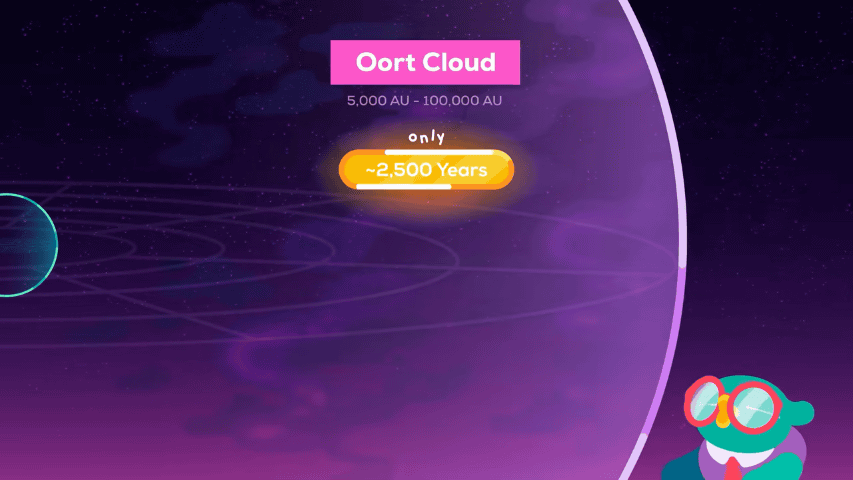
The fastest travel ever achieved in space by humankind was approximately 40,000 km/h by the Apollo astronauts returning from the Moon in 1969. This is far too slow to navigate the vast expanse of space. NASA's
Professor Carol Oliver, who studies science communication and astrobiology at the University of New South Wales, Sydney, cites a similar reason as one of the reasons why, even if aliens exist, they might not visit Earth. Reaching
What are the 'three reasons' why aliens won't visit Earth? - GIGAZINE
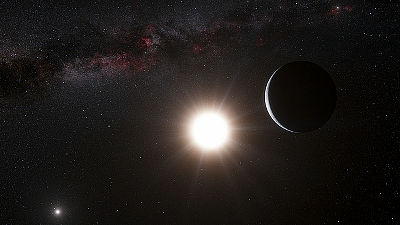
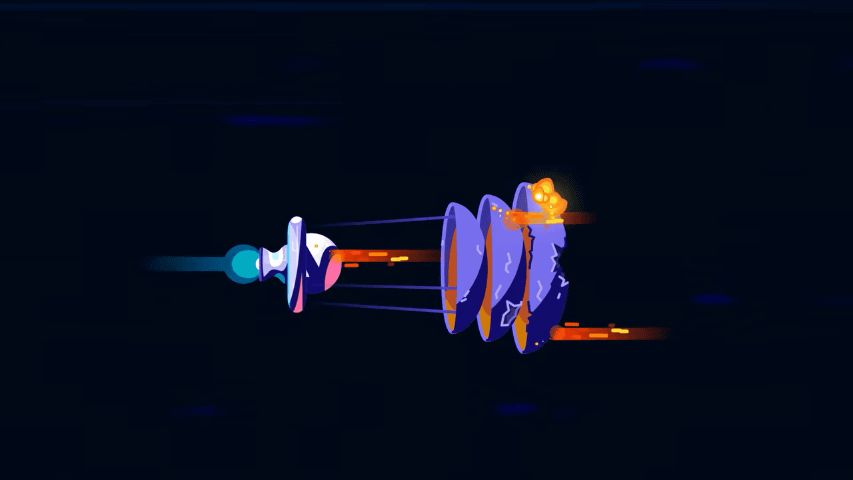
The speed limitations are due to the current state of technology, and if methods for faster travel are established, it may be possible to transcend the solar system. Nuclear fusion and antimatter propulsion systems can theoretically approach a significant percentage of the speed of light, and if we consider a spacecraft that can travel at 20% of the speed of light, it would be possible to reach the outer edge of the solar system in a few days and the nearest star system, Alpha Centauri, in 20 years. However, interstellar travel is not just about speed; there are also dangers inherent in outer space itself. Outer space is not a perfect vacuum; it is filled with atoms, dust, and tiny particles, and a collision with them at 20% of the speed of light would cause serious damage to the outer plating of a spacecraft even if it's just a single iron atom, and even tiny grains of sand could cause explosive destruction.
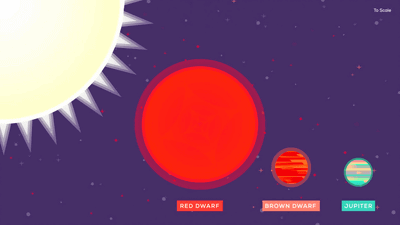
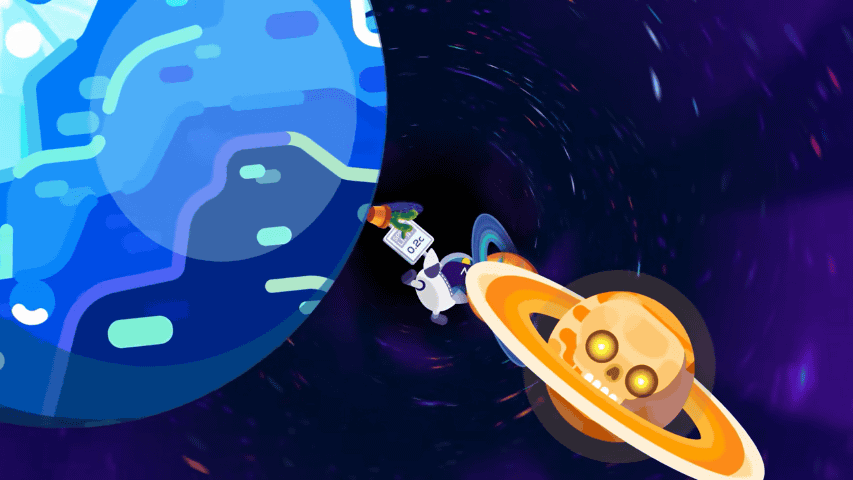
Let's assume that speed constraints are overcome and safety is guaranteed by protective shields against atomic and particle collisions. Even if we overcome these obstacles and reach a nearby star system like Alpha Centauri, that star may not necessarily be an attractive destination for humanity to reach in 20 years. Kurzgesagt points out that planets in the Alpha Centauri system, while beautiful in appearance, are likely unsuitable for life. He also notes that many of the stars near our solar system are the most common red dwarf stars in the universe, and the surrounding planets often have harsh environments for life.
Even so, there may be planets further away that could potentially harbor life, but these could be tens, or even thousands, of light-years away. Even if we could travel at speeds very close to the speed of light, it would still take many generations to reach such planets. Kurzgesagt envisions future humanity overcoming aging or sending embryos into space aboard AI-equipped spacecraft, but even if we were to reach a habitable planet in this way, he argues that even more advanced technology would be needed to build and maintain a civilization there.

Kurzgesagt concludes by saying that predicting the future of space is difficult and that humanity currently lacks all the technology necessary to go beyond the solar system, but points out that 'technology has always defied expectations.' As a famous example, the New York Times published an editorial in 1903 titled ' Flying Machines That Cannot Fly ,' which claimed that it would take 10,000 to 10 million years for human flight technology to develop, but 69 days later the Wright brothers successfully made the first flight, and 66 years later humans landed on the moon. Therefore, Kurzgesagt said that he hopes that the video claiming that 'humanity is held back by an 'invisible barrier' and can never leave the solar system' will seem foolish in 100 years because 'technology will have grown so rapidly.'
Related Posts: