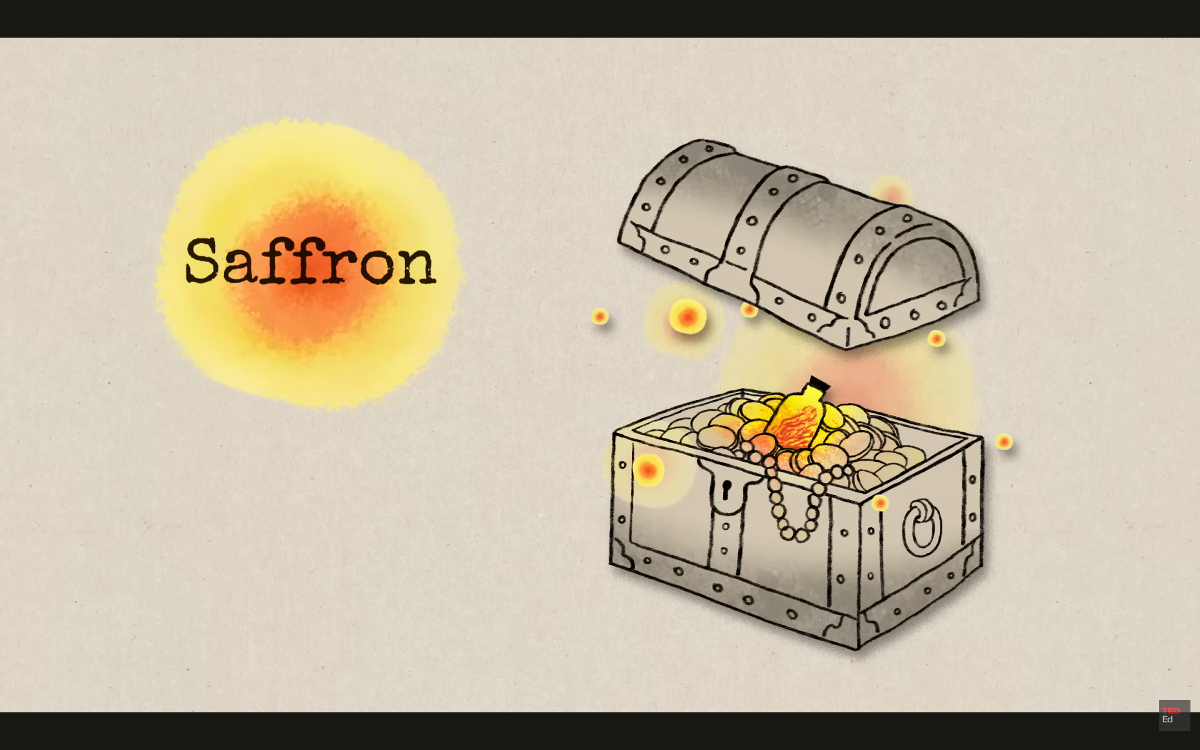
The reason why saffron, the world's most expensive spice, has remained affordable for thousands of years.
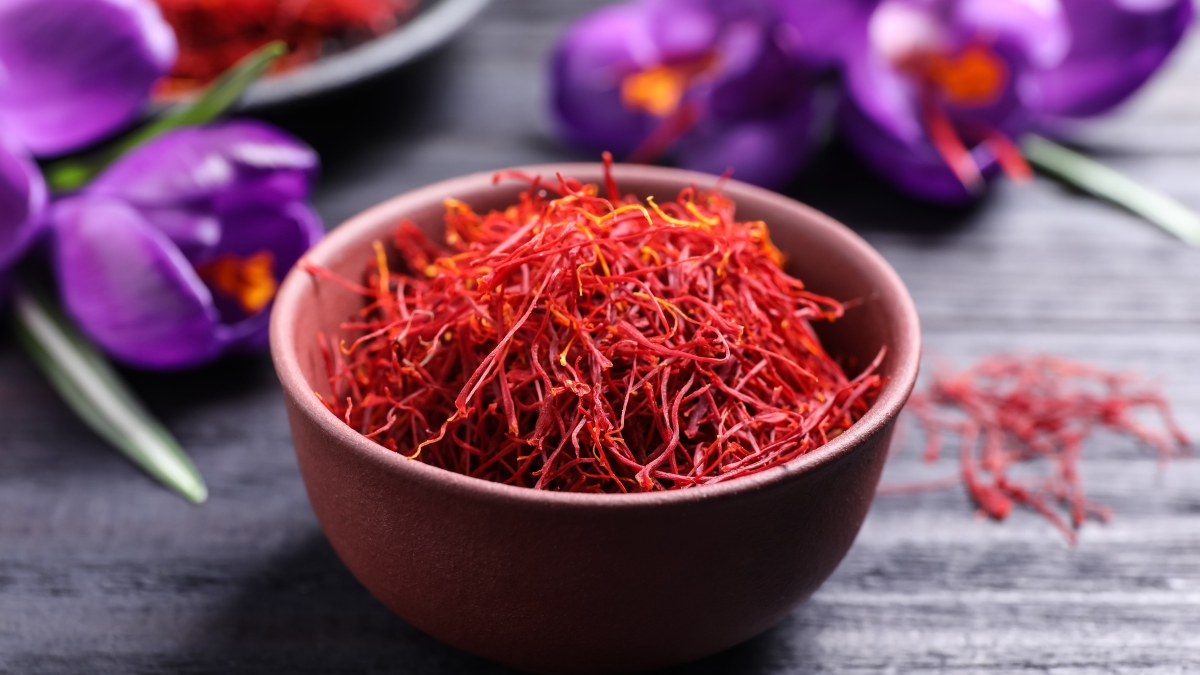
Saffron, also known as 'red gold,' is the world's most expensive spice, used to add vibrant color and a unique flavor to dishes like paella and bouillabaisse. The educational YouTube channel TED-Ed has created an animated video explaining the unique life cycle of the saffron crocus, a flower that was born from a mutation and has been cultivated by humans for thousands of years without producing seeds, and the reasons behind its continued high price.
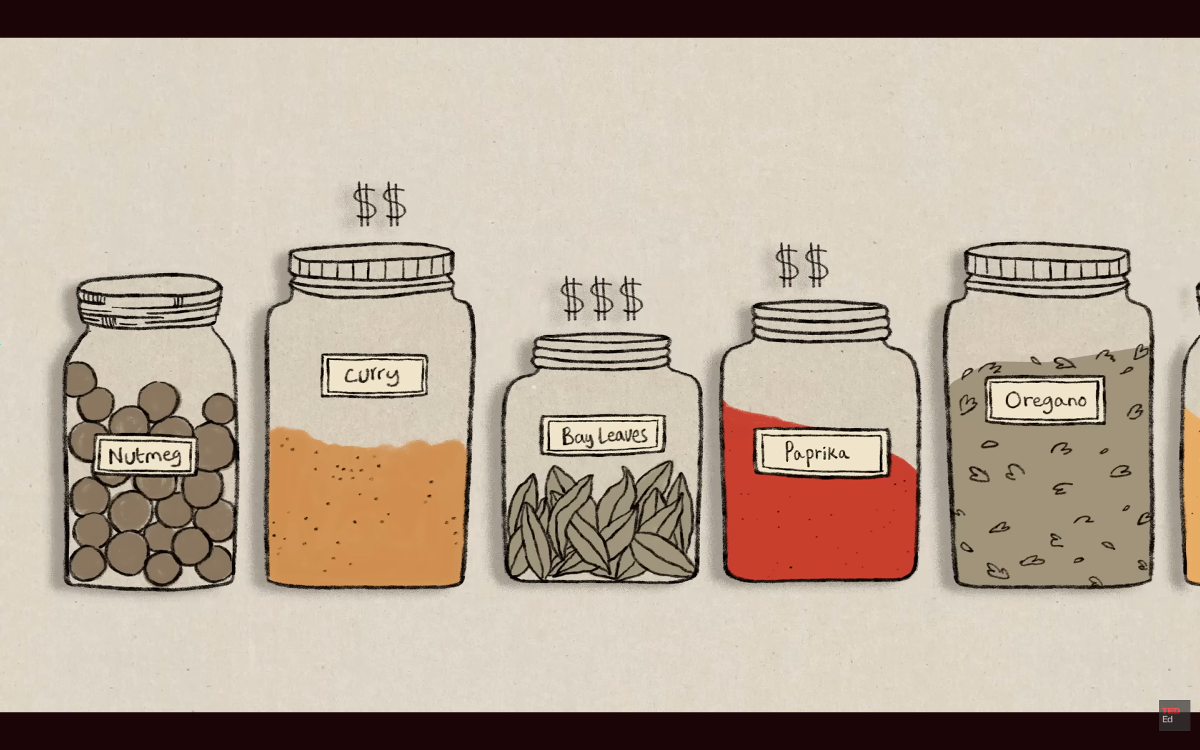
Many spices are expensive compared to the amount used in cooking, and saffron, in particular, has consistently been the most expensive for many years.
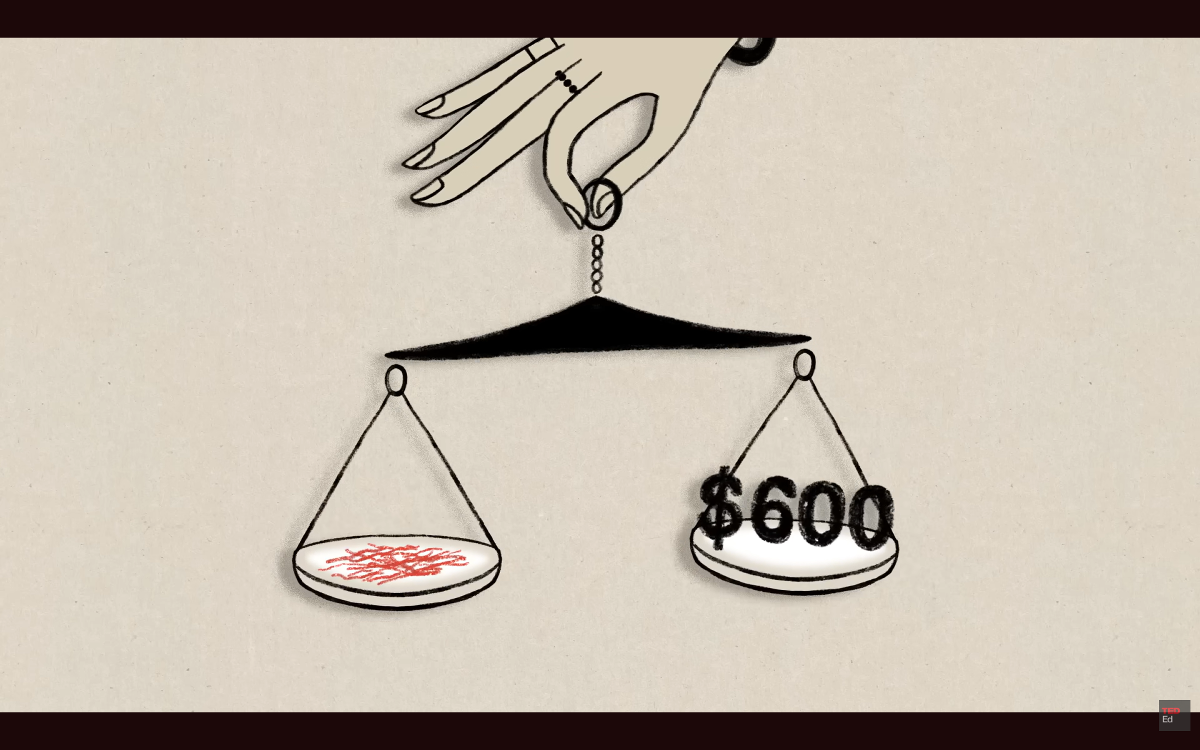
The red, thread-like portion of saffron can sometimes fetch prices exceeding $600 (approximately 96,000 yen) per ounce (about 28 grams).
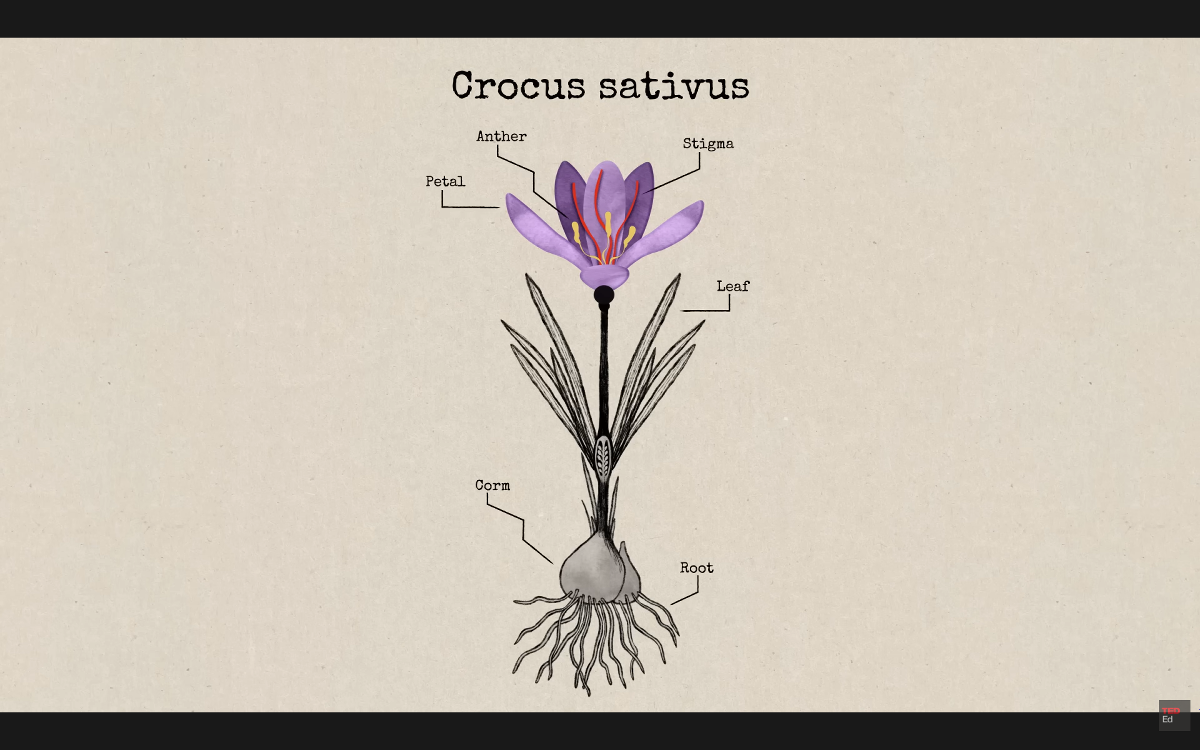
Spices are made from various parts of plants, but saffron is the only spice that uses the 'stigma' at the tip of the pistil of a flower. Its raw material is the three red, elongated stigmas found on the saffron crocus flower.
Crocuses are distributed throughout Eurasia and North Africa, and it is believed that humans have been using wild crocuses since ancient times. Crocus pigments were used in ancient cave paintings remaining in present-day Iraq, but these are thought to be derived from a different species than the safflower crocus.

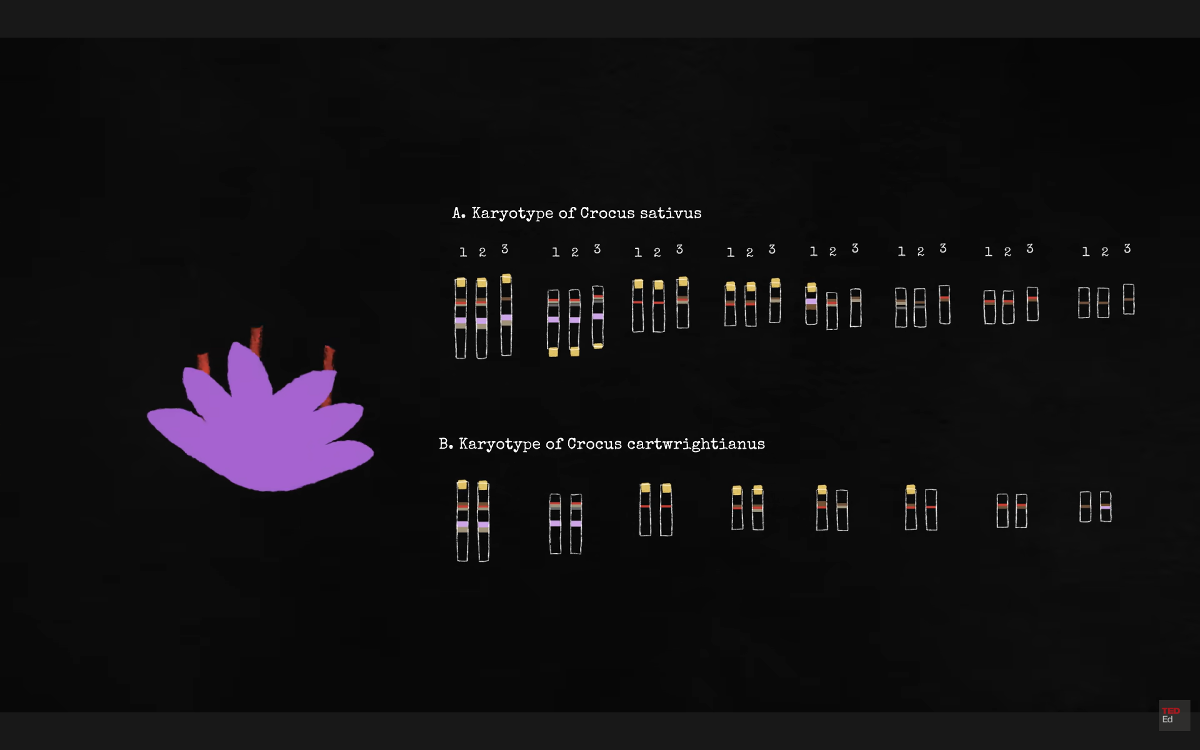
The safflower crocus is considered a relatively new plant. A single wild crocus plant produced seeds with one extra set of chromosomes, and this mutation resulted in flowers with particularly long stigmas.
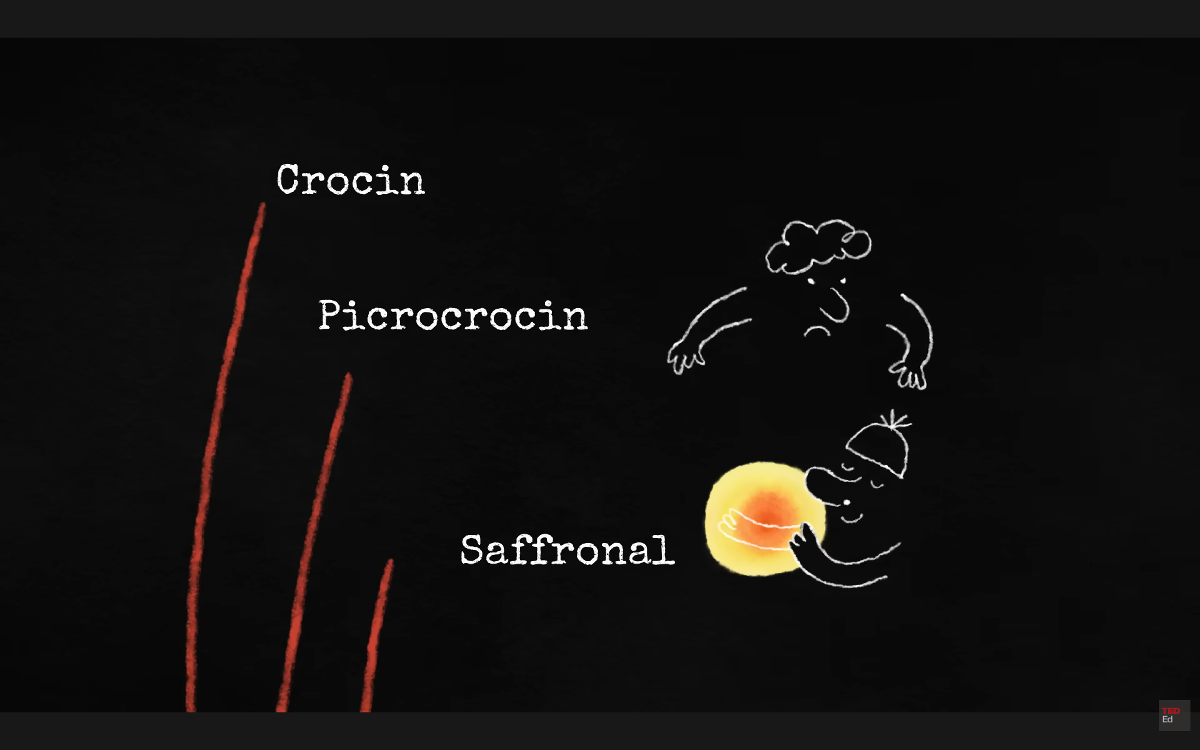
The long stigmas contained high concentrations of three compounds: 'crocin,' which produces vibrant colors and dye properties; 'picrocrocin,' which gives it a distinctive taste; and 'safranal,' which produces a hay-like aroma.
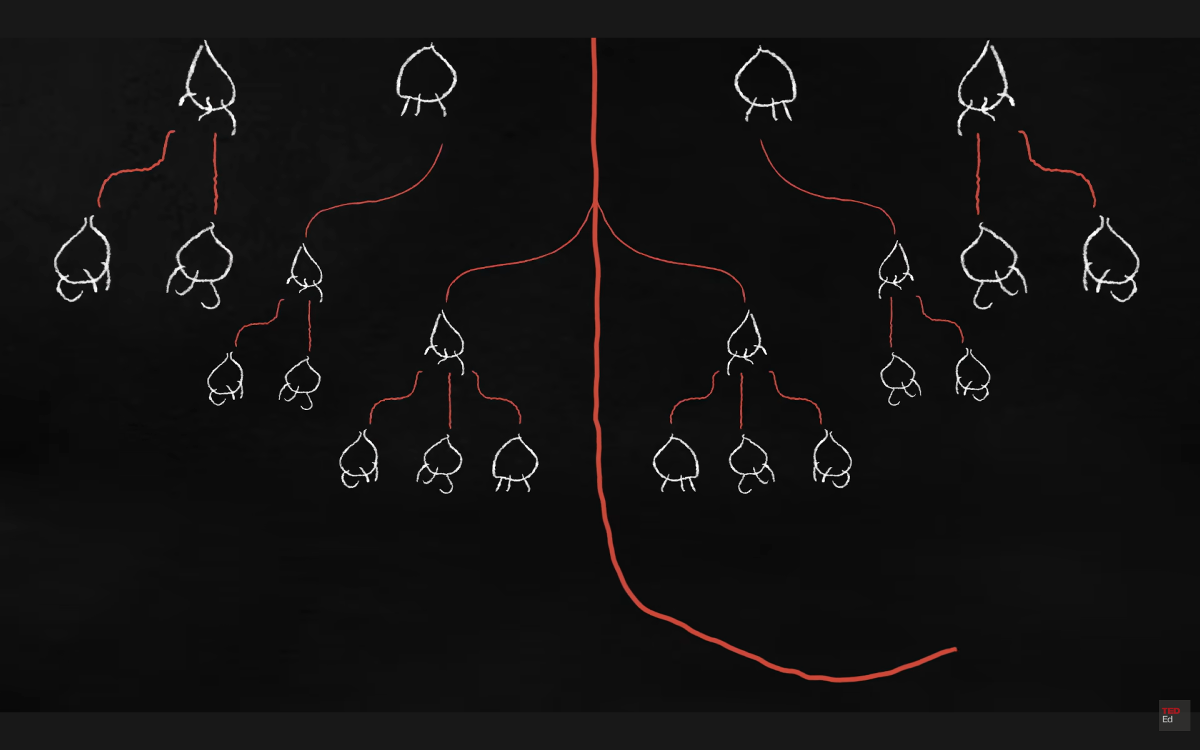
On the other hand, the extra chromosomes prevented the safflower croccus from producing seeds, so it may have quickly disappeared from the Earth if left unchecked. However, it is believed that ancient people saw value in the properties of the safflower croccus and took advantage of the fact that new plants grow from the underground stem-like organ called a corm, cultivating it by dividing the corm by hand.
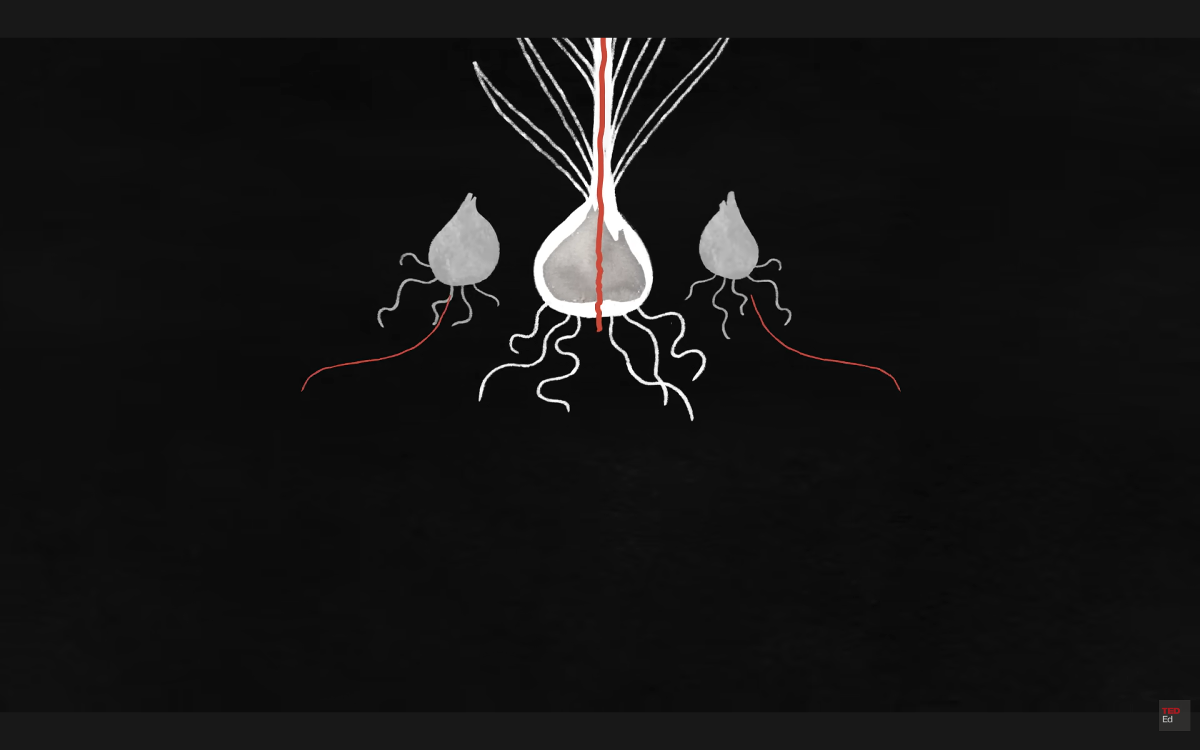
All commercially produced Saffron Crocuses currently on the market are essentially twins, propagated from this single clone lineage.
The first safrancrocus flowers are thought to have appeared in southern Greece, but the exact date is unknown. Greek frescoes, dating back over 3,500 years, depict women picking safrancrocus flowers.

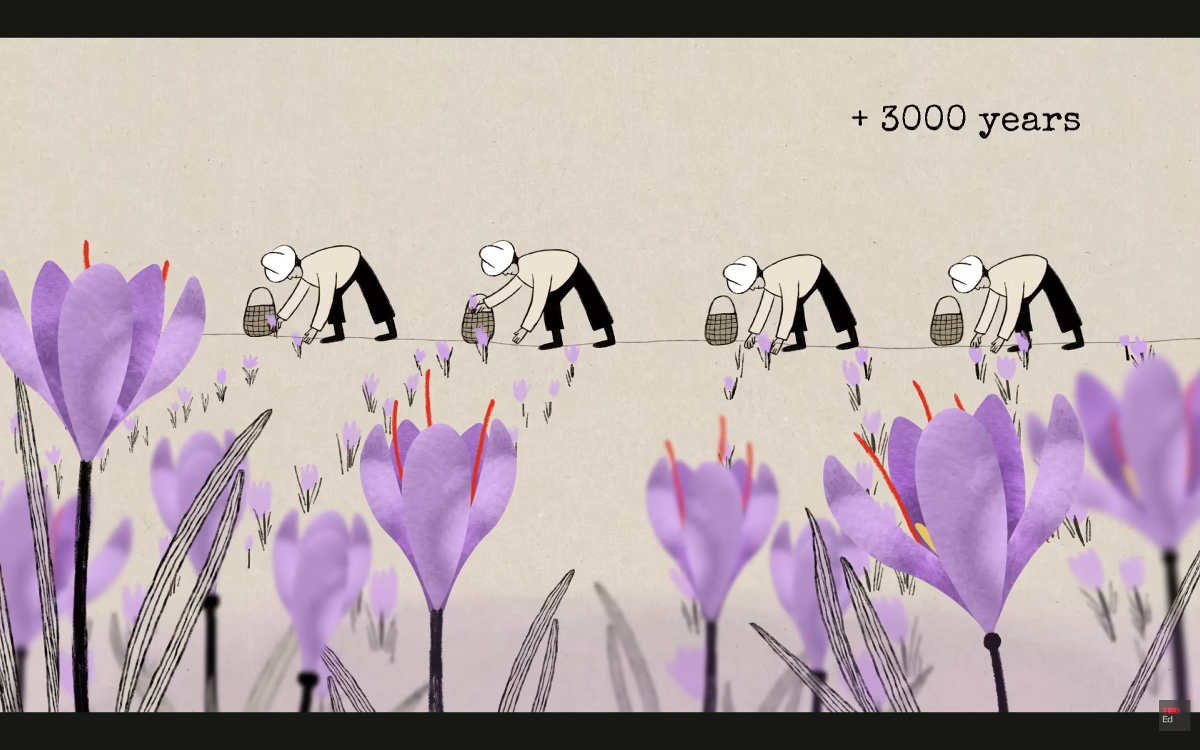
The history of safran crocus cultivation in present-day Iran is also believed to date back at least 3,000 years.
The ancient Persians mixed saffron into their cooking, used it as perfume, and wore saffron-colored clothing. In ancient Greece, too, the scent of saffron filled the air in courts, theaters, and baths.
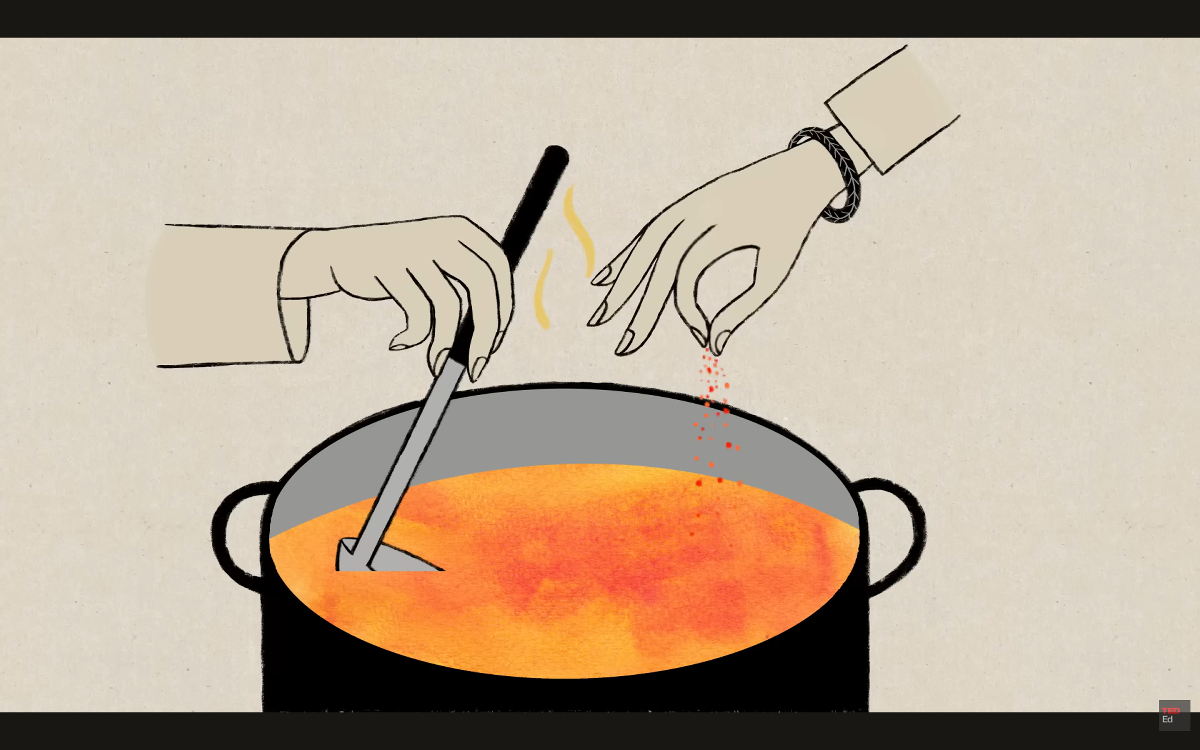
It is said that Alexander the Great, who led an expedition to Persia in the 4th century BC, was fond of saffron and recommended its use in baths to heal battle wounds. There is also a legend that Cleopatra achieved her radiant skin by bathing in saffron.

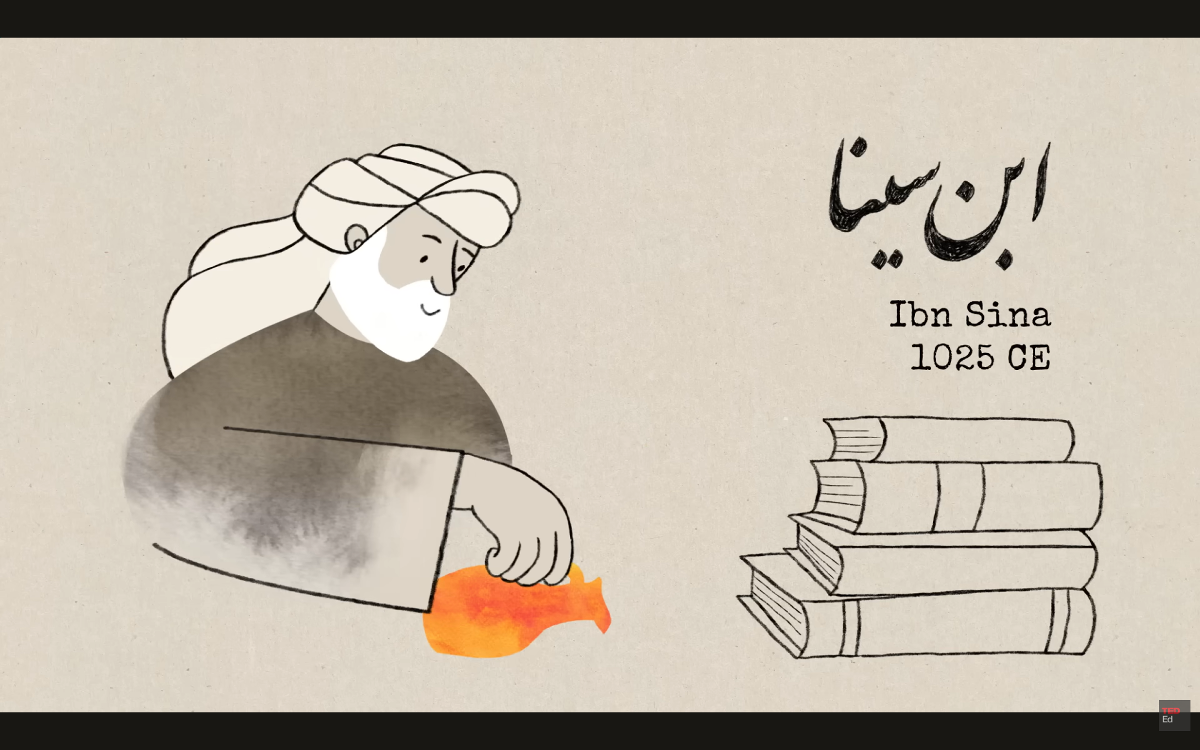
Around the 9th century, rulers in the Islamic world exchanged saffron as gifts in prisoner exchanges and diplomatic exchanges. Also, around 1025, the Persian physician Ibn Sina listed saffron in his 'Canon of Medicine' as an aphrodisiac and a remedy for depression, asthma, and inflammation.
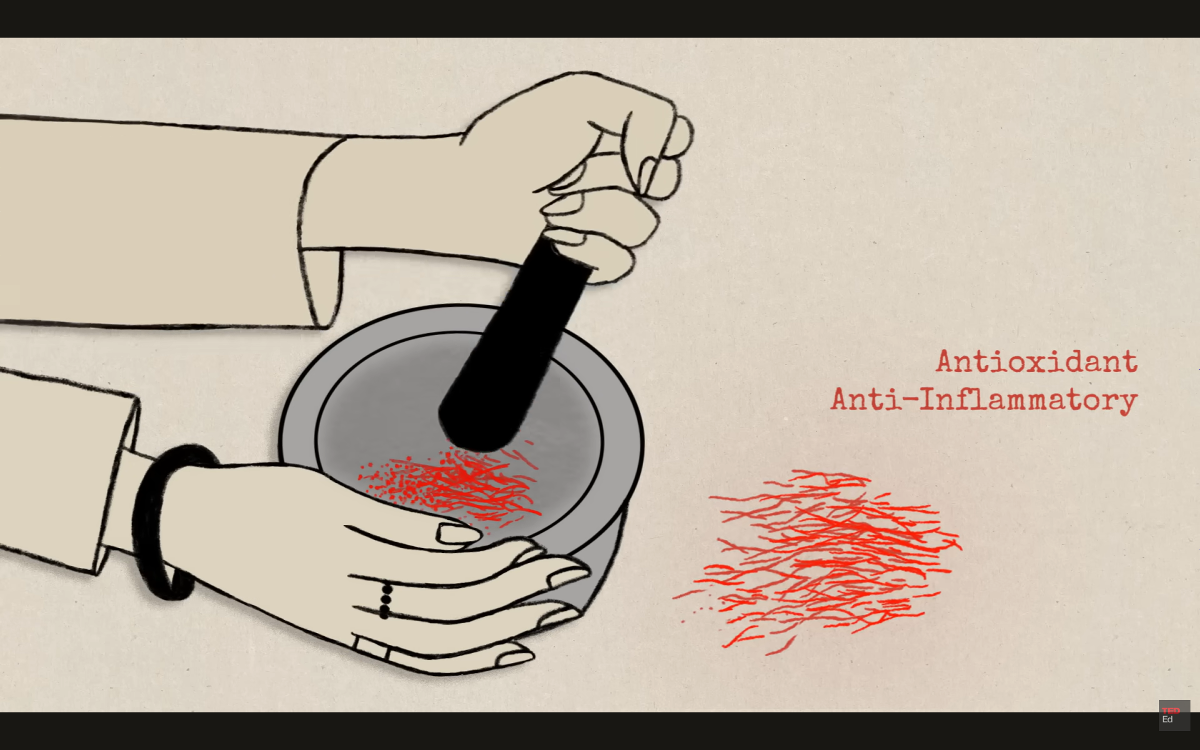
Tibetan texts praise saffron for boosting immunity and enhancing beauty, and in 14th-century Europe, it was considered an antidote to the plague. While many of the health benefits claimed throughout history are unsubstantiated or exaggerated, saffron's anti-inflammatory and antioxidant properties have been proven.
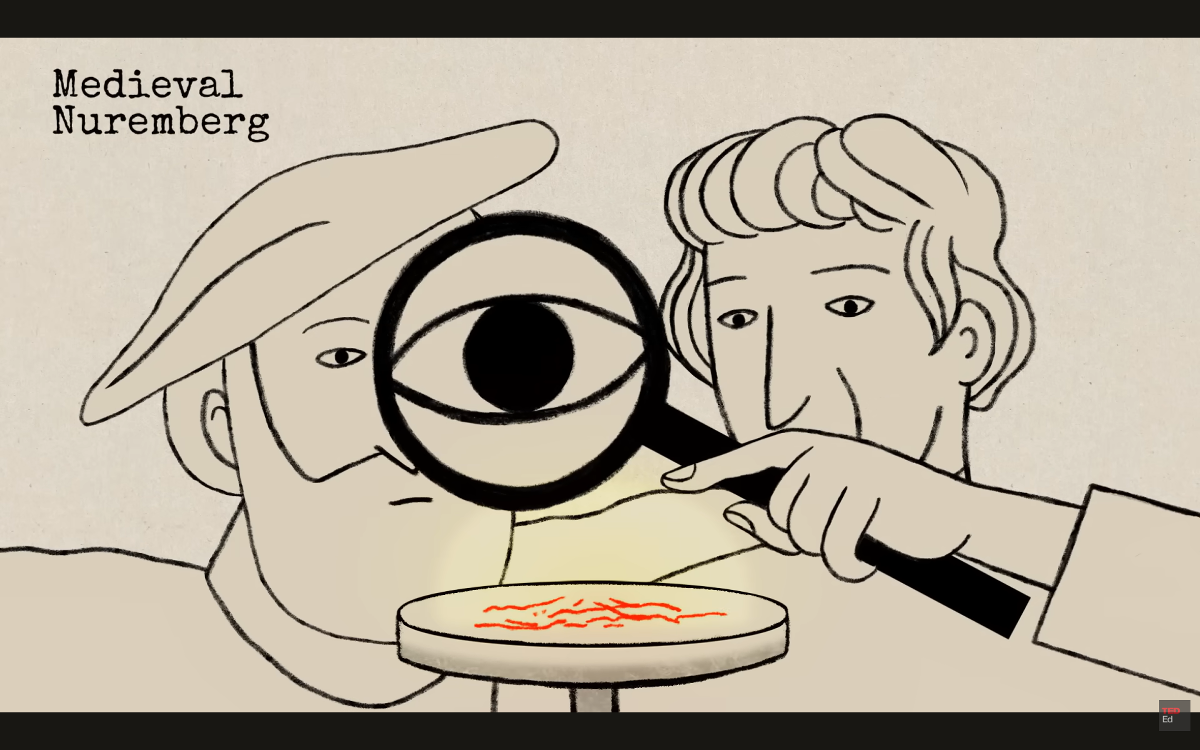
Saffron was extremely expensive even in the Middle Ages, and the Nuremberg authorities employed inspectors to crack down on counterfeit saffron, imposing severe penalties, including the death penalty, on violators.
In the early 18th century, settlers brought saffron corks to North America, and saffron, made from its capitals, was reportedly traded at the same price as gold on the Philadelphia Stock Exchange.
The main reason saffron is expensive, both then and now, lies in its production method. First, most of the work required for saffron production is concentrated during the approximately two-week flowering period of the saffron crocus.
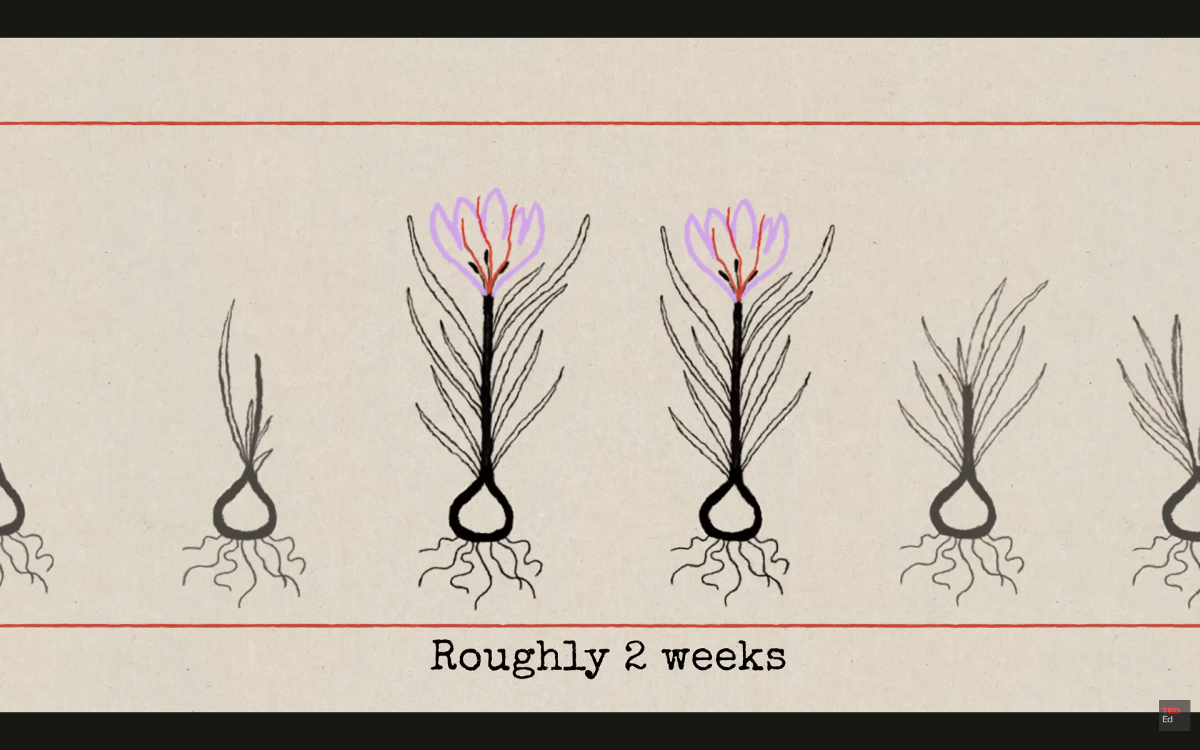
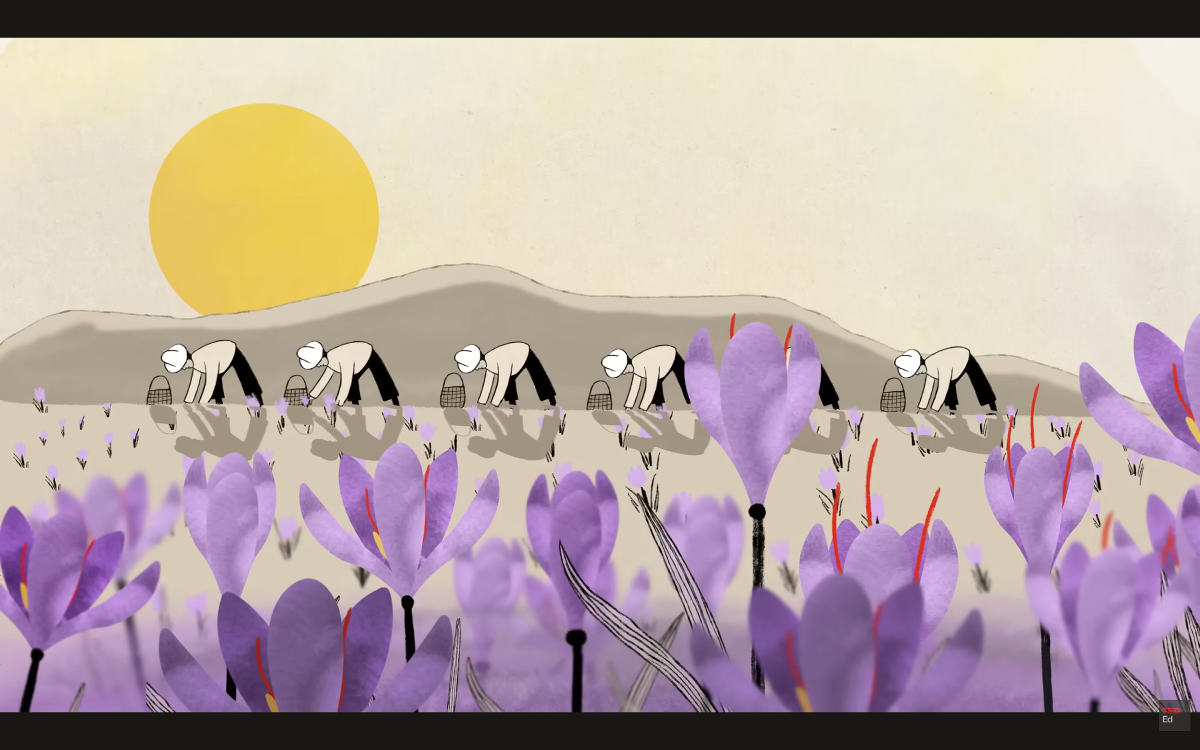
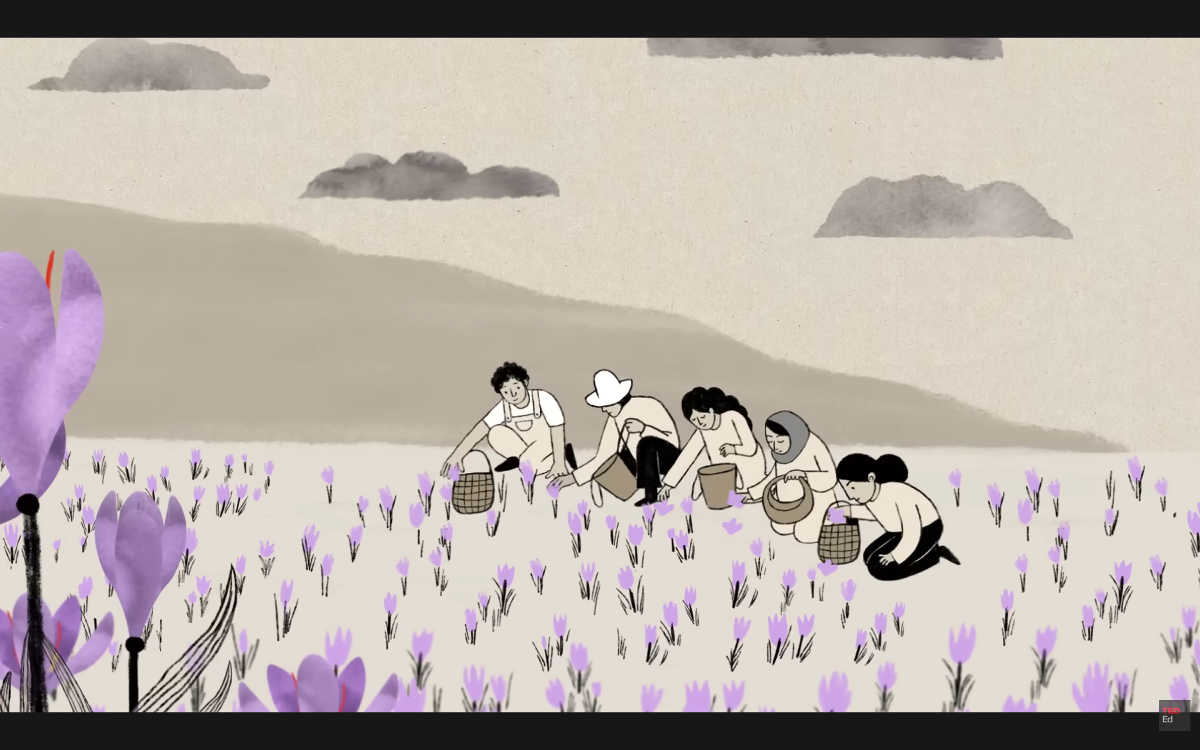
To prevent the flowers from wilting and maintain the quality of the saffron, workers hand-pick each flower one by one from dawn until they are ready to bloom.
After harvesting, the next step is to manually remove the three stigmas from each flower and dry them.
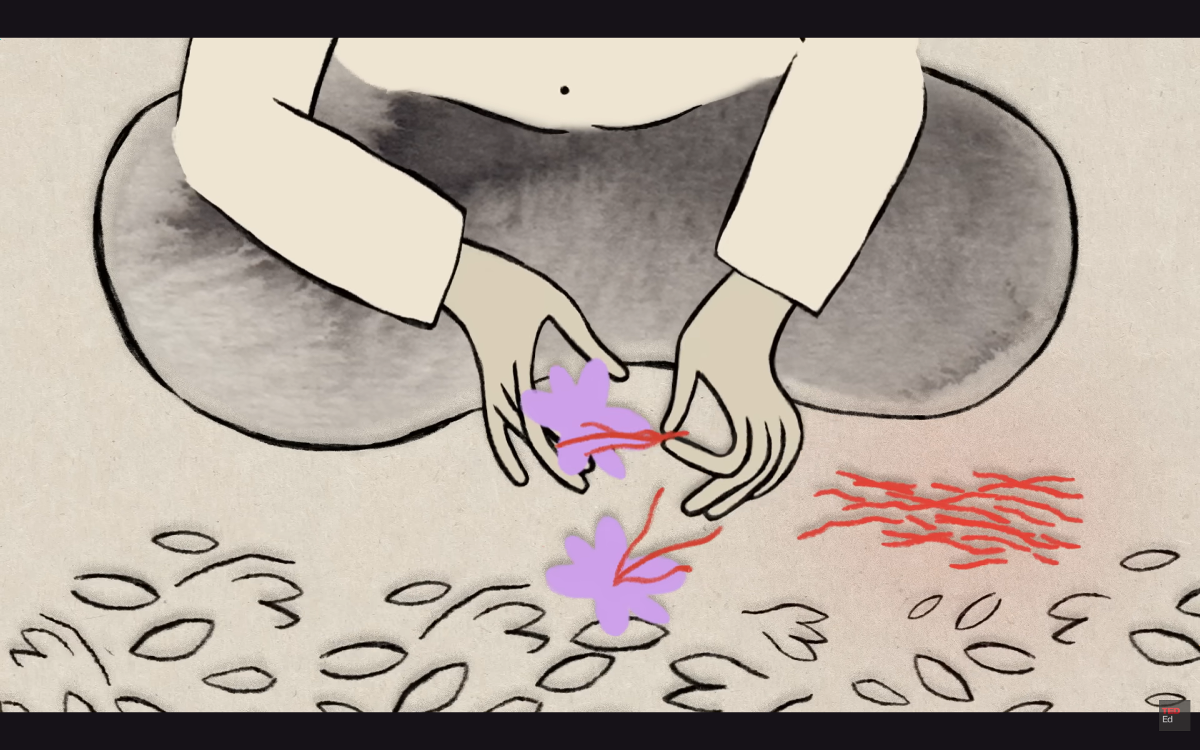
It takes approximately 150,000 flowers to process 1 kg of saffron, and the total processing time exceeds 400 hours.
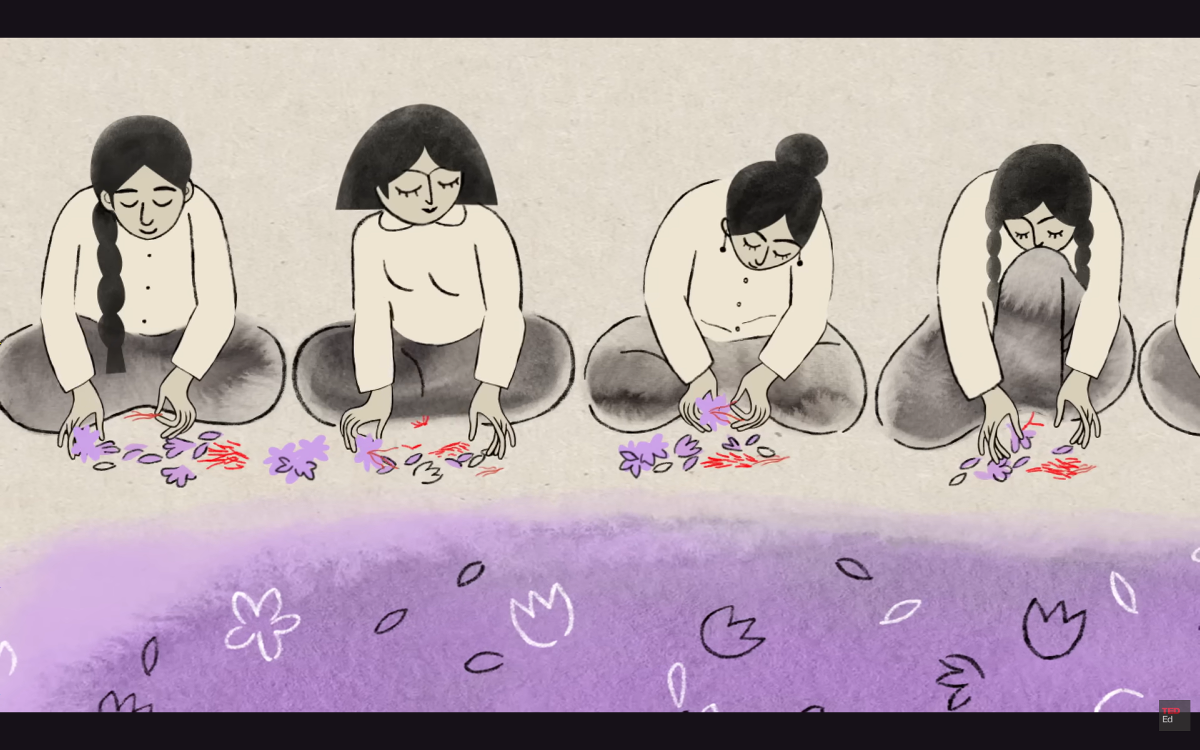
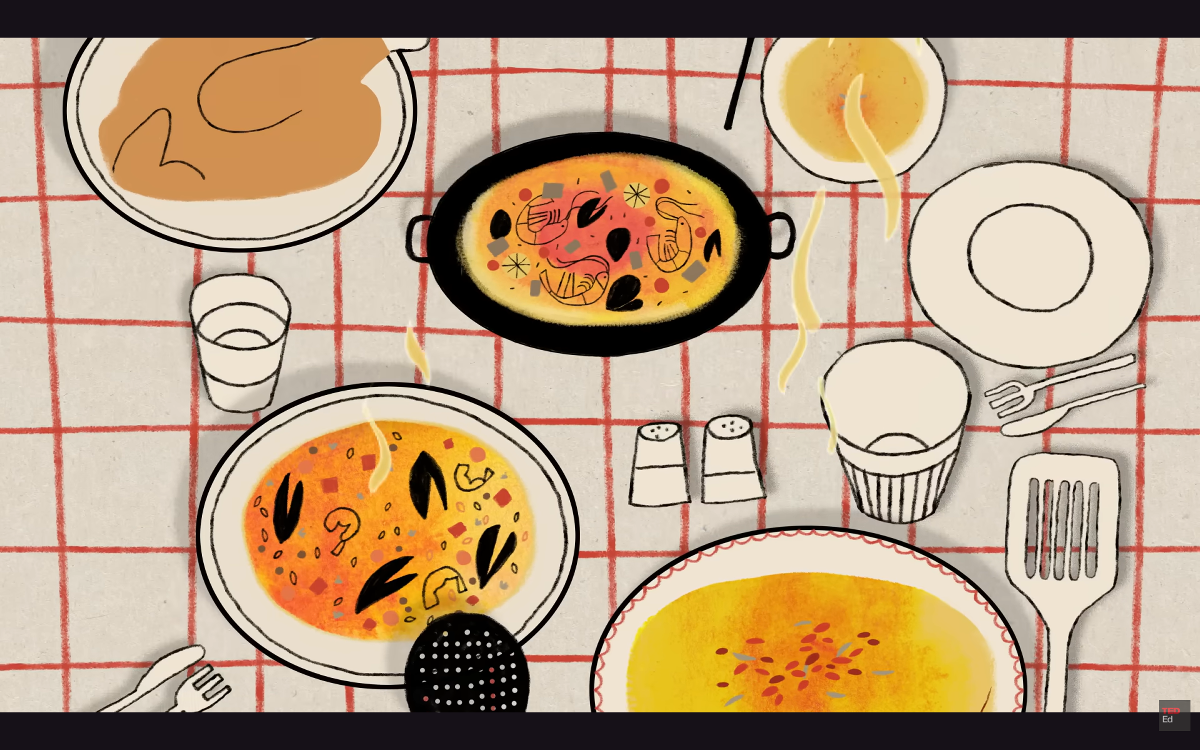
Saffron can add color and flavor to an entire dish even in small amounts, and is used in dishes such as Iranian rice dish 'Tachin,' Spanish paella, and French bouillabaisse. However, the amount of manual labor required and the low yield (only three stigmas can be obtained from a single flower) are factors that keep the price high.
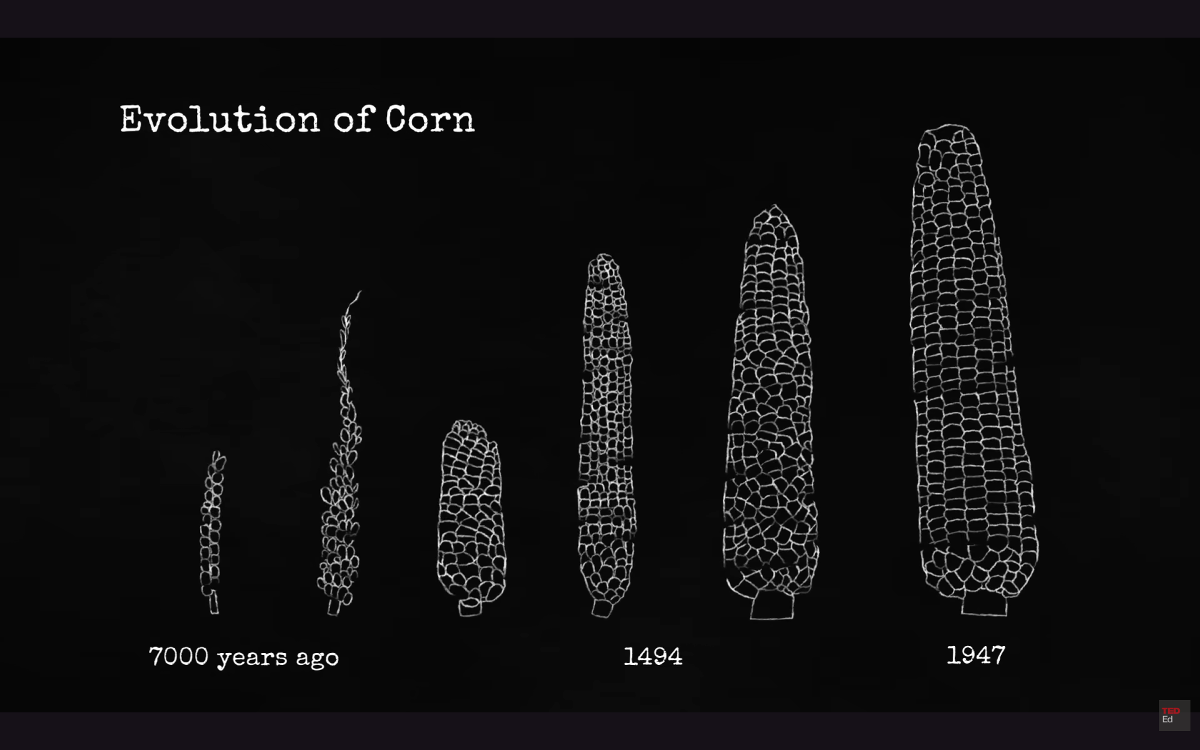
For many crops, including corn, humankind has repeatedly improved varieties over generations to increase yield and desirable traits.
However, because all Saffron Crocuses are clones that cannot produce seeds, selective breeding has not progressed, and even after thousands of years, the production method, which relies on manual labor, and the characteristic of having few stigmas per flower have remained largely unchanged.
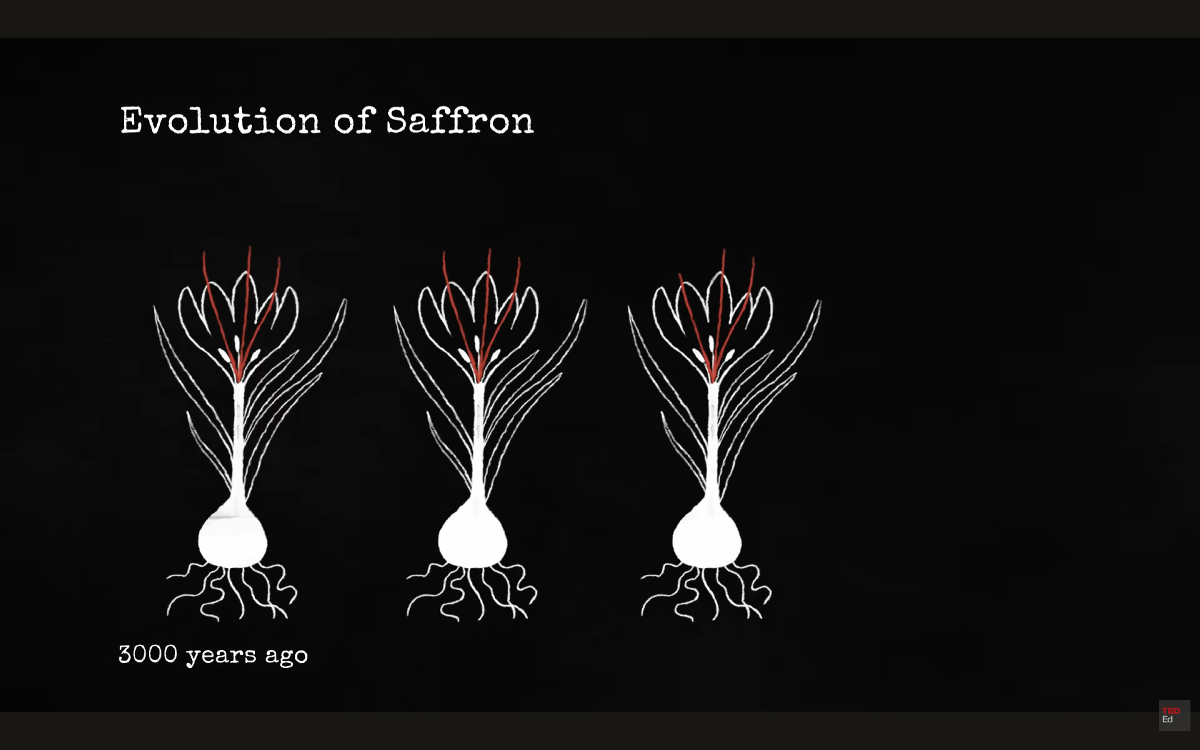
Some researchers are studying ways to improve the Saffron Crocus by artificially inducing mutations.
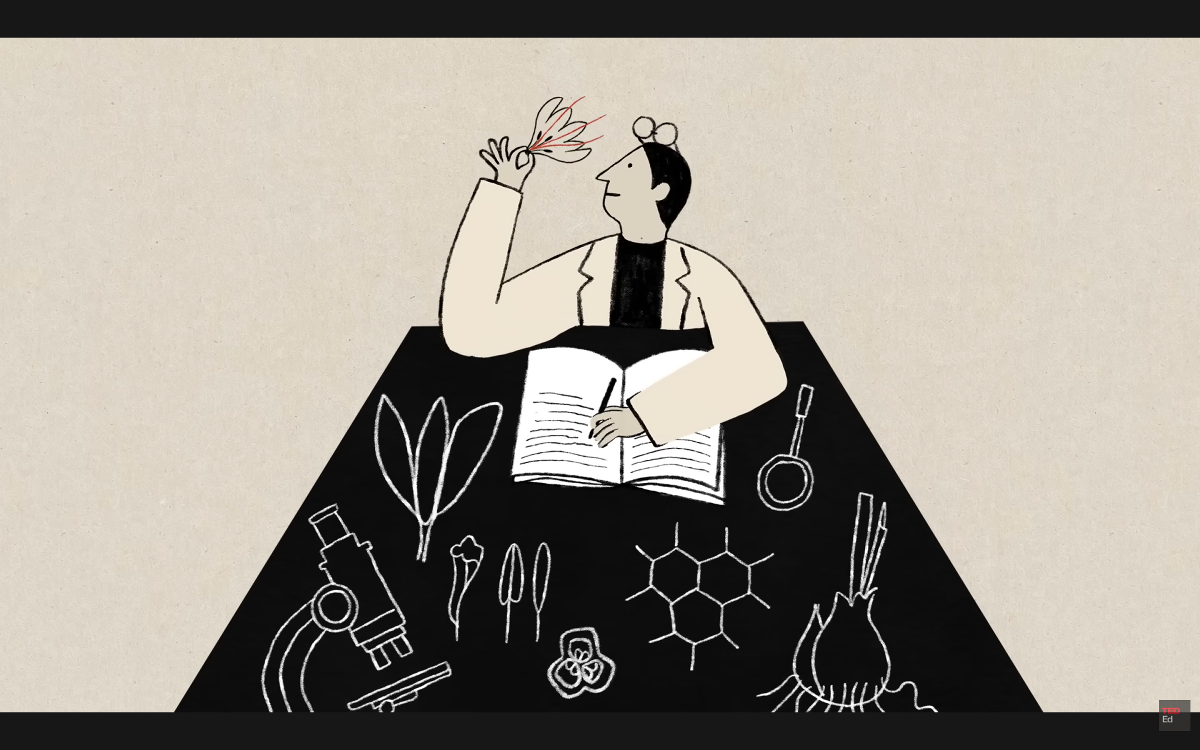
On the other hand, the unstable growing environment has made it more difficult to predict safflower crocus harvests than before. TED-Ed points out that not only the safflower crocus crop itself is threatened, but also the traditional way of life of the people who have protected this 'miraculous mutant' for thousands of years.
Related Posts: