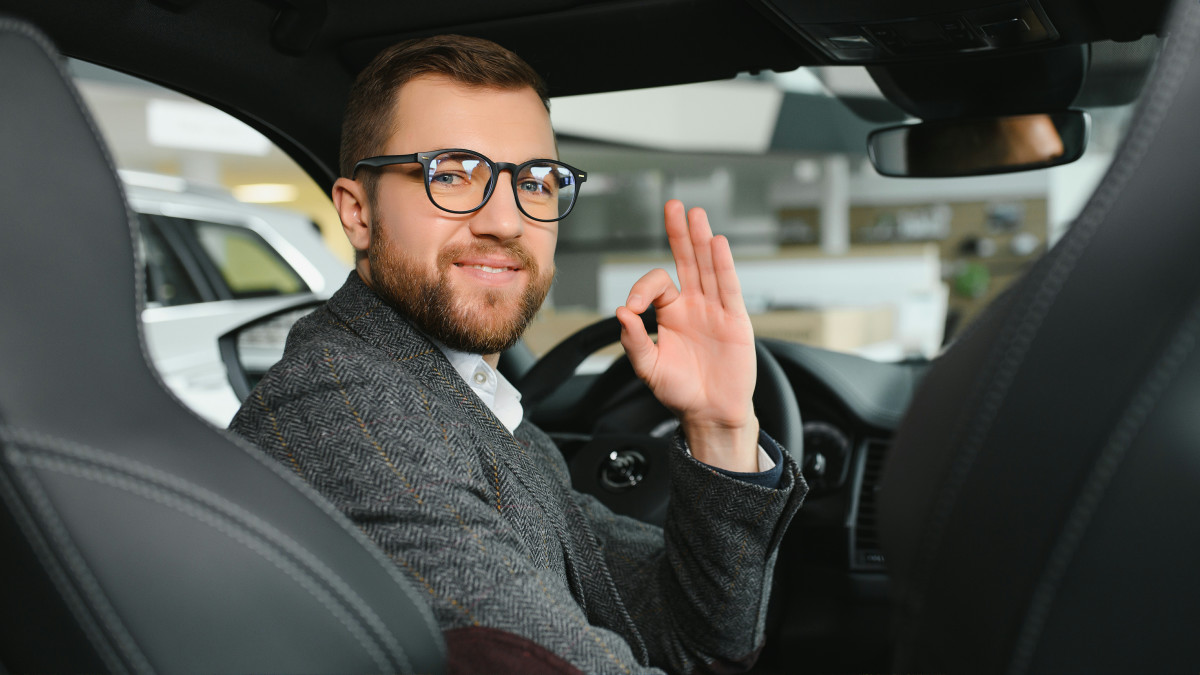
Research shows that people with higher intelligence tend to drive more eco-friendly cars.
Actions that benefit others or society as a whole are called
inquiry into the relationship between intelligence and prosocial behavior: Evidence from Swedish population registers | The Economic Journal | Oxford Academic
https://academic.oup.com/ej/article/135/668/1141/7914156
Intelligence found to predict prosocial behaviors like voting and charitable giving in massive study
https://www.psypost.org/intelligence-predicts-prosocial-behaviors-like-voting-and-charitable-giving-in-m/
Humans live in cooperation with many others, sharing resources with strangers on a daily basis and contributing to what economists call ' public goods .' Public goods are public assets that do not exclude anyone, do not compete with anything, and benefit everyone, including those who do not contribute to the cost burden or maintenance.
While maintaining these public goods and social systems is crucial in modern society, the reasons why people engage in prosocial behaviors that contribute to them have not been well understood. Some proposed theories suggest that 'people are able to act generously because they underestimate the personal costs associated with their actions,' while others suggest that 'the higher one's intelligence, the greater their ability to understand the perspectives of others through 'ethical reasoning,' and as a result, they are able to act ethically.'
In this study, economists at Uppsala University in Sweden investigated whether human intelligence can predict prosocial behavior. Much of the previous research on this topic has relied on self-reporting or laboratory games, but these studies may be influenced by subjects showing off or fail to reflect real-world behavior.
The research team then compared the results of cognitive ability tests with real-world behavior for a total of 1.2 million subjects registered in Sweden's administrative registry. Most of the subjects were men born between 1951 and 1979 who had taken cognitive function tests required when they enlisted in the military in their late teens.
The military cognitive ability tests measure logical thinking, language skills, spatial reasoning, and technical skills, and are said to be able to predict an individual's cognitive abilities throughout adulthood with high accuracy. In addition, the research team used a government-validated database to track participants' prosocial behaviors, such as donating, voting, and purchasing environmentally friendly cars, over several decades.
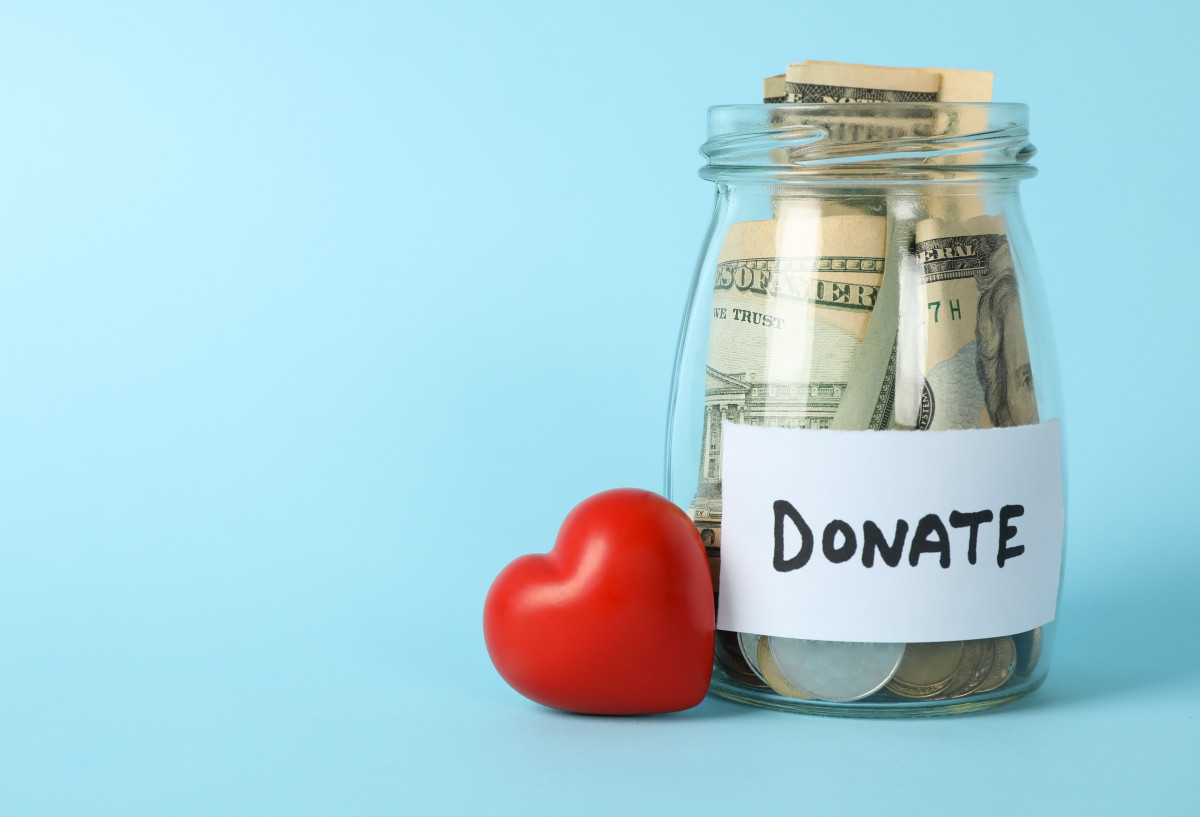
The Swedish government offers tax credits for donations to approved humanitarian organizations, and a system is in place to automatically record donations exceeding a certain amount, allowing researchers to determine how much a subject has donated to humanitarian aid. In addition, voter turnout in European Parliament elections is recorded, and it is also possible to investigate what kind of cars are being purchased from the country's vehicle registration records.
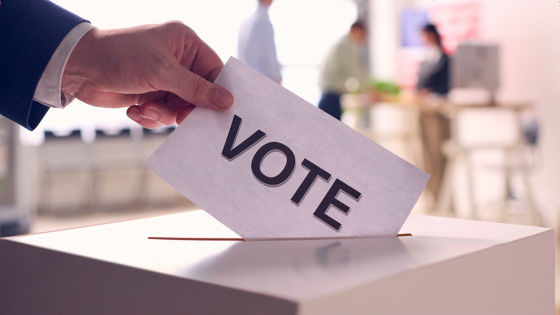
Analysis of the data revealed a strong positive correlation between cognitive ability test scores and all three prosocial behaviors. In men, a one-point increase in

The study showed that scores in logical thinking and language ability, in particular, predicted prosocial behavior. However, this alone does not prove a direct causal relationship that 'higher intelligence increases the likelihood of prosocial behavior.' For example, highly intelligent people may simply be more likely to be born and raised in affluent environments, and as a result, have the financial means to donate.
The research team then extracted 5,786 pairs of twins from the subjects. By comparing individuals who shared similar backgrounds, schools attended, and genetic characteristics, they were able to analyze the relationship between intelligence and prosocial behavior while excluding family environment.
As a result, although mathematical estimates declined, a positive correlation between intelligence and prosocial behavior was still observed. The older brother who scored higher than his twin brother on cognitive ability tests was more likely to donate to charities and vote. Furthermore, a positive correlation was also found with ownership of environmentally friendly cars, although the difference between the brothers was not statistically significant.
Furthermore, when the research team adjusted the statistical model to account for factors such as adult income, education level, marital status, and place of residence, they found that having received higher education can partially explain why highly intelligent people tend to engage in more prosocial behavior. It is thought that schools teach civic duties and provide students with opportunities to clearly recognize a wide range of social issues, which may consequently increase their likelihood of donating and voting.
Surprisingly, adult income did not explain the relationship between intelligence level and prosocial behavior. It is commonly believed that highly intelligent people earn more and are more likely to donate to charities or purchase expensive, environmentally friendly cars. However, the data collected in this study did not support this hypothesis.
It should be noted that this study focused on behaviors such as donating, voting, and purchasing environmentally friendly cars, but this does not encompass all prosocial behaviors. Therefore, it is possible that participants are helping people in other ways that were not measured, such as through community volunteering or direct assistance to neighbors.
Psychology-focused media outlet PsyPost stated, 'Future research should explore in detail how related mental traits, such as empathy, interact with general intelligence. Understanding these mental mechanisms will enable policymakers to design more effective awareness campaigns. If cognitive abilities influence how we address social issues like climate change, governments may need to tailor interventions to different segments of the population.'
Related Posts:






in Science, Posted by log1h_ik