Thirty years after the birth of the cloned sheep 'Dolly,' experts explain how far cloning technology has advanced.
By
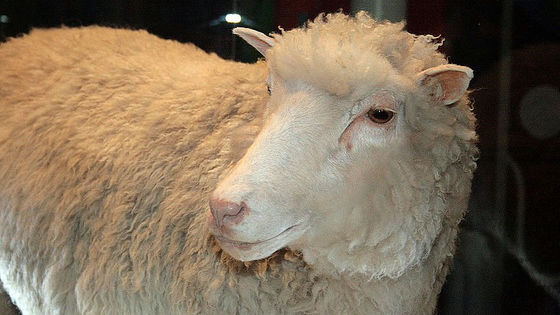
Dolly , the world's first somatic cell cloned mammal, was born on July 5, 1996, and will celebrate her 30th anniversary in 2026. In this article, Satana Duschanten, an academic expert and senior lecturer in cancer science and digital health at the University of Melbourne, explains how cloning technology has advanced and how it is being used in the modern era.
30 years since Dolly the sheep was born, where is cloning technology at now?
https://theconversation.com/30-years-since-dolly-the-sheep-was-born-where-is-cloning-technology-at-now-285886
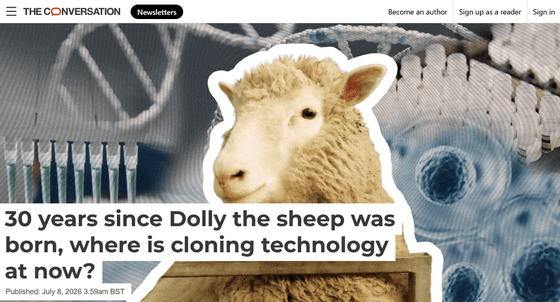
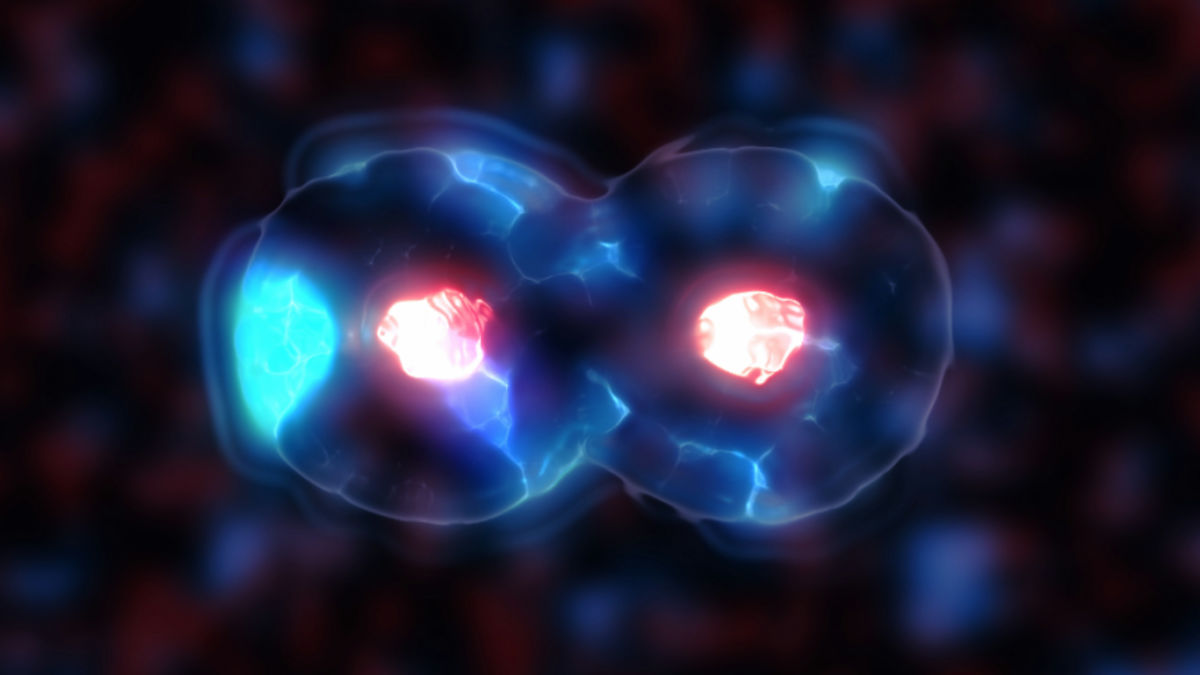
Most animal cloning is performed using a technique called 'somatic cell nuclear transfer.' In somatic cell nuclear transfer, cells that are not involved in reproduction are taken from the animal's body, and the cell nuclei containing DNA are removed. In Dolly's case, the donor cells were taken from her mammary gland. Next, an egg was taken from the ovary of another animal, and its nucleus was also removed. The nucleus of the first cell was inserted into the egg using an electrical pulse, and once the fused egg began to develop into an embryo, it was transplanted into the uterus of the surrogate mother animal. The nuclear DNA of the resulting animal will be almost identical to that of the original donor.
It is estimated that cloning Dolly required 277 attempts, and according to Duschanten, even today, for every successful clone, many reconstructed embryos may fail to develop. Furthermore, cloning still requires specialized equipment, donor cells, eggs, and surrogacy, making it expensive and difficult to scale up, thus rendering mammalian cloning still inefficient.
Furthermore, the biggest challenge in cloning technology is not the replication of genes, but the reprogramming of living cells, known as ' epigenetic reprogramming .' Cells contain not only genes, but also environmental factors and experiences that influence growth and behavior. Information about which genes to activate, rather than just the DNA sequence itself, is recorded in cells. Reprogramming living cells to forget their specialized roles and behave like an embryo immediately after fertilization is difficult, and because the reprogramming is often incomplete, many cloned embryos do not develop normally.
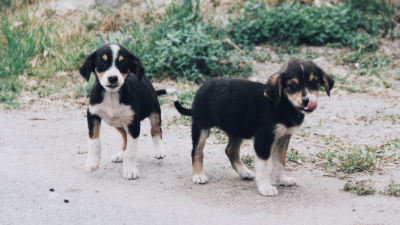
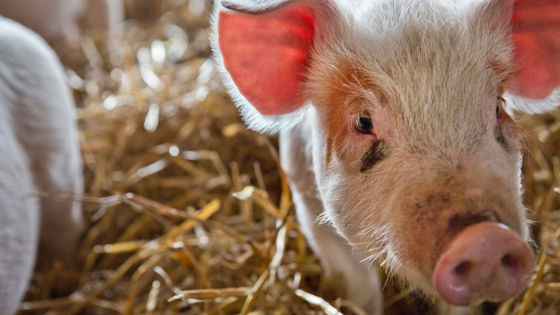
Cloning technology is sometimes used in the livestock industry to breed animals with valuable traits such as superior genes, high productivity, and disease resistance. In Australia, horse cloning is permitted and is used in various fields, including preserving bloodlines, saving the genes of endangered species, and developing top-class racing horses for sporting events. In countries such as China and the United States, pet clones of cats and dogs are commercially available. However, potential health risks and ethical issues have been raised regarding cloned pets.
Celebrities cloning their pets endangers animal health and well-being, according to GIGAZINE.

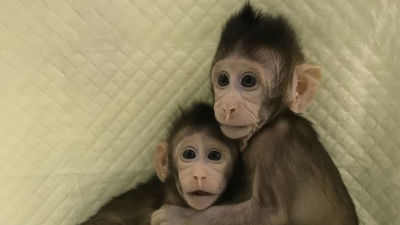
In 2018, a research team from the Chinese Academy of Sciences announced the creation of a nearly identical clone of a crab-eating macaque, the first clone of an animal belonging to the same 'primate' group as humans. In 2024, Chinese researchers also succeeded in cloning a rhesus macaque for the first time in the world. While it was hoped that primate cloning would contribute to human health and medicine, animal rights activists also expressed ethical concerns.
Two identical cloned monkeys have finally been born in China - GIGAZINE
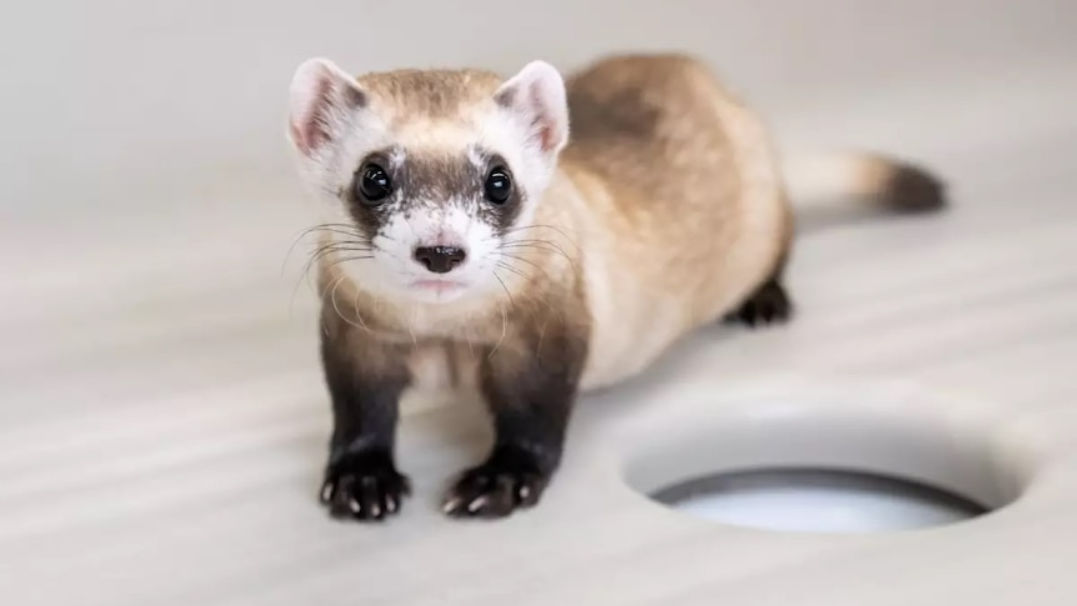
Another promising application of cloning technology is supporting the recovery of endangered species populations. In 2020, the U.S. Fish and Wildlife Service announced the successful cloning of two endangered black -footed ferrets native to North America. On the other hand, Duschanten points out that cloning requires a complete genome, suitable egg cells, and a closely related surrogate species, making it nearly impossible to revive ancient species that went extinct thousands of years ago, whose genes are often damaged. However, research is progressing to incorporate some of the characteristics of extinct animals into existing closely related species.
While cloning technology could potentially help restore lost genes in endangered species, overproducing genetically similar animals could increase their vulnerability to disease. Furthermore, animal cloning has a high failure rate, and unacceptable risks can arise for embryos, surrogate mothers, and cloned animals. Therefore, even 30 years after the first cloned animal, Dolly, human cloning remains unrealistic and is prohibited or severely restricted in many countries due to ethical concerns.
Duschanten said, 'Thirty years after Dolly's birth, the knowledge gained from Dolly's cloning technology has greatly advanced the fields of disease research, agriculture, and nature conservation. However, cloning technology remains challenging, and questions still remain about safety, regulation, and whether certain applications should even be pursued in the first place.'
Related Posts: