Google Image Search is undergoing a revamp to celebrate its 25th anniversary, enabling image generation using 'AI-powered summaries.'
To coincide with the 25th anniversary of Google Image Search, Google has announced a new home screen that allows users to browse images on the web before searching, and a feature that generates images in the 'AI-generated summary' of search results. The service will be revamped to allow users to not only search for images, but also to browse images that match their interests and generate the images they want on the spot.
Google Images: 25 years of visual search innovation
Google revamps image search for its 25th anniversary with more images and more AI - Ars Technica
https://arstechnica.com/google/2026/07/google-revamps-image-search-for-its-25th-anniversary-with-more-images-and-more-ai/
It is said that the inspiration for Google Image Search came from the green Versace dress worn by singer Jennifer Lopez at the 2000 Grammy Awards. At the time, Google search displayed a series of blue text links, but many users were searching for actual photos of the dress, not descriptions of it.
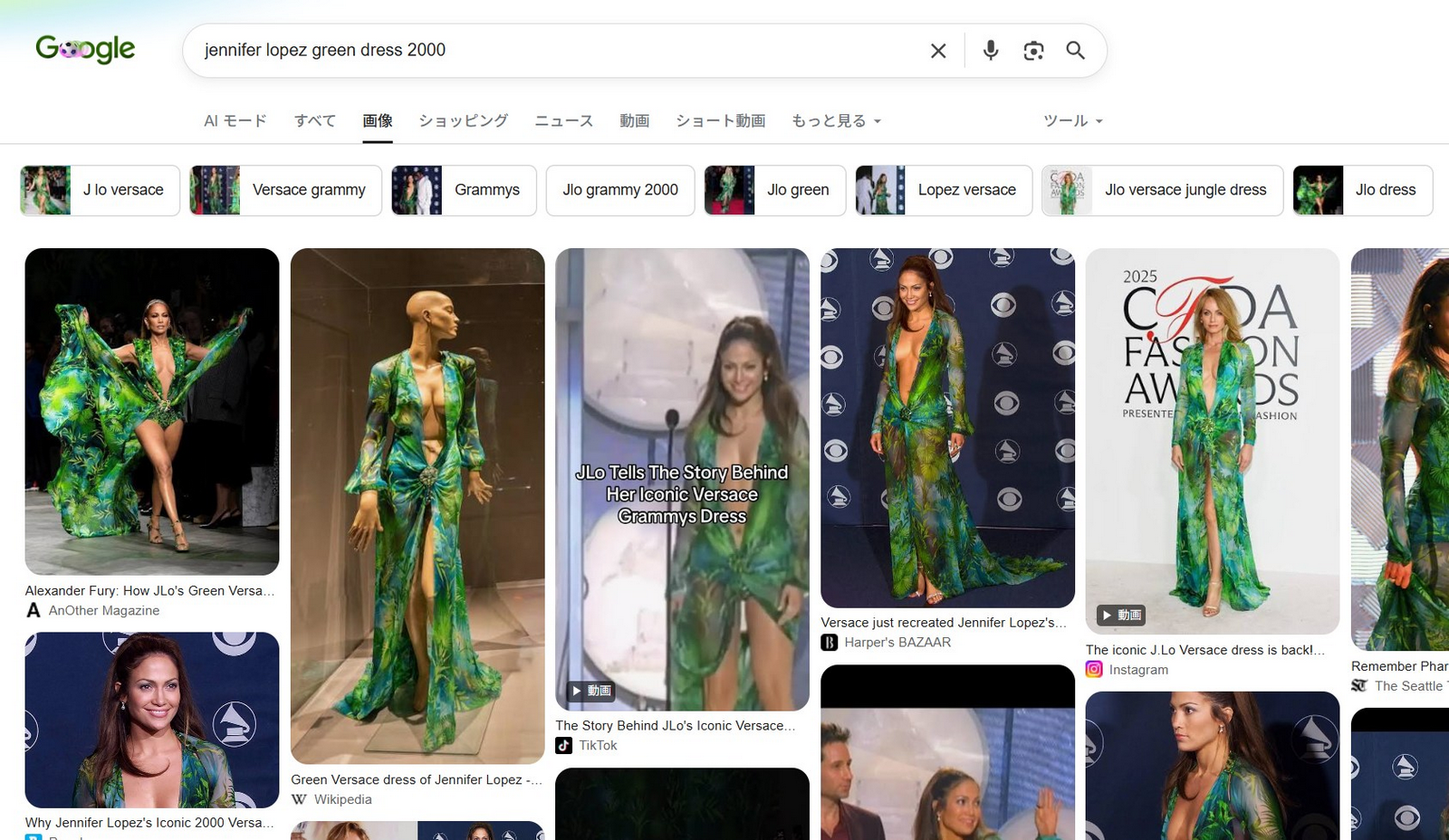
Responding to this demand, Google launched Google Image Search in July 2001. Its system, which directly displays images from the web in search results, made it possible to search for visual information using text as a clue.
In 2009, the 'Similar Images' feature was introduced. For example, if you search for 'bow' in English and the search results include both ribbon hair accessories and bows and arrows, you can now select the desired image and search for similar images, narrowing down the results to images closer to your goal without having to re-enter your search terms.
In 2011, 'Search by Image' was introduced, which treats the image itself as a search term. By uploading an image file or pasting a URL, users can find the source of the image, the webpage where the image is posted, and similar-looking content.
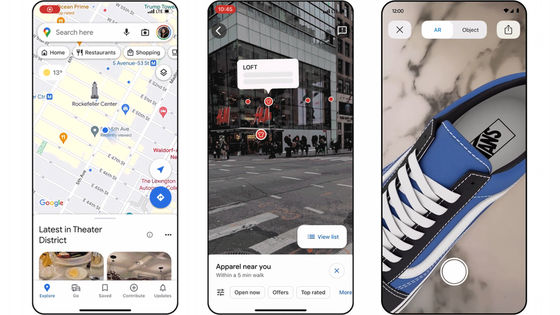
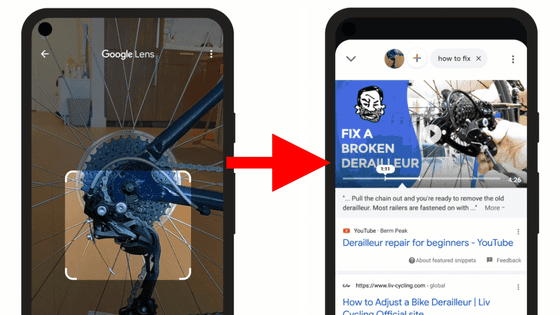
In 2018, Google Lens, which allows users to search for objects and text in their surroundings using their smartphone camera, was integrated into search. Users can now find out what kind of object their camera is pointing at, translate text, and open product sales pages without having to type anything.
In 2022, Google Lens added 'Multi-Search,' which combines images and text for searching. You can ask questions like, 'What inspired this design?' when looking at a photo of a building, or add the word 'coffee table' to a photo of a table to find similar furniture. This allows you to supplement your search intent with text, which can be difficult to convey with images alone.
In 2024, 'Search by Circle,' a search feature that allows users to search by circling, tracing, or tapping on items displayed on the Android device screen, was introduced. It enables searching of images and text displayed without switching apps, and according to Google, it is available on over 580 million Android devices worldwide.
By 2025, Google Lens and the AI mode of search will be combined to answer questions that take into account the entire scene in a photo, not just a part of it. Google analyzes the context of the entire image using a technique called 'visual search fan-out,' which divides a single image into multiple elements and performs numerous searches on each element.
In the same year, 'Search Live' was also released, allowing users to share their smartphone's camera footage with AI mode while asking questions via voice. Because the video can capture movement and surrounding conditions, users can consult with a search service about things like cooking tasks or equipment problems, almost as if they were having a video call.
Search Live: Home Theater - YouTube
Furthermore, the AI mode now includes a visual search function that displays related images and available products in a grid format, based on conversational descriptions of what you want. Even with vague requests like 'barrel jeans that aren't too baggy,' you can find images and products that closely match your criteria.
By 2026, the 'Kako-te Search' feature will be able to simultaneously recognize multiple objects within a single image. You can search for multiple items that make up an entire outfit, or search for all objects that appear in the same scene at once.
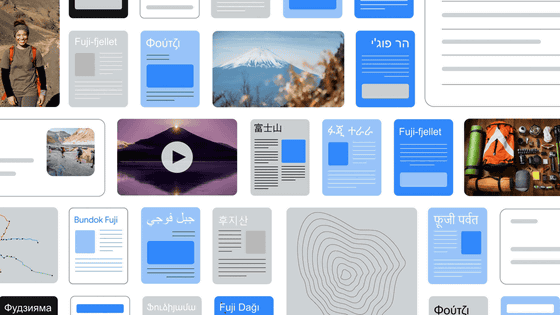
The newly announced Google Image Search home screen will feature a dynamic gallery of images collected from the web, in addition to the search box. The gallery will update in real time, and the displayed content will be adjusted to match the user's interests, which will be estimated from their Google search and browsing history.
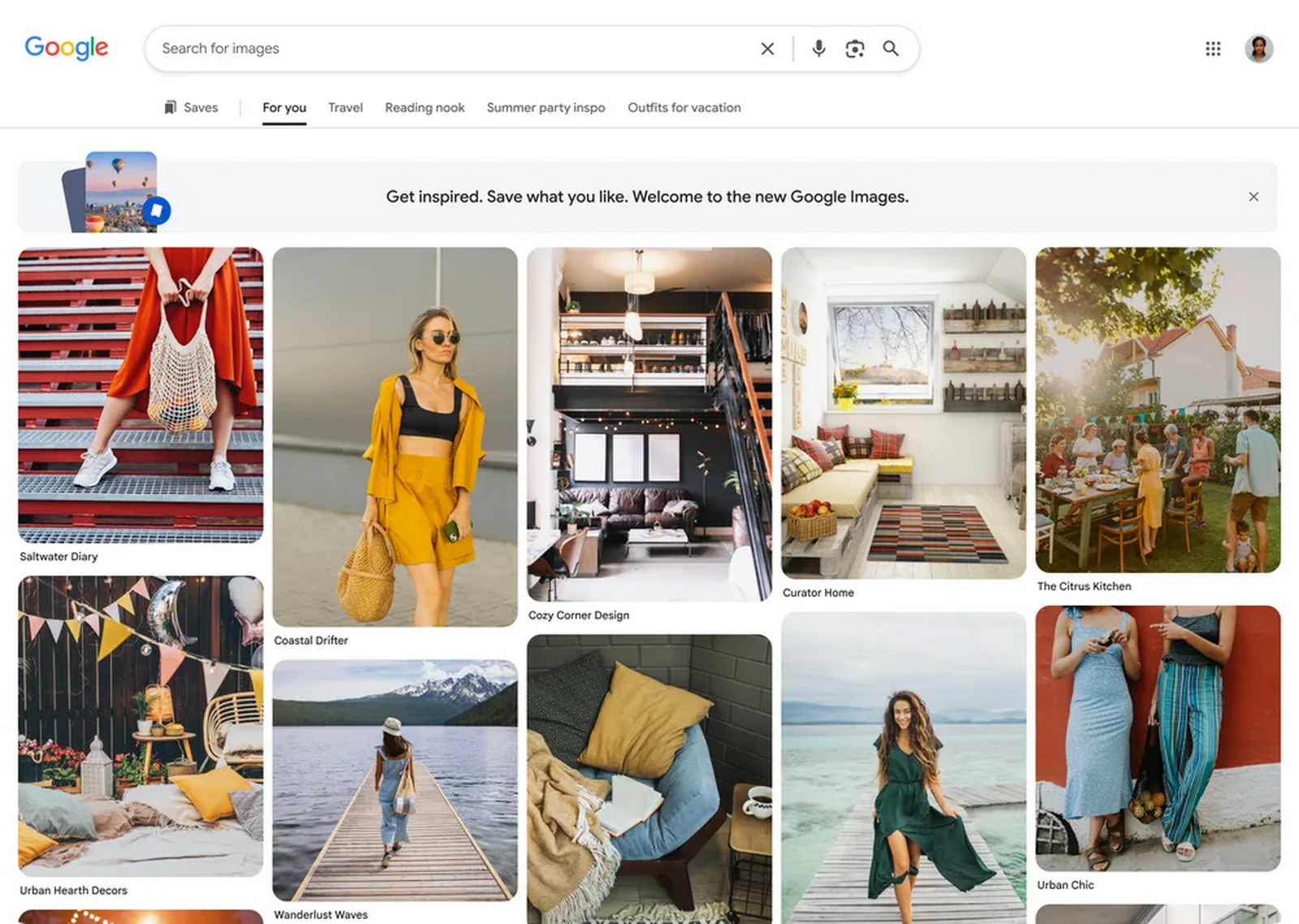
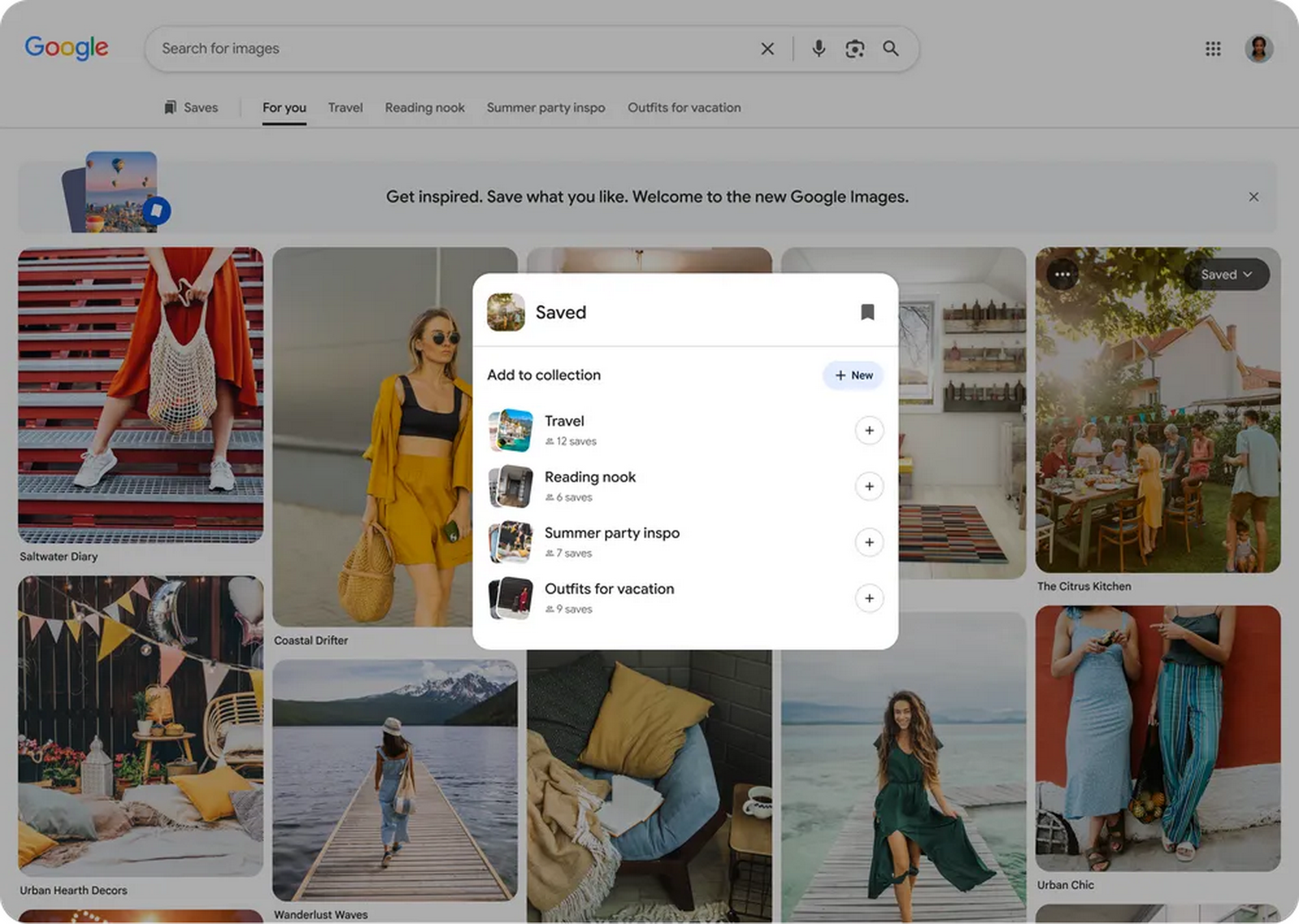
Images and ideas found in the gallery can be saved to 'Collections,' which will appear as tabs at the top of the main gallery. This makes it easier to return to previously saved themes or continue exploring based on images that caught your eye. The new home screen will be rolled out over several weeks starting in July 2026, initially for the English desktop version in the United States.
In addition to its image search function, Google is also introducing a feature that generates new images within search results. By providing textual instructions for the desired image using the 'AI Summary' function, the image generation model 'Nano Banana' will create an image from scratch that matches those instructions.
This image generation feature will be rolled out gradually over the next few weeks to English-language Google Search in regions where AI-mode image generation is available. Meanwhile, technology news site Ars Technica points out that the appearance of generated images within the 'AI summary' could push regular search results even further down the screen.
Related Posts:

in AI, Video, Web Service, Posted by log1i_yk