The interior of 'Kinetic Cyber Range,' a small town built by the FBI to simulate cyberattacks, has been opened to the public.
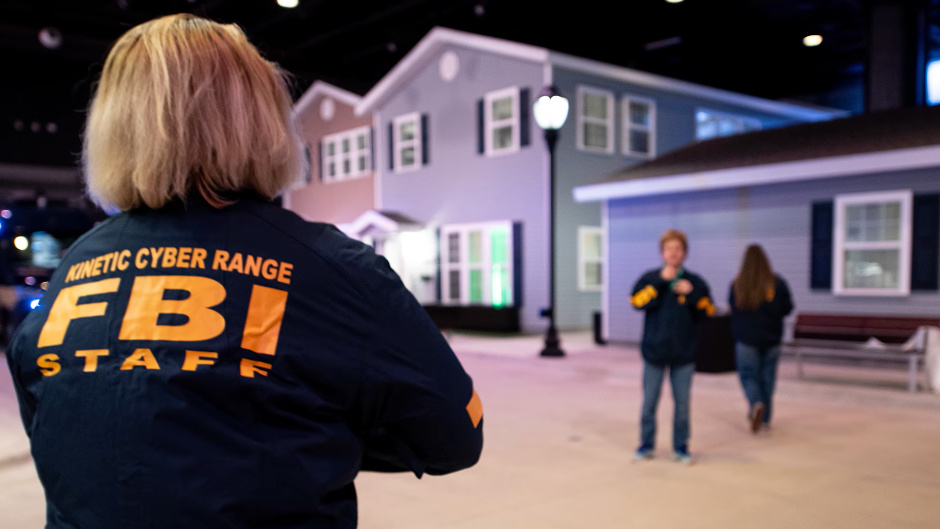
In February 2025, the FBI established Kinetic Cyber Range , a virtual city designed to enhance the digital investigative capabilities of investigators, analysts, and forensic specialists. In June 2026, the interior of Kinetic Cyber Range, which has trained more than 1,400 trainees since its inception, was opened to the public for the first time, and the FBI spoke about the details of the training.
Inside the FBI's Kinetic Cyber Range — FBI
Inside the FBI's Kinetic Cyber Range - YouTube
For many years, digital investigations at the FBI typically involved learning tools and techniques at a desk and then applying them in the field. However, real-world scenarios require investigating by linking facilities, equipment, and networks—such as homes, hotel rooms, power companies, and hospitals—to crimes and incidents.
Therefore, in February 2025, the FBI opened the 'Kinetic Cyber Range,' a training facility with an area of approximately 2,040 square meters, roughly the size of five basketball courts.
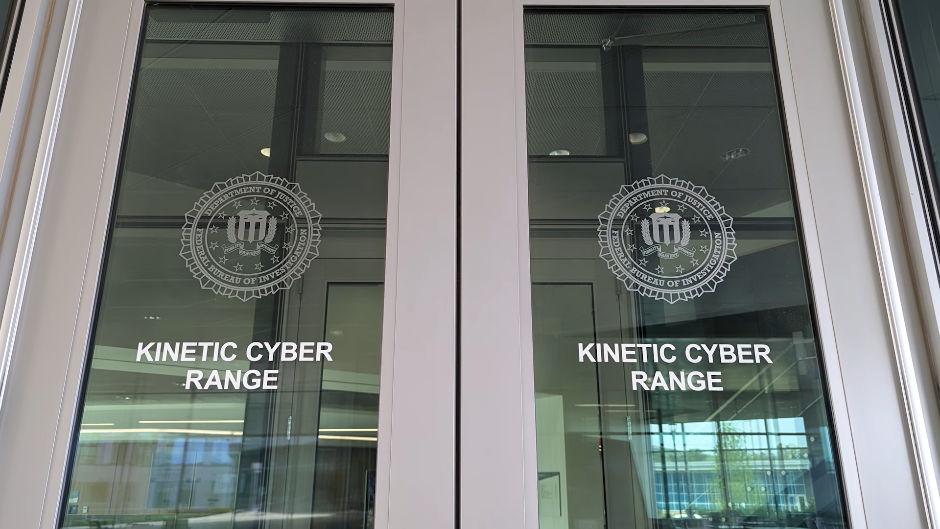
Dave Beachboard of the FBI, who manages Kinetic Cyber Range, said, 'This is the most realistic training people can get before they go out into the field. Previously, everything was theory-based, and there was no need to leave the classroom at all. But in one data center, there are more than 200 servers running, some running Windows, some running Linux. So by solving investigation scenarios in Kinetic Cyber Range, trainees can experience what it's like to investigate a data center.'
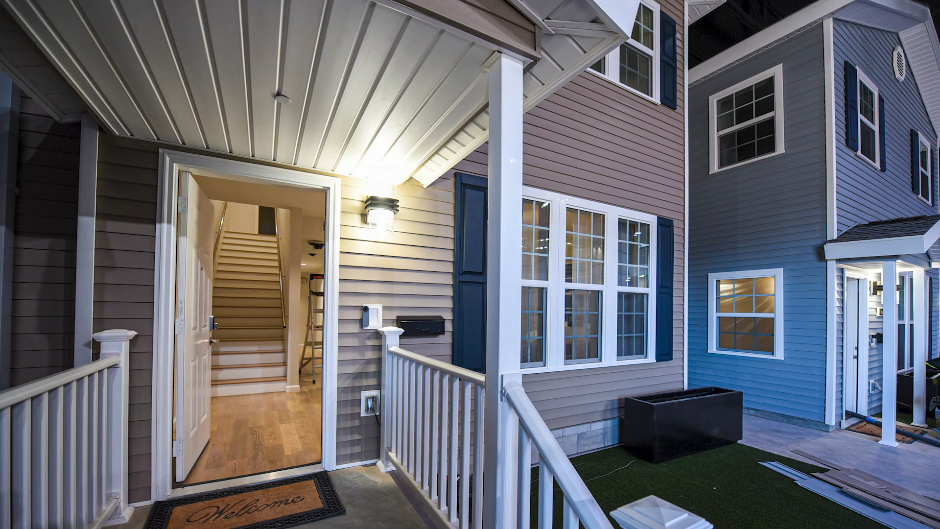
And here's a look inside the newly revealed Kinetic Cyber Range. A furnished house has been constructed, and in one scenario, trainees walk around a house filled with multiple internet-connected devices, practicing deciding what to seize and what to leave behind.
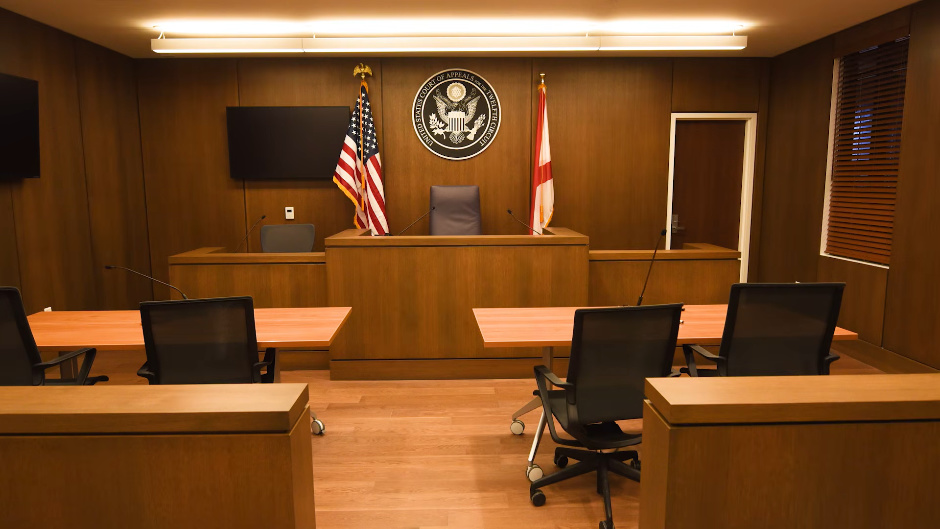
Other than that, there's the courthouse.
Hotels, gas stations.
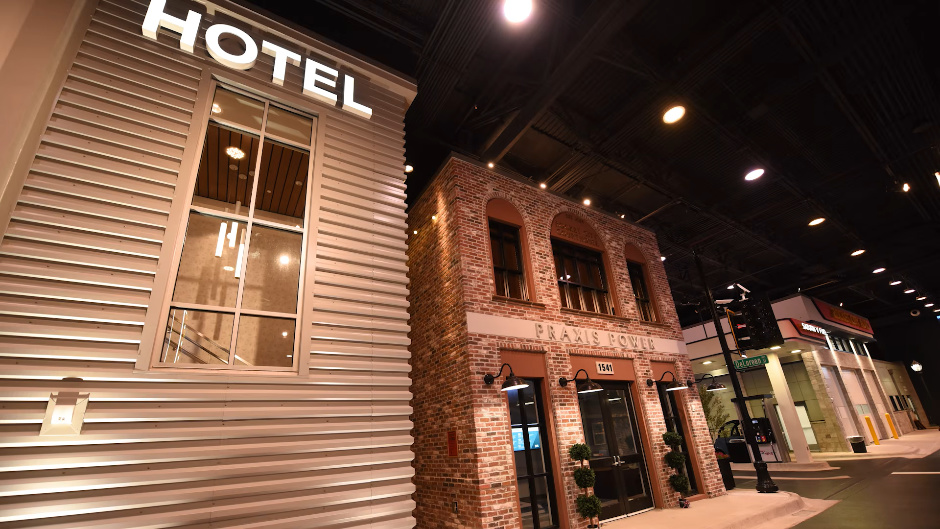
There are data centers, business centers, and arcades, among other things.
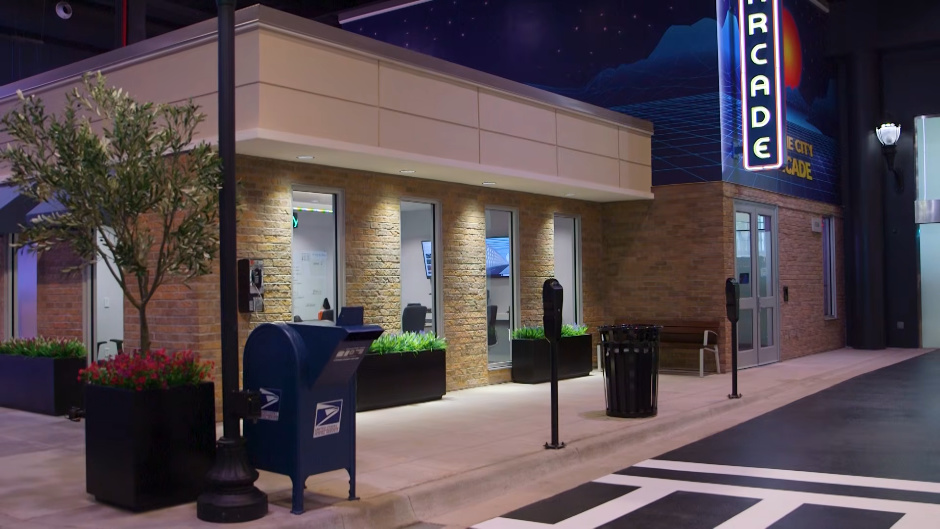
According to Beachboard, these facilities are designed to be as realistic as possible, not only in appearance but also in terms of the systems that operate within them.
The goal is not only to acquire technical skills by conducting exercises with concrete scenarios in a realistic setting, but also to cultivate the ability to apply those skills under stressful situations, as well as to develop judgment and self-control. The scenarios are based on past case studies and are designed to be as realistic as possible.
Stephanie Cascioppi, who leads the unit that runs the cyber training, said, 'For our investigations and operations to be successful, it is essential that personnel from various specialties that make up our cyber unit work together. In one scenario, trainees communicate with role-playing participants who play the roles of managers, executives, and legal teams, and practice explaining their response and the reasons behind it. In another scenario, a simulated ransomware attack locks down a hospital's network, forcing them to deal with both technical and human challenges. We want trainees to experience failure in the Kinetic Cyber Range. This is a learning opportunity.'
Kinetic Cyber Range is not an FBI-only facility; NASA, the U.S. Army, and several local law enforcement agencies also conduct training there.
Related Posts: