A study suggests that masturbation in birds is a natural sexual behavior, not a problematic one.
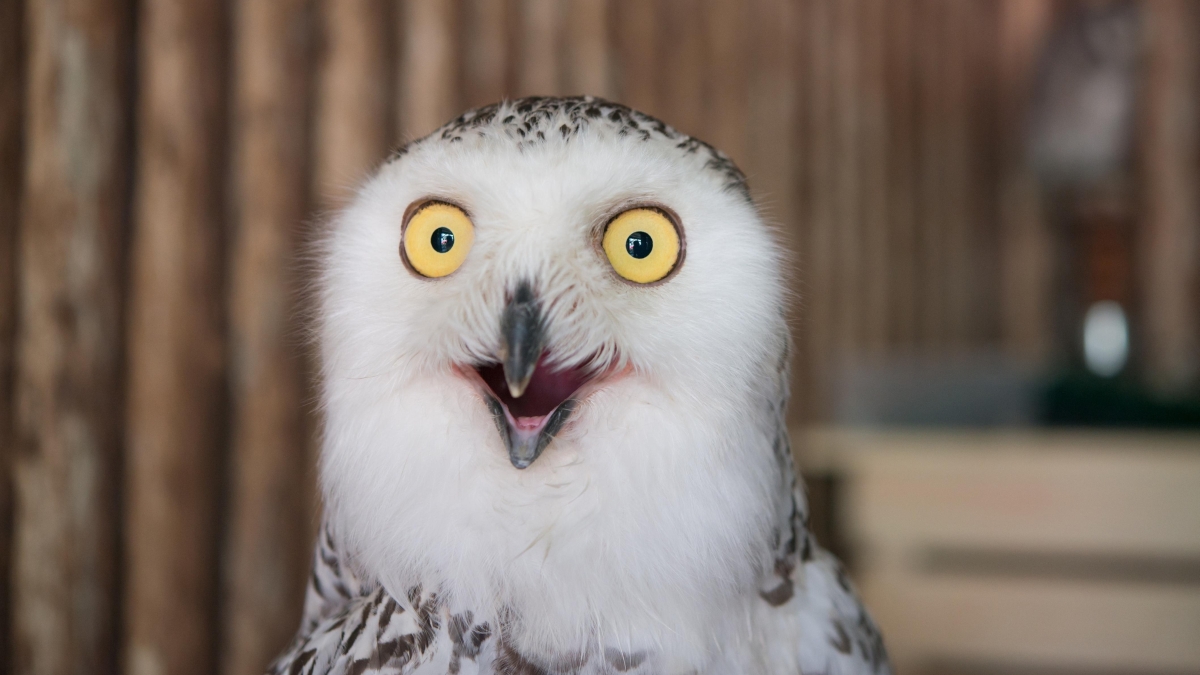
Pet owners may worry that their parakeets or parrots rubbing their bodies against branches or toys is a sign of stress or illness. However, a paper published on May 31, 2026, suggests that this type of masturbation may not be a problem behavior but rather a natural part of sexual behavior.
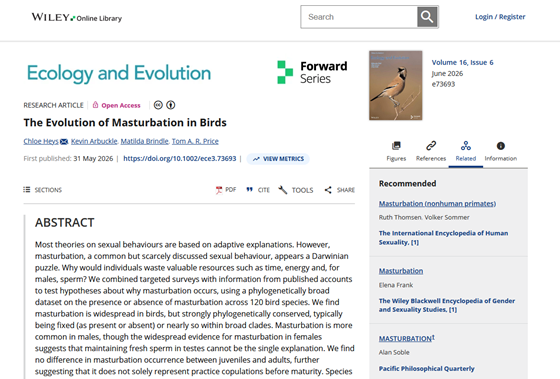
The Evolution of Masturbation in Birds - Heys - 2026 - Ecology and Evolution - Wiley Online Library
Masturbation in pet birds is natural and should not be punished | Department of Biology
https://www.biology.ox.ac.uk/article/masturbation-in-pet-birds-is-natural-and-should-not-be-punished
Masturbation among birds is 'natural' and should not be punished, say experts | Birds | The Guardian
https://www.theguardian.com/science/2026/jun/01/masturbation-birds-natural-healthy-behaviour-study
A joint research team led by evolutionary ecologist Chloe Hayes of the University of Lancashire, along with researchers from Swansea University, Oxford University, and Liverpool University, investigated whether masturbation in birds is a harmful behavior caused by stress in captivity, or whether it is part of natural sexual behavior.
Masturbation in birds is observed as rubbing the cloaca (the opening used for both excretion and reproduction) against branches, twigs, toys, and other objects. According to the research team, masturbation in pet parakeets and parrots has previously been considered a 'harmful behavior caused by unnatural living conditions,' and attempts have been made to stop it through dietary changes, medication, hormone therapy, and in extreme cases, surgery.
In addition to reviewing scientific literature, the research team surveyed bird keepers and breeders, and collected cases reported in online communities. Analyzing the data collected from 120 bird species and 22 major bird groups, they found that masturbation was involved in 55% of male records and 36% of female records. Speaking to the major daily newspaper The Guardian, Hayes explained, 'Males are seen rubbing their bodies against perches or toys, while females are seen raising their tails and retreating towards objects.'
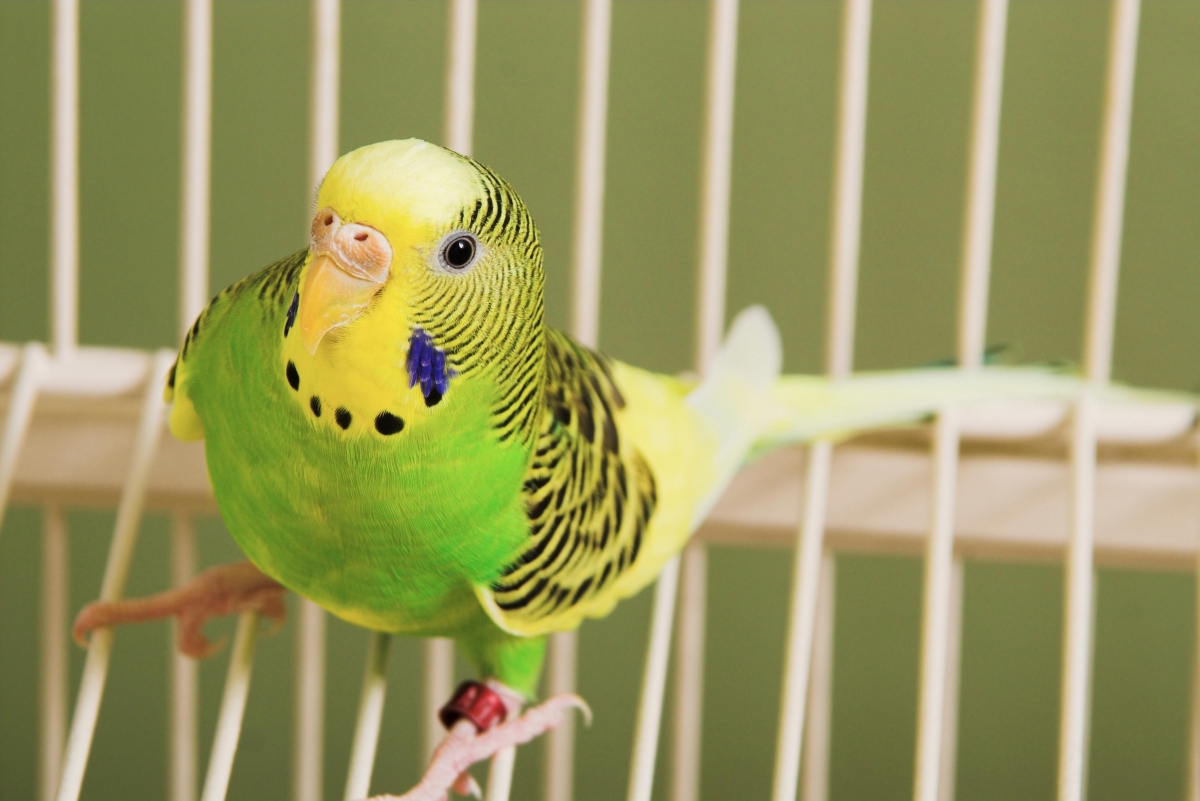
Since masturbation was observed in both juvenile and adult birds, and there was no significant difference between the two groups, the research team concluded that masturbation in birds cannot be explained solely by 'mating practice.'
The research team was particularly struck by the fact that masturbation was reported more frequently in wild birds than in pet birds. Hayes commented, 'Masturbation in pet parrots and other birds has been thought to be a result of solitary living. However, our research has shown that this behavior is a natural and healthy behavior widely observed in diverse bird species in various environments.'
Furthermore, it was found that species that are socially monogamous or form long-term pairs tend to masturbate less, while species that mate with multiple partners tend to masturbate more.
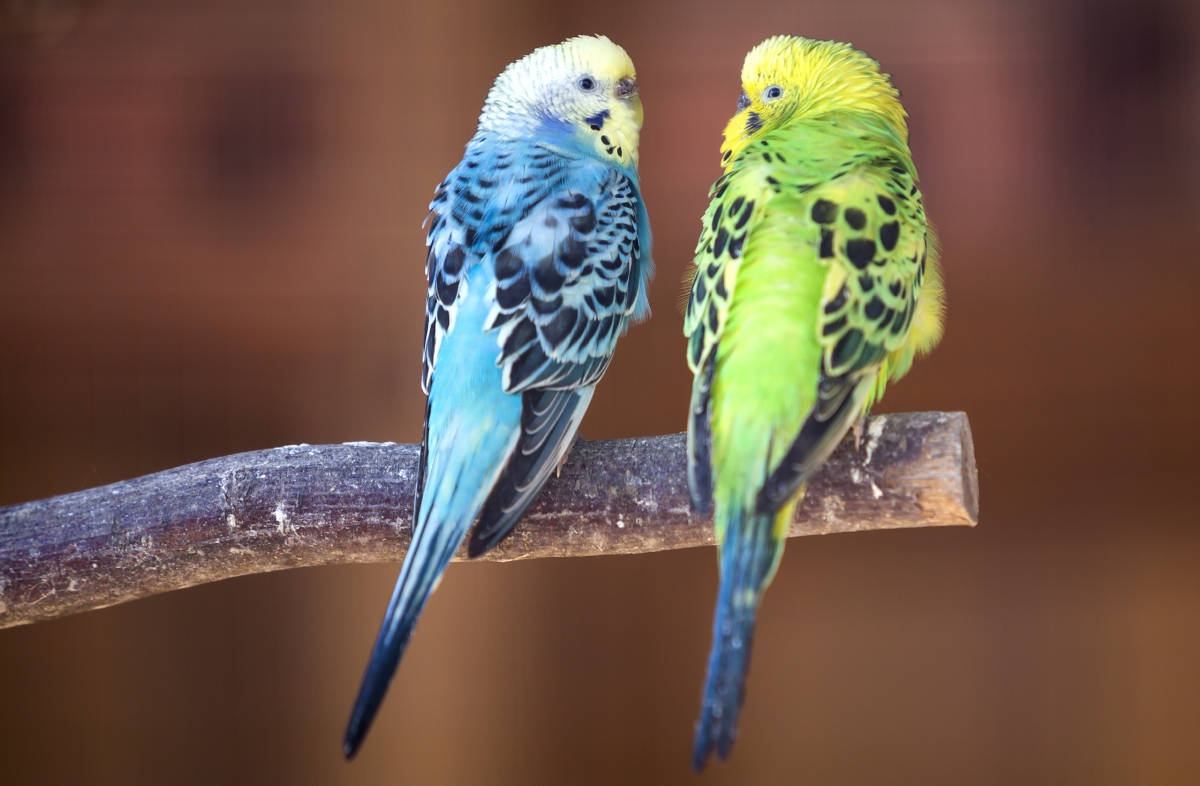
The research team points out that masturbation consumes time and energy, and in the case of males, it also consumes sperm, so 'at first glance, it seems like an action that would lower the reproductive success rate.' Nevertheless, they are investigating the reasons why masturbation is observed in many animals, such as the possibility that it is a response to strong sexual urges or that it has a function that increases future reproductive success.
Related Posts: