Yeast suitable for bread making was discovered in the body of 'Iceman,' and the research team succeeded in creating a sourdough starter from the yeast derived from Iceman.
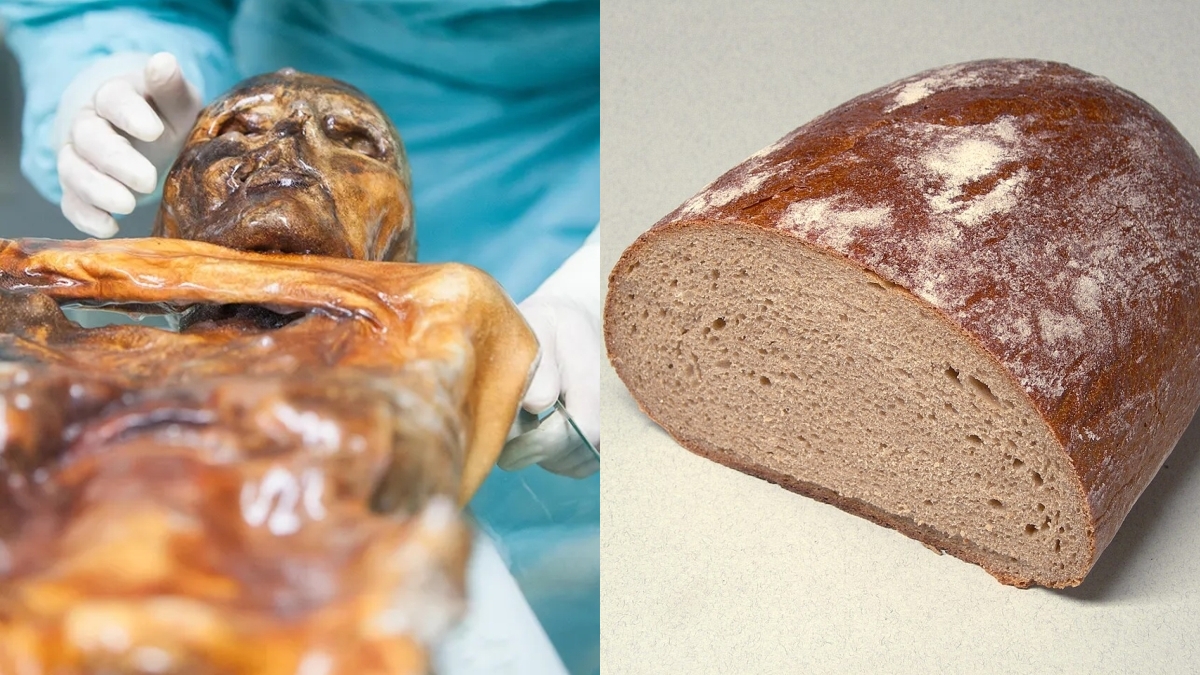
Yeast that could potentially be used for bread making has been found in the body of the '
The Iceman's microbiome: unveiling millennia of microbial diversity and continuity | Microbiome | Springer Nature Link
https://link.springer.com/article/10.1186/s40168-026-02417-6
Ötzi and his microbiome: a 5300-year-old relationship - EurekAlert!
https://www.eurekalert.org/news-releases/1129908
'It was very very good': Ötzi the Iceman's body is covered in ancient yeast — and scientists just used it to make a sourdough | Live Science
https://www.livescience.com/archaeology/it-was-very-very-good-otzi-the-icemans-body-is-covered-in-ancient-yeast-and-scientists-just-used-it-to-make-a-sourdough
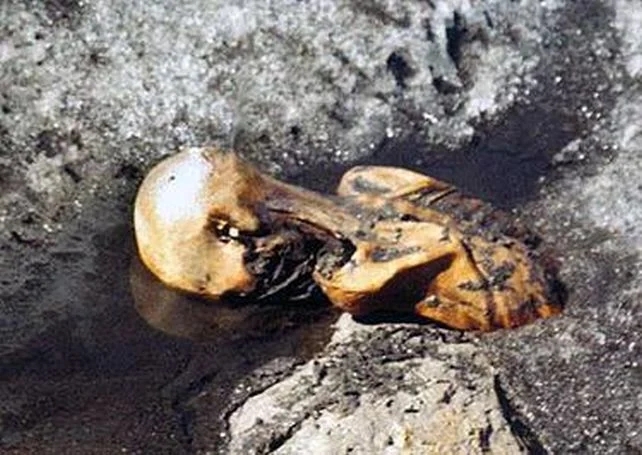
The Iceman is a mummified male body discovered in September 1991 in the Ötz Valley near the border of Italy and Austria. Initially thought to be the remains of an ordinary shipwrecked person, investigations revealed it to be a man approximately 5,300 years old. Later, an arrowhead was found in his left shoulder, indicating that he died from blood loss due to arterial damage.
by
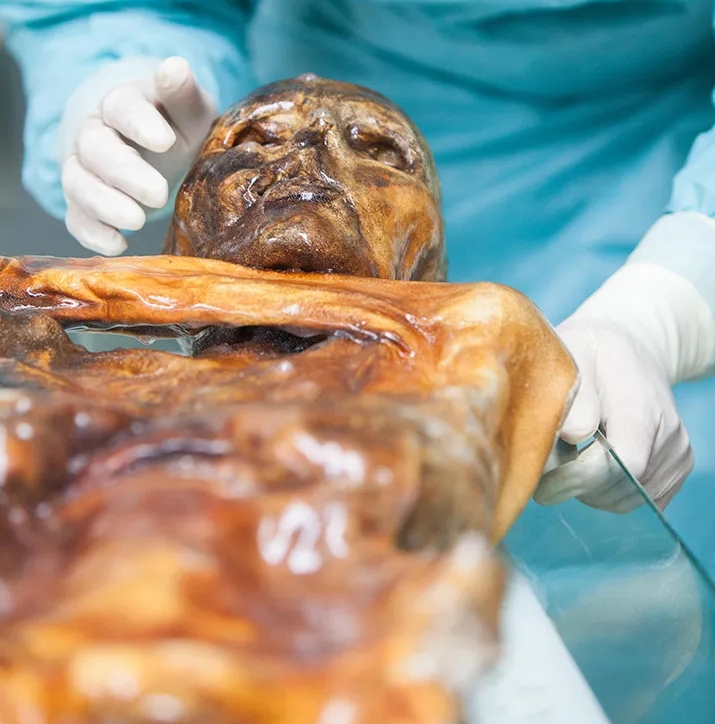
The Iceman is preserved in the South Tyrol Archaeological Museum in Bolzano, Italy, in an environment of -6 degrees Celsius and 99% humidity. Furthermore, water is sprayed onto the Iceman during preservation to prevent it from drying out.
by South Tyrol Museum of Archaeology/Eurac Research/Marion Lafogler
A research team led by Mohammed S. Salhan of the Mummy Institute at Eurac Research, a research institution based in Bolzano, Italy, analyzed swabs taken from the Iceman's body surface, meltwater extracted from his body, skin and tissue fragments, the preservation environment, and the soil at the discovery site.
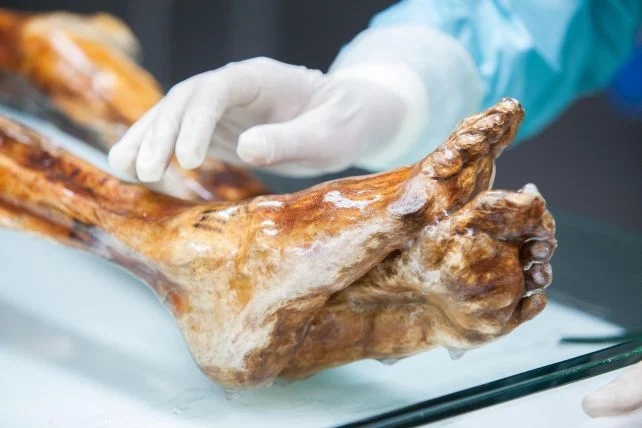
As a result, while the Iceman's internal tissues contained a microbial community similar to ancient gut bacteria, yeast adapted to cold environments such as the Antarctic, Arctic, and Alps was found on his body surface and in his meltwater. The four types of yeast extracted from the Iceman's body by the research team were Glaciozyma watsonii, Mrakia robertii, Phenoliferia glacialis, and Goffeauzyma.
by
What the research team is particularly interested in is the possibility that these yeasts are not simply 'traces of dead microorganisms.' When the research team compared skin samples from 2010 and 2019, they found an increase in Graciozyma, a type of psychrophilic yeast, and that the 2019 samples showed less DNA damage and characteristics closer to a relatively fresh state. 'These yeasts accompanied the Iceman on his journey over thousands of years,' says Frank Miksner of the research team. However, it is not yet known whether the yeasts remained active for 5,300 years, or whether dormant yeasts reactivated after thawing.
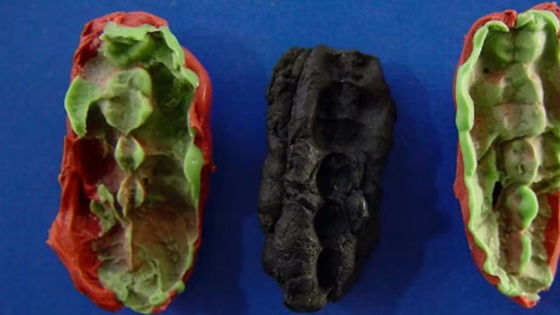
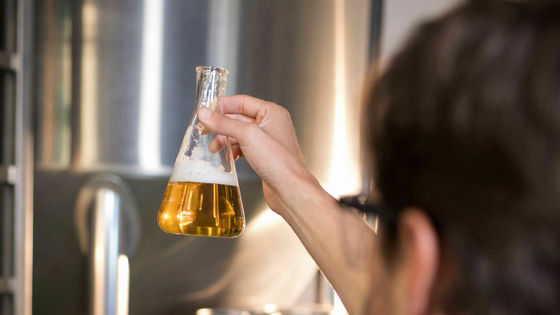
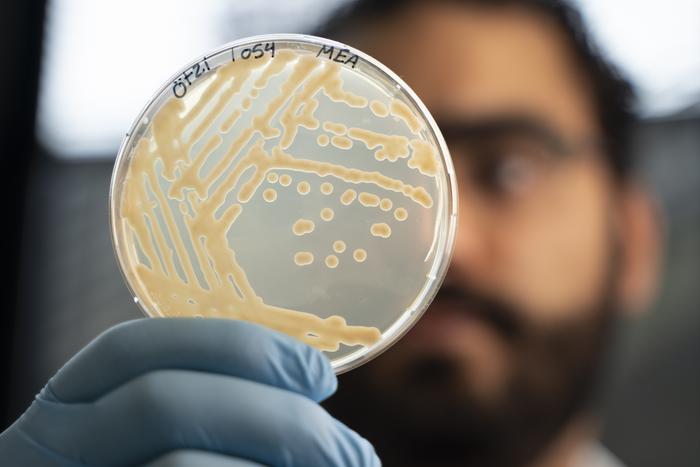
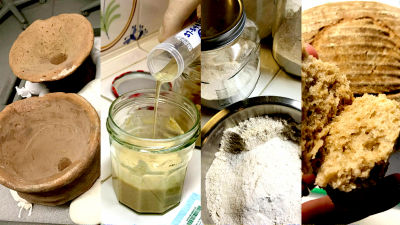
The following is a culture of yeast extracted from the Iceman's body. The research team used the yeast derived from the Iceman to create a sourdough starter containing lactic acid bacteria and yeast. Salhan said of the dough made with the yeast extracted from the Iceman, 'It worked well. The dough was very good,' and explained that it could potentially be used in the fermentation industry in the future, such as for bread and beer.
by Eurac Research|Andrea De Giovanni
The research team is also focusing on the impact that the Iceman's preservation process had on the yeast. After the Iceman's discovery, a phenol-containing solution was used to prevent fungal growth, but three of the four types of yeast found possessed the genetic ability to break down phenol. In other words, past preservation treatments may have inadvertently created an environment favorable to certain microorganisms.
Elisabeth Varazza of Eurac Research stated that 'the current preservation conditions are very stable,' but explained that meticulous microbial monitoring is necessary to prevent damage to the Iceman.
Incidentally, attempts to bake bread using ancient yeast have been made in the past, and in 2019, an incident in which someone baked and ate bread using what is believed to be yeast from ancient Egypt became a hot topic.
A brave soul has appeared who baked bread using yeast from ancient Egypt dating back 4,500 years. What did it actually taste like? - GIGAZINE
Related Posts: