The popular app 'HWiNFO,' which can graph CPU temperature, clock frequency, and other metrics, is also being used in NASA experiments.
HWiNFO is a Windows application that allows you to acquire and monitor hardware information, and can retrieve information on almost all hardware components in a PC, including the CPU, GPU, memory, storage, and case fans. HWiNFO is also used in NASA research.
HWiNFO - Free System Information, Monitoring and Diagnostics
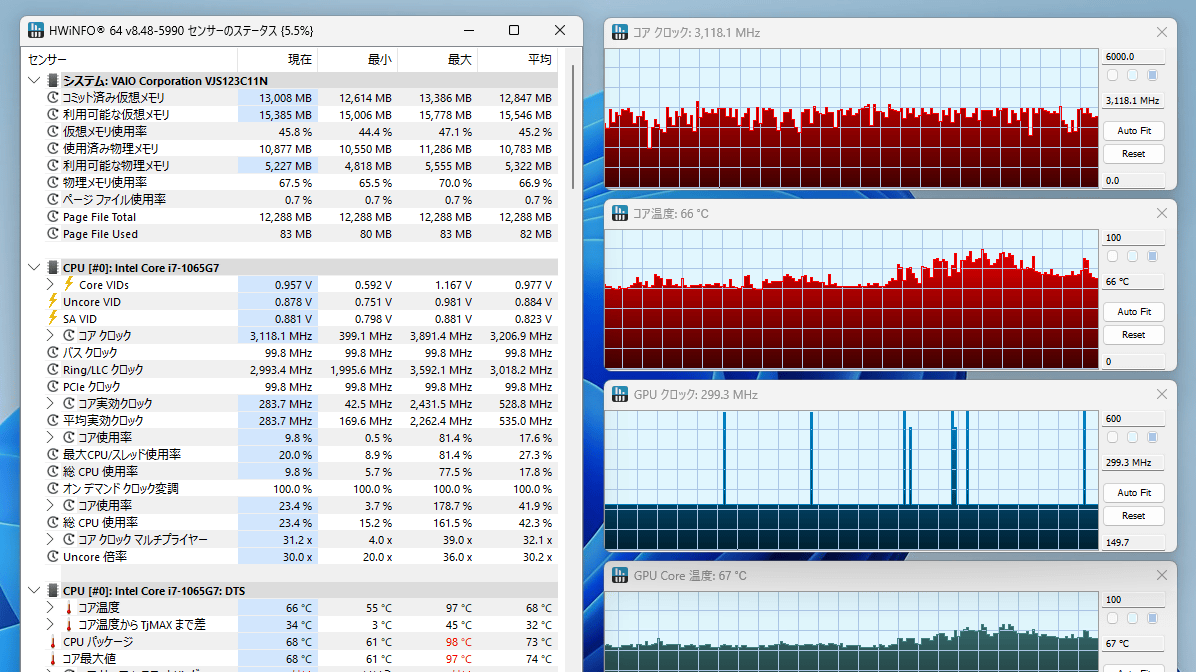
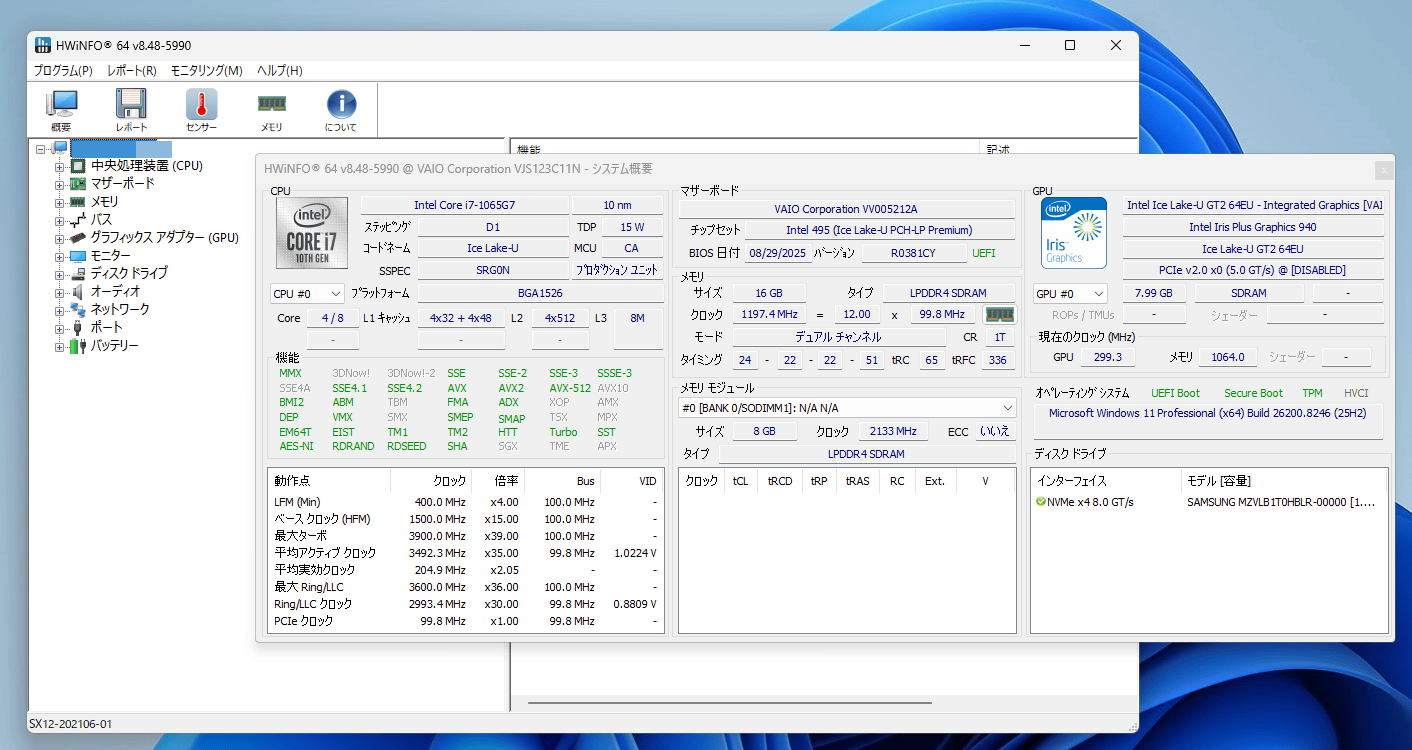
An example of HWiNFO execution is shown below. HWiNFO allows access to information on CPU, GPU, memory, storage, case fans, and more, and you can view information on various parts all at once with just one application.
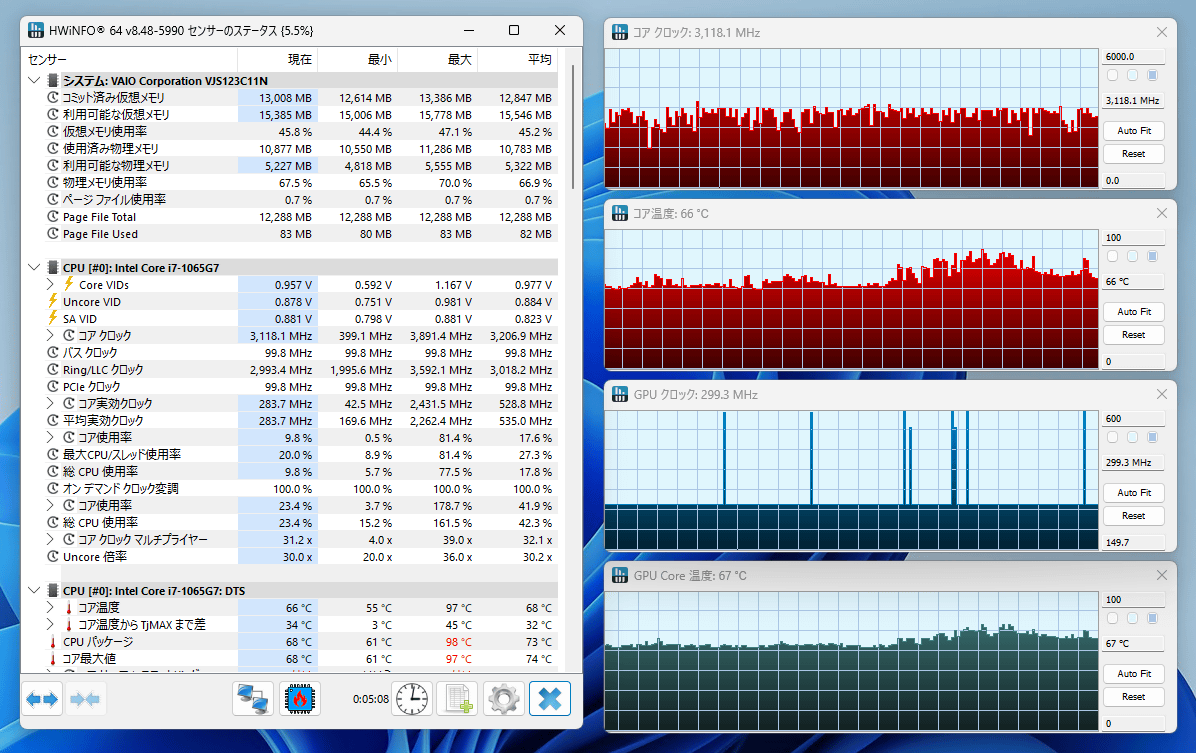
You can check the temperature and clock frequency of each component in real time. For example, in the example below, the CPU clock frequency, CPU core temperature, GPU clock frequency, and GPU core temperature are acquired and graphed every 500 milliseconds. HWiNFO can also acquire a large amount of other data in real time, such as CPU power consumption, fan speed, and memory usage. It is free to use for personal use, making it popular among DIY PC users.
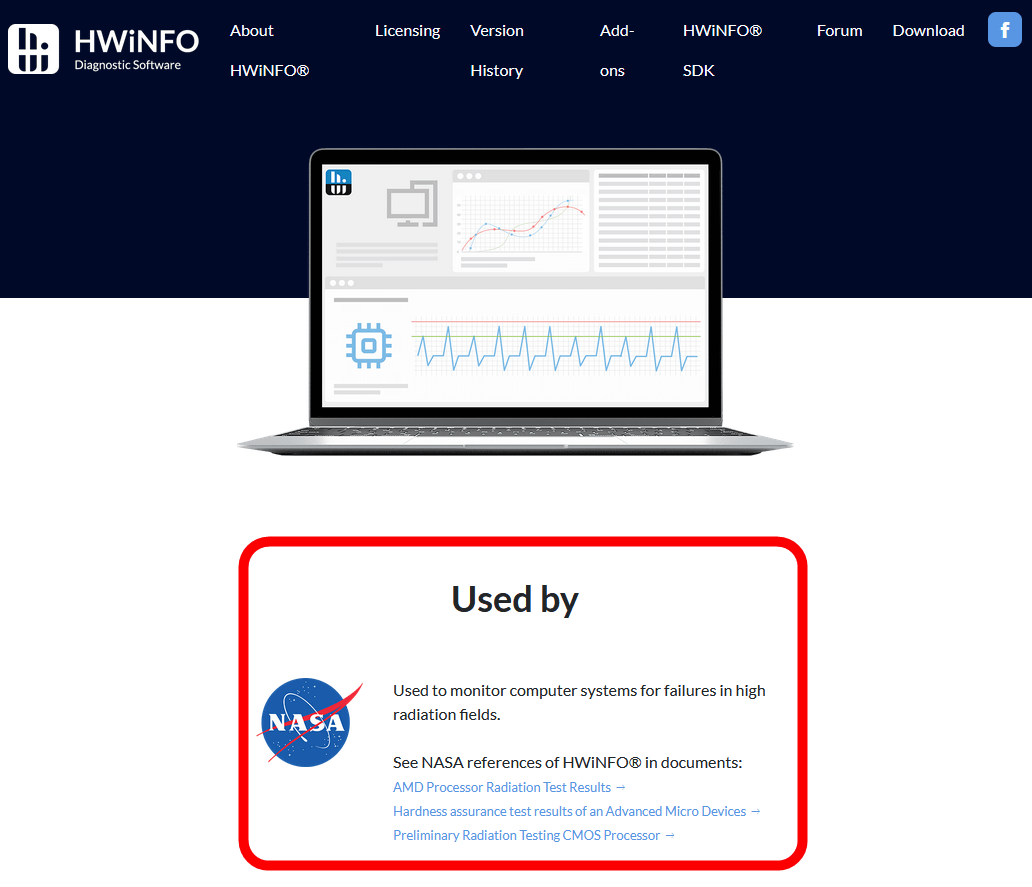
HWiNFO's official website boasts that it is also used by NASA. The site states that it is 'used to monitor computer system failures in high-radiation environments,' and includes a link to an official NASA document.
The following is an example of an experiment report using NASA's HWiNFO. It is a document titled 'Radiation Test Results of Advanced Micro Devices (AMD) Processors,' published in June 2013.
NEPP ETW 2013: Advanced Micro Devices (AMD) Processor:Radiation Test Results - 1140_LaBel_ AMD Processor Radiation Test Results.pdf
(PDF file) https://nepp.nasa.gov/docs/etw/2013/Wed_June12_2013/1140_LaBel_%20AMD%20Processor%20Radiation%20Test%20Results.pdf

The experiment was conducted with the objective of 'confirming the reaction of semiconductors produced at semiconductor manufacturing plants outside the United States to radiation.' For this purpose, the 'AMD A4-3300,' produced at GlobalFoundries' German factory, was selected.

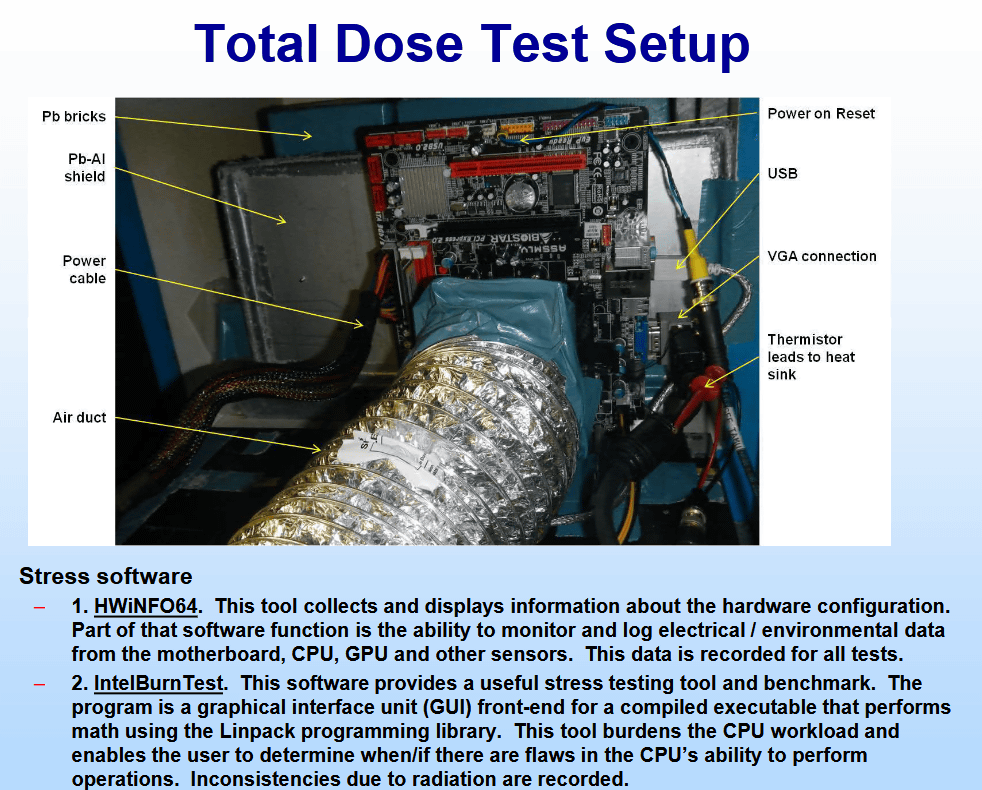
This is what the experiment looked like. We irradiated the system with radiation and monitored the state of the CPU and GPU during irradiation using HWiNFO.
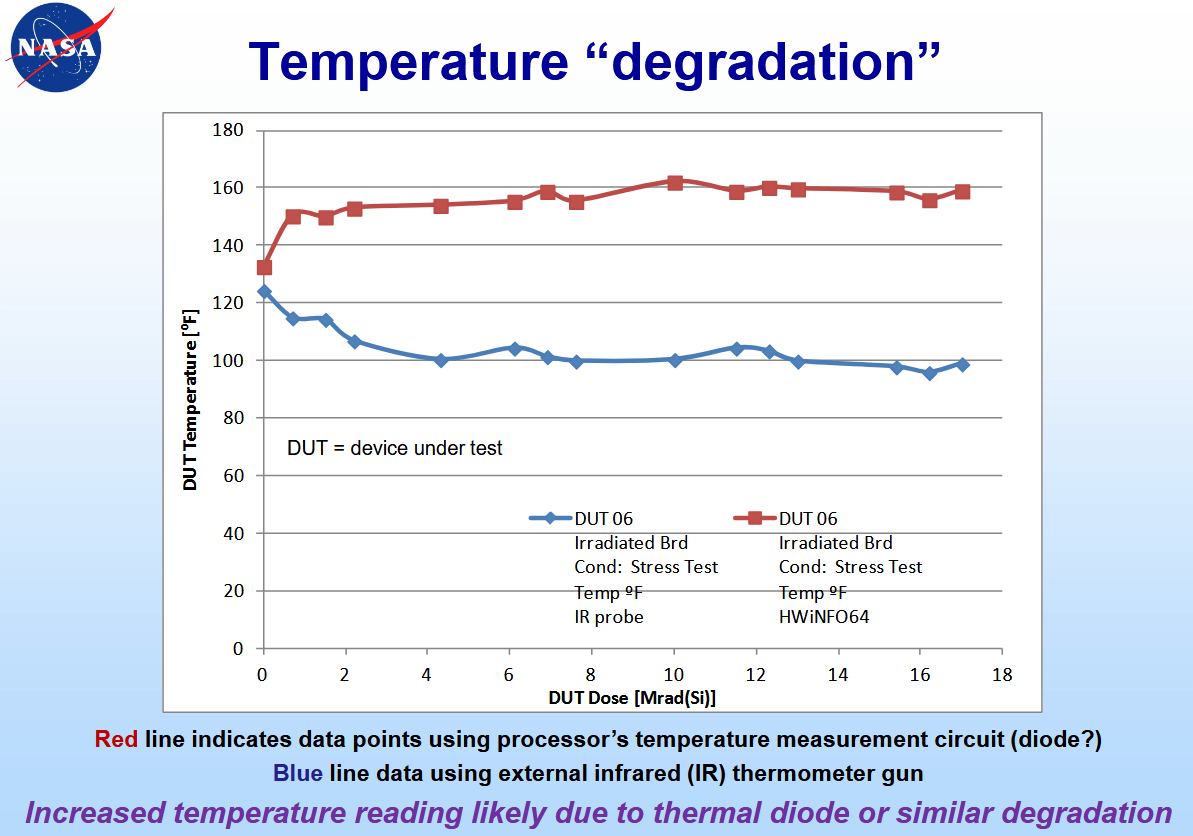
The experiment yielded intriguing results that appear to be caused by radiation. The graph below shows radiation dose on the horizontal axis and temperature on the vertical axis. The red line represents the temperature recorded by HWiNFO, and the blue line represents the temperature recorded by infrared thermography. While infrared thermography showed a decrease in temperature, HWiNFO recorded an increase in temperature. NASA speculates that this contradictory result is due to the degradation of the diodes measuring the processor's temperature caused by radiation.
Furthermore, the results of NASA's experiments using HWiNFO have been published in a research paper.
Hardness Assurance for Total Dose and Dose Rate Testing of a State-of-the-Art Off-Shore 32 nm CMOS Processor | IEEE Conference Publication | IEEE Xplore
https://ieeexplore.ieee.org/document/6658198
Related Posts: