A NASA study claiming that houseplants purify the air in a room contains misconceptions.
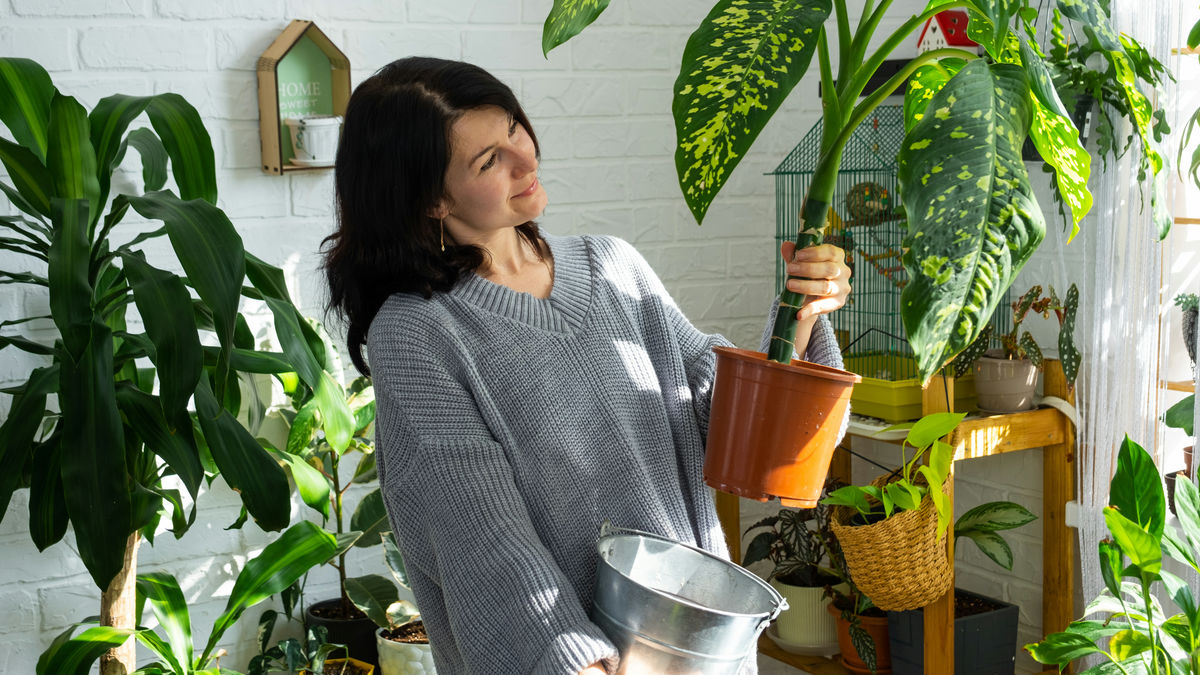
A 1989 NASA report recommended placing houseplants to prevent the deterioration of indoor air quality. However, experts point out that this study demonstrated the effectiveness of houseplants in a sealed environment and is largely meaningless in real-world indoor settings such as living rooms.
Can houseplants really purify the air in your home? What the science actually says
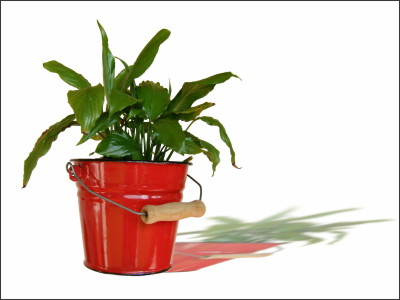
The widespread awareness of the air-purifying effects of houseplants is said to have stemmed from a 1989 NASA study. Conducted as part of research into closed-loop life support systems on the International Space Station, the study confirmed that growing plants in a small, sealed experimental space reduced volatile organic compounds (VOCs) such as formaldehyde and benzene released from paints, furniture, and detergents.
NASA research has shown that plants do absorb chemicals from the air, but the finding that VOCs were reduced by 10-70% is based on data from a sealed environment and is not considered realistic. A 2019 study by Drexel University researchers Bryan Cummings and Michael Waring showed that plants can remove at most 1% of pollutants from the air per cubic meter per hour, meaning that to remove VOCs with houseplants, you would need to cram 10 to 1000 plants per square meter.
How many houseplants are needed to remove indoor pollutants? - GIGAZINE

Pedram Vousoughi, a PhD in Biological Sciences at the University of Limerick, points to the term 'ventilation rate' as a missing variable in NASA's research. Vousoughi is a term used by architects to describe the rate at which outside air naturally replaces indoor air through gaps, walls, and ventilation systems. While houseplants can remove some pollutants, Vousoughi argues that the ventilation rate is overwhelmingly faster than the rate at which plants remove pollutants in typical indoor environments, making NASA's findings impractical.
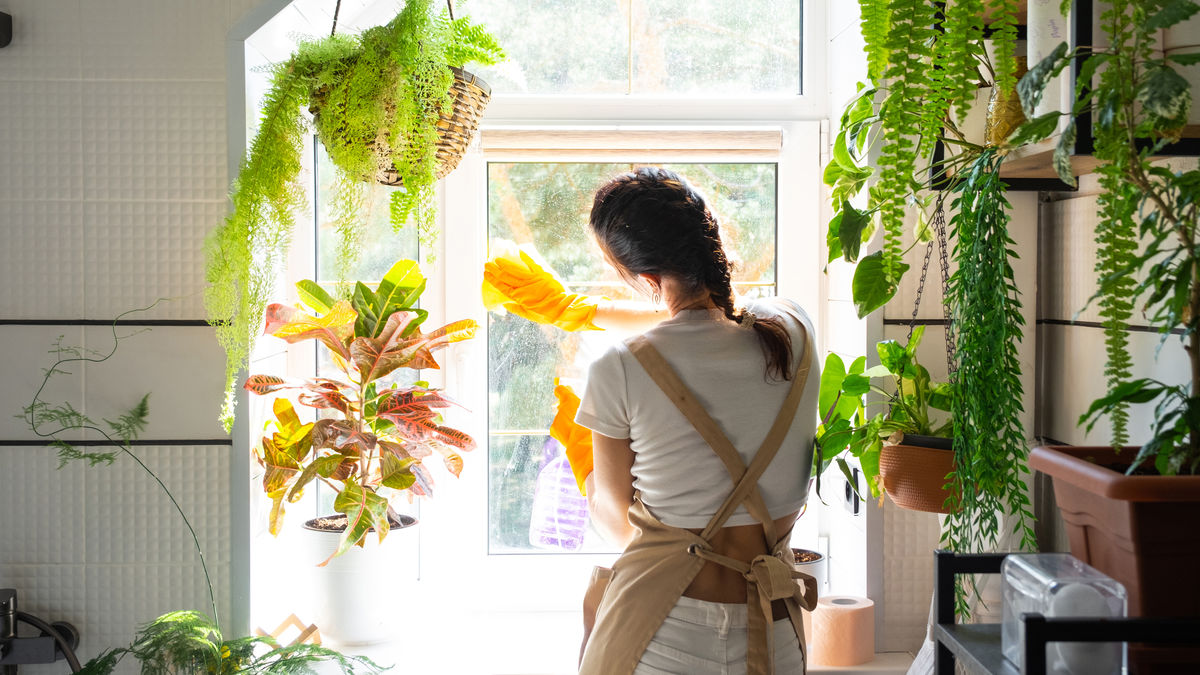
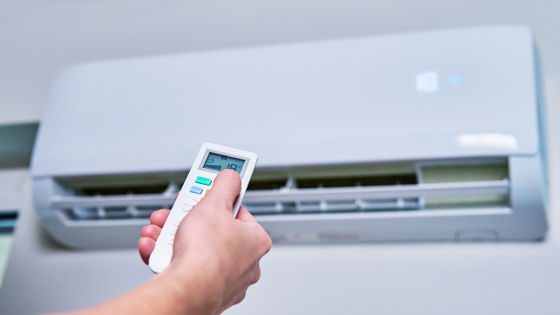
Vousoughi also points out that the non-static nature of real-world indoor environments is another area where NASA's research falls short. In many laboratory experiments, pollutants are released once and then naturally decrease in a sealed space. In contrast, in a home, pollutant emissions vary throughout the day due to cooking, cleaning, furniture use, turning air conditioning on and off, opening and closing windows, and traffic pollution from outside. All of these factors affect the release, dilution, and deposition of pollutants, making real-world exposure conditions far more complex than the controlled conditions under which much plant research is conducted.
Therefore, Vousoughi lists three more reliable ways to reduce indoor pollutants. First, avoid using products that emit fumes, such as strong chemical detergents, and pay attention to building defects such as dampness and leaks that promote mold growth. Second, improving ventilation and increasing the supply of outside air is also very effective. In addition, using an air purifier equipped with a high-efficiency particulate air (HEPA) filter can also help reduce airborne particles.
Furthermore, even if they don't offer much in the way of indoor air purification, several studies have shown that houseplants can boost mental well-being and improve mental health. However, Vousoughi says that houseplants themselves can contribute to indoor humidity problems and the proliferation of microorganisms, so they need to be managed carefully.
What kind of houseplants should you choose to improve your mental health? - GIGAZINE
Related Posts:



in Science, Posted by log1e_dh